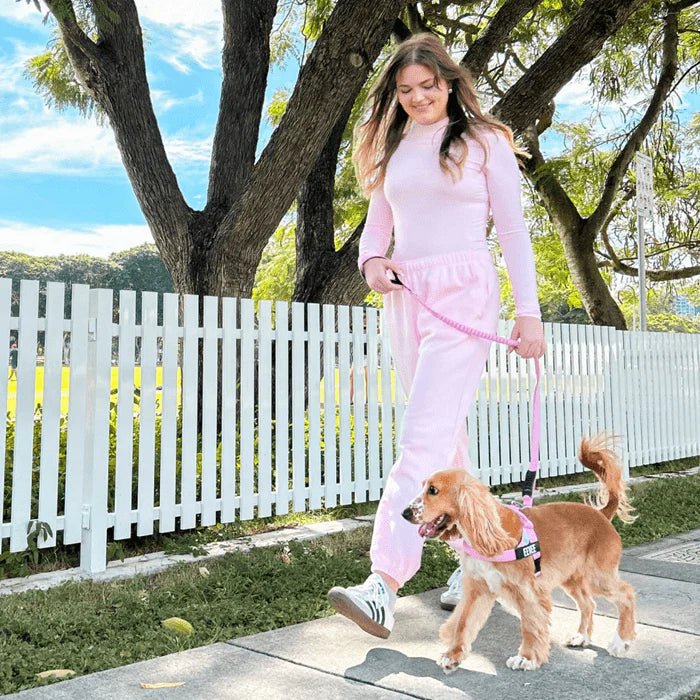

You step outside, lead in hand, and your dog is already three steps ahead of you. Before you've even closed the front door, your shoulder is doing things it was never designed to do, and the relaxing walk you had in mind has turned into a full-body workout. Sound familiar? You're in good company. Learning how to stop your dog pulling on the lead is one of the most rewarding things you can do for your walks, and it's simpler than you might think.
Lead pulling is fixable. It takes patience, a bit of consistency and the right approach, but those calm, enjoyable walks where your dog trots along beside you? They're absolutely within reach.
Why Do Dogs Pull on the Lead?
Here's the thing most people don't realise: your dog isn't pulling to annoy you. They're pulling because it works. Every time they lunge forward and you follow, they learn that straining against the lead gets them to the interesting smell, the other dog or the park entrance faster. From your dog's perspective, pulling is a strategy that pays off every single time.
There's also a basic mismatch at play. Your dog's natural walking pace is roughly twice as fast as yours. Expecting them to stroll at human speed while surrounded by exciting scents and sounds is a big ask. Add in a healthy dose of curiosity (because let's be honest, the world is endlessly fascinating when you experience it through your nose) and you can see why staying calm on a lead doesn't come naturally.
If your dog started pulling as a puppy and nobody addressed it early on, it becomes deeply ingrained. The longer it goes on, the stronger the habit. But habits can be changed, at any age, once you understand what's driving them.
Before You Start Training Your Dog Not to Pull on the Lead
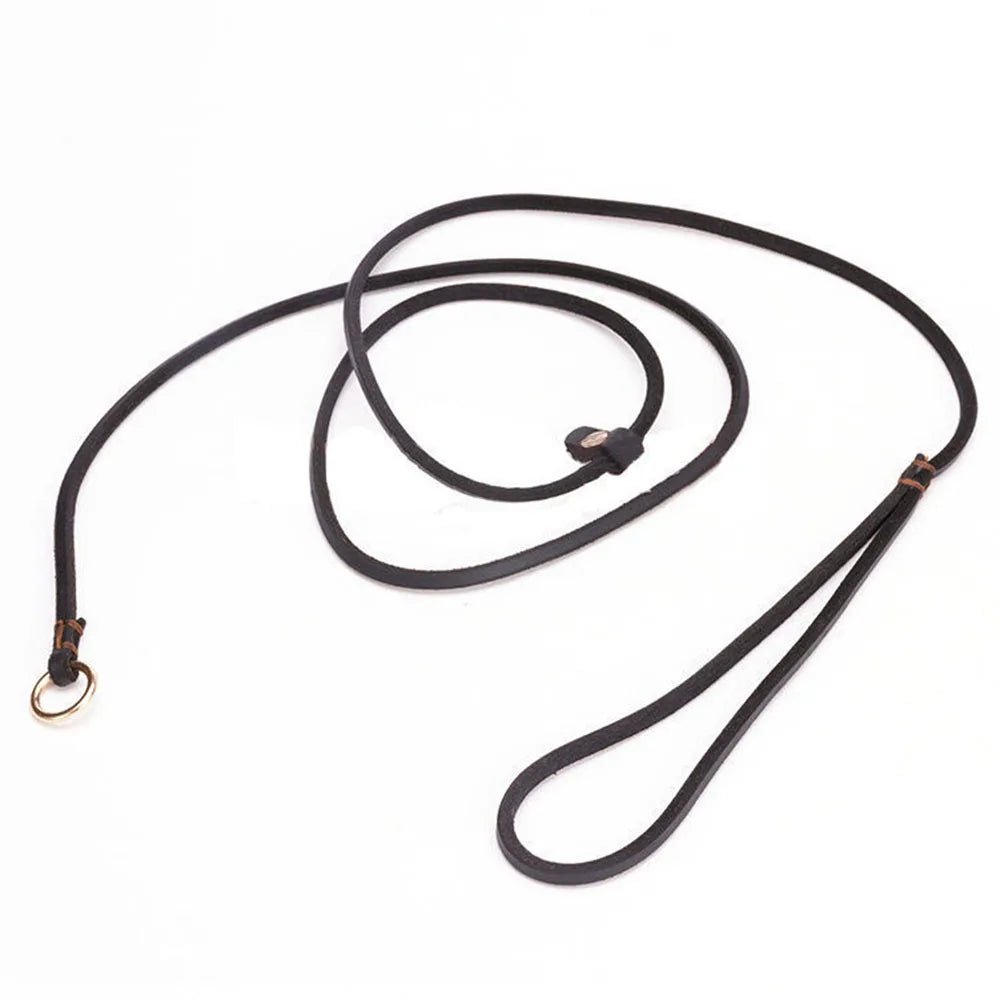
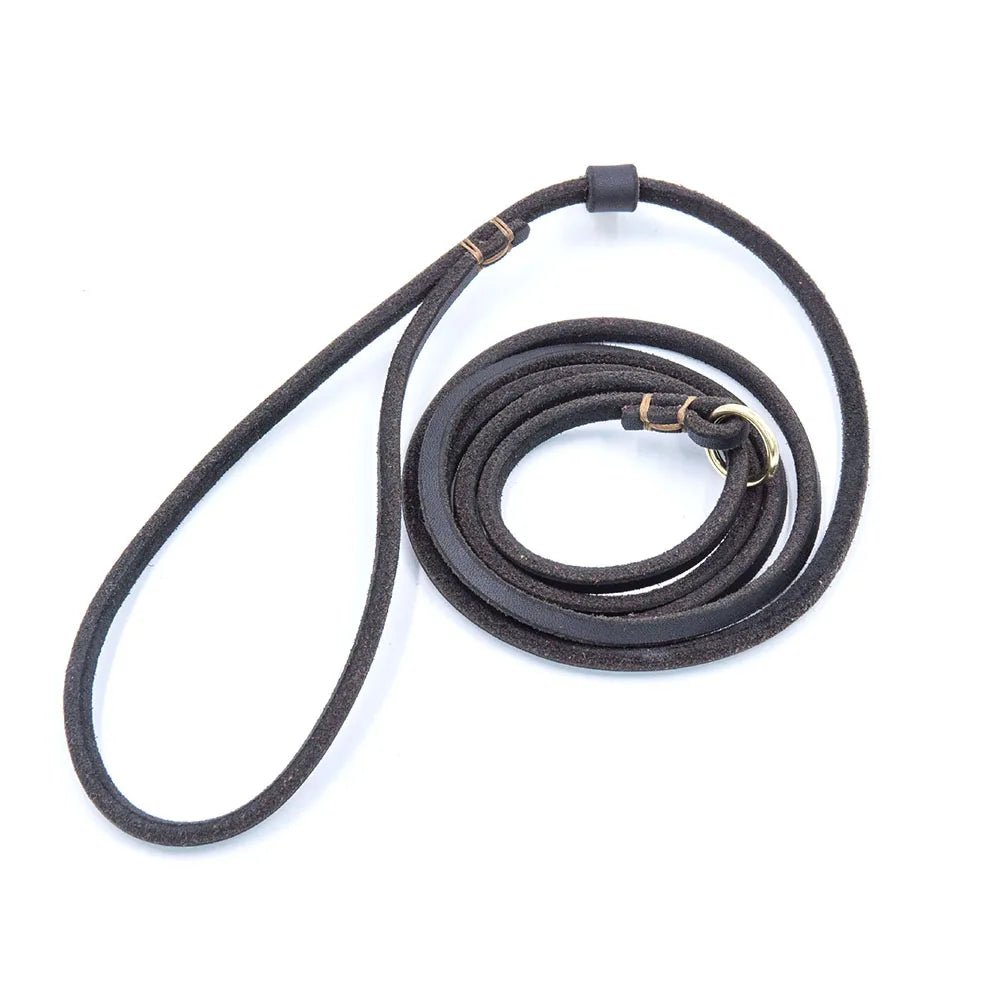
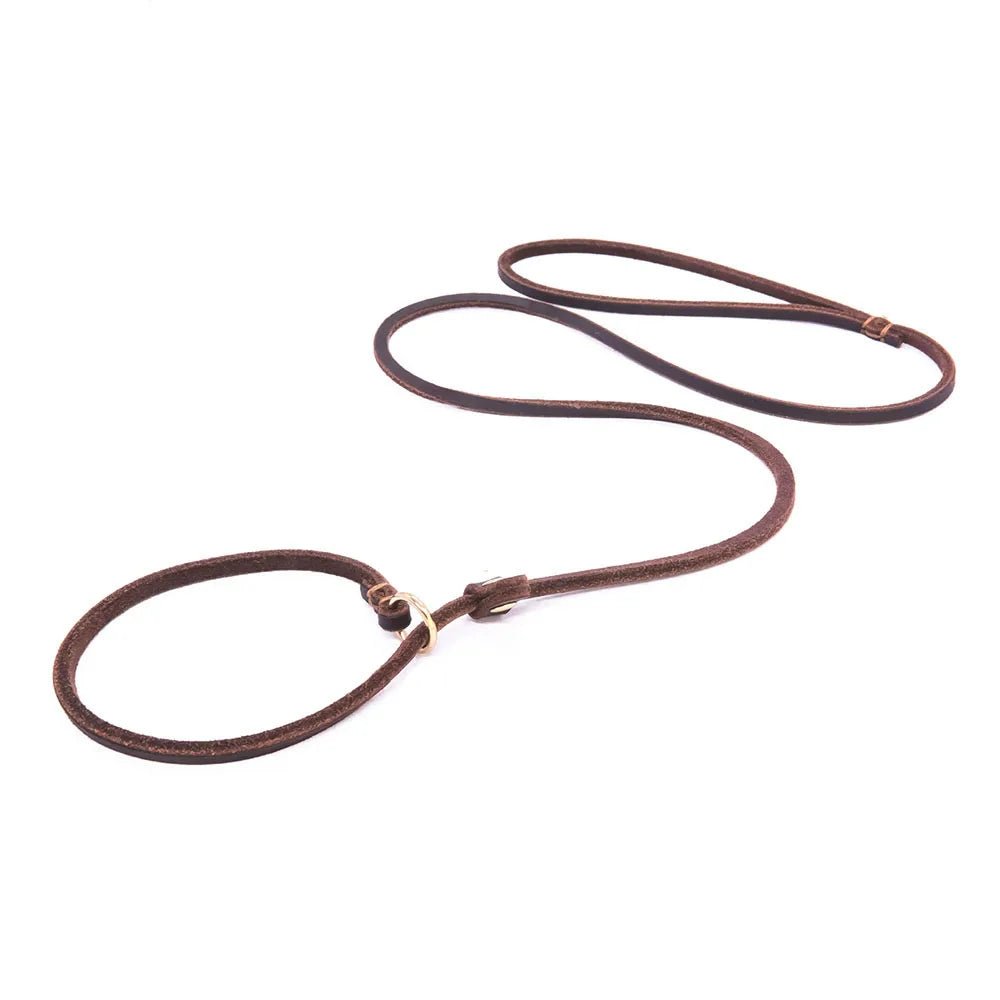
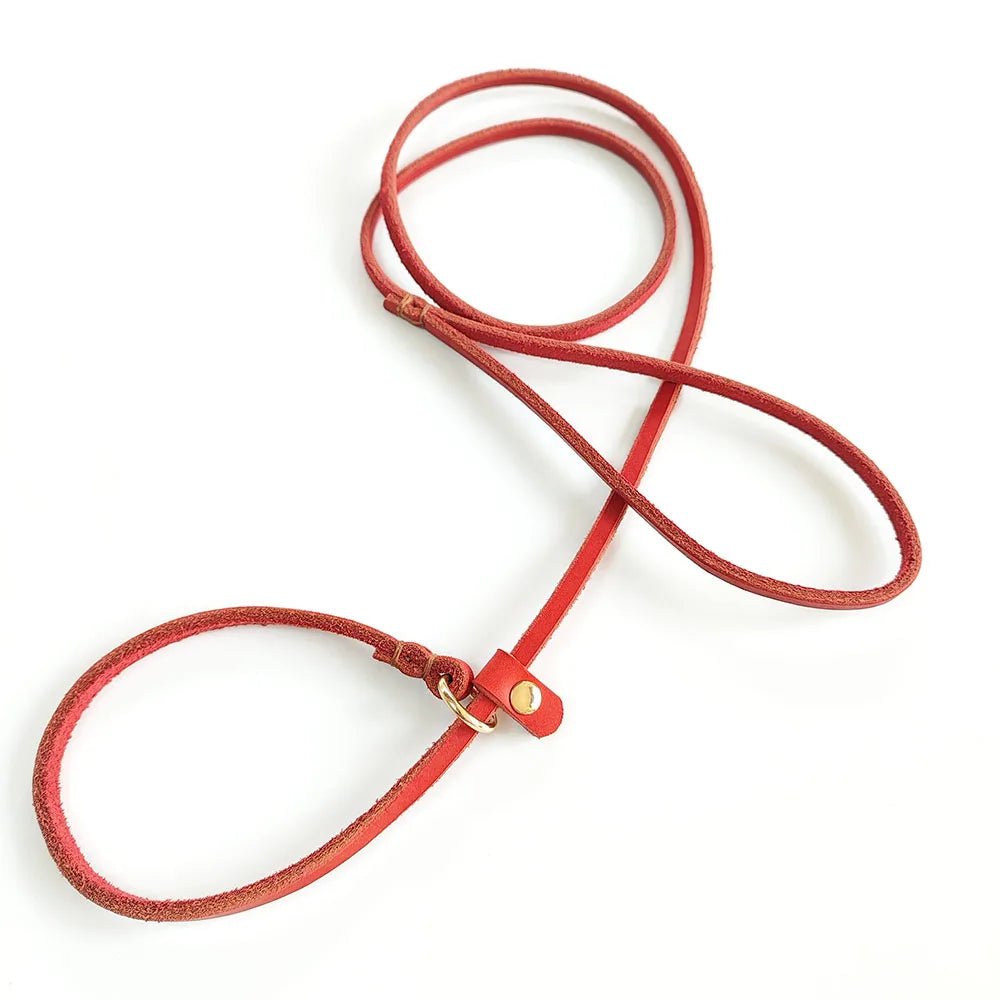
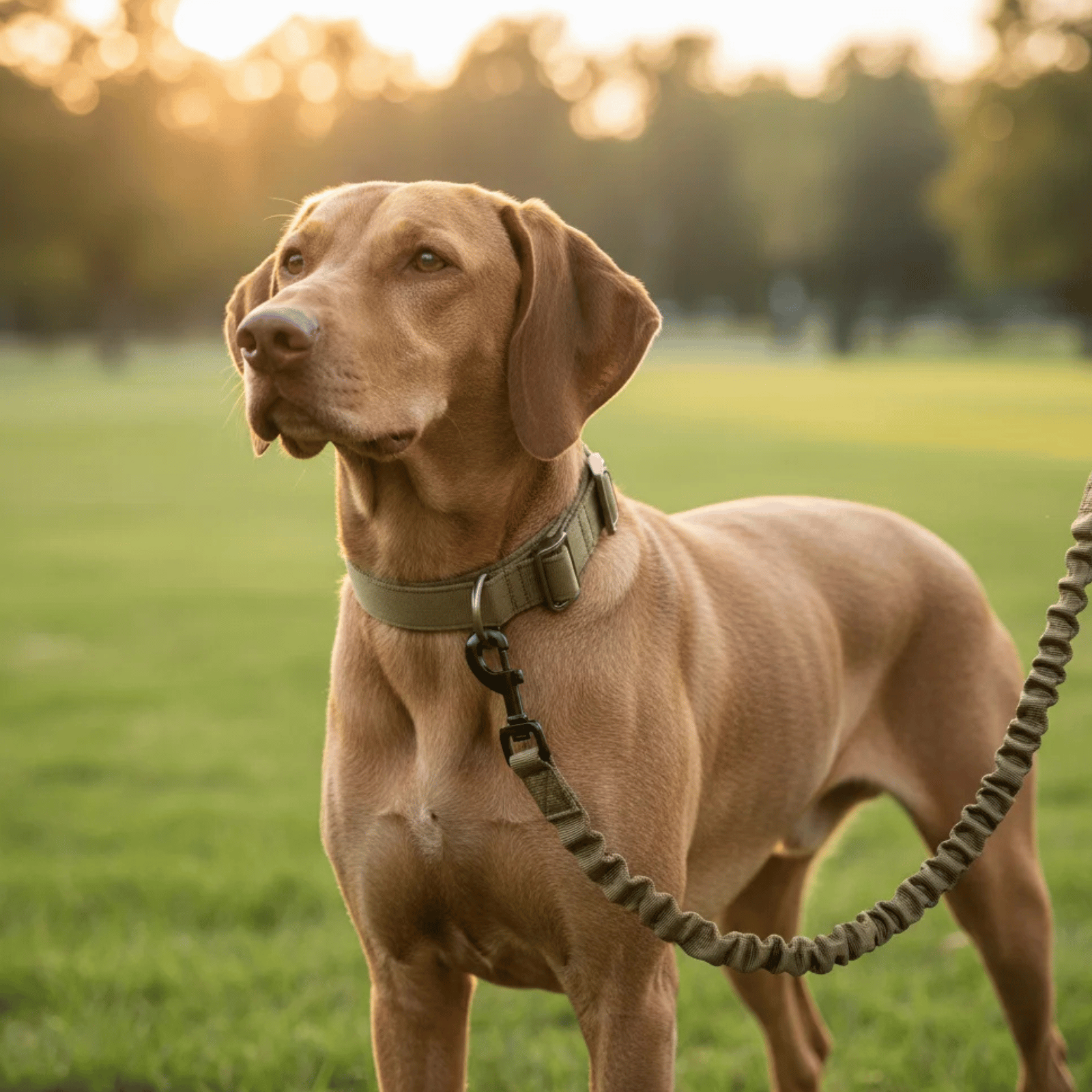
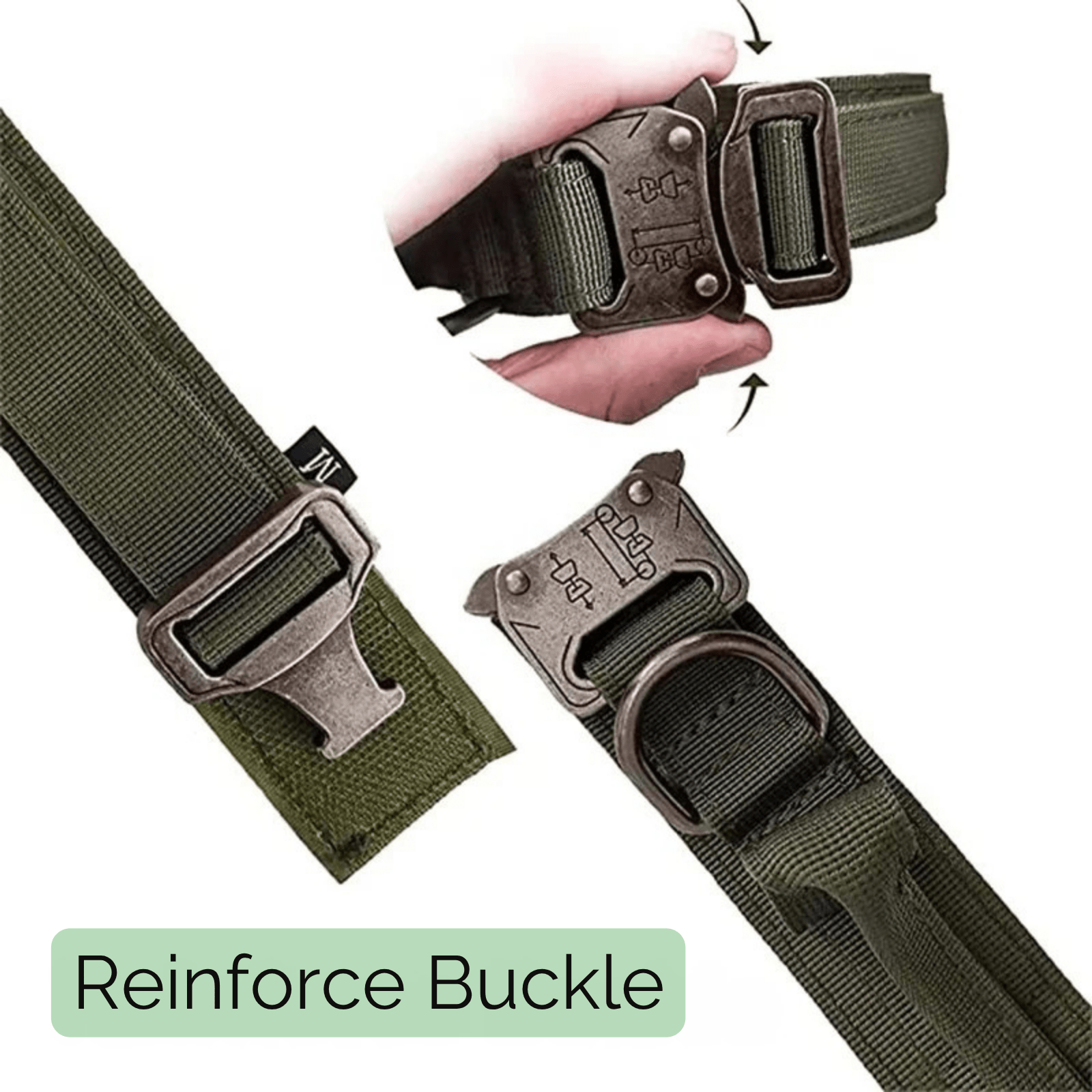
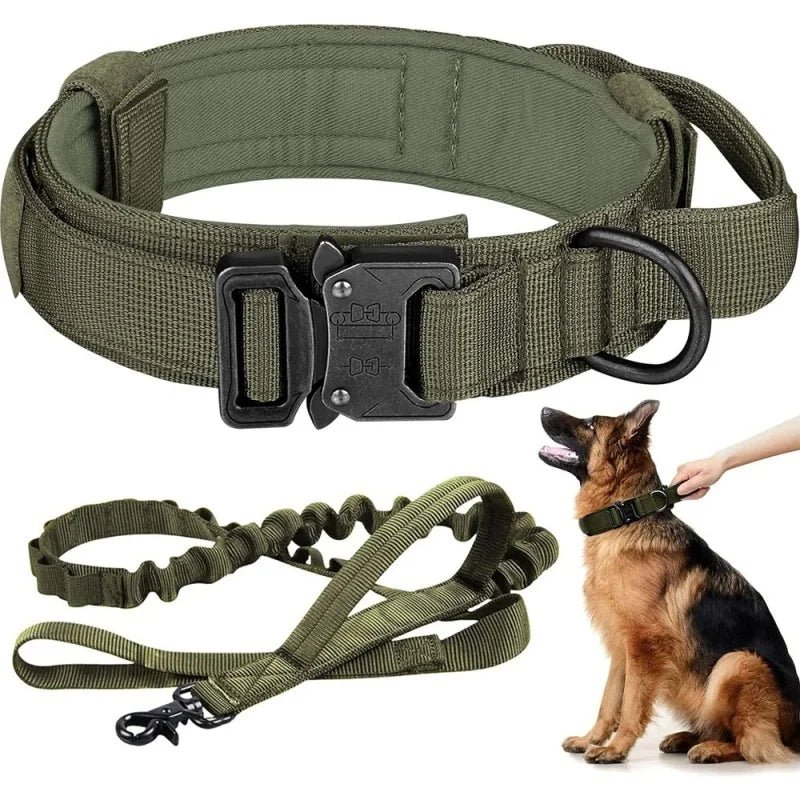
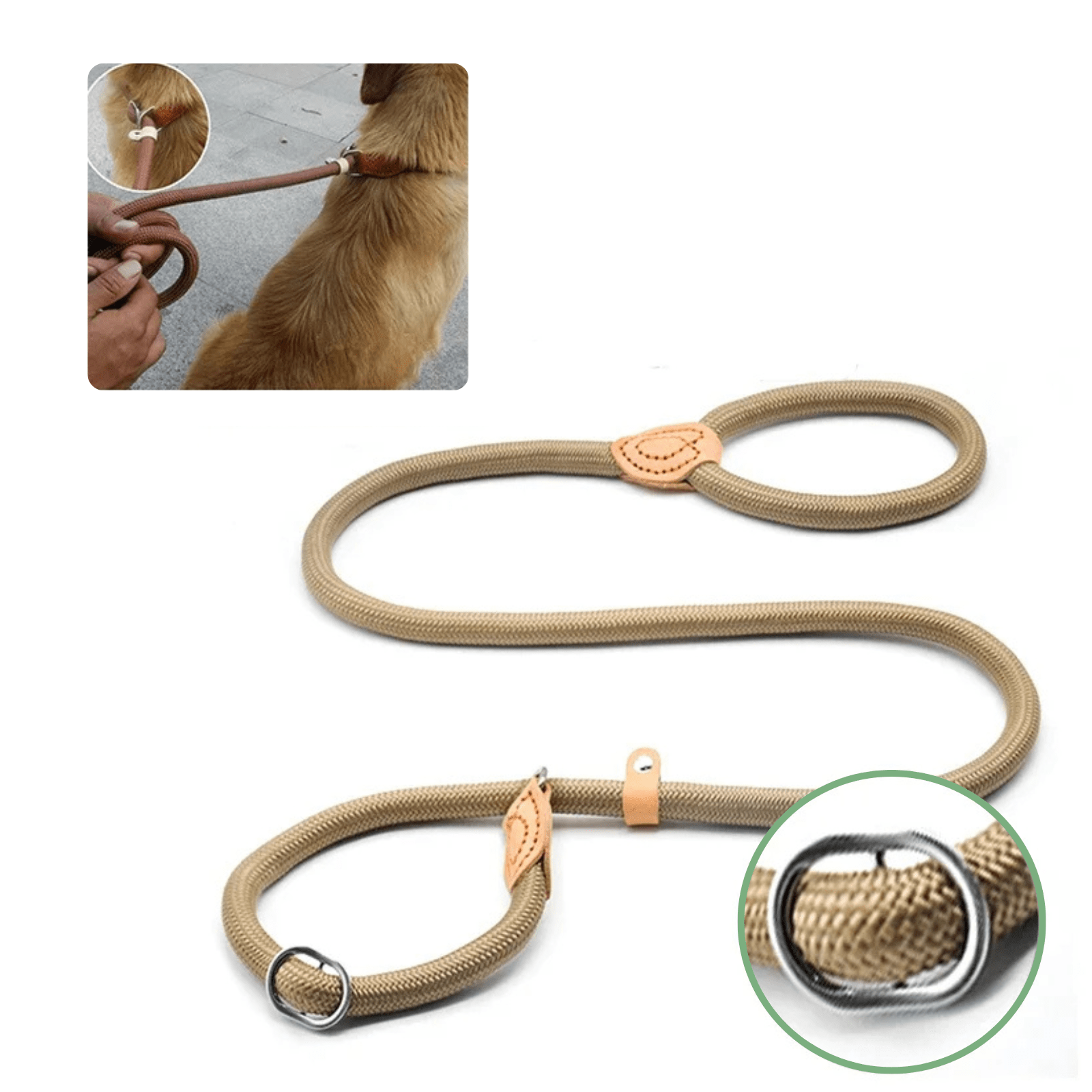
Before you start training your dog not to pull on the lead, it's worth getting your setup right. Your equipment matters more than you might think.
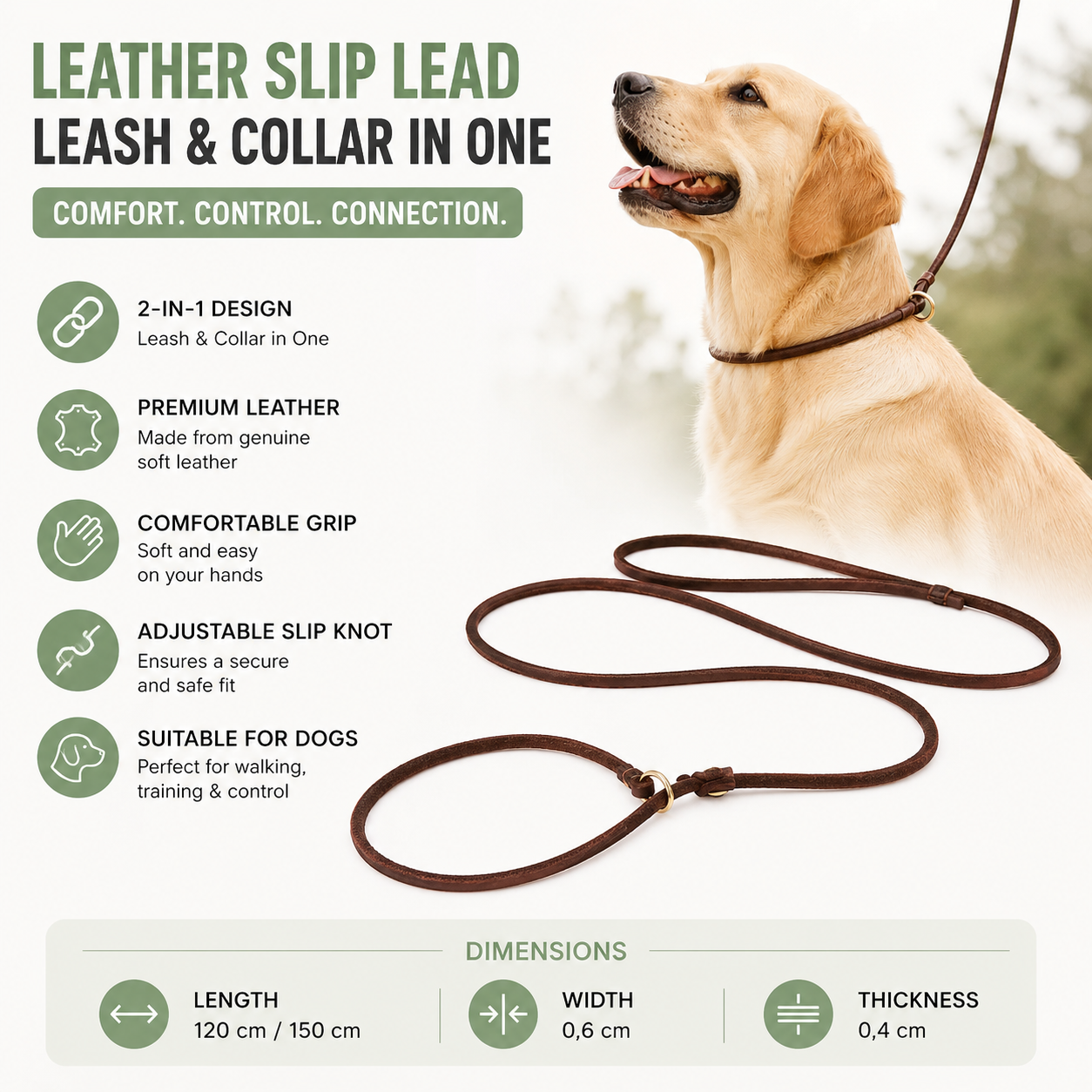
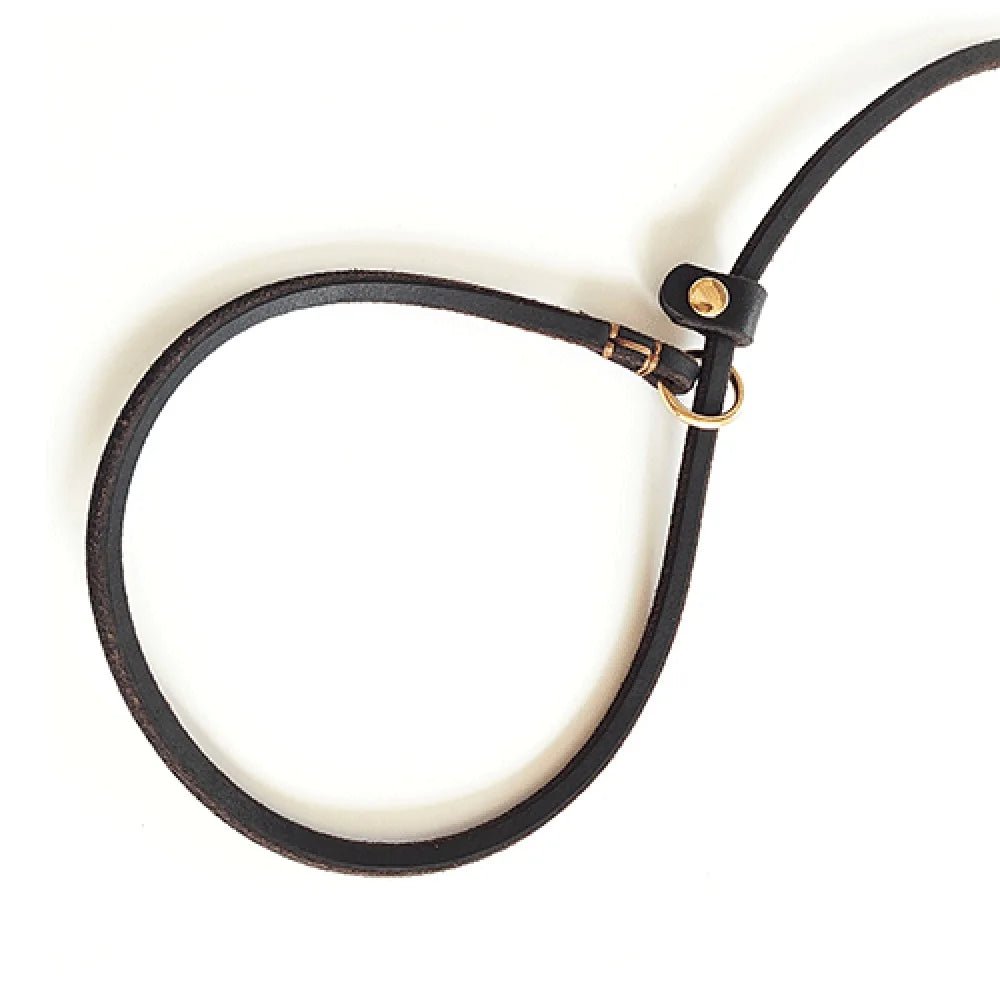
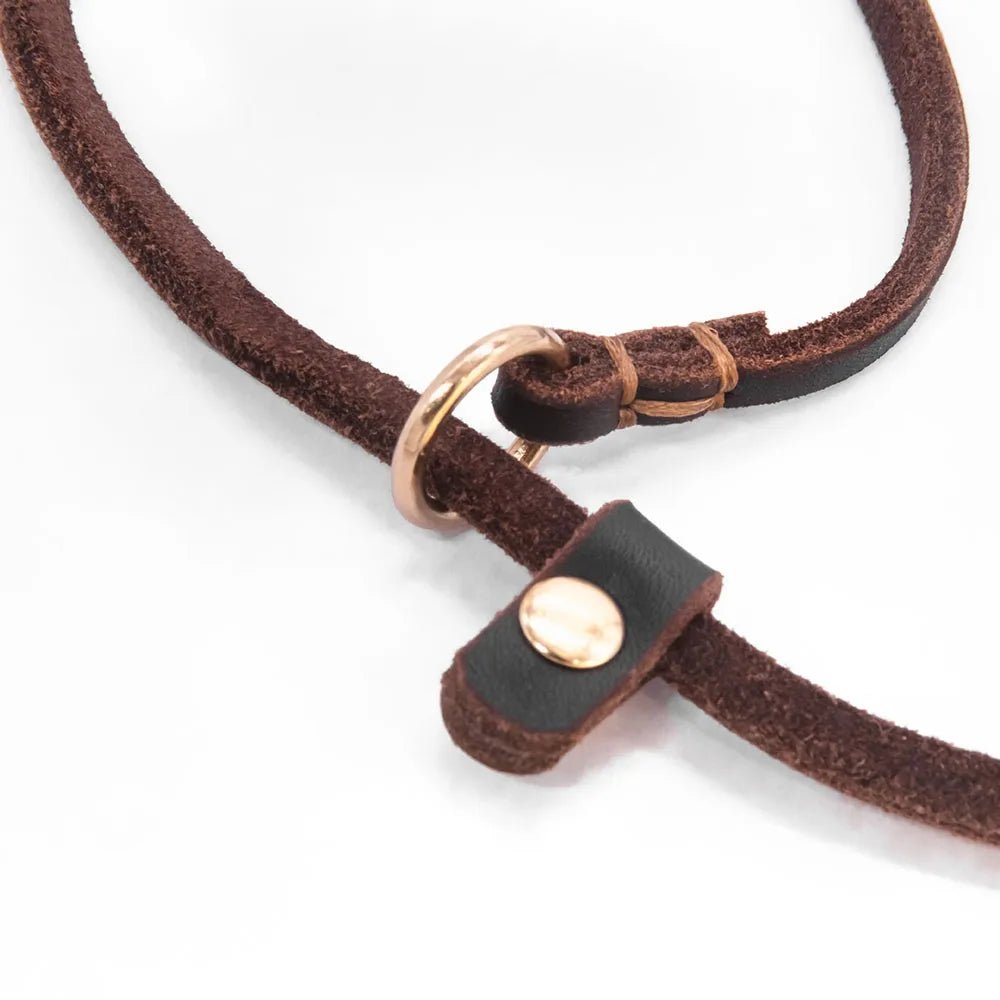
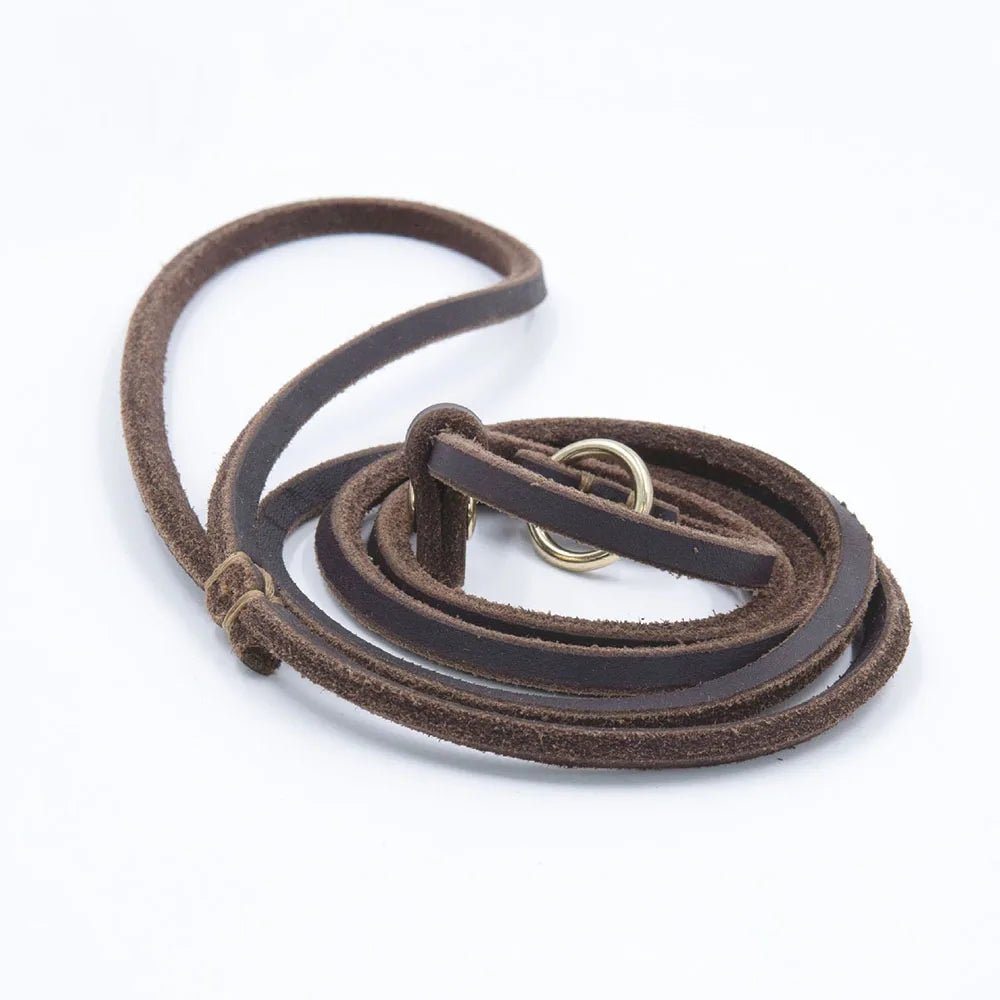
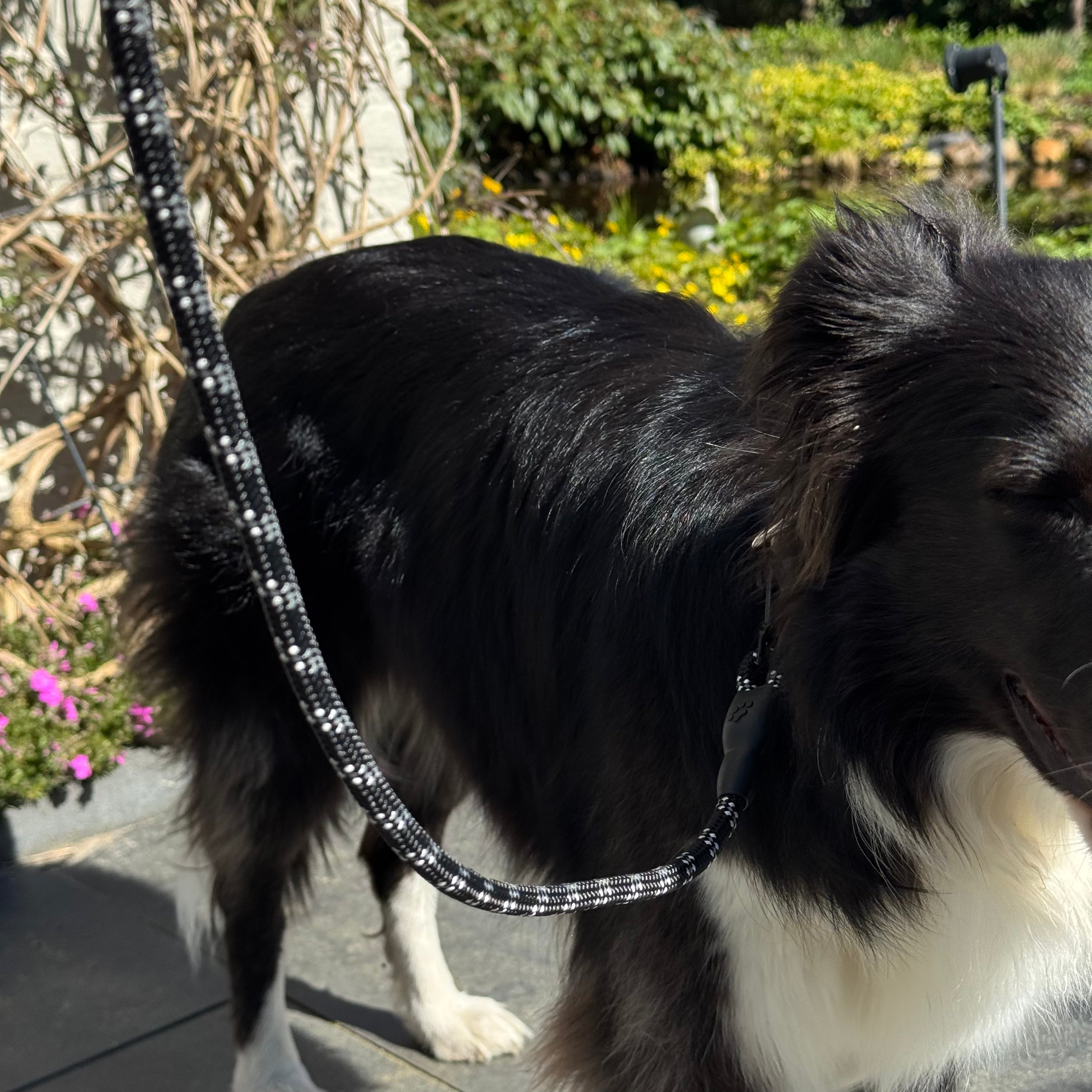
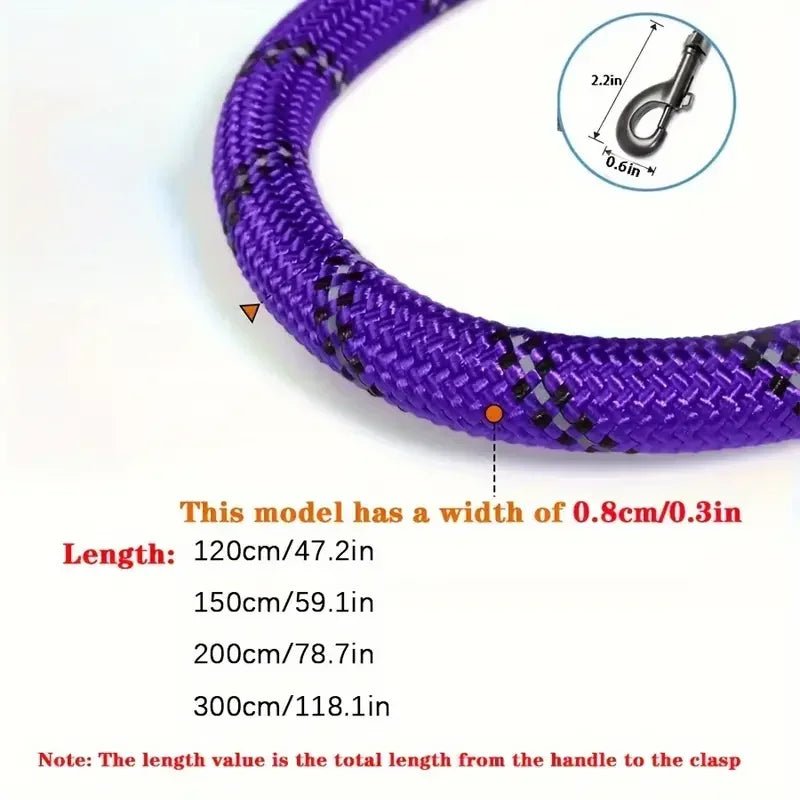
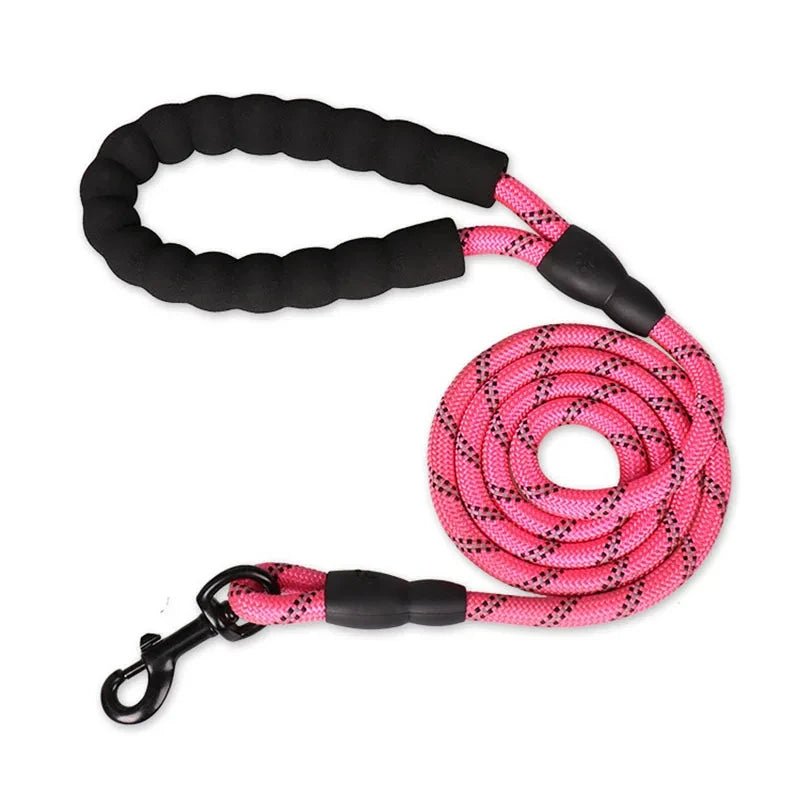
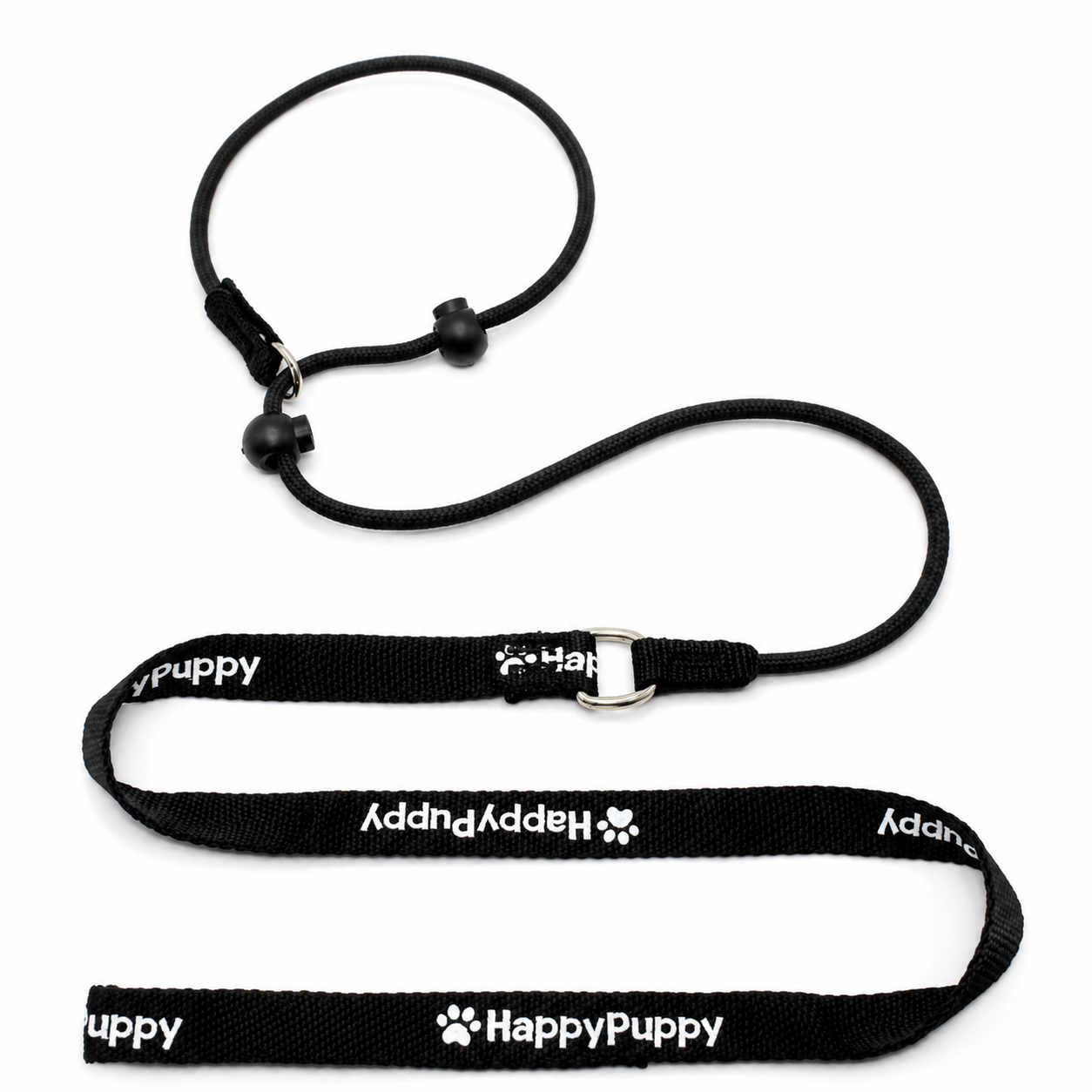
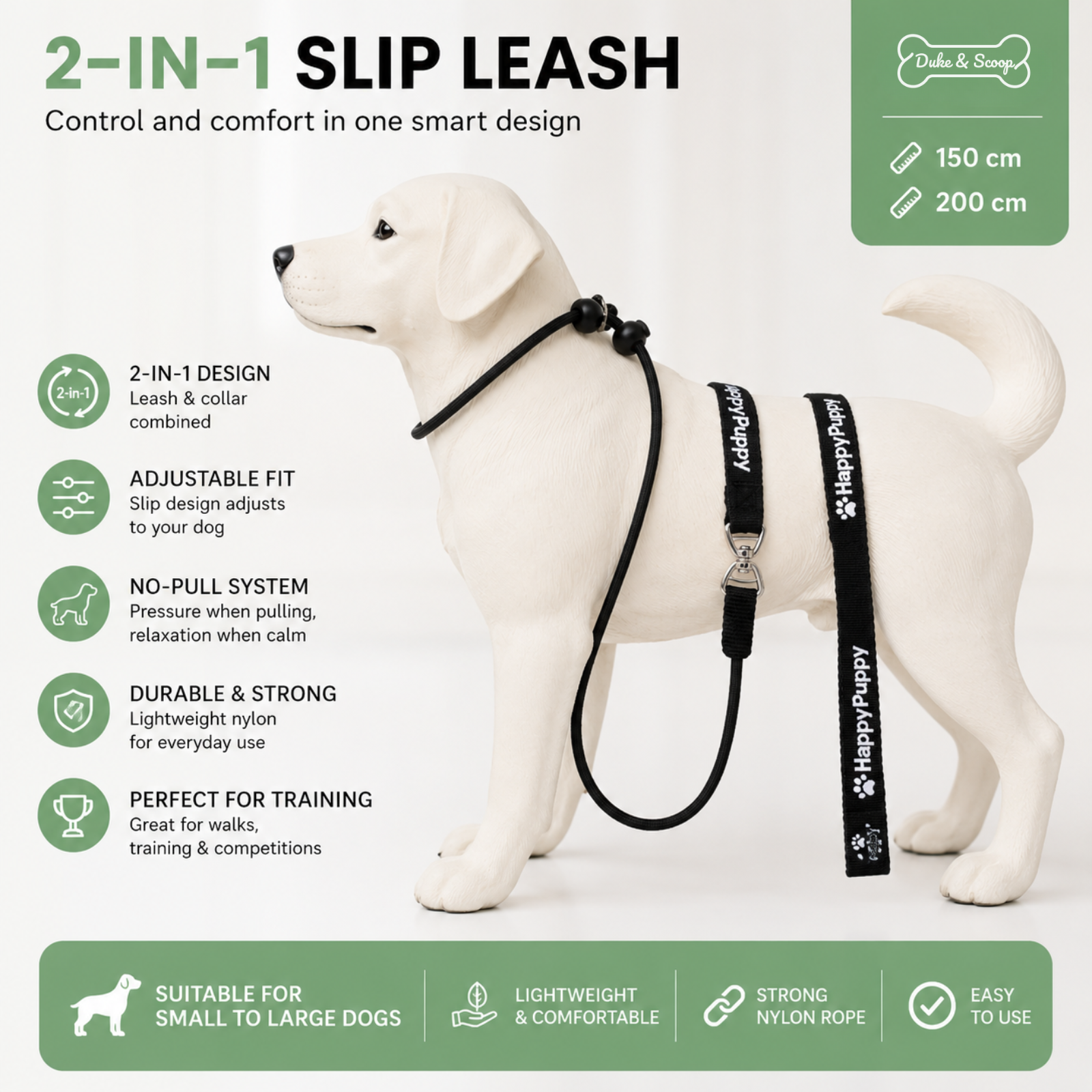
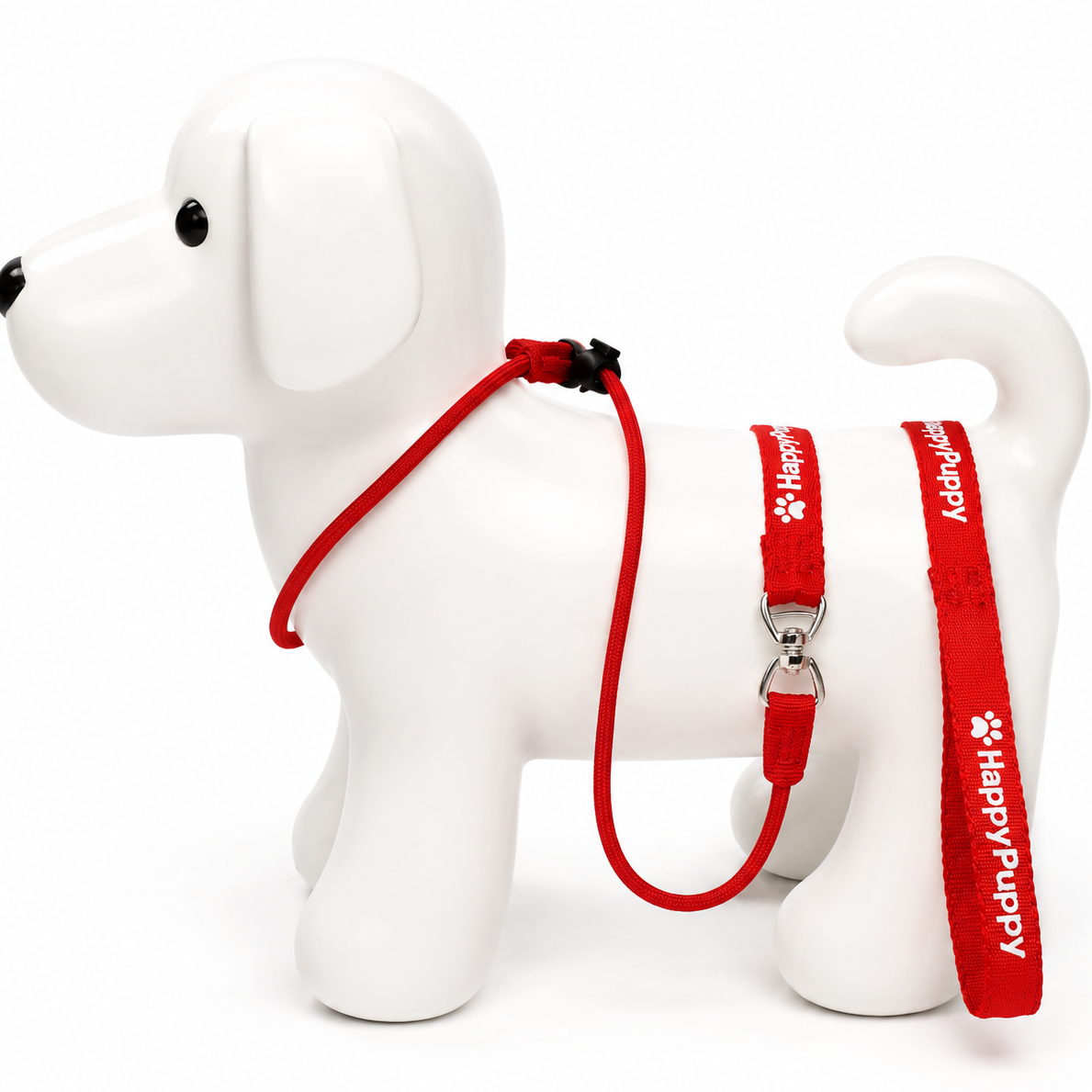
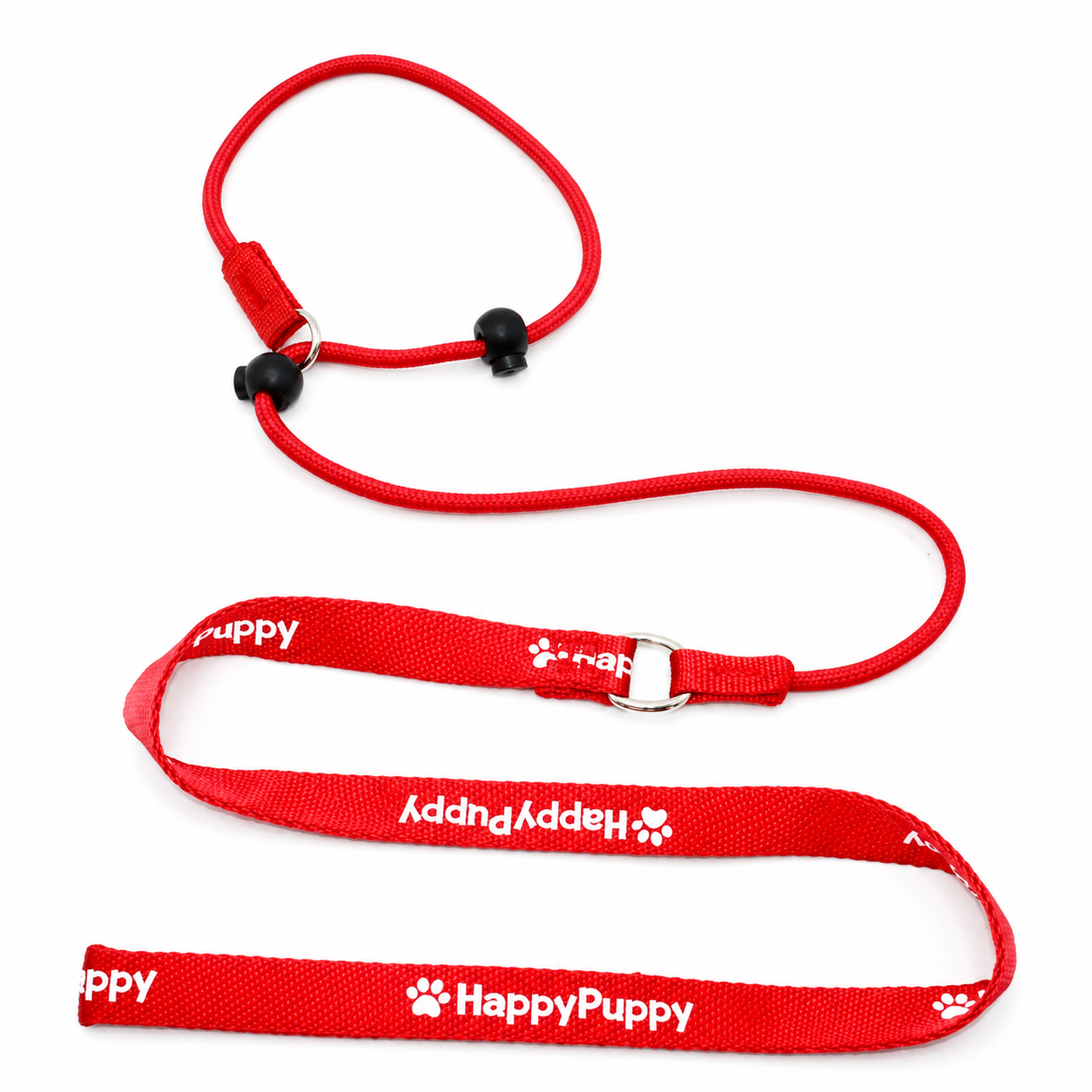
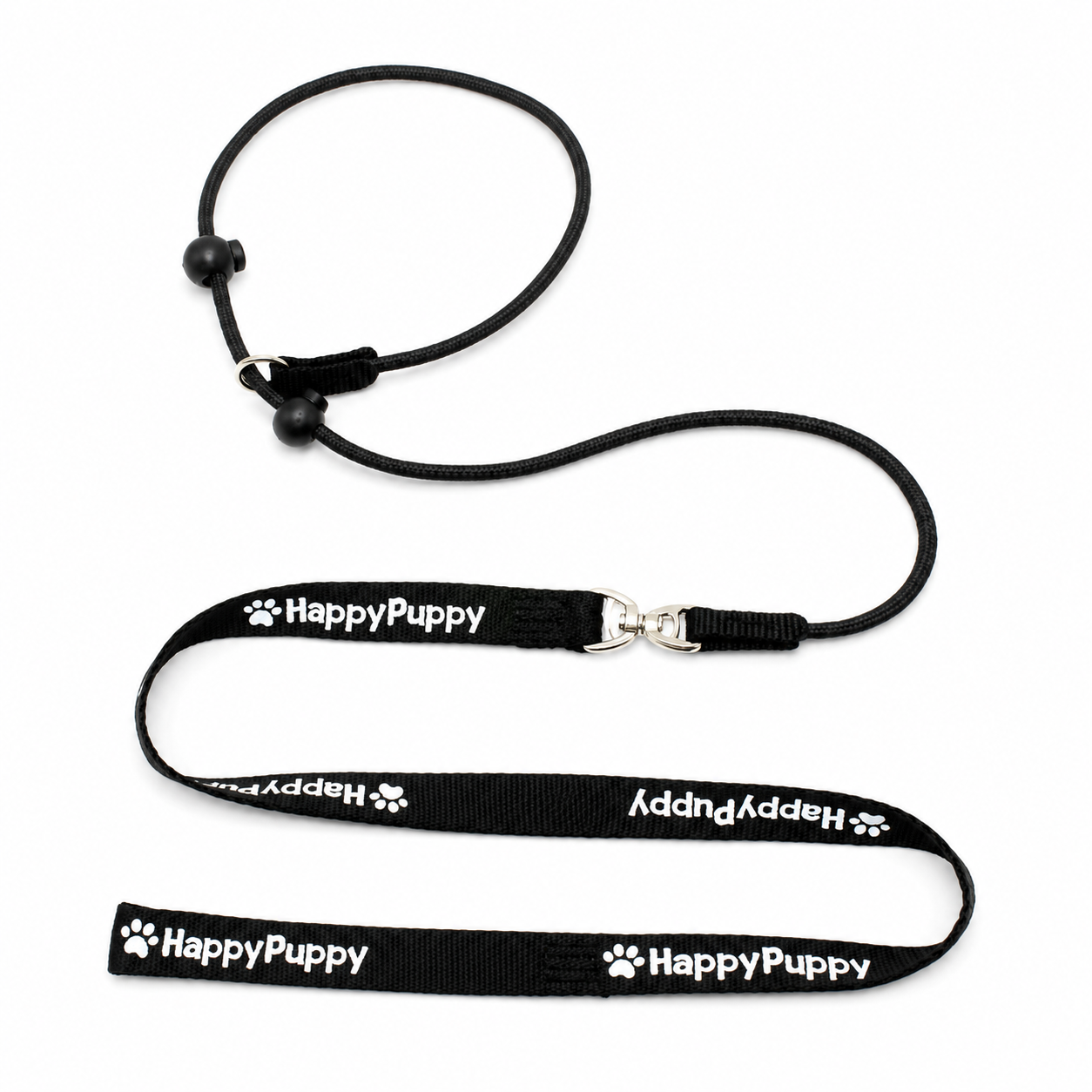
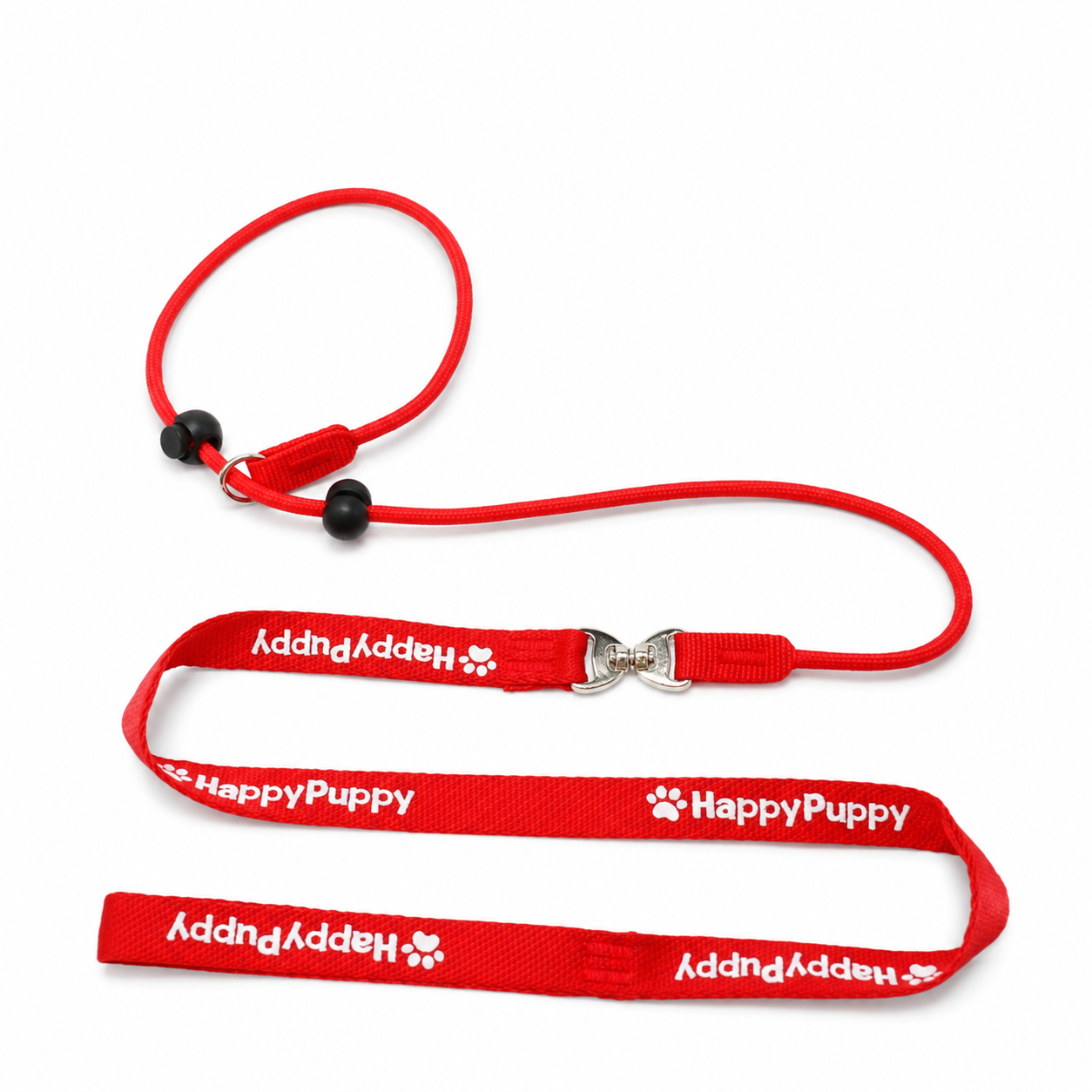
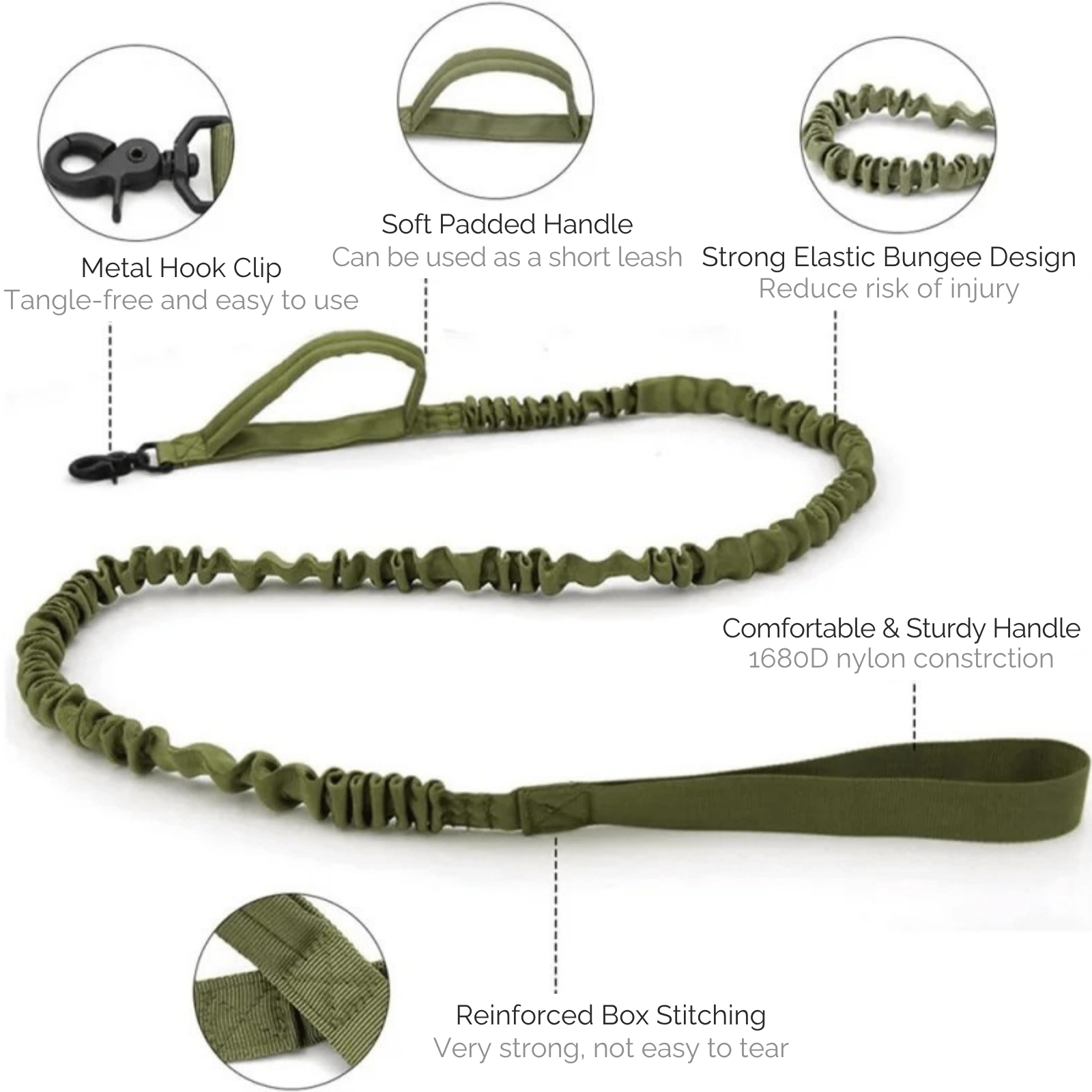
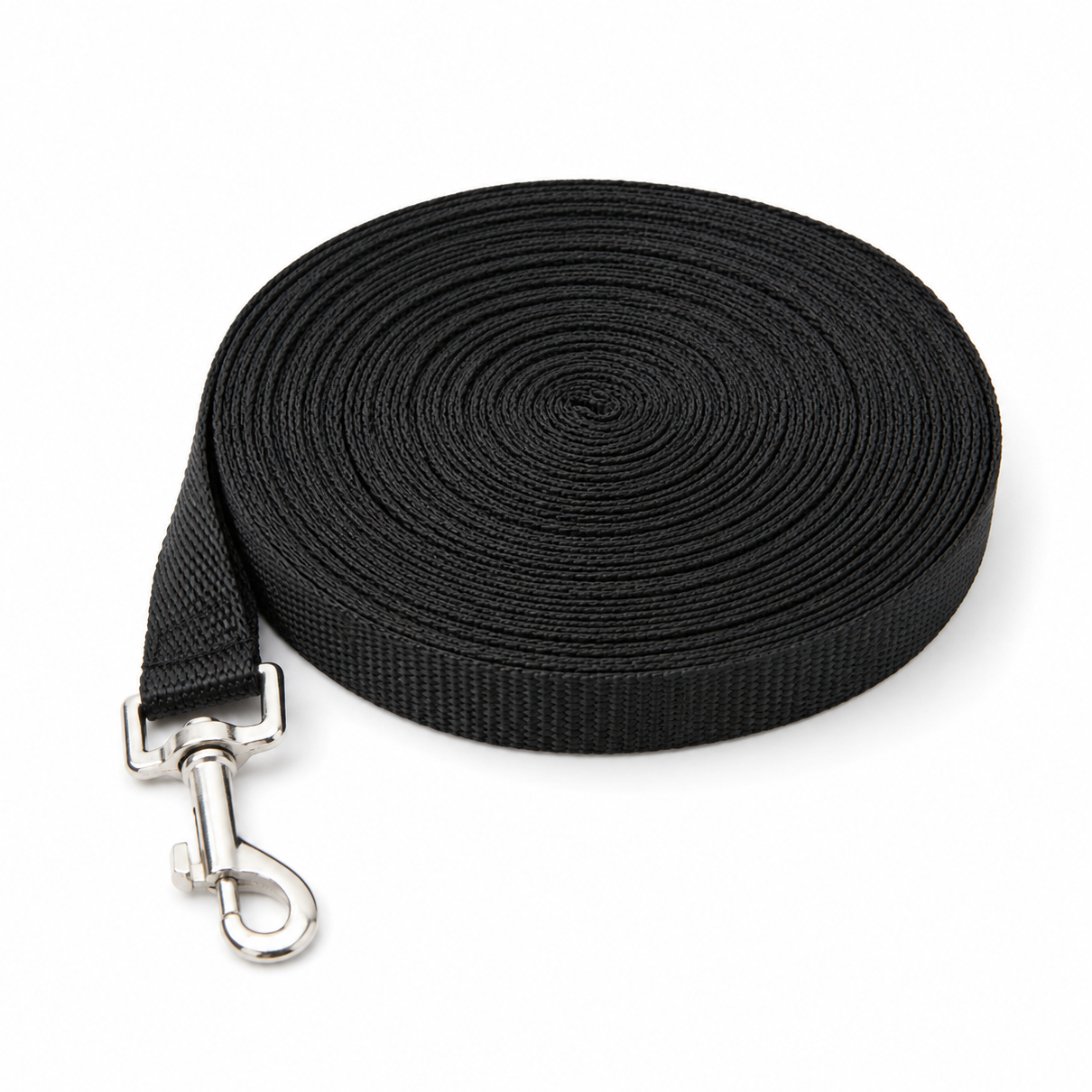
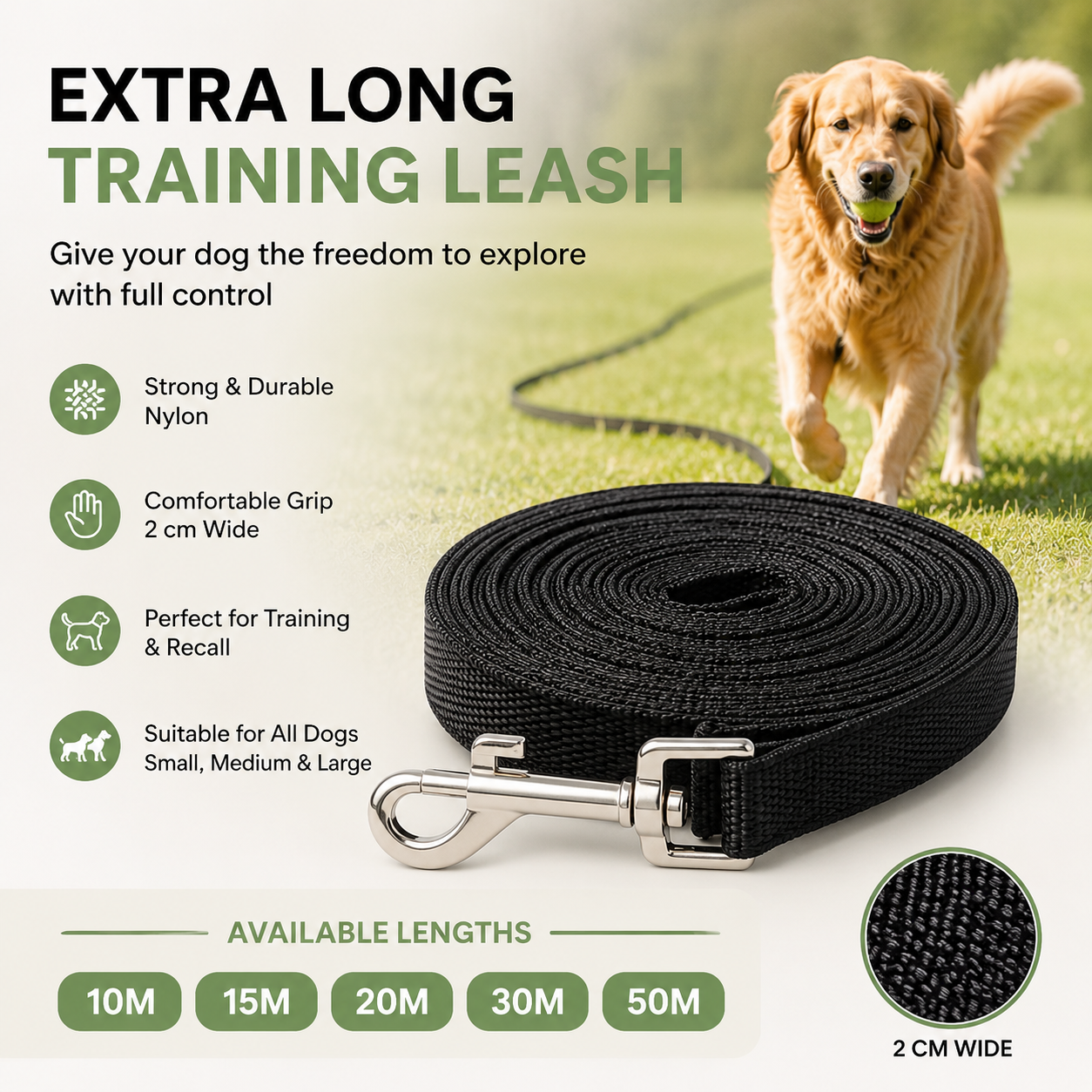
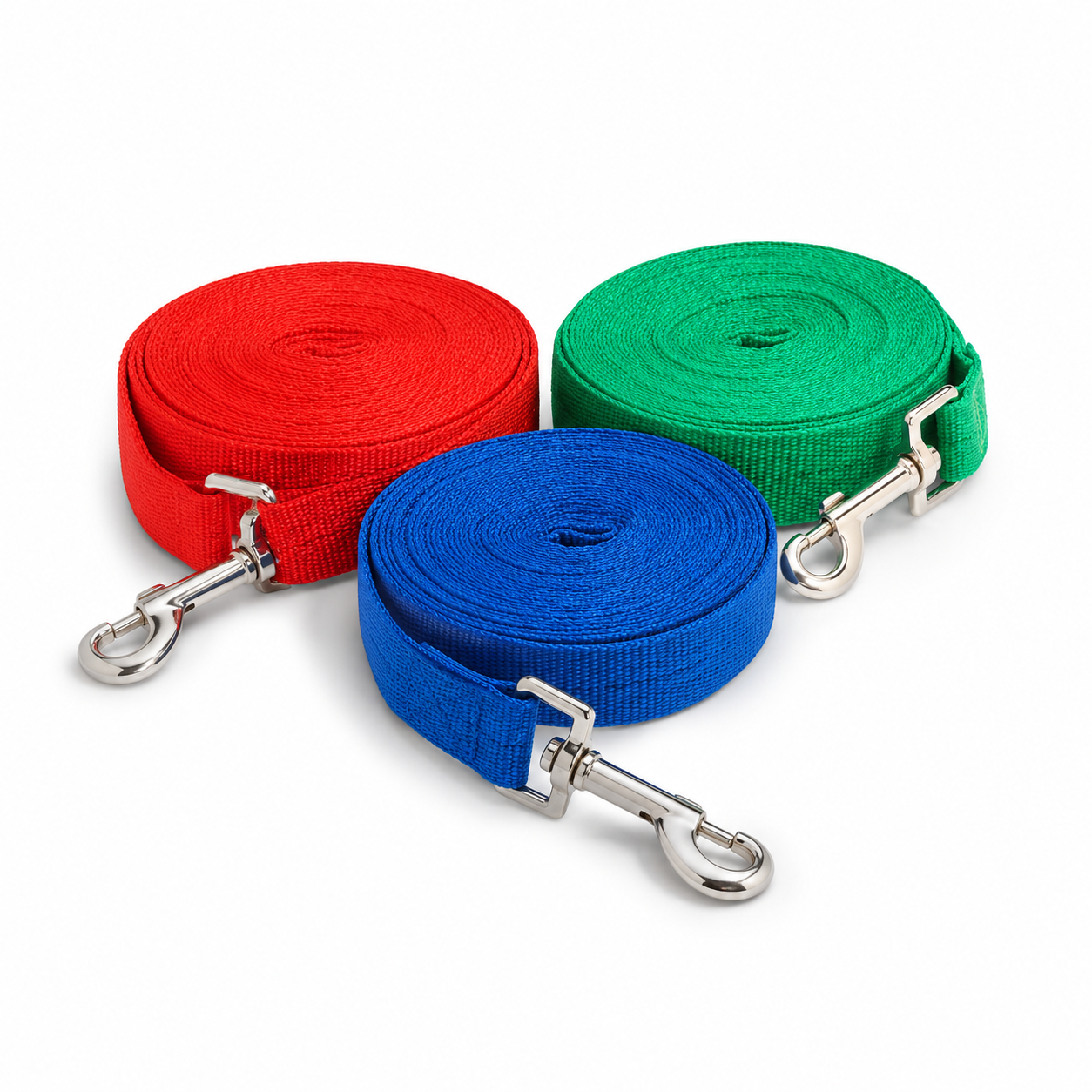
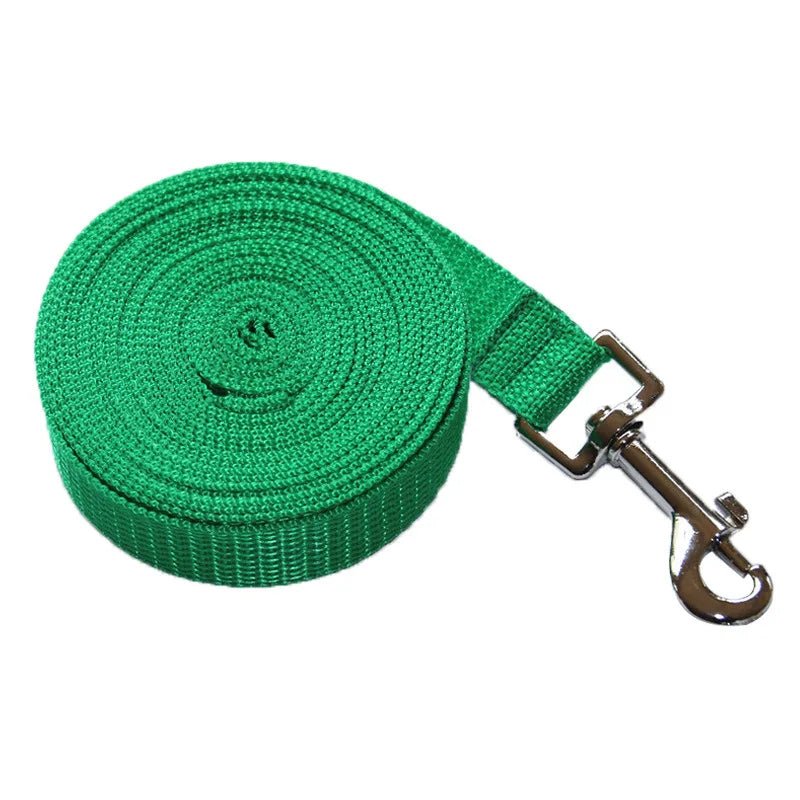
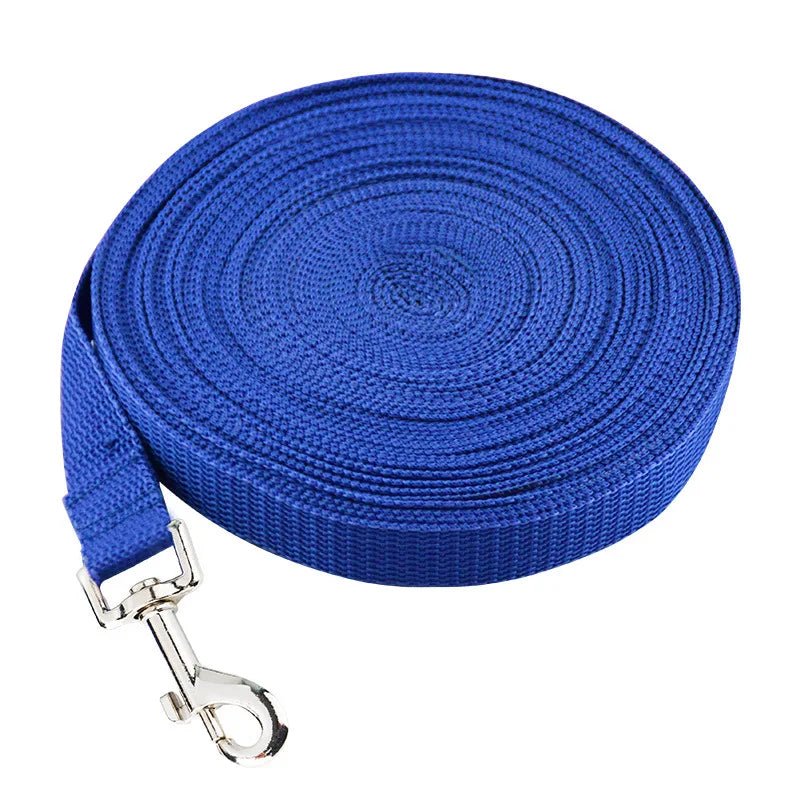
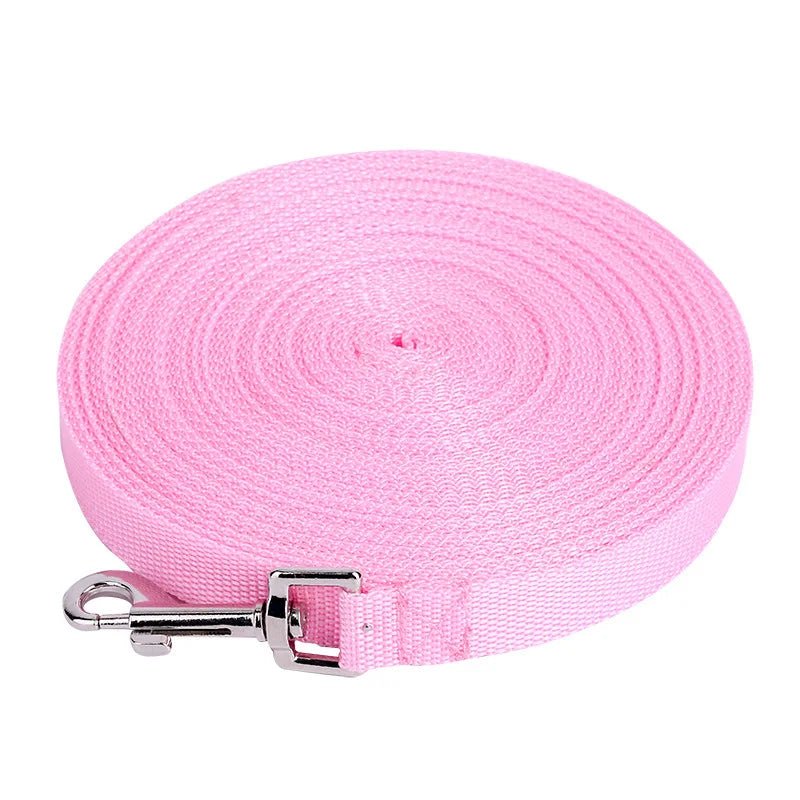
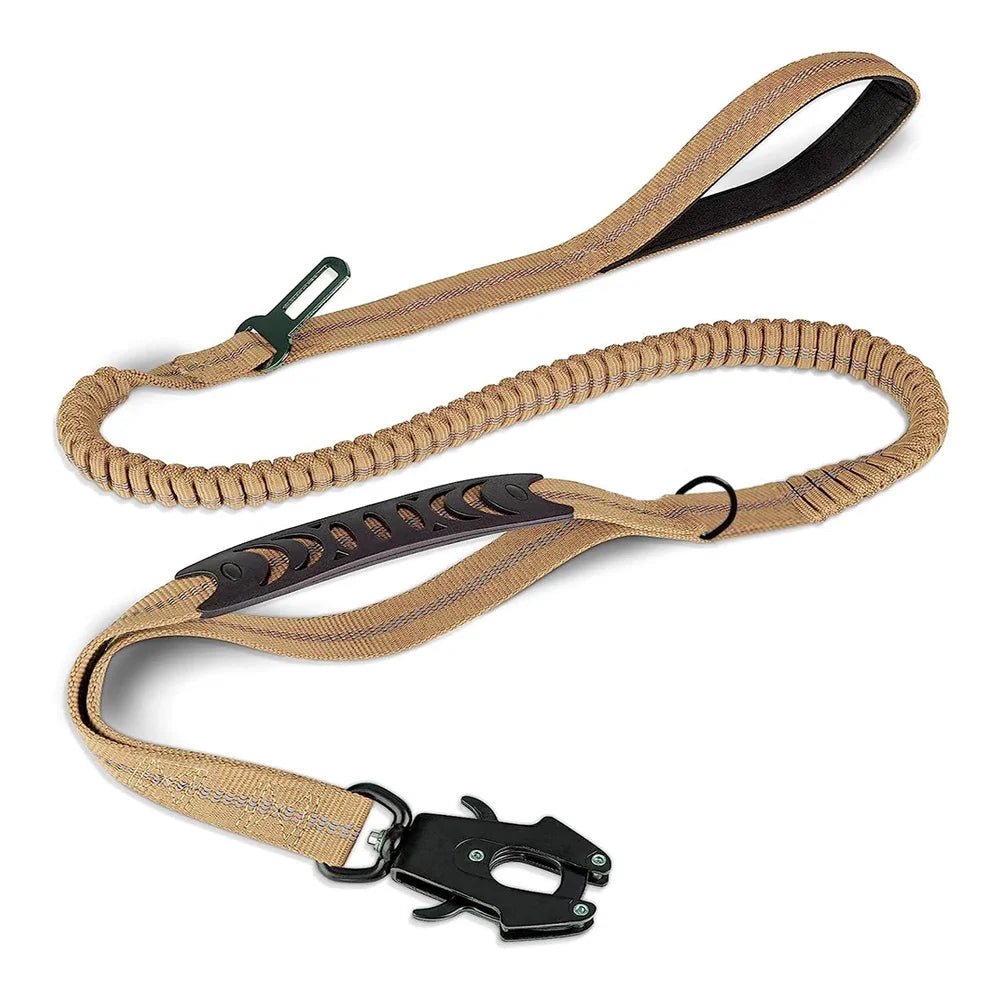
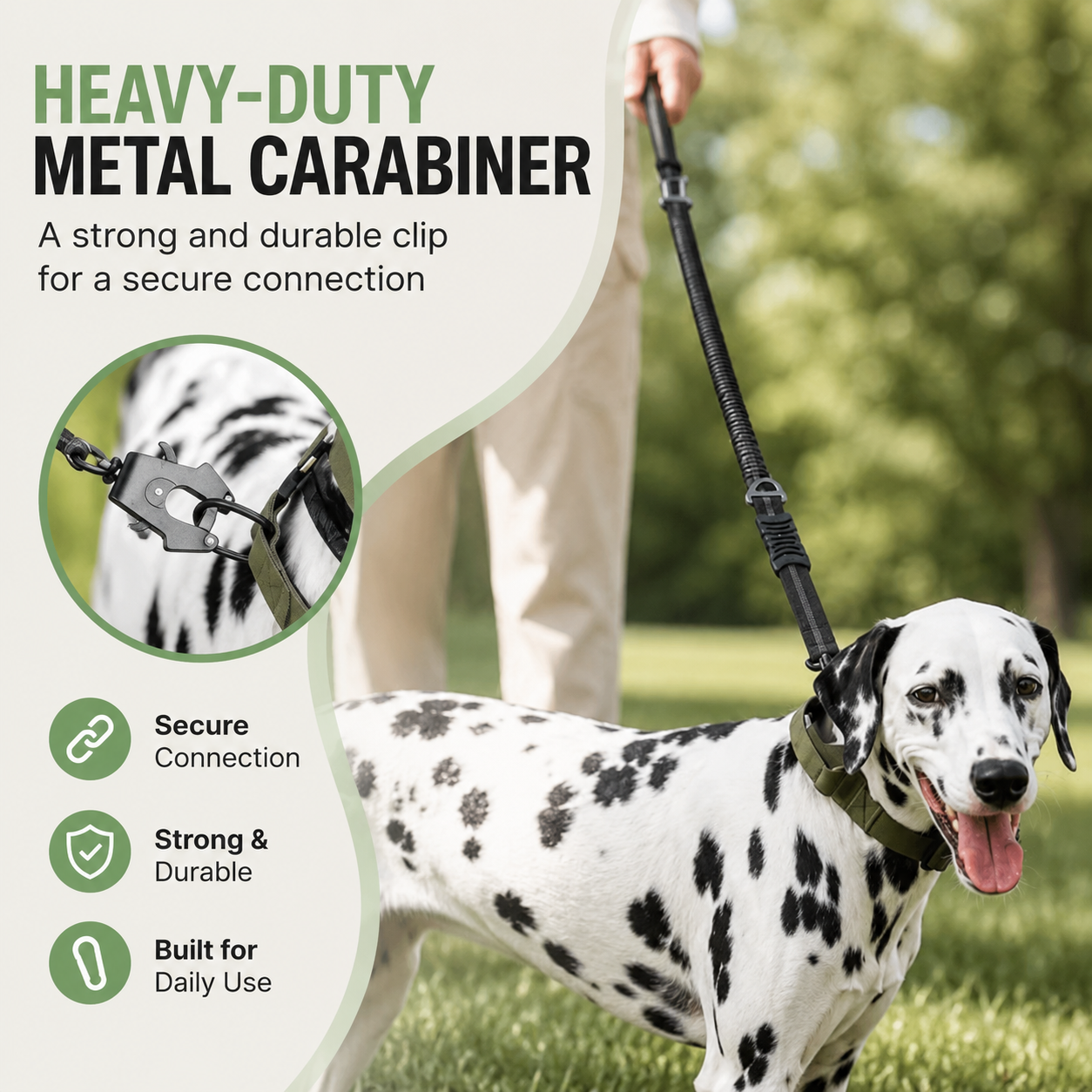
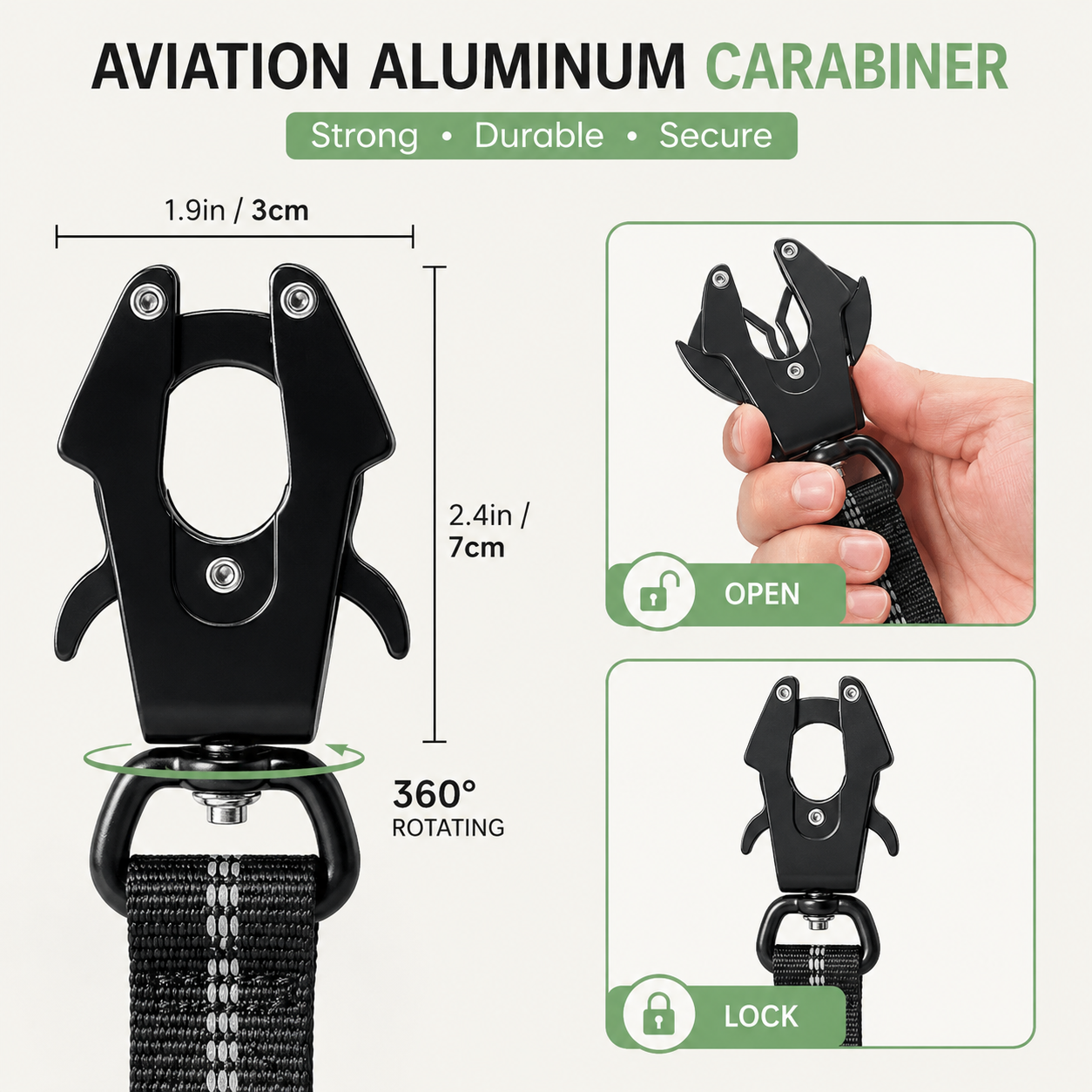
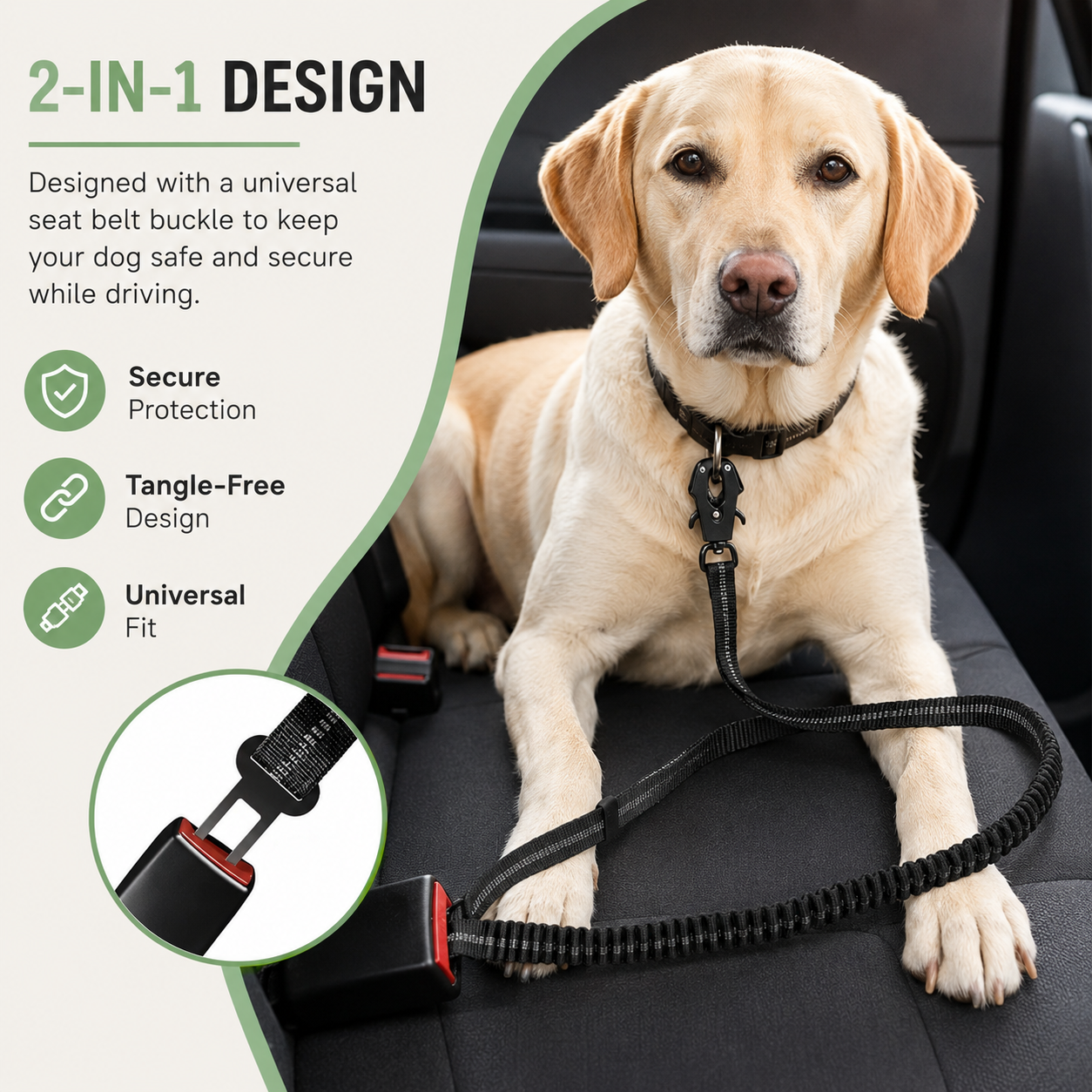
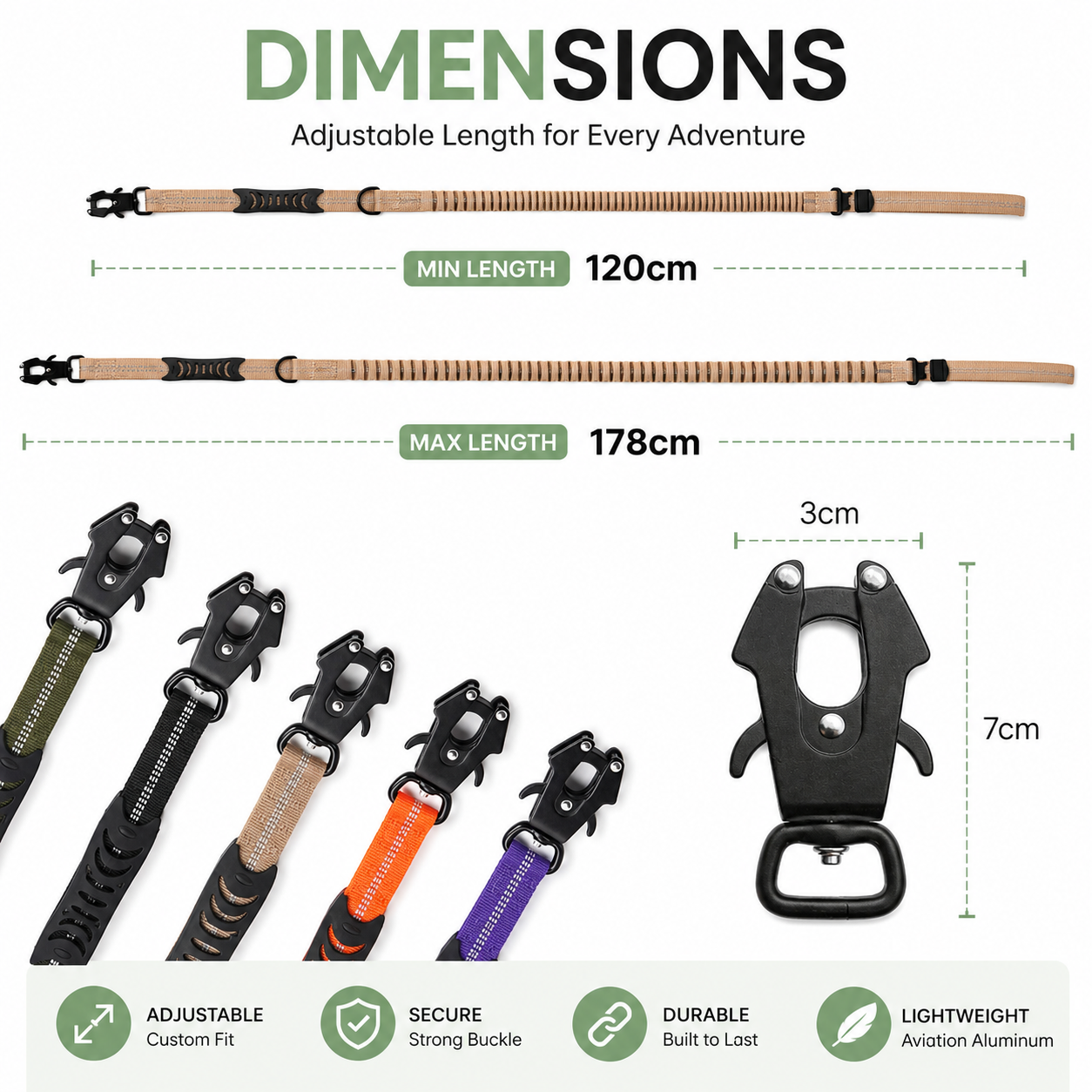
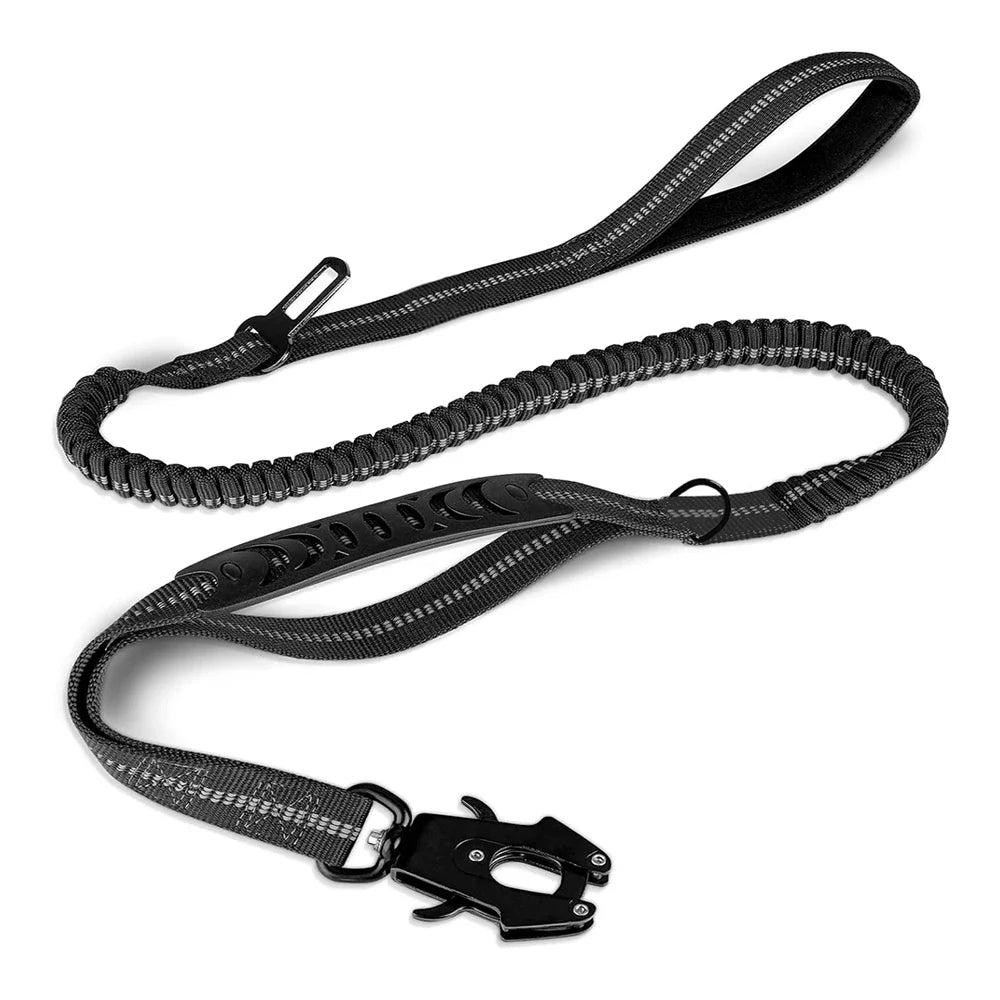
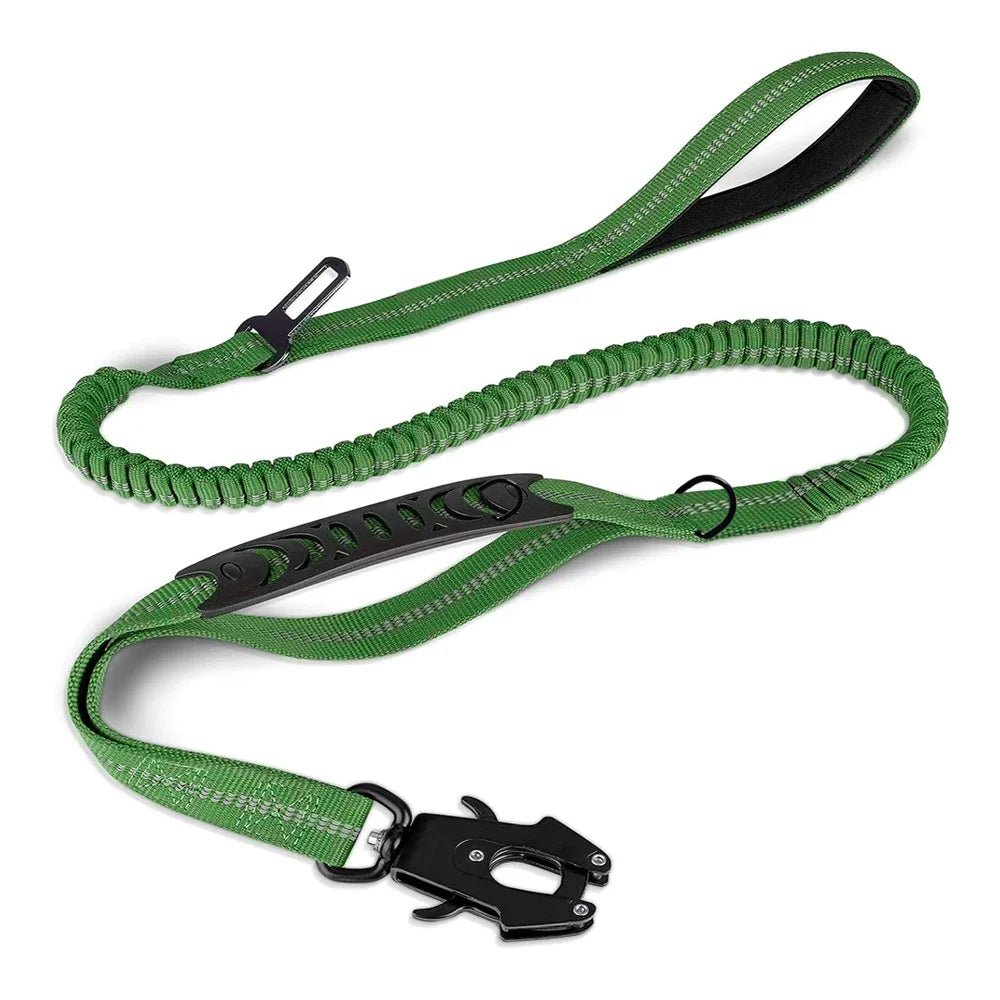
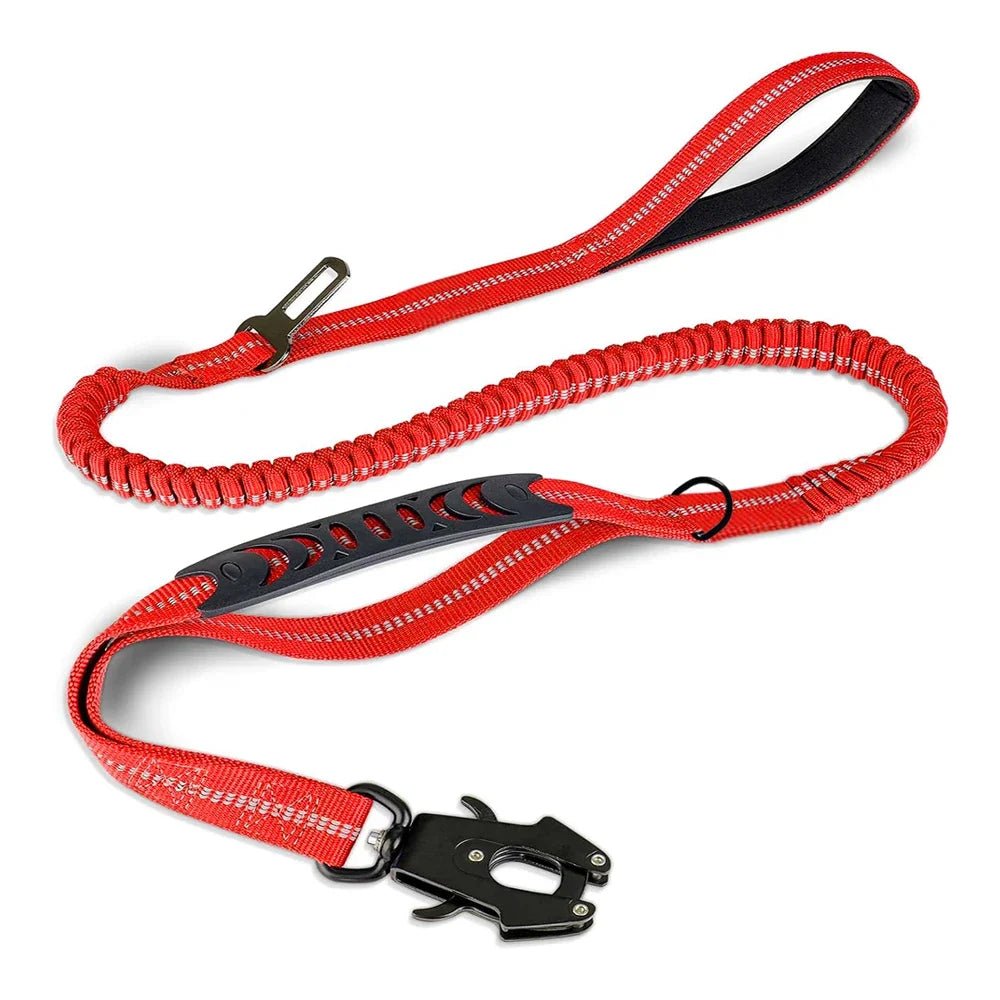
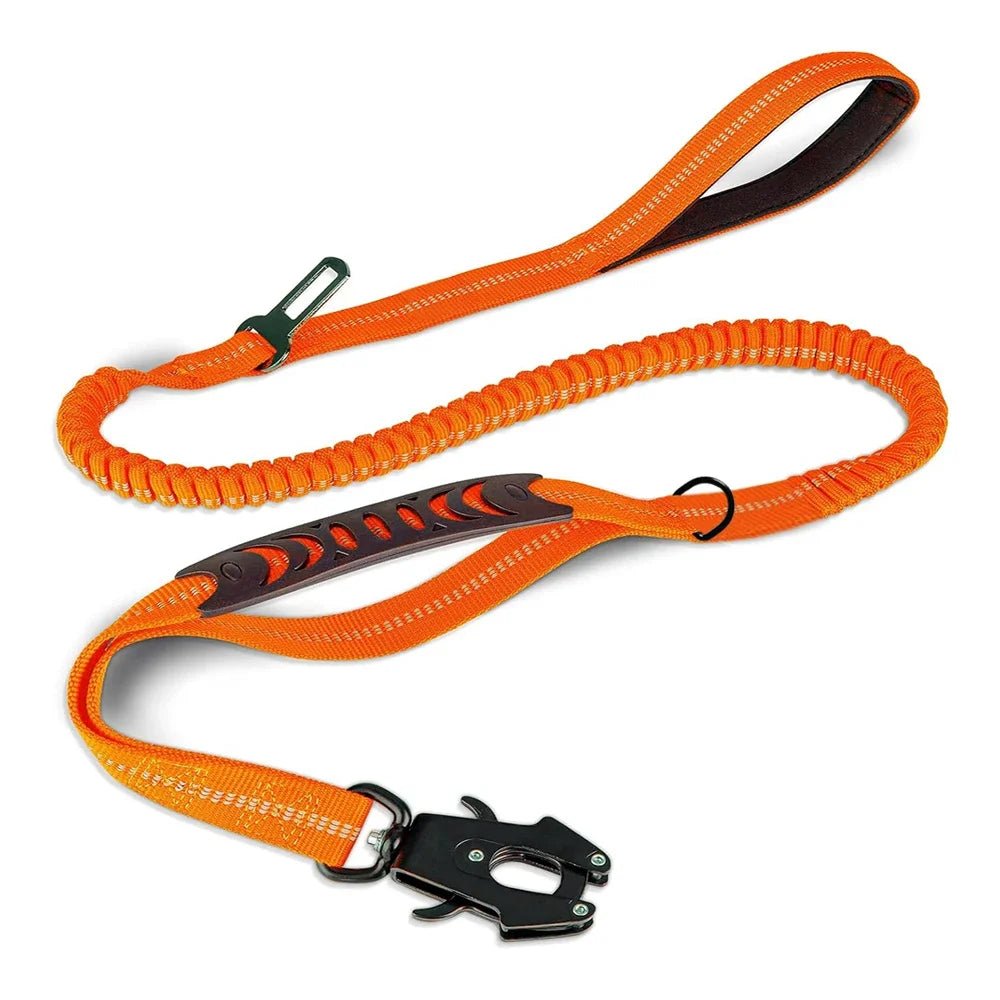
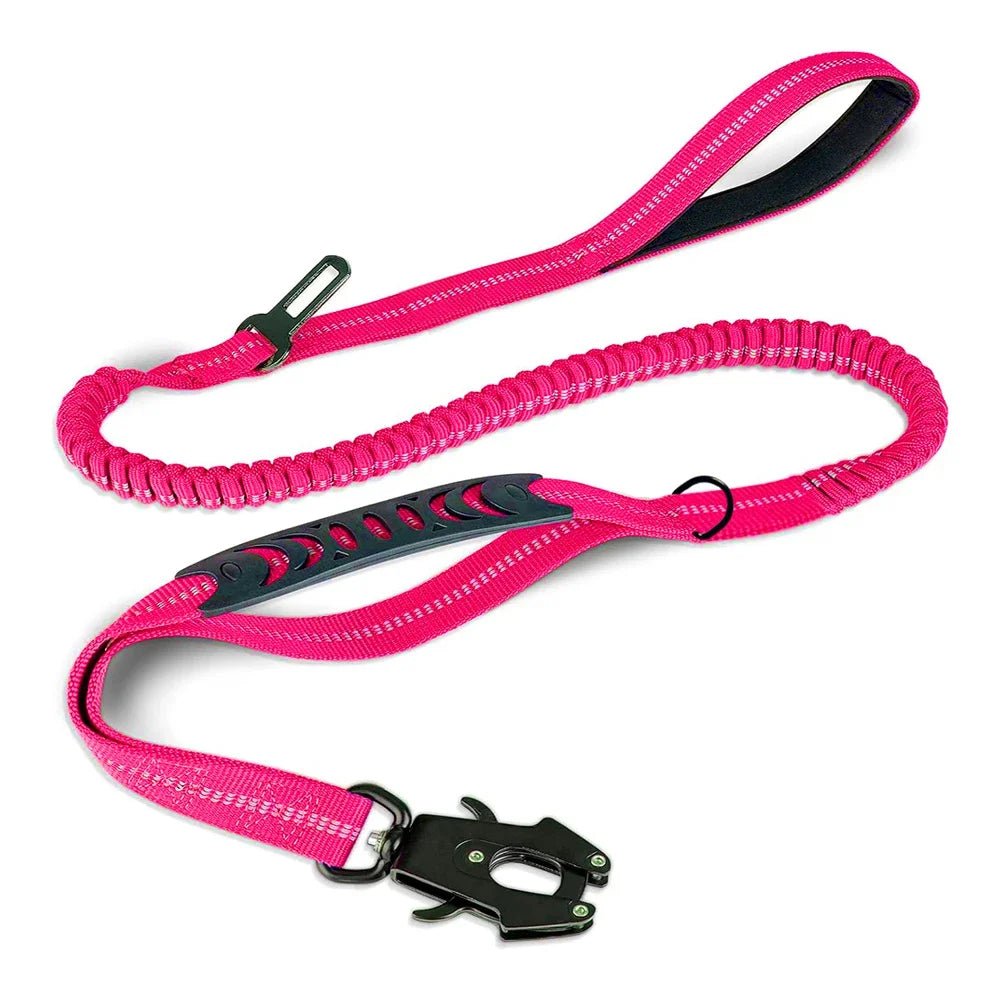
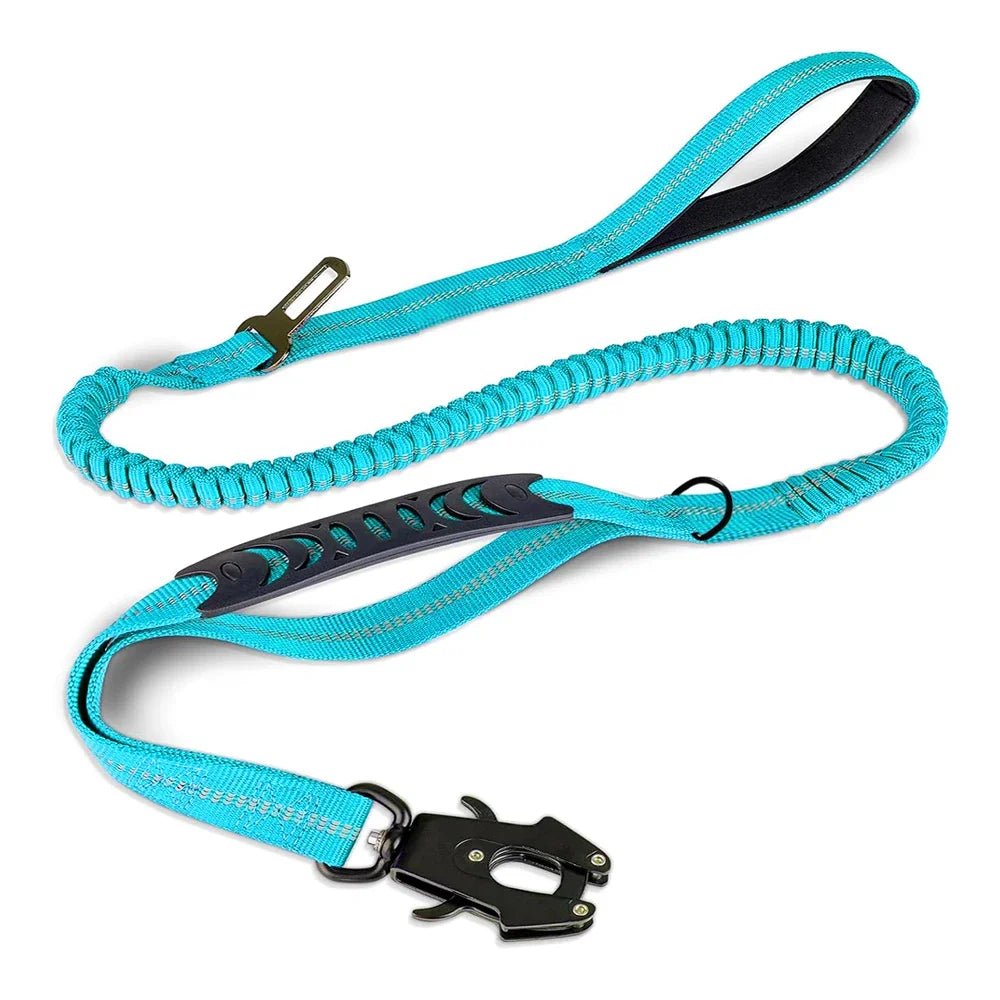
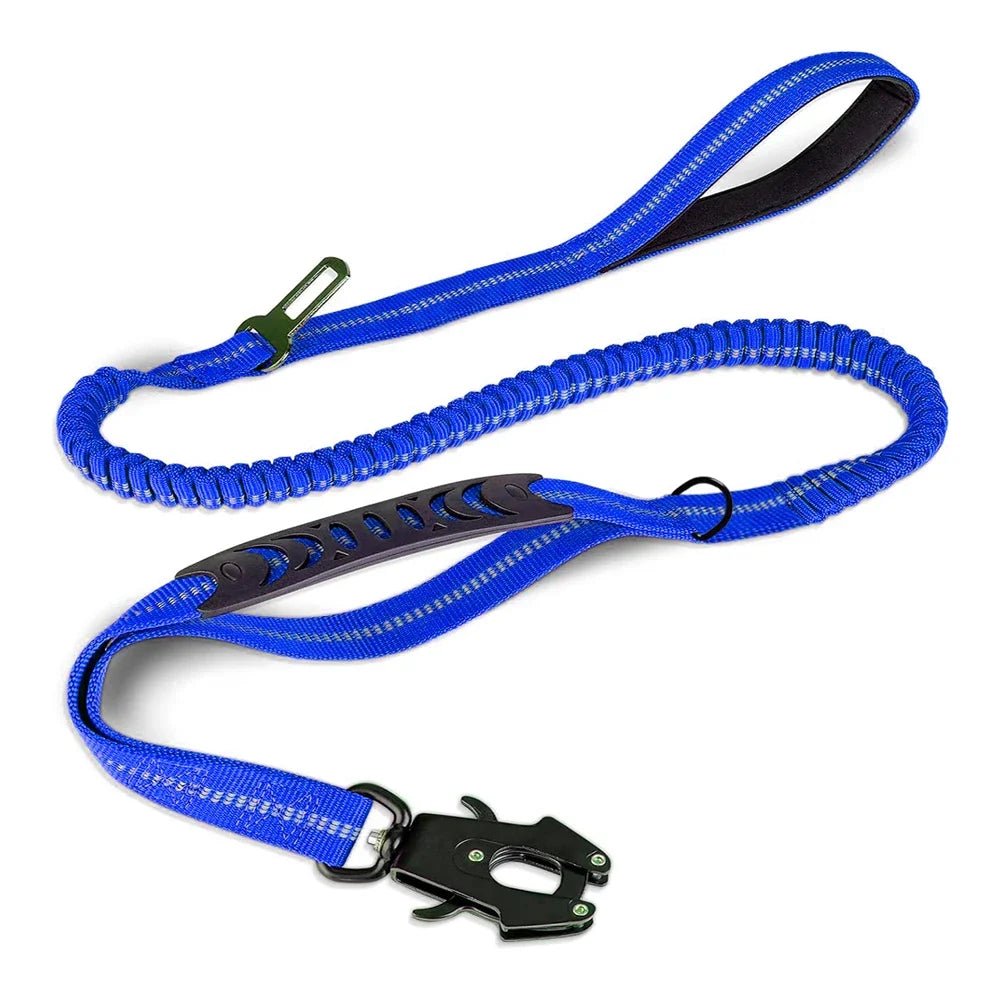
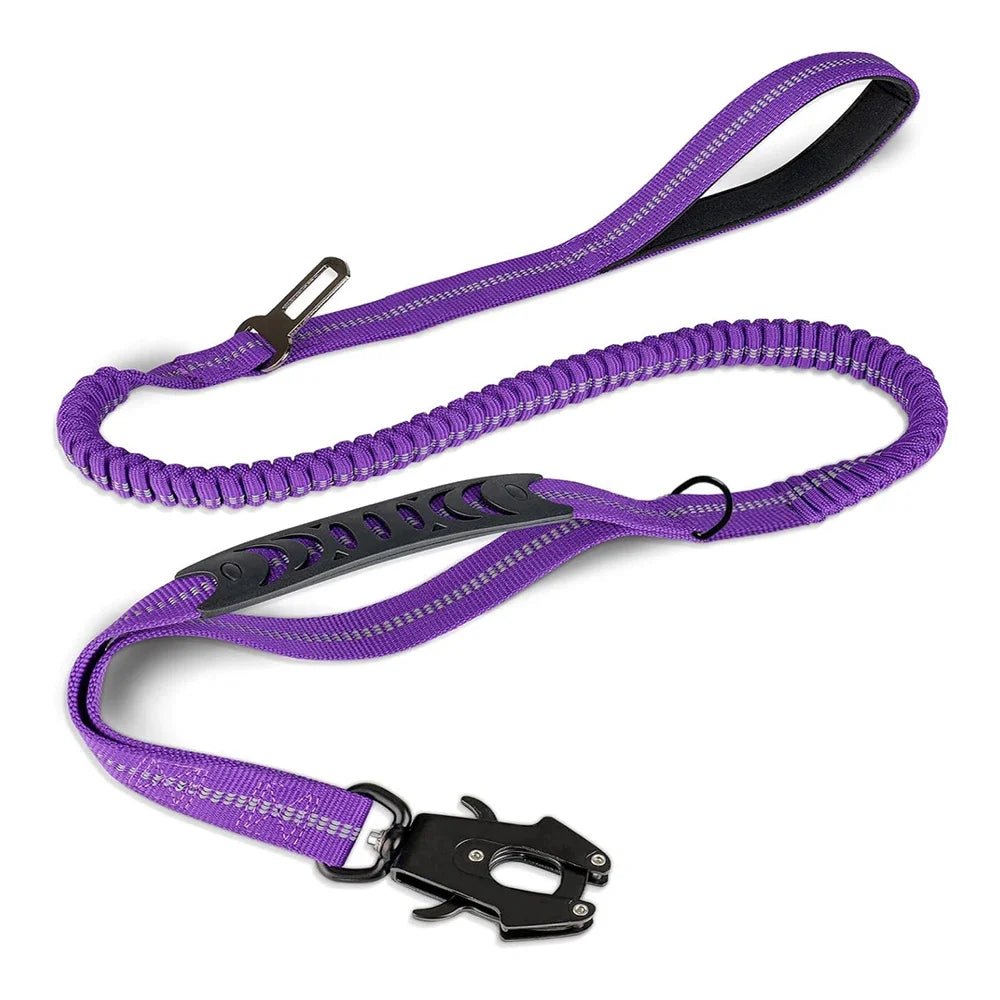
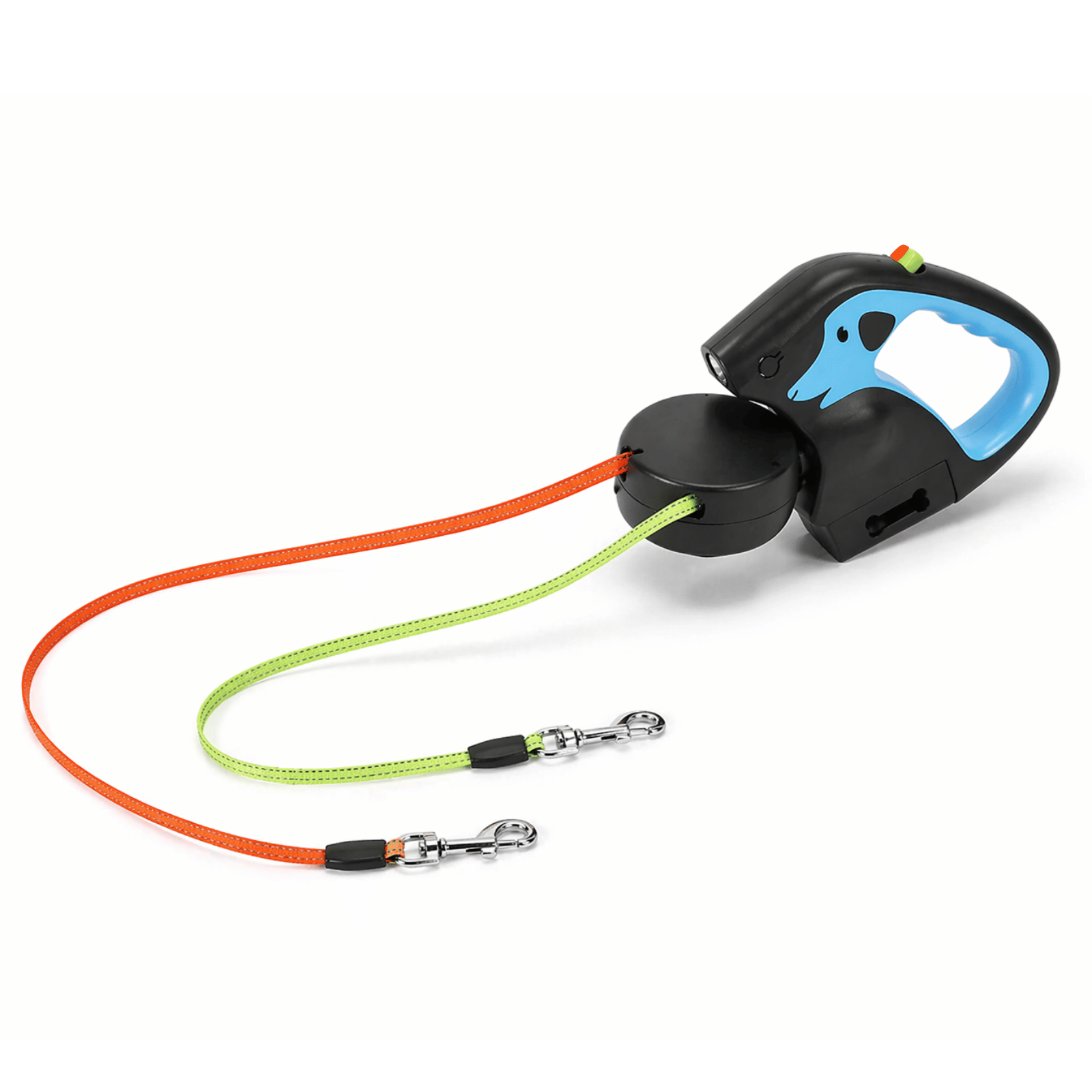
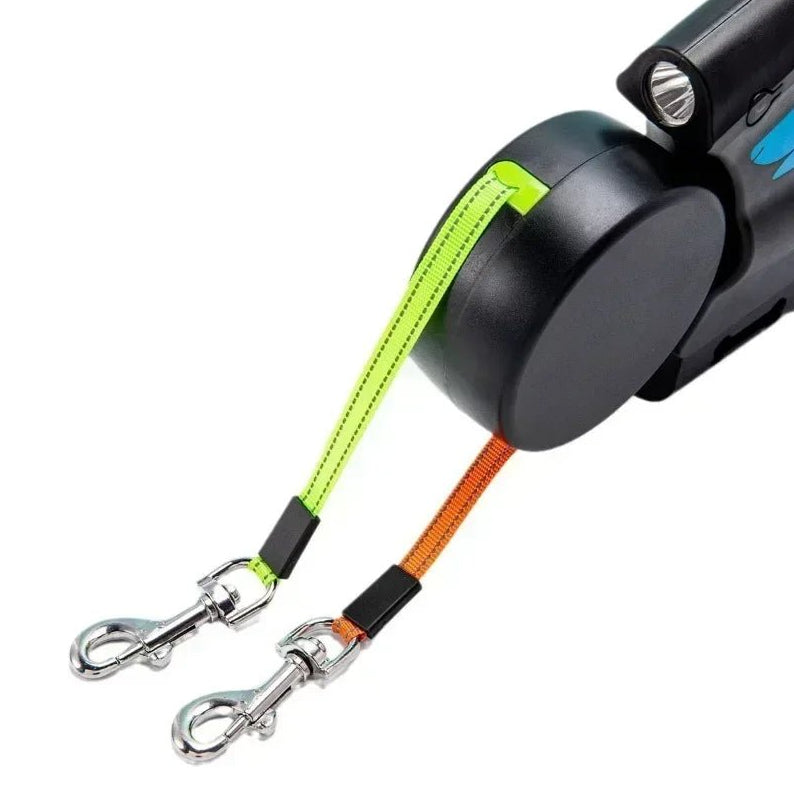
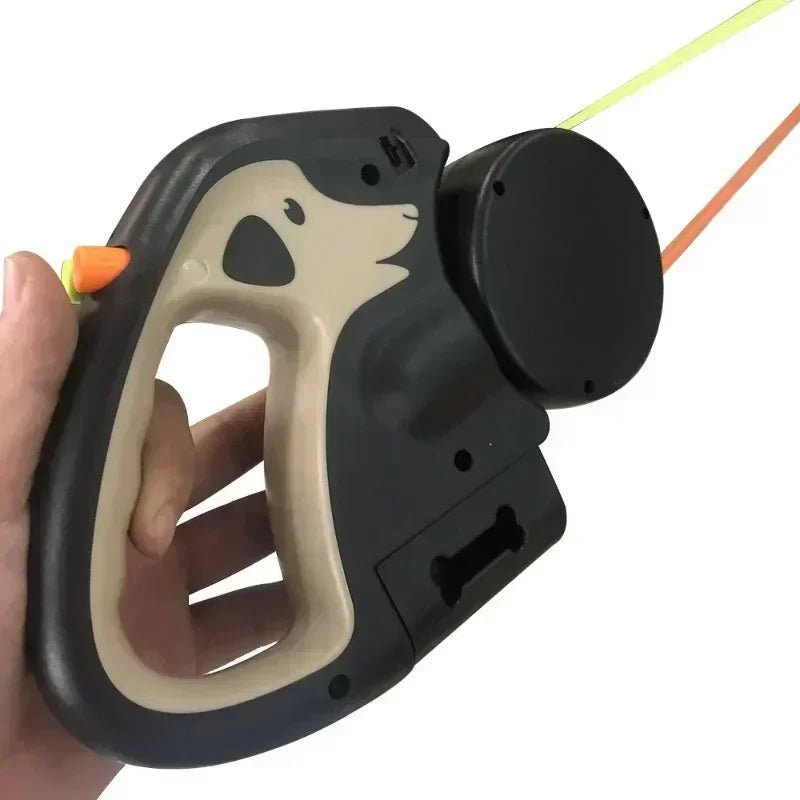
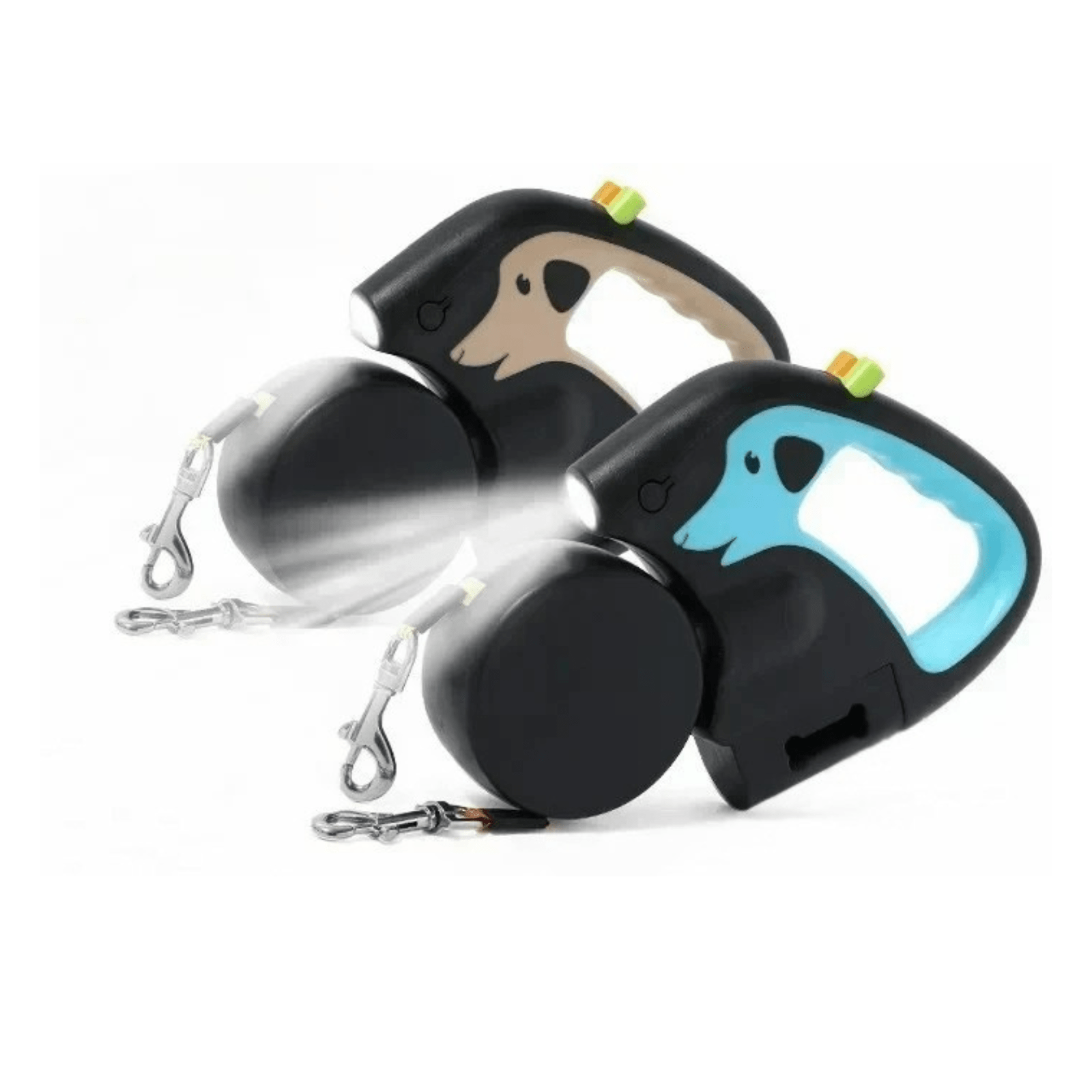
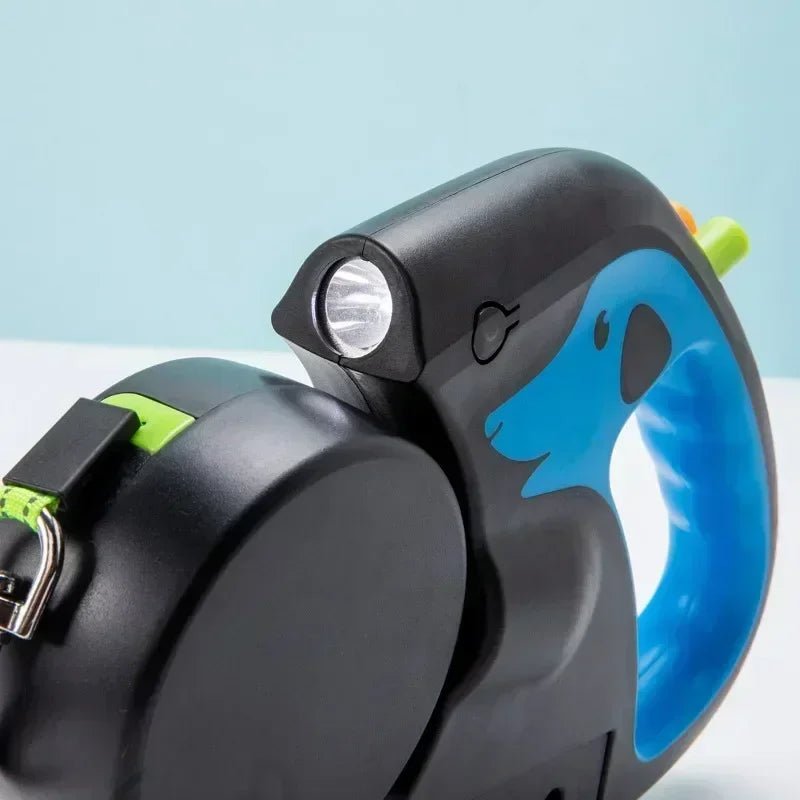
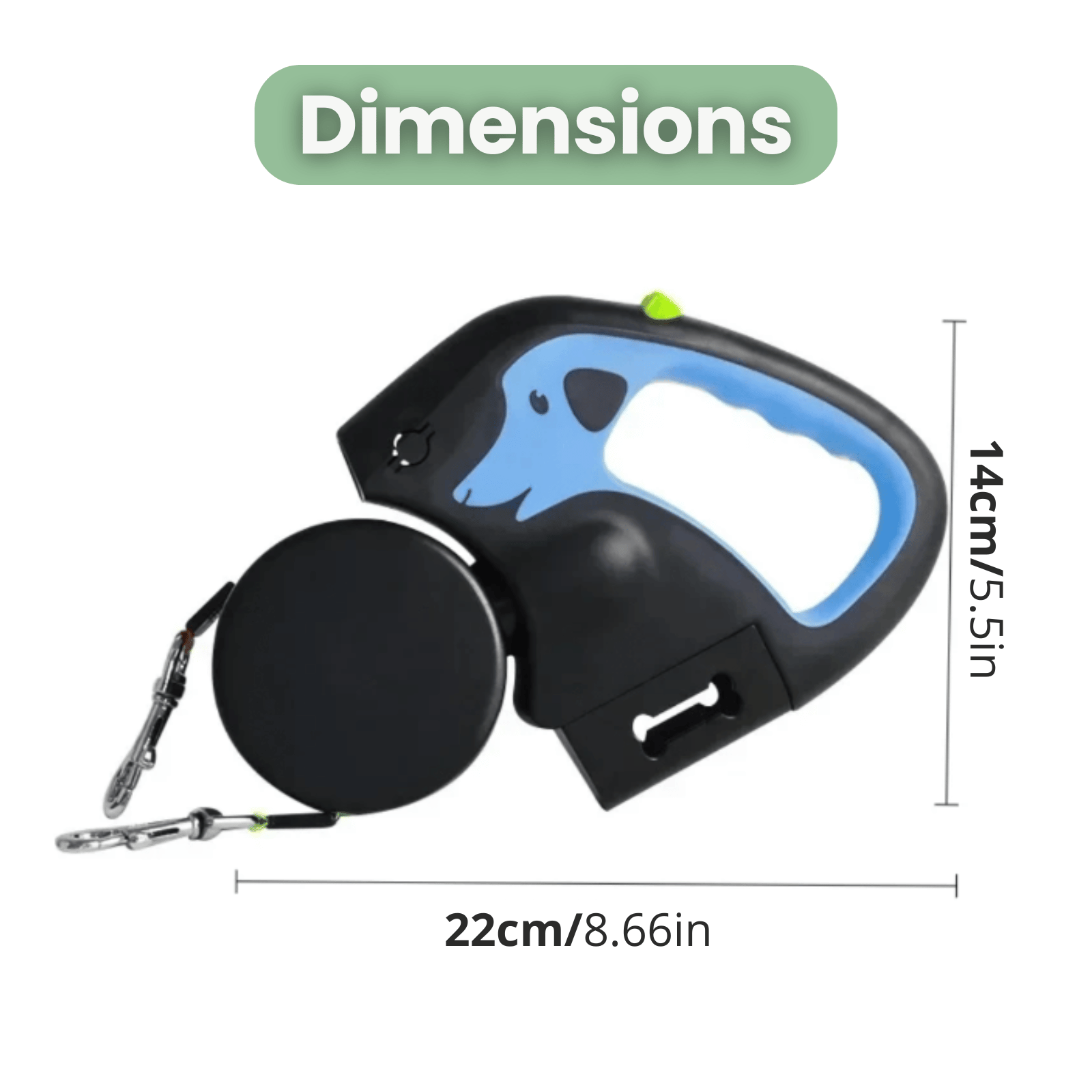
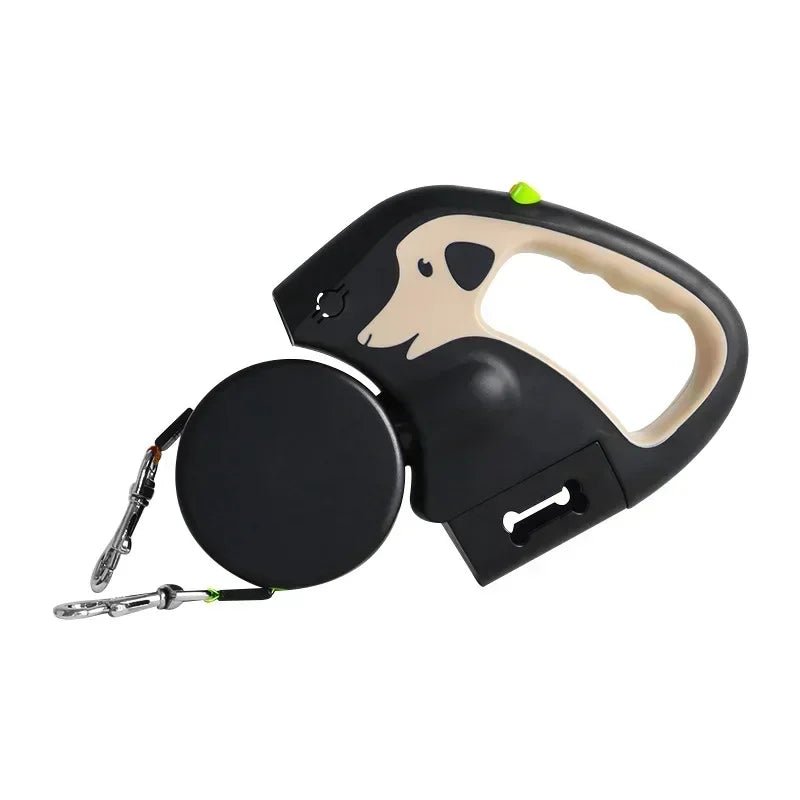
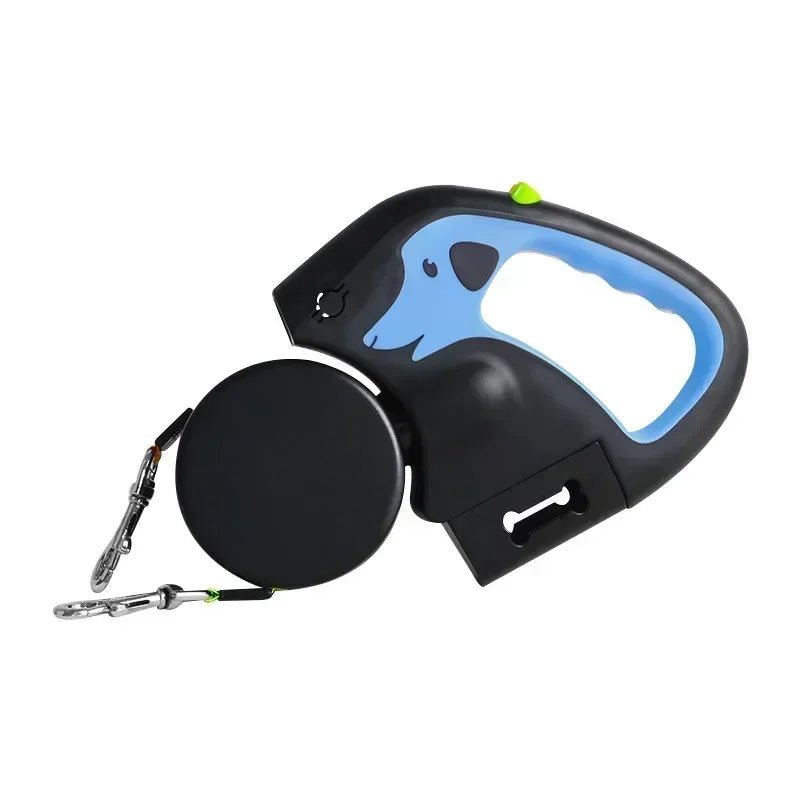
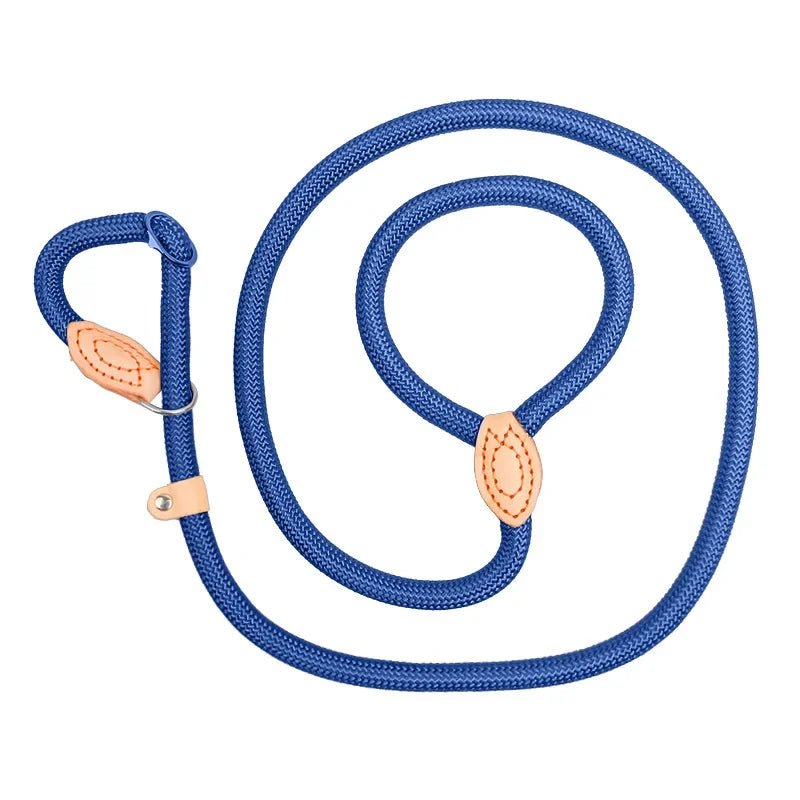
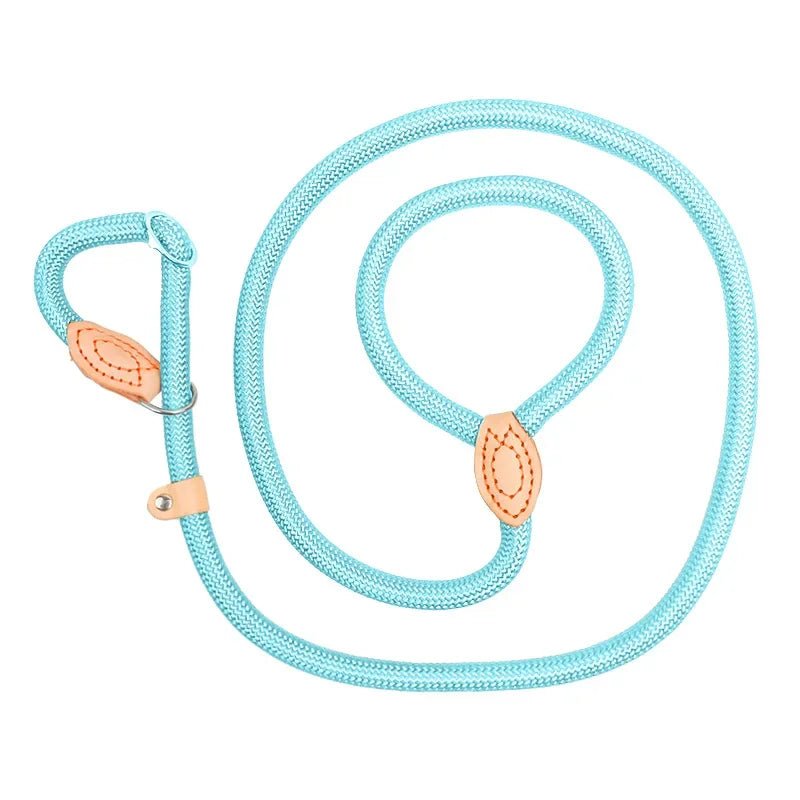
Use a standard fixed-length lead of around 1.5 to 2 metres. This gives your dog enough room to move comfortably without encouraging them to race ahead. Avoid retractable leads for training: they teach your dog that pulling creates more slack, which is exactly the lesson you're trying to undo.
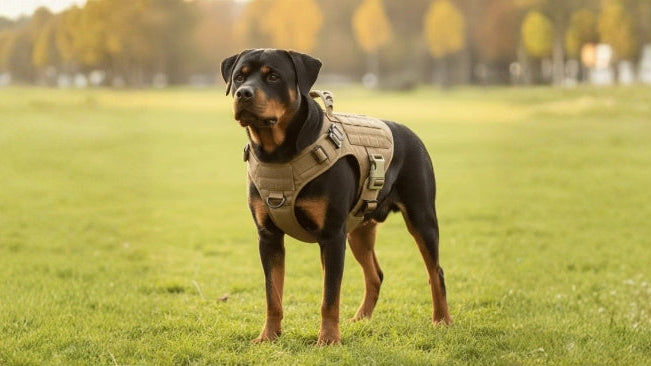
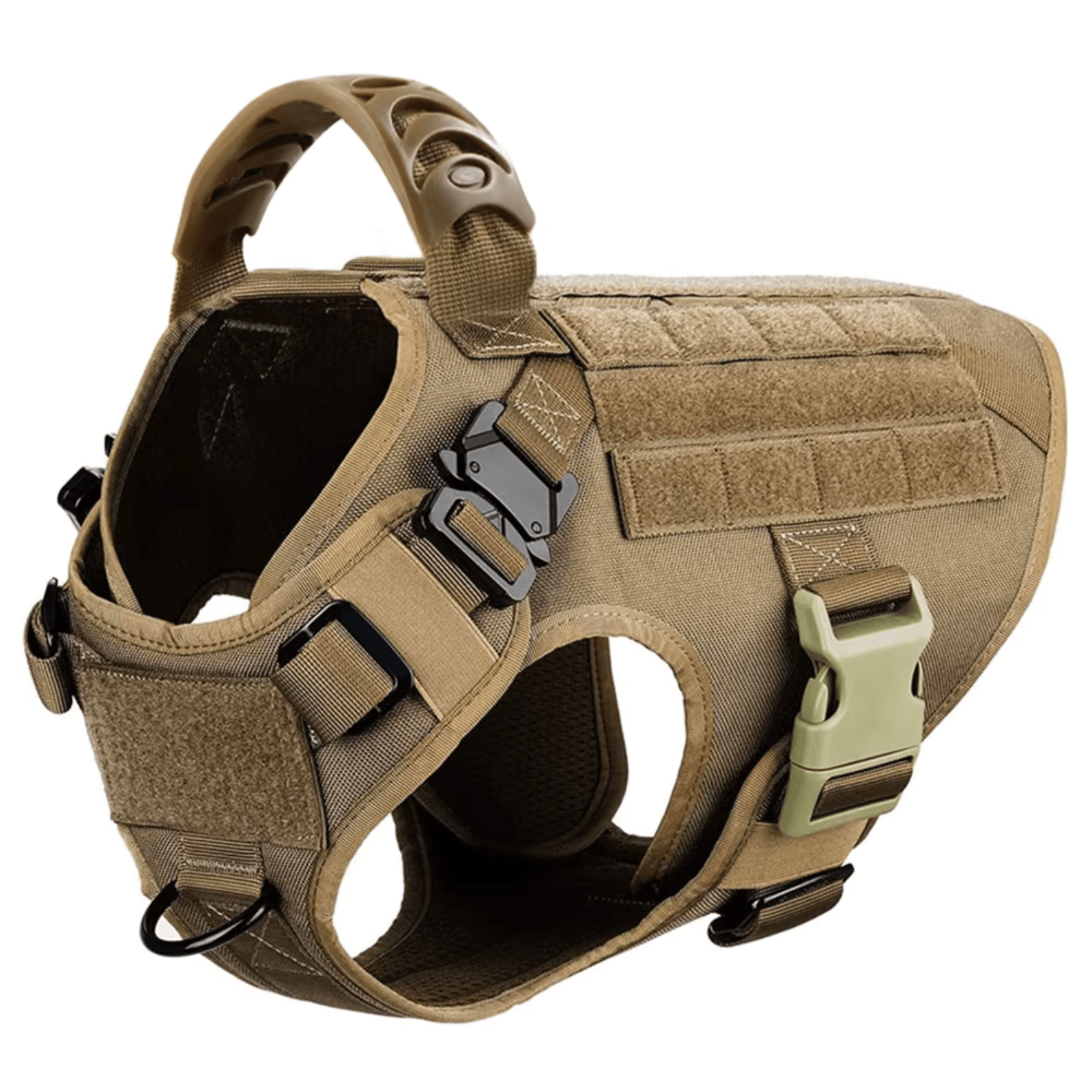
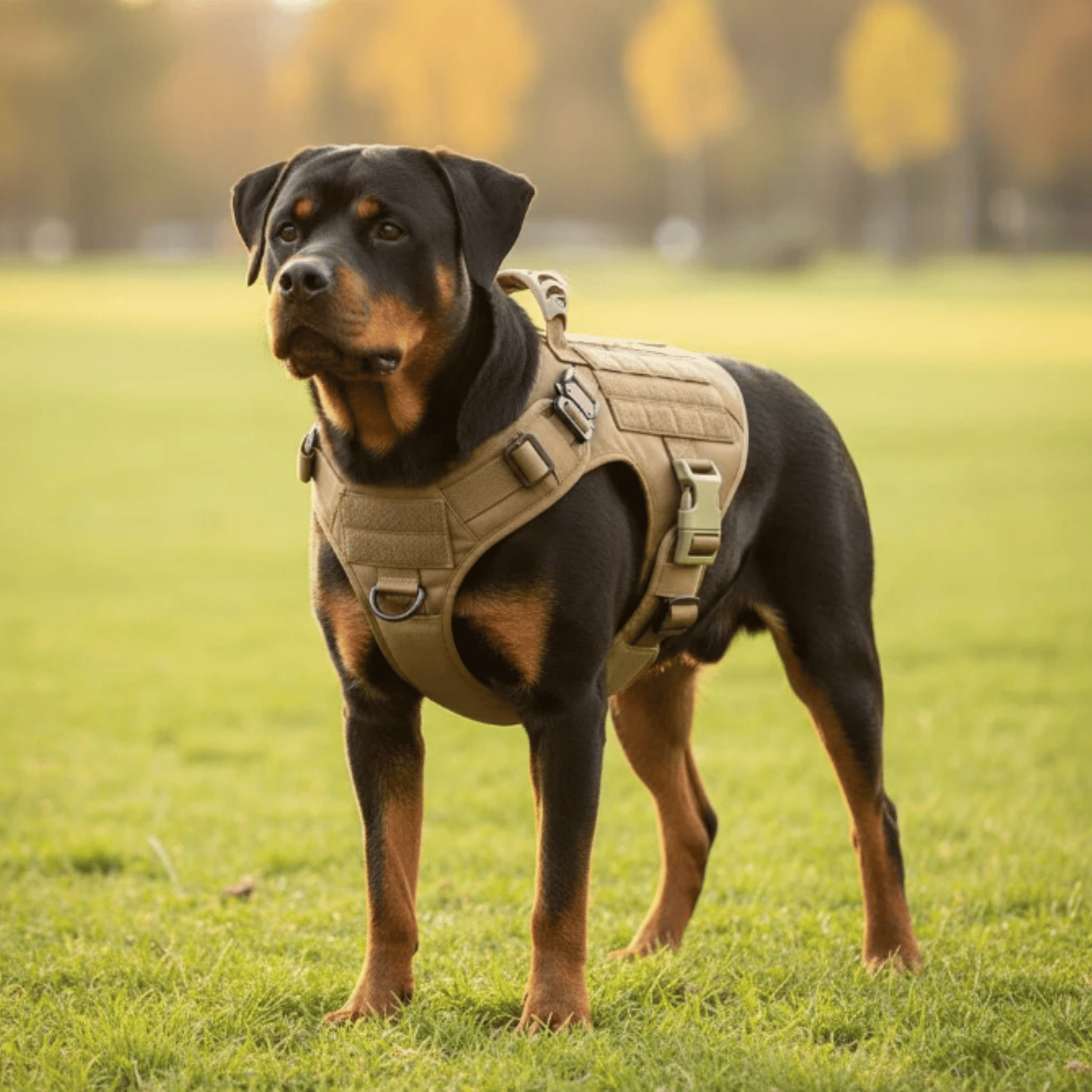
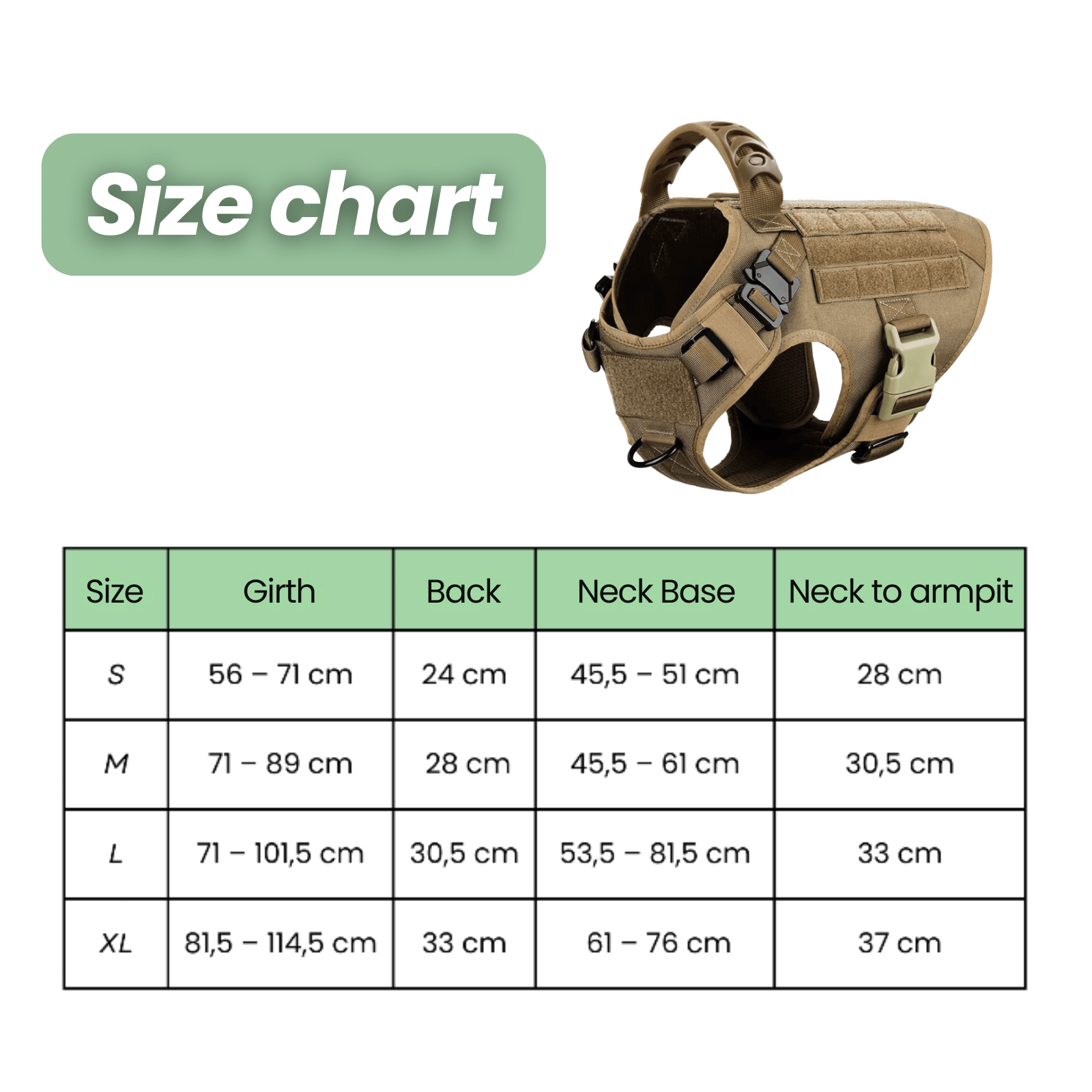
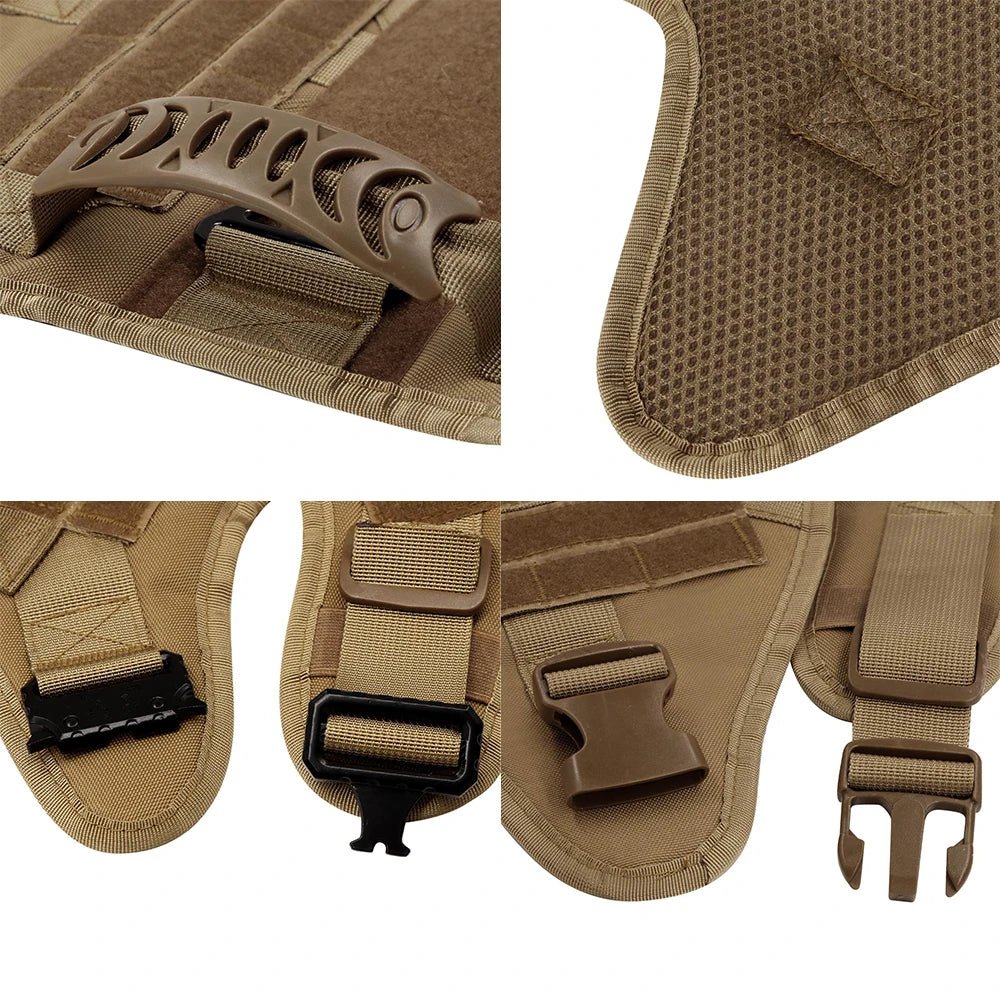
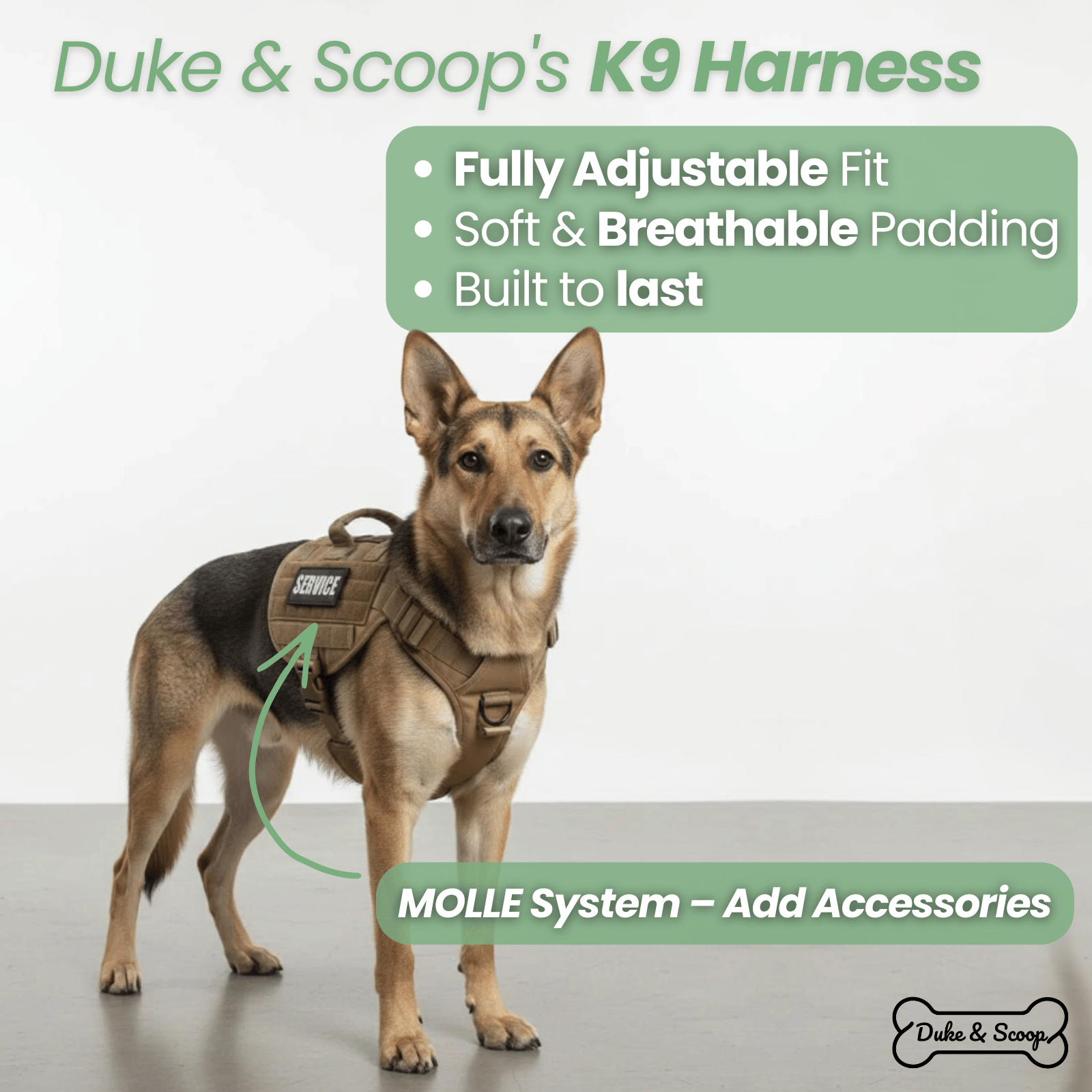
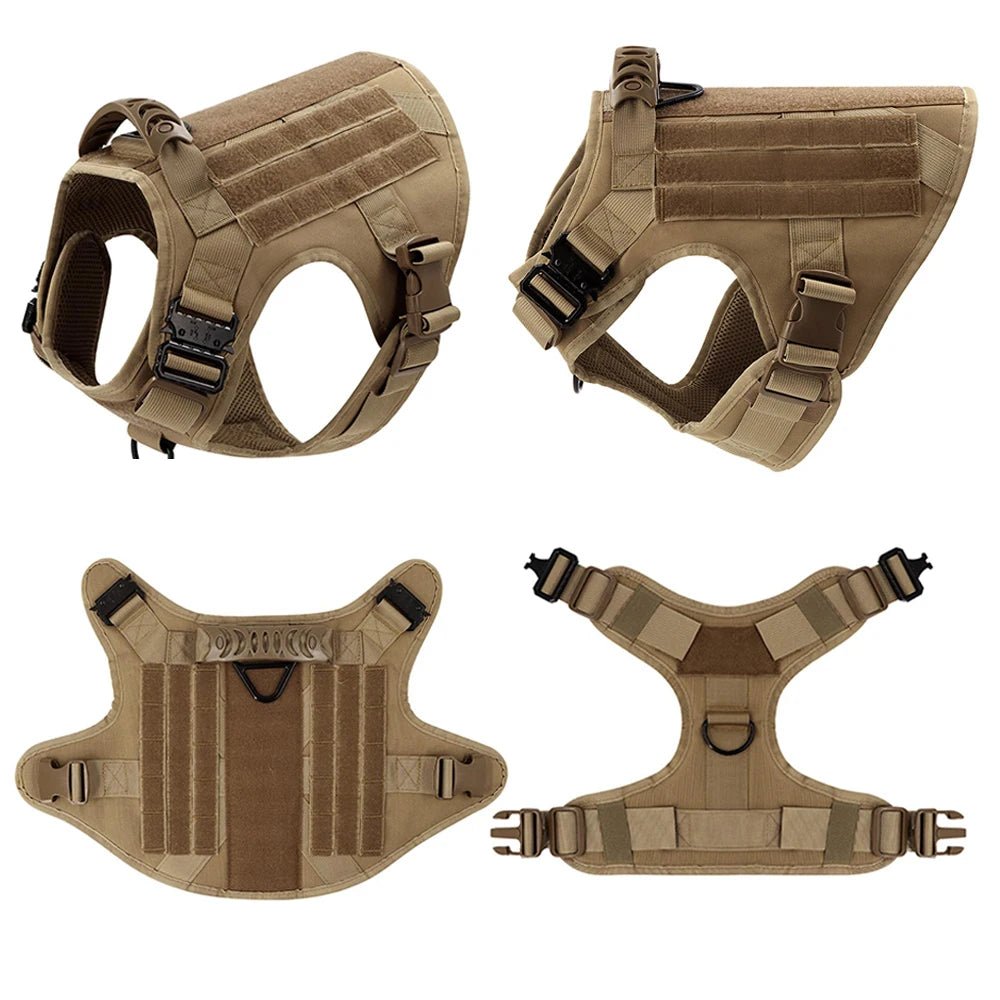
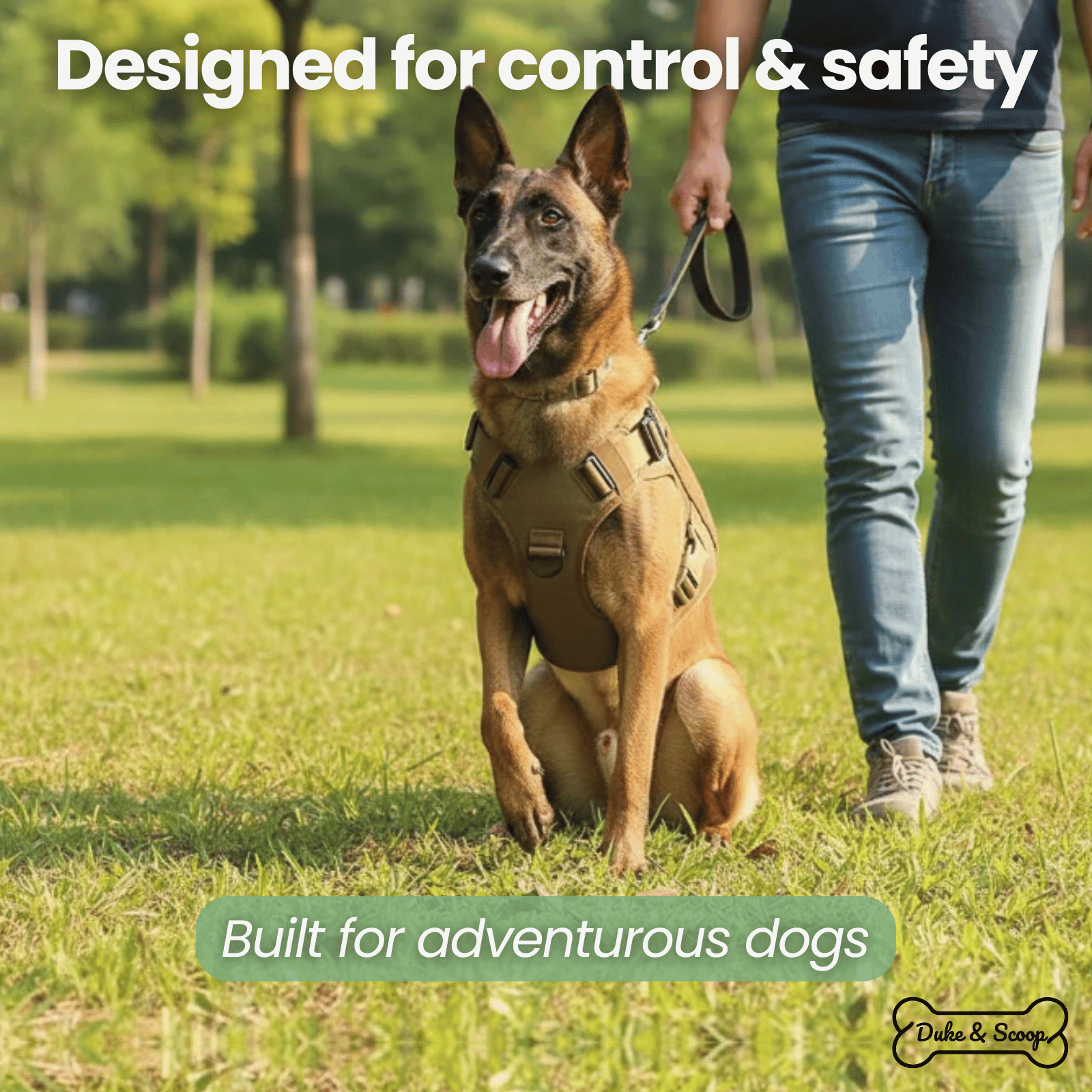
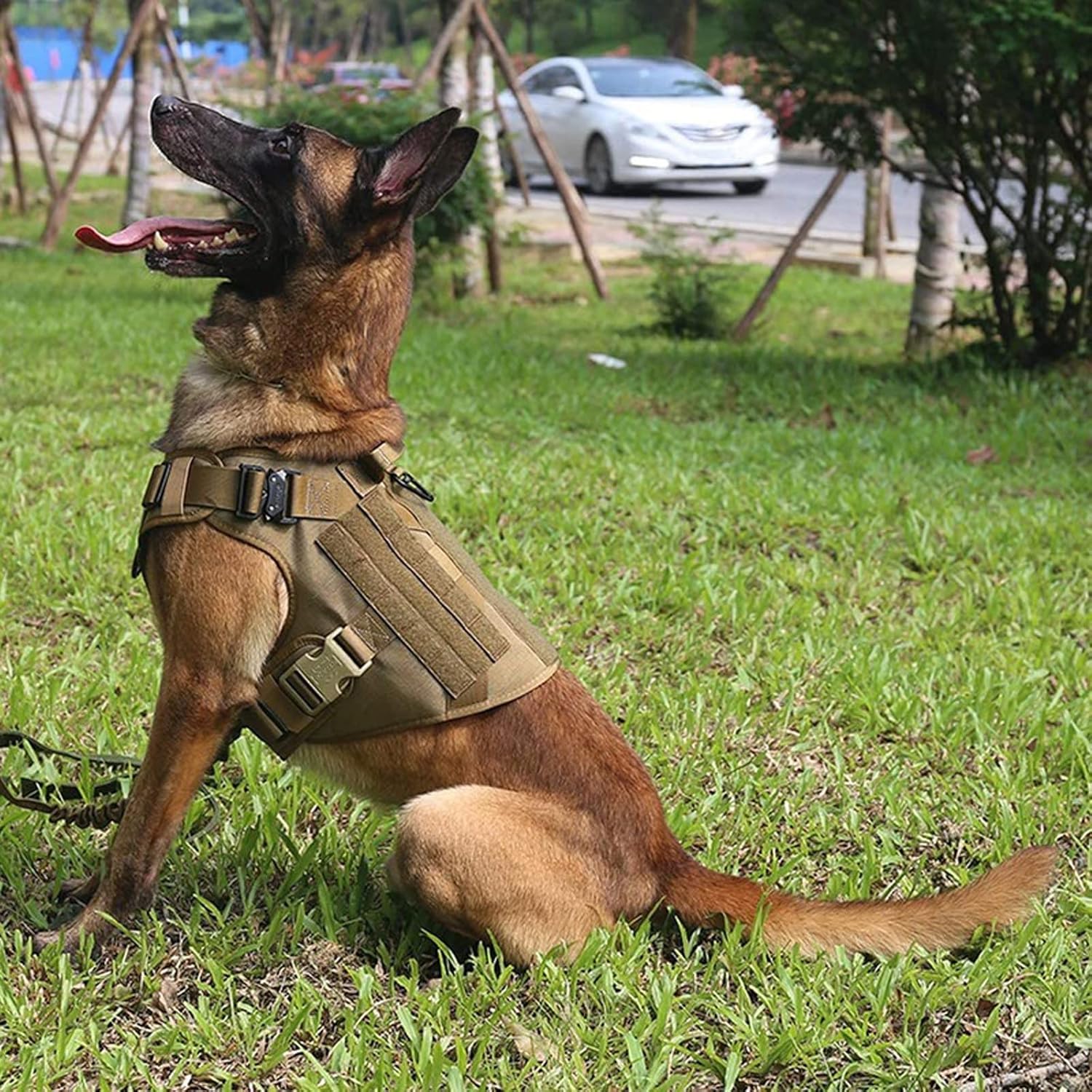
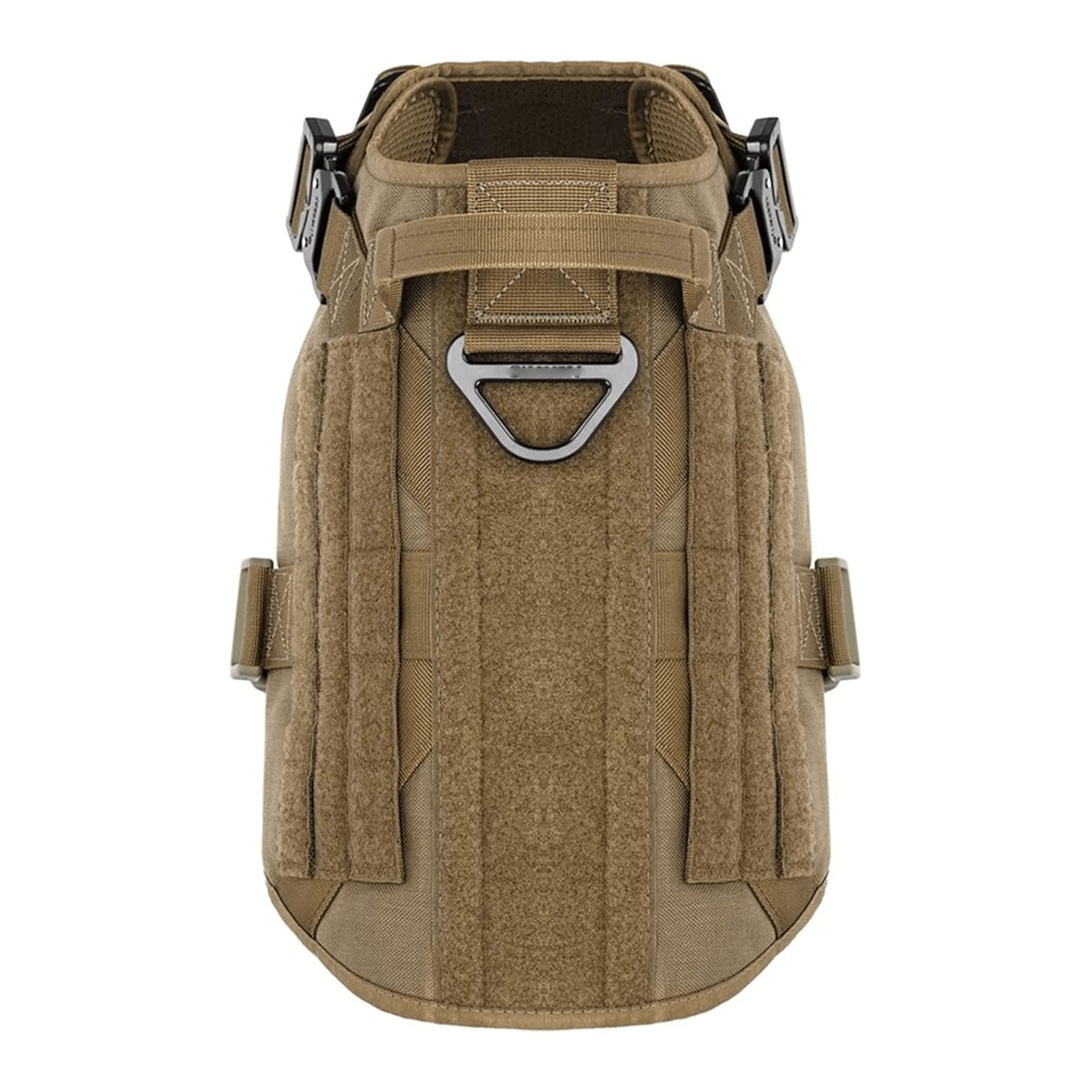
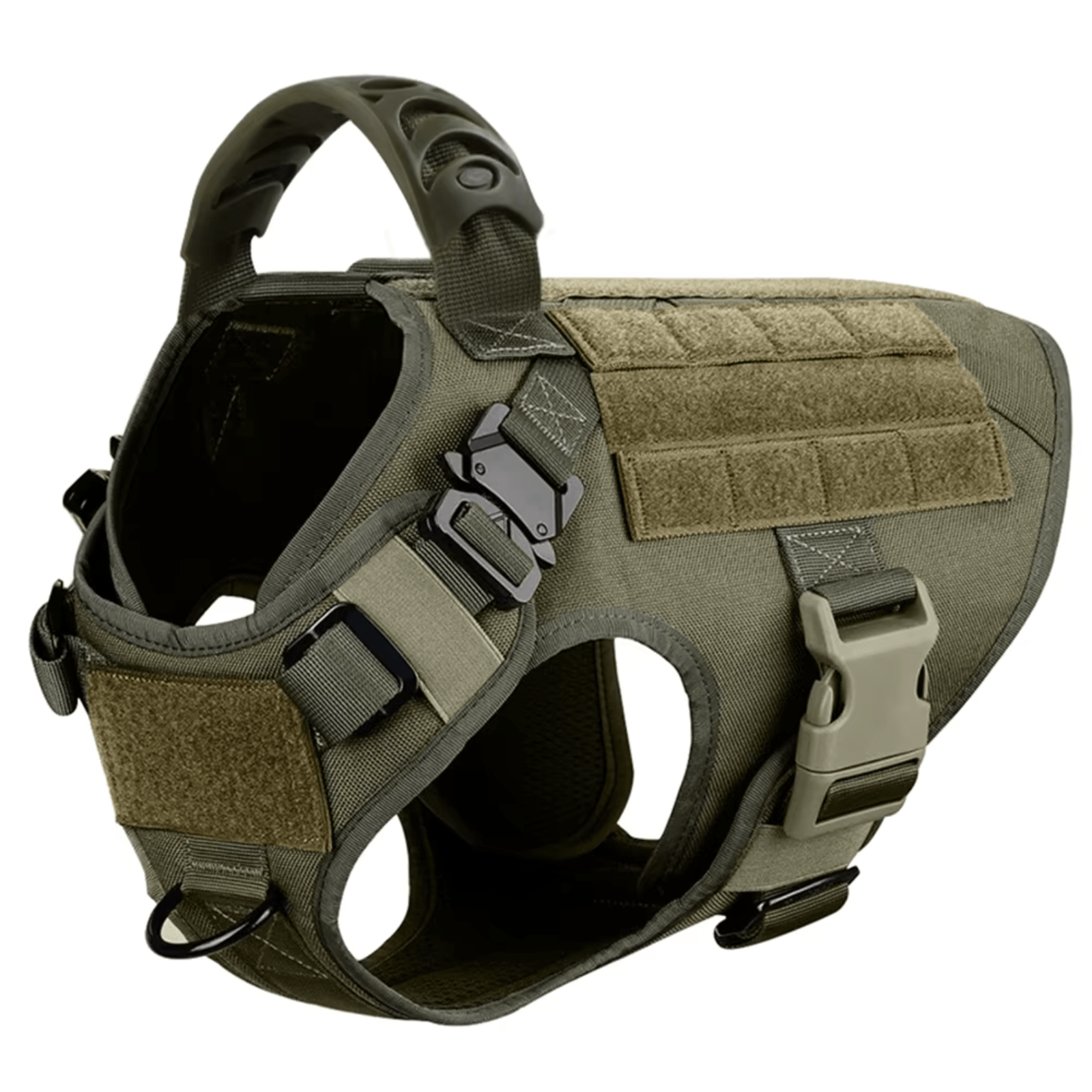
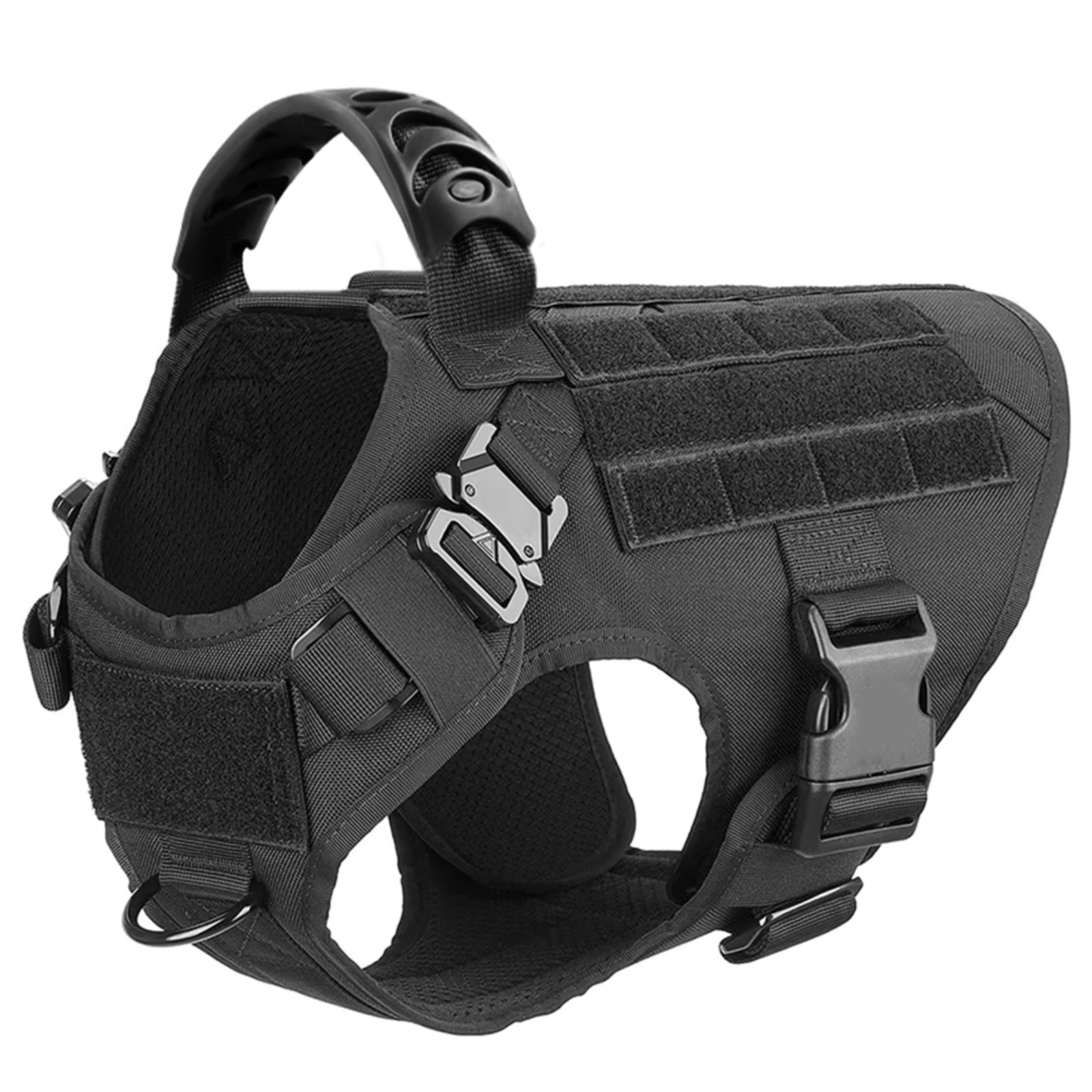
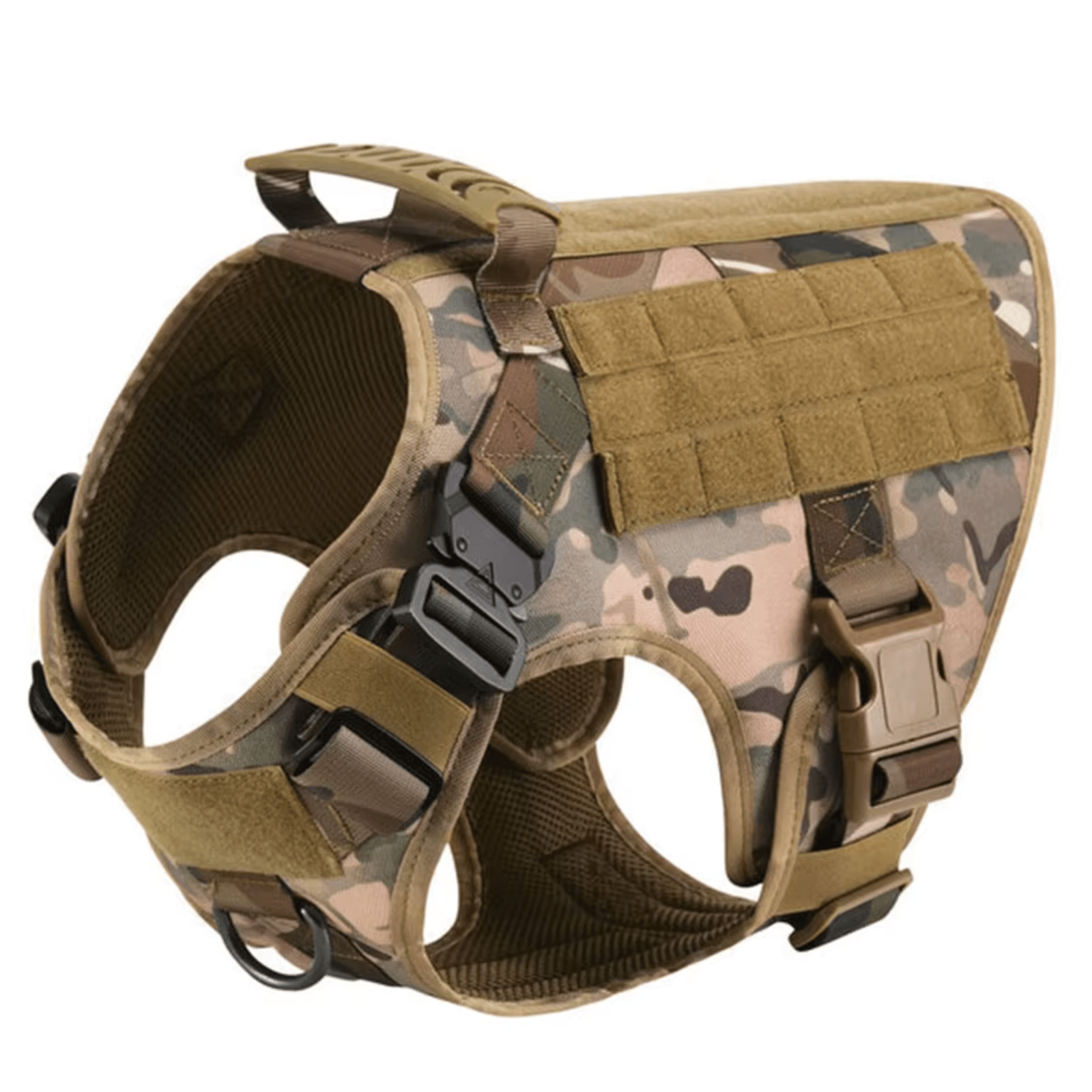
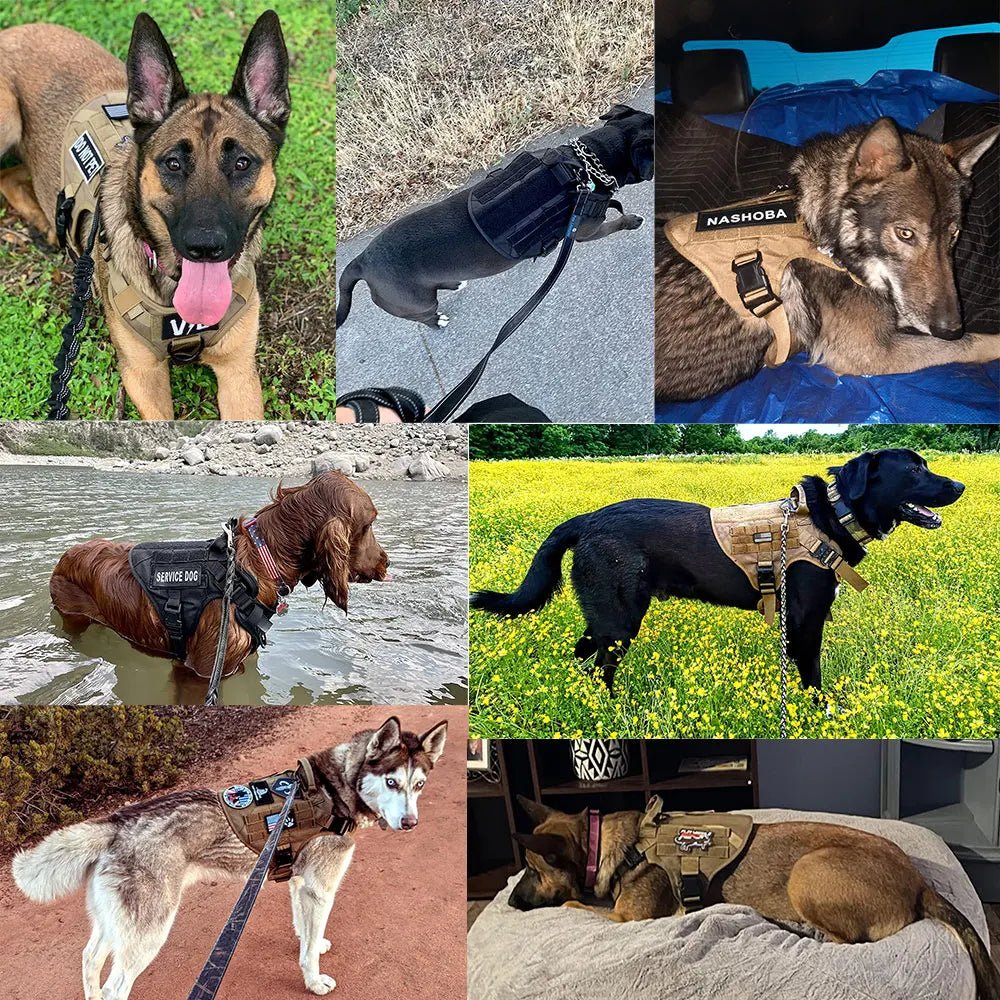
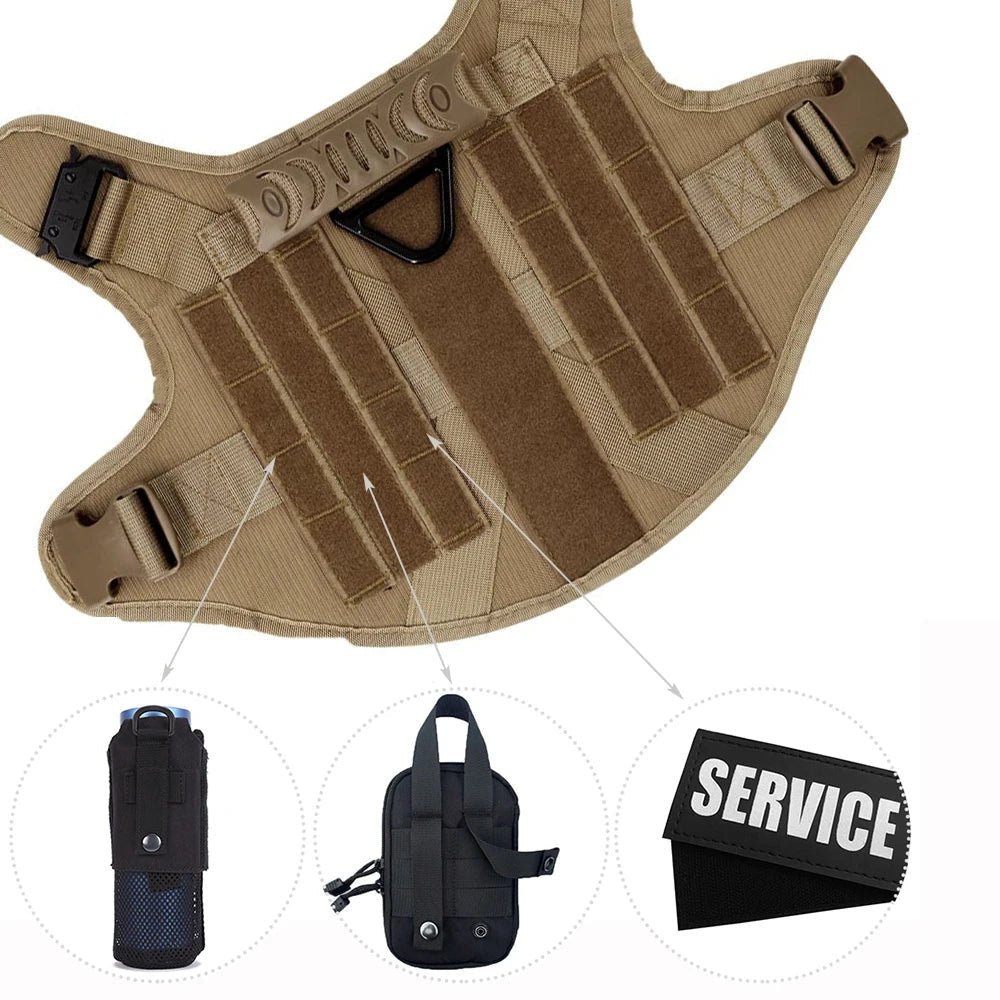
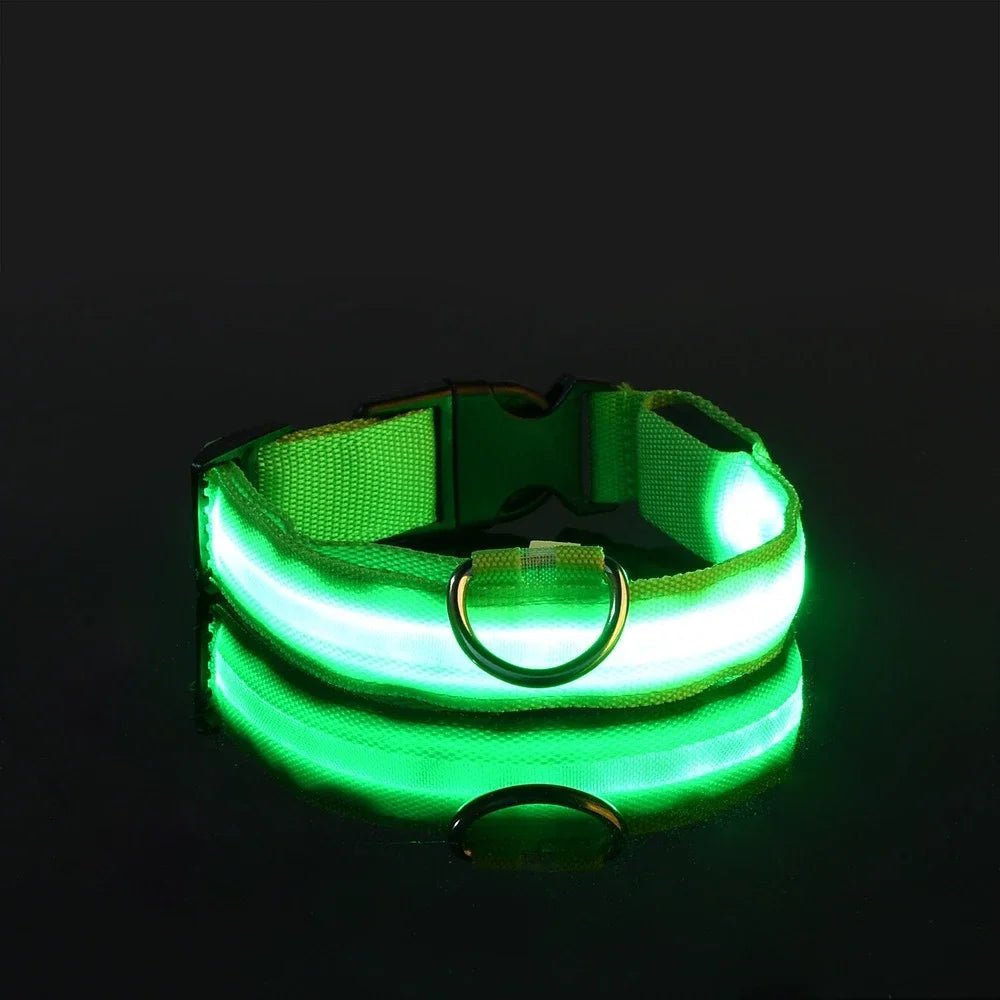
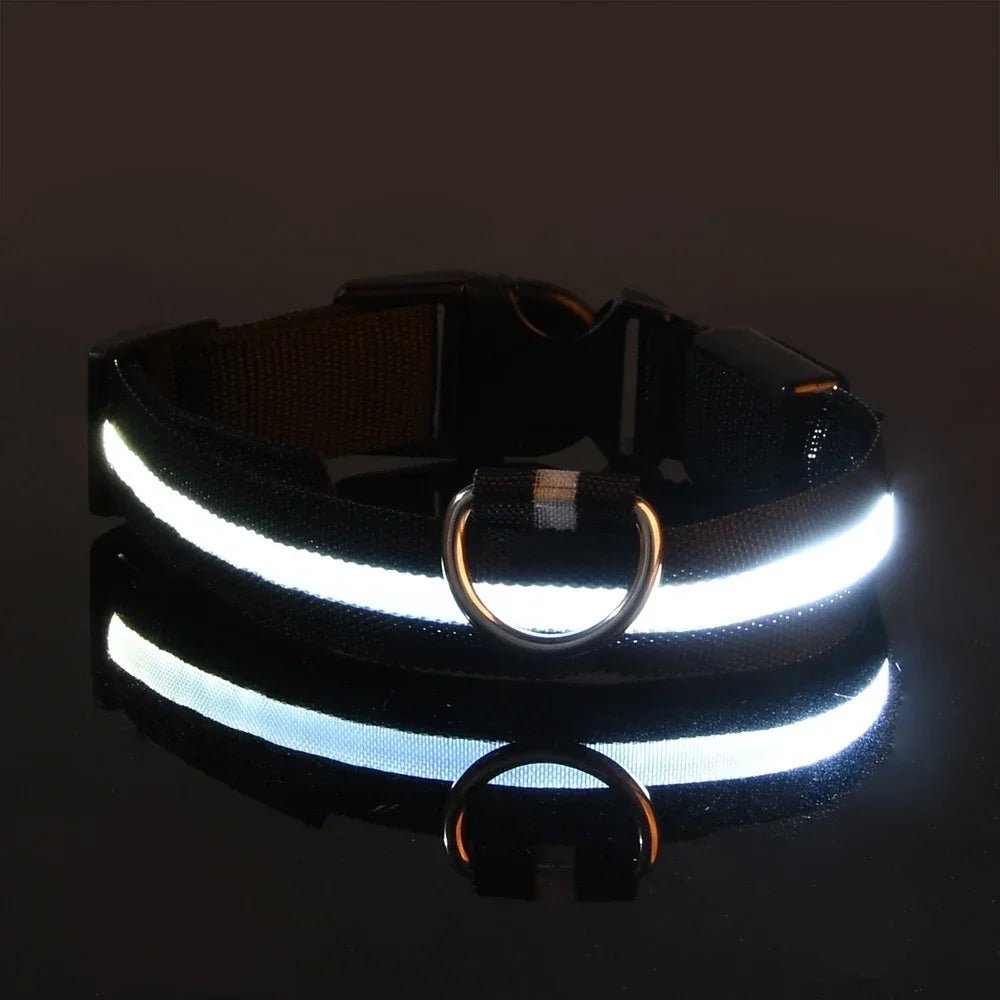
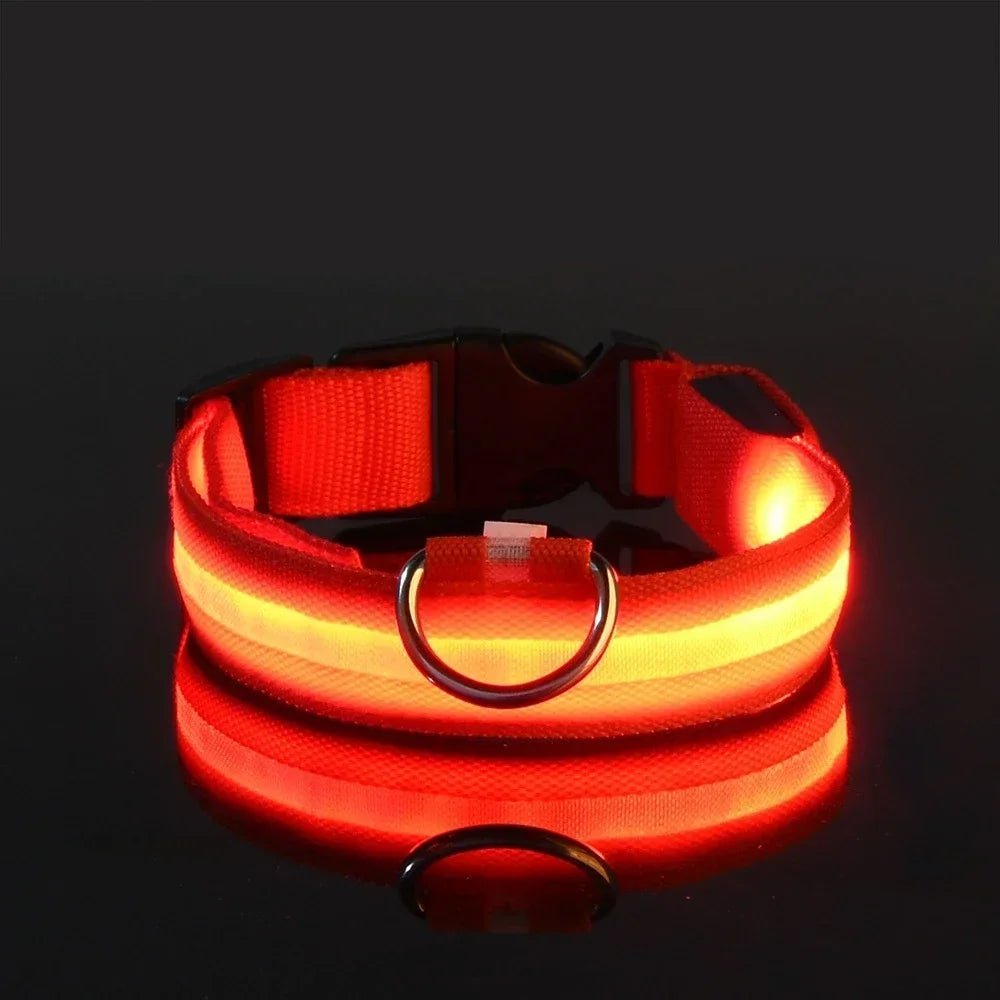
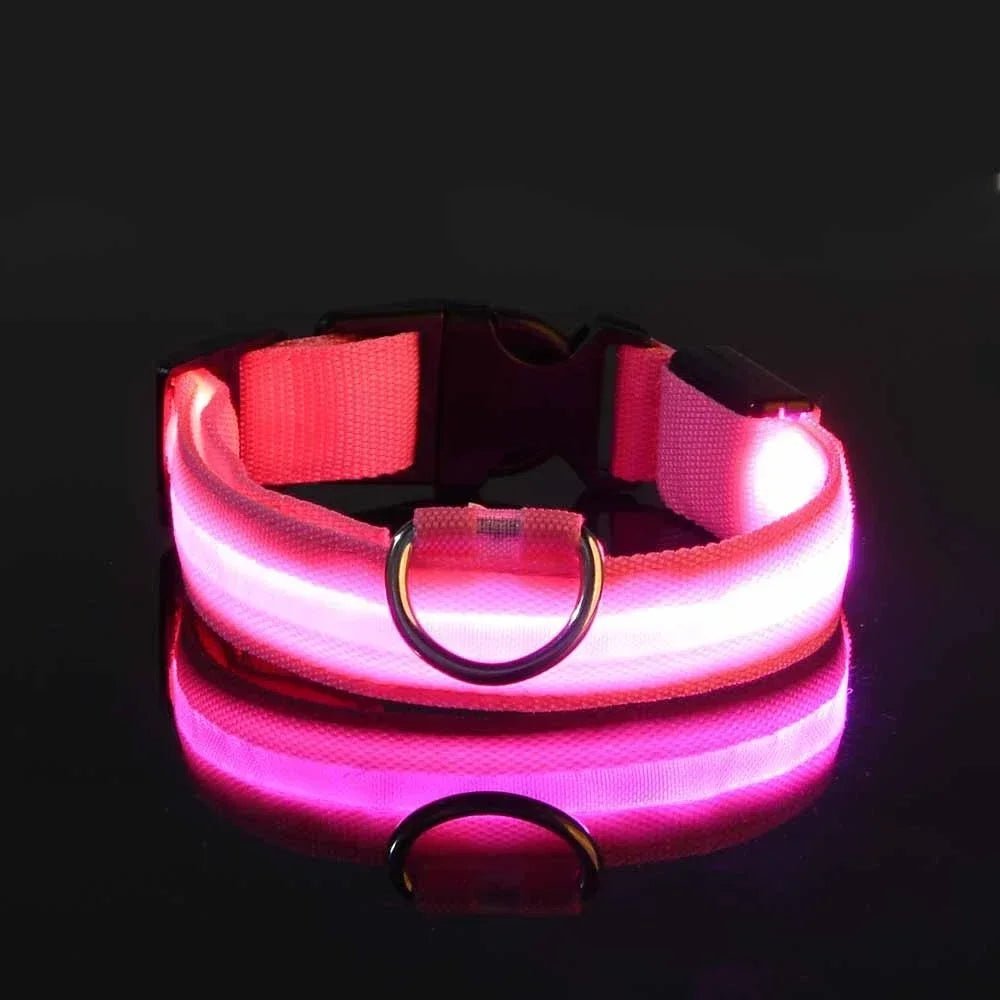
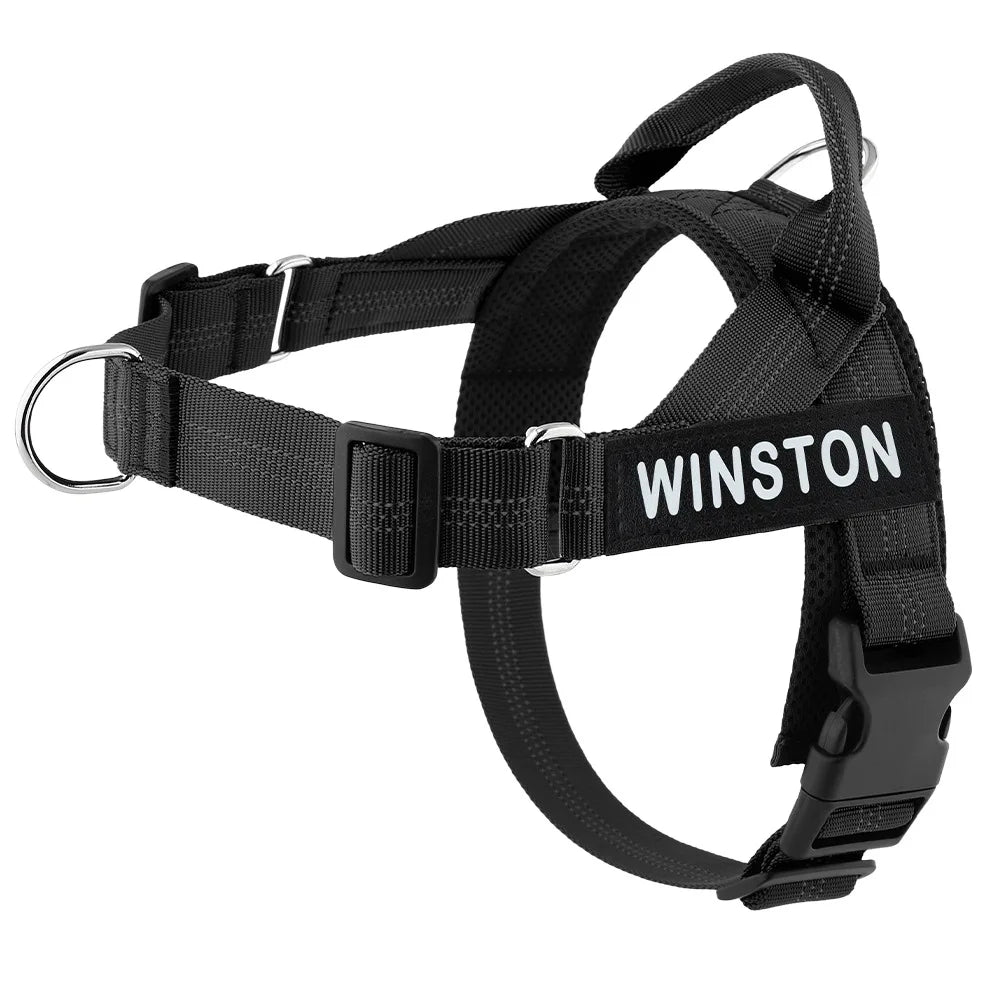
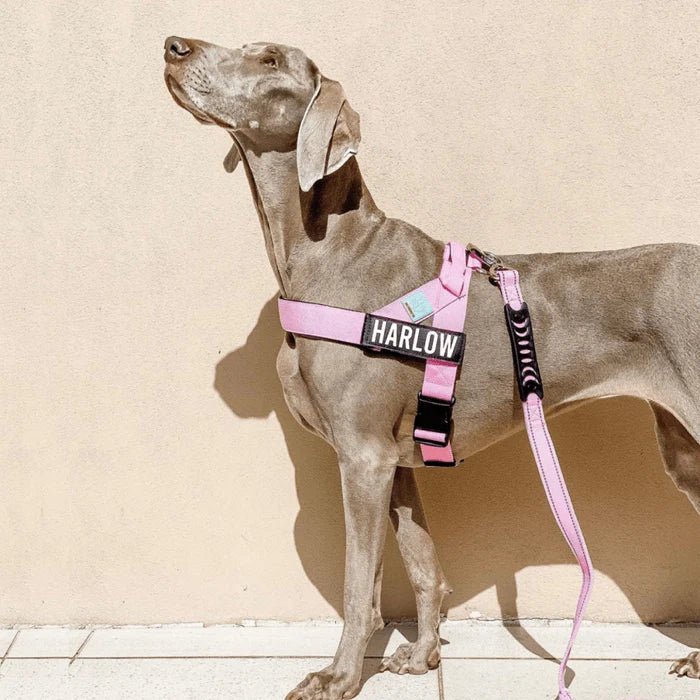
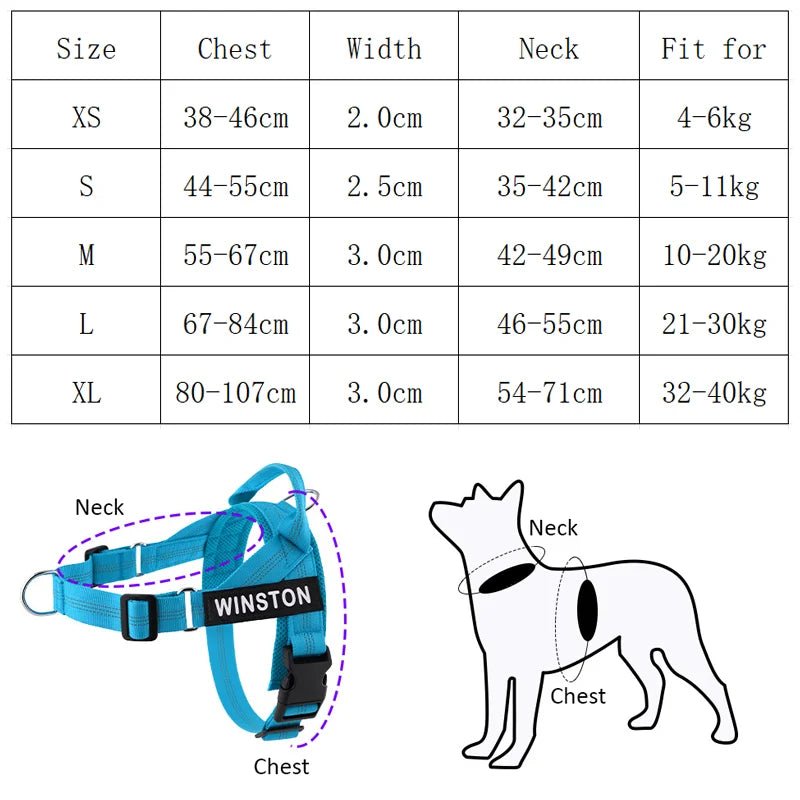
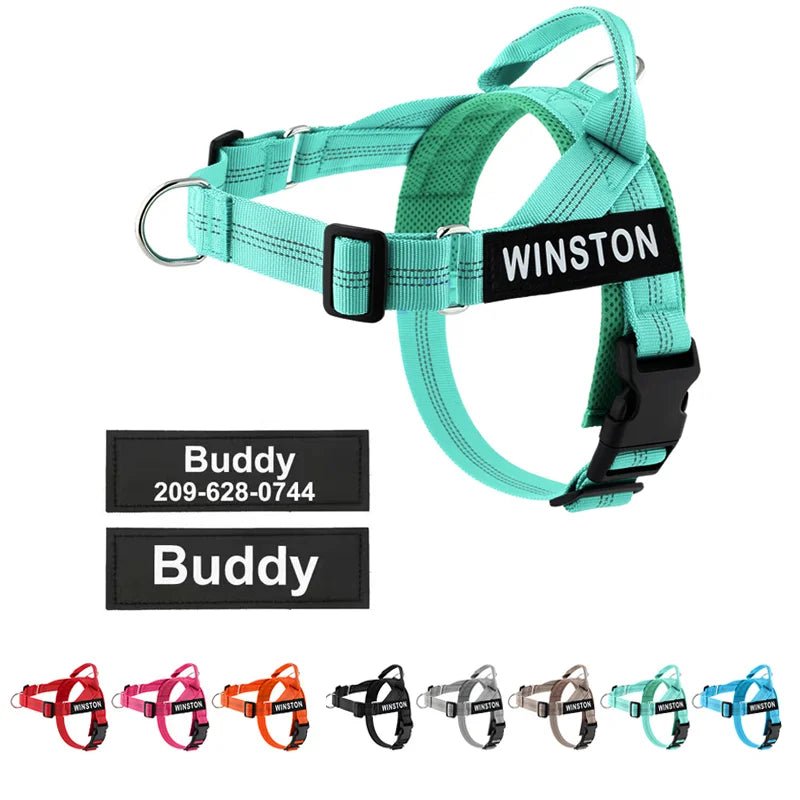
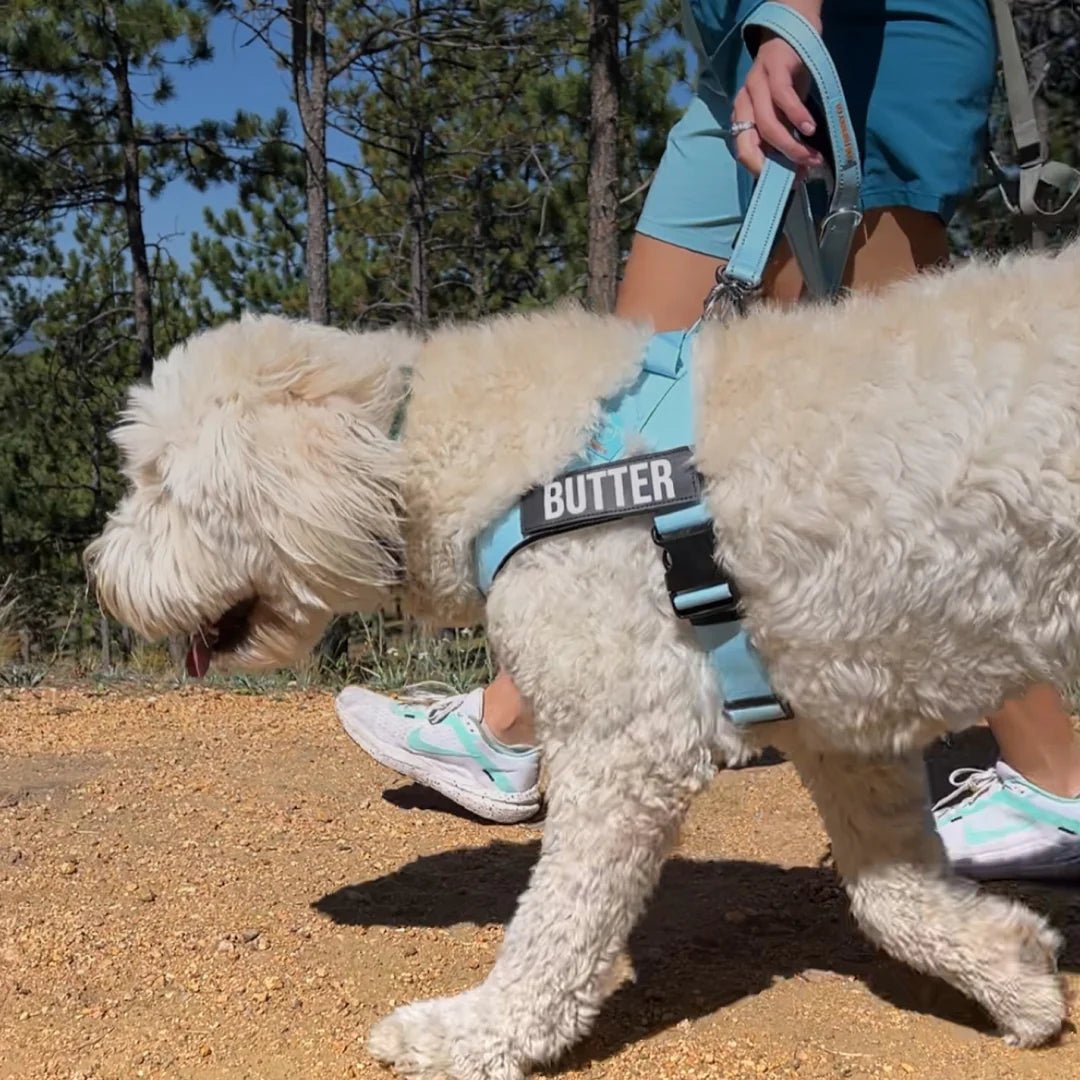
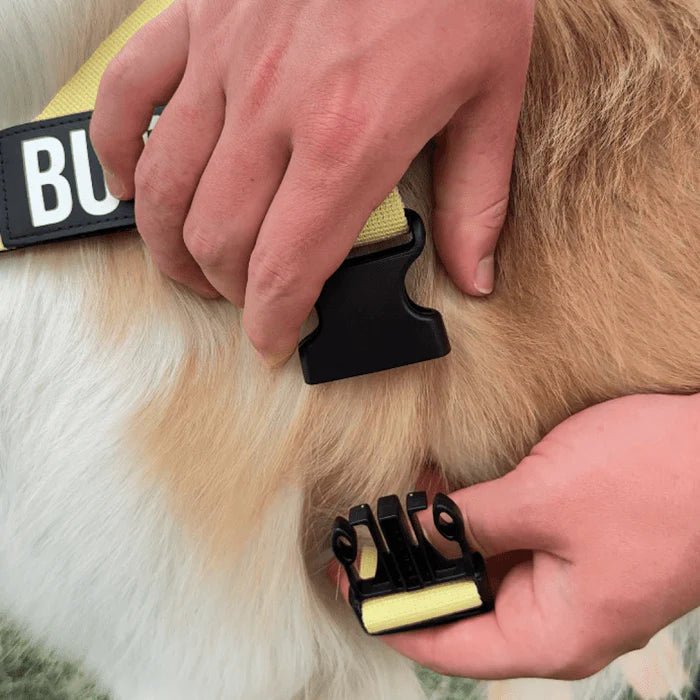
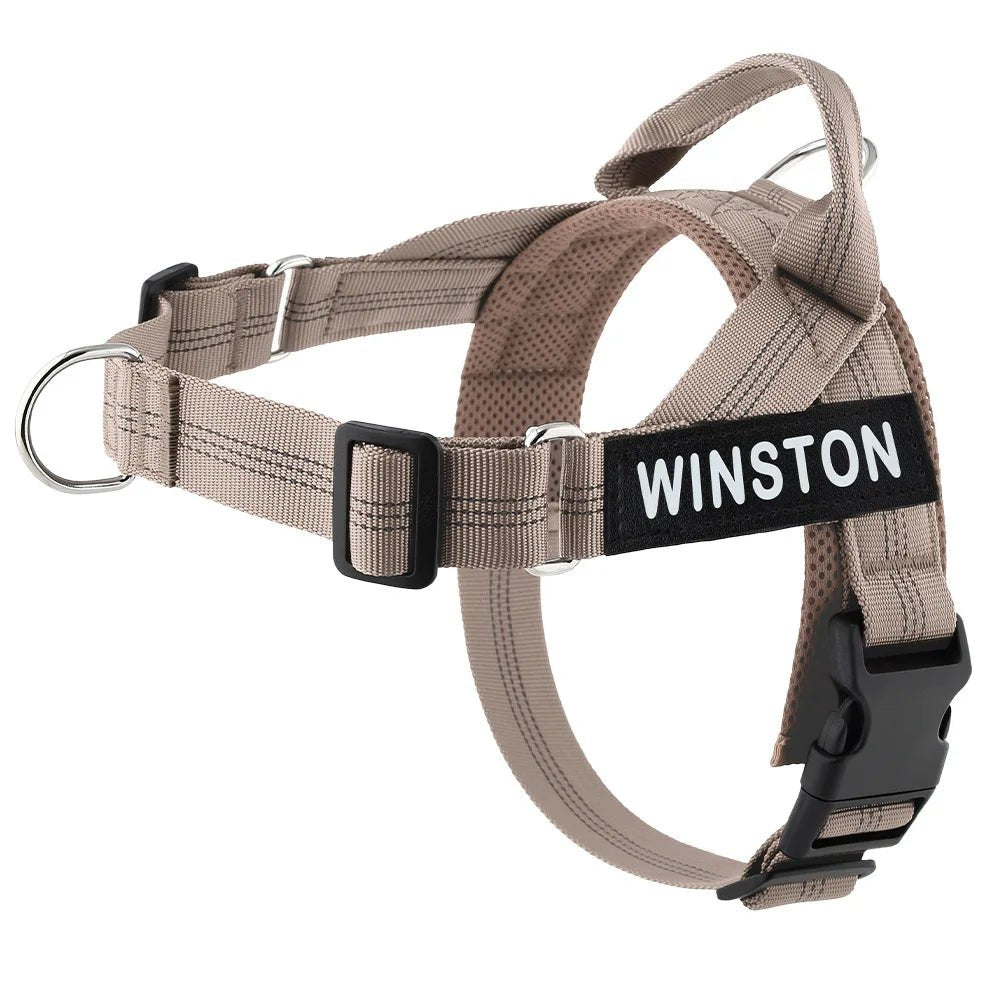
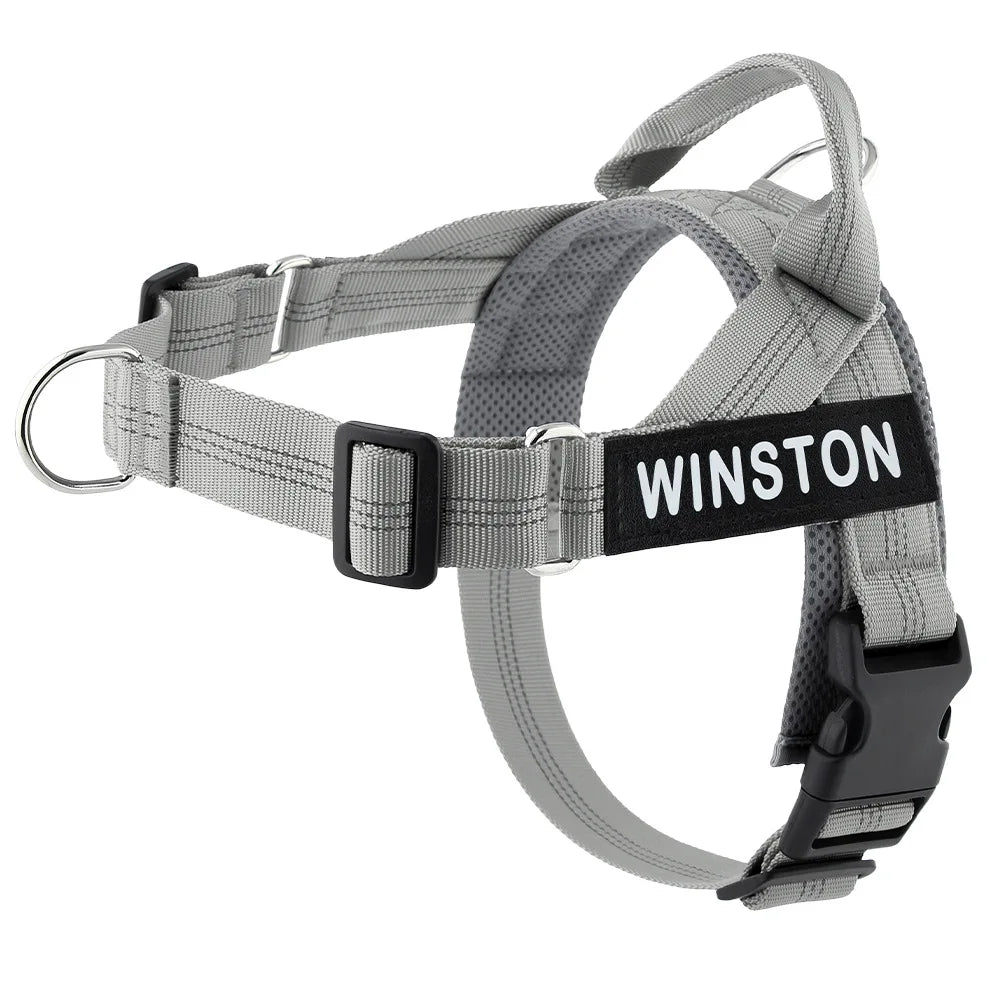
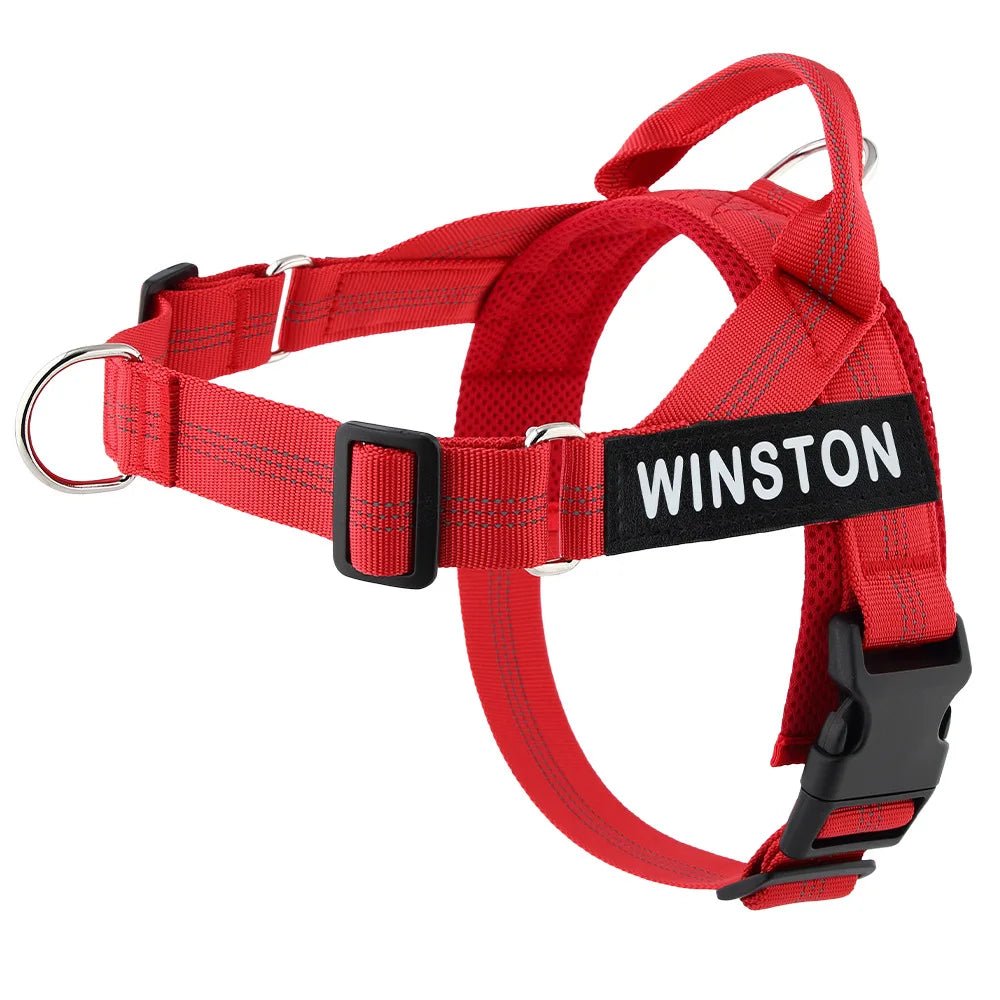
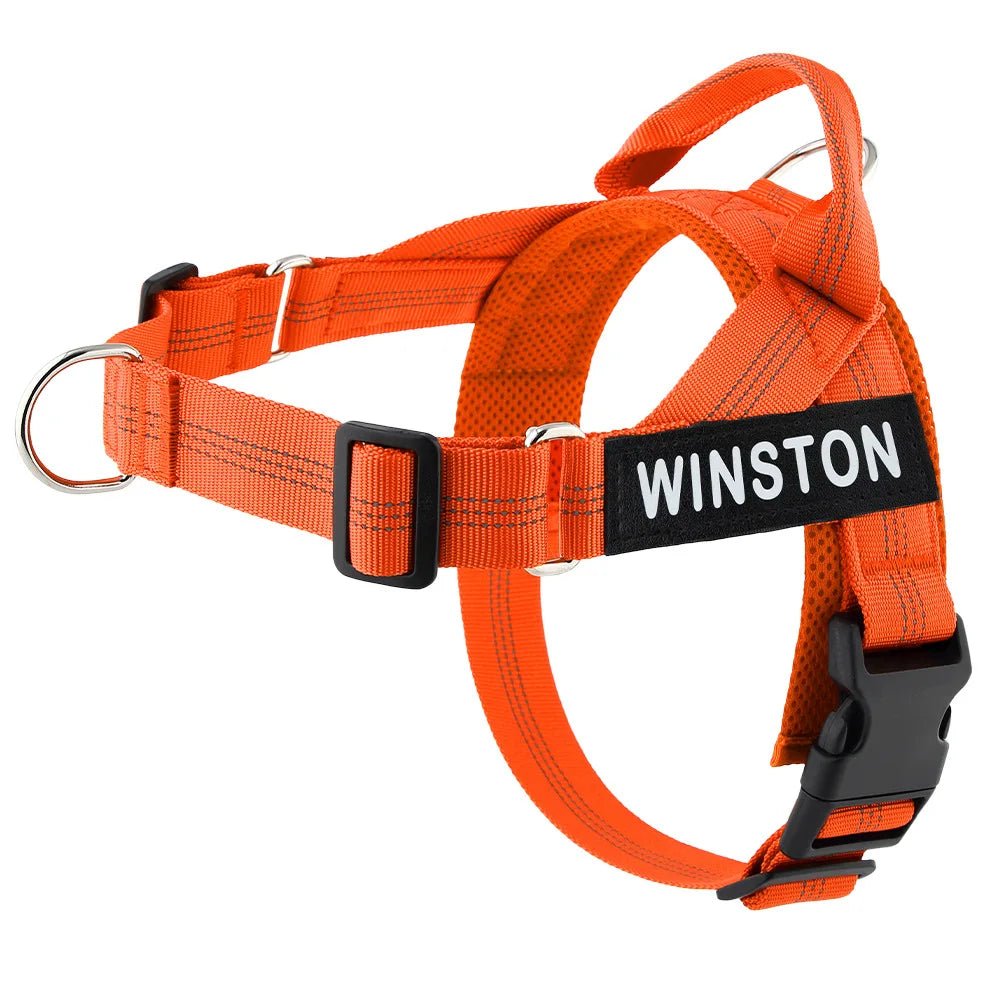
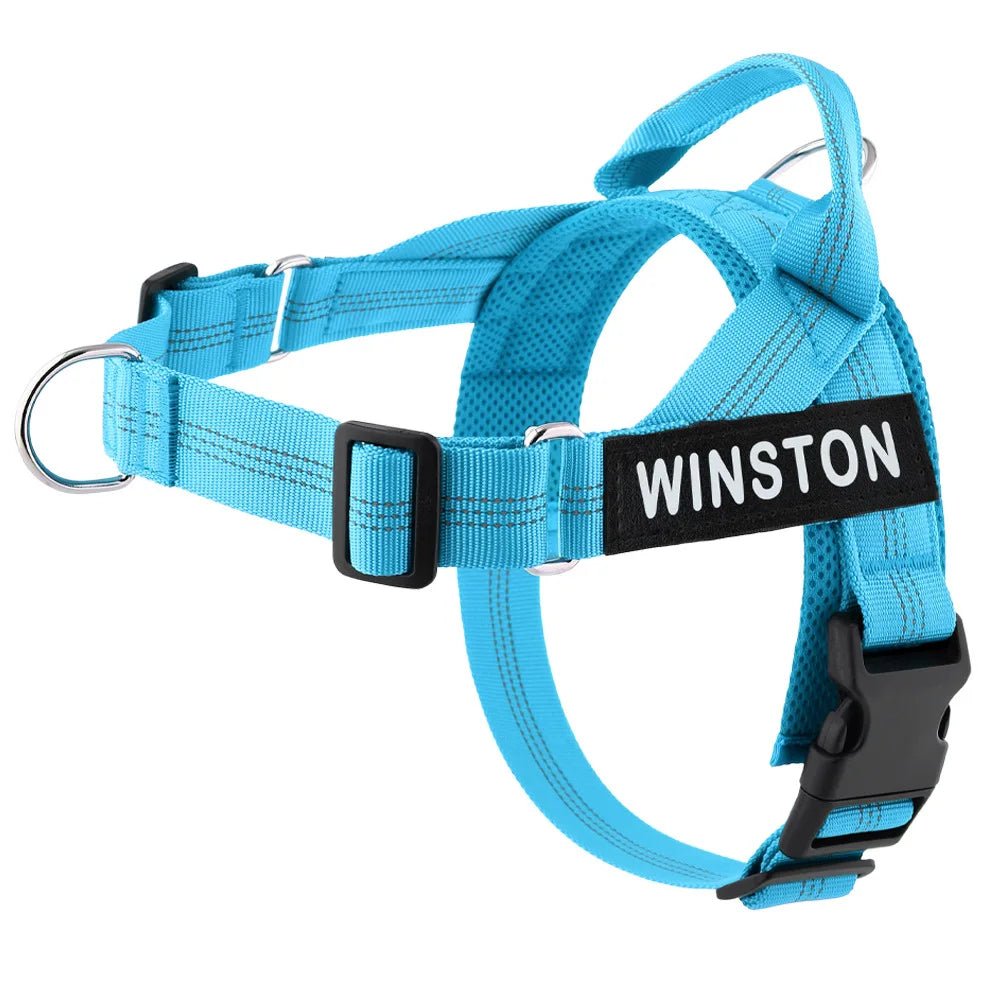
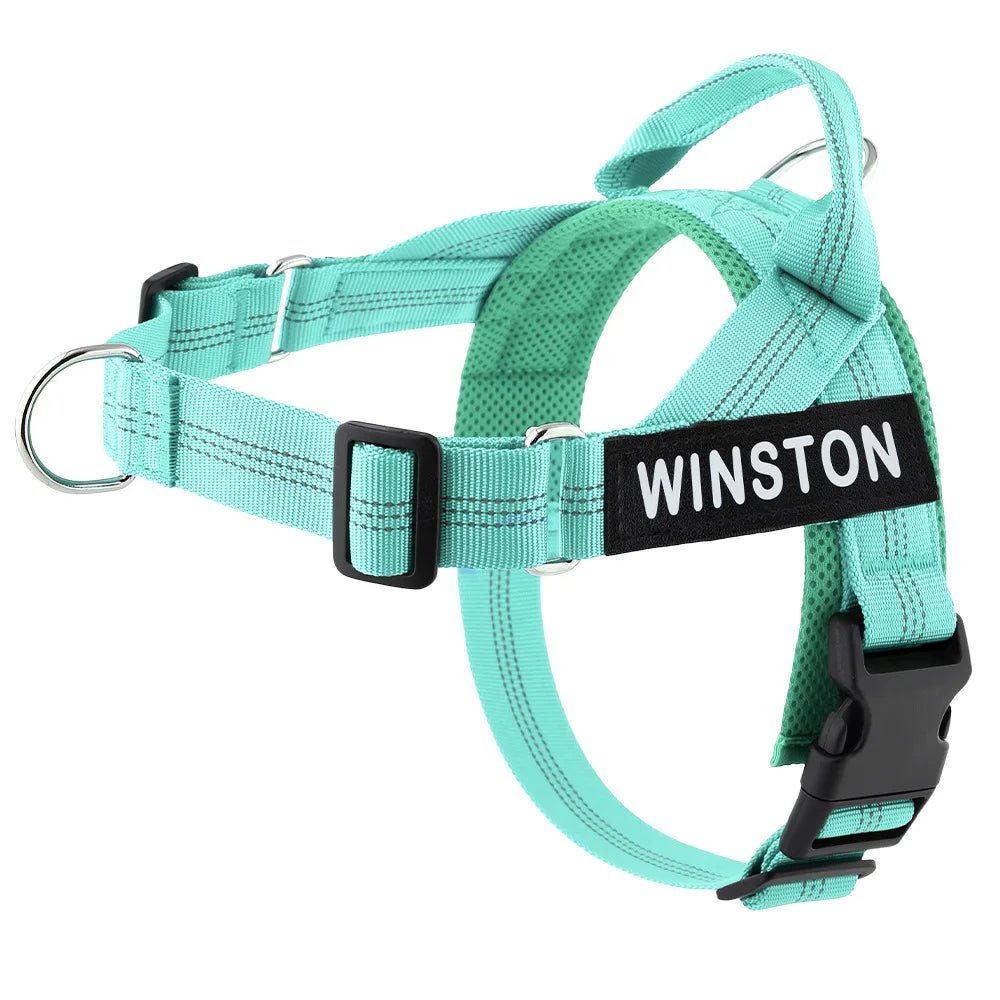
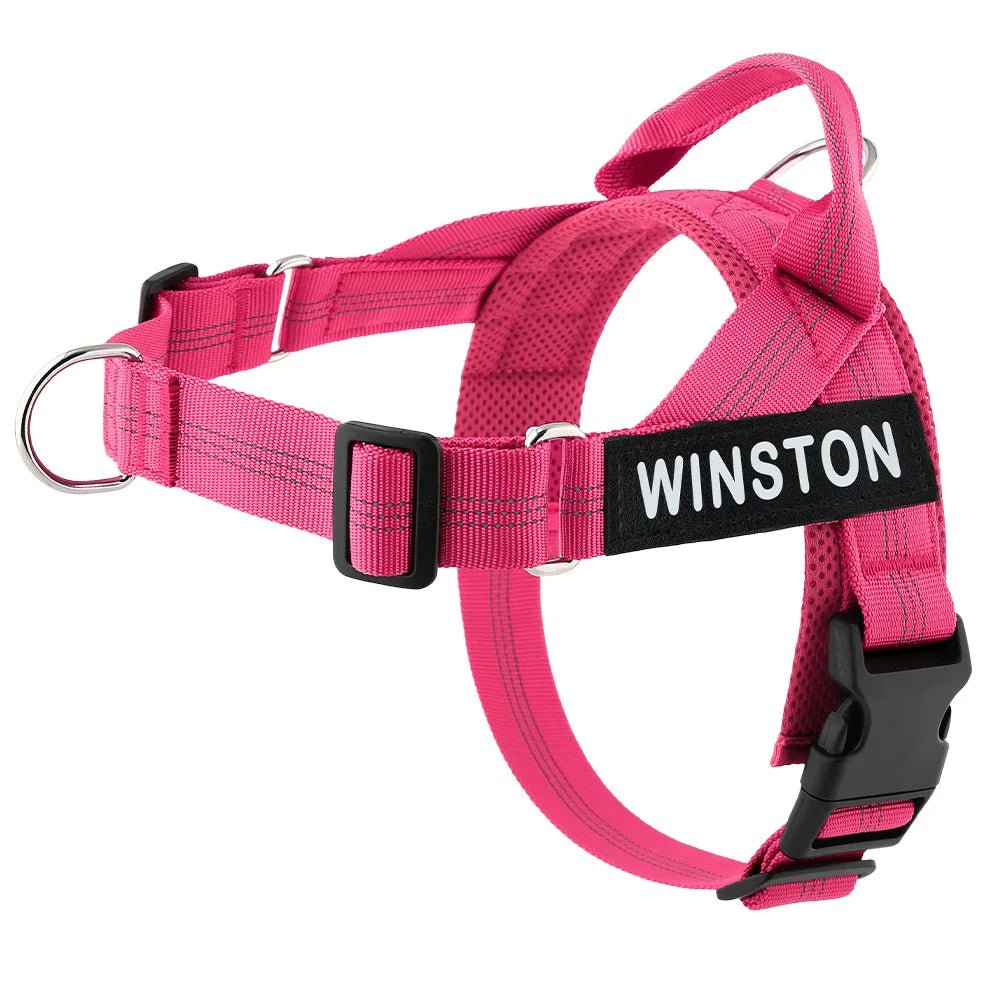
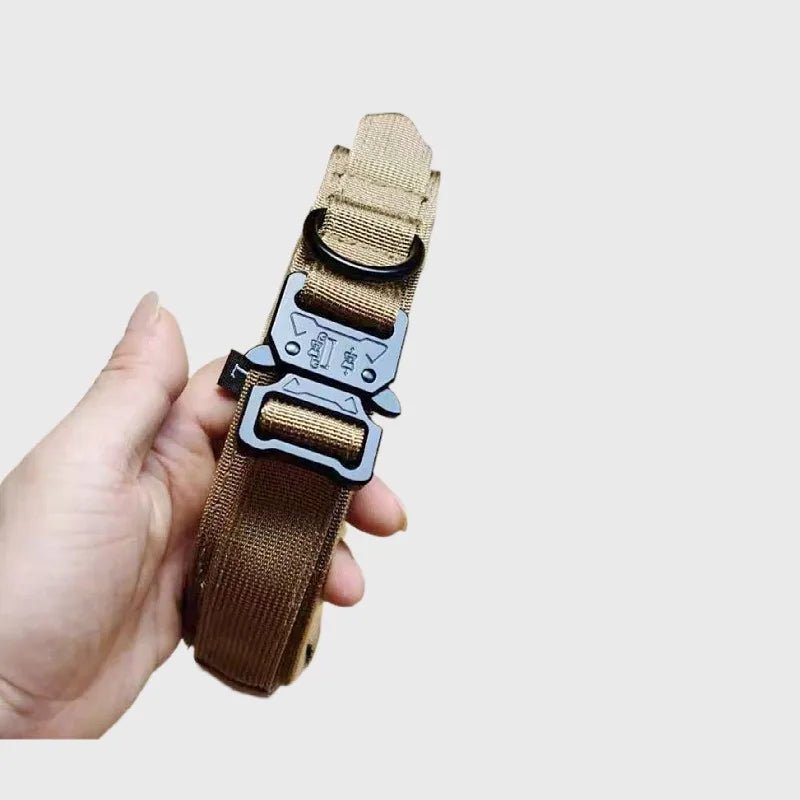
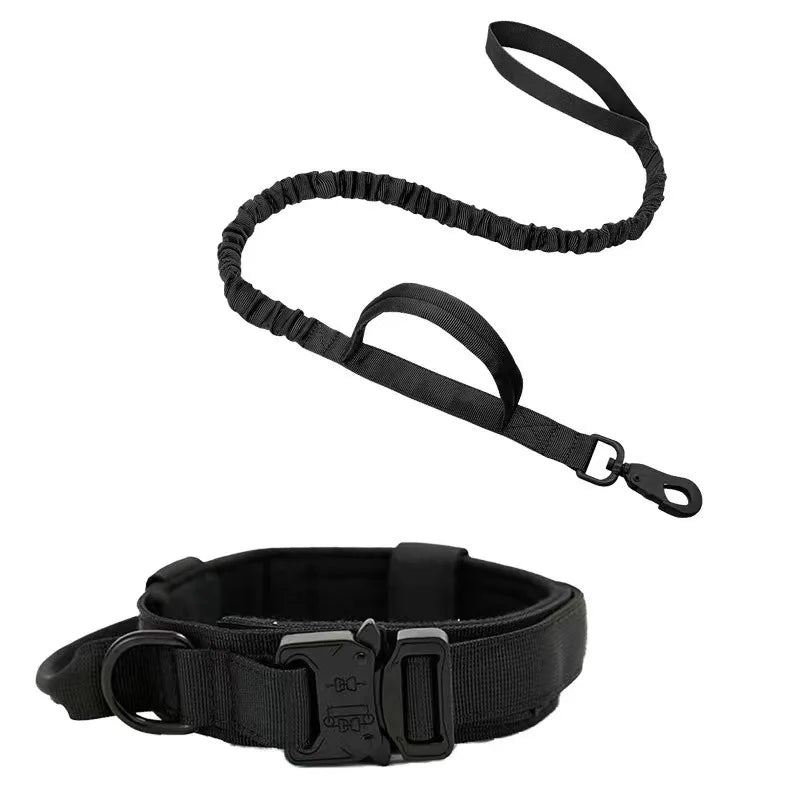
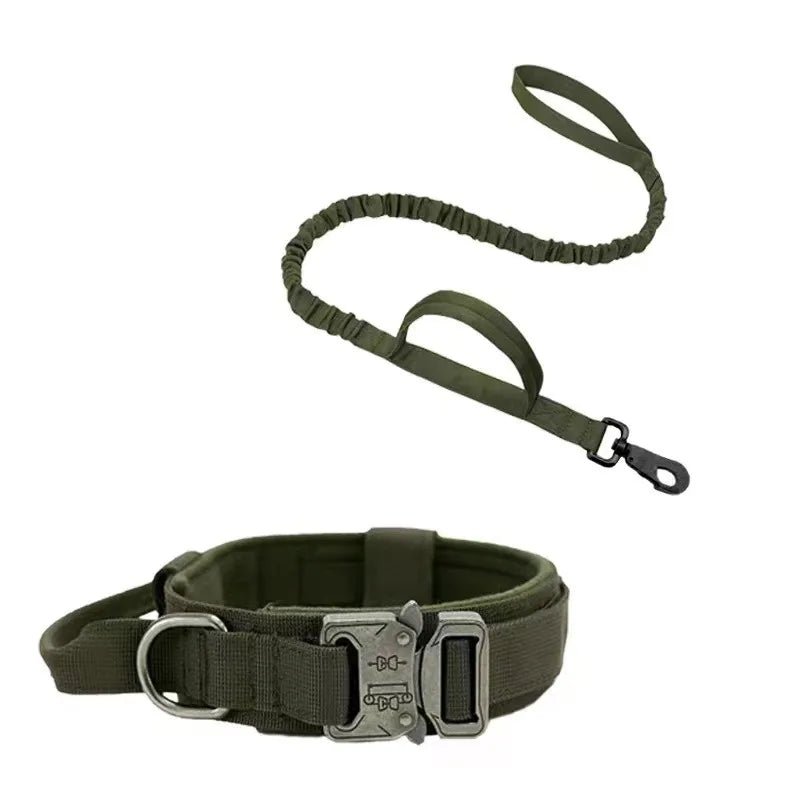
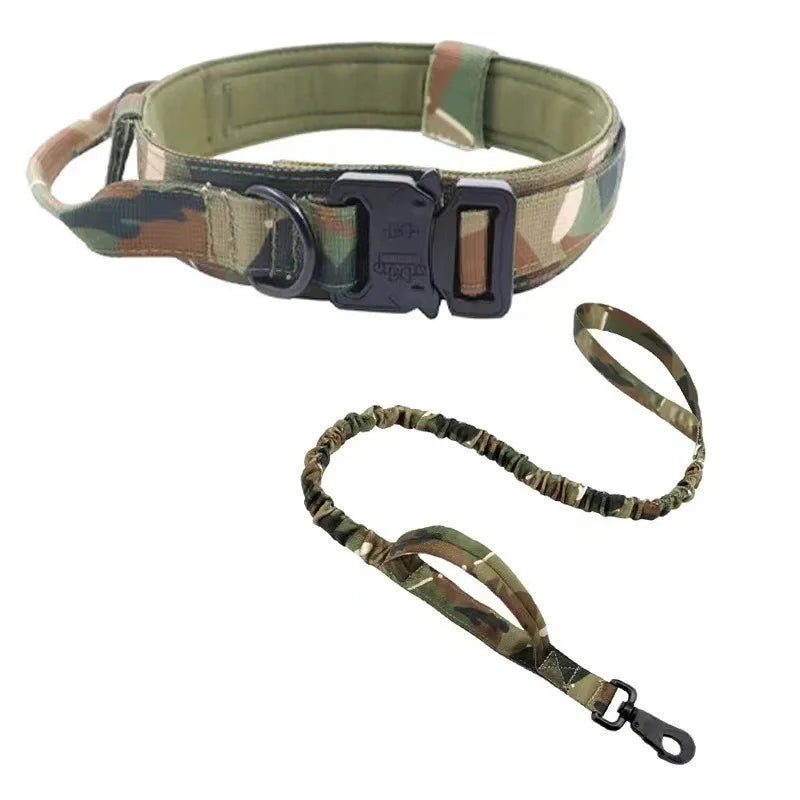
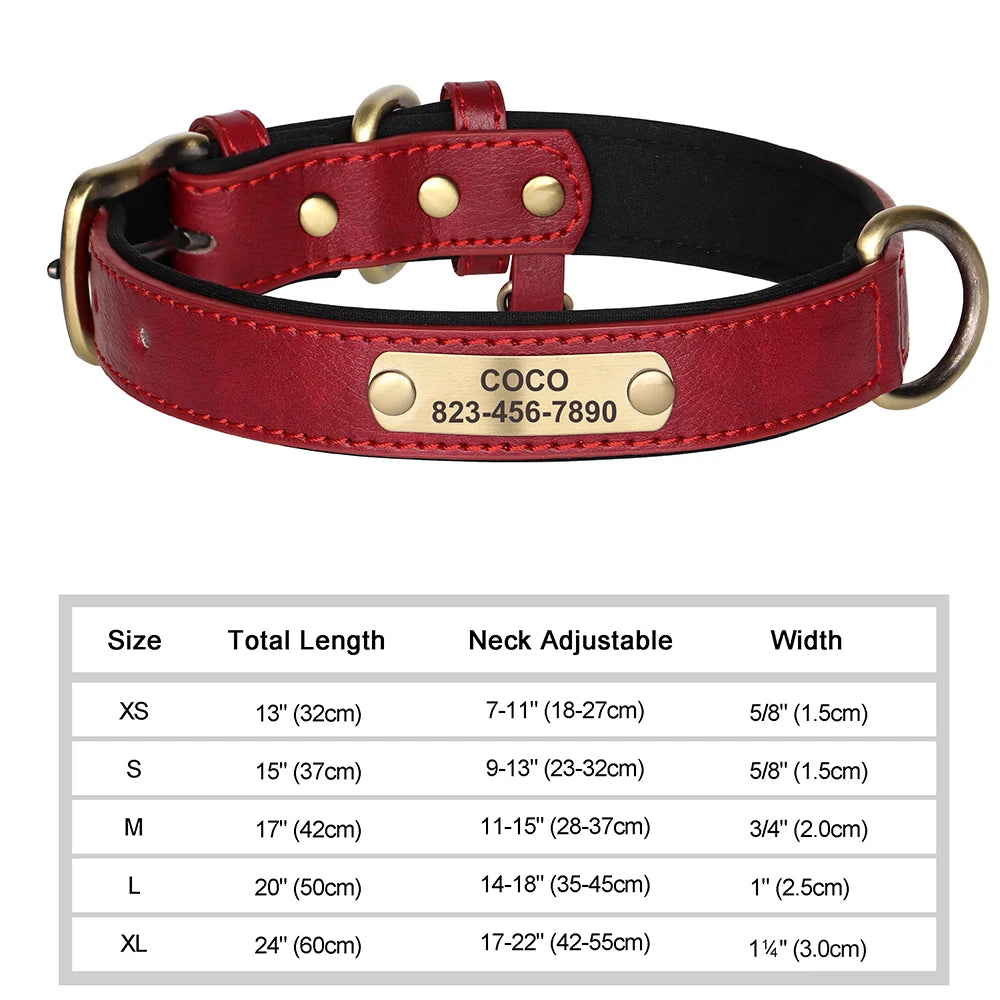
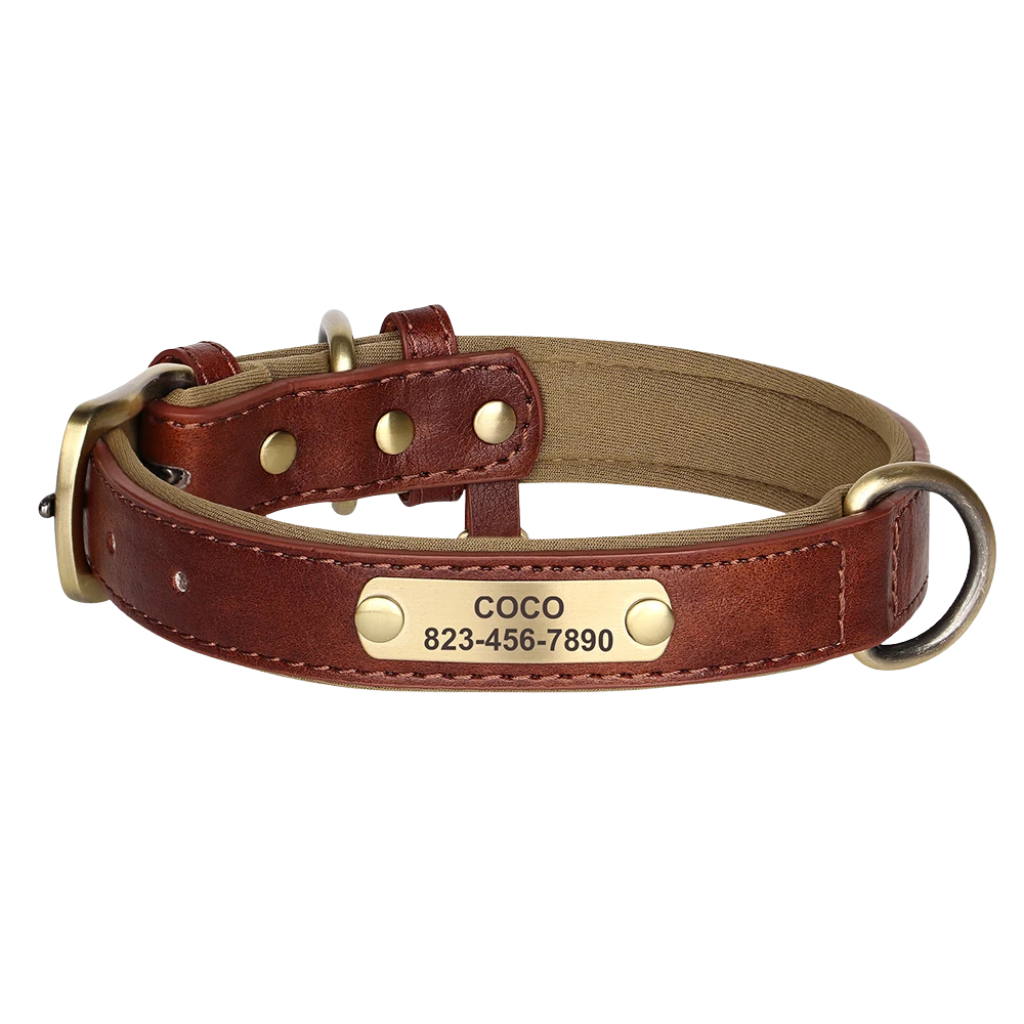
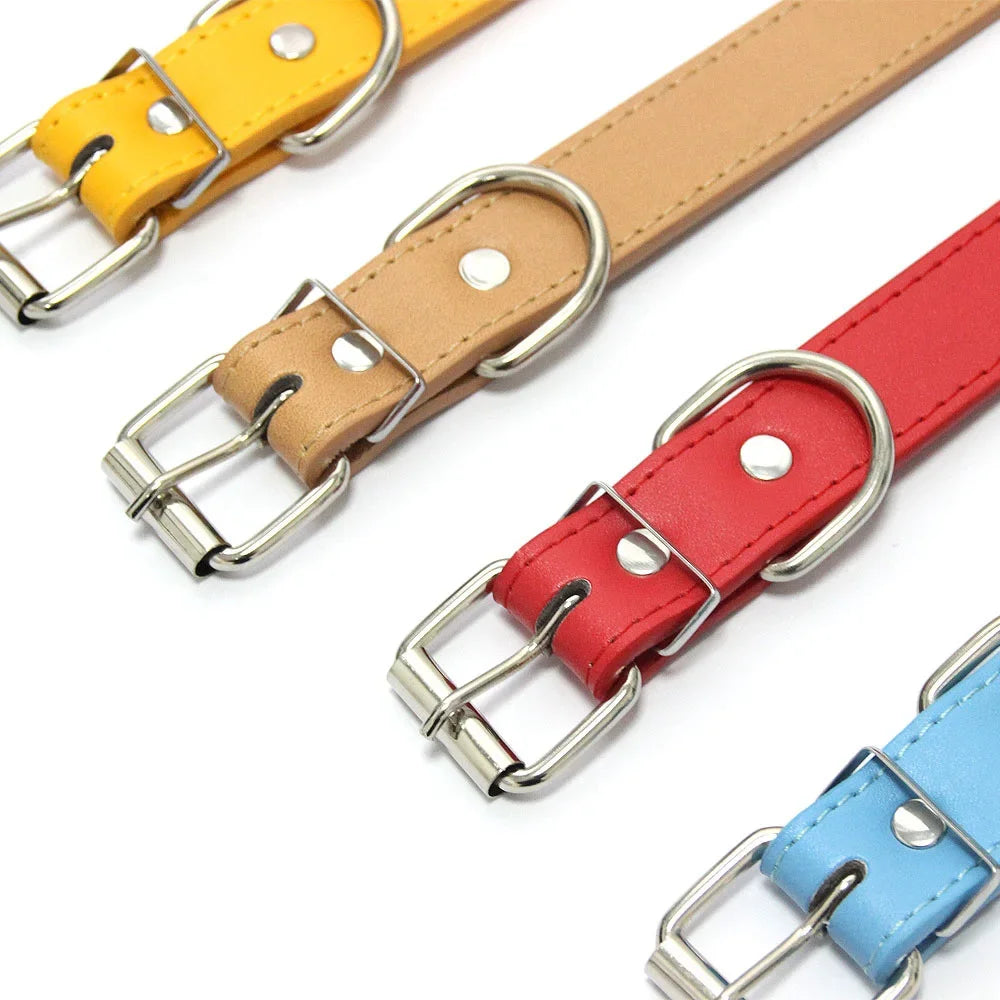
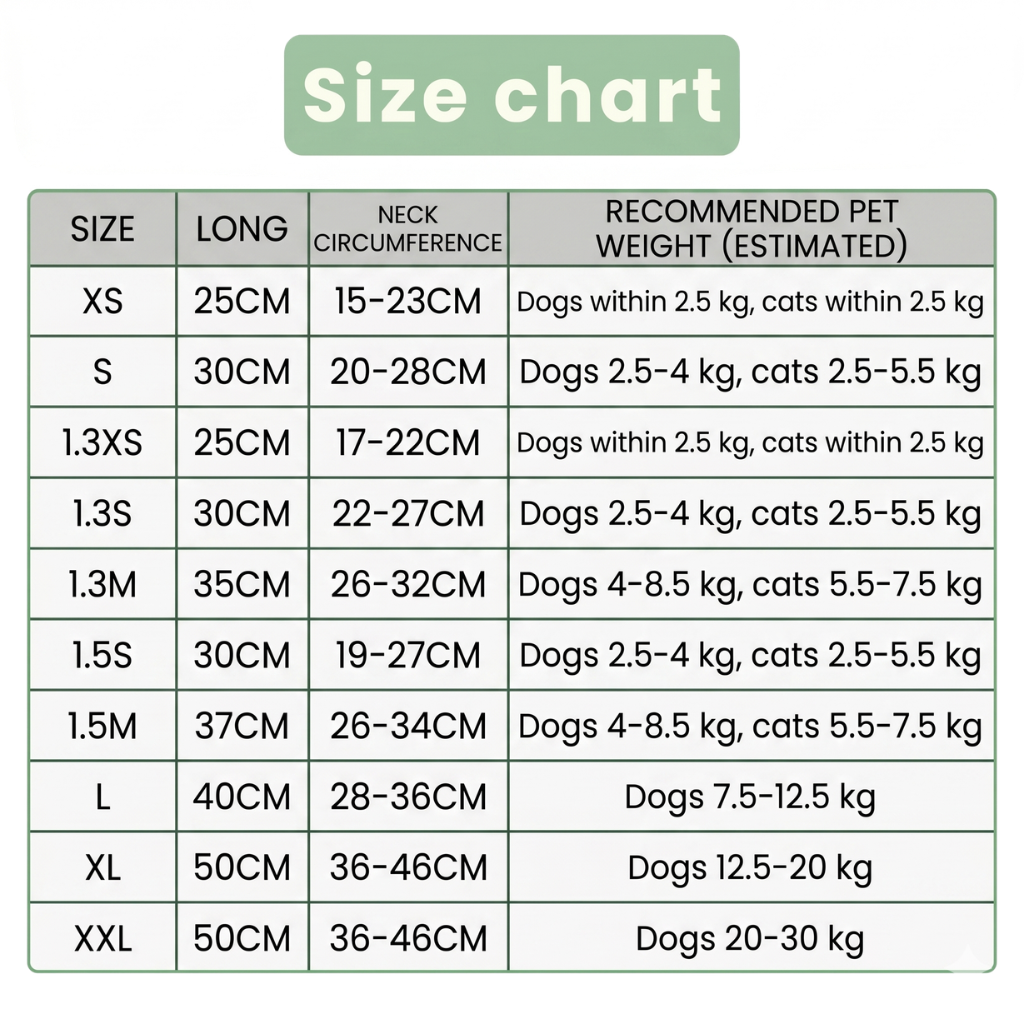
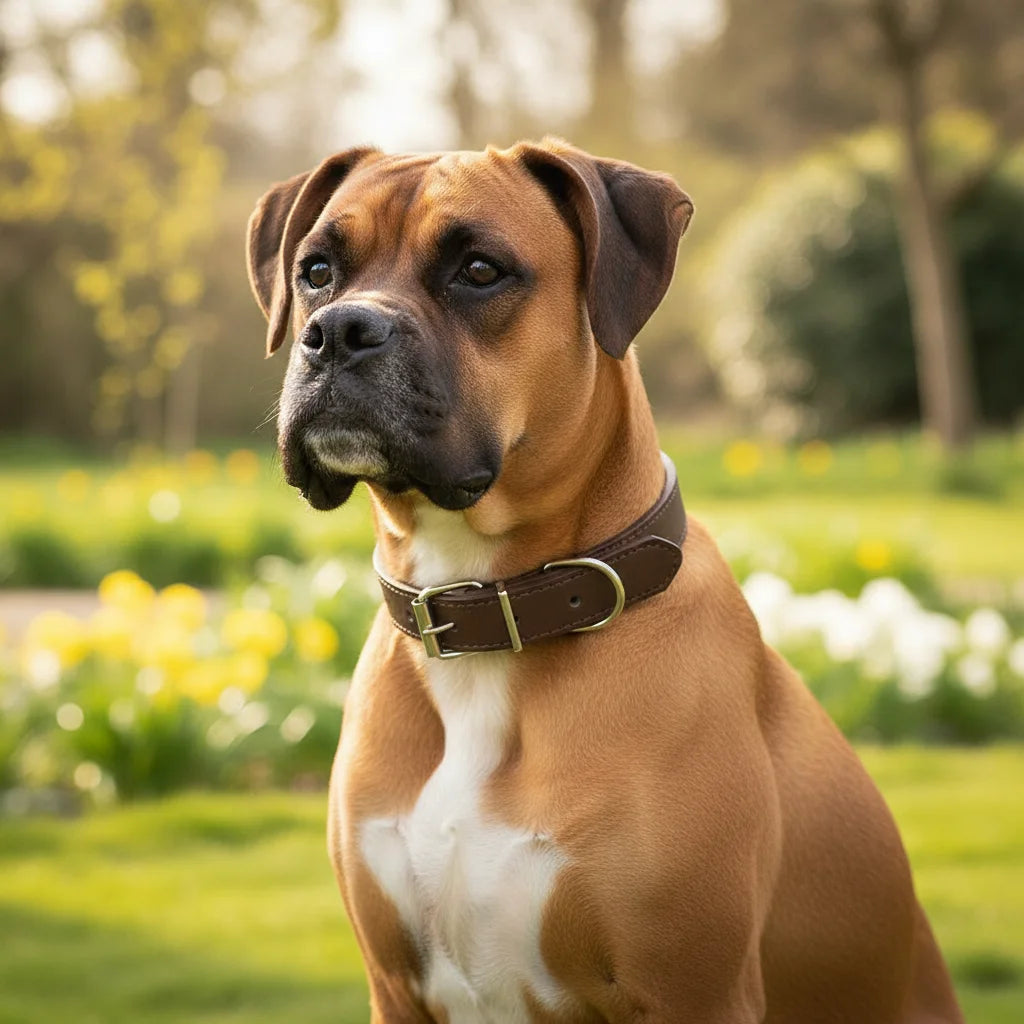
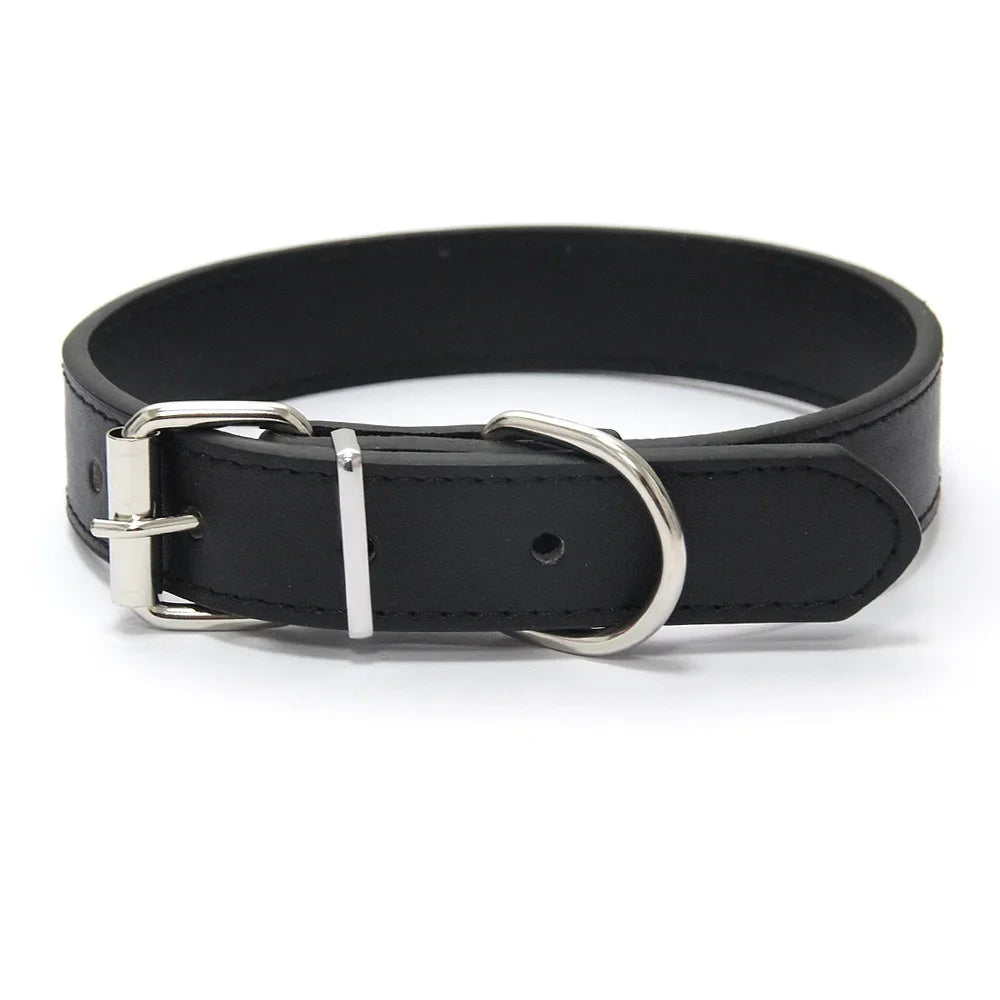
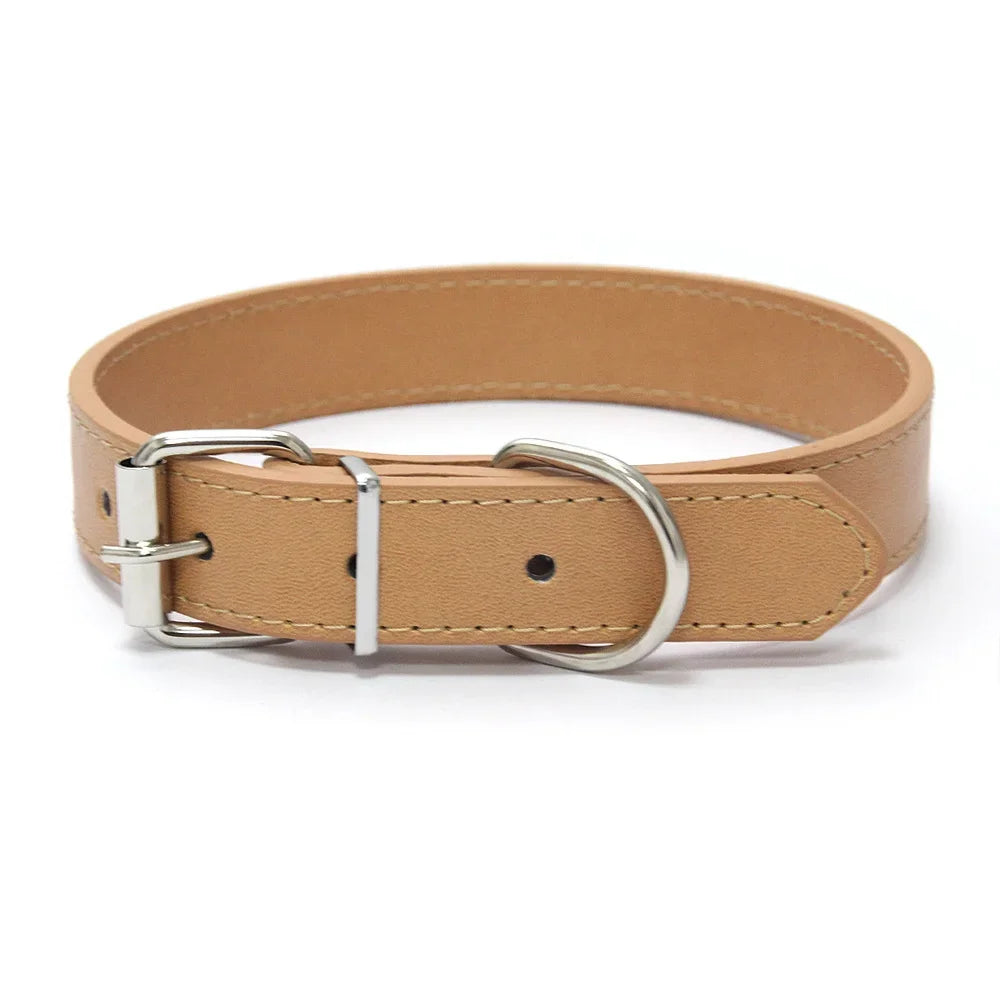
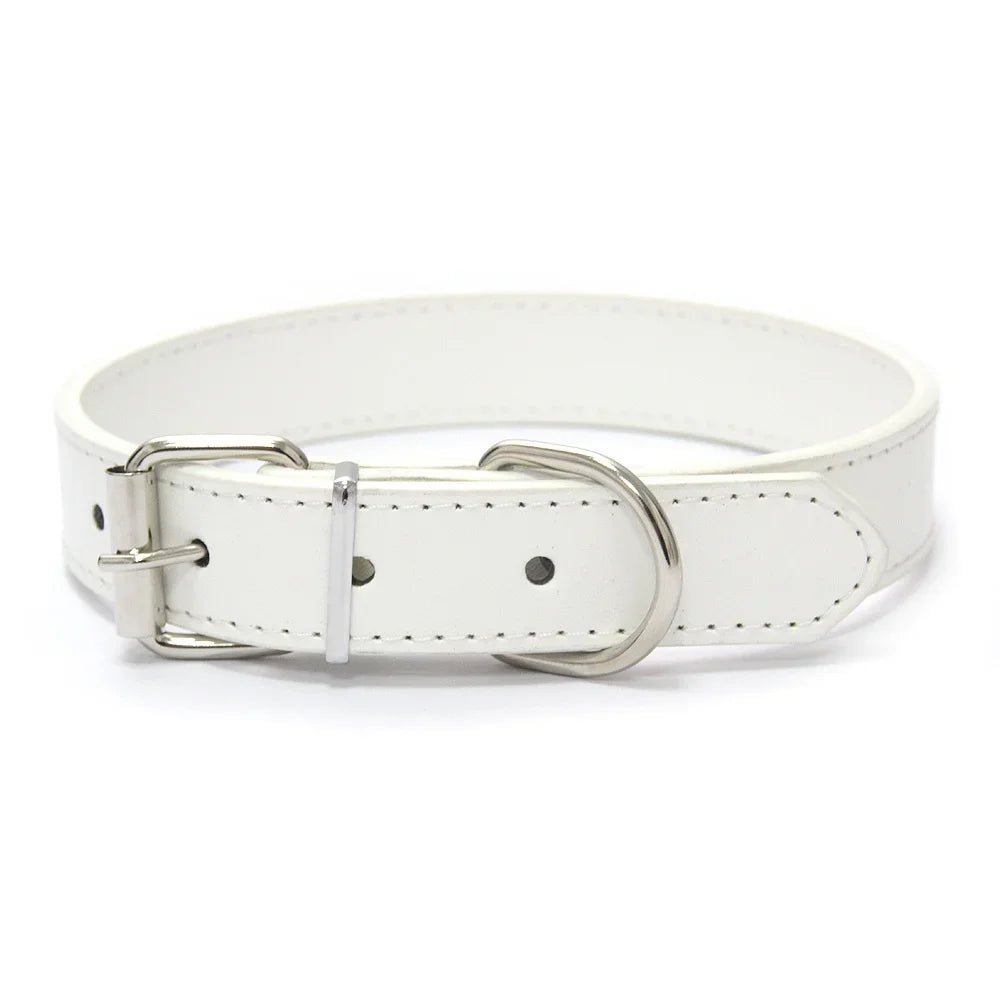
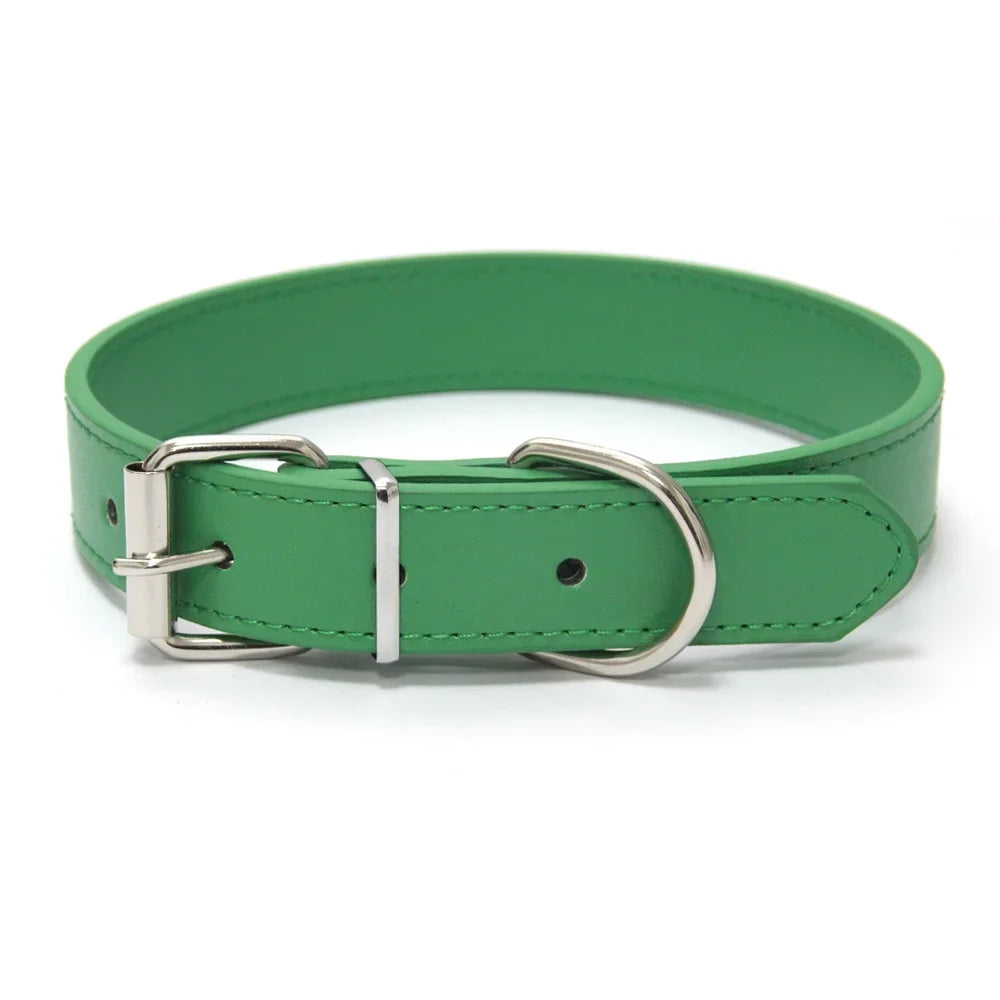
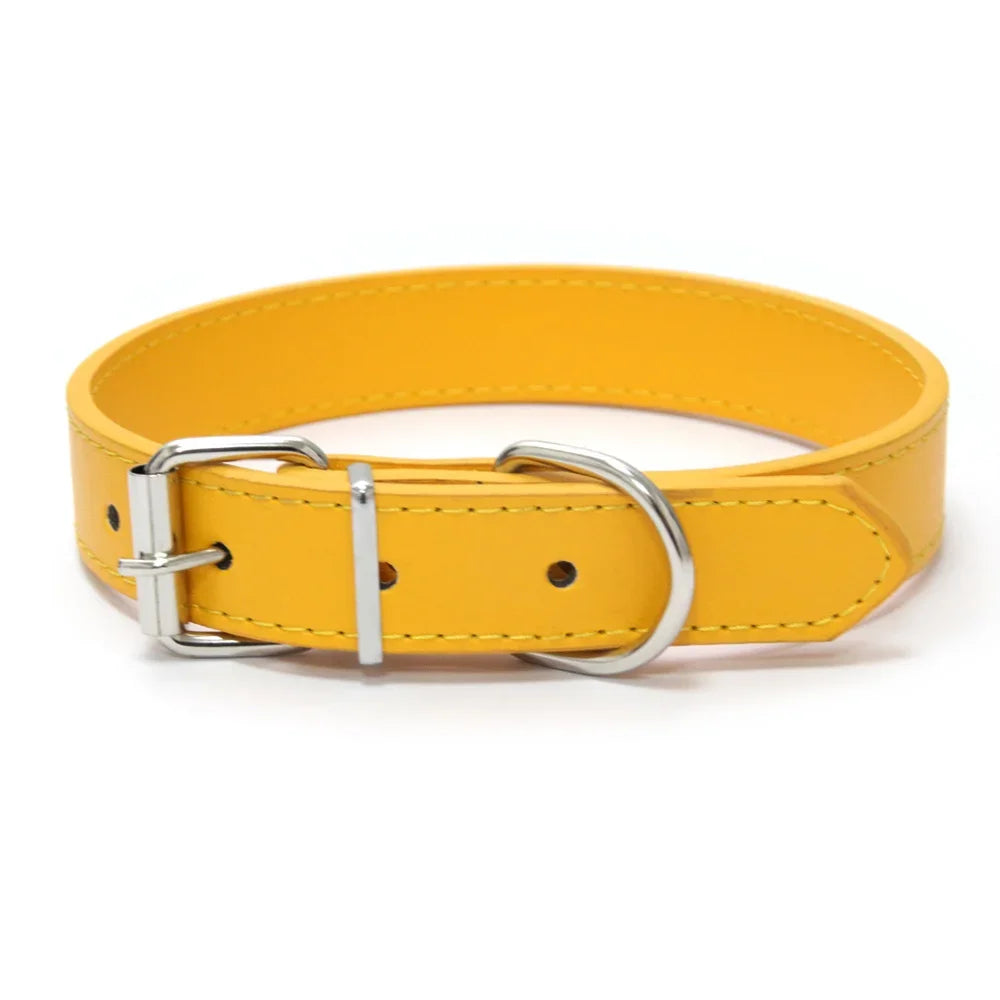
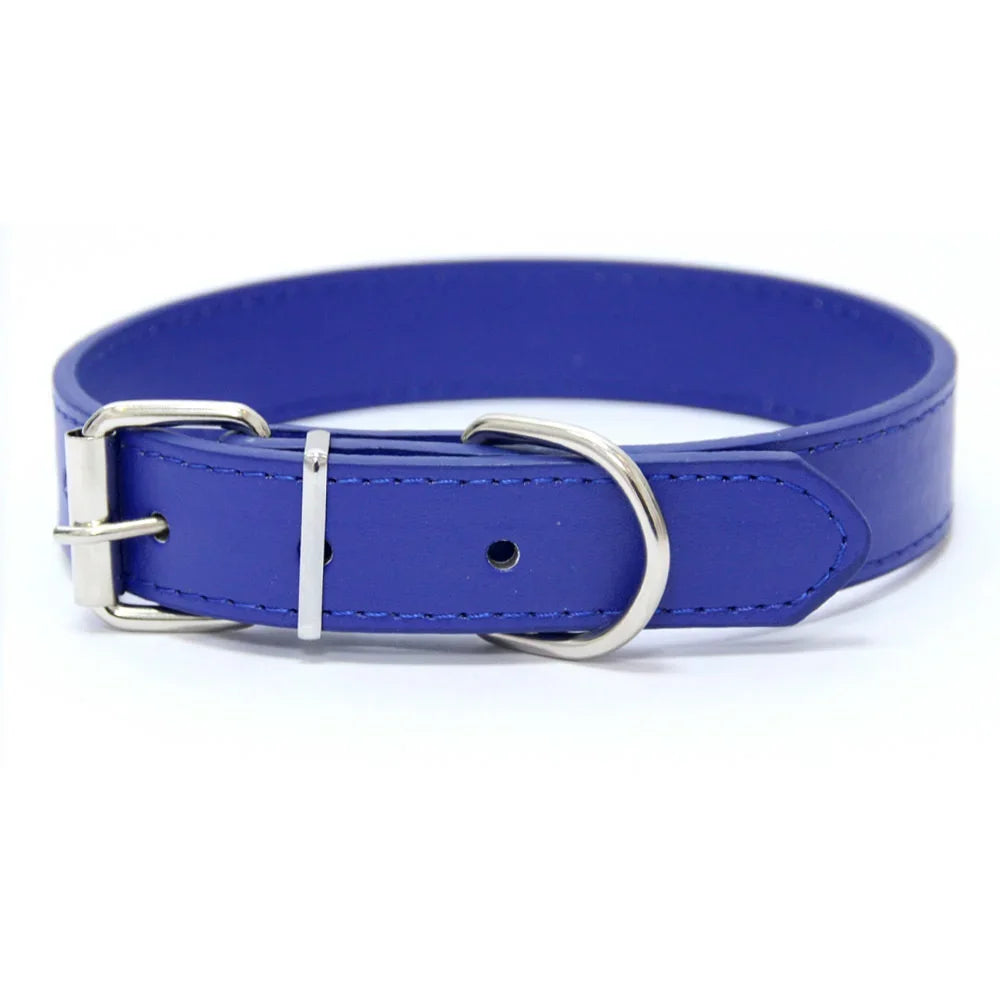
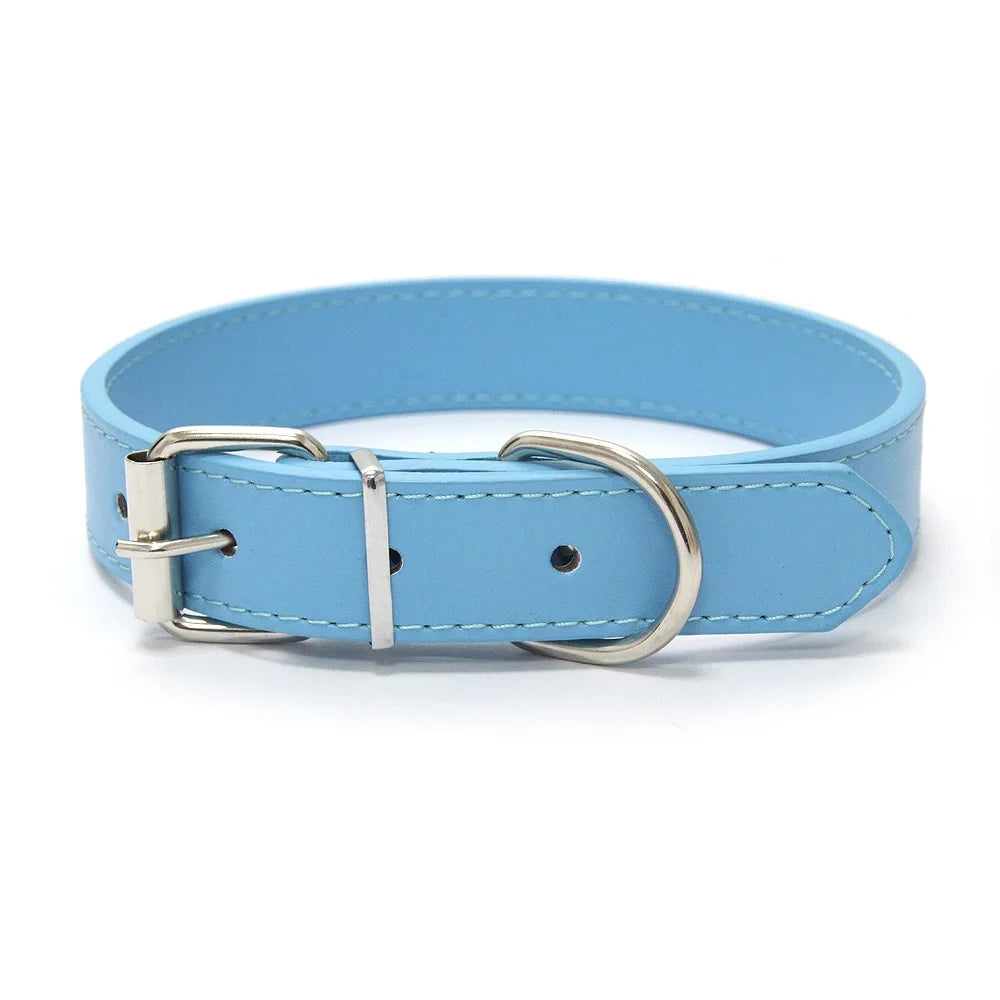
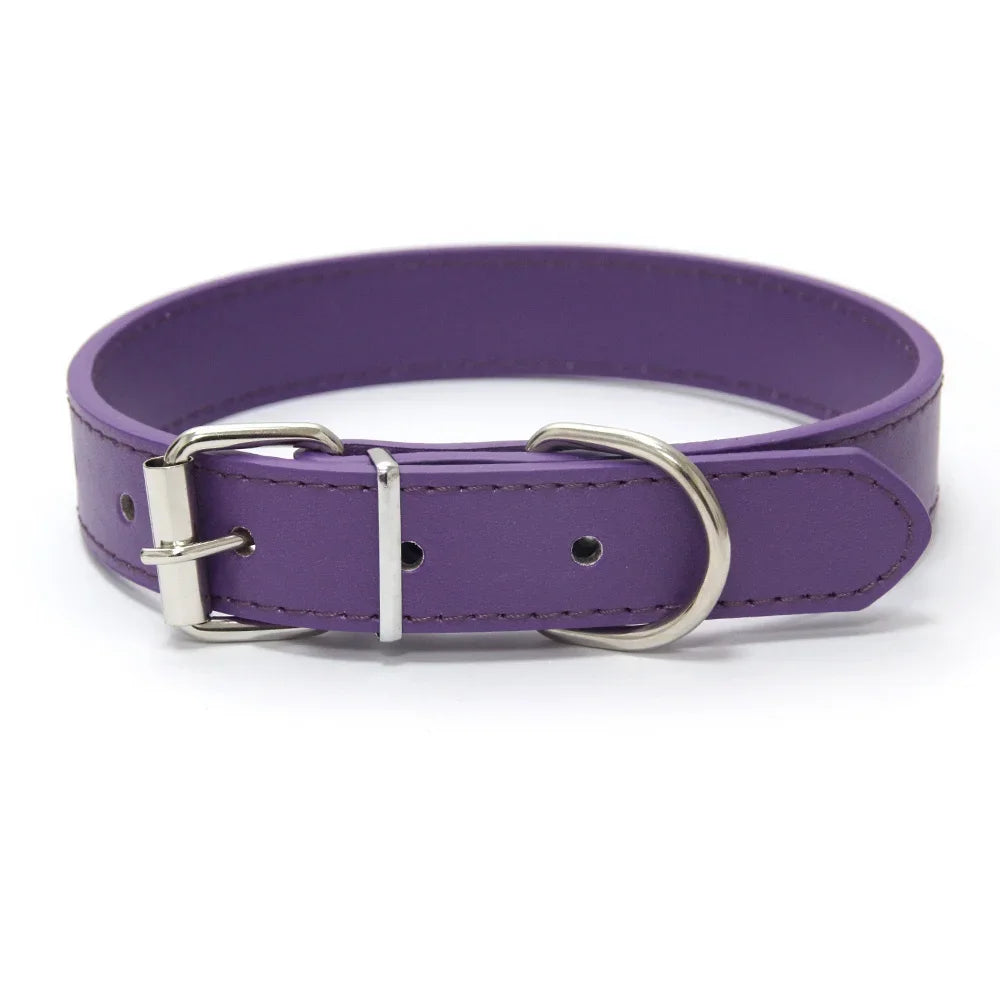
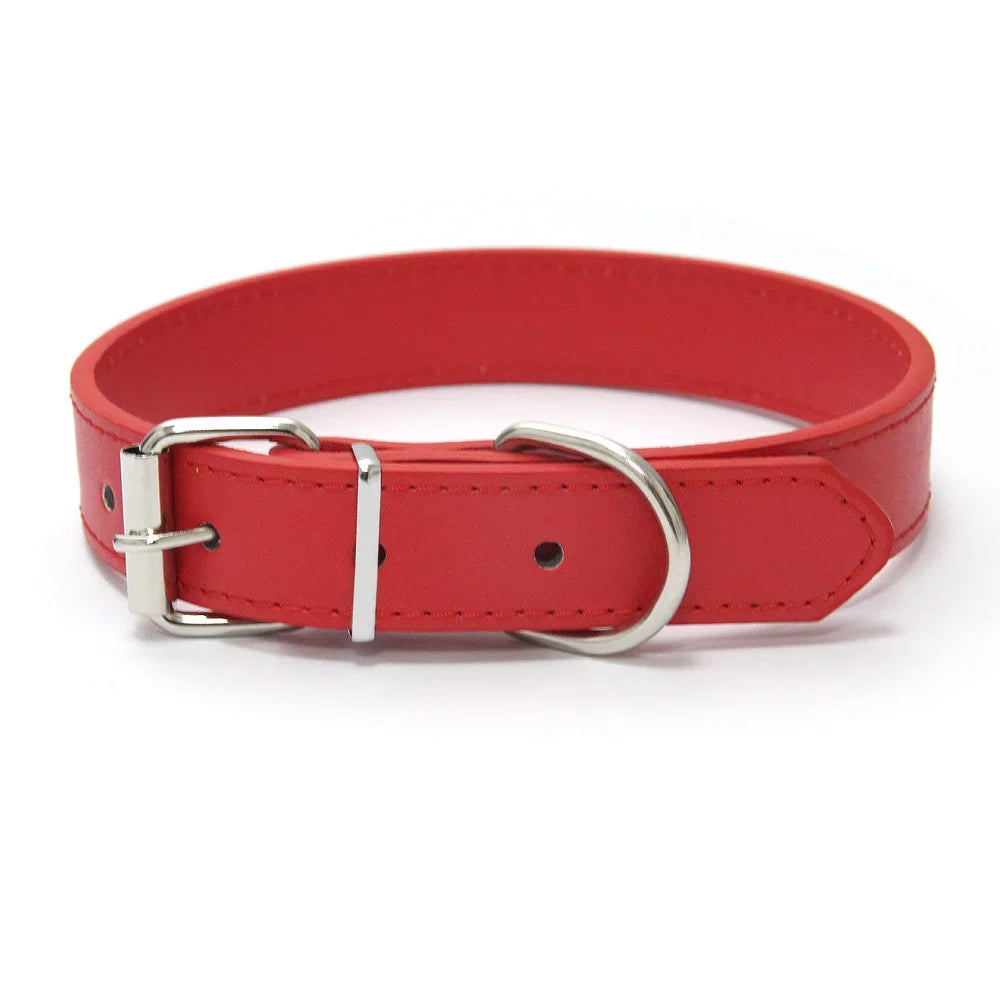
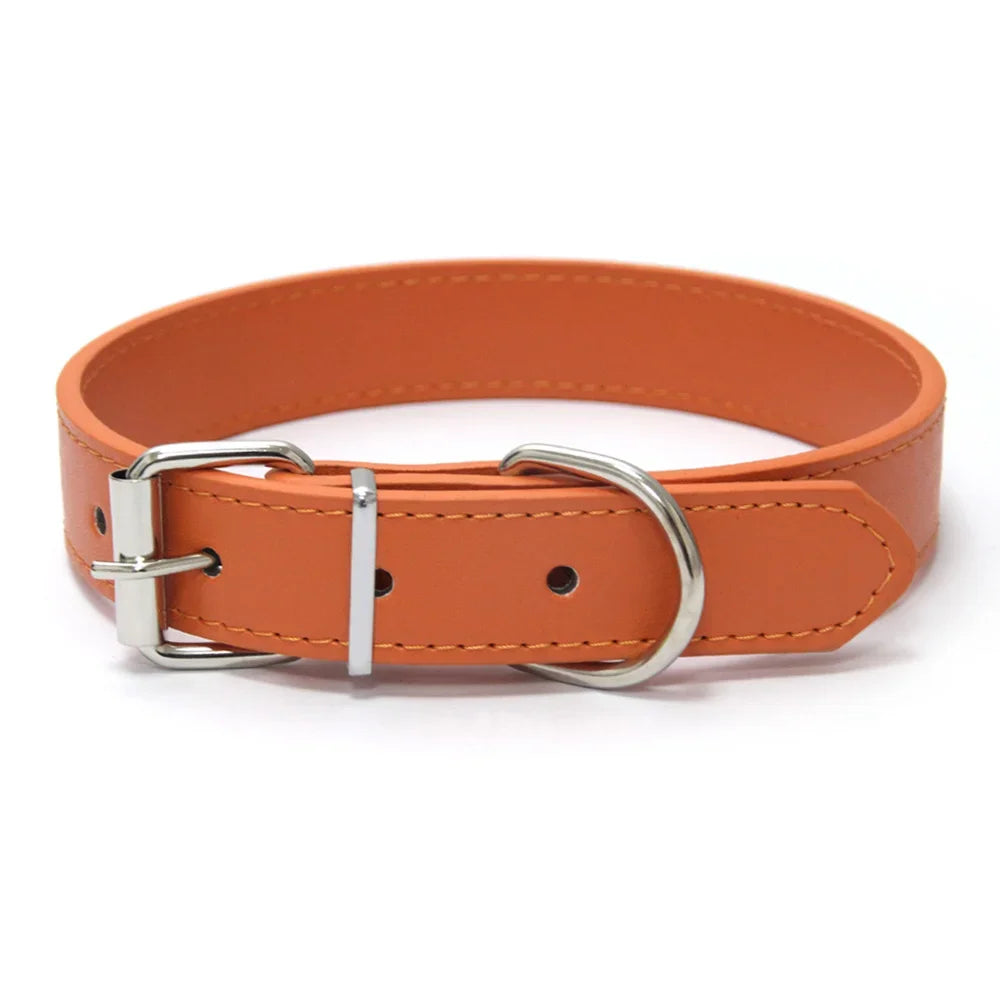
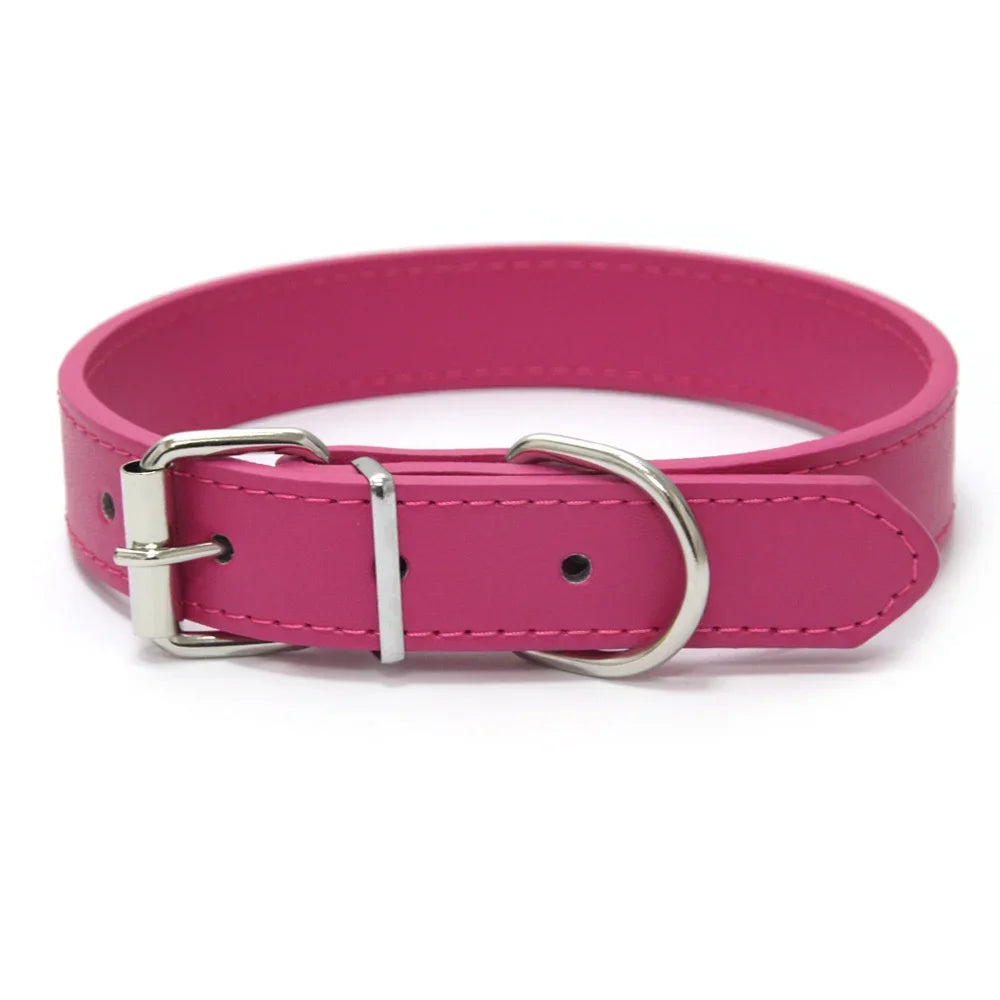
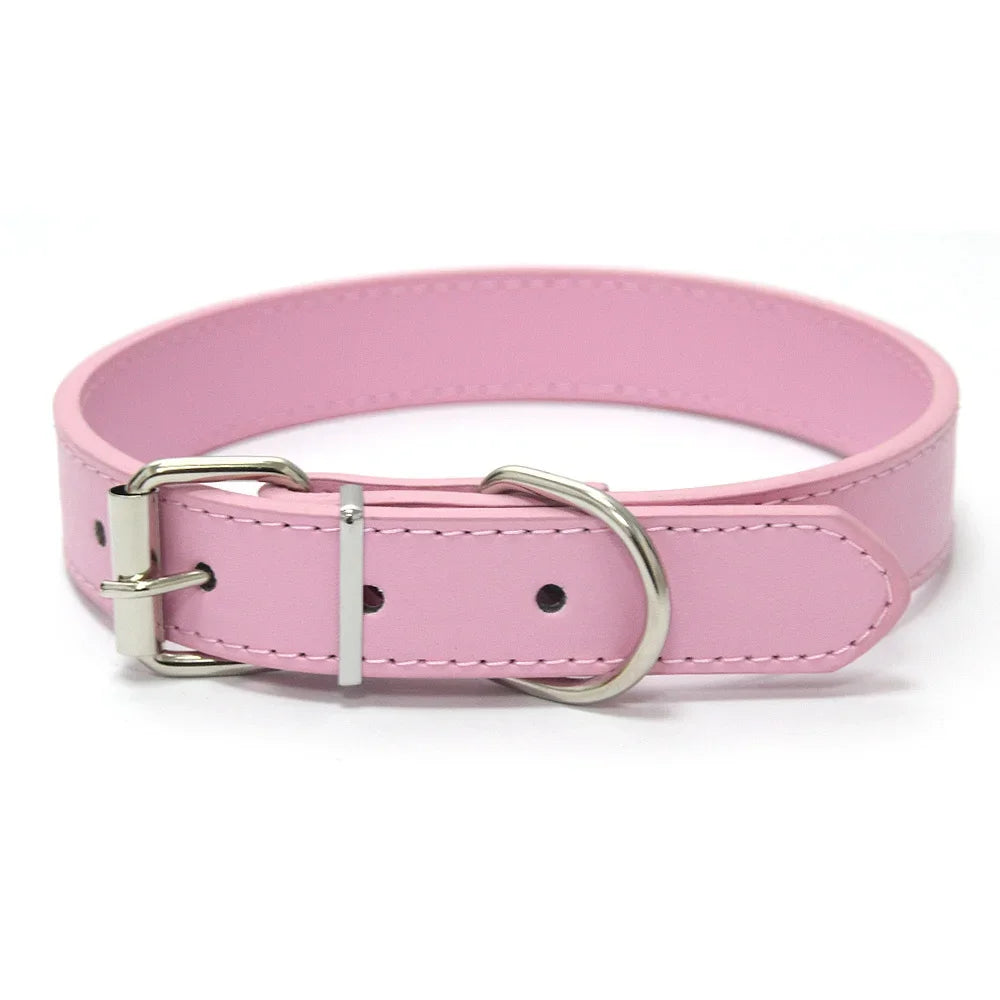
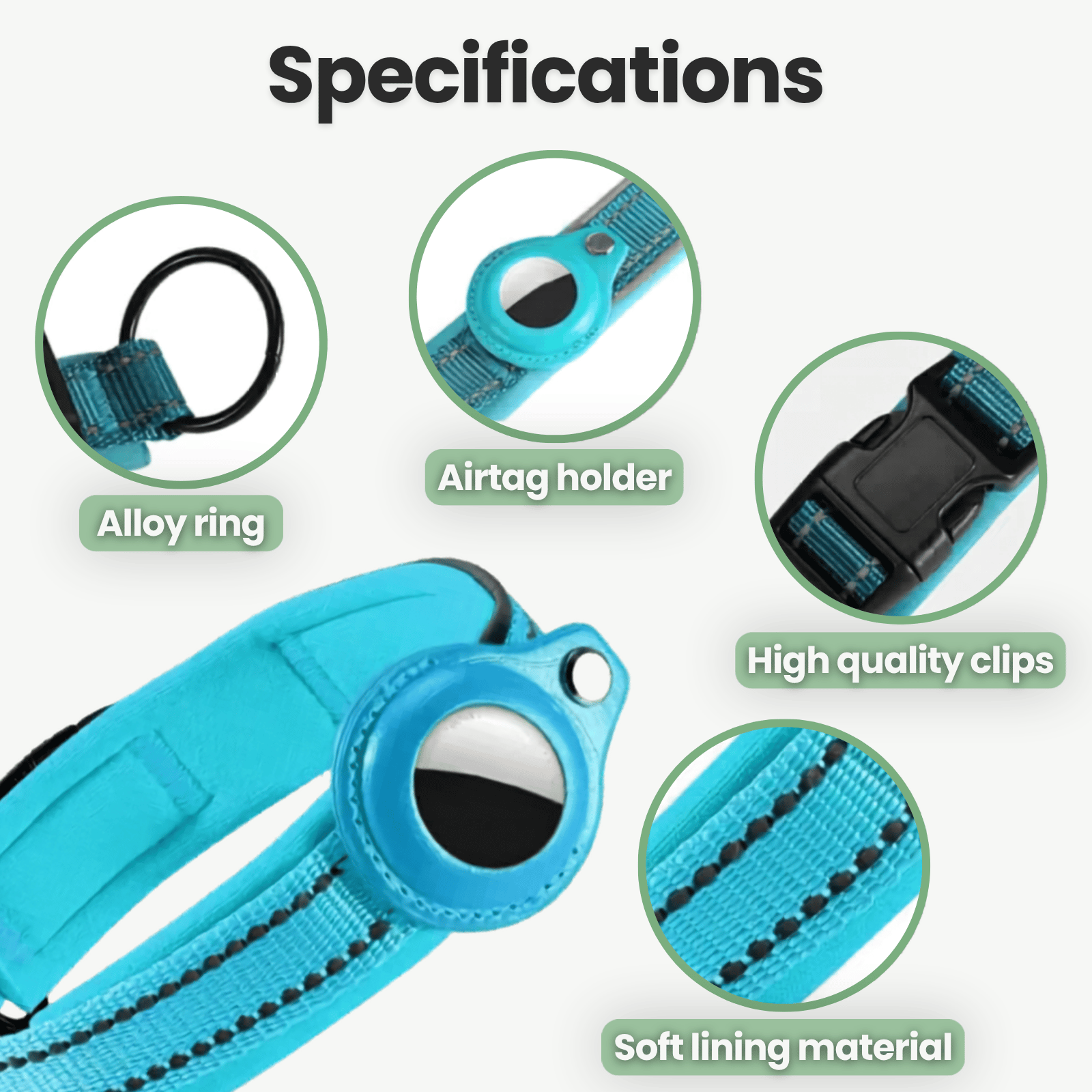
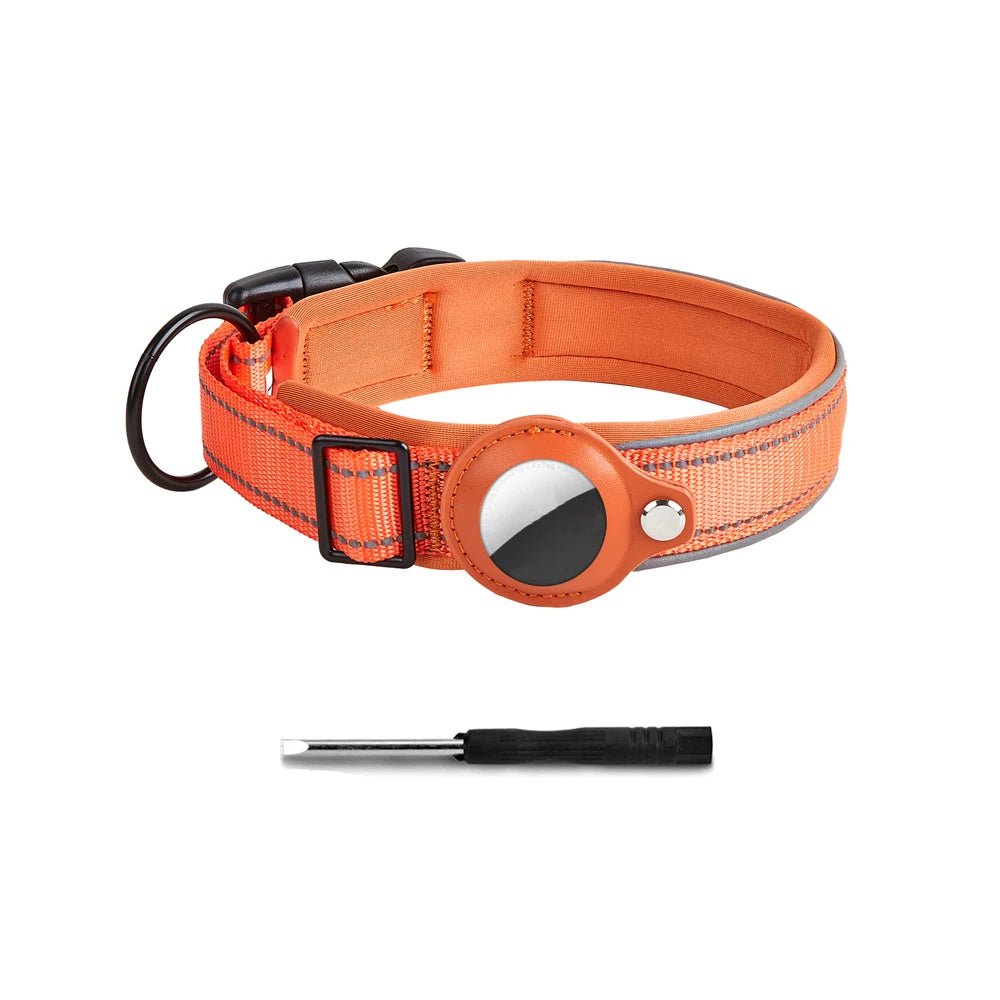
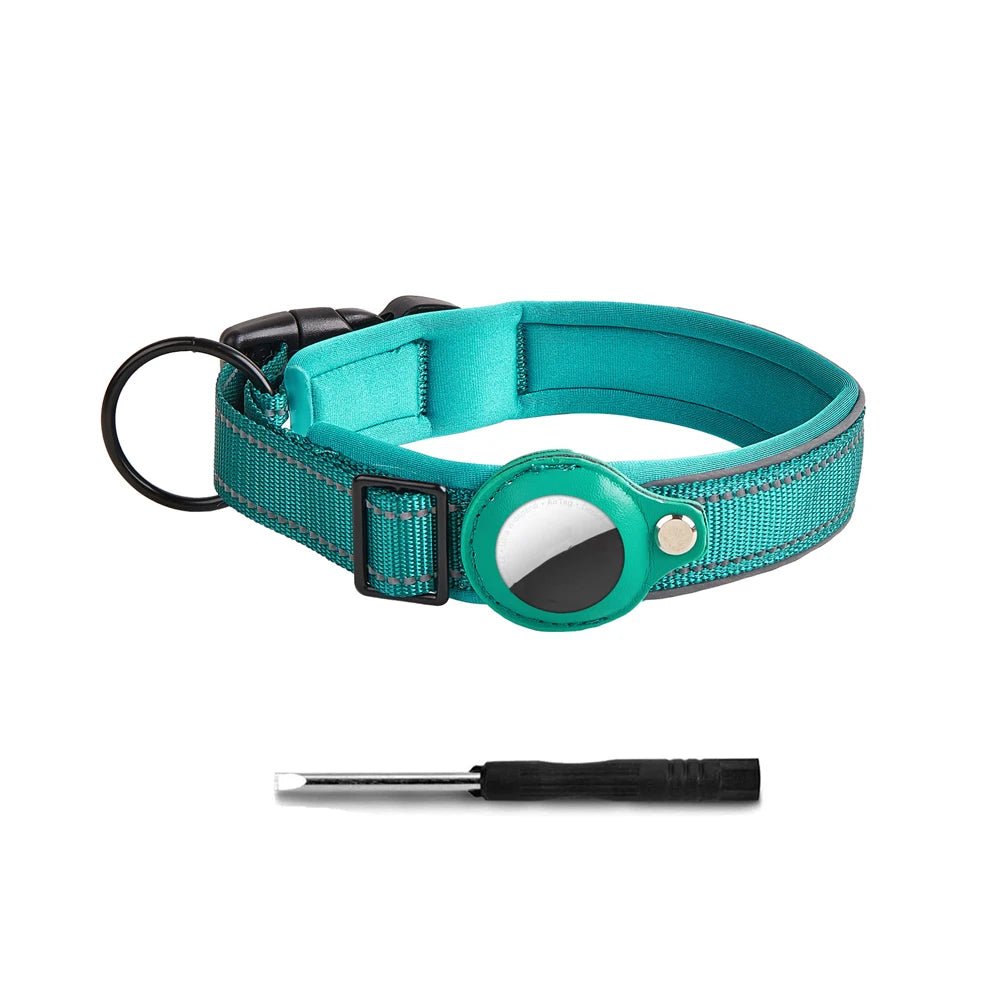
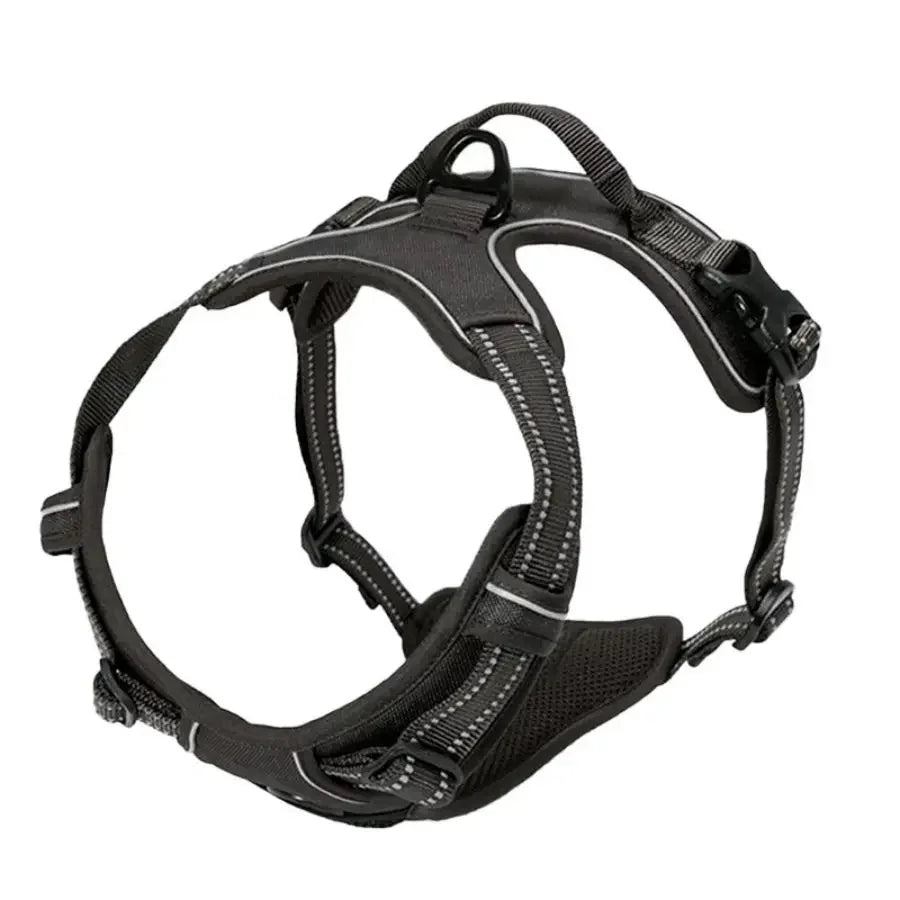
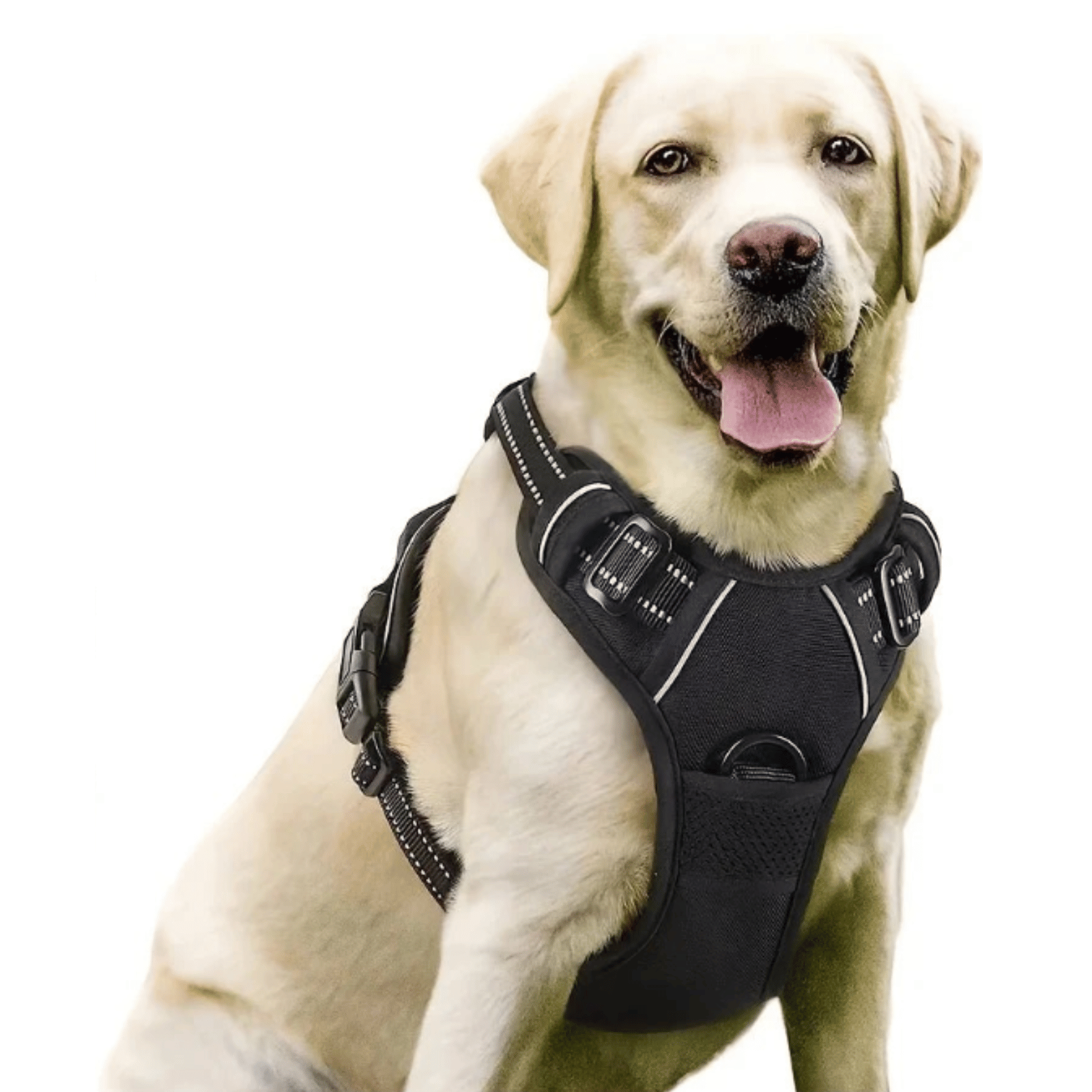
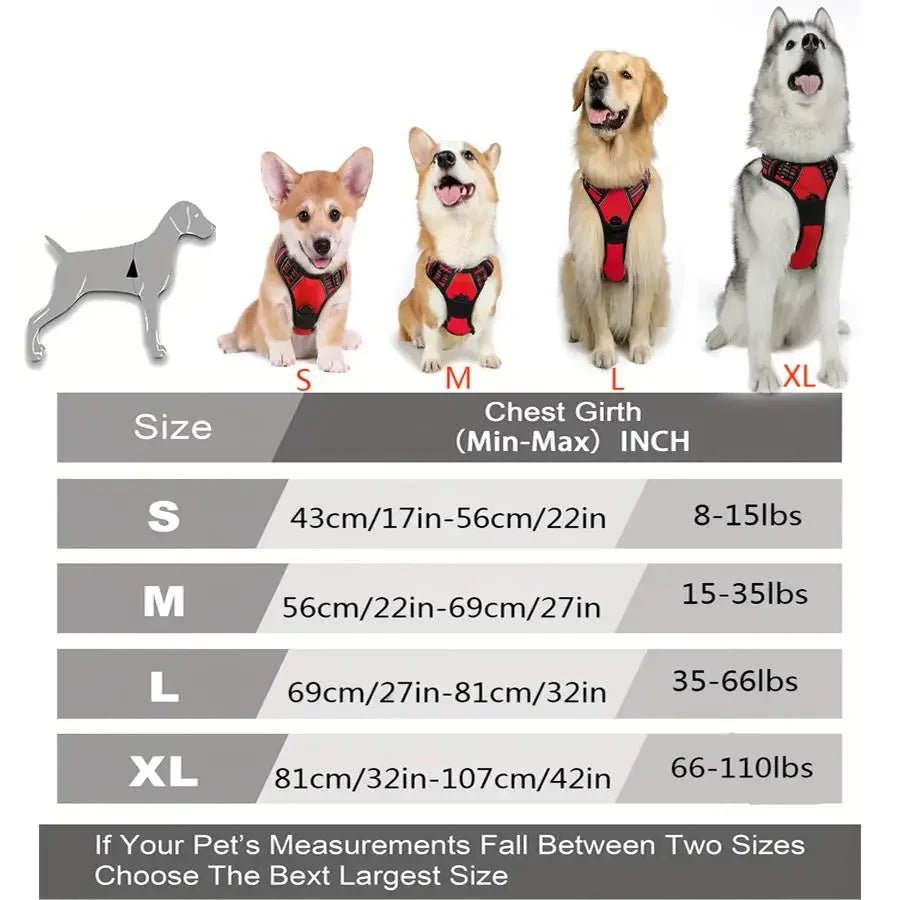
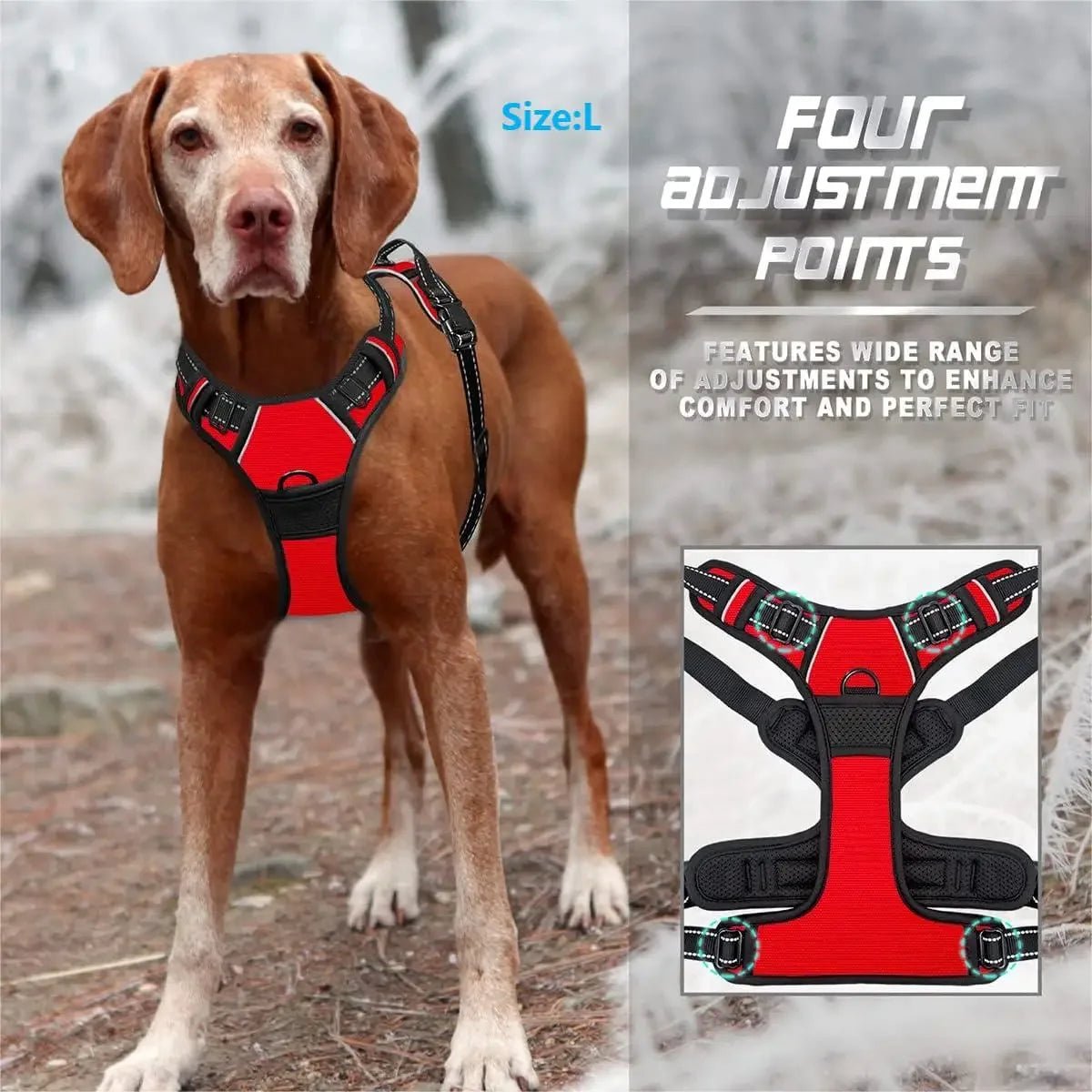
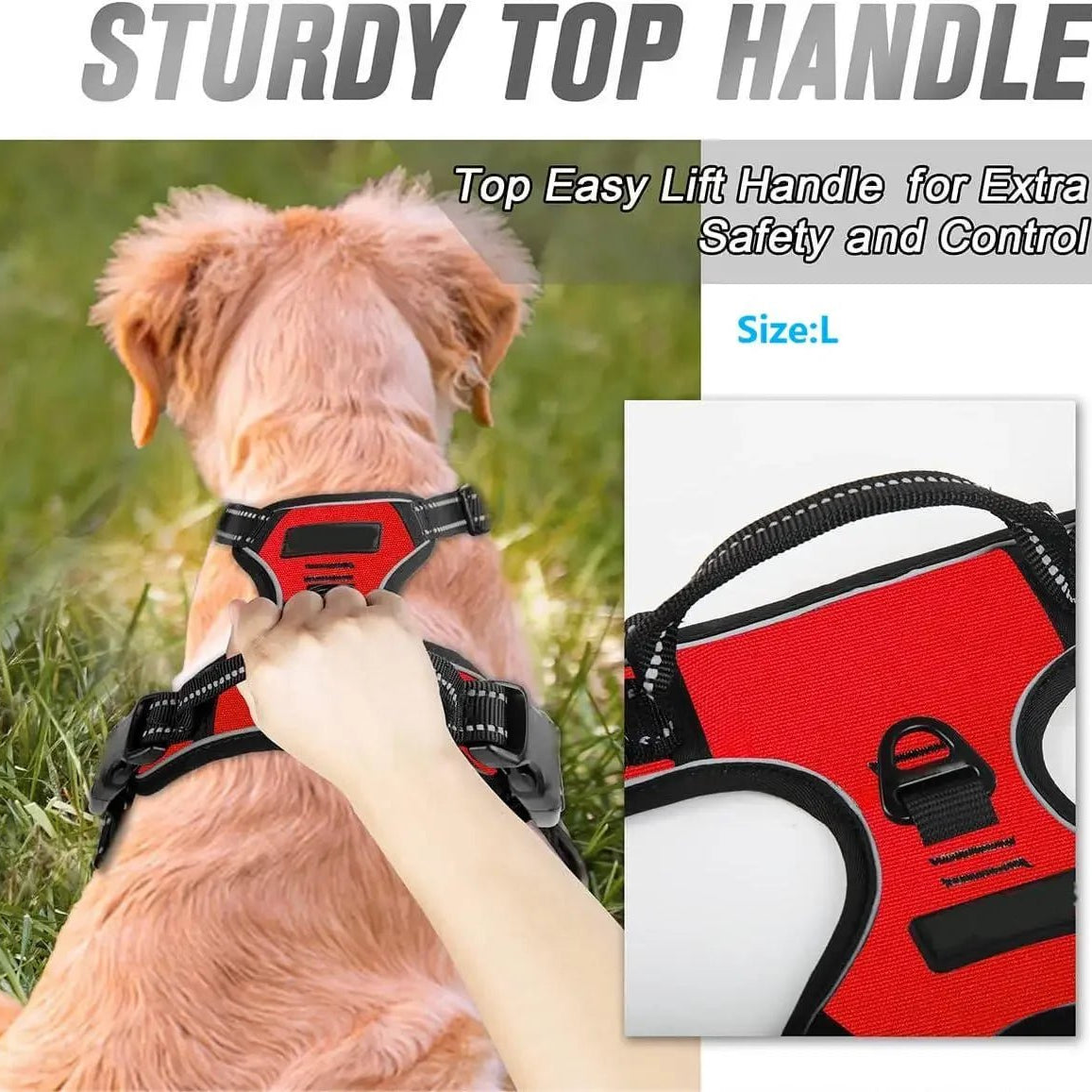
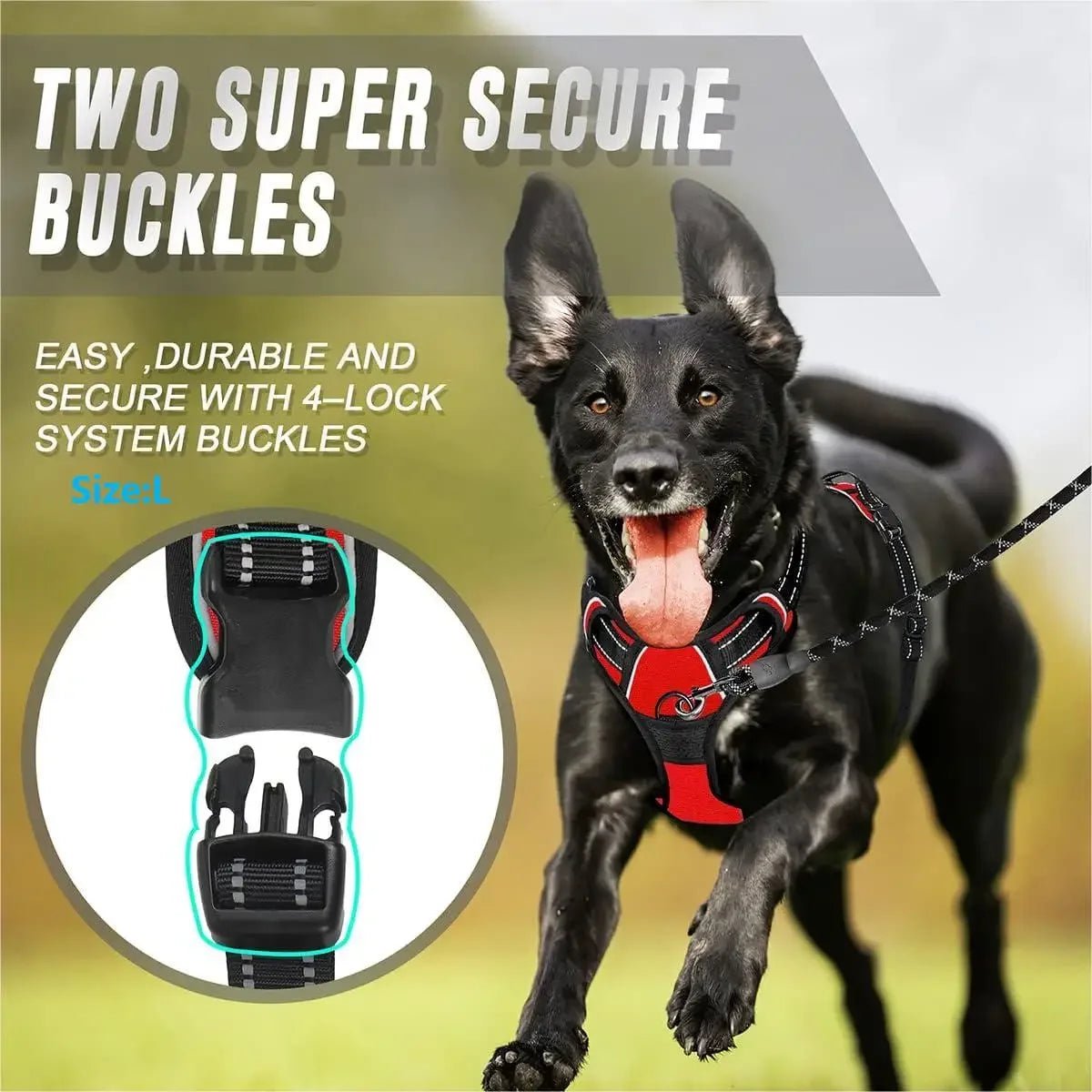
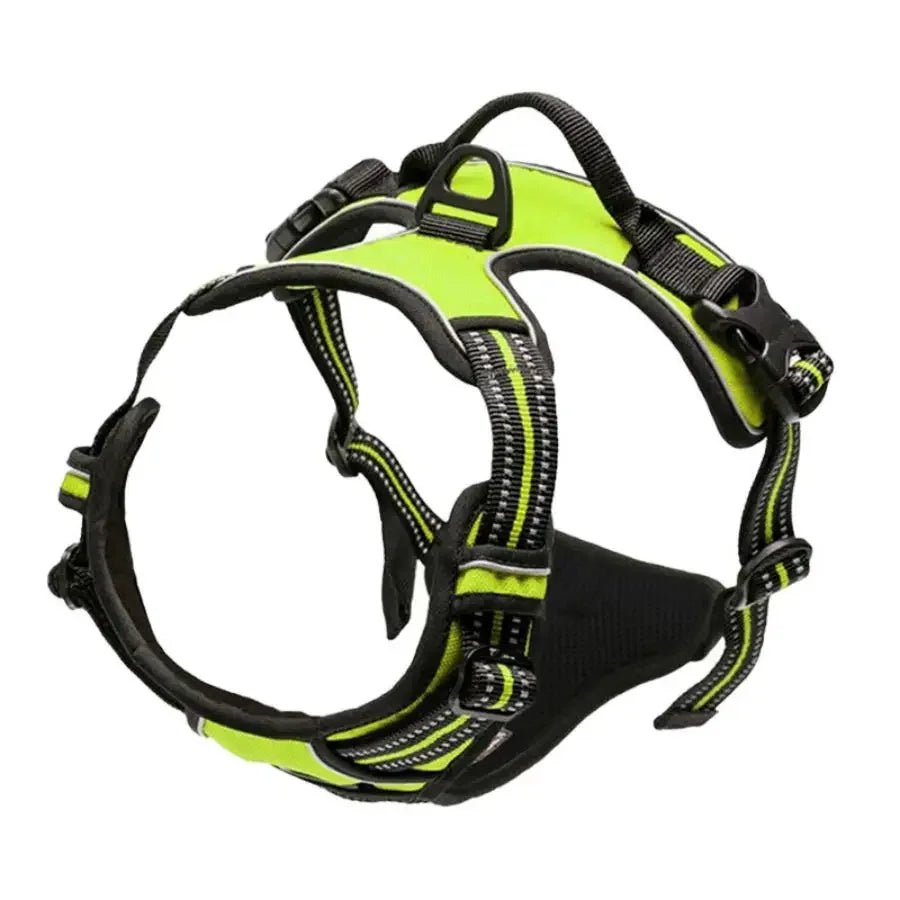
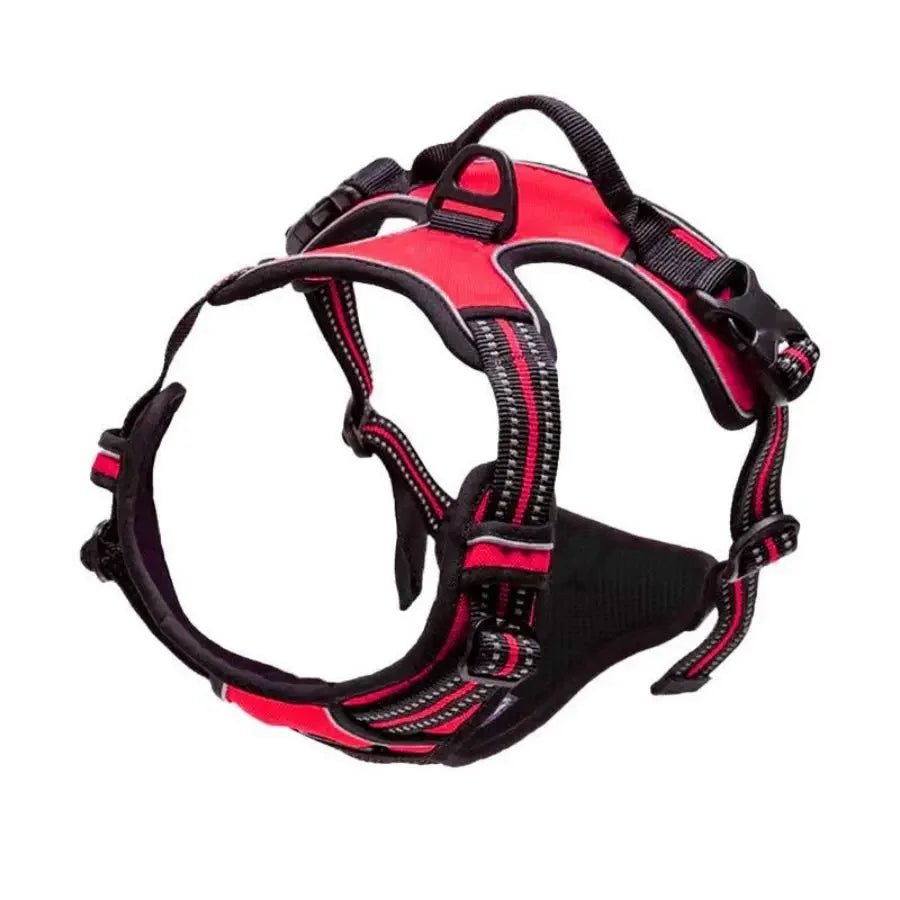
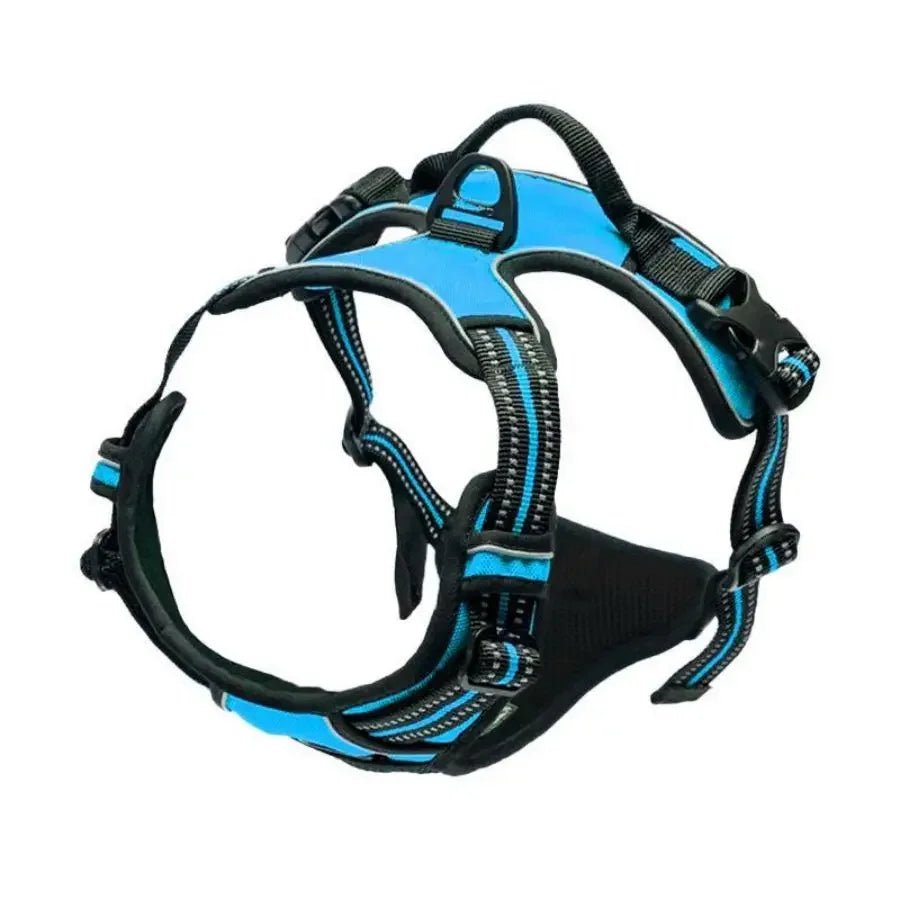
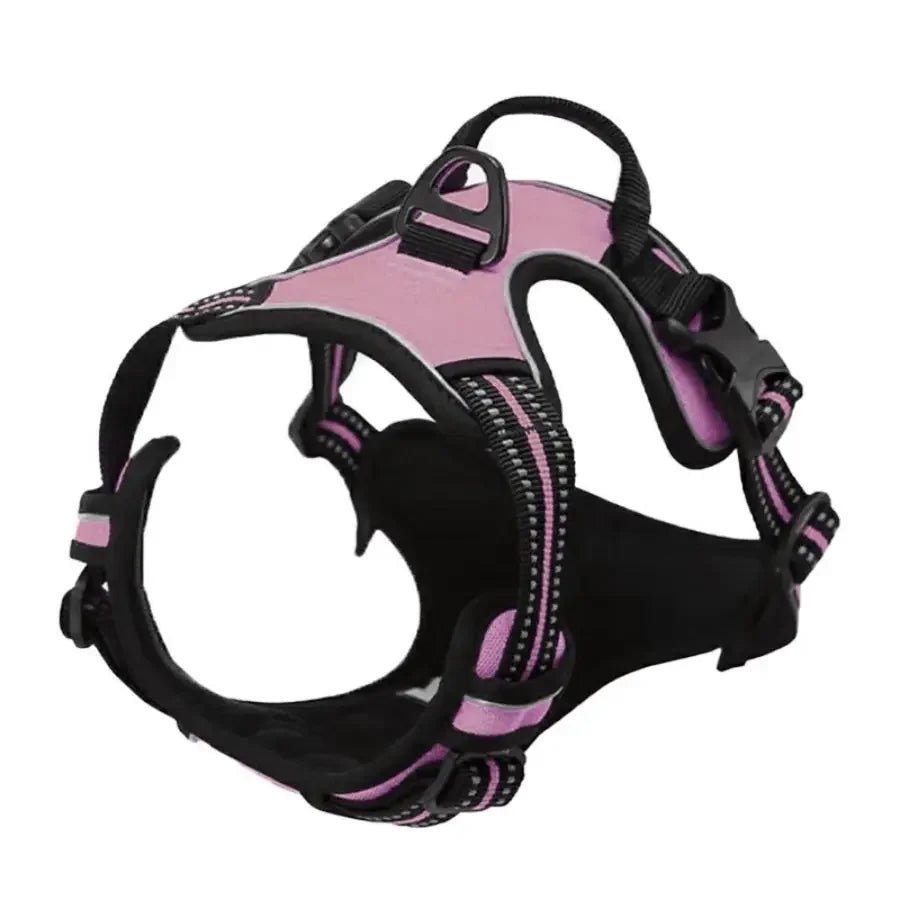
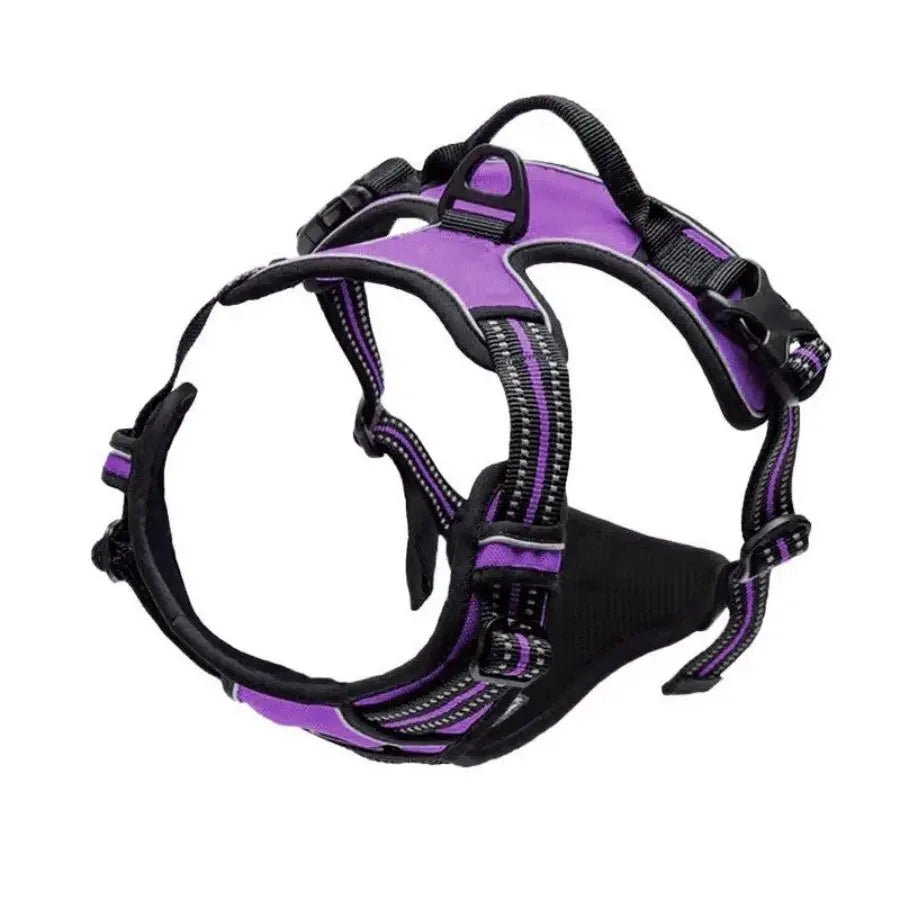
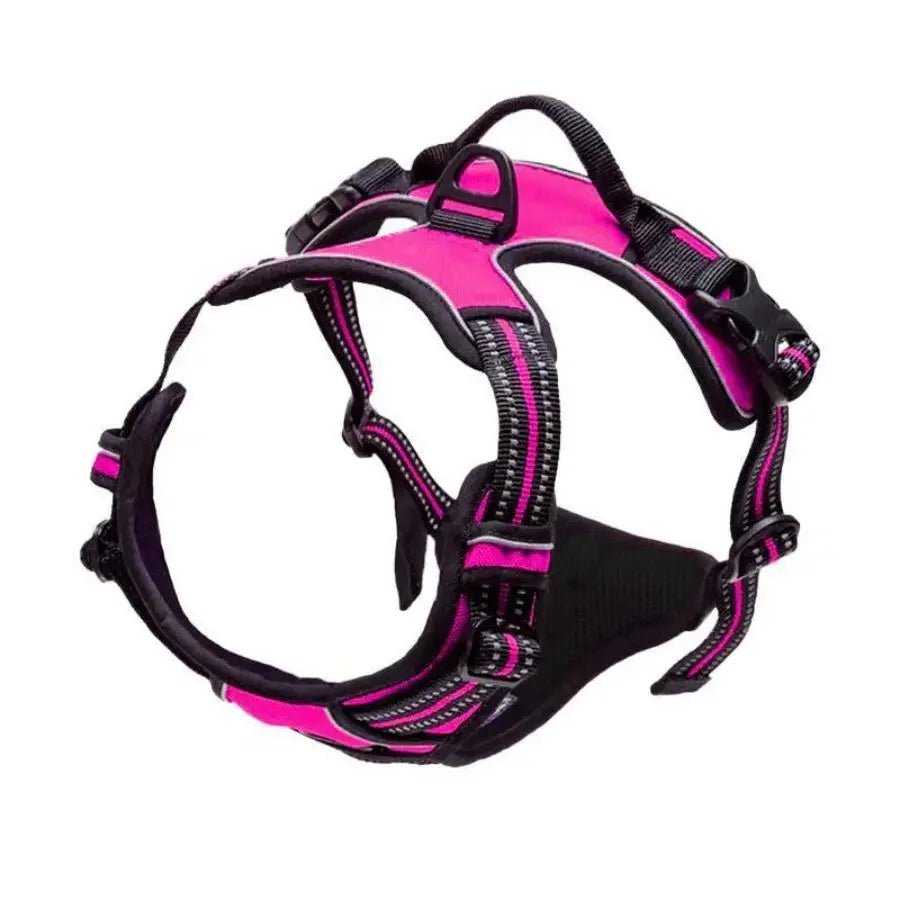
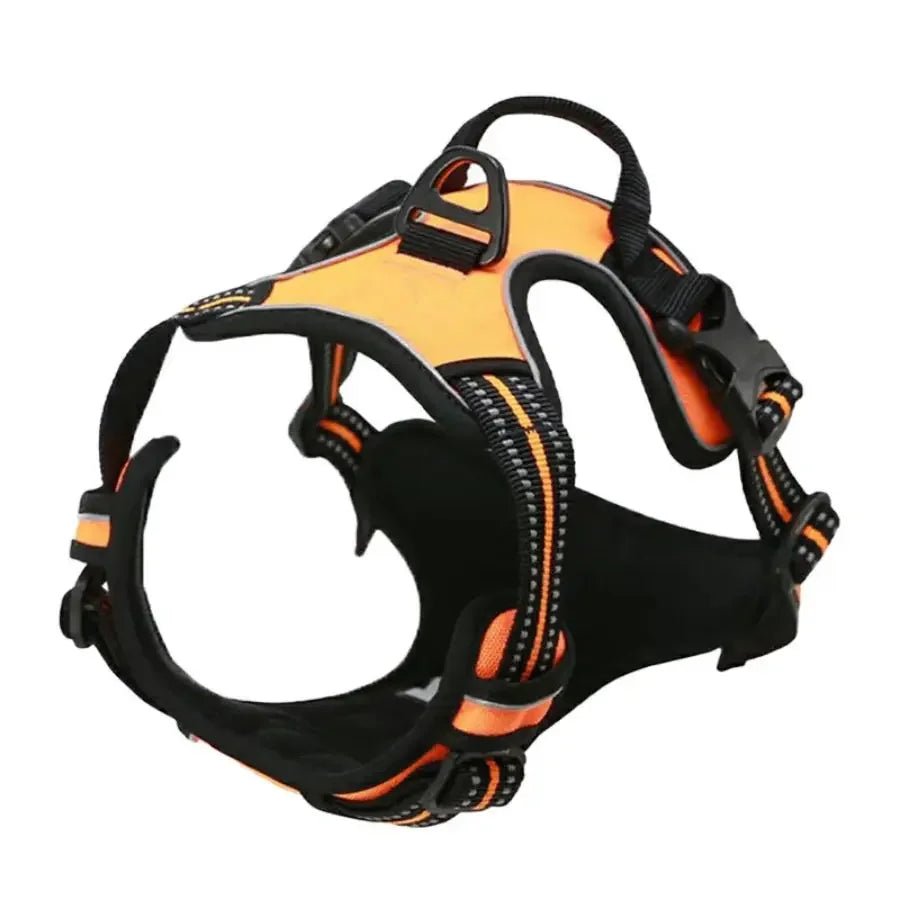
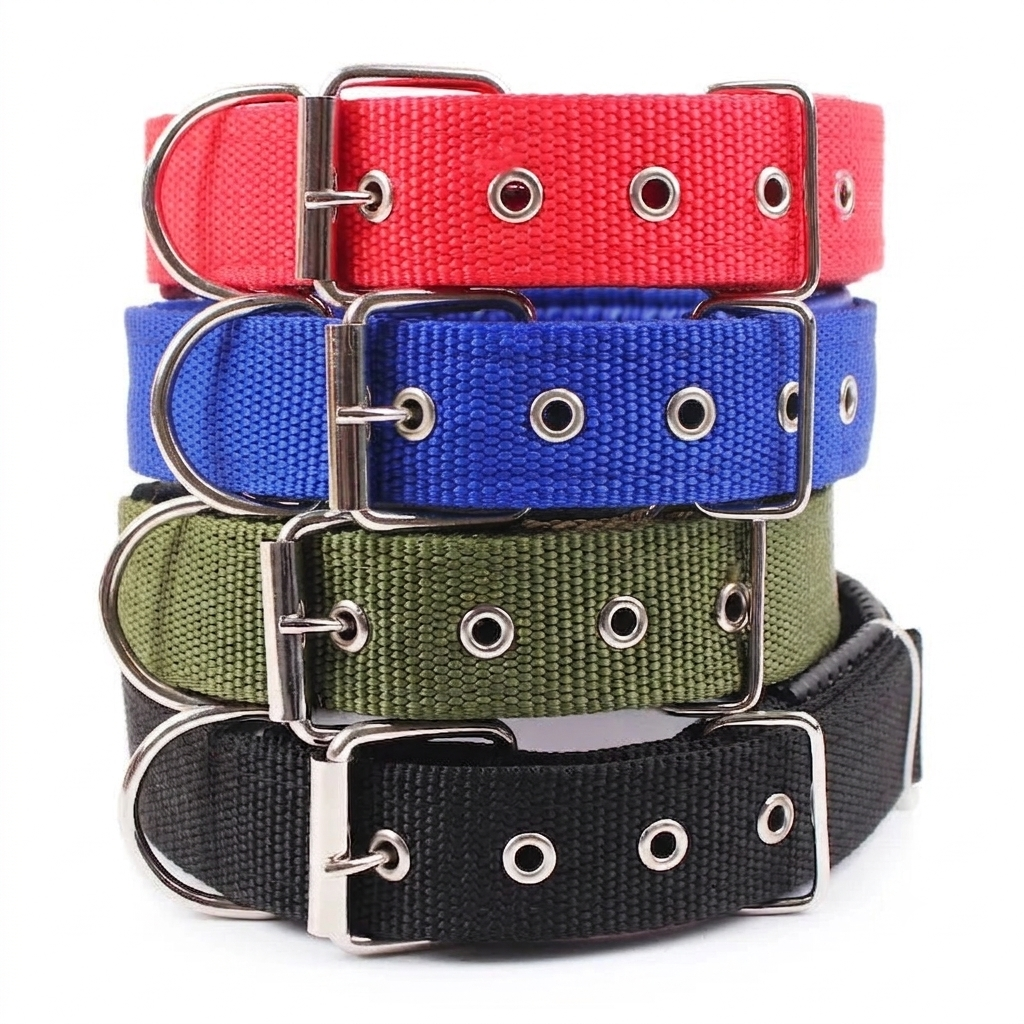
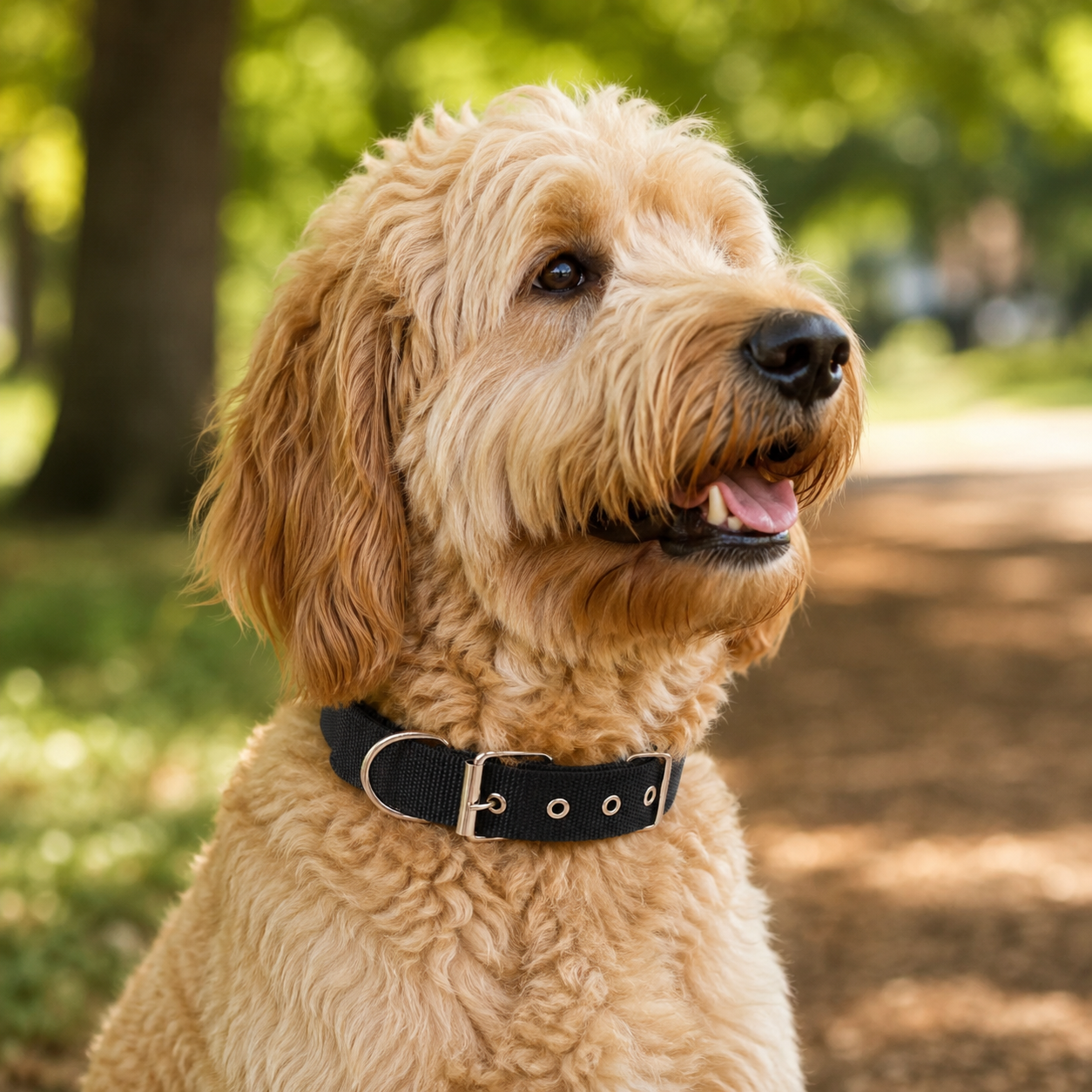
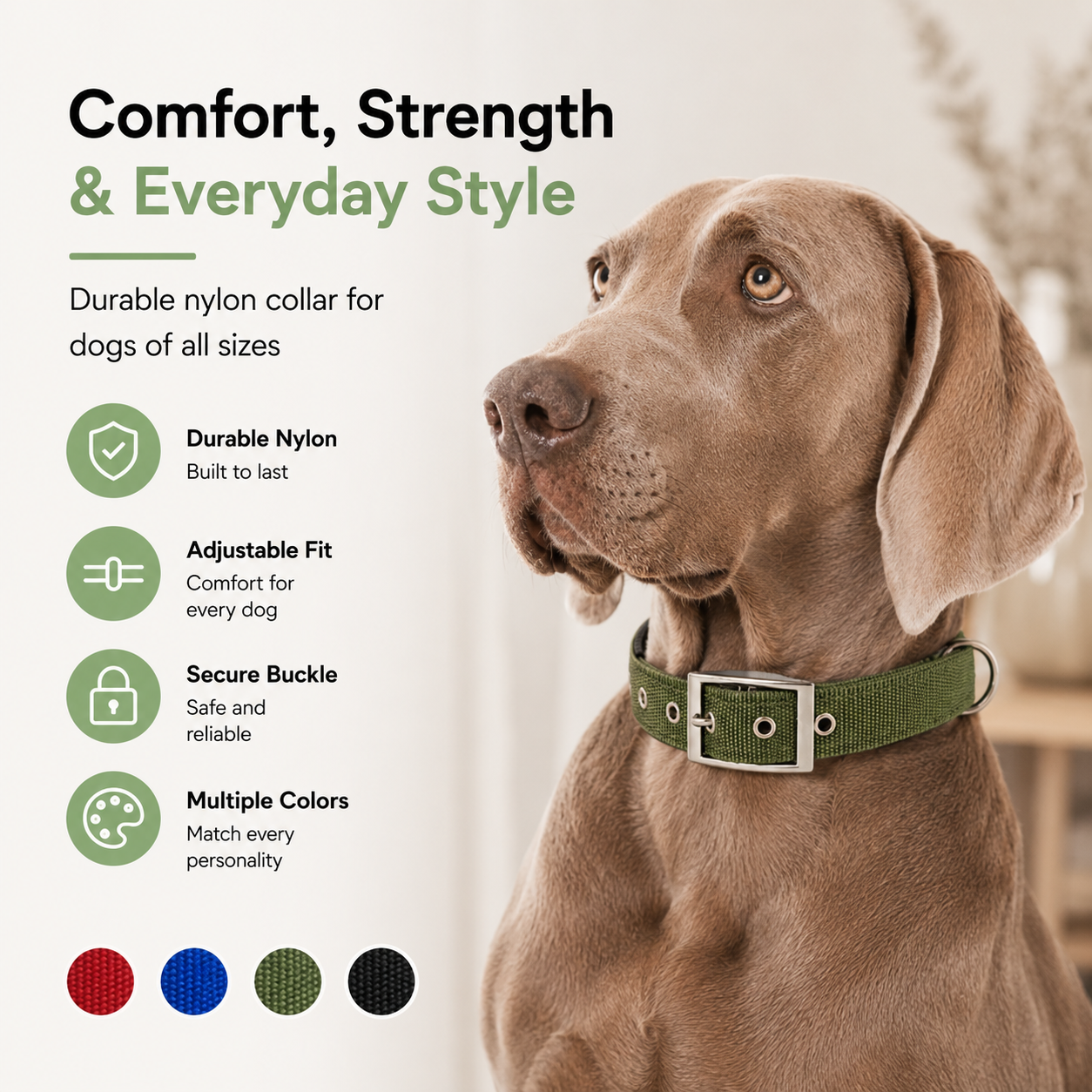
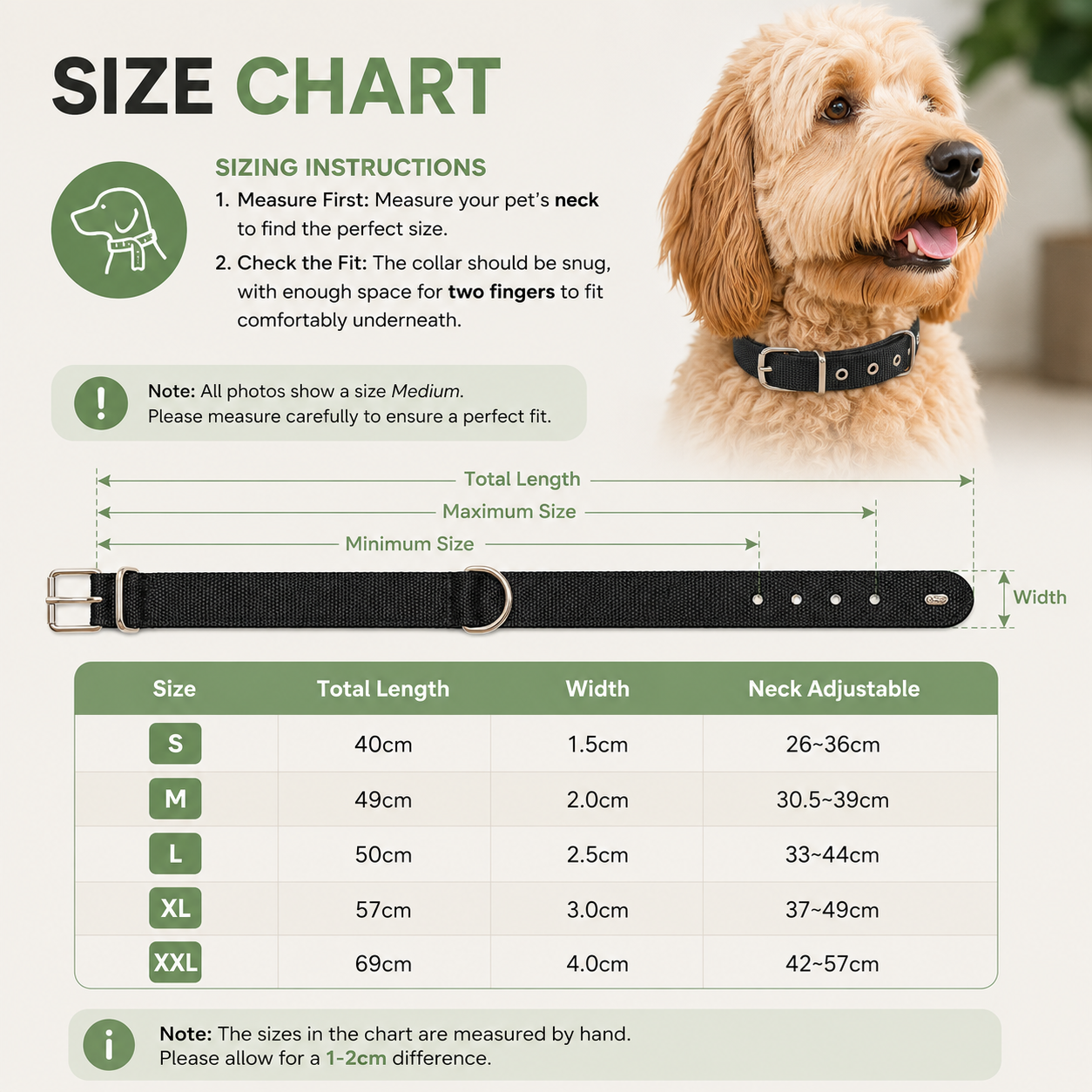
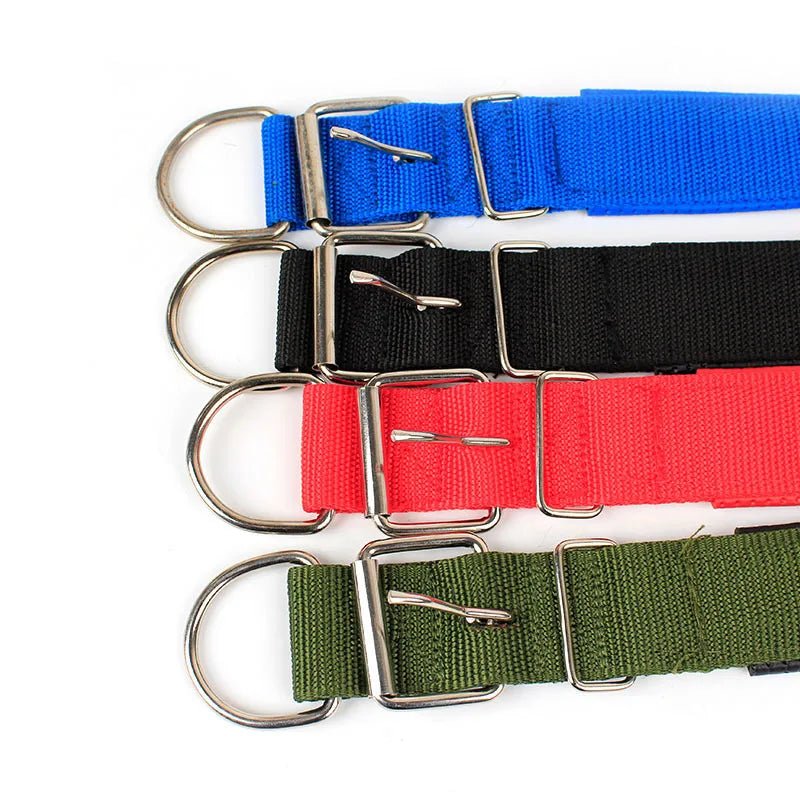
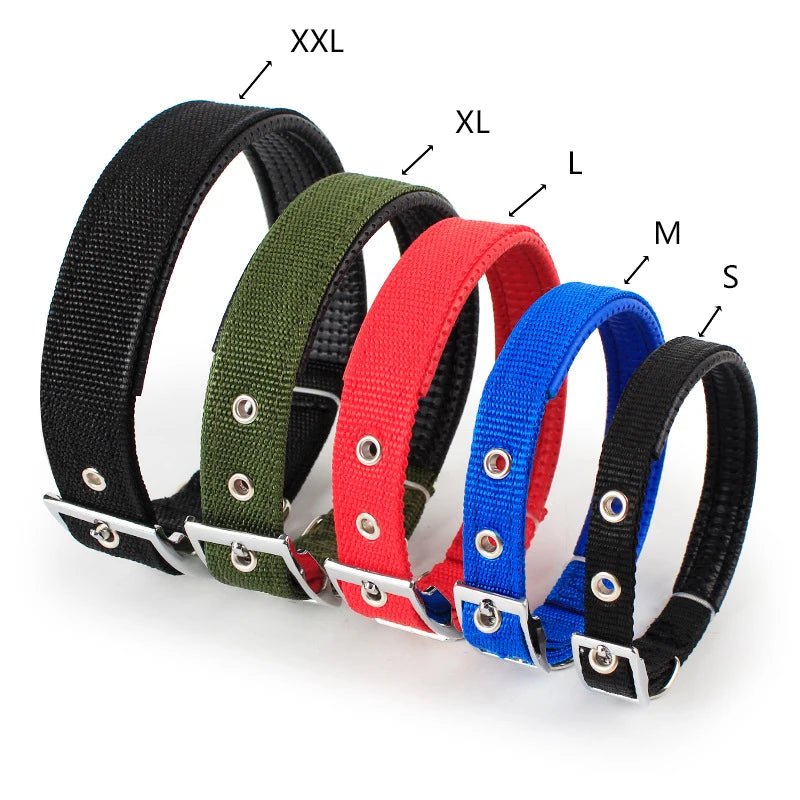
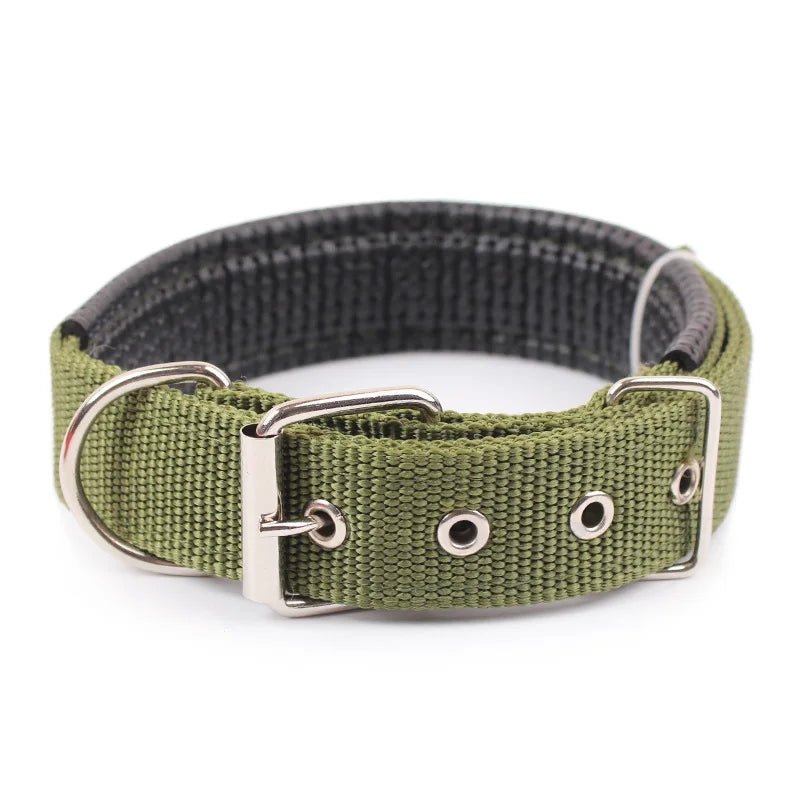
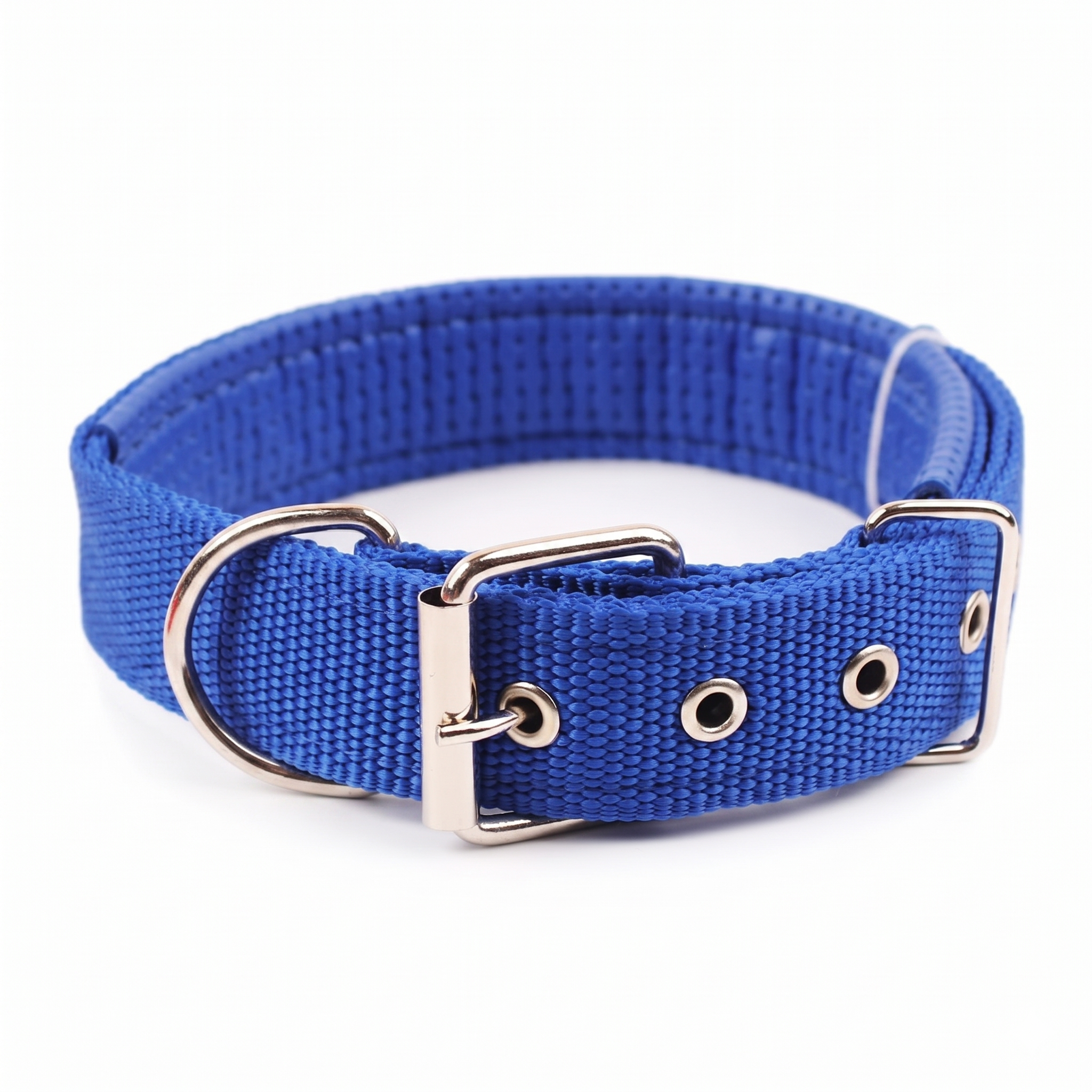
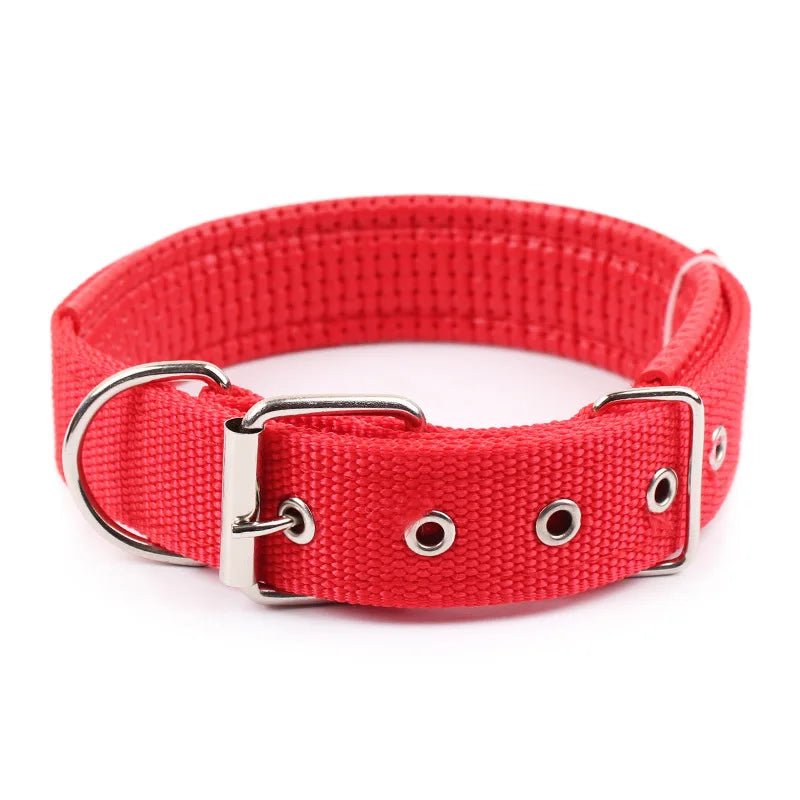
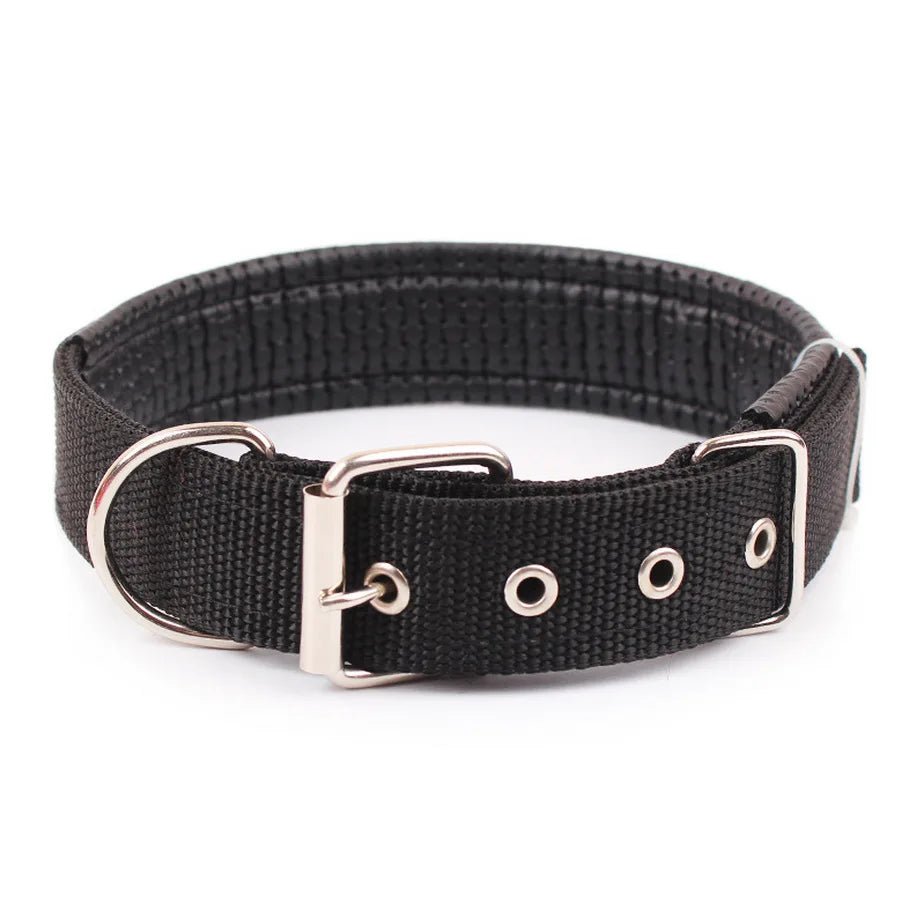
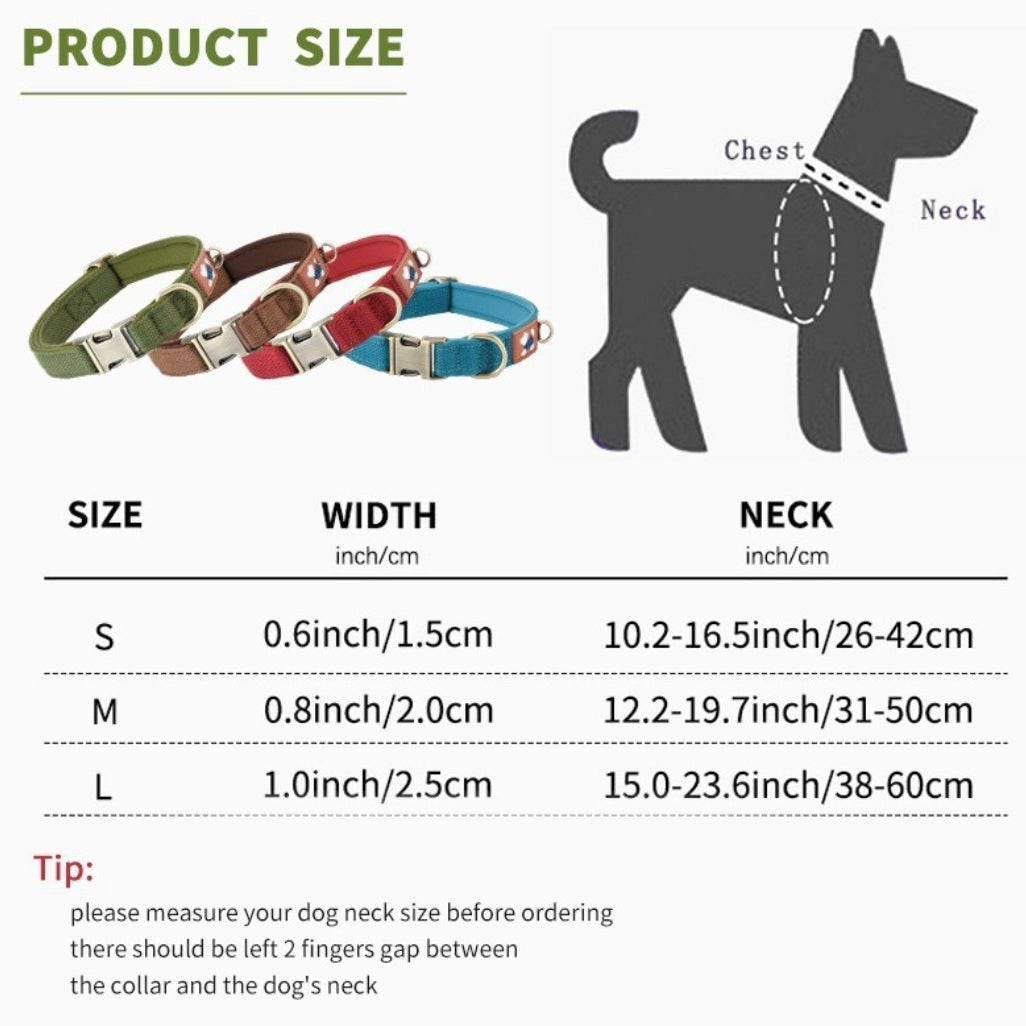
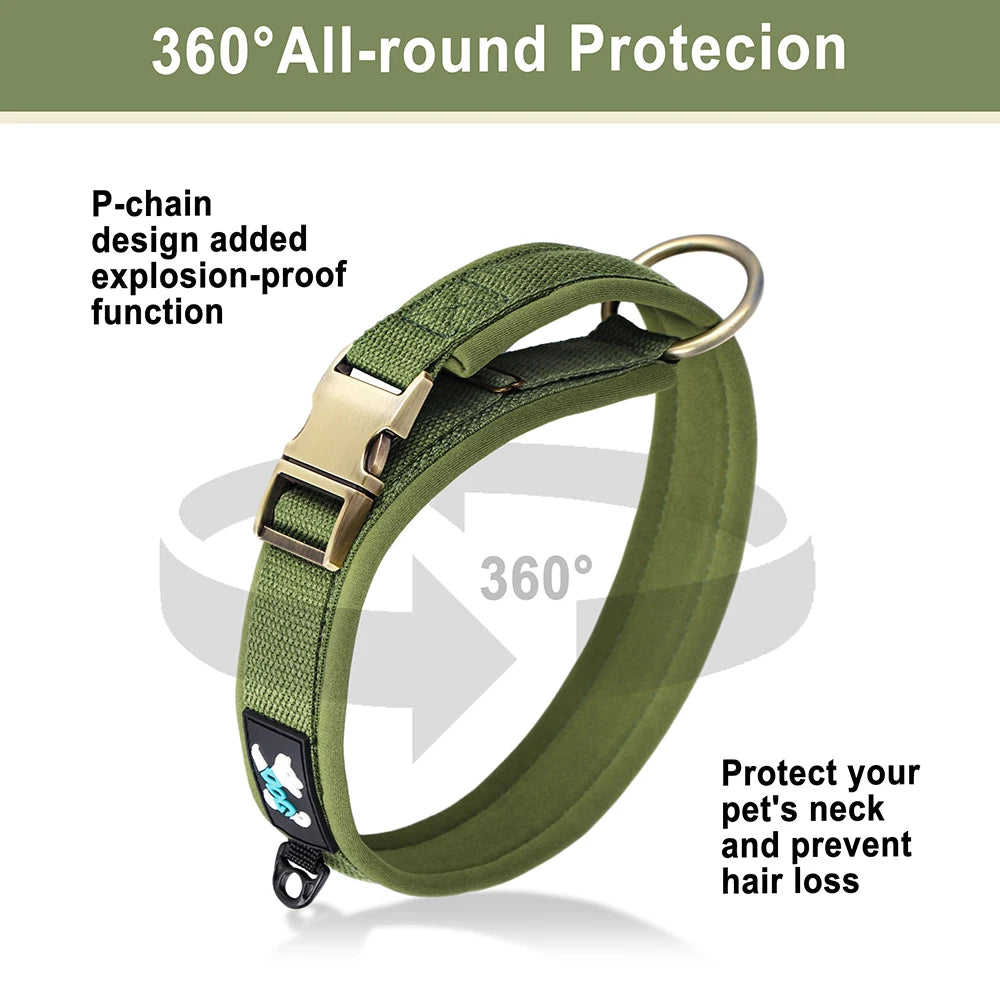
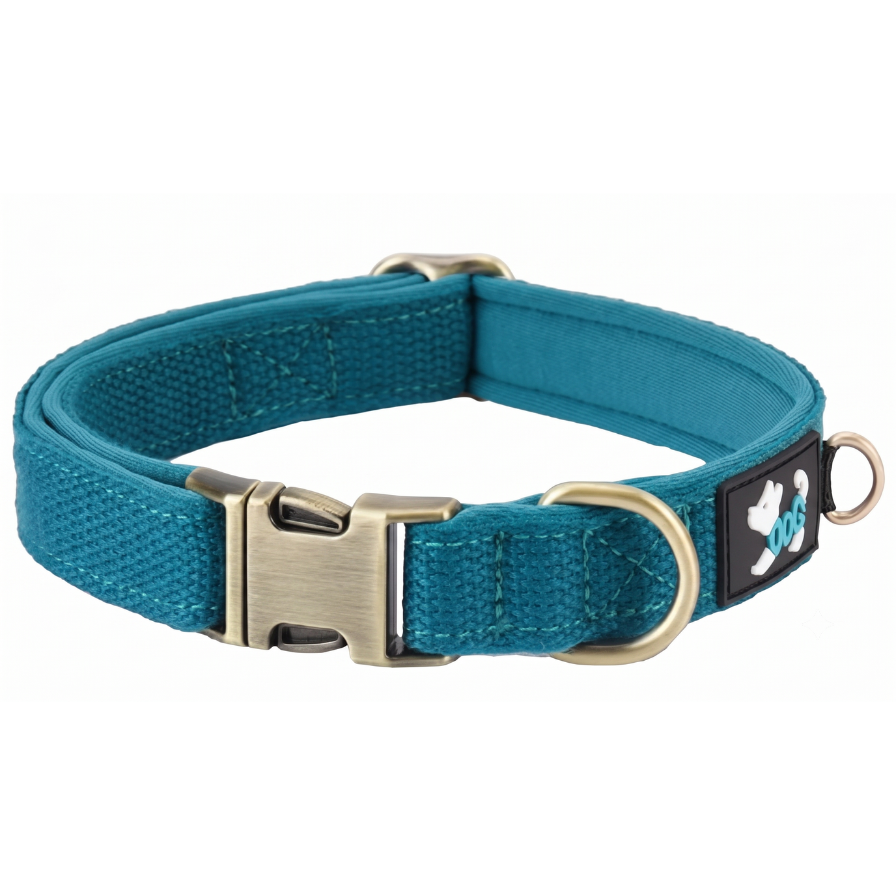
Then there's the question of what to attach it to. A well-fitted harness with a front-clip attachment gives you more control without putting pressure on your dog's neck. That's especially important for dogs that pull hard, because constant strain on a collar can cause real discomfort over time. A flat collar works fine for dogs that are already fairly relaxed on the lead, but for persistent pullers, a harness is a safer starting point. Not sure which suits your dog? We've written a full guide on choosing between a harness or collar for your dog that covers everything you need to know.
One more thing: go in with realistic expectations. There will be walks where you feel like you've covered about twelve metres in twenty minutes. That's not failure. That's training. Your dog picks up on your energy, so the calmer and more patient you are, the quicker they'll understand what you're asking of them.
Teaching Your Dog to Walk on a Loose Lead
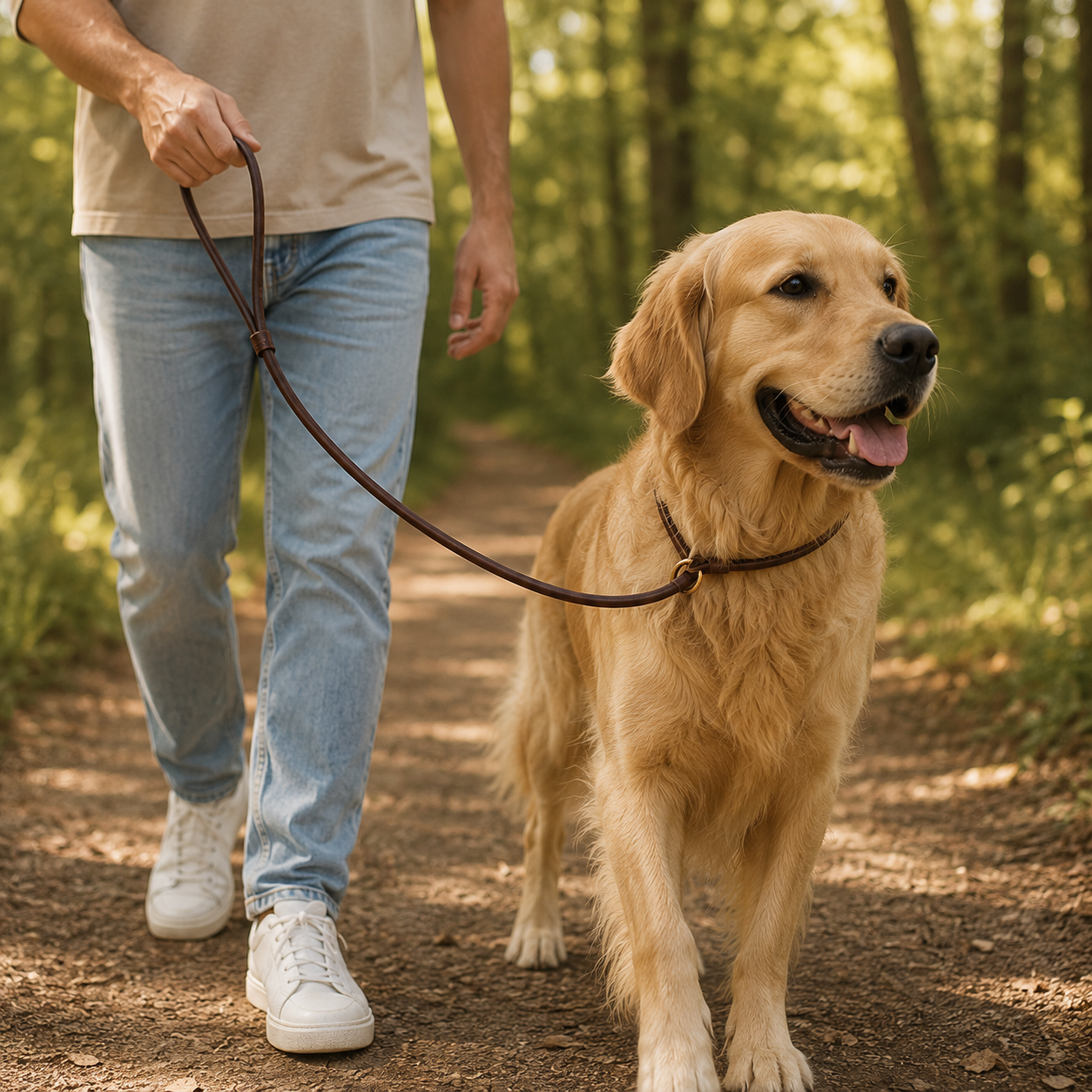
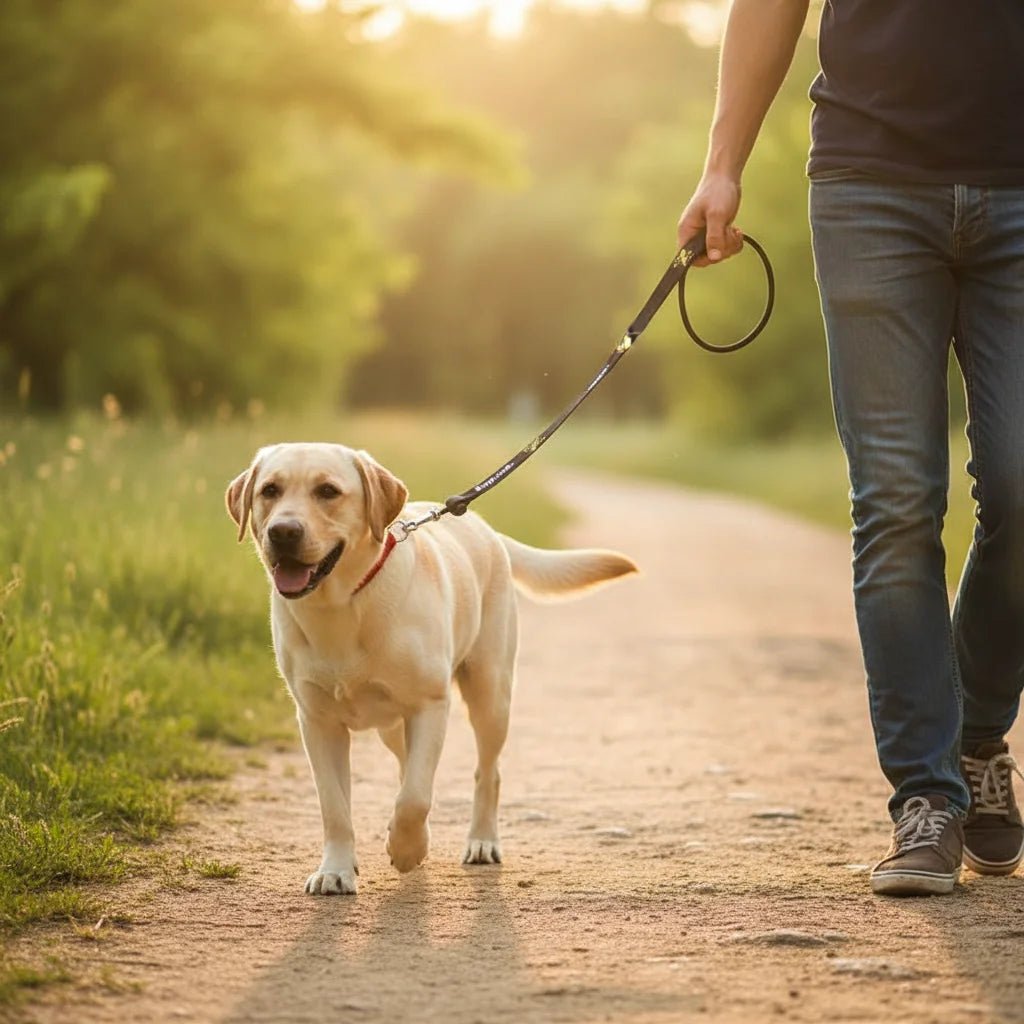
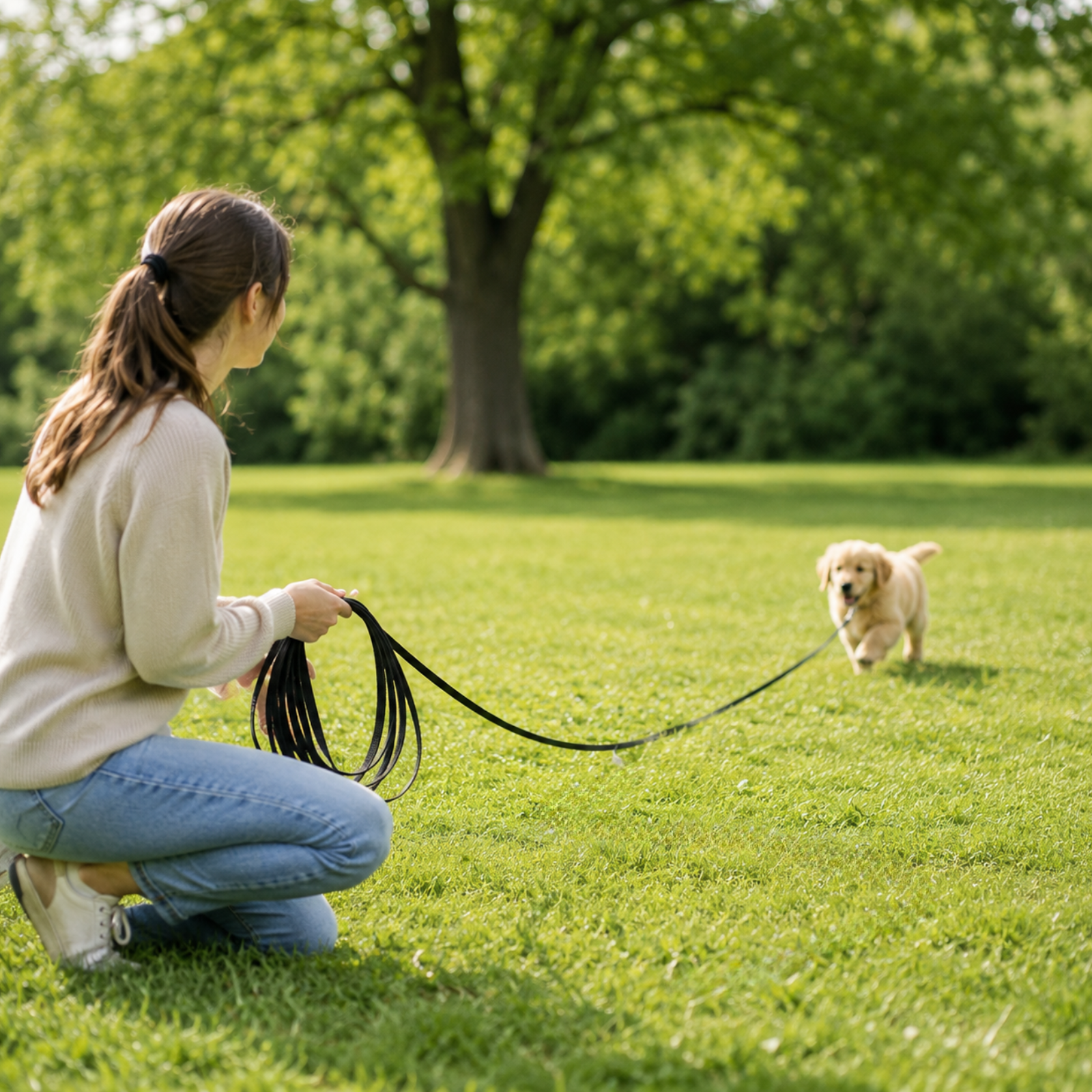
Loose lead walking doesn't mean your dog has to march beside your left knee like they're on parade. It simply means the lead stays slack. Your dog can walk beside you, slightly ahead or even behind, as long as they're not dragging you forward. That freedom is actually part of what makes it work: your dog learns that staying relaxed on the lead gives them more, not less.
Start in a Familiar Environment
Start in a familiar environment where your dog feels relaxed: your garden, a quiet cul-de-sac, a boring stretch of pavement with nothing interesting happening. If you begin training in the park where every squirrel, jogger and passing Labrador is competing for your dog's attention, you're setting both of you up for frustration.
Keep your first sessions short. Five to ten minutes of focused practice is worth more than a 40-minute walk where you're both getting stressed. Once your dog gets the hang of it somewhere calm, you can gradually introduce busier environments. Think of it as learning to drive: you wouldn't start on the motorway.
The Stop-Start Method
The stop-start method is the approach that most trainers and behaviourists rely on, and it works because the logic is beautifully simple. The moment the lead goes tight, you stop. Don't say anything. Don't pull the lead back. Just plant your feet and wait.
Your dog will eventually turn around to look at you, as if to say, "why have we stopped?" The second the lead goes slack, praise them and start walking again. If they pull, stop again. And again. And yes, again.
Some dogs, especially the more determined ones, won't look back straight away. They'll just stand there, staring at whatever has their attention, lead taut. If that happens, don't wait it out forever. Calmly turn and walk a few steps in the opposite direction. Your dog has no choice but to follow, and the moment they do and the lead goes slack, praise them warmly and continue. This direction change works well alongside the stop-start method, particularly for dogs that need a clearer signal.
It will feel tedious at first. You might spend the first session covering the length of your driveway and nothing more. Your neighbours might give you some curious looks. But what you're doing is teaching your dog something very clear: a tight lead means we go nowhere, a loose lead means we keep moving. Dogs pick up on cause and effect quickly. Once those dots connect, the pulling starts to fade.
Using Treats and Praise Effectively
In the early stages, treats and praise are your strongest allies. But timing matters. Reward your dog while they're walking calmly beside you, not just when they come back after pulling. You want them to understand that the act of walking on a loose lead is the thing that earns the good stuff.
Keep your treats small, something they can eat in a second so you don't lose the flow of the walk. And here's a tip that makes a genuine difference: reward while you're both moving, not while standing still. You want your dog to connect "walking nicely" with good things, not "stopping and staring up at my owner."
Don't worry about needing treats forever. They're the scaffolding, not the building. As your dog builds the habit, you can gradually reduce the treats and lean more on verbal praise and what your dog naturally enjoys on a walk. Letting them sniff a lamppost, greet a friendly dog, or explore a patch of grass can be just as powerful as any treat. These everyday rewards are often the ones that really make loose lead walking stick long-term, because they turn the walk itself into the payoff.
Common Mistakes That Make Pulling on the Lead Worse
You're putting in the effort, but your dog is still pulling on the lead, and it feels like nothing is changing. Before you blame your dog (they're trying, honestly), check whether any of these common mistakes have crept in. Small habits can make pulling worse without you realising it.
Pulling back on the lead is the big one. It feels instinctive to yank the lead when your dog surges forward, but all it does is trigger their opposition reflex. They pull, you pull back, they pull harder. It becomes a tug-of-war that nobody wins. Let the stopping do the work instead.
Inconsistency is just as damaging. If you practise loose lead walking on Tuesday but let your dog drag you to the park on Wednesday because you're running late, you're undoing your own progress. Your dog can't understand "today the rules are different." They need the same response every single time the lead goes tight.
And try not to measure progress against perfection. If your dog pulled for the entire walk yesterday and managed a full minute of loose lead walking today, that's real progress. It might not feel like much when your arm is still aching, but your dog is learning. Trust the process.
How Long Does It Take to Stop Lead Pulling?
How long it takes to stop lead pulling depends on your dog. A young puppy with no pulling history might get the hang of it within a couple of weeks. An older dog who's spent years perfecting the art of dragging you down the street will take longer. That's not a reason to give up. It just means the habit runs deeper.
What makes the biggest difference isn't talent or breed. It's consistency. Five to ten minutes of focused practice every day will get you further than one heroic session at the weekend. Dogs learn through repetition, and the more predictable you are, the faster those new habits form.
Most owners notice a real shift within two to four weeks of daily practice. Your dog will still have moments where they pull, especially when something exciting appears out of nowhere. That's normal, even for well-trained dogs. The goal isn't a flawless performance on every single walk. It's a dog that understands the rules and follows them most of the time.
What if My Dog Still Pulls? Tips for Specific Situations
What if your dog still pulls, even after consistent training? Some specific situations call for a slightly different approach. Here are tips for the most common ones.
Older Dogs Who Have Always Pulled
If you've been dragged down the street for the past eight years, we understand why you might feel like it's too late to change. It's not. Older dogs can absolutely learn loose lead walking. It just takes more patience and more repetitions, because you're working against a deeply established routine.
Start with very short sessions and keep your expectations gentle. A front-clip harness can make a noticeable difference for older dogs, because it redirects their forward motion without putting strain on joints or neck. And if your dog seems stiff or reluctant during walks, it's worth a visit to your vet. Sometimes pulling is a dog's way of compensating for discomfort that isn't immediately obvious.
Strong or Large Breed Dogs
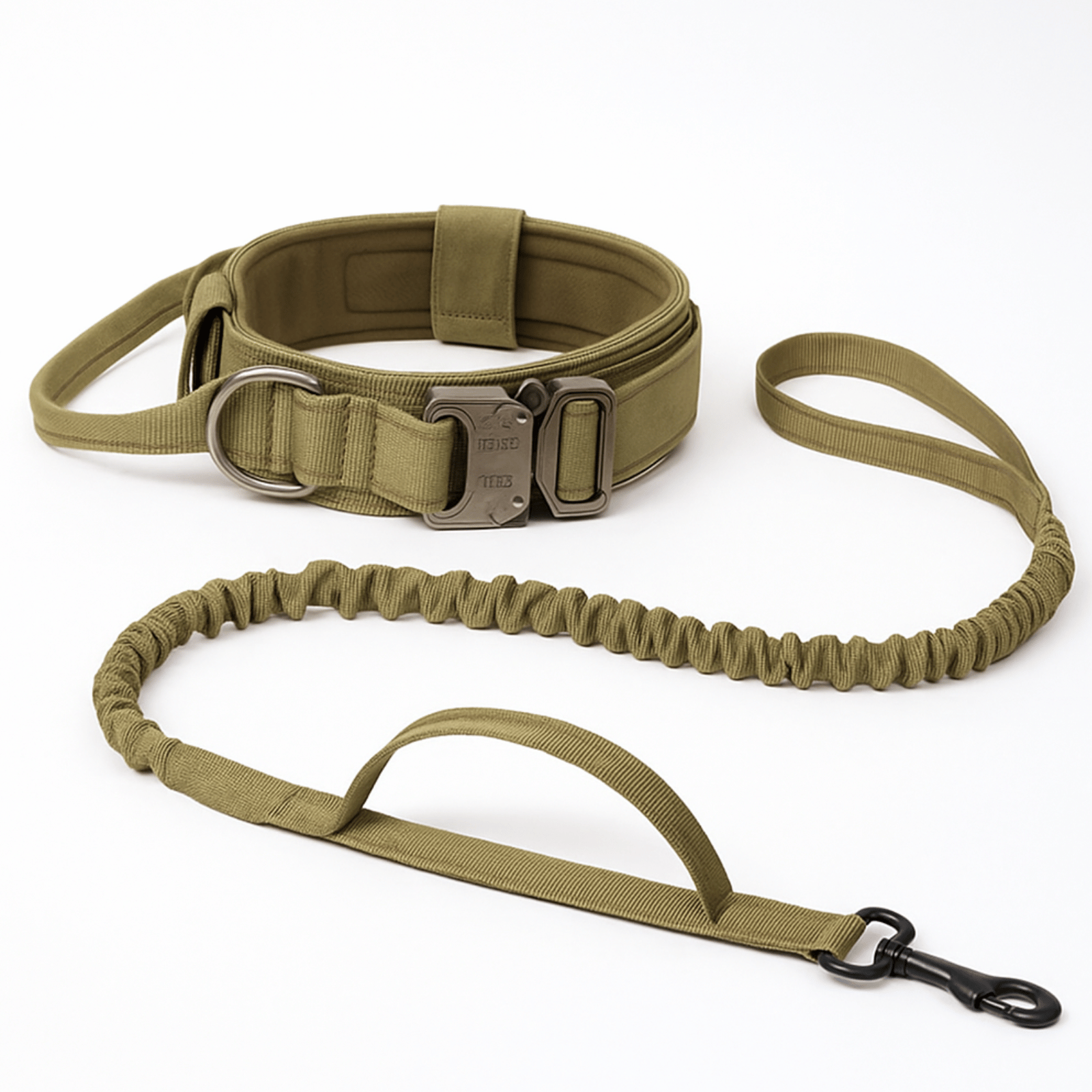
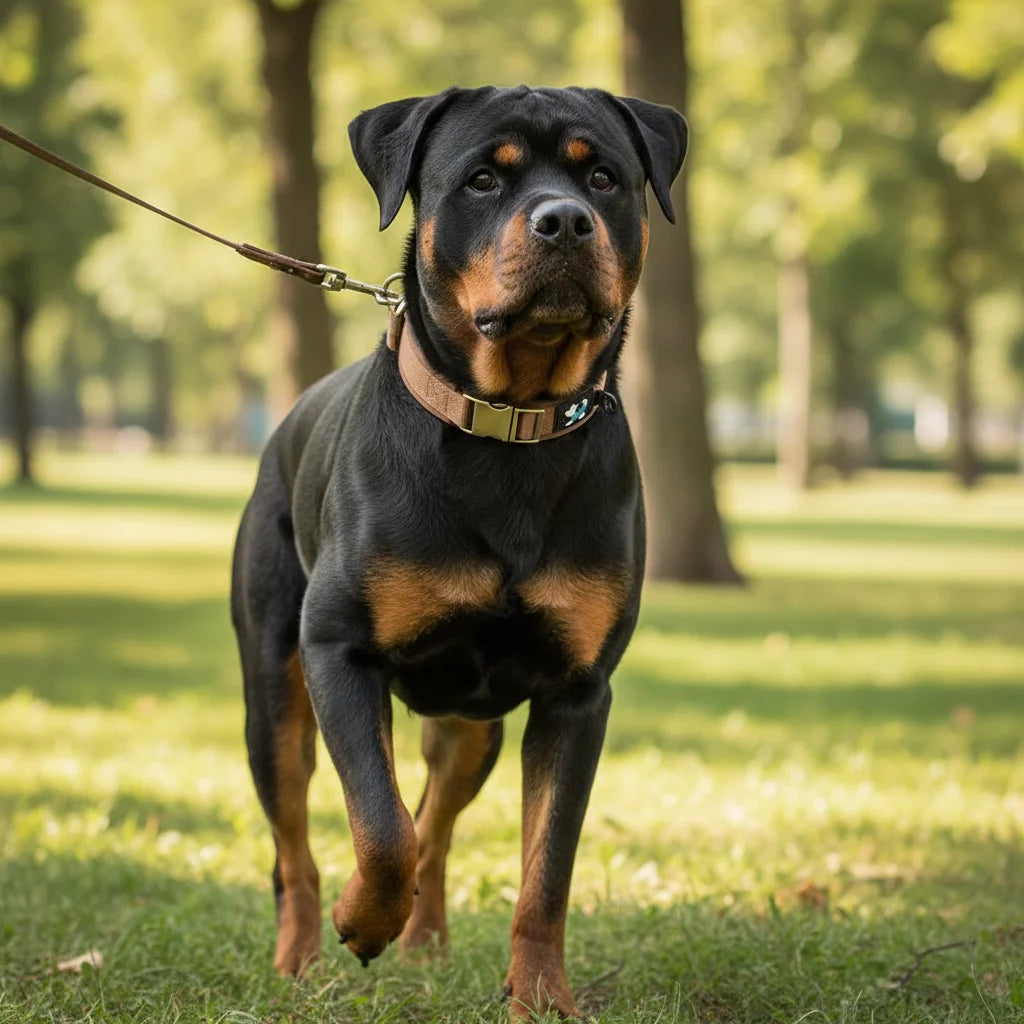
When a strong or large breed dog decides to pull, you know about it. A Labrador, Rottweiler or German Shepherd at full tilt is no joke. Your equipment becomes especially important here. A front-clip harness gives you significantly more steering than a collar, because it redirects your dog's chest rather than their neck. Pair it with a sturdy fixed-length lead and you'll find it much easier to hold your ground during the stop-start method.
The training itself doesn't change for big dogs. Same principle: pulling stops the walk, loose lead continues it. But you need to be especially disciplined about never taking a single step while the lead is tight. With a strong dog, every step you take while they're pulling reinforces the behaviour quickly. One moment of "I'll just let them get to the corner" can undo a whole session's worth of progress.
Dogs That Pull When Excited or Reactive
Some dogs walk beautifully on a quiet street but pull like mad when they get excited or reactive around another dog, a cat, or a particularly fascinating bin lorry. If this sounds familiar, the key is distance. The further you are from whatever triggers your dog, the easier it is for them to think clearly and respond to you.
It's worth knowing that excitement and reactivity can look very similar from your end of the lead, but for your dog they're quite different experiences. An excited dog wants to get closer because something is thrilling. A reactive dog is often pulling out of frustration, fear or stress. The advice below helps in both cases, but if your dog seems genuinely distressed, growls, barks or lunges, that points to reactivity, and it's worth getting professional support sooner rather than later.
If you know your dog reacts to other dogs, cross the street before they get too close. Reward them for choosing to look at you instead of the distraction. Over time, you can gradually reduce the distance as your dog builds confidence and learns to stay calm. A qualified behaviourist can create a tailored plan that goes beyond what a general guide can cover, and it's one of the most worthwhile investments you can make for your dog's wellbeing.
Walk Together, Not Against Each Other
There's something genuinely lovely about a calm walk with your dog. That quiet rhythm of footsteps, your dog trotting along beside you, nose twitching at every new scent, occasionally glancing up as if to check you're still enjoying yourself as much as they are. That's what walks are supposed to feel like.
Lead pulling doesn't have to stand in the way of that. With the right technique, consistent practice and equipment that actually fits your dog, you'll get there. If you're looking for a comfortable, well-fitted dog harness or a reliable dog lead to support your training, have a look at our range. Everything we stock has been chosen with real dogs and real walks in mind, because we know what it's like to be on the other end of that lead.