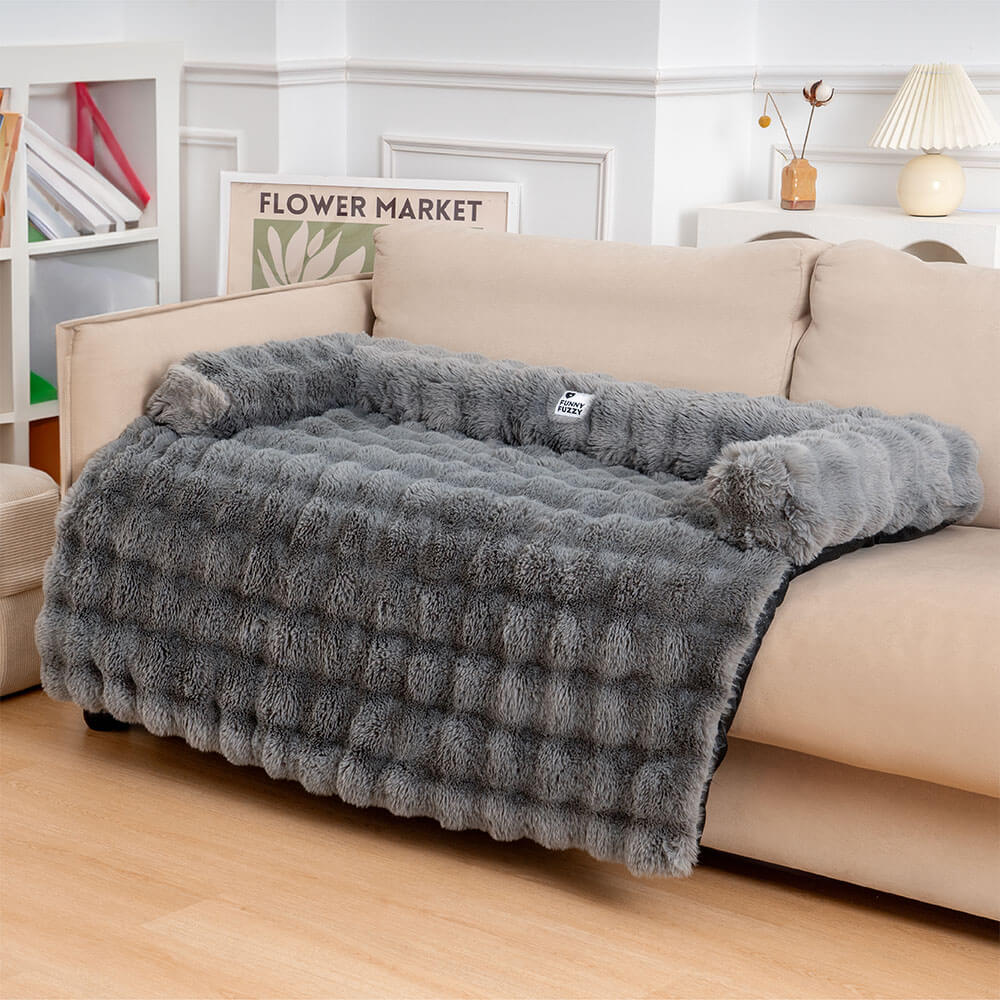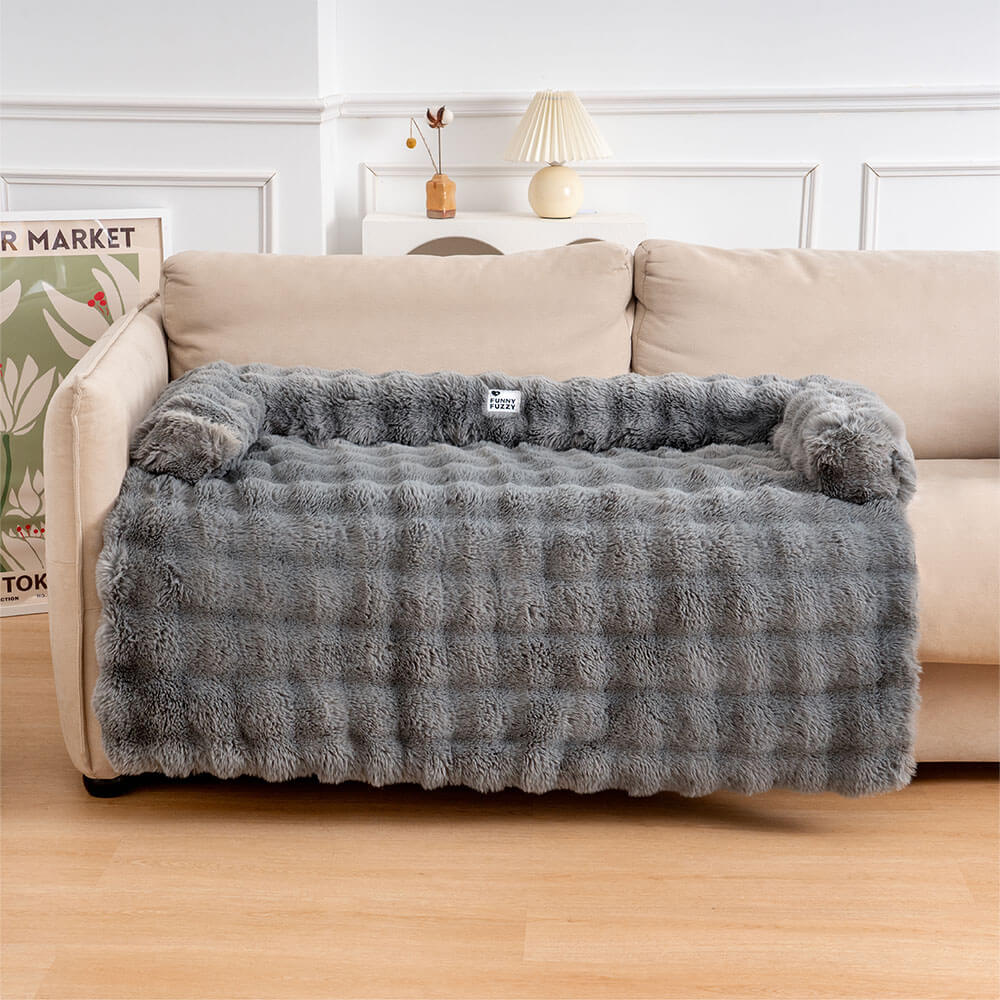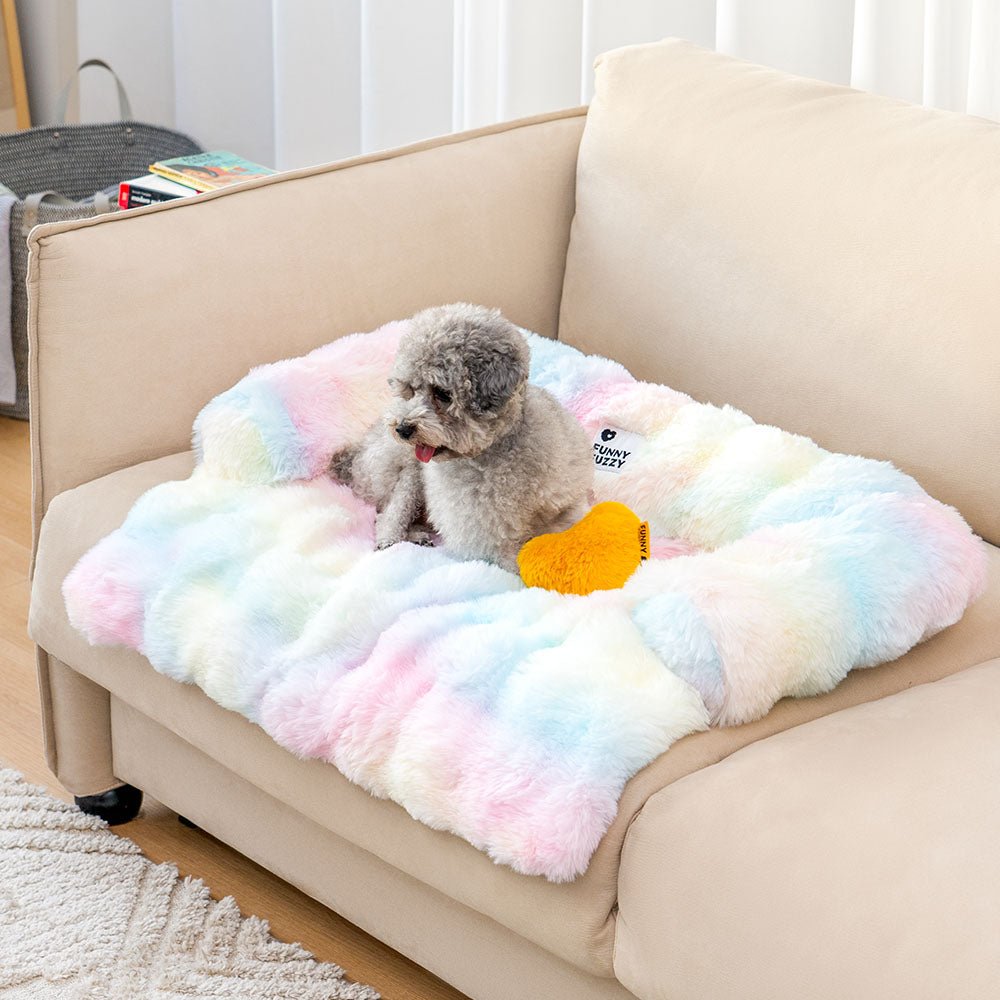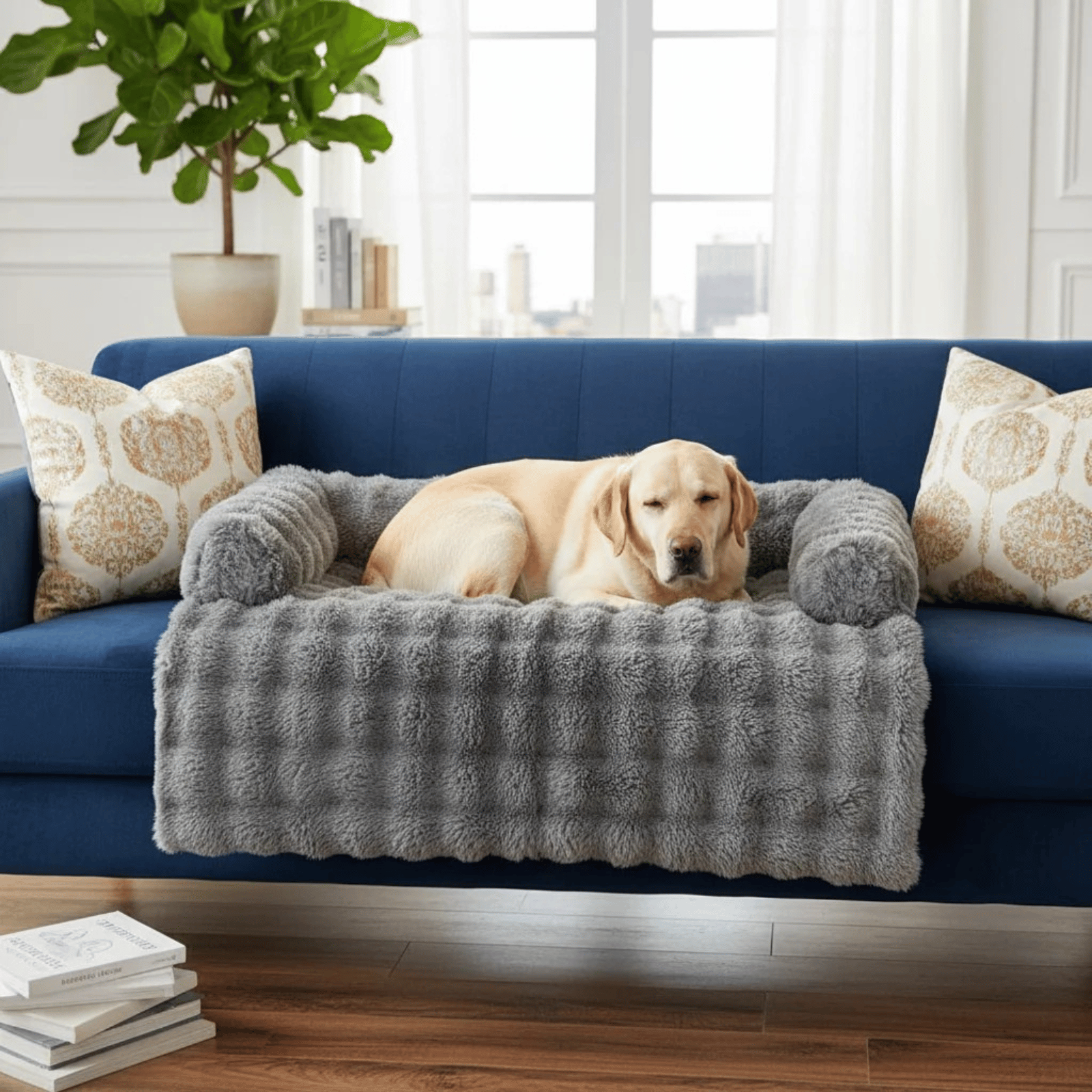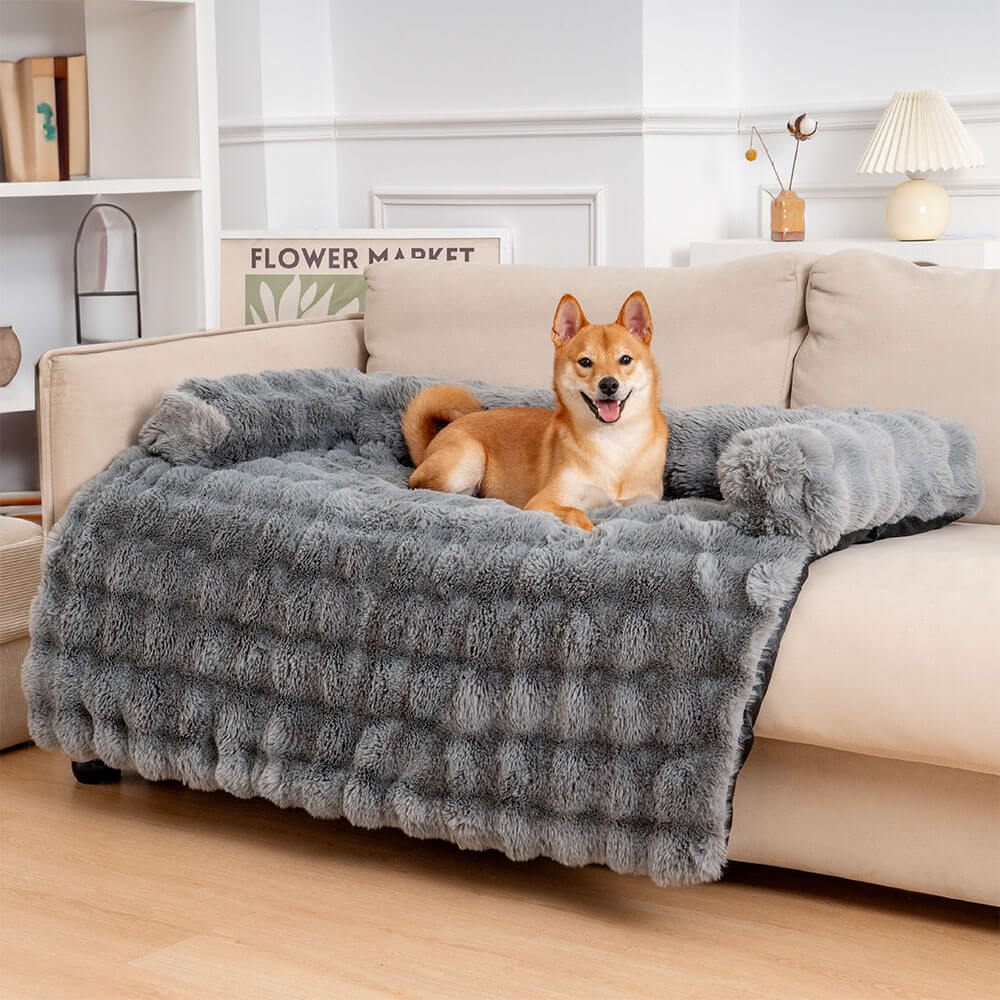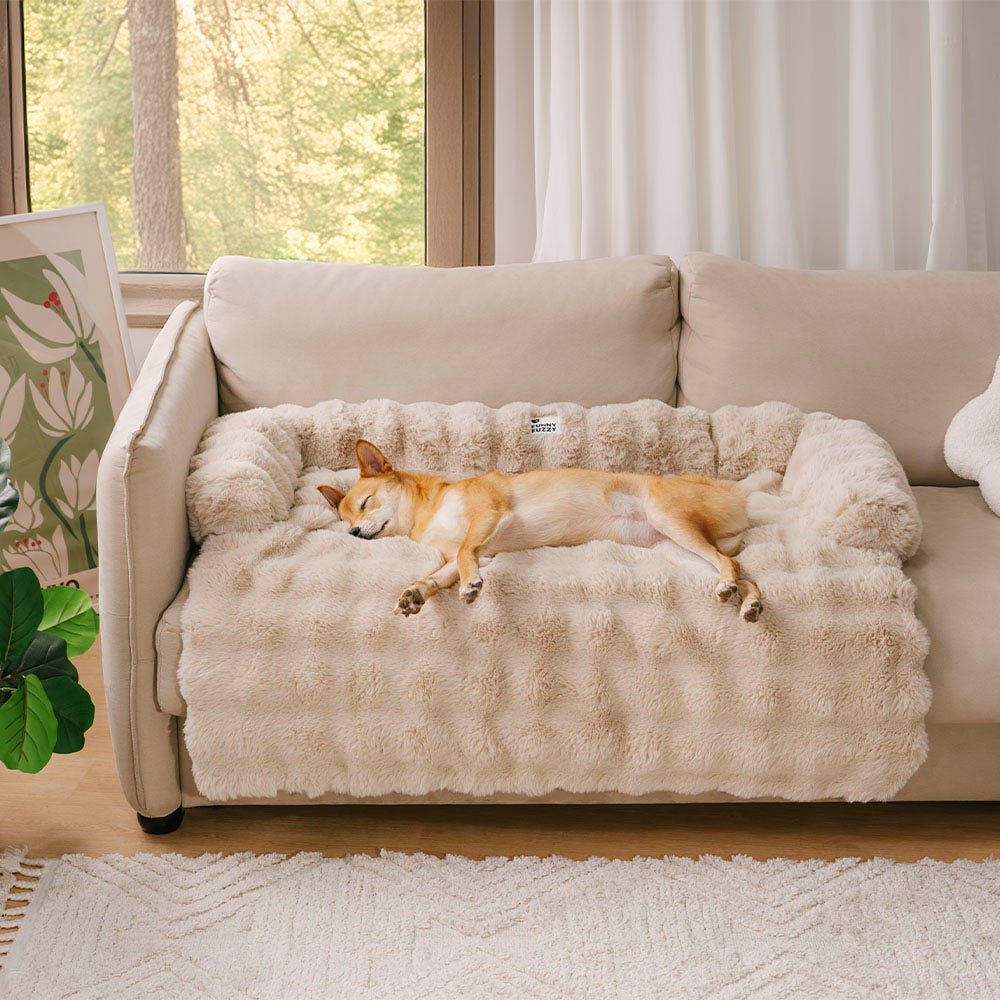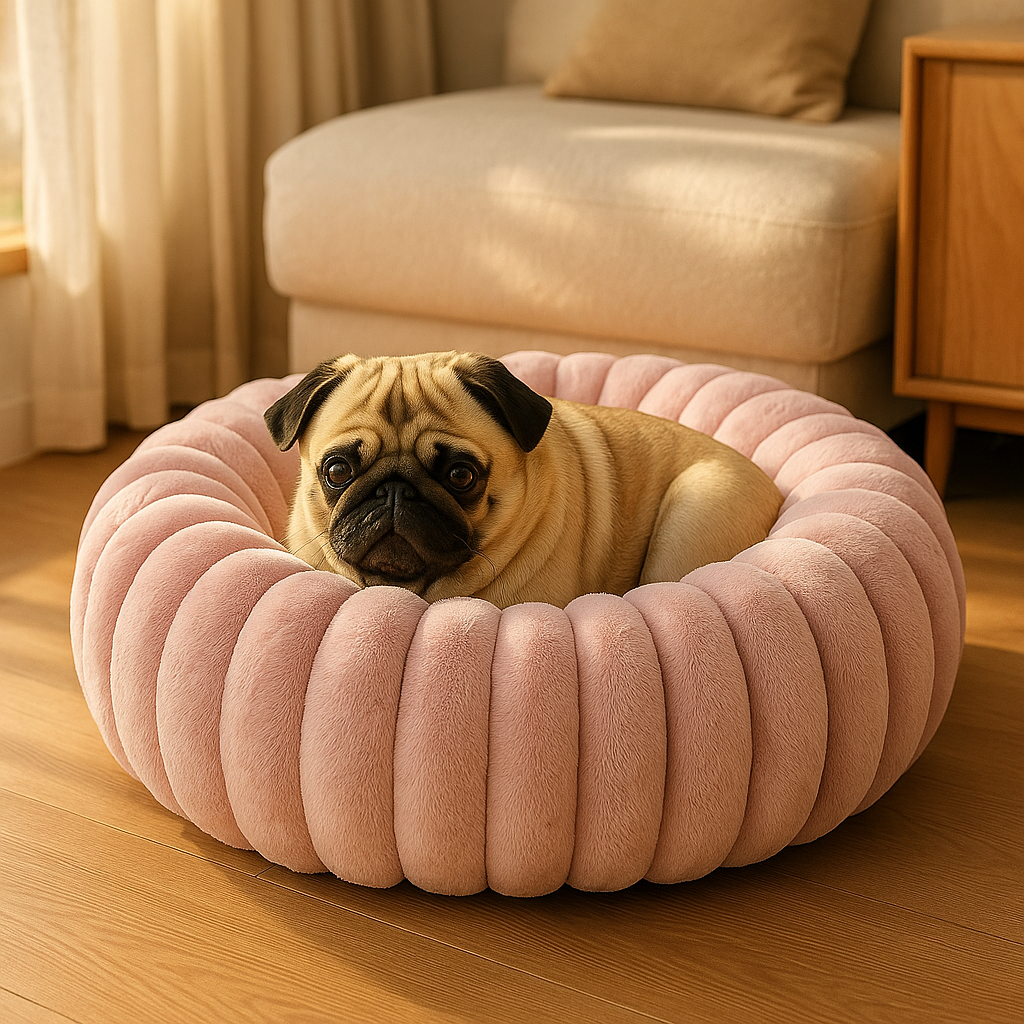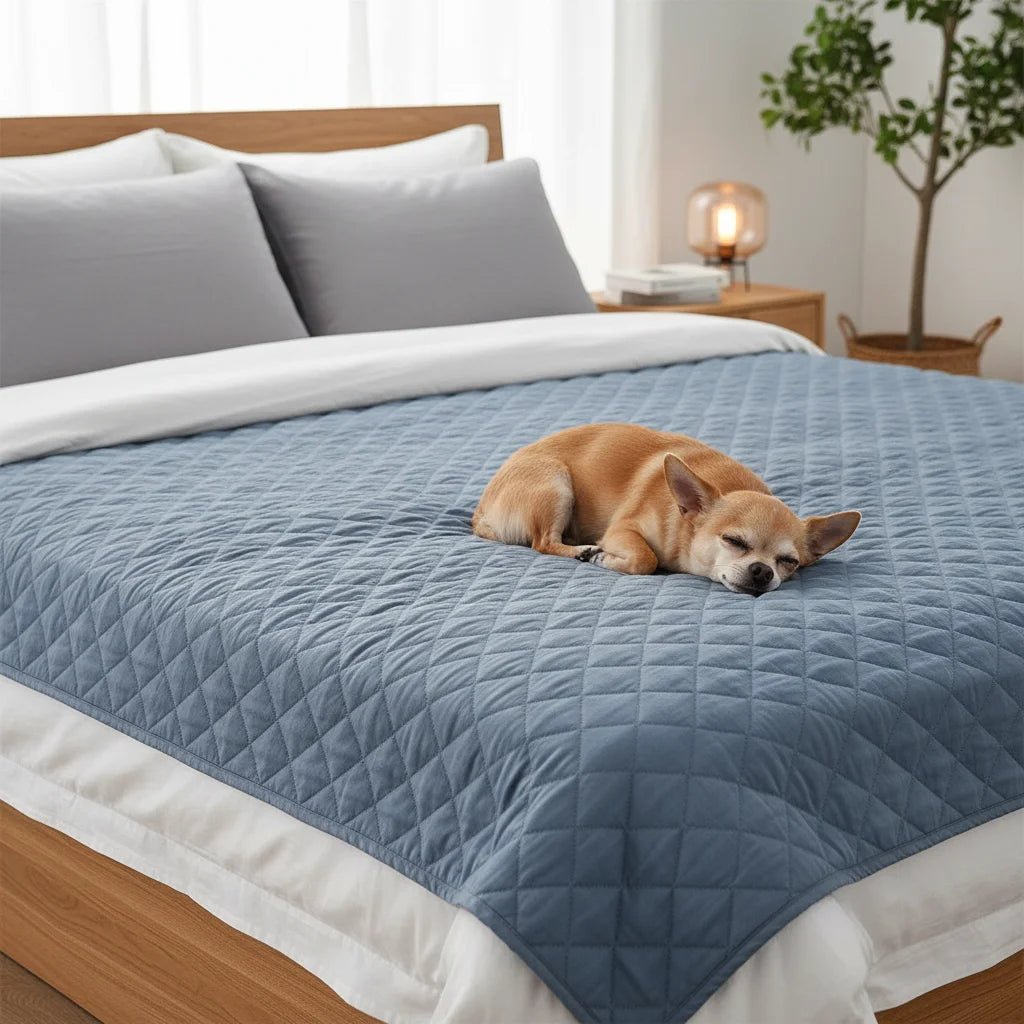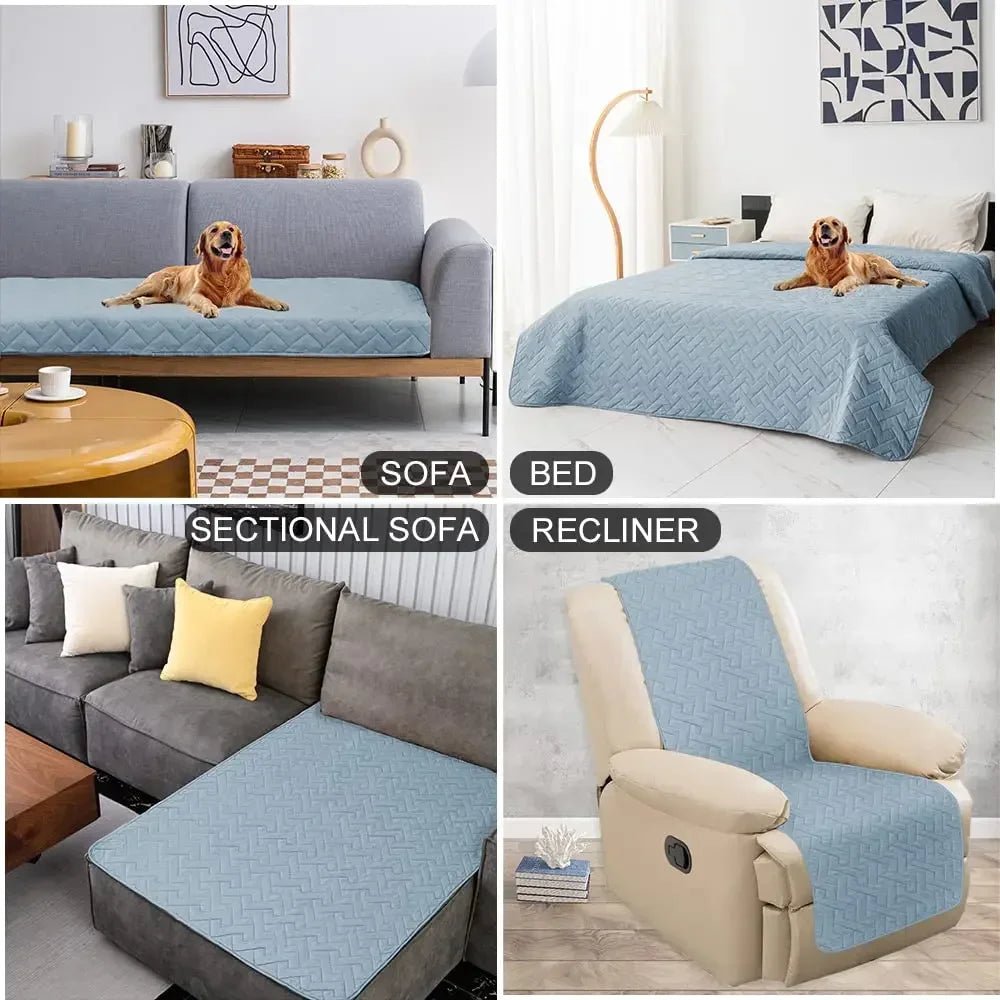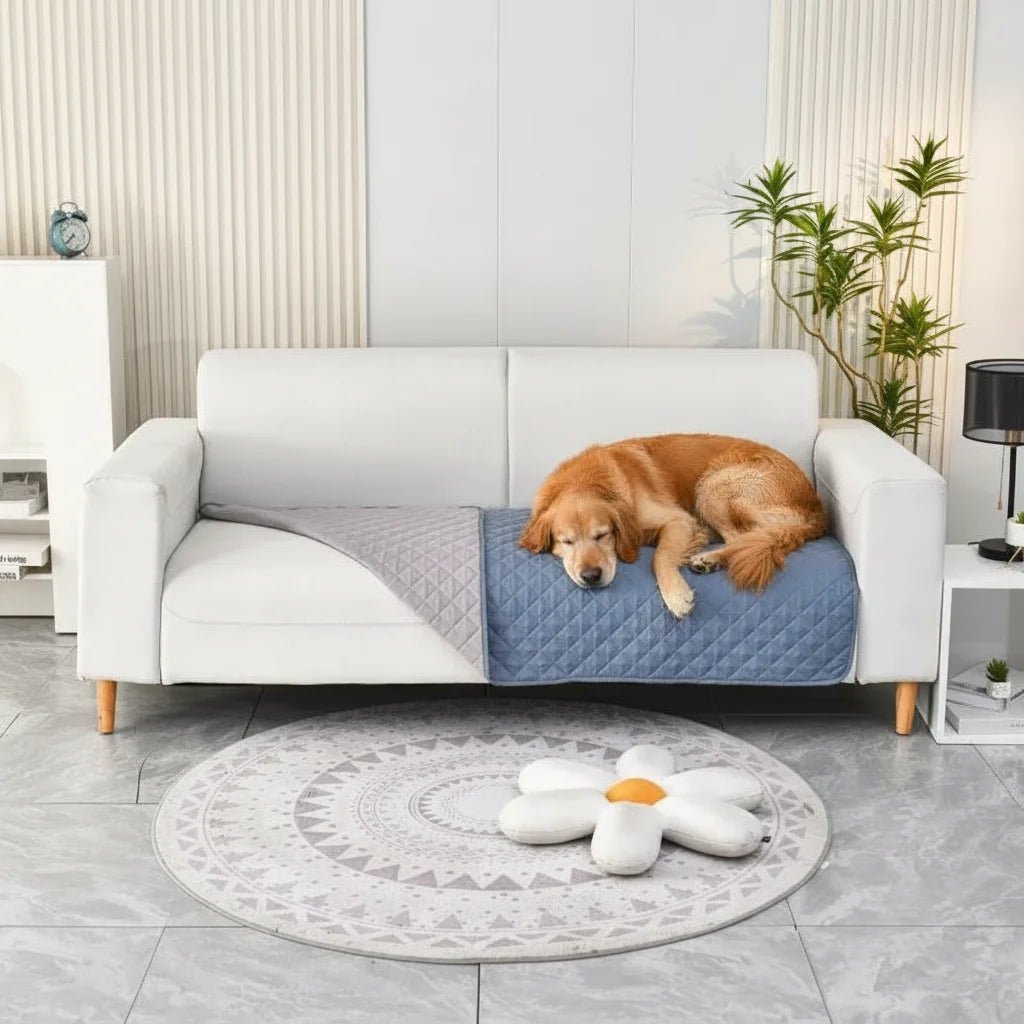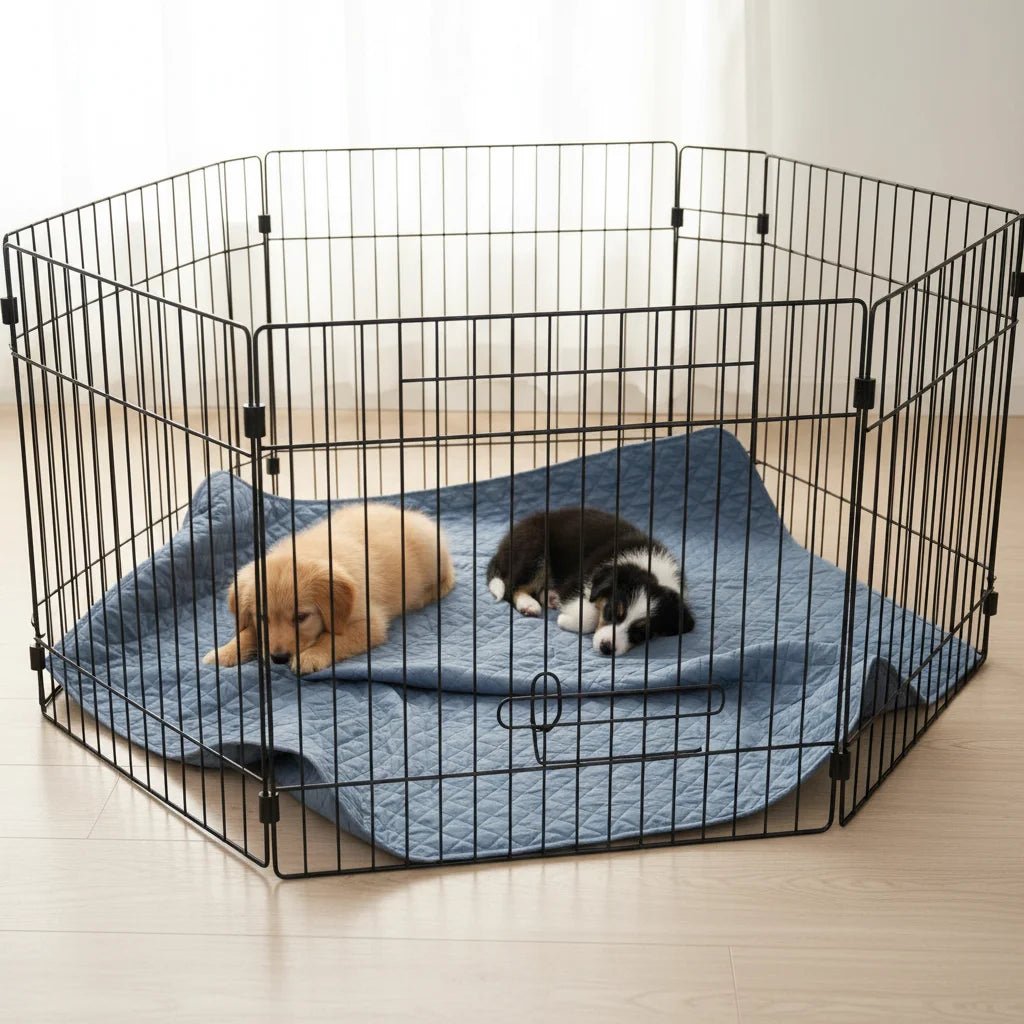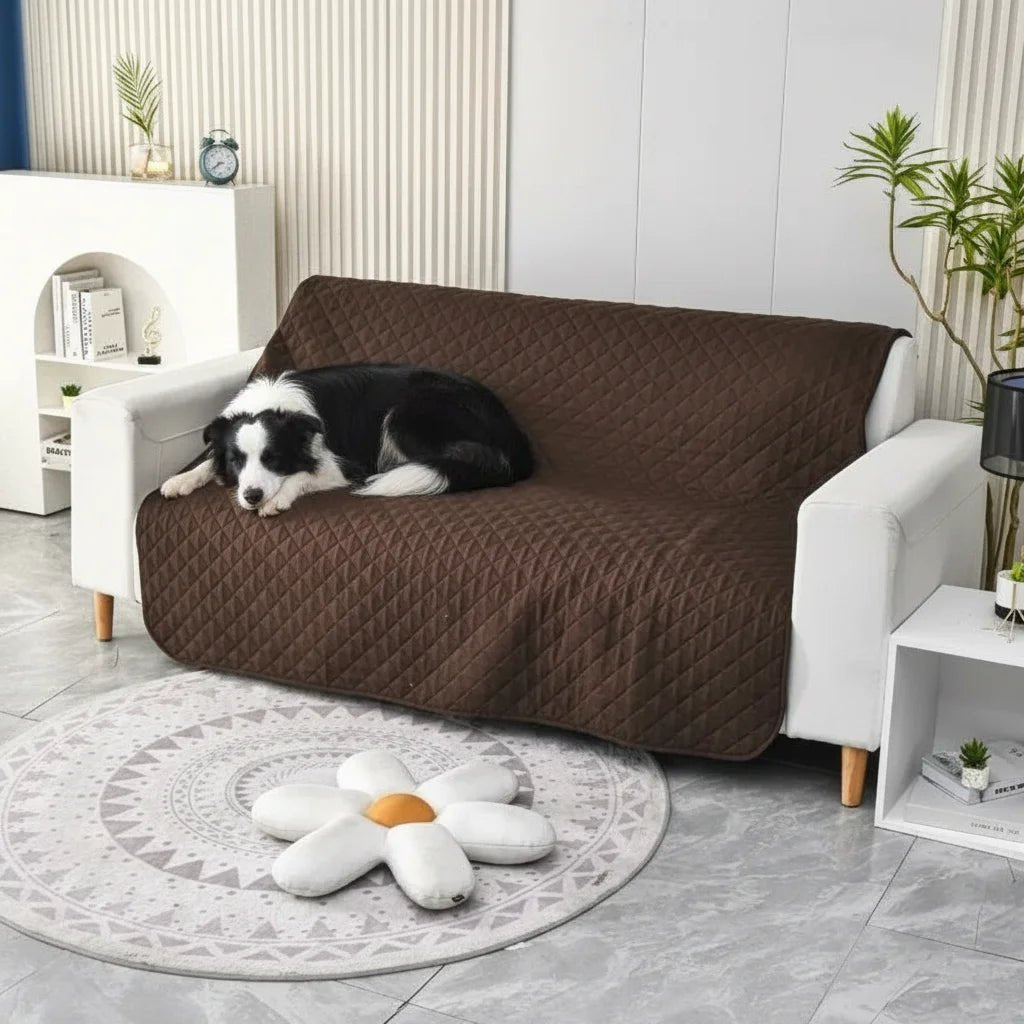

You glance over at your dog and they're out cold. Legs stretched in every direction, paws twitching, completely lost in whatever dogs dream about. Maybe they're curled into a tight ball on the sofa, or sprawled across the kitchen floor like they own the place.
That sleeping position isn't random, though. The way your dog sleeps says a lot about how they're feeling, and once you know what to look for, you'll never watch them nap the same way again.
Why Do Dogs Sleep in Different Positions?
Dogs choose their sleeping position based on how safe they feel, how warm or cool they are, and even their mood at that moment. A dog who feels completely at ease in their home will sleep very differently from one who's still finding their feet in a new environment.
Some of these habits go back generations. Curling up to protect vital organs, for instance, is an instinct passed down from their wild ancestors. Your dog probably doesn't need to worry about predators on your living room floor, but those deep-rooted behaviours still shape the way they rest.
Age and health play a role too. Puppies tend to crash in the most random positions (often mid-play, face-first into a cushion), while older dogs gravitate towards poses that take pressure off stiff joints. If you notice a sudden change in the way your dog sleeps, your vet is always the best person to ask.
The Meaning of Dog Sleeping Positions
Each sleeping position tells you something different about your dog's comfort, mood, and personality. Some dogs switch between several throughout the day. Others are creatures of habit. Either way, here's what to look for.
1. The Side Sleeper
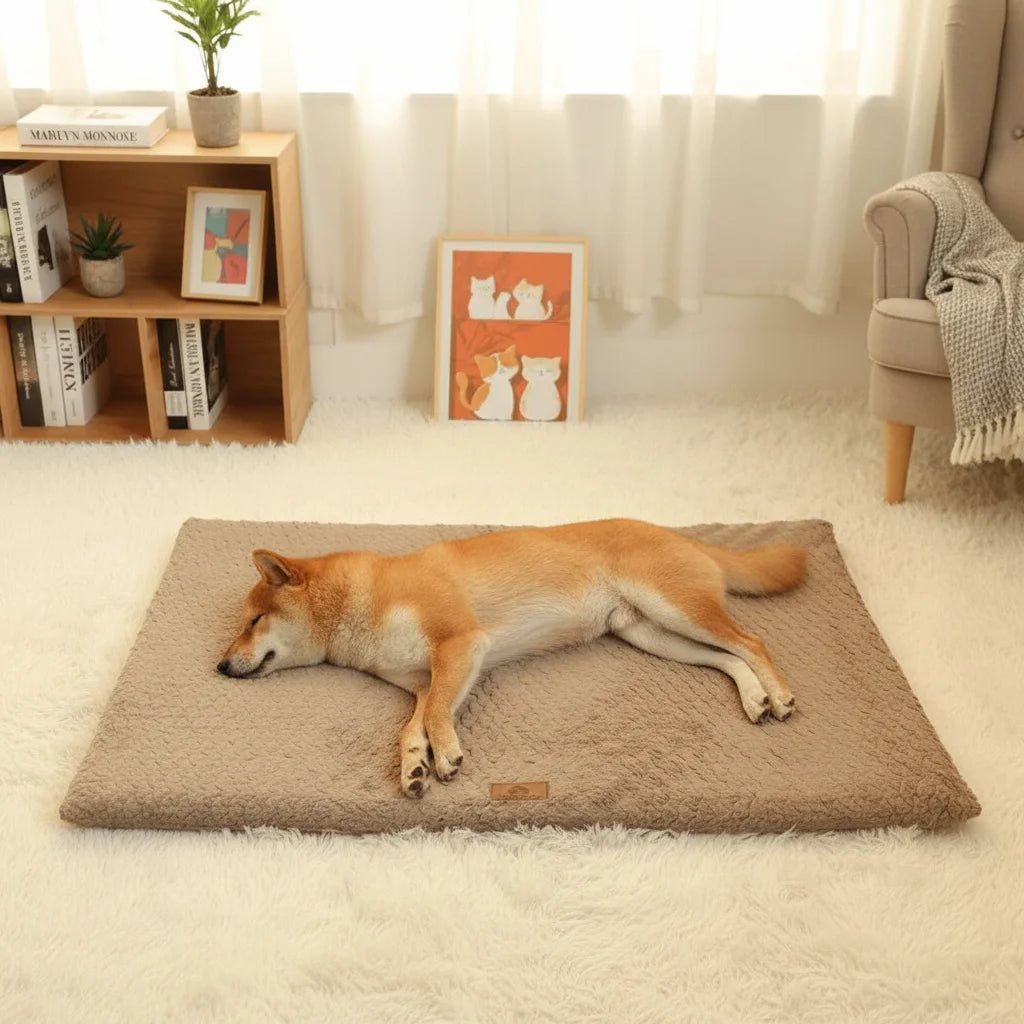
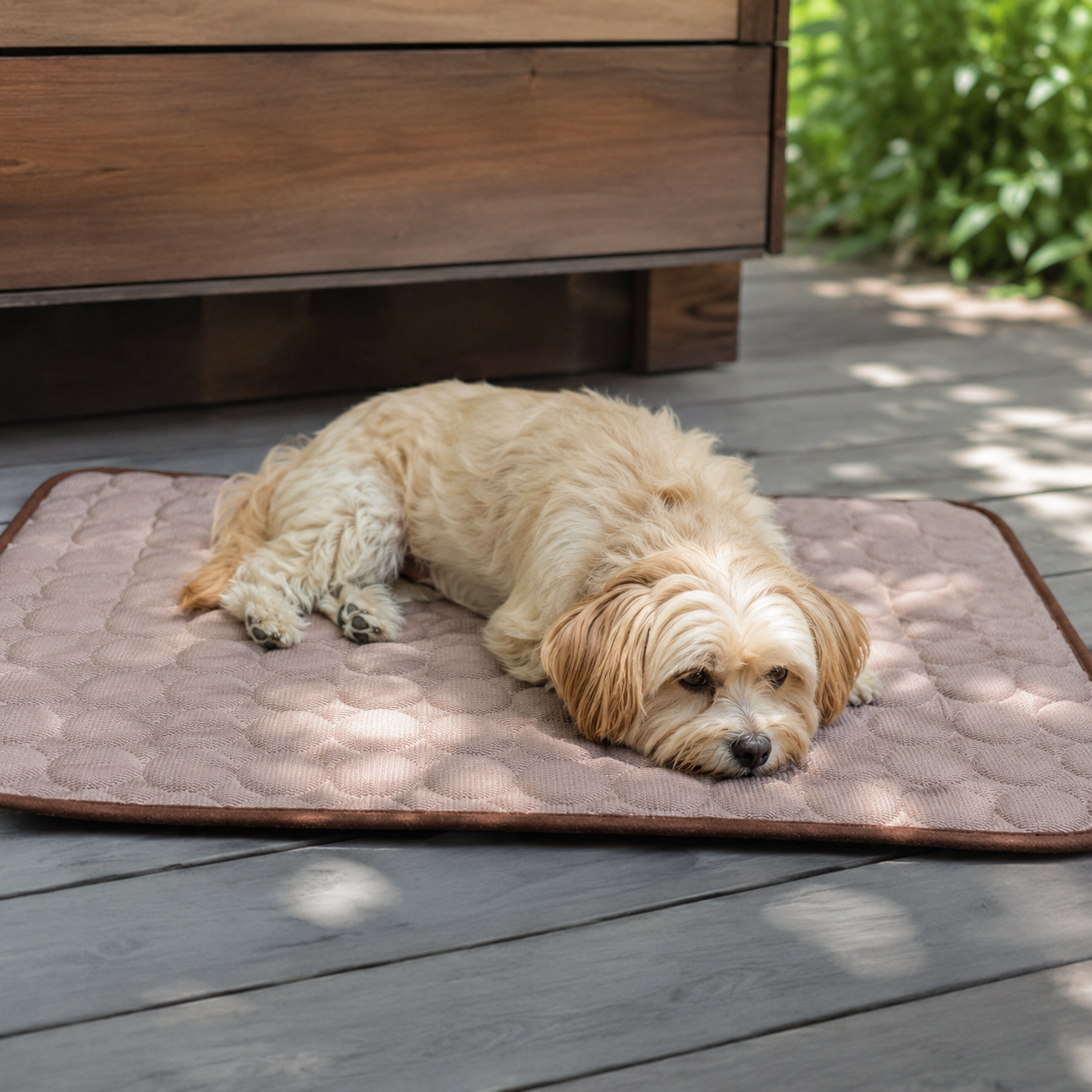
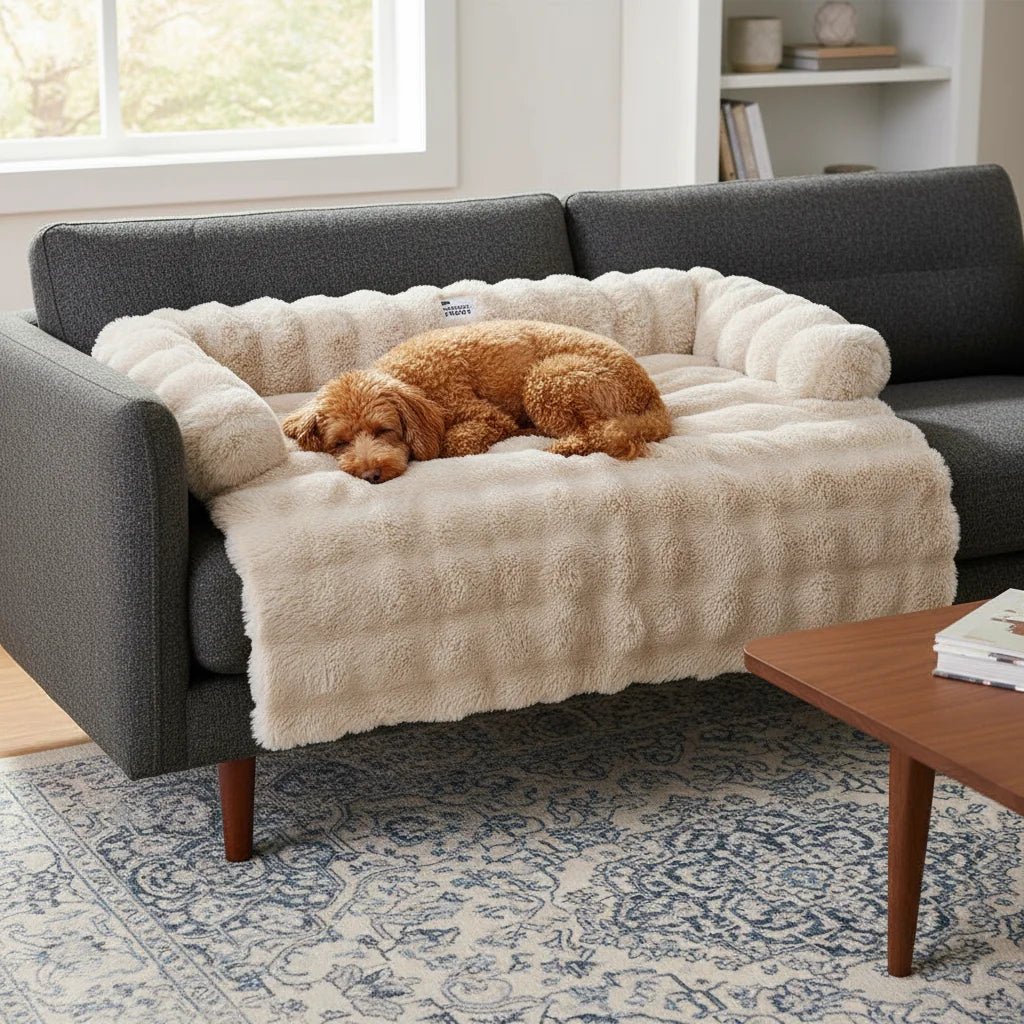
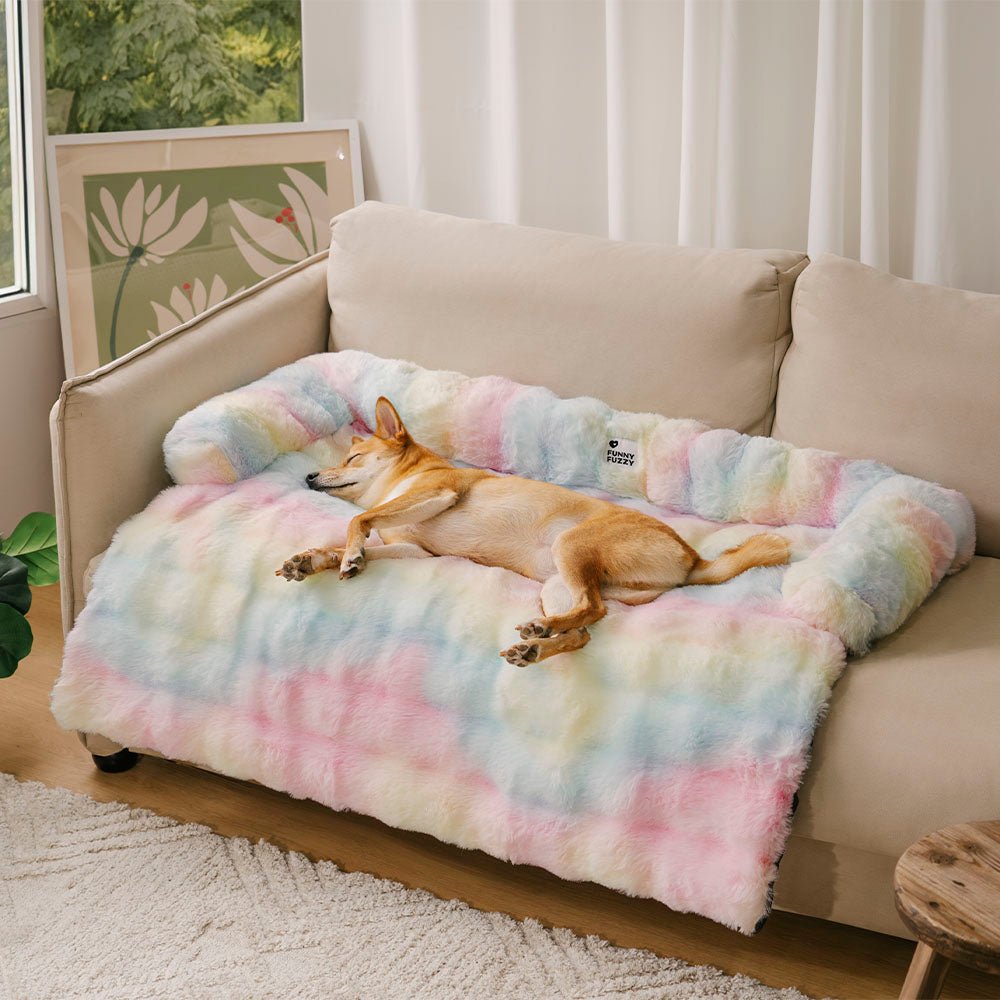
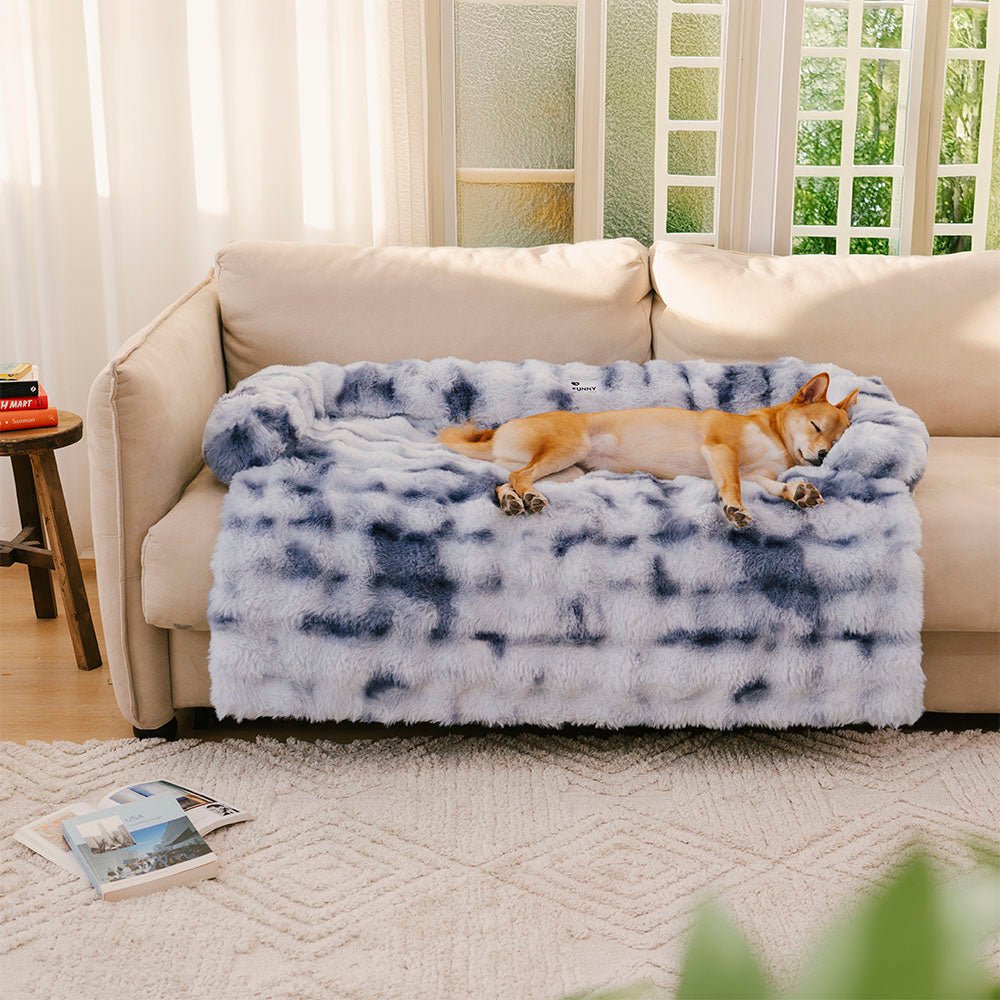
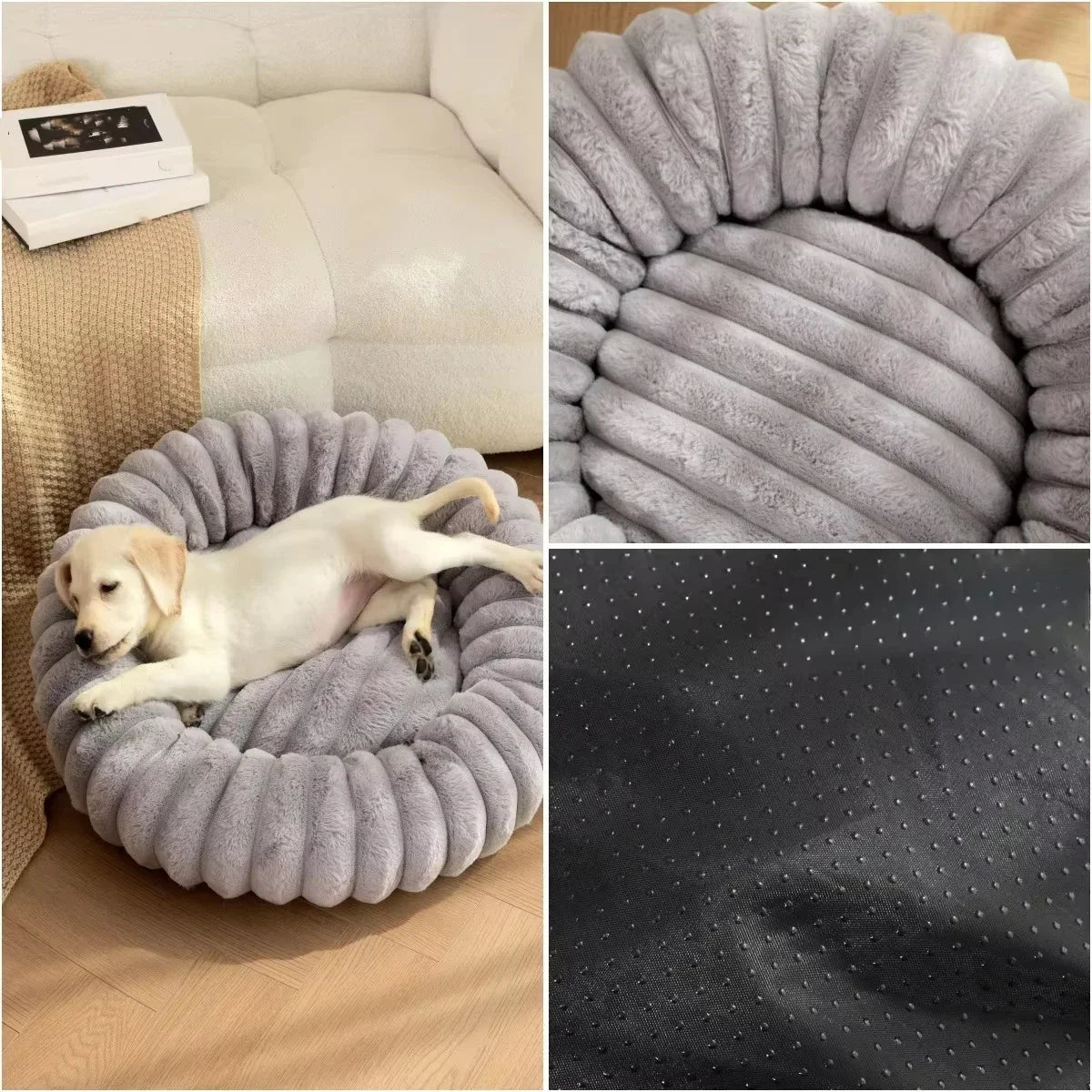
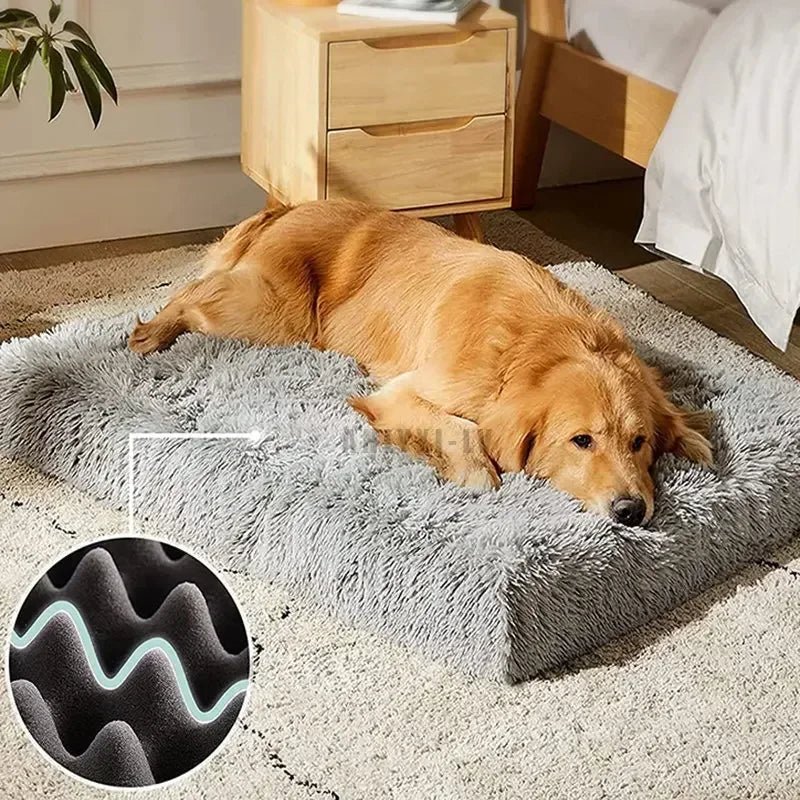
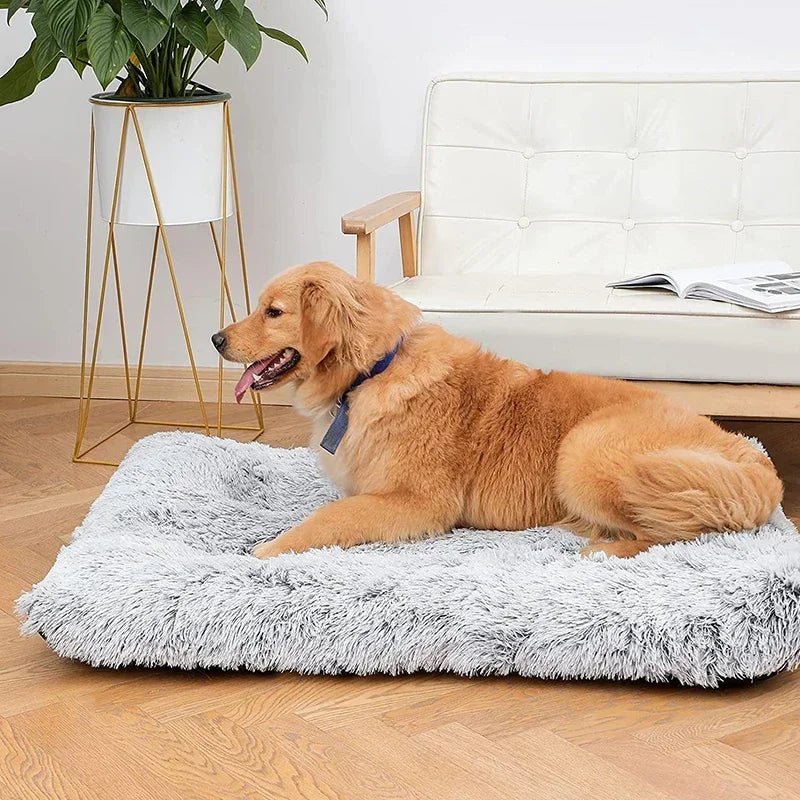
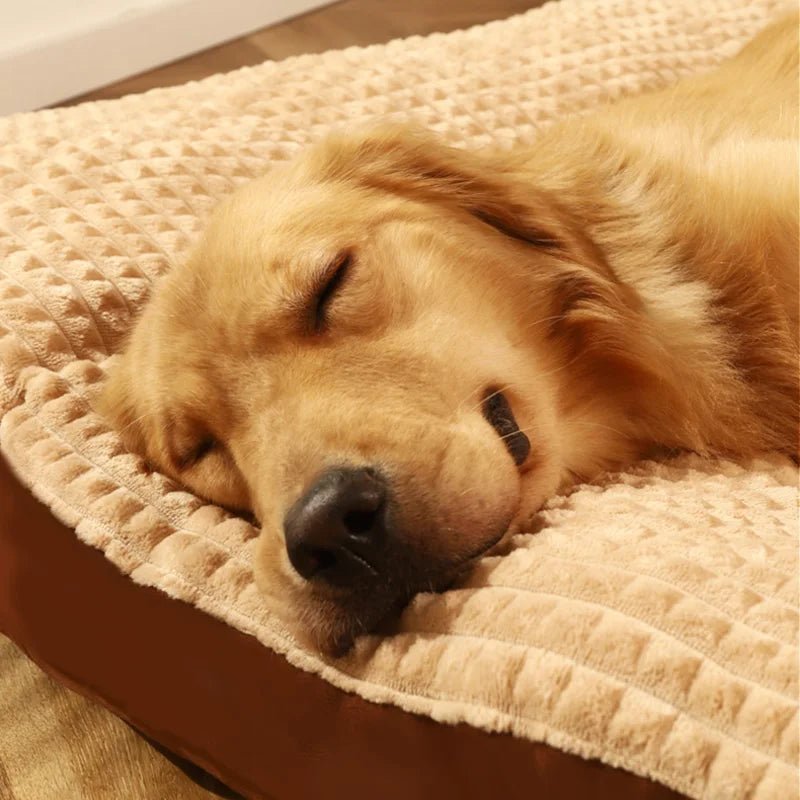
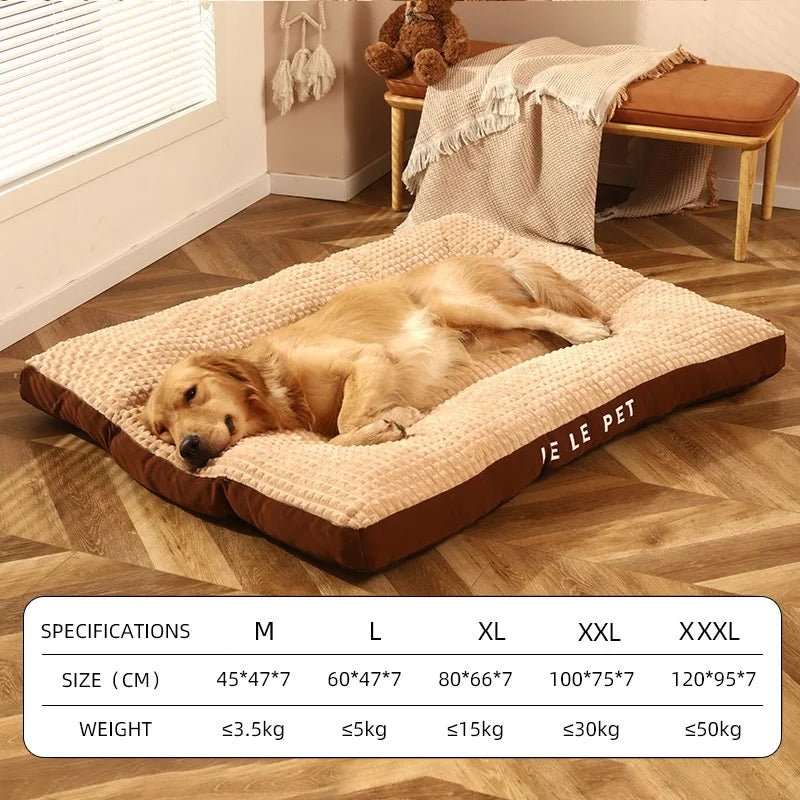
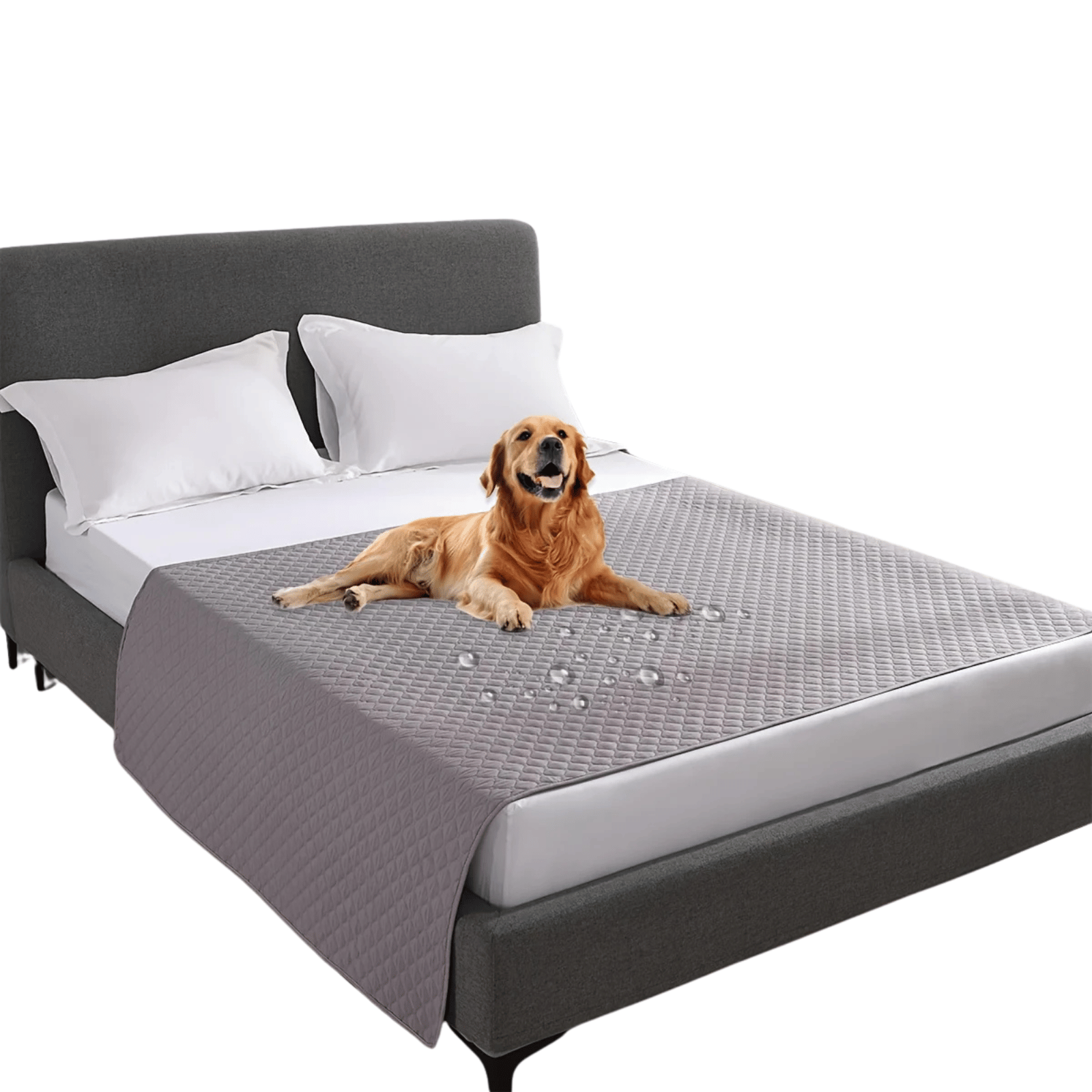
Stretched out on their side, legs extended, belly partly on show. You'll usually spot this one during those long afternoon naps when your dog is properly out for the count. It's the kind of sleep where you find yourself checking they're still breathing, and then they twitch a paw and you smile.
Labradors and Golden Retrievers are particularly fond of this position, though any dog who feels settled at home may sleep this way. The belly is one of the most vulnerable parts of a dog's body, so choosing to leave it exposed is a strong signal. Your dog feels safe. They trust their surroundings. This is also where you're most likely to catch those dream twitches and little paw movements, signs that your dog has drifted into deep REM sleep.
If your dog regularly sleeps on their side, they're telling you they're happy and relaxed where they are.
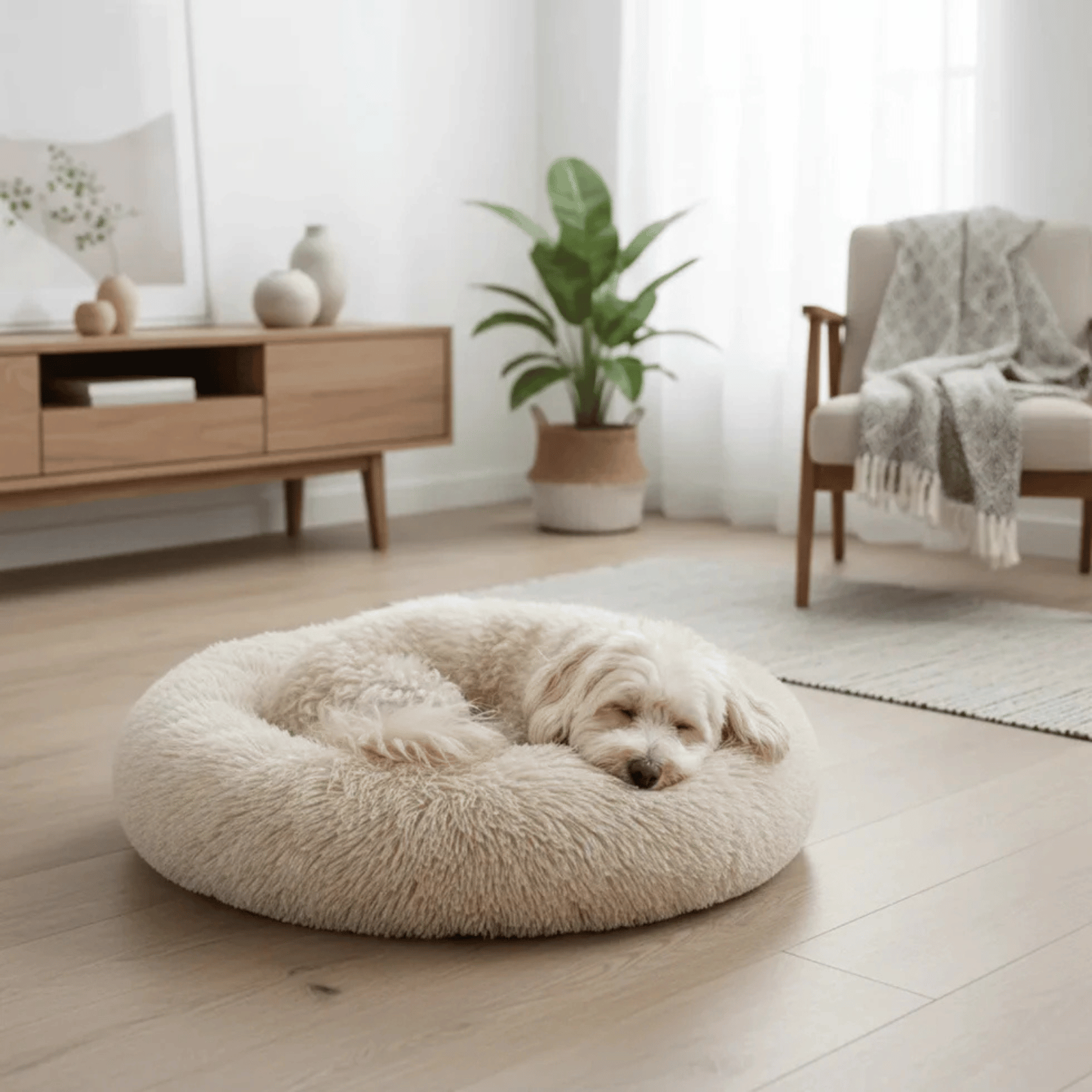
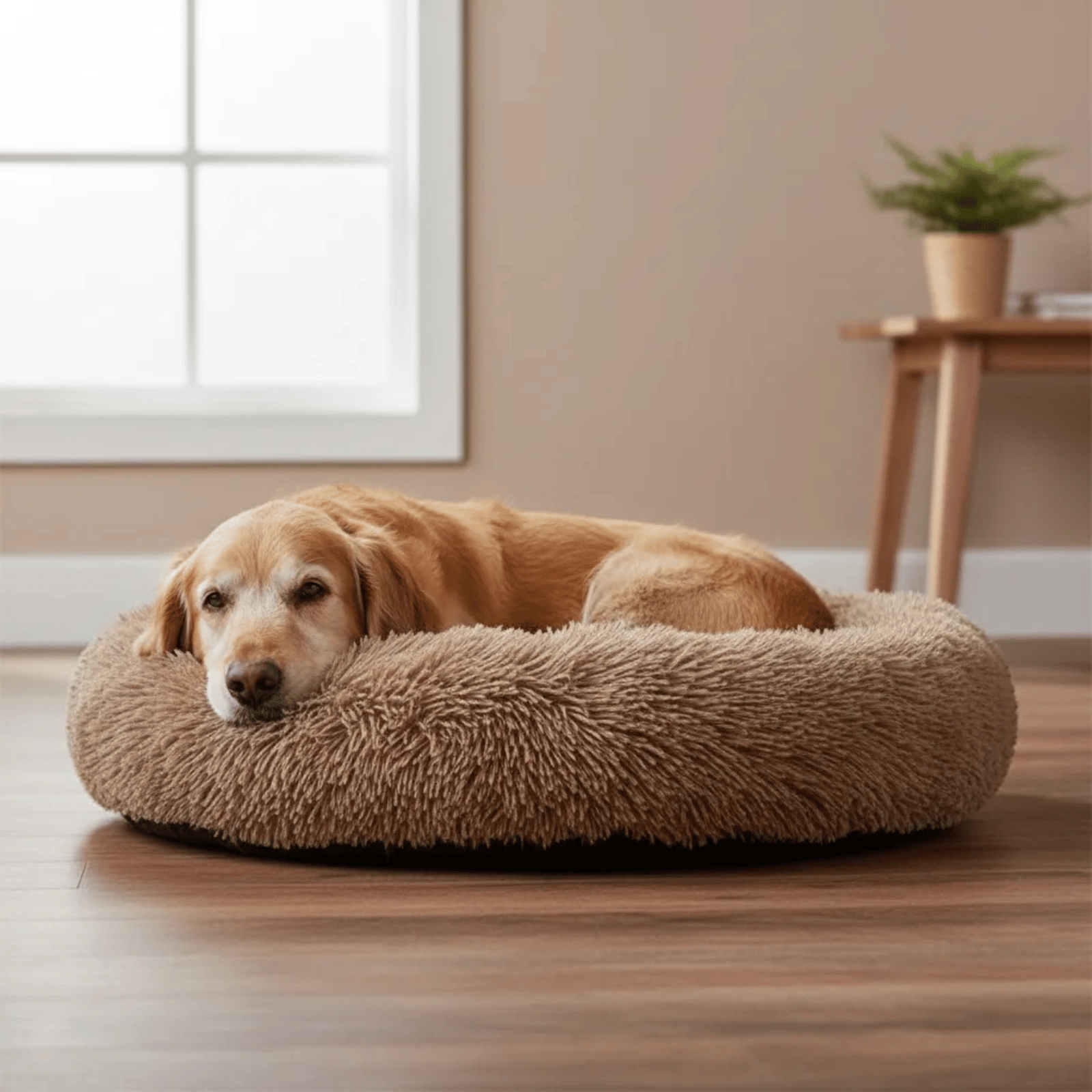
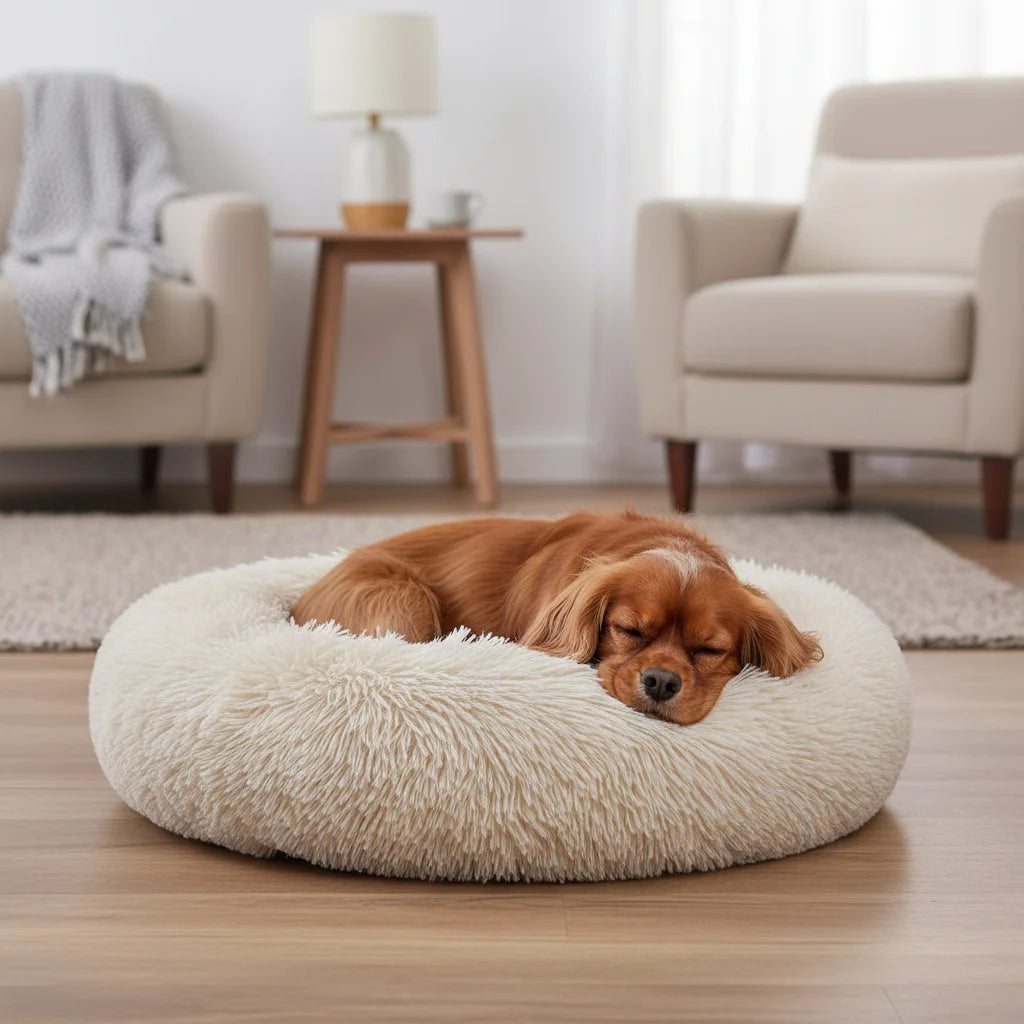
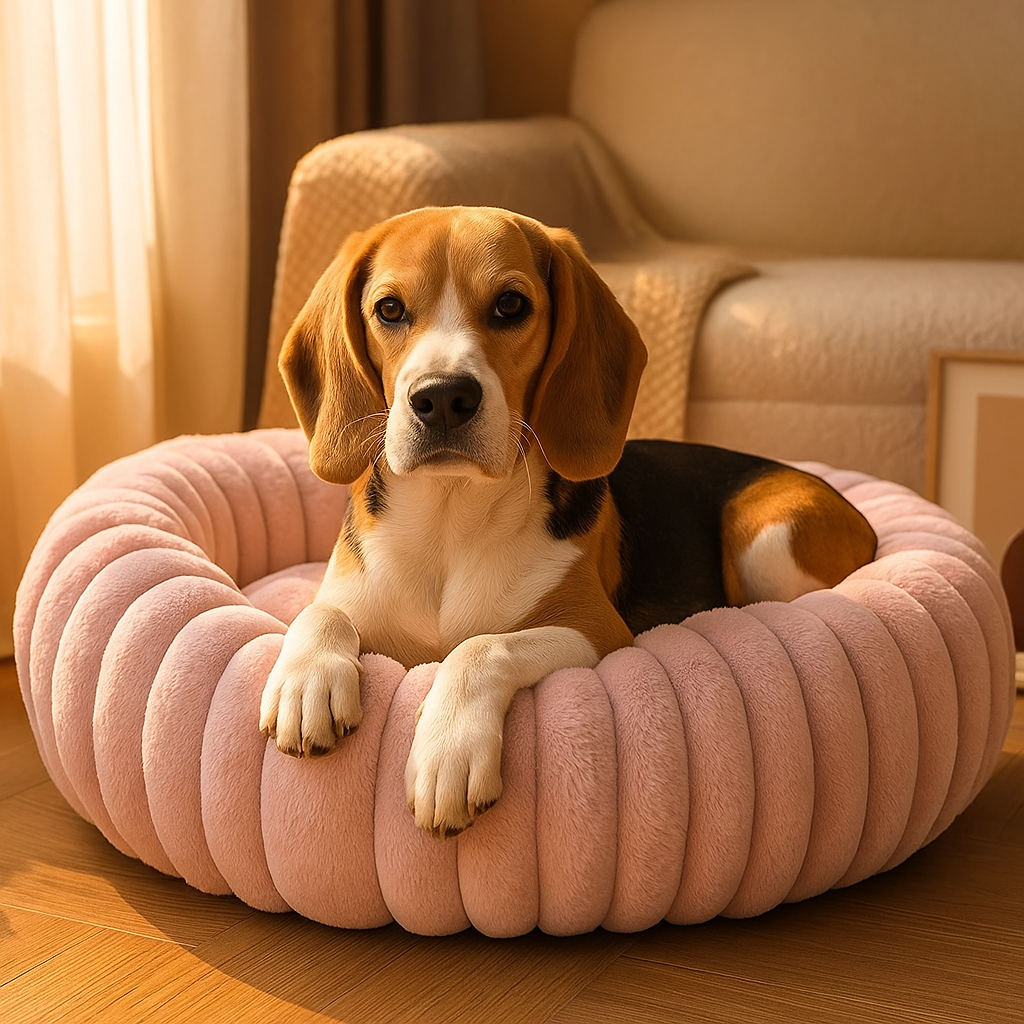
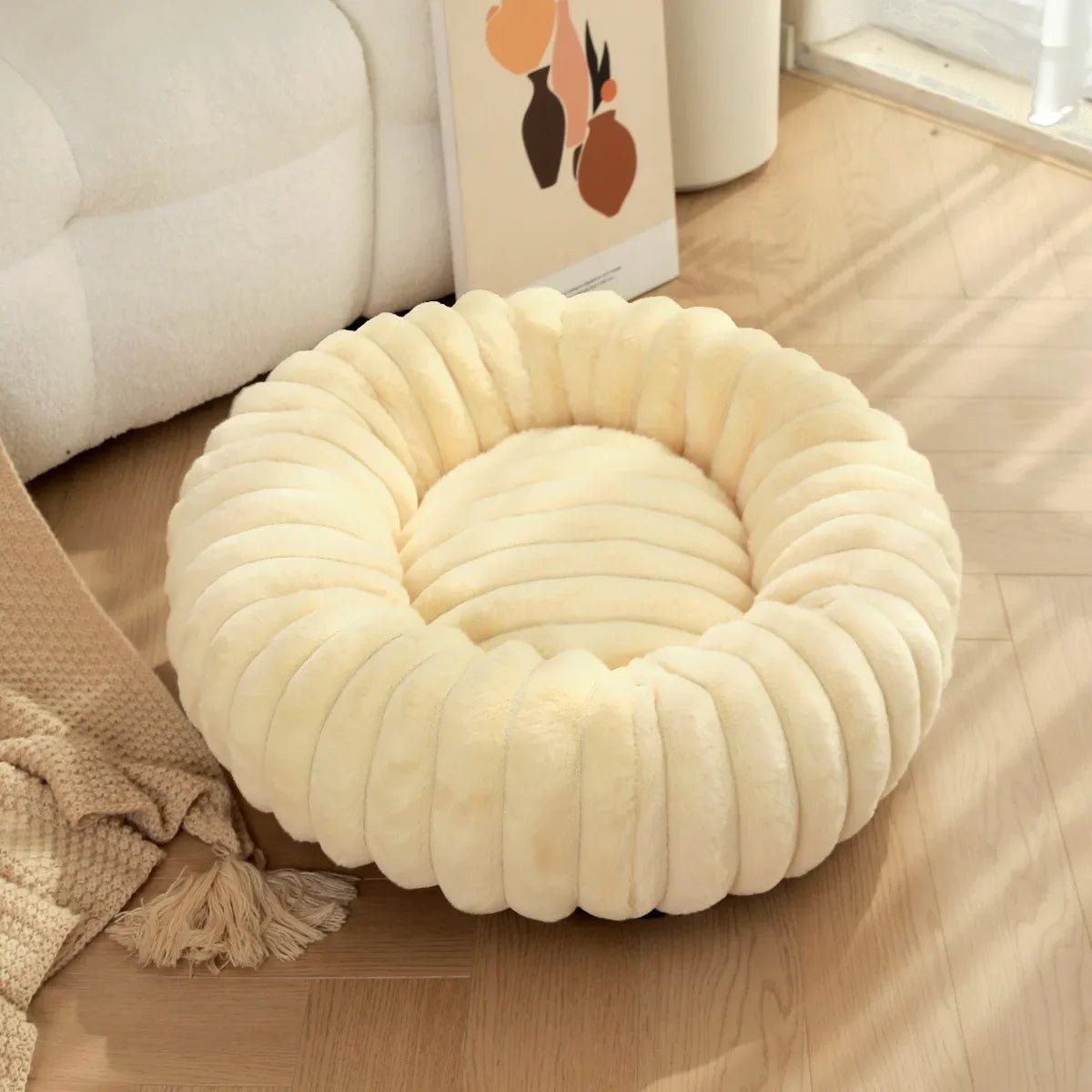
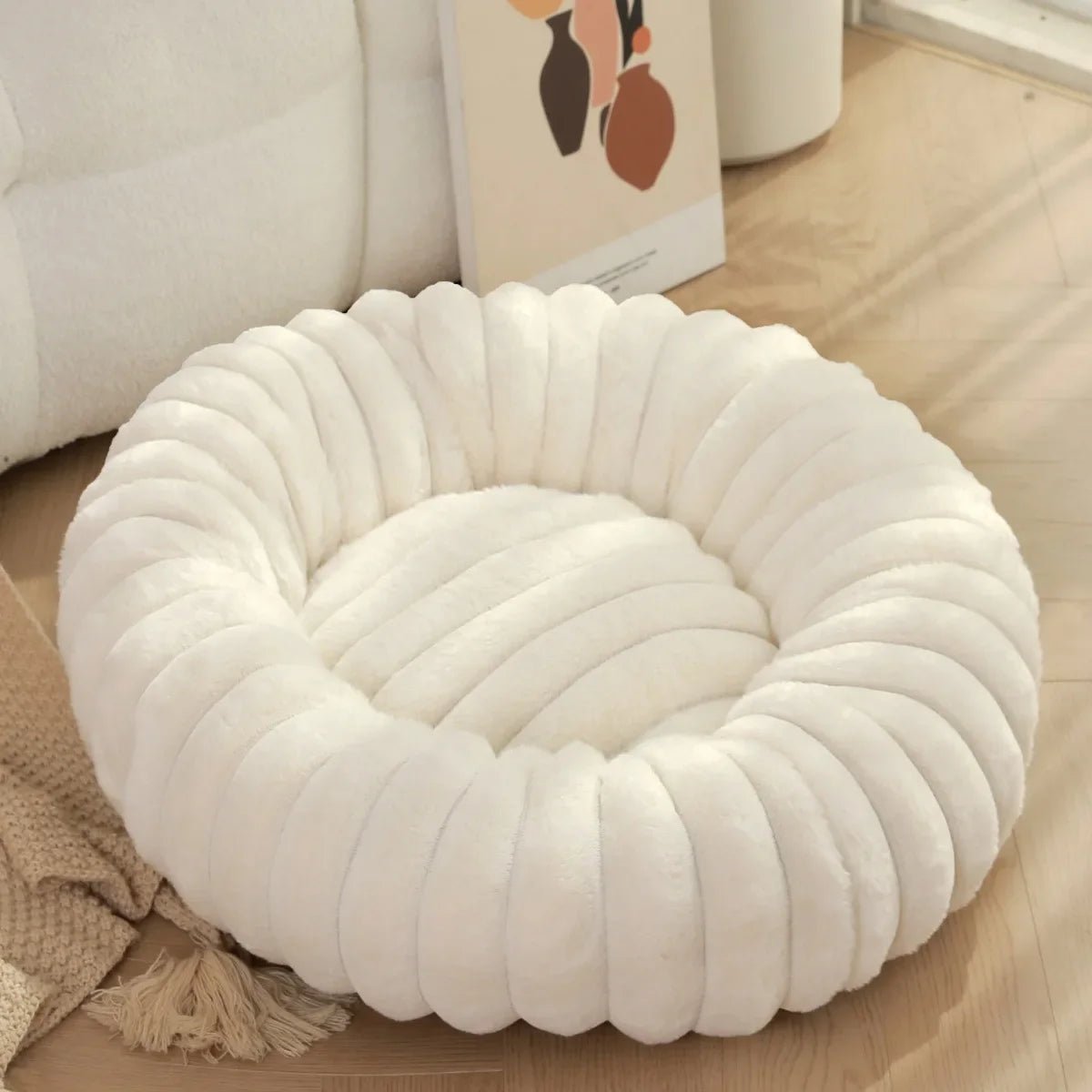
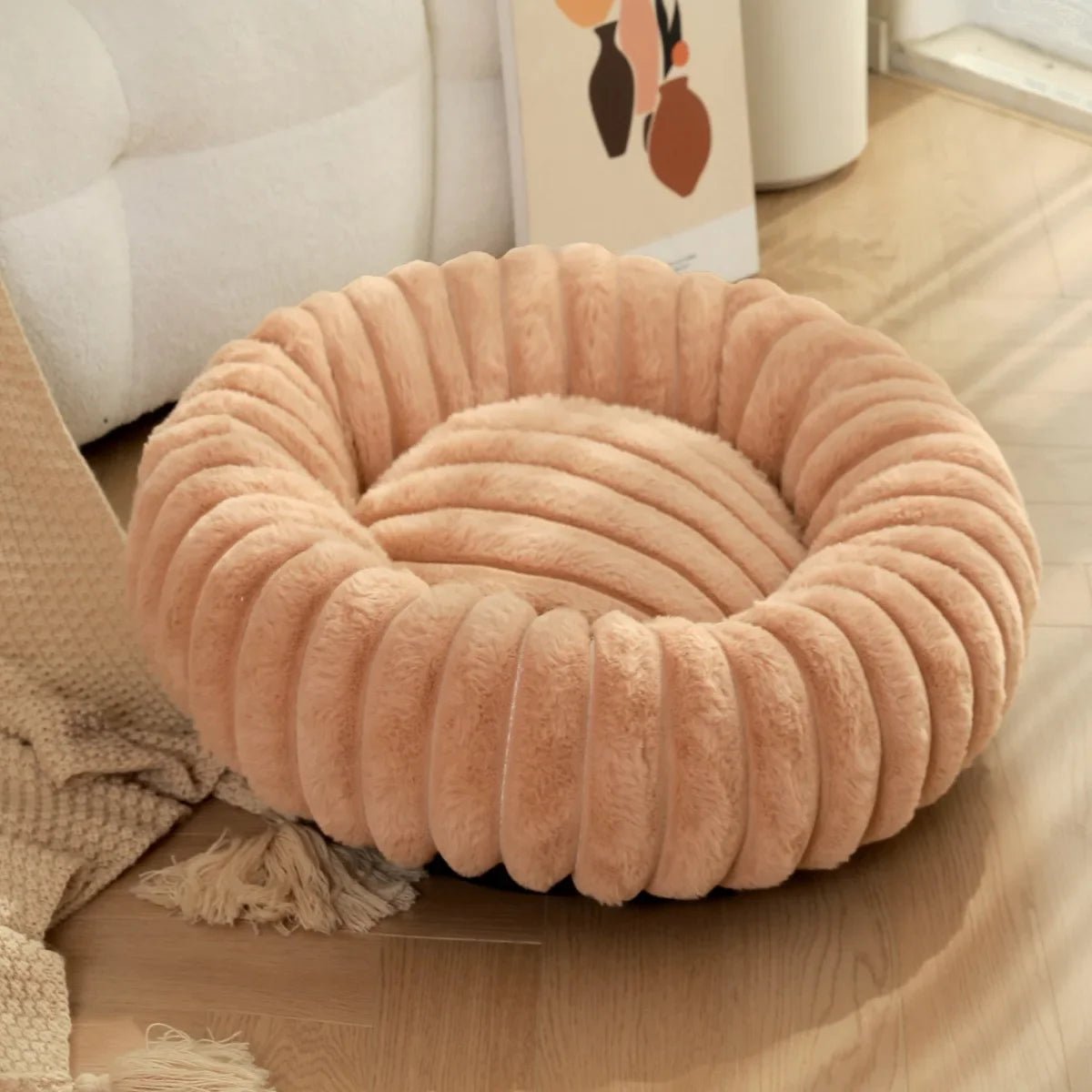
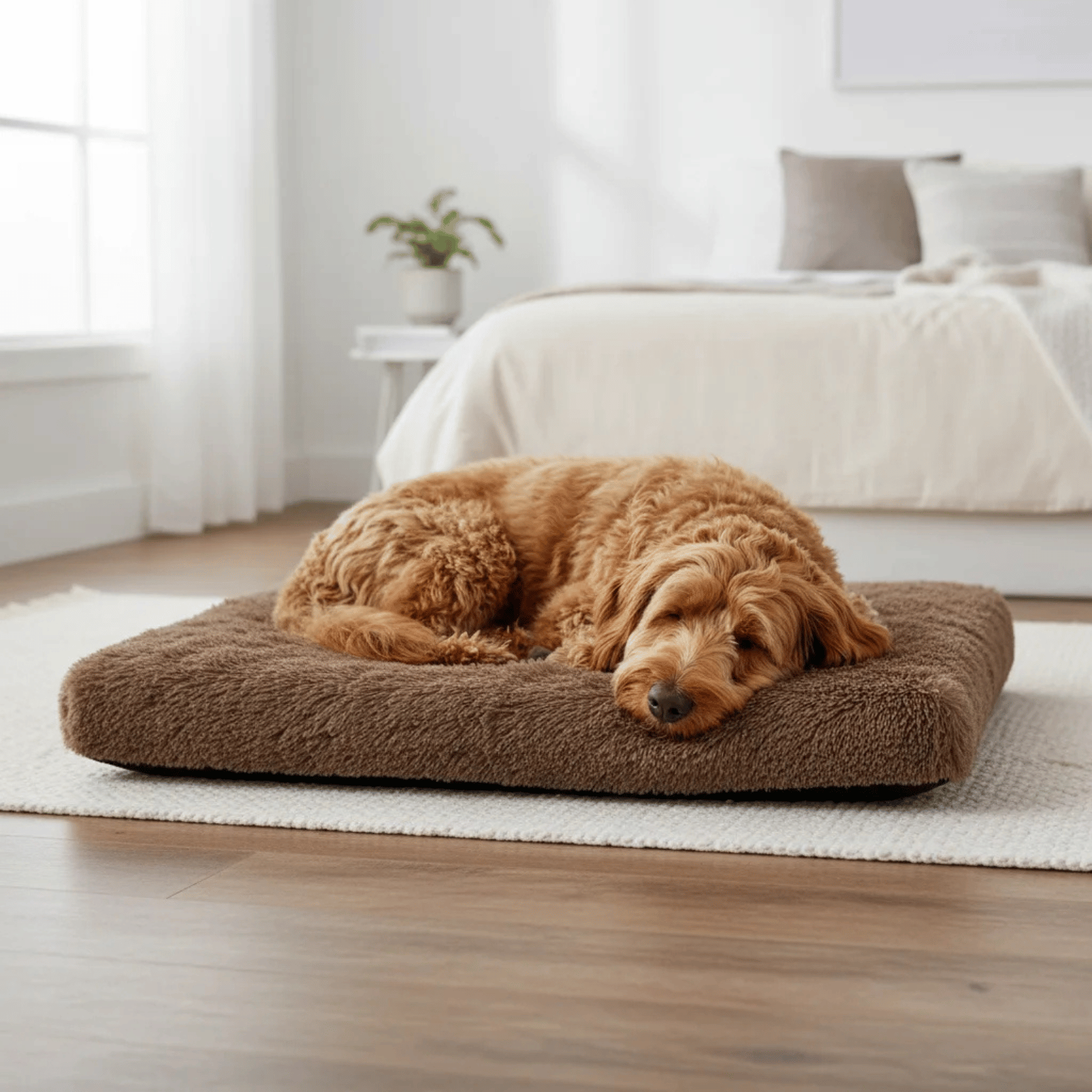
2. The Donut (Curled Up)
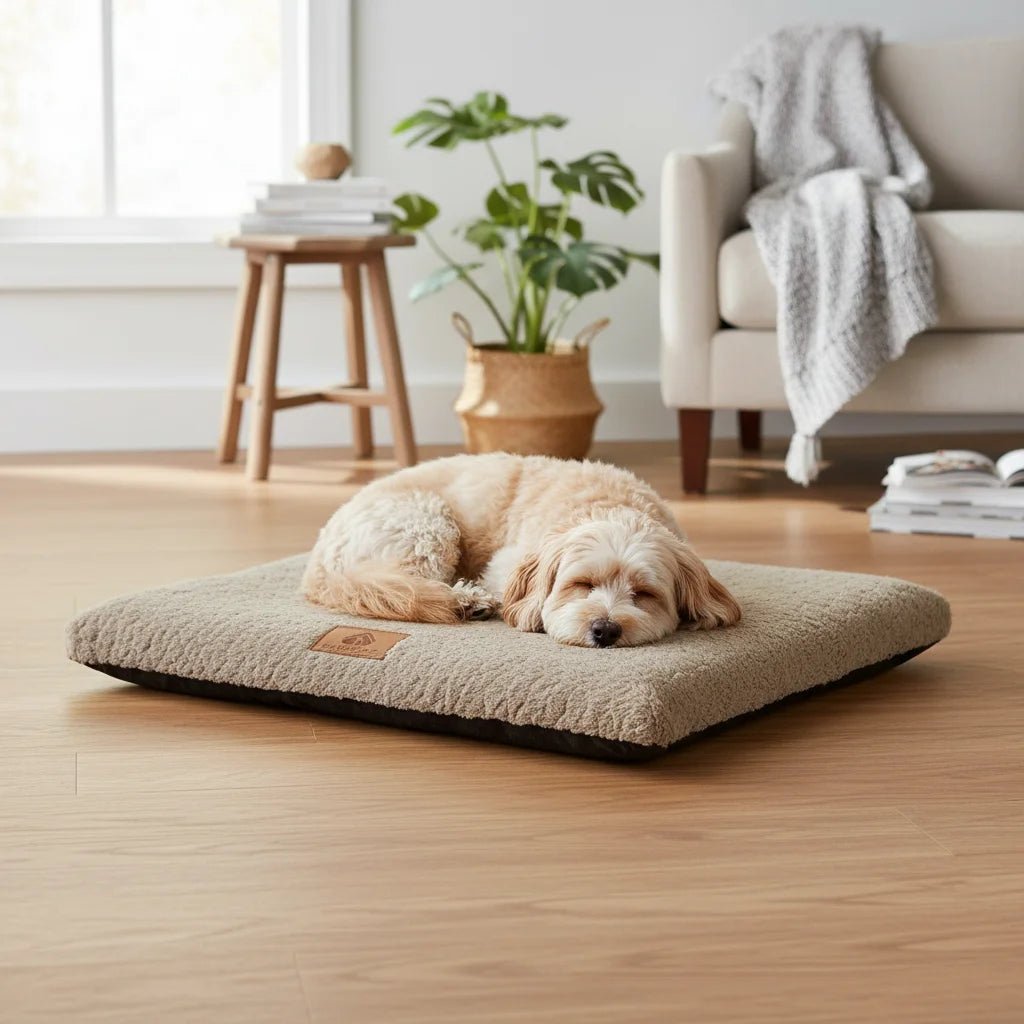
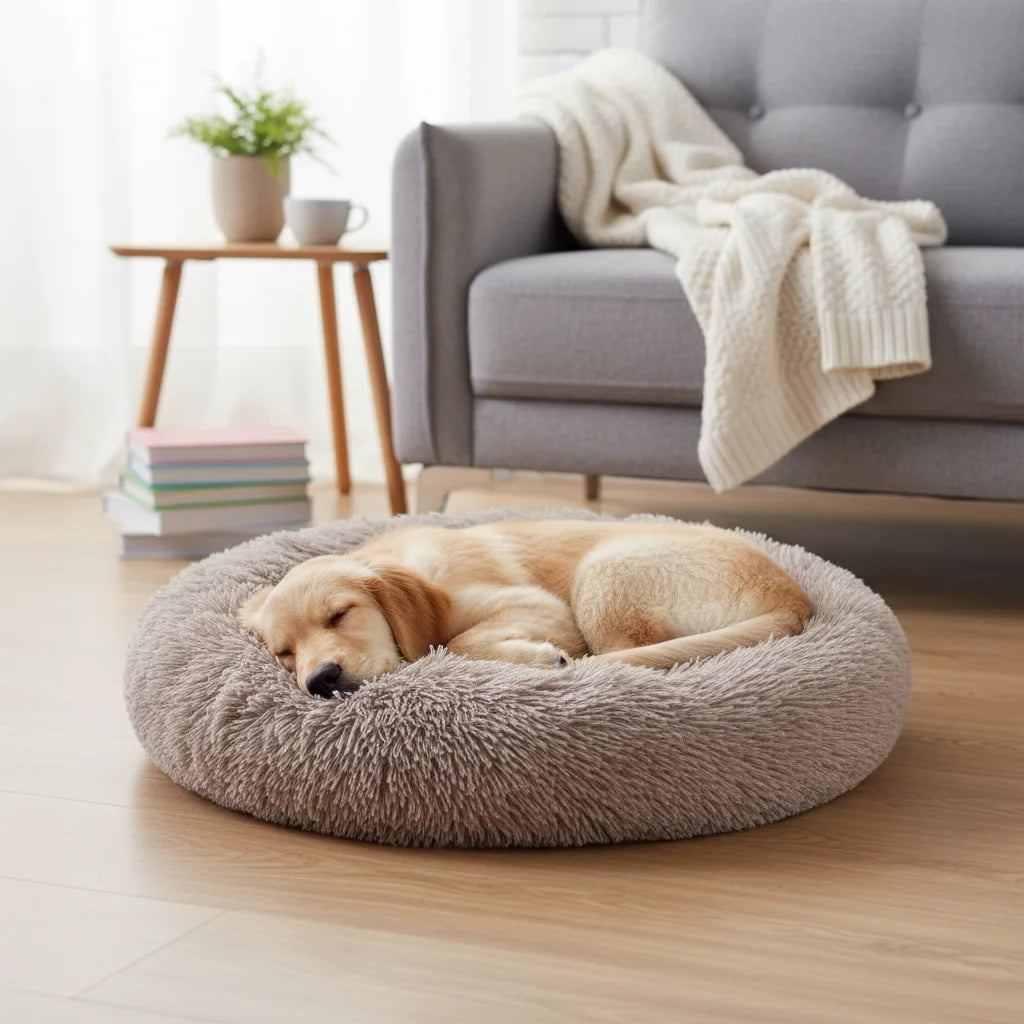
Tucked into a tight ball, paws folded underneath, tail wrapped around their body. Sometimes their nose almost touches their back legs, creating a neat little circle on the sofa. If your dog looks like a furry cinnamon roll, this is the one.
There's a reason your dog curls up this tightly, and it goes back further than you might think. It's pure instinct. Their wild ancestors slept this way to conserve body heat and protect their most vulnerable spots. Your dog doesn't need to worry about that on your living room floor, of course. But the instinct is still there, and on colder evenings, you'll notice it straight away.
It doesn't necessarily mean your dog is anxious. Many dogs simply find it cosy and settle in like this out of habit.
3. The Superman (Sploot)
Front legs stretched forward, back legs kicked out behind, belly flat on the floor. If you've ever seen a dog drop mid-play and fall asleep in seconds, this was probably it. Corgis and French Bulldogs are especially known for the sploot, but puppies of all breeds seem to love it.
A dog sleeping like this is tired but hasn't quite given up on the day. The pose keeps them ready to spring back into action the moment something interesting happens. One ear perk, one interesting sound, and they're off again. You know the type.
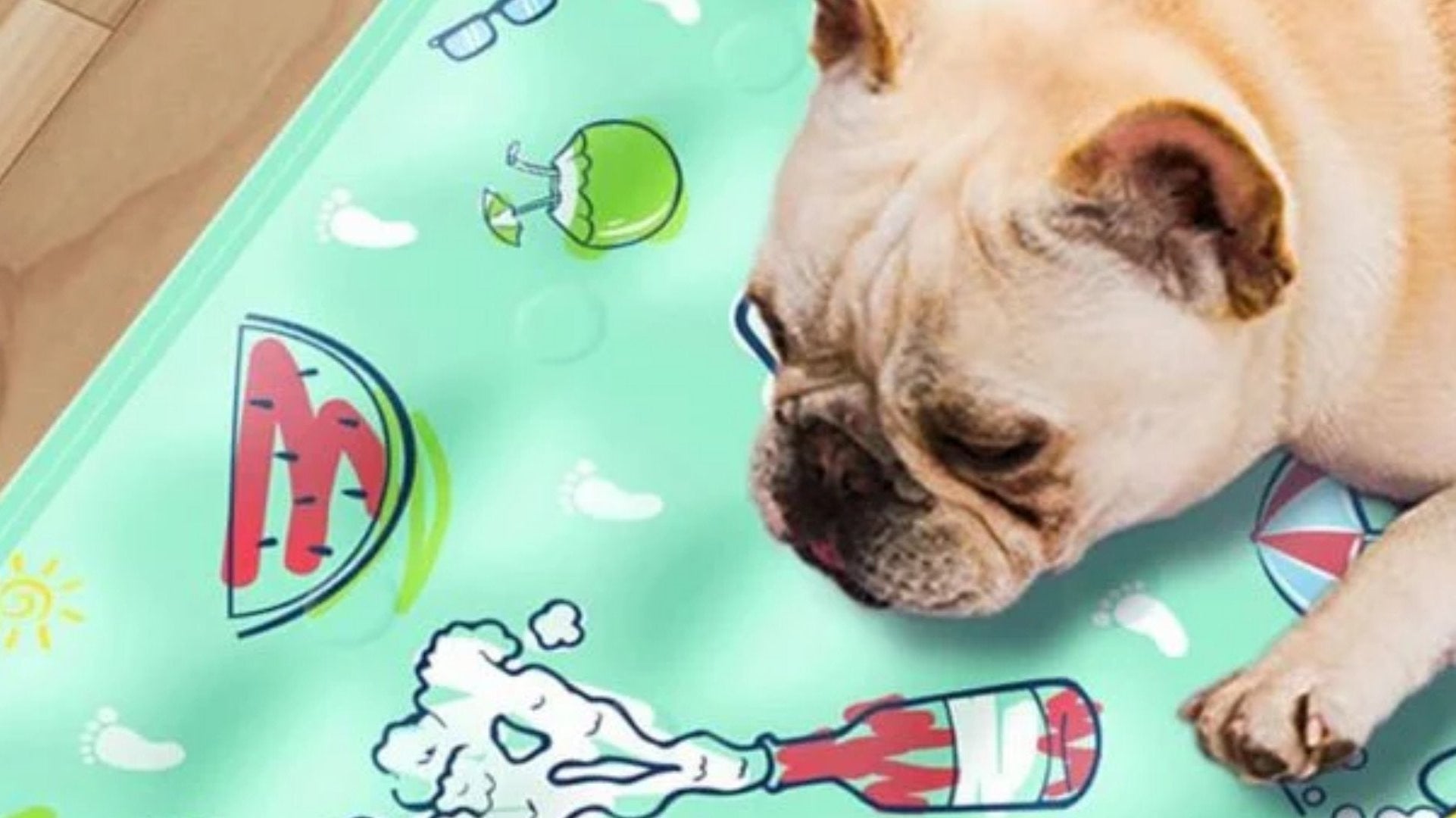
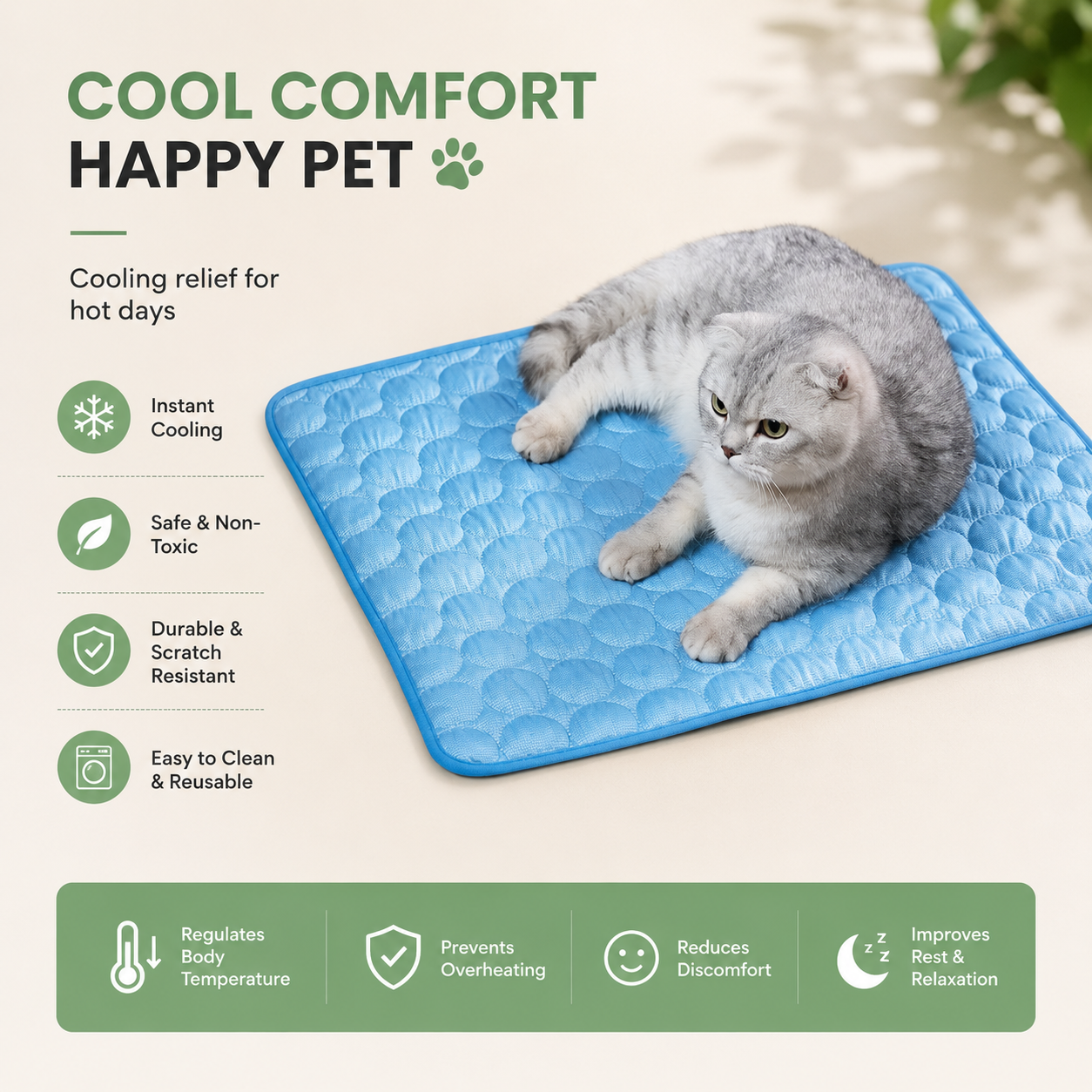
You might also notice your dog choosing cool surfaces like tiles or kitchen floors for this one, pressing their belly against the ground to cool down when it's warm.
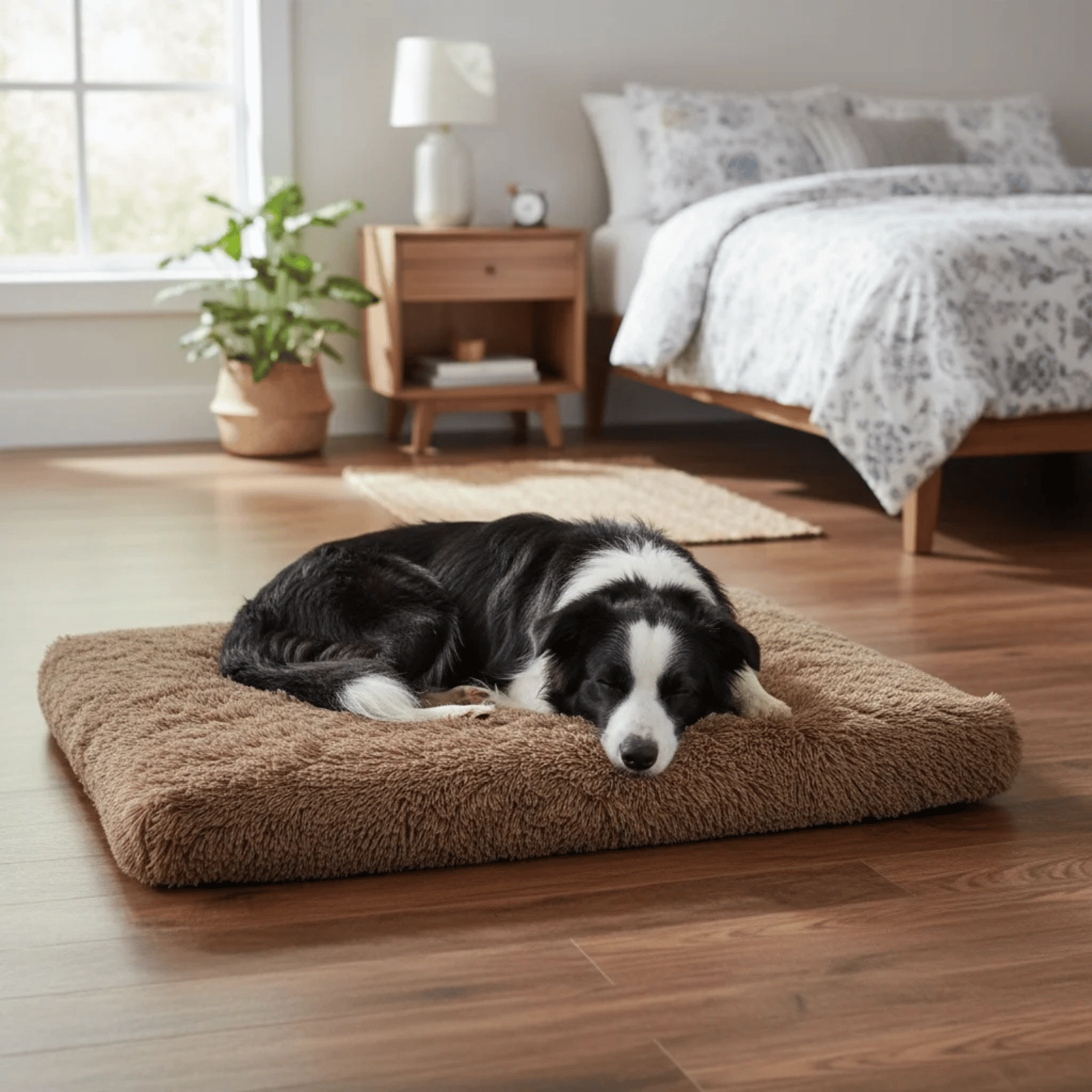
4. The Lion's Pose
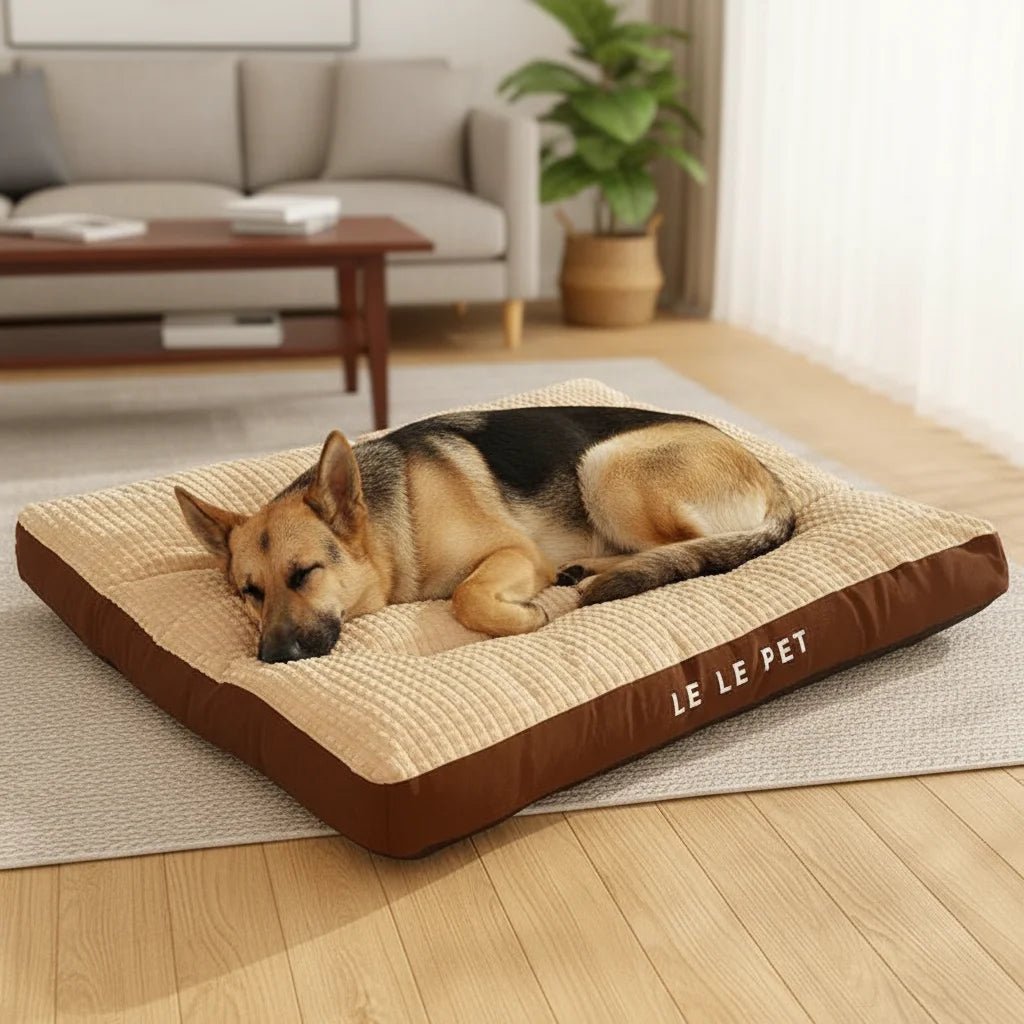
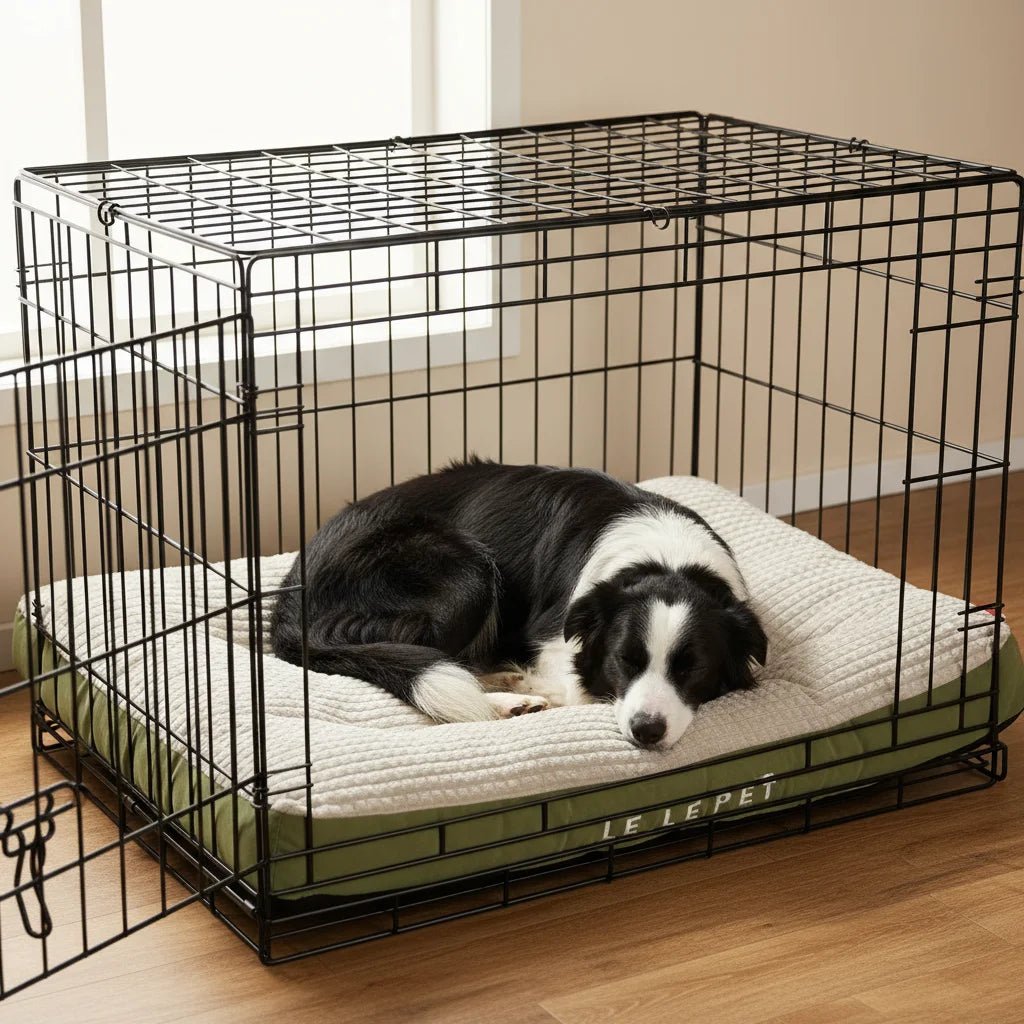
Head resting on top of their front paws, back legs tucked to one side. Your dog looks a bit like a regal statue guarding the entrance to a grand building. Border Collies and German Shepherds are particularly drawn to the lion's pose, and once you see it, you'll understand why the name fits.
Dogs in this position aren't in deep sleep. They're resting lightly and staying alert, ready to jump up at a moment's notice. You'll often find your dog dozing like this near the front door or at the foot of the sofa, keeping one ear open for anything worth investigating.
It's the classic pose for dogs who like to keep watch over their family, even while catching a quick nap. If your dog does this, you'll know exactly what we mean.
5. The Belly Up
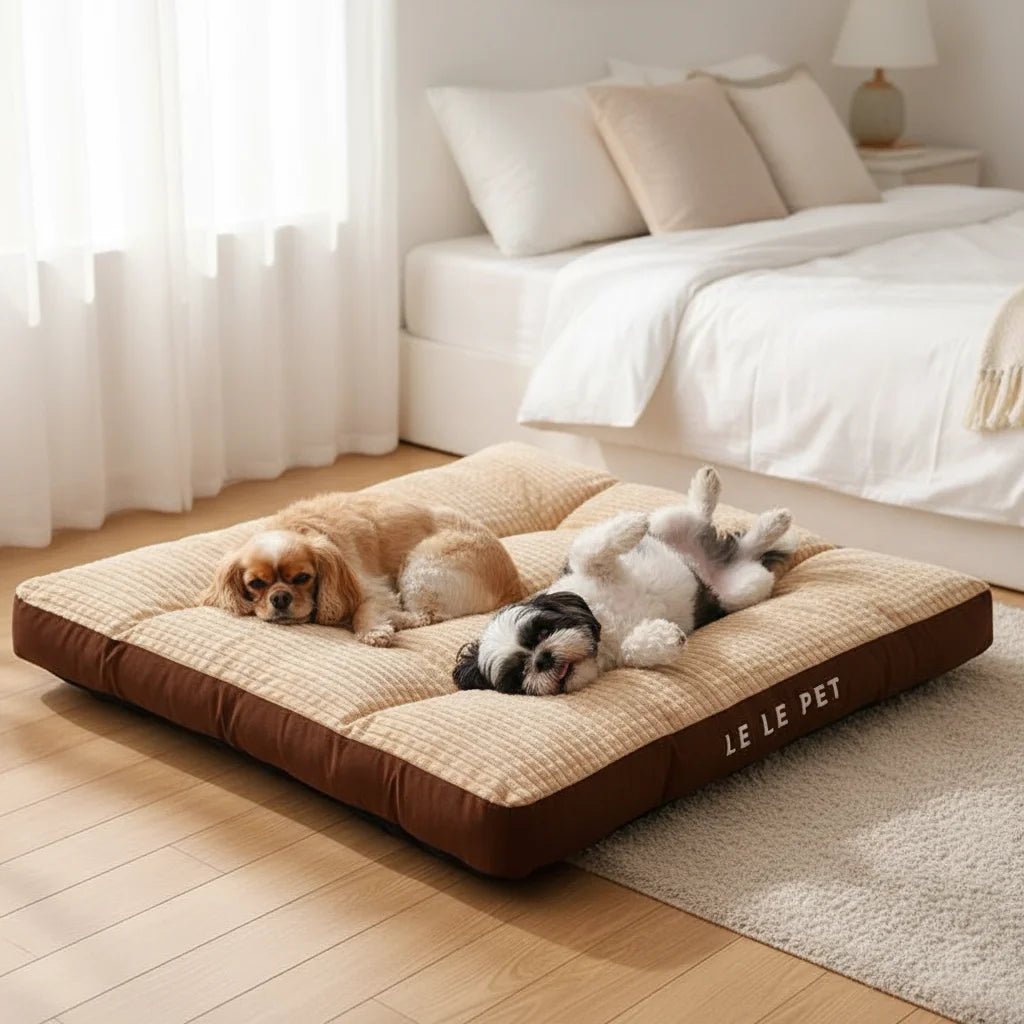
Legs in the air, belly fully exposed, looking wonderfully silly. It might seem uncomfortable to us, but for your dog, this is as relaxed as it gets. And yes, it really does look as ridiculous as you think.
The belly is the most vulnerable part of their body. Choosing to sleep with it fully exposed means your dog isn't worried about a thing. They trust you, they trust their environment, and they've switched off completely. Greyhounds and Whippets are particularly fond of this position.
It's also practical. The belly has thinner fur, so sleeping on their back allows heat to escape more easily. You'll see this one more often in warm weather or in a cosy, heated room.
6. The Cuddler
Some dogs just can't get close enough. Pressed up against you, another pet, or a favourite toy, with a paw draped over something or their head resting on your lap. You know the look.
This behaviour traces back to puppyhood, when sleeping in a pile with littermates meant safety and warmth. Your adult dog is doing the same thing. They're seeking closeness, comfort, and the reassurance of being near someone they trust.
If your dog regularly cuddles up to you at bedtime, they feel happiest and most secure right by your side. It's their way of saying you're part of the pack.
7. The Burrower
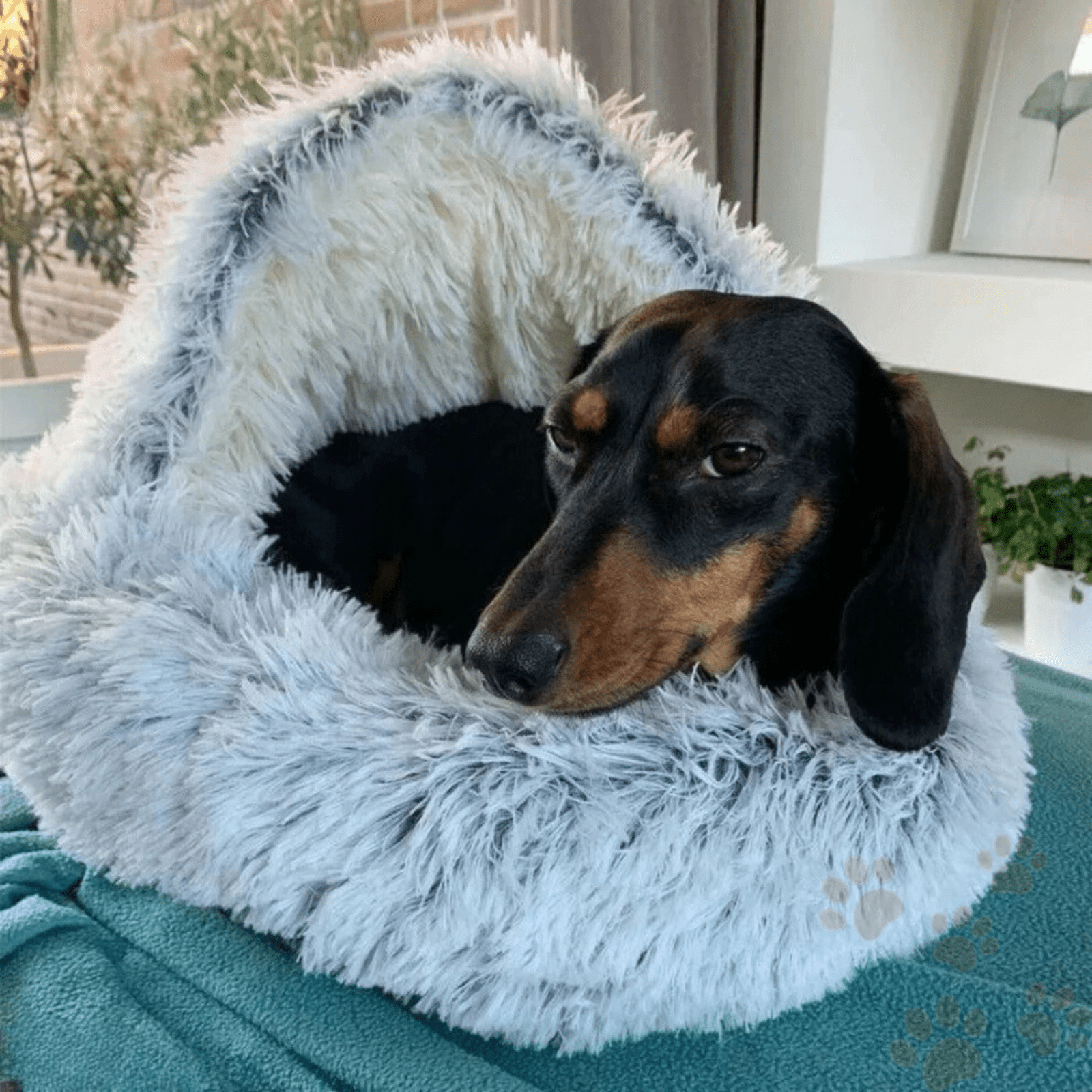
You can't find your dog anywhere, and then you spot a suspicious lump under a blanket, a pile of cushions, or that jumper you left on the chair. Dachshunds and terrier breeds are the usual suspects here, thanks to their history of digging and burrowing underground.
Burrowing is a comfort-seeking behaviour. Your dog is creating a little den for themselves, a safe, enclosed space where they can fully switch off. It can also be a way to self-soothe, particularly for dogs who are a bit more sensitive to noise or changes around the house.
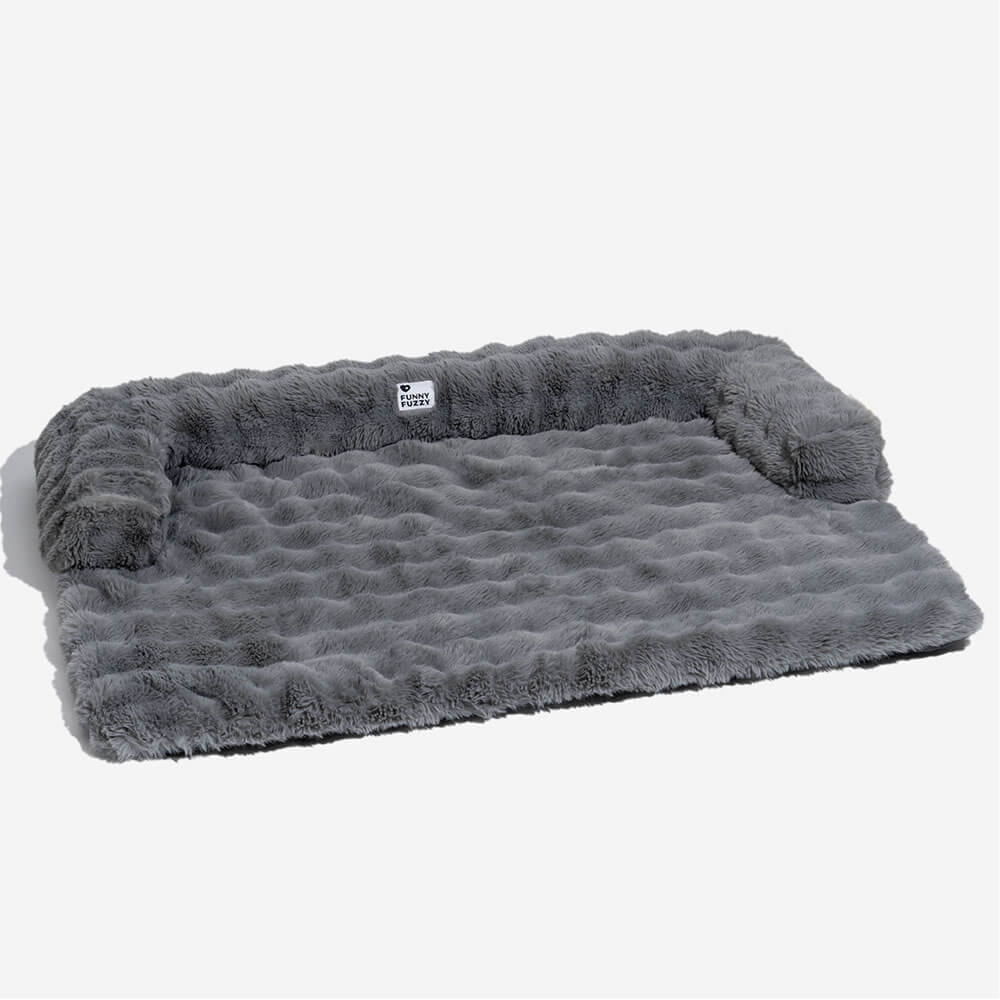
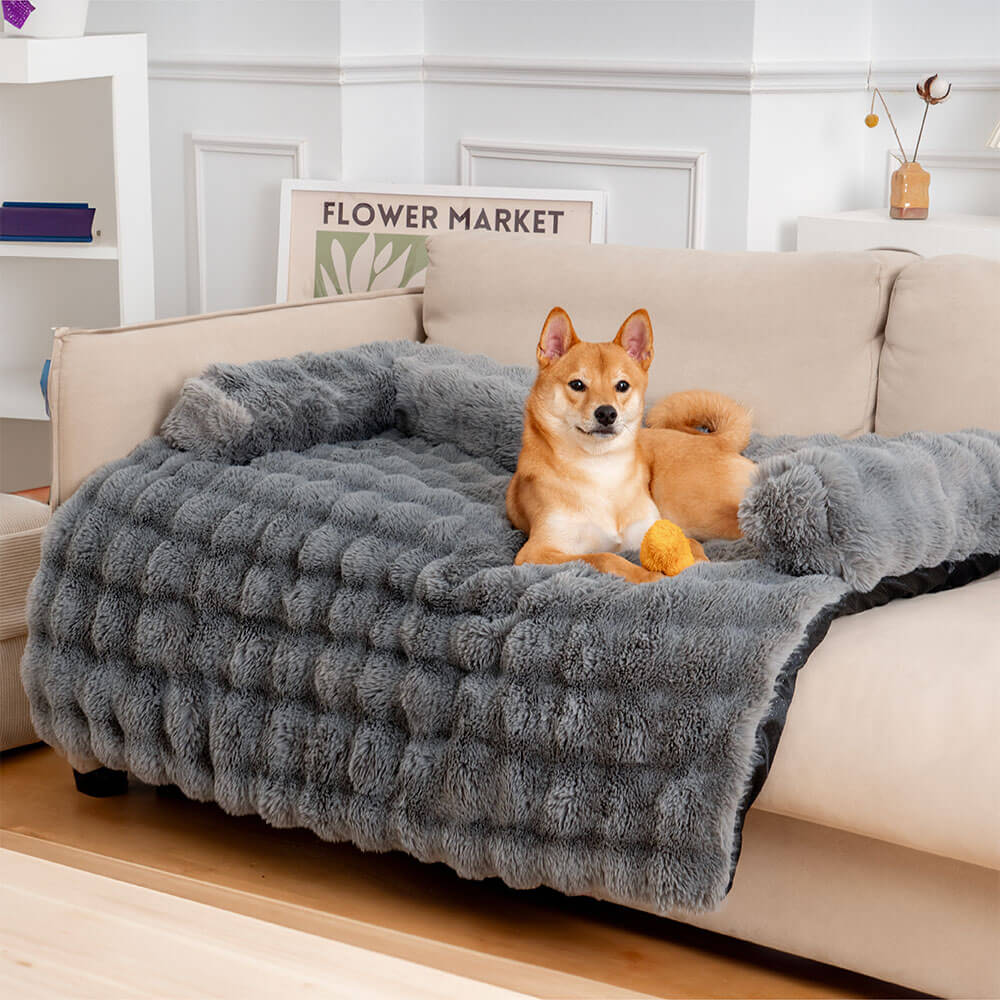
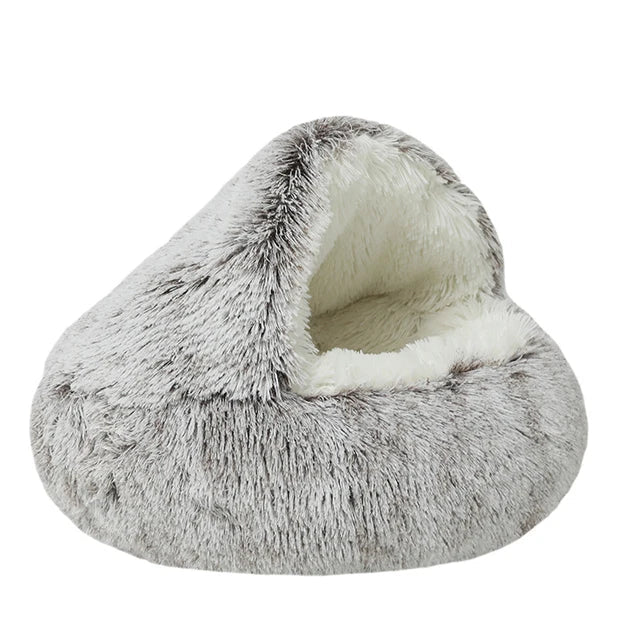
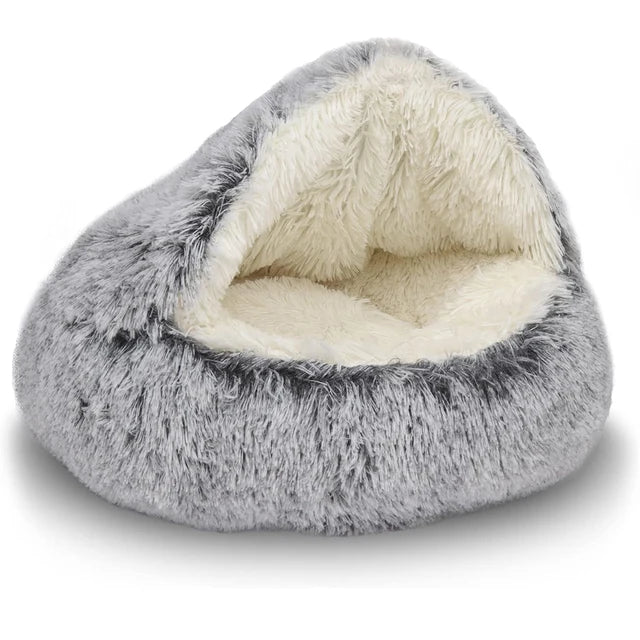
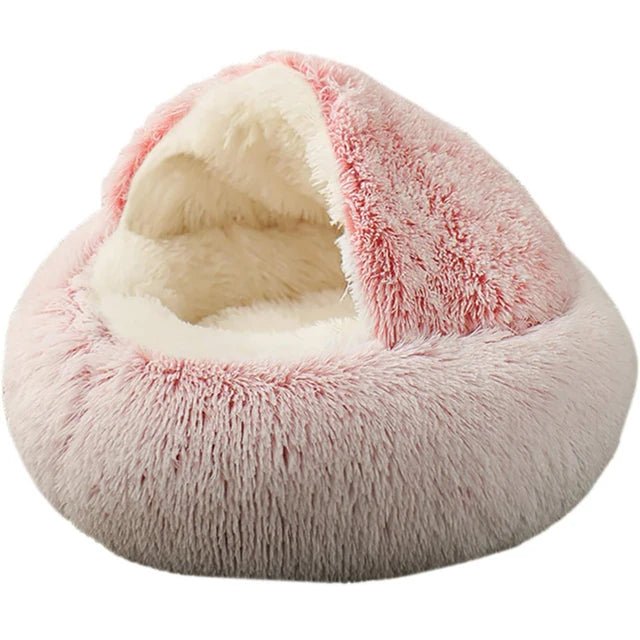
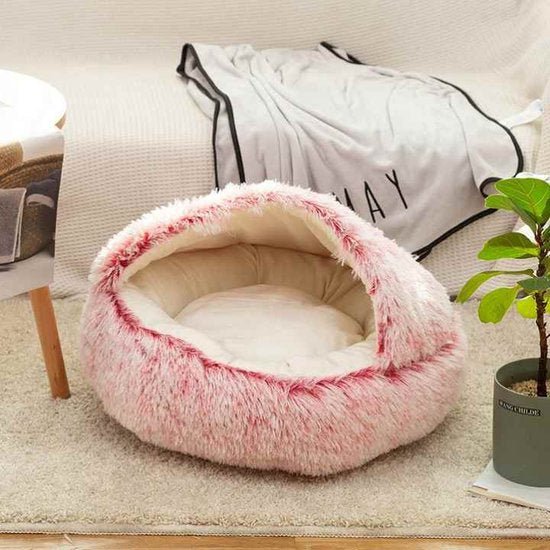
If your dog is a burrower, a soft blanket or a bed with raised edges can make all the difference. Give them something to tuck into, and watch how quickly they settle.
8. Back to Back
Instead of facing you, your dog presses their back against yours, or against another pet. No eye contact, no checking in. Just quiet, comfortable closeness.
In the animal world, turning your back to someone is a significant gesture. Your dog feels comfortable enough that they don't need to watch you. They're not on guard. They're simply at ease, and they want to be near you while they rest.
You'll often see this between dogs who have a close relationship, or between a dog and the person they feel most connected to. It's one of the subtlest signs of real trust.
9. Head and Neck Raised
In this sleeping position, your dog rests with their head propped up on the arm of the sofa, a cushion, or the edge of their bed. The head and neck stay elevated while the rest of their body relaxes.
For many dogs, this is simply comfortable. But it's worth being aware that some dogs sleep with their head raised because it helps them breathe more easily. Brachycephalic breeds like Bulldogs and Pugs may naturally prefer this position to keep their airways open.
If your dog suddenly starts sleeping with their head elevated when they didn't before, or if their breathing sounds heavier than usual, have a conversation with your vet. Better to check and be reassured than to let something go unnoticed.
10. Sleeping With Their Owner
At the foot of the bed, right next to your pillow, or sprawled across your legs taking up far more space than any dog that size should. Many dogs choose to sleep as close to their owner as possible, and it's one of the questions pet owners ask about most.
Your dog is seeking security, warmth, and companionship. Your presence helps them relax into a deeper, more restful sleep. It's also a bonding behaviour that strengthens the connection between you over time.
Some dogs need to be physically touching you. Others are happy just being in the same room. Both are signs that your dog feels safe and settled with you. And let's be honest, few things feel quite as good as knowing your dog chose to sleep right there, next to you.
Dog Sleeping Positions Chart
All ten dog sleeping positions and their meaning in one overview. Handy to come back to if you notice your dog switching positions or trying something new.
|
Position |
What it looks like |
What it means |
|
Side Sleeper |
Lying on their side, legs extended |
Relaxed, safe, deep sleep |
|
Donut |
Curled in a tight ball, tail wrapped around |
Seeking warmth or protection |
|
Superman |
Belly down, all four legs stretched out |
Tired but ready to play |
|
Lion's Pose |
Head resting on front paws |
Resting lightly, staying alert |
|
Belly Up |
On their back, legs in the air |
Trust and relaxation |
|
Cuddler |
Pressed against you or another pet |
Seeking closeness and comfort |
|
Burrower |
Hidden under blankets or cushions |
Comfort-seeking, sensitive |
|
Back to Back |
Back pressed against you or another dog |
Trust and bonding |
|
Head Raised |
Head propped up on a surface |
Comfortable, or easing breathing |
|
With Owner |
Sleeping close to or touching you |
Security, warmth, companionship |
How to Help Your Dog Get the Best Sleep
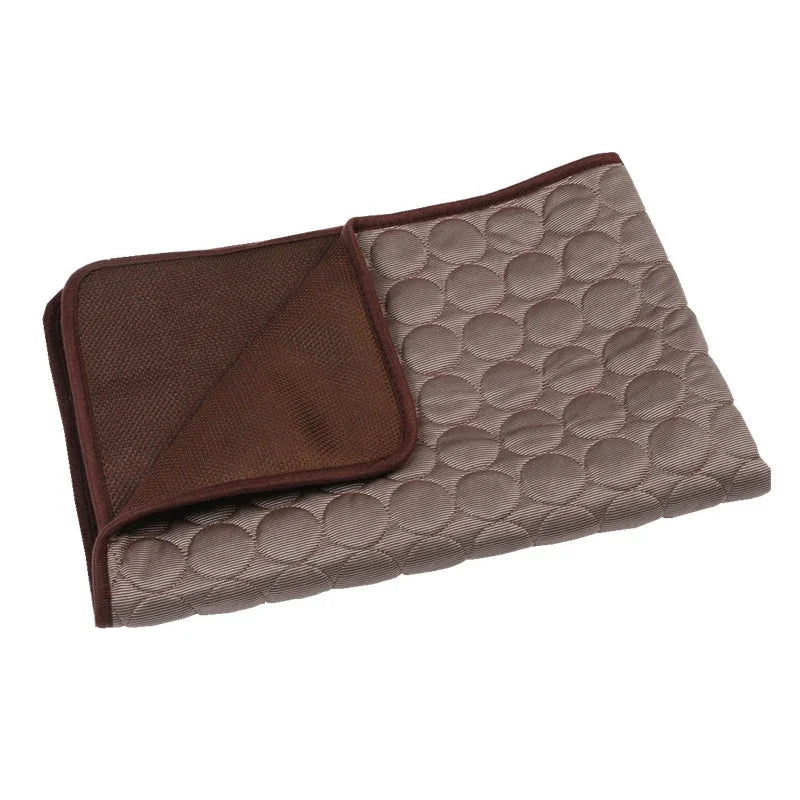
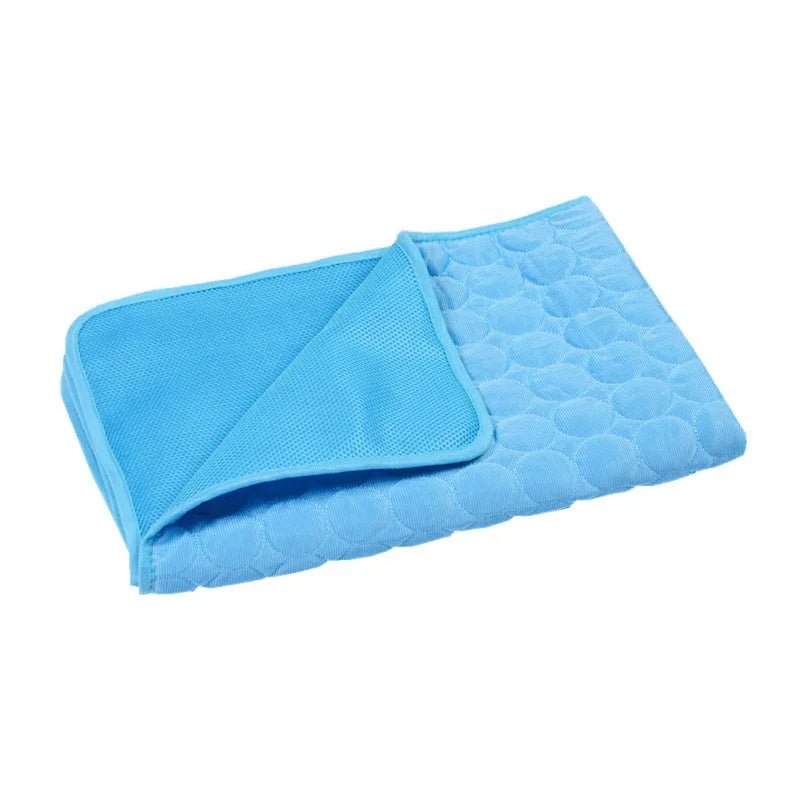
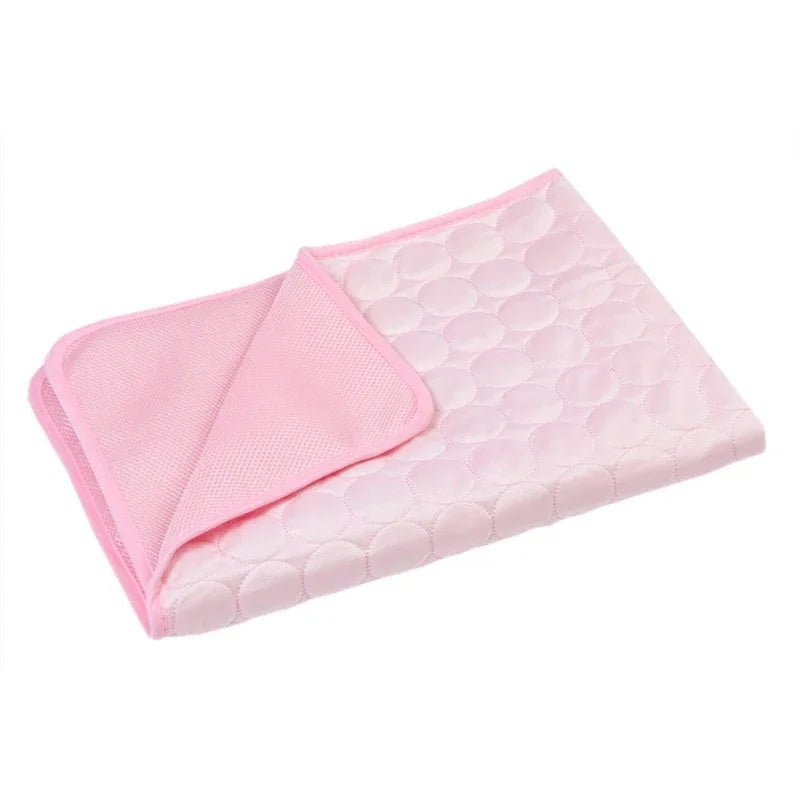
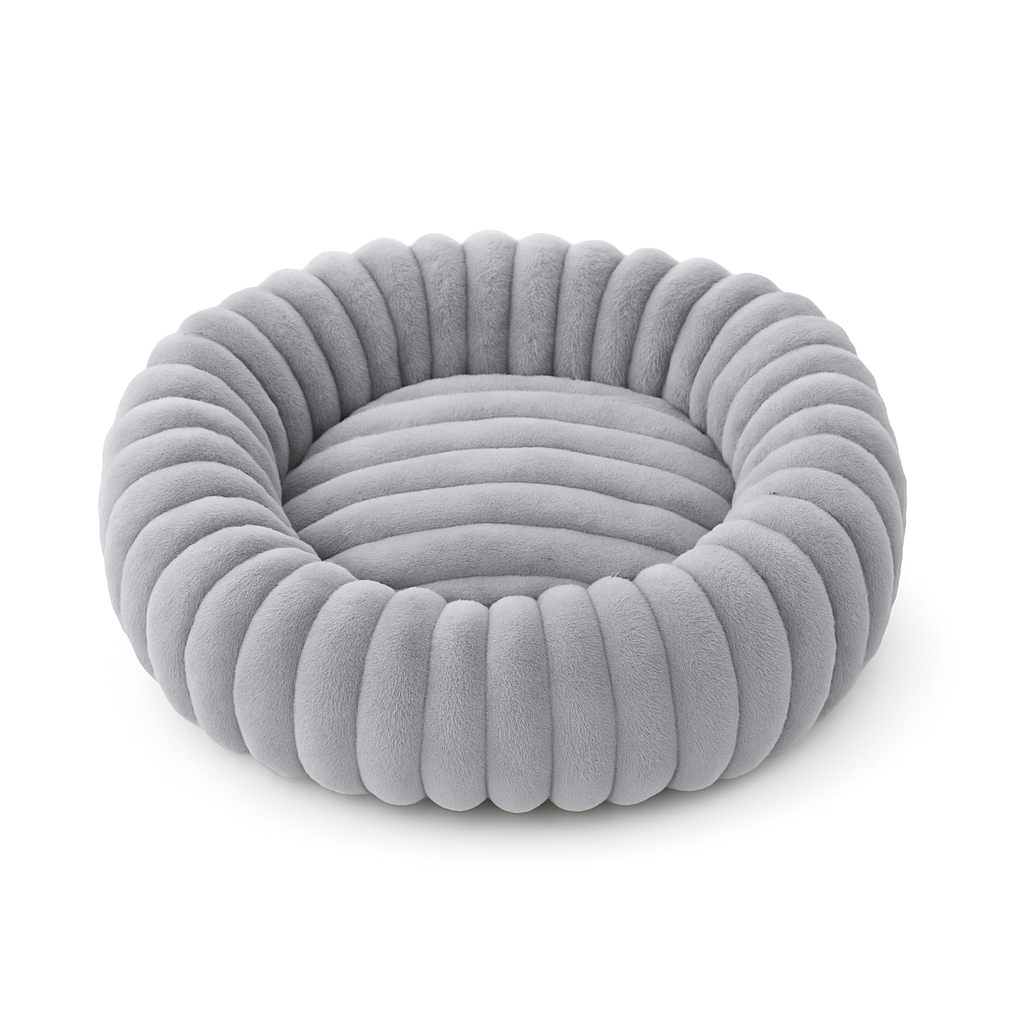
Your dog's sleeping position tells you what they need, so use it. The right bed makes a real difference.
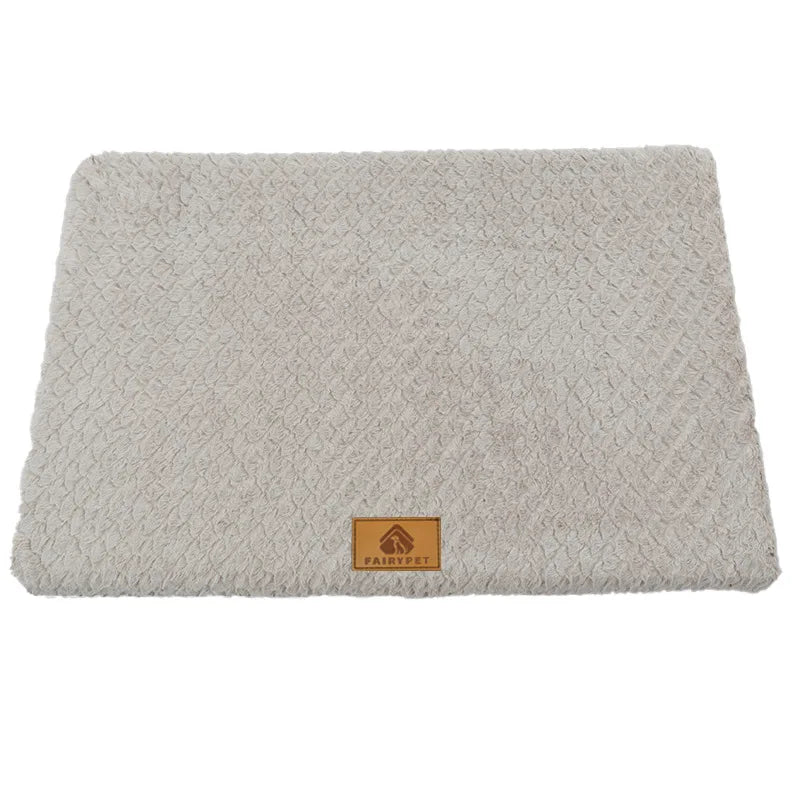
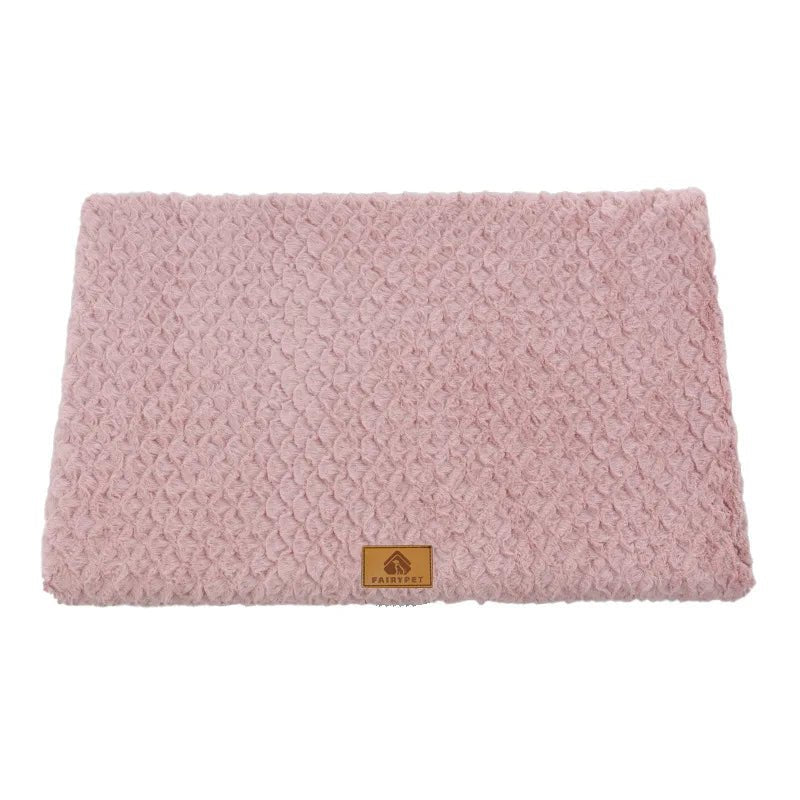
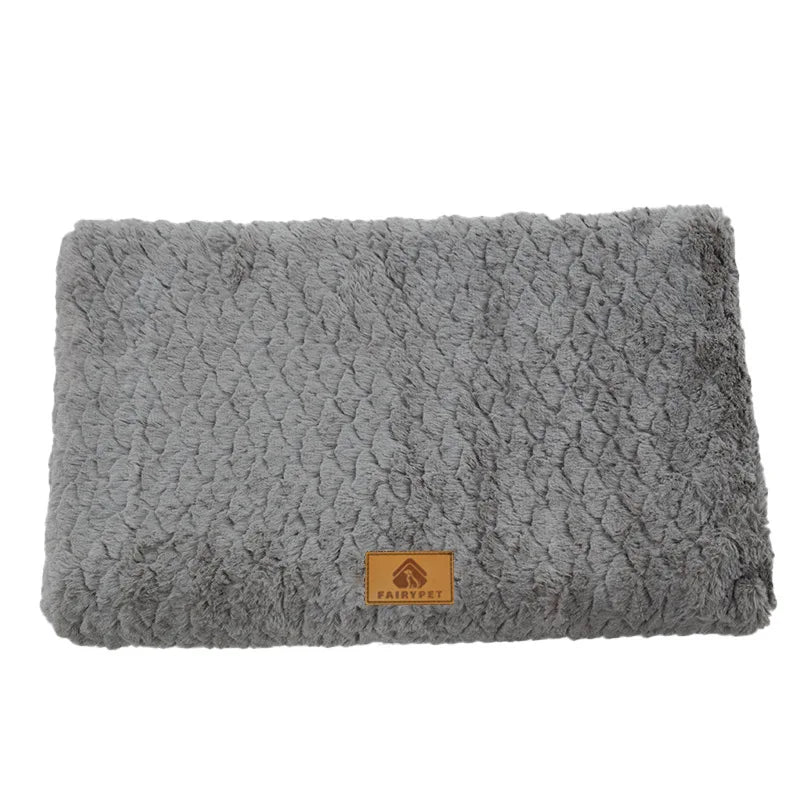
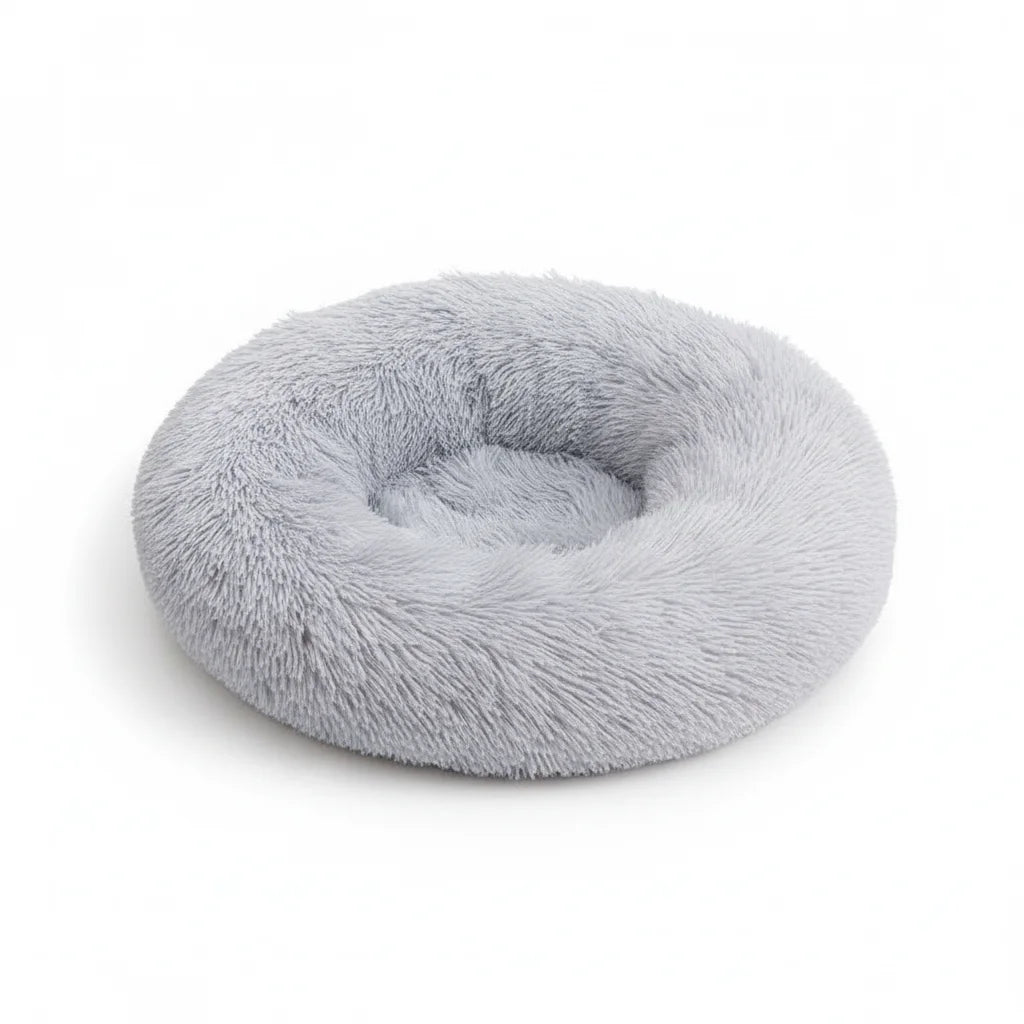
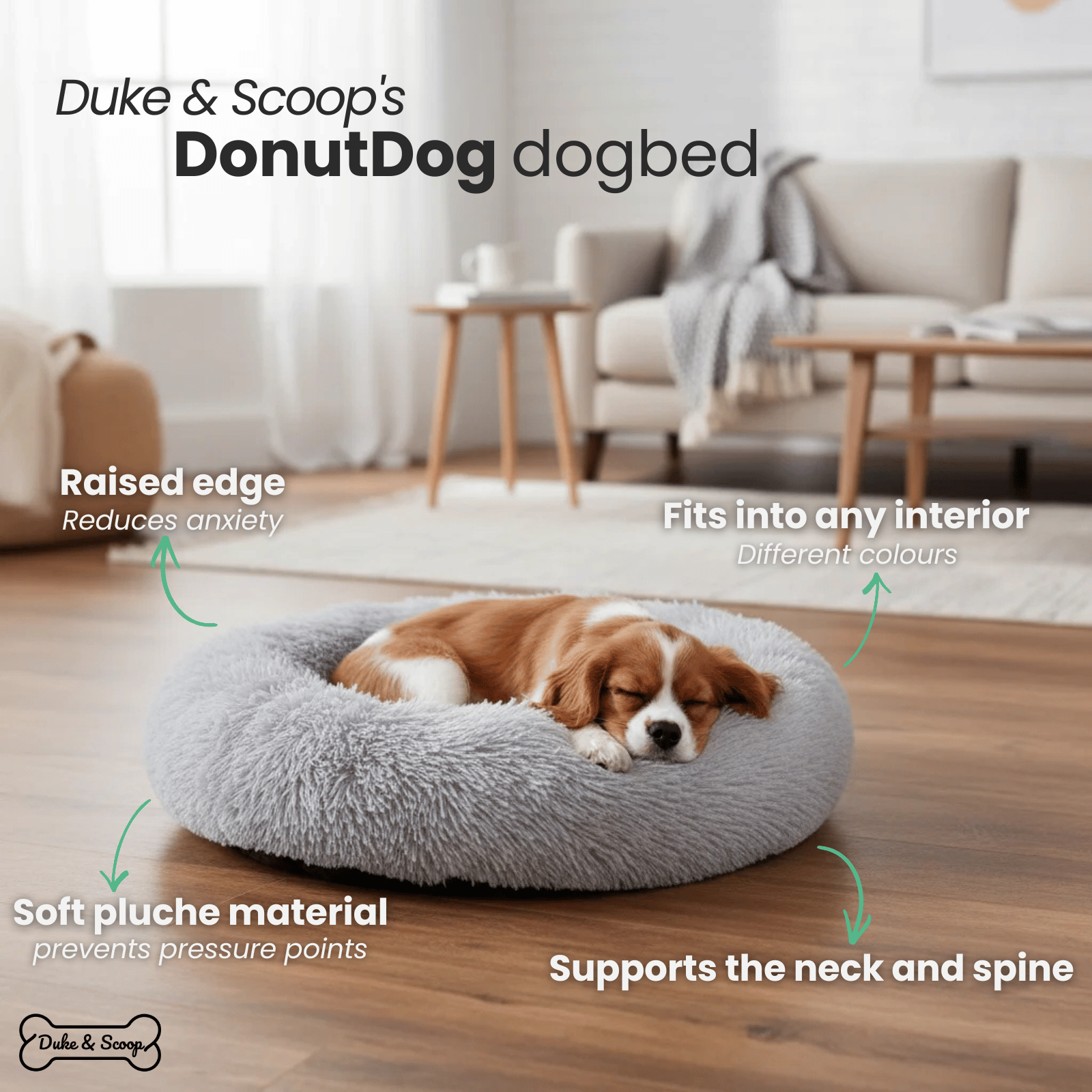
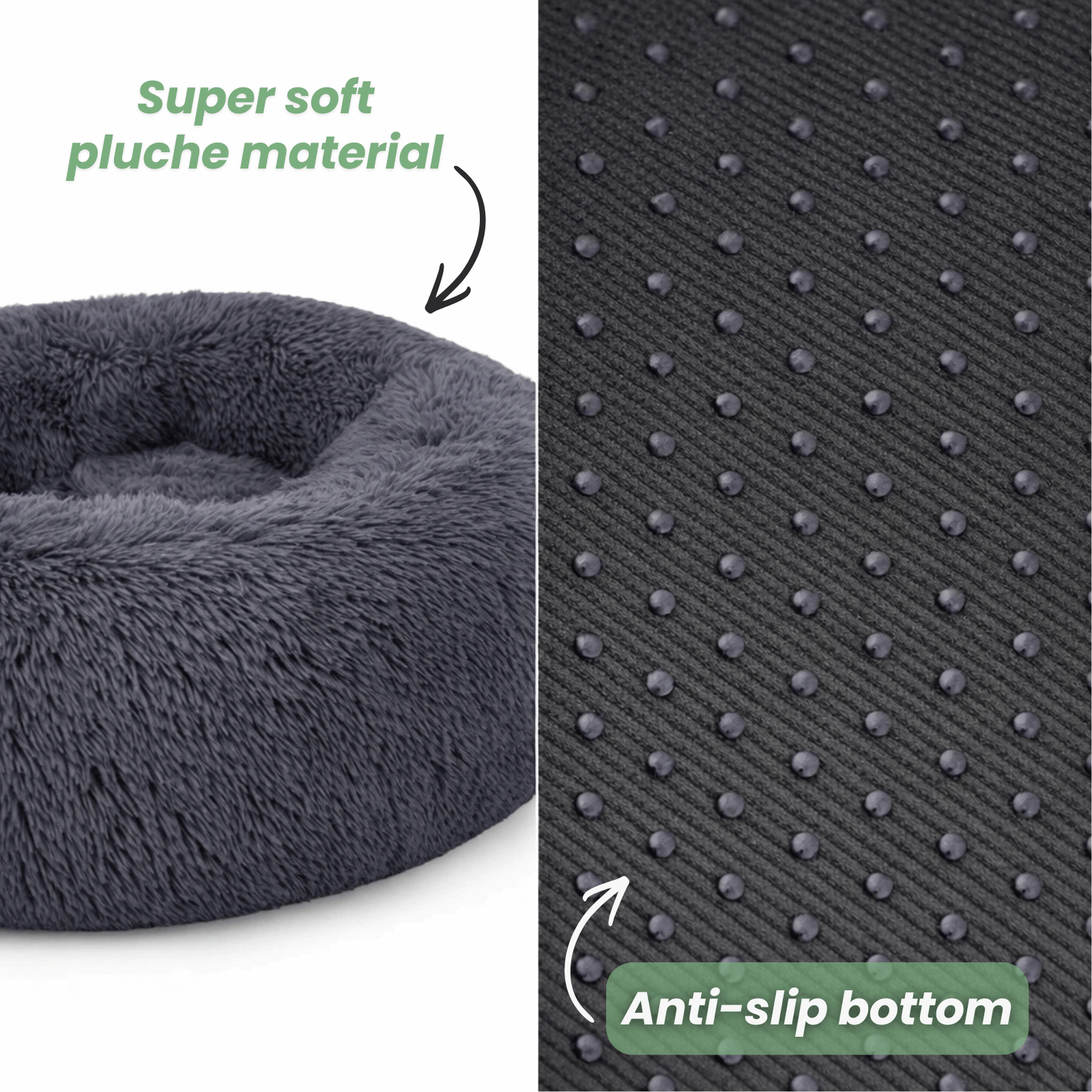
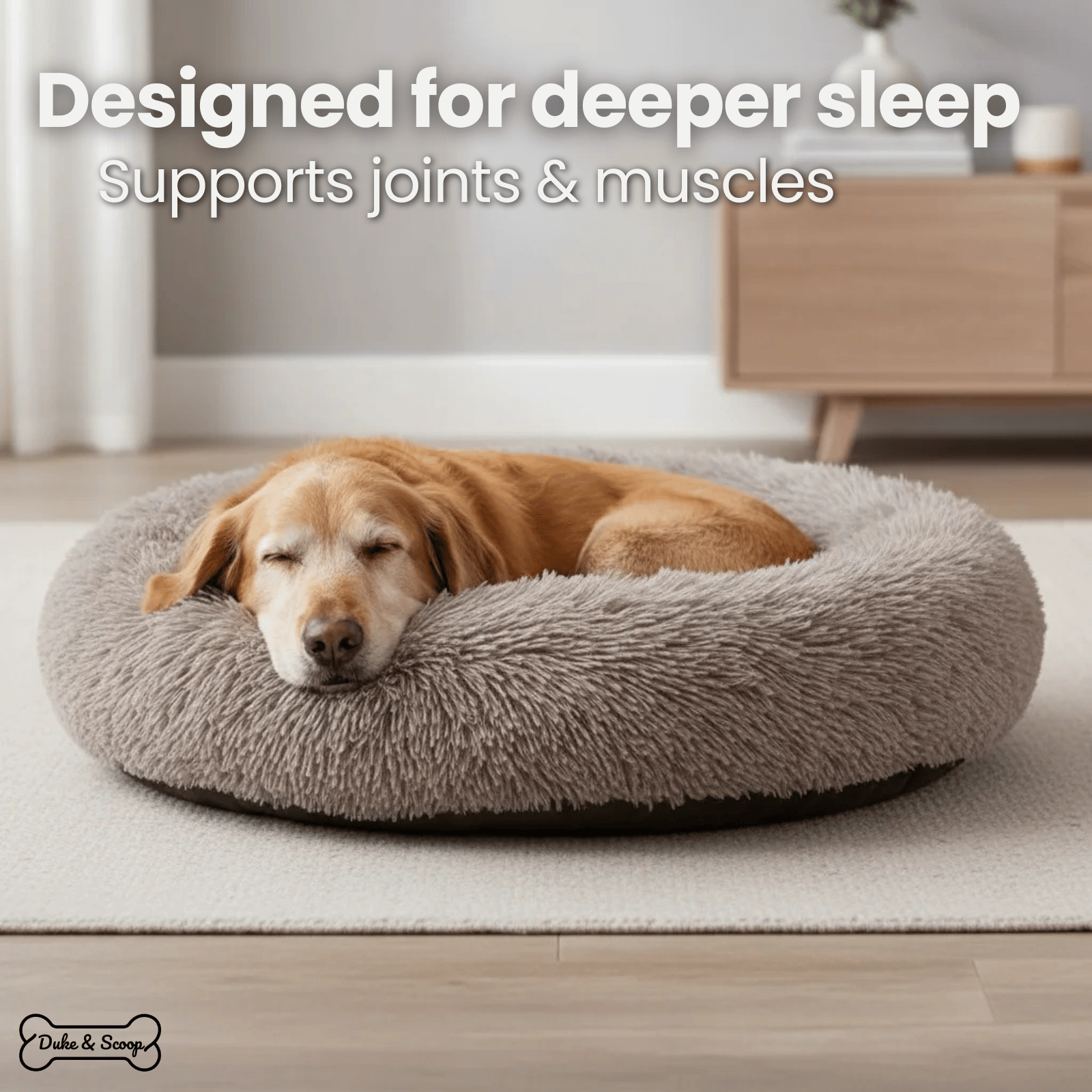
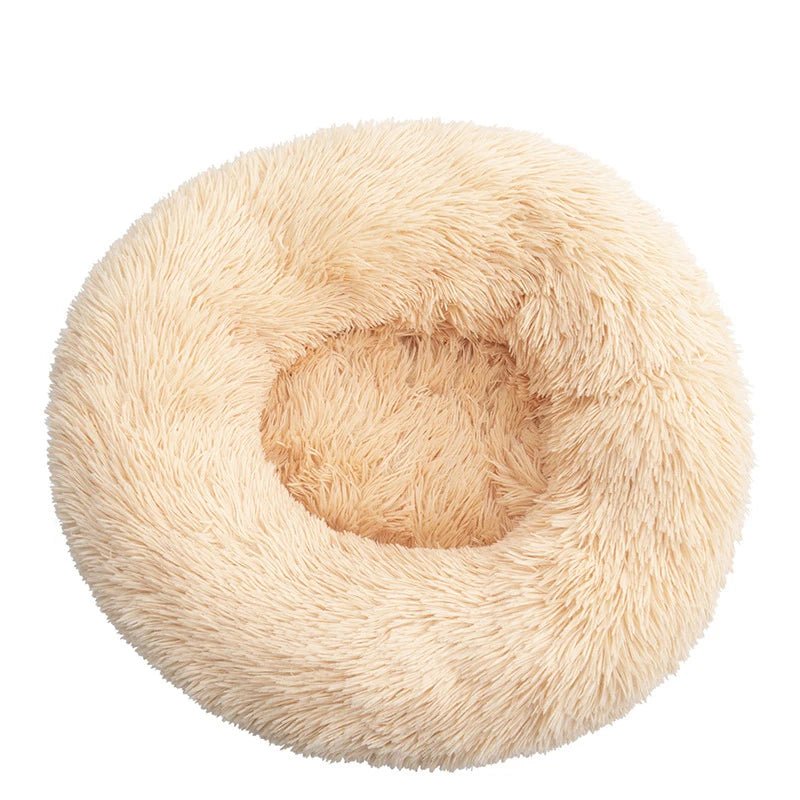
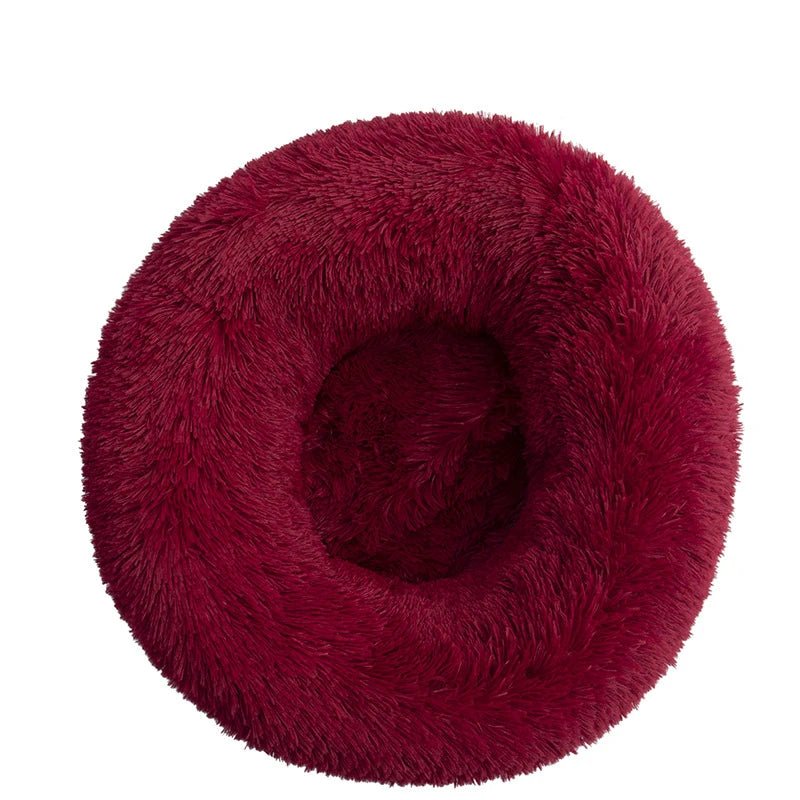
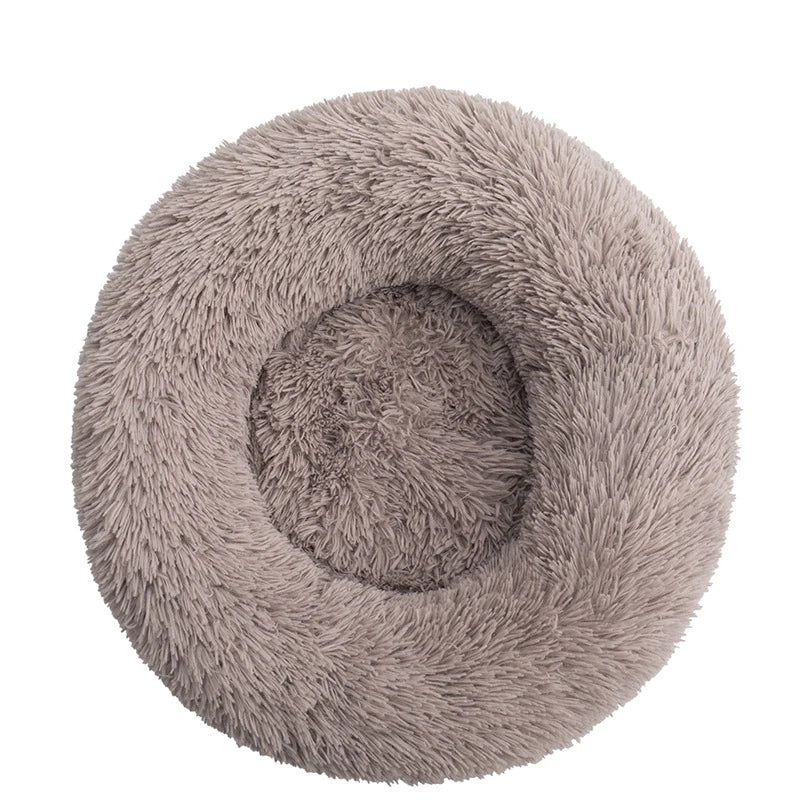
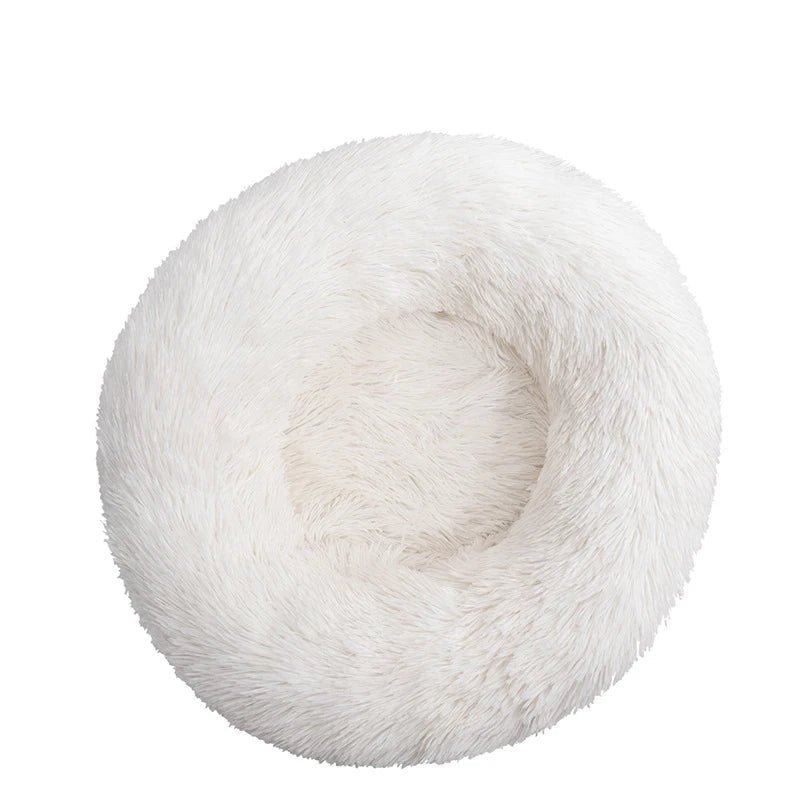
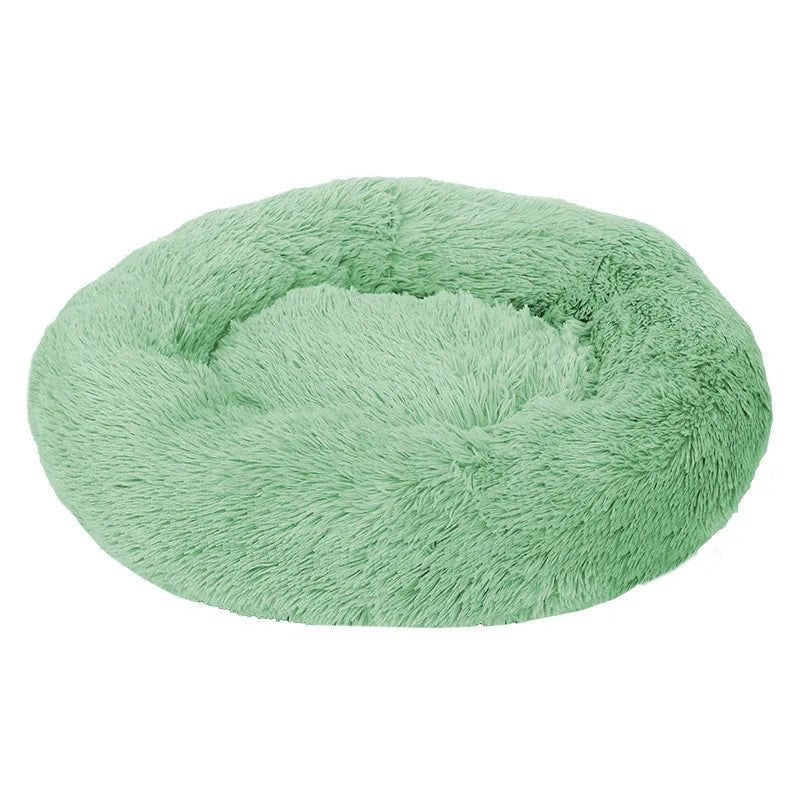
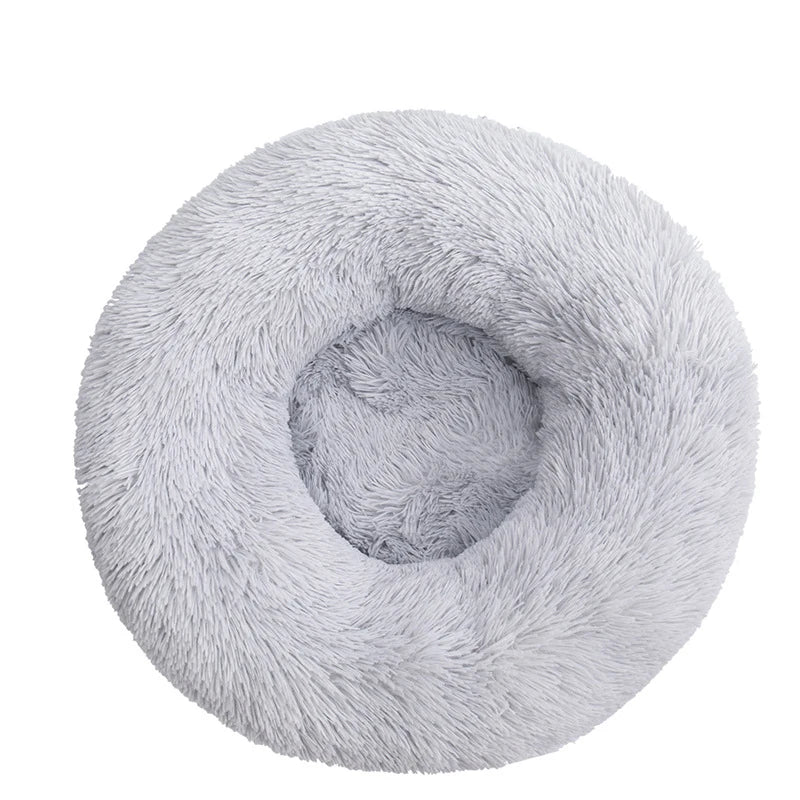
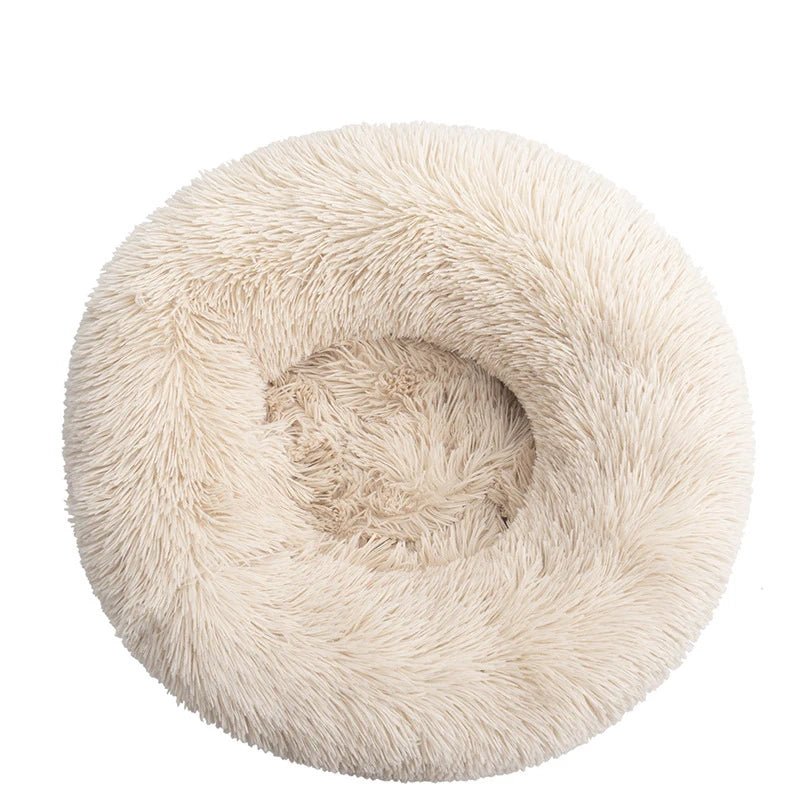
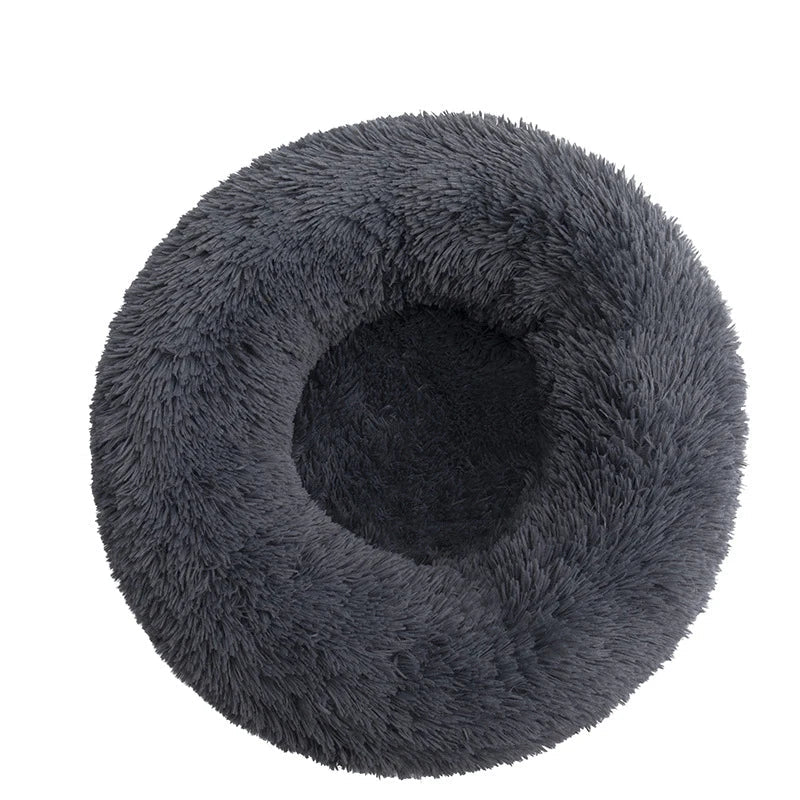
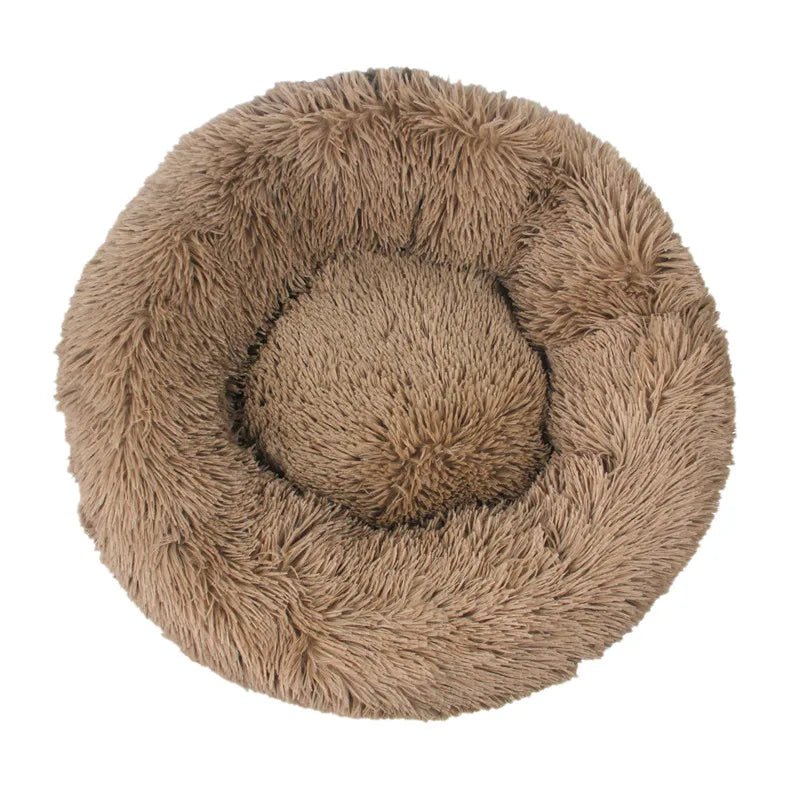
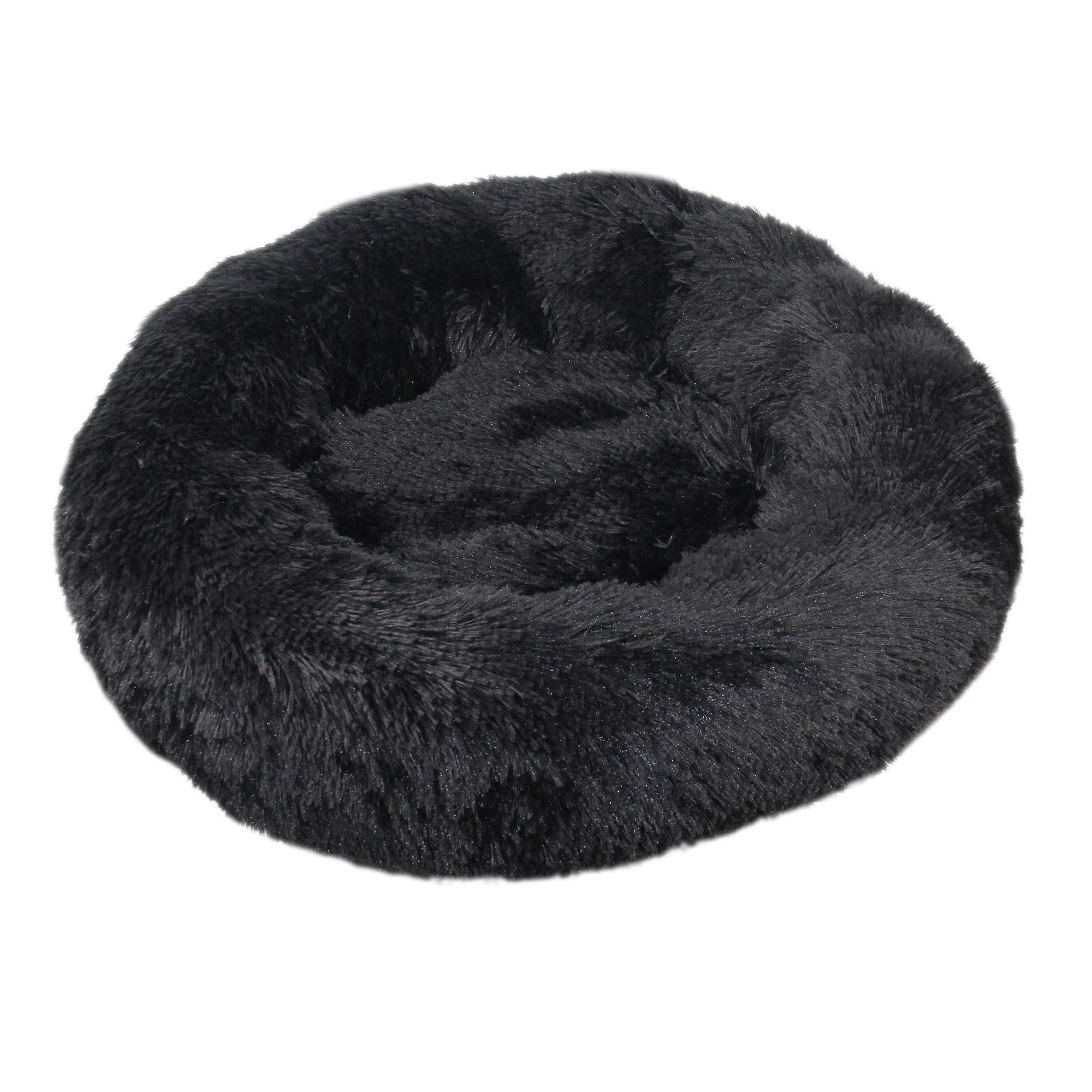
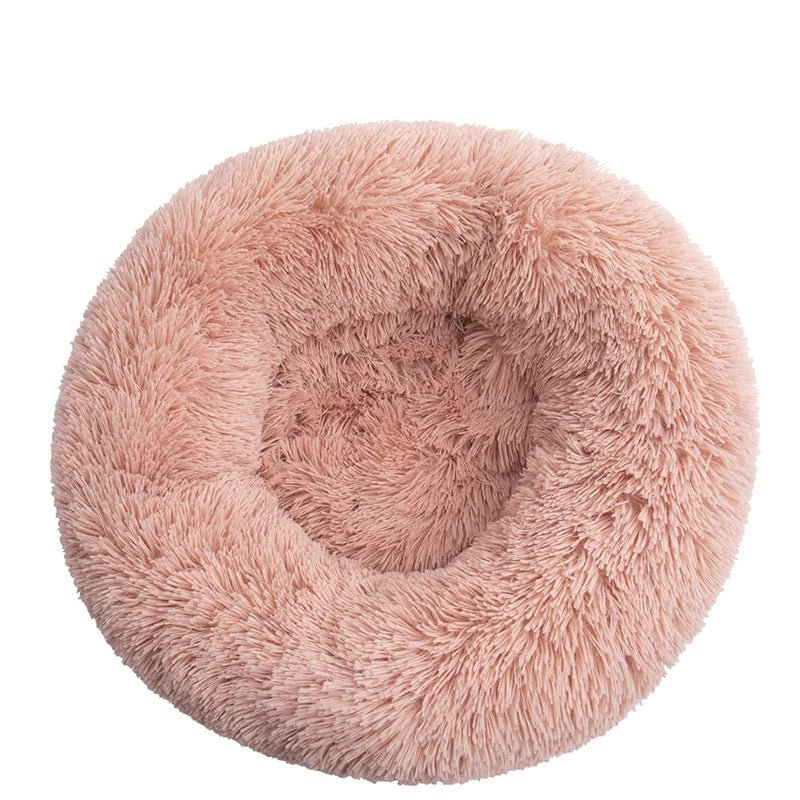
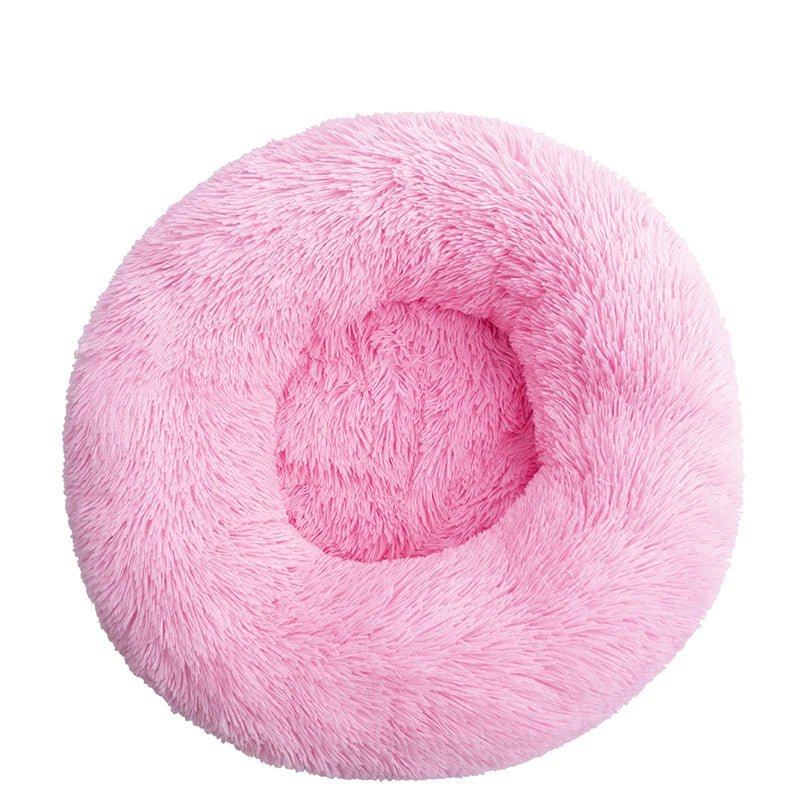
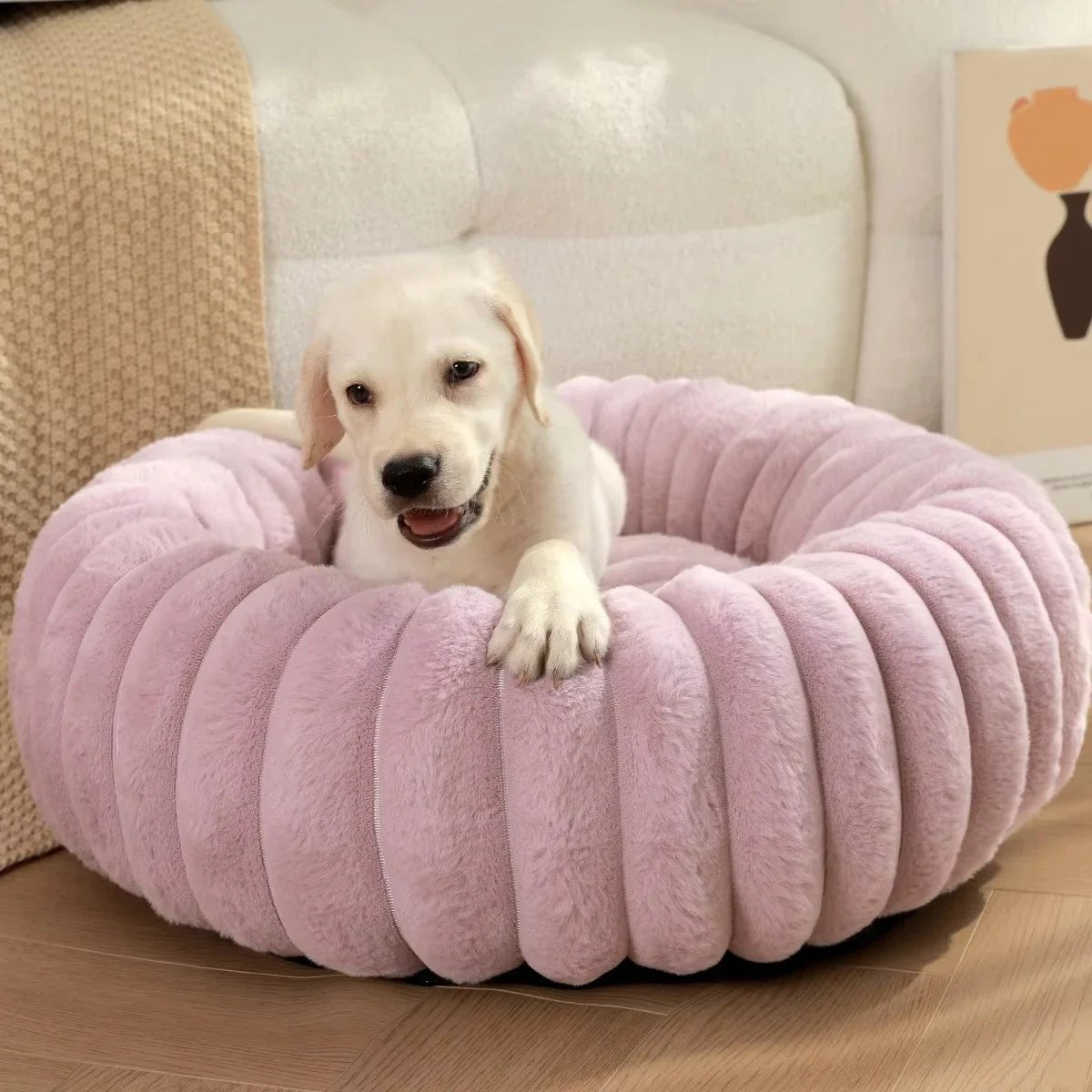
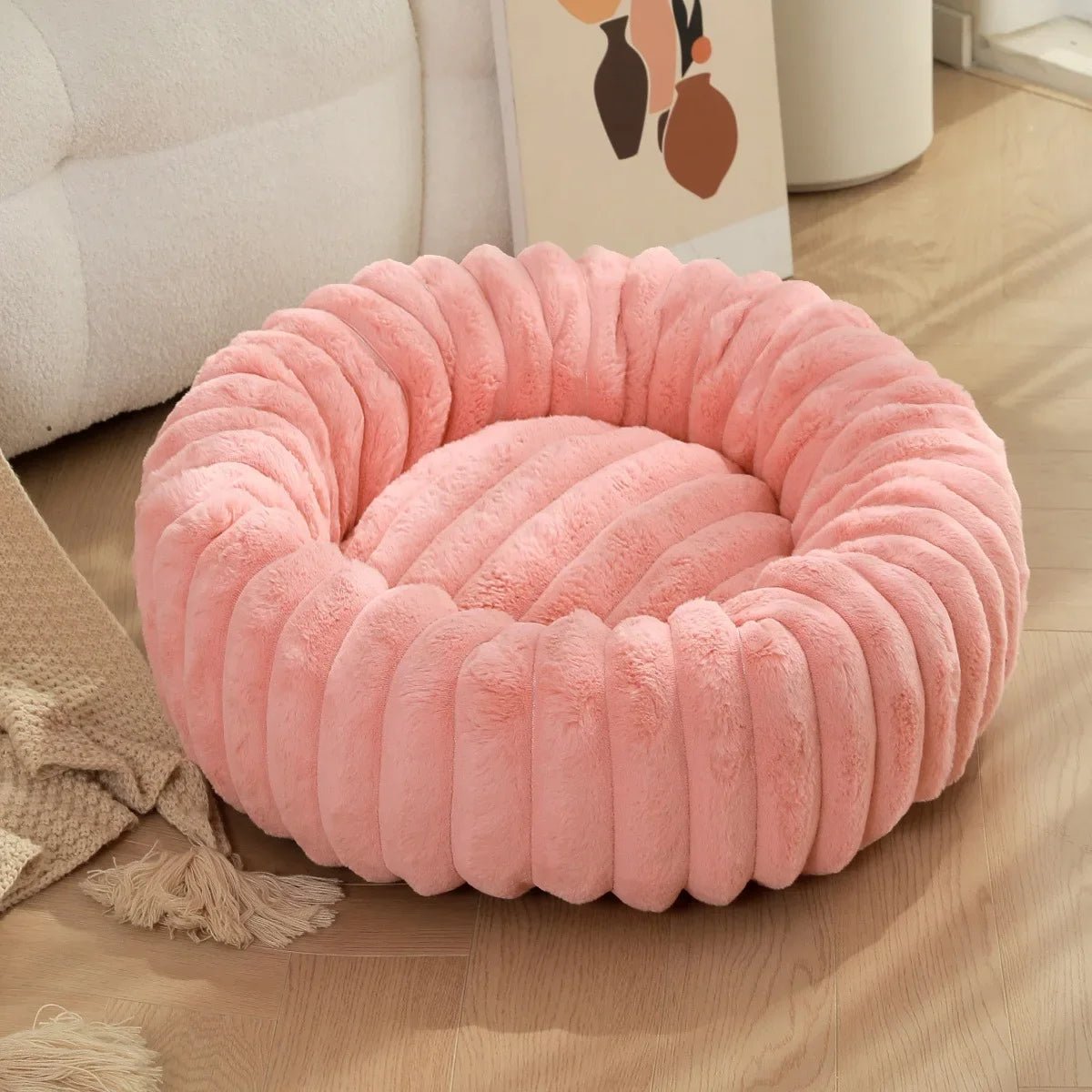
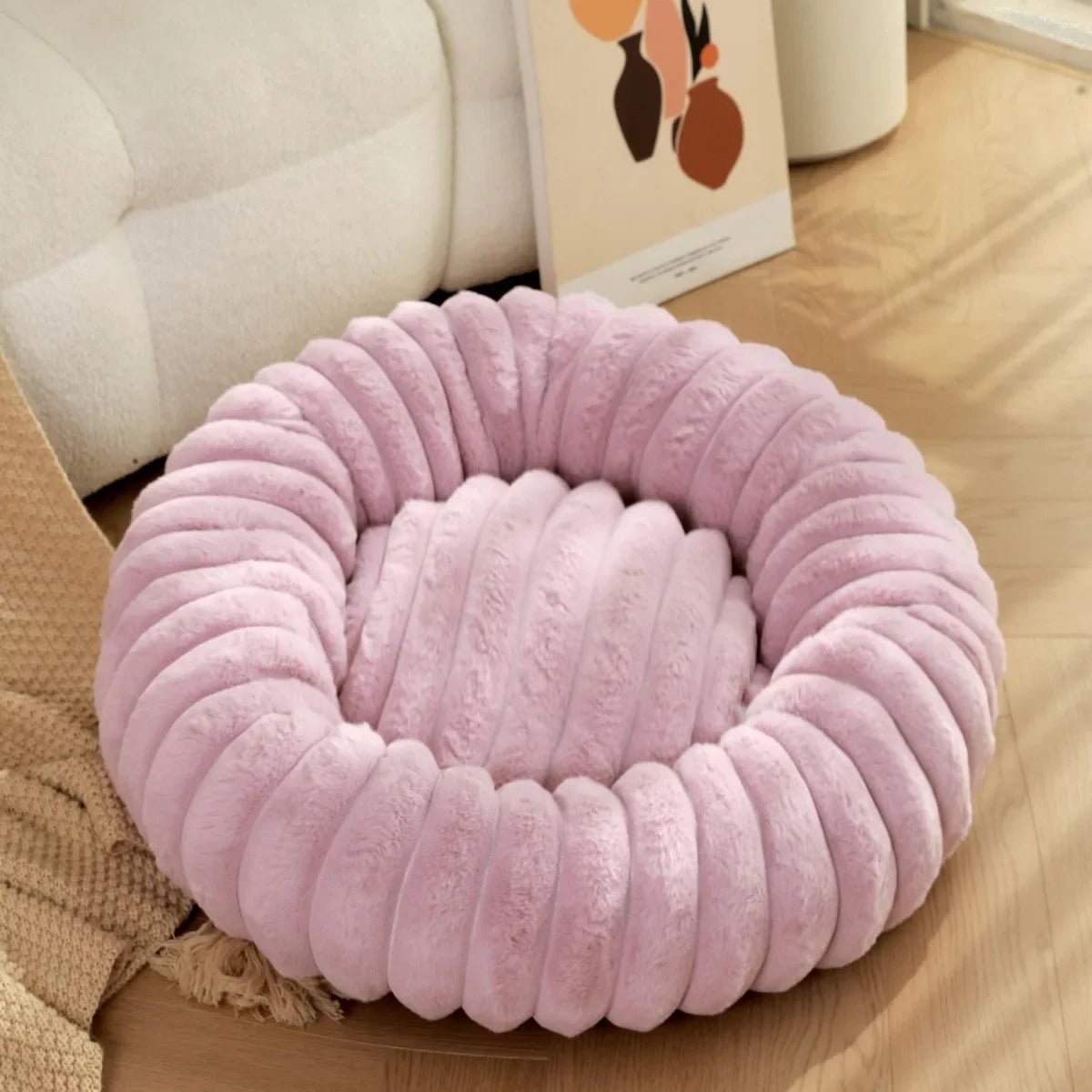
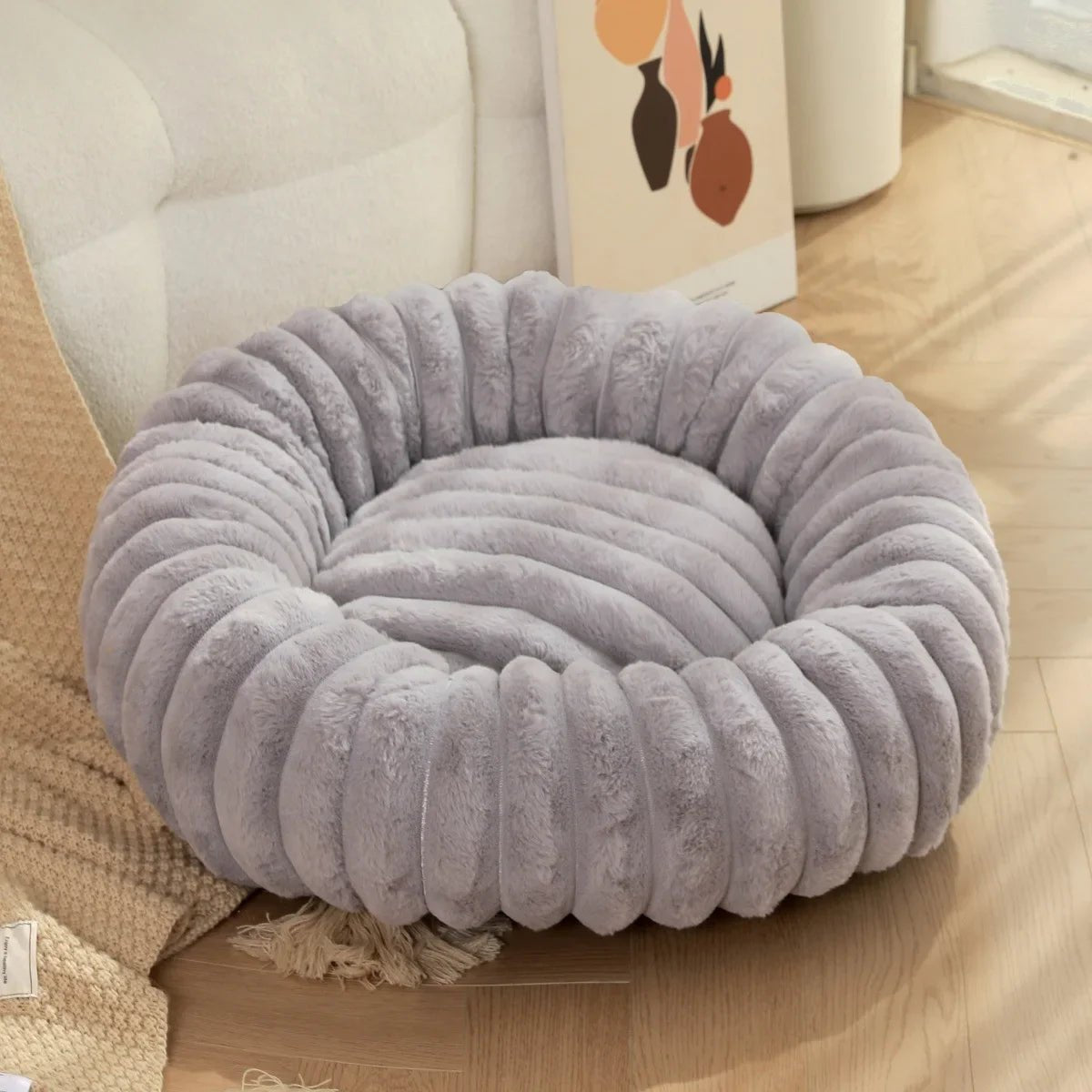
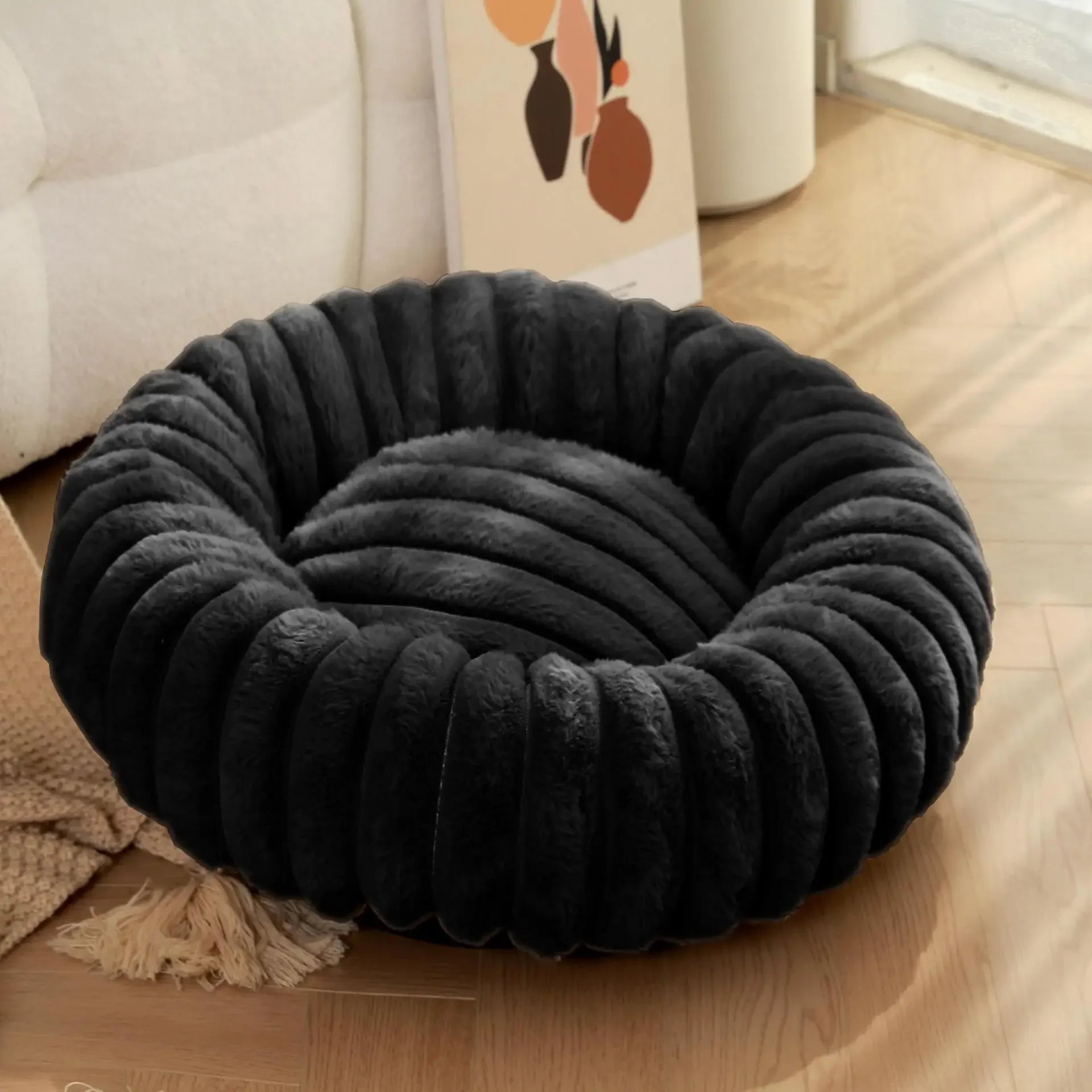
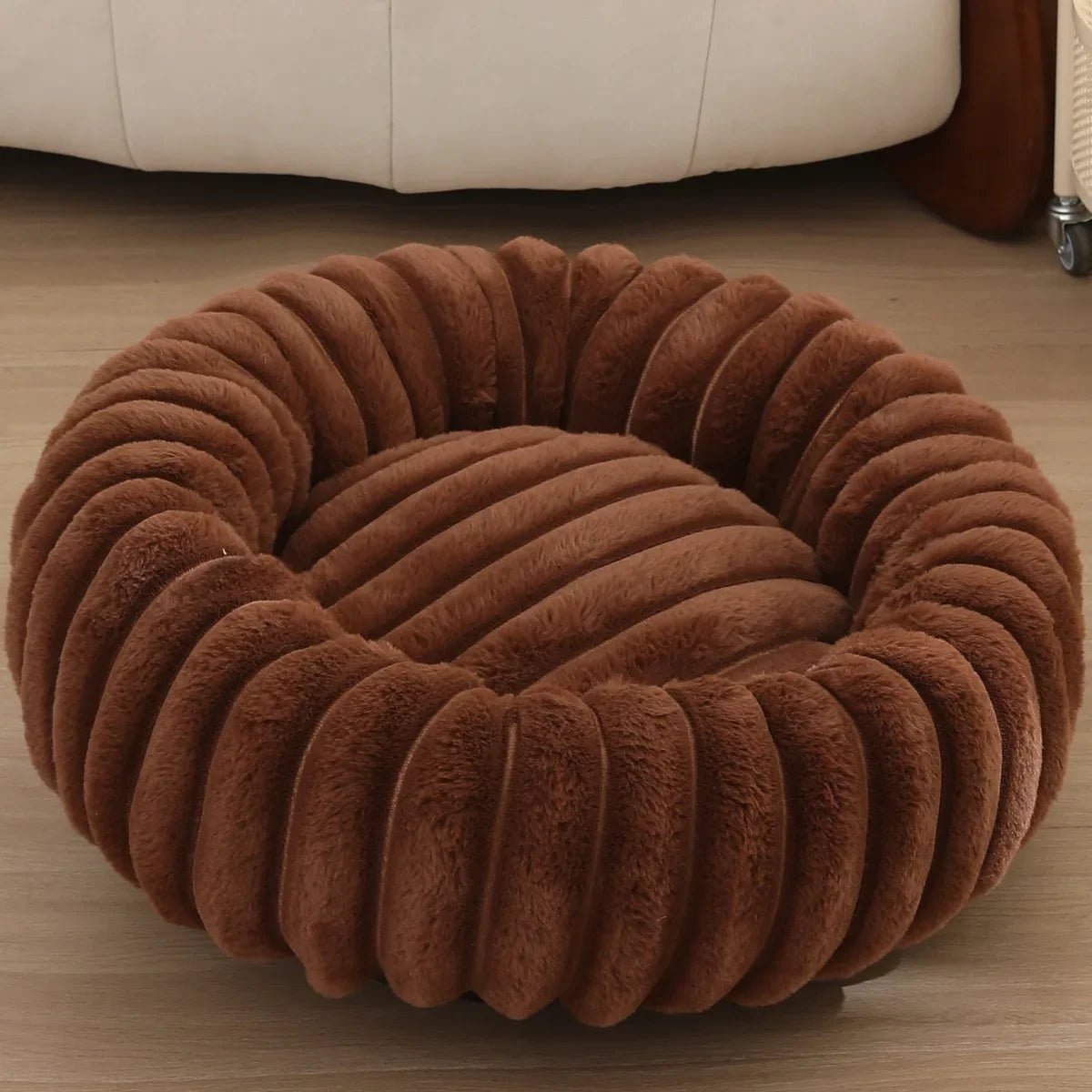
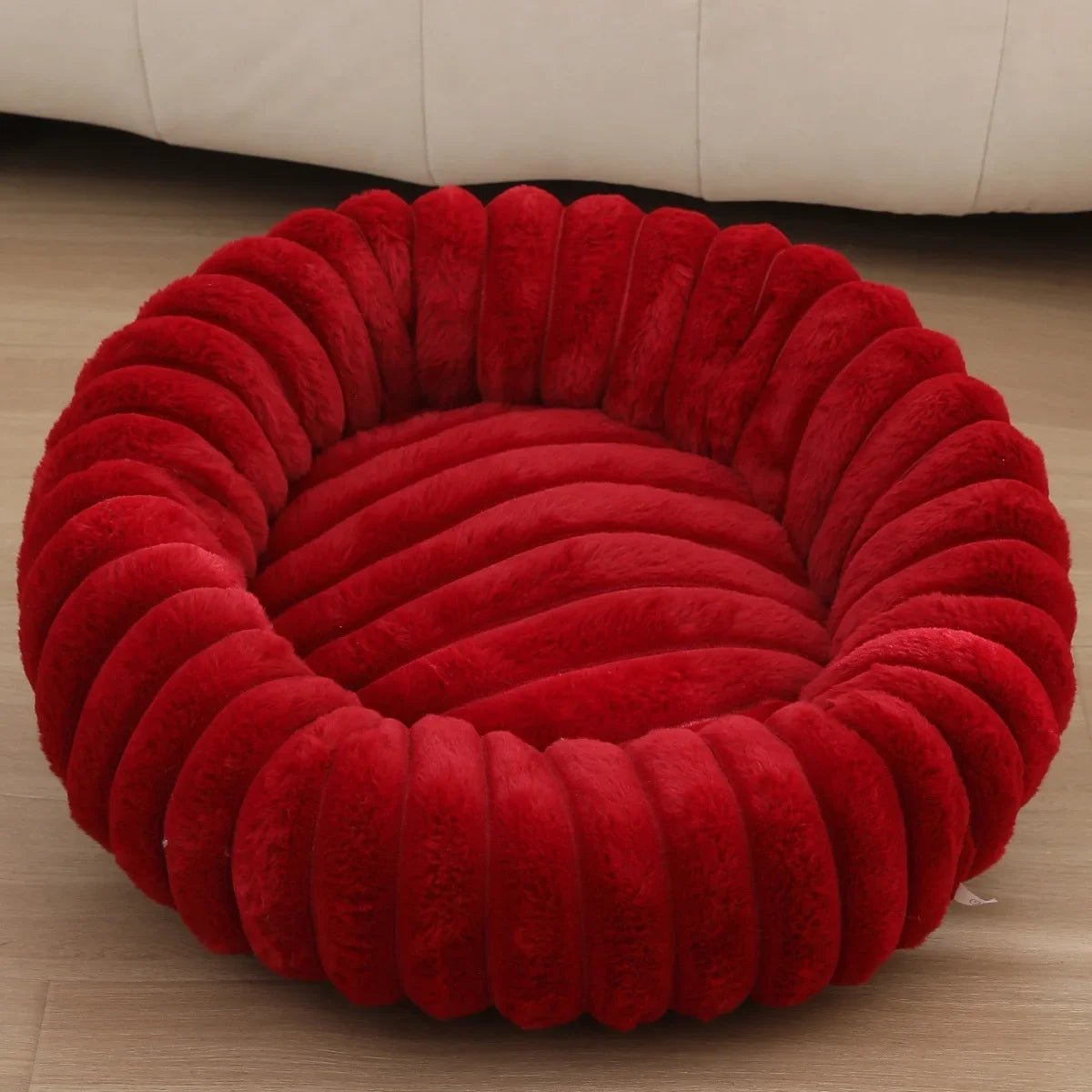
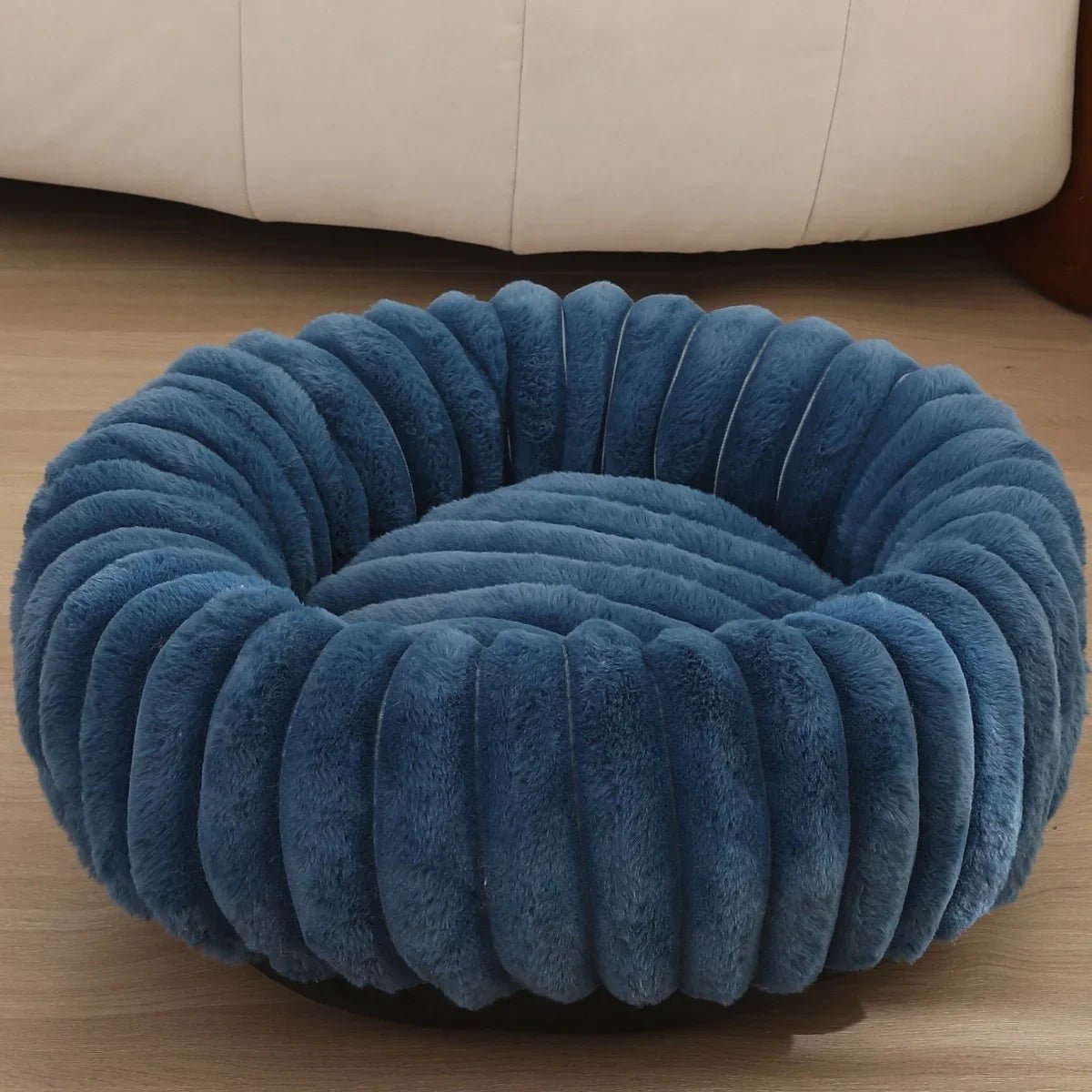
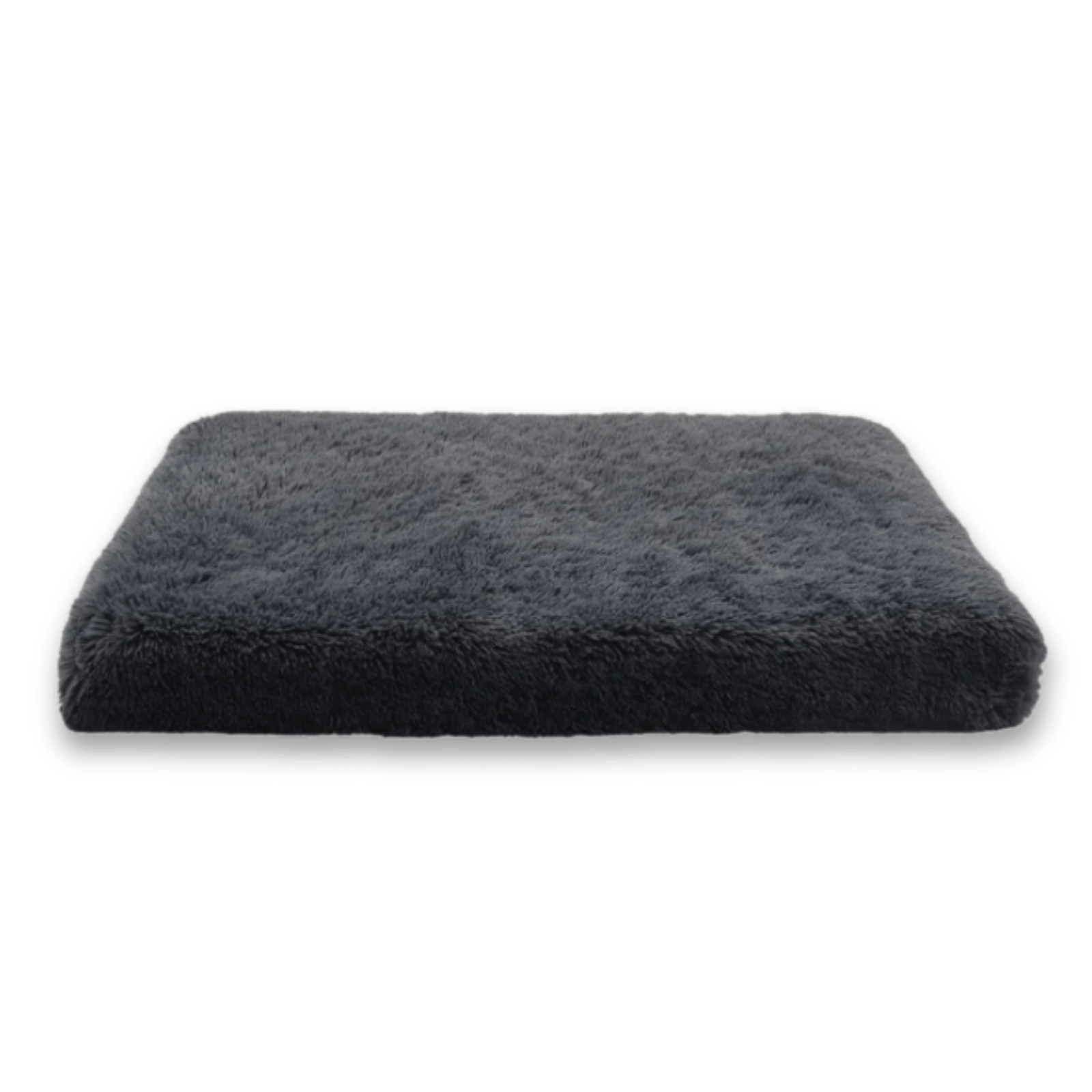
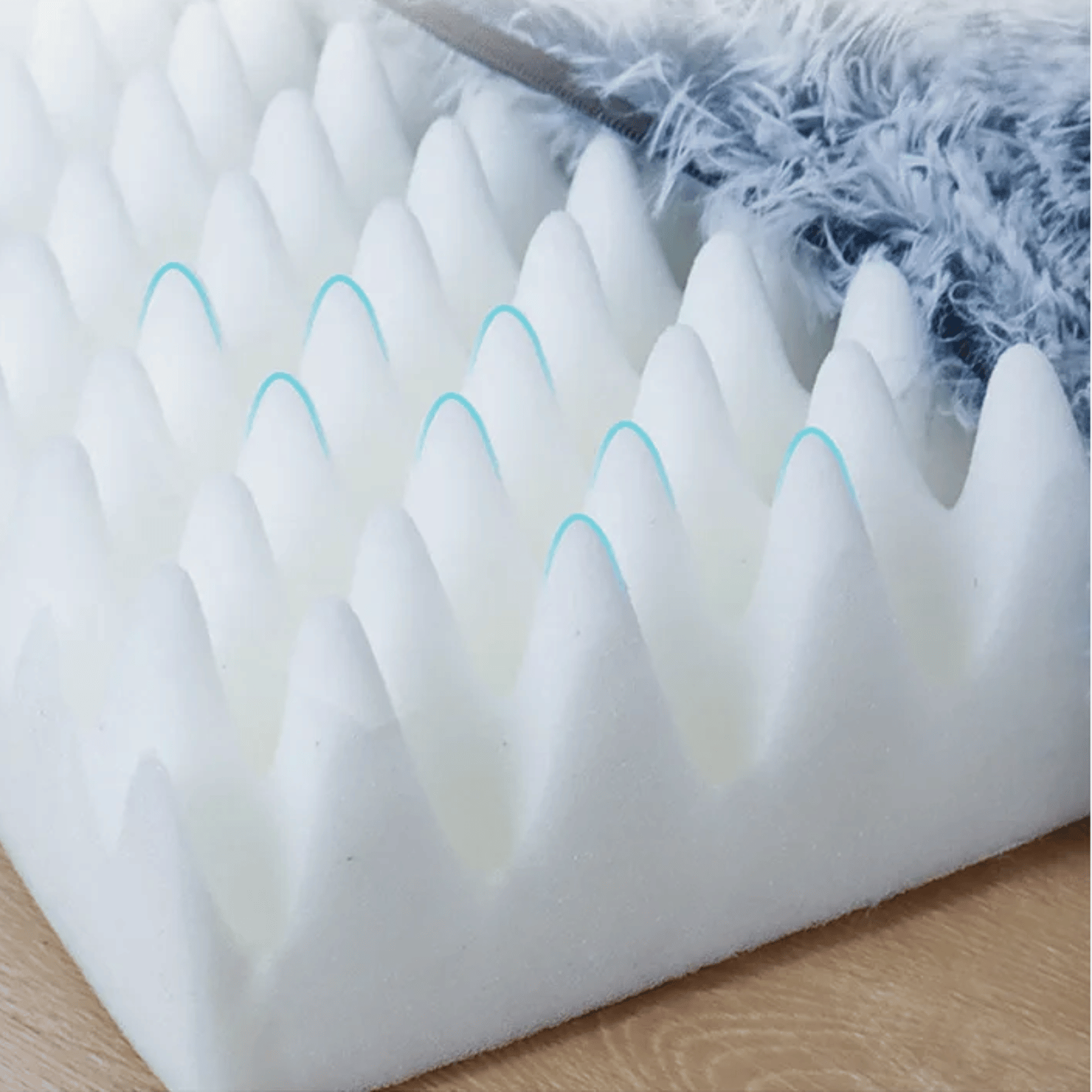
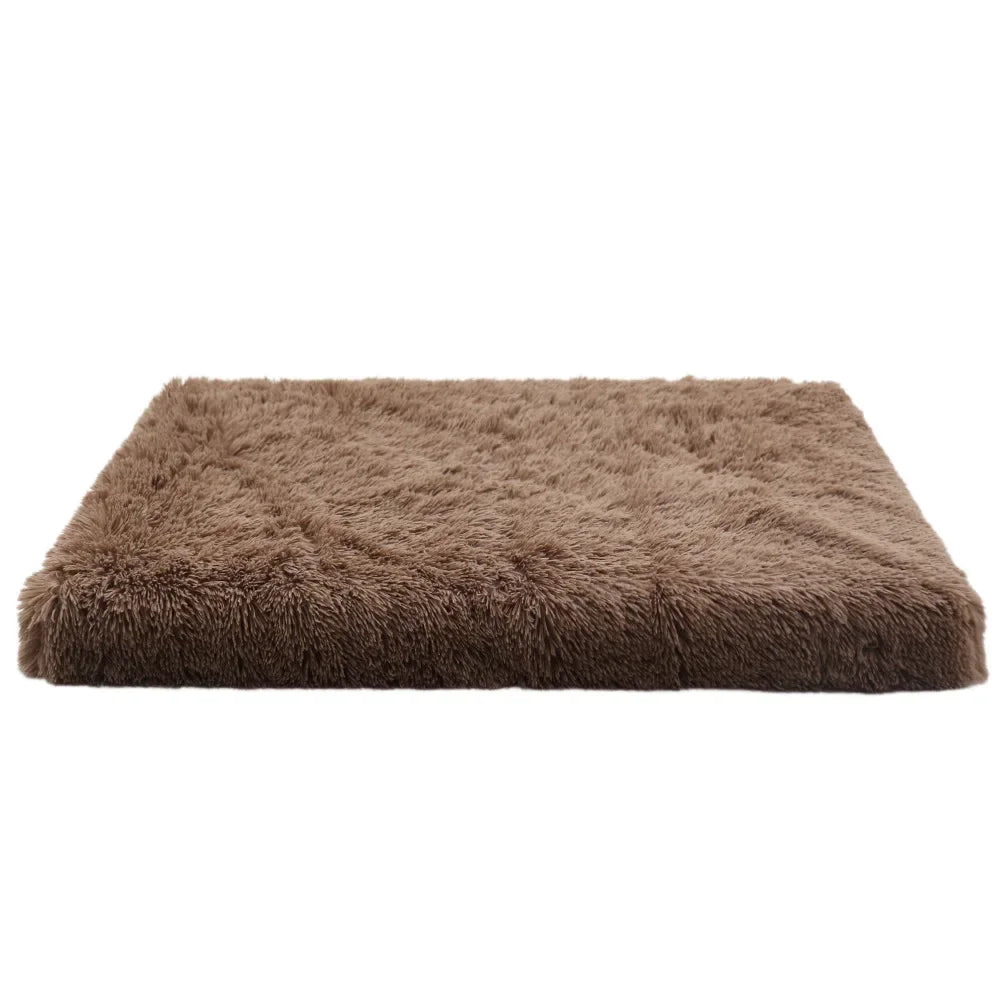
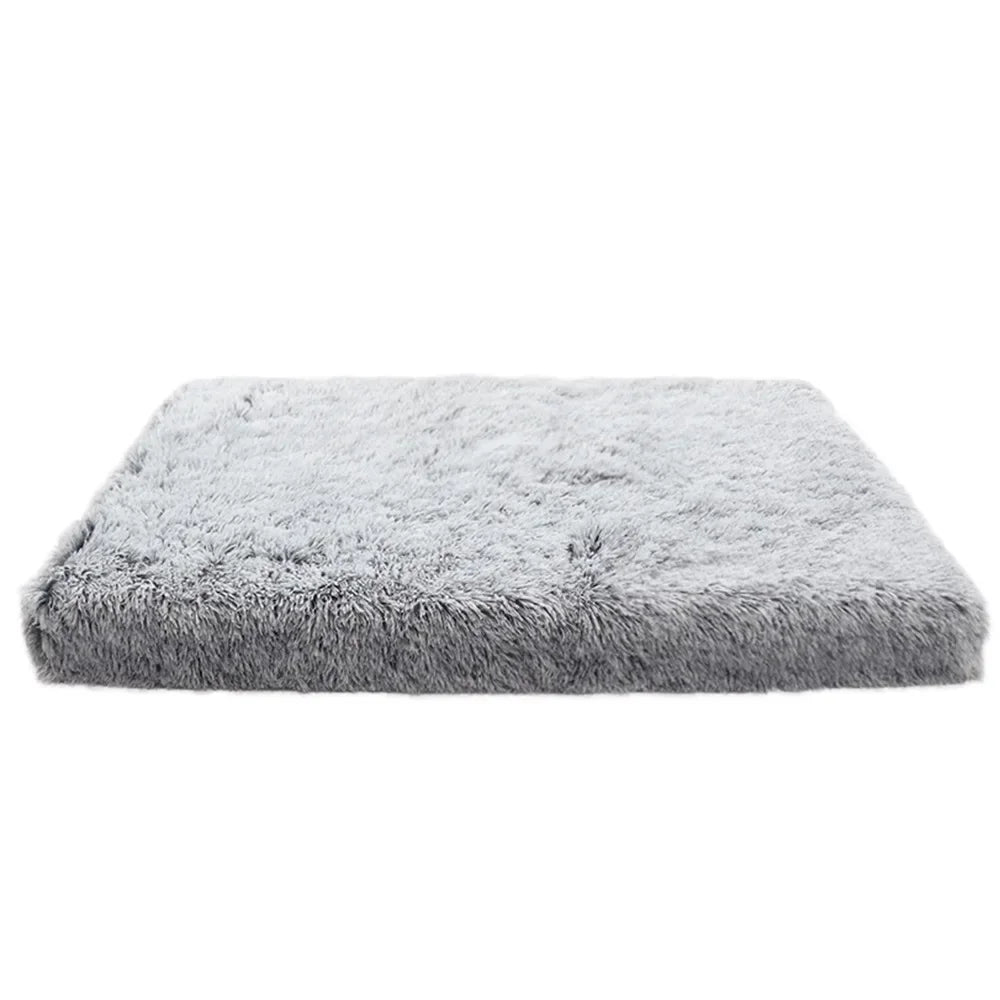
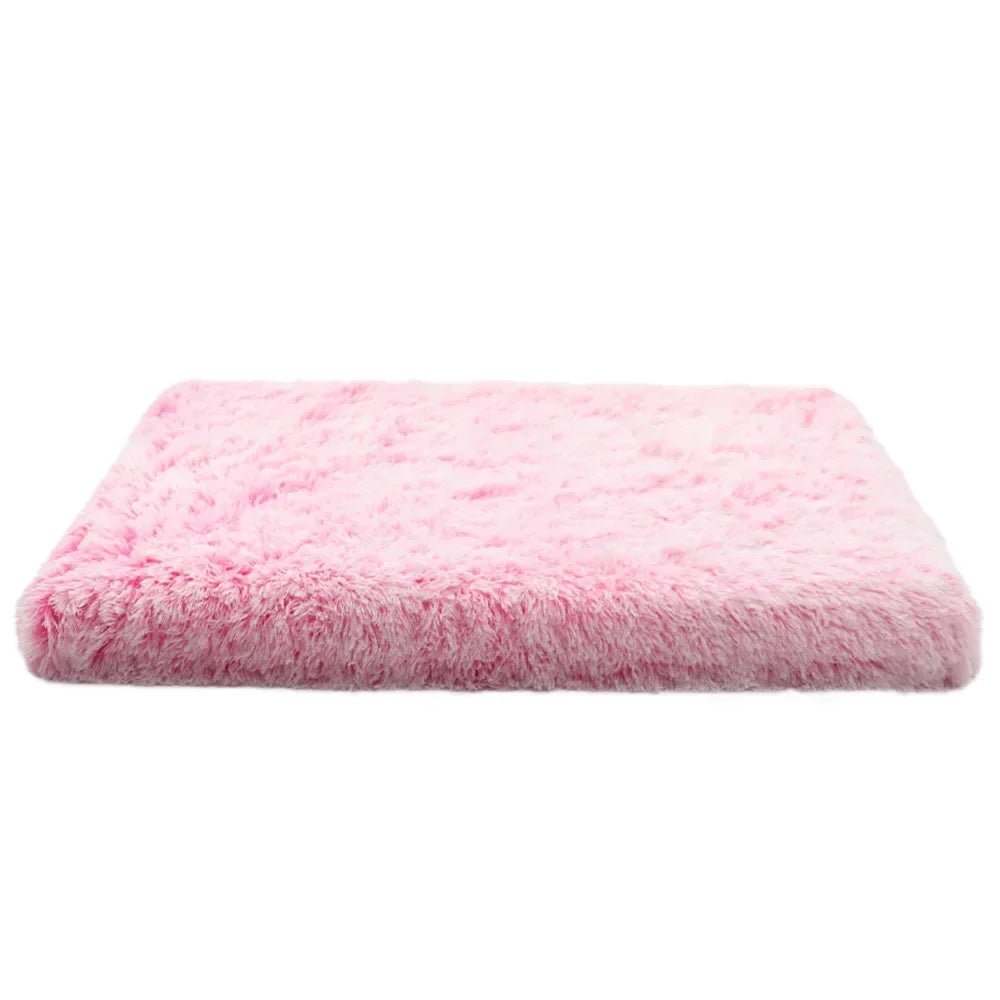
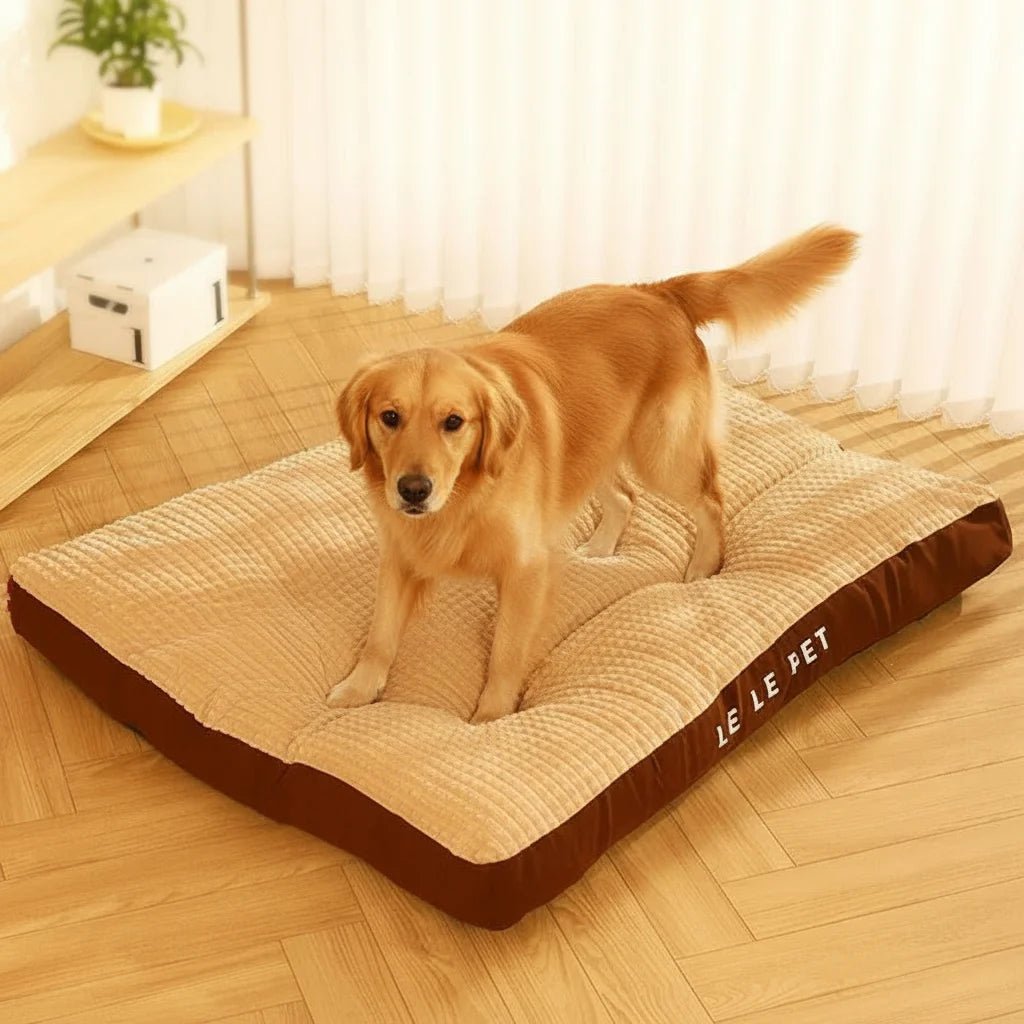
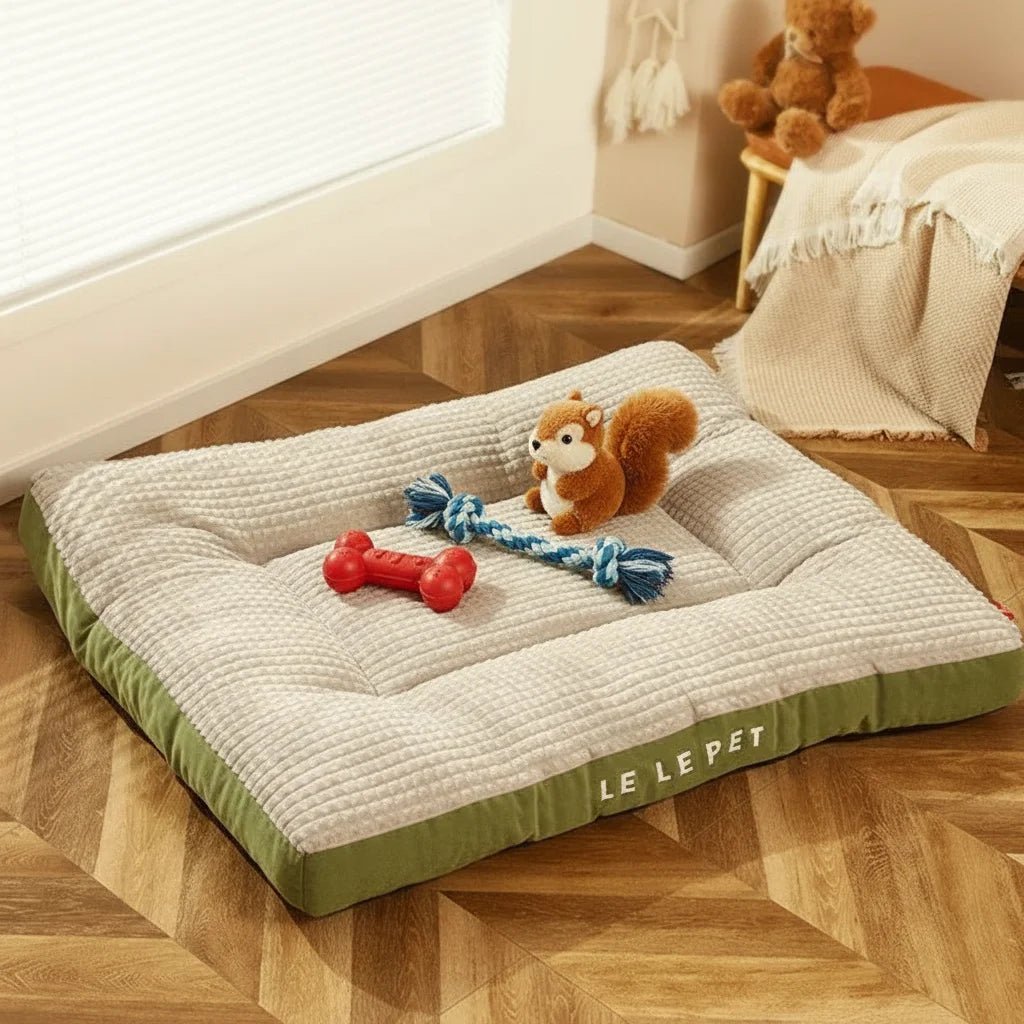
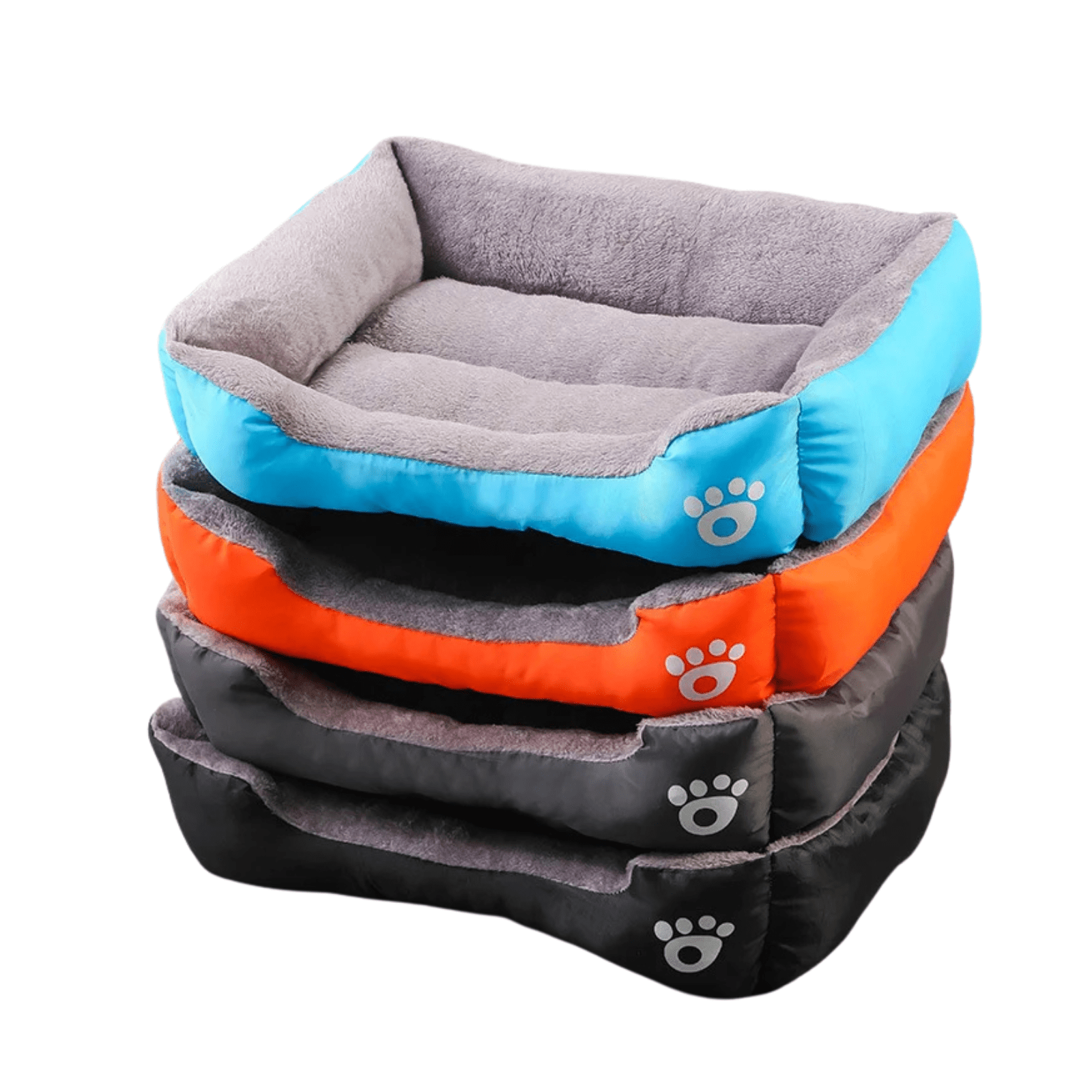
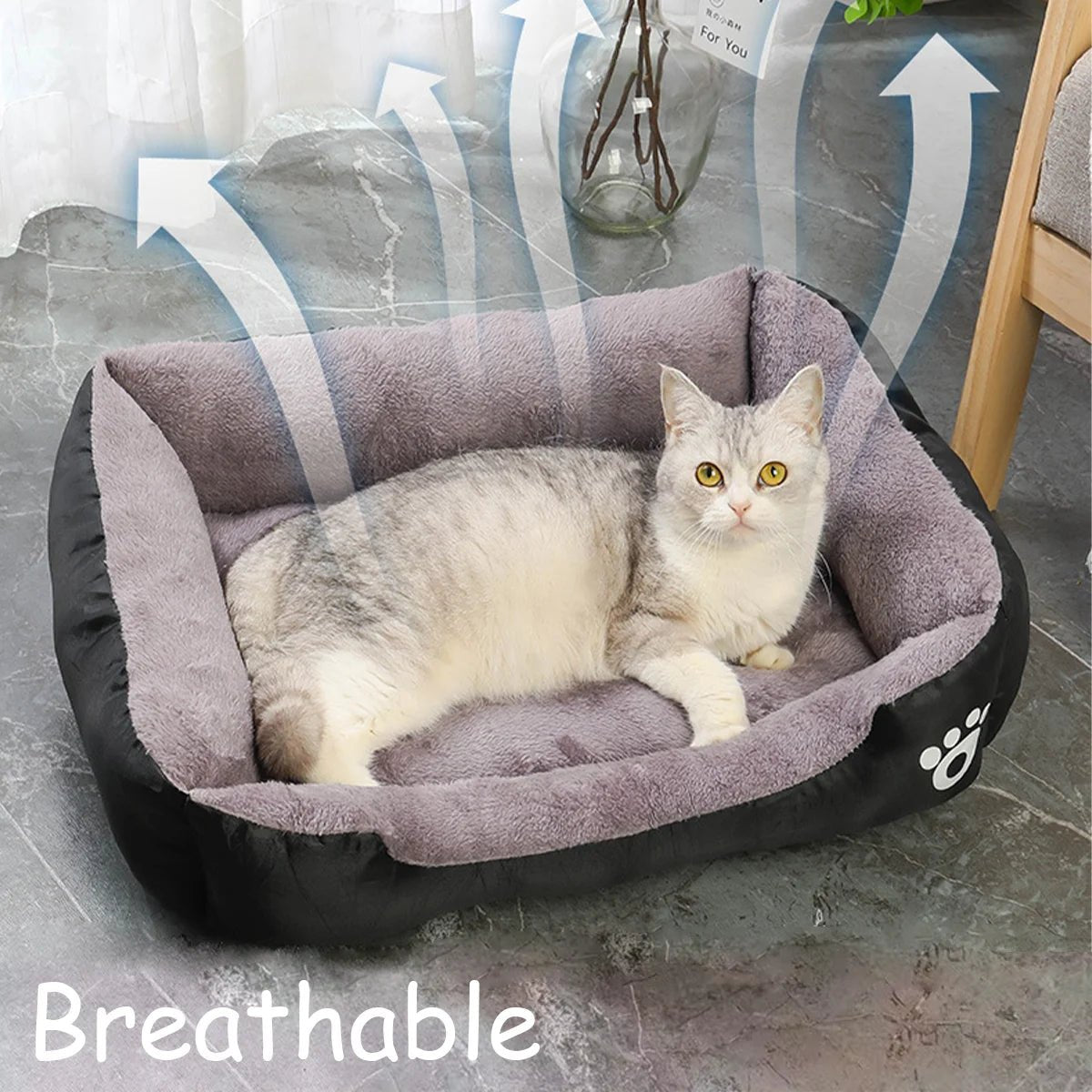
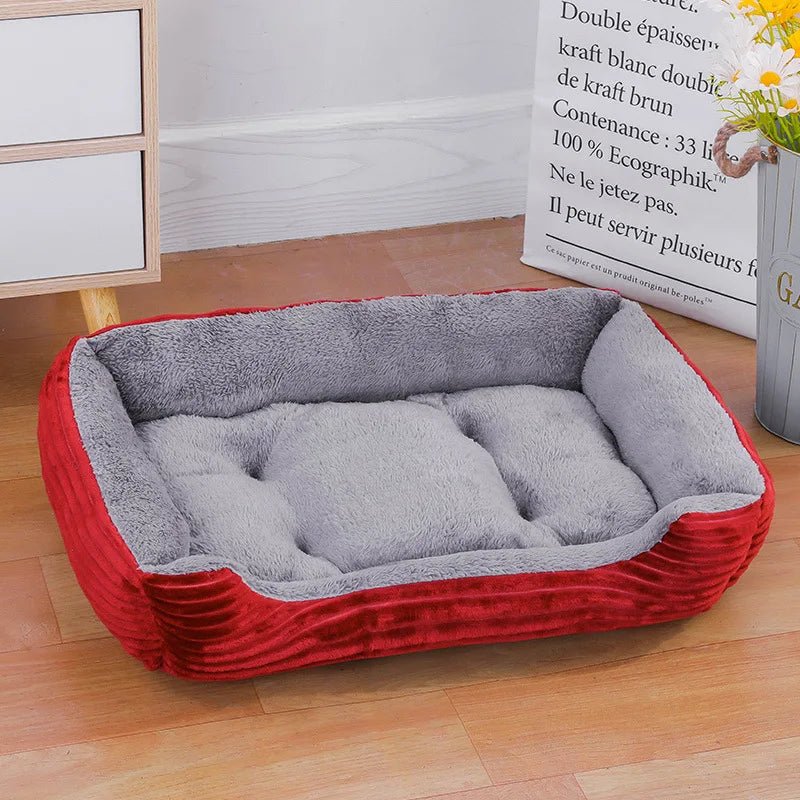
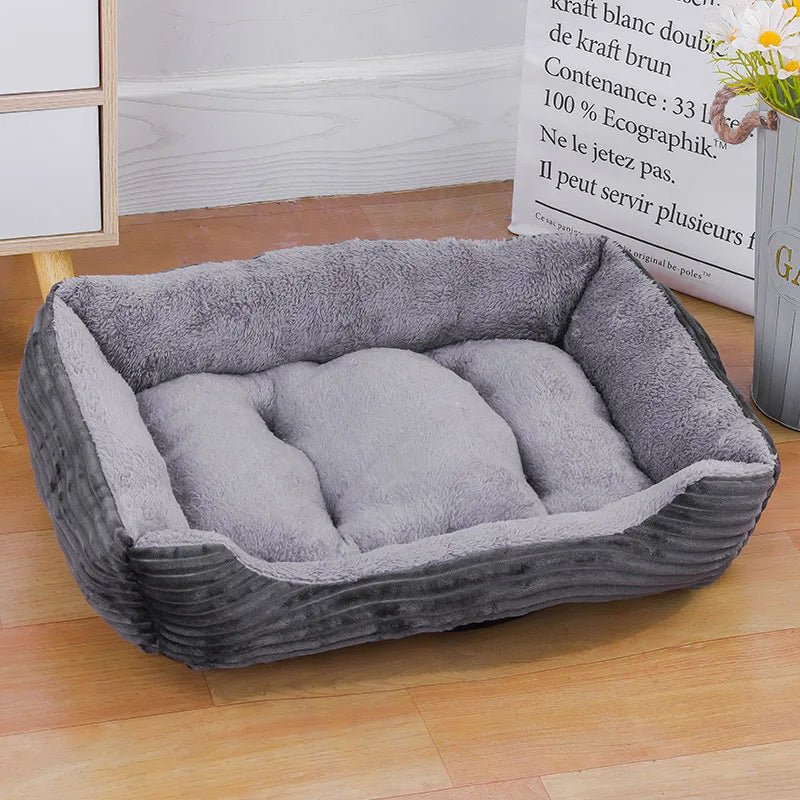
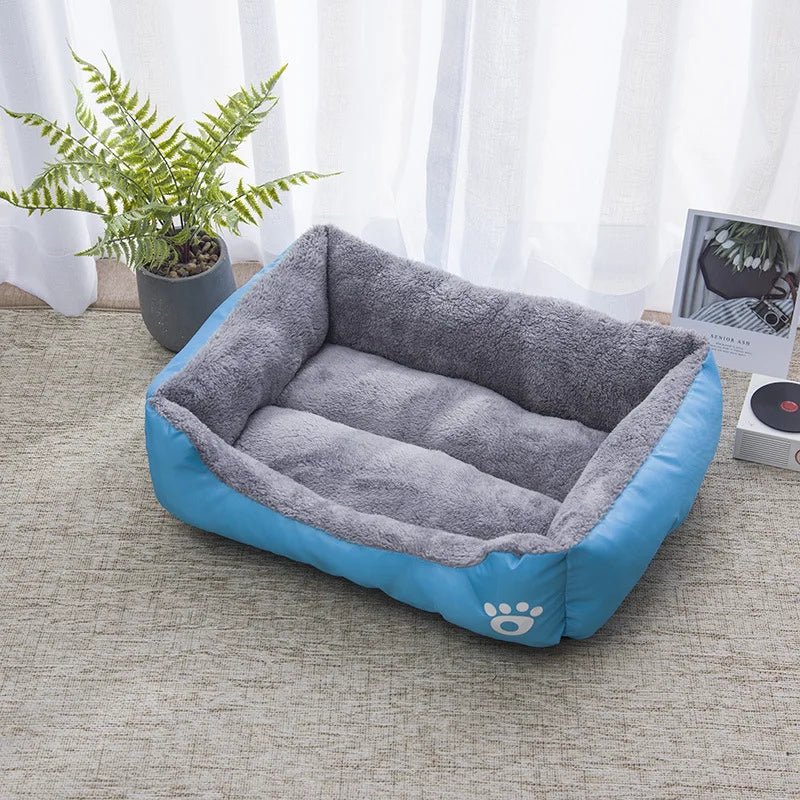
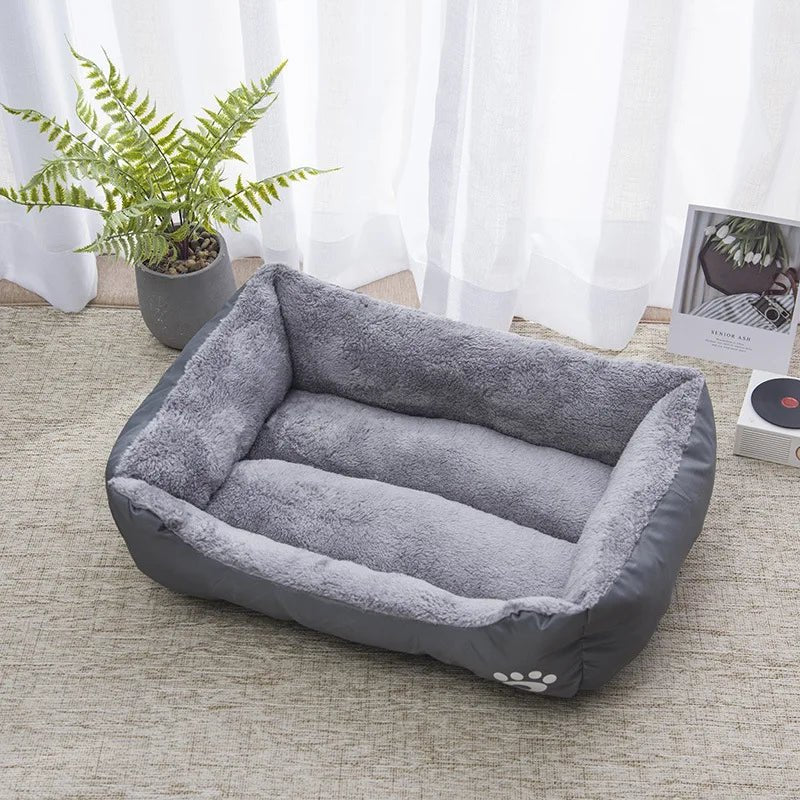
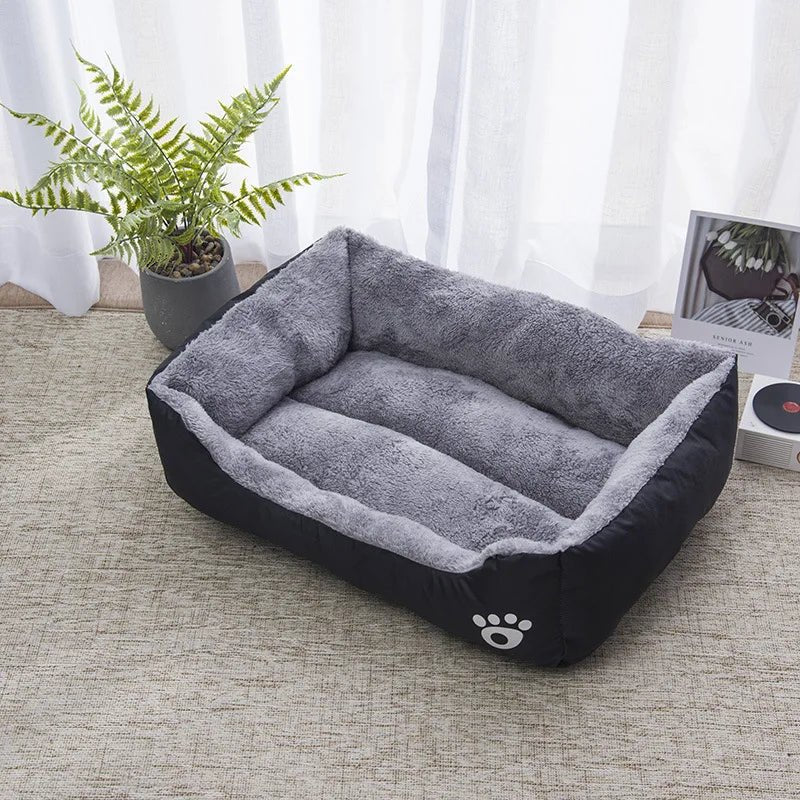
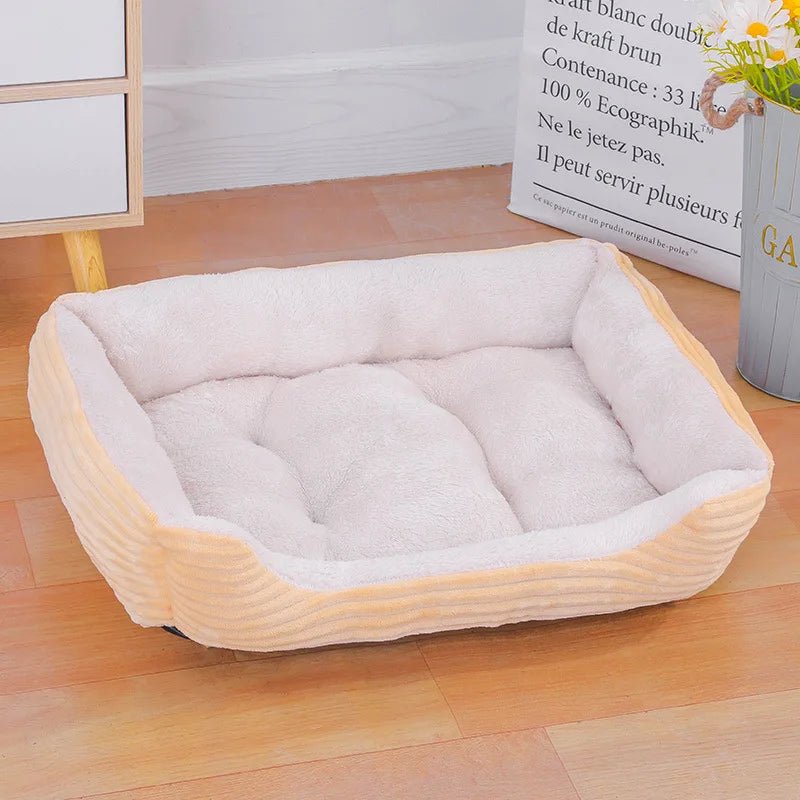
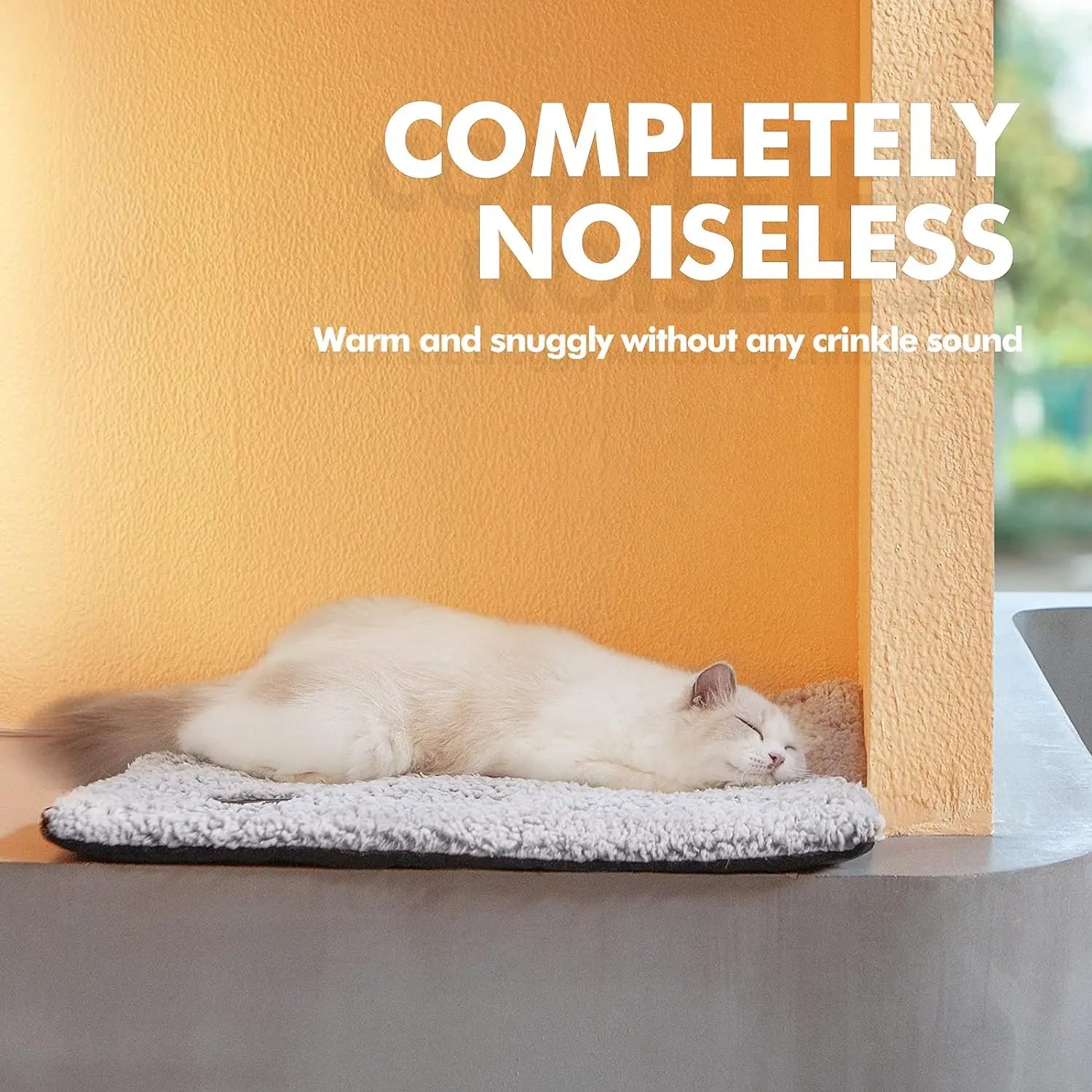
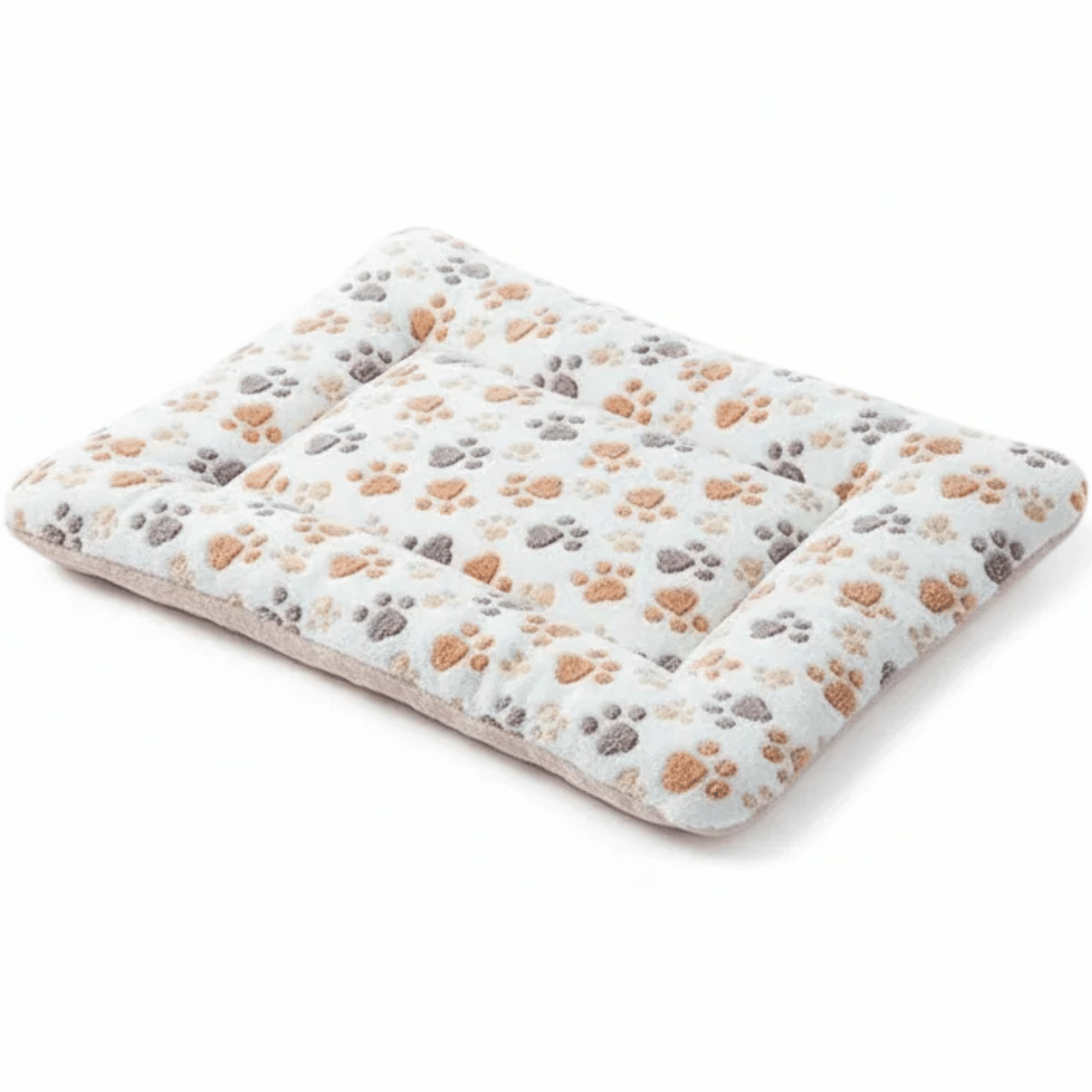
Dogs who love to curl up in a donut will appreciate a bed with raised edges they can nestle into. Side sleepers and belly-up dogs need more space to stretch out, so a larger, flat cushion or orthopaedic mattress tends to suit them better.
And if your dog is a burrower, a soft blanket they can disappear under goes a long way.
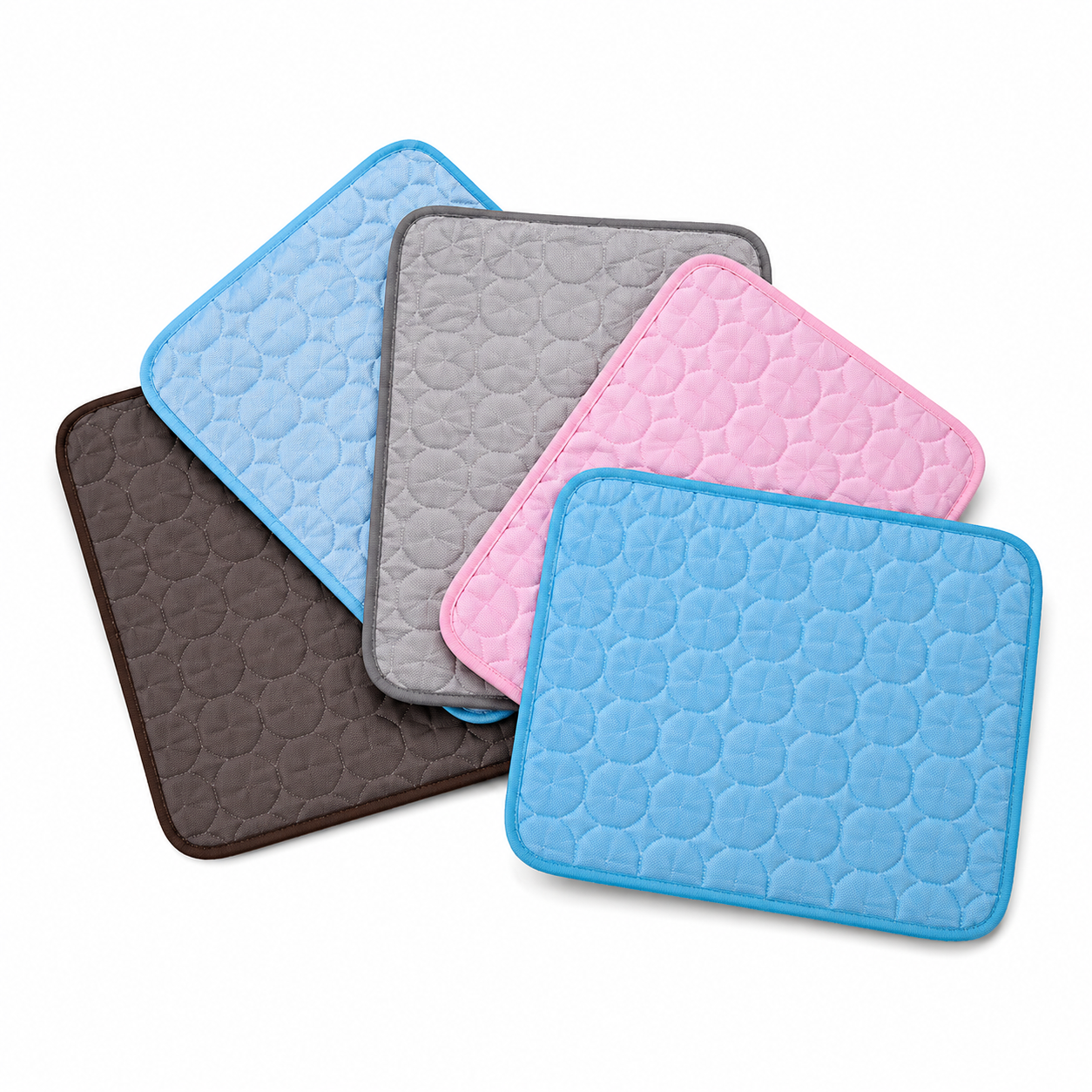
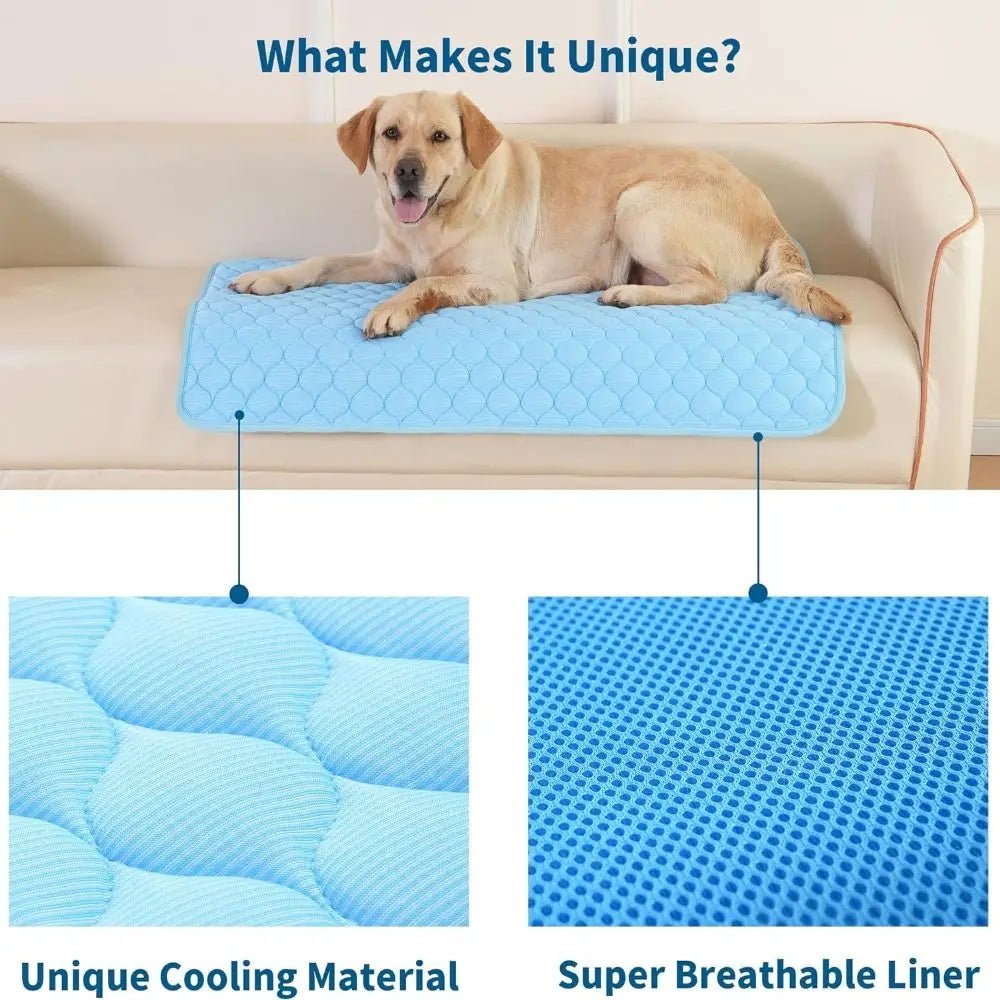
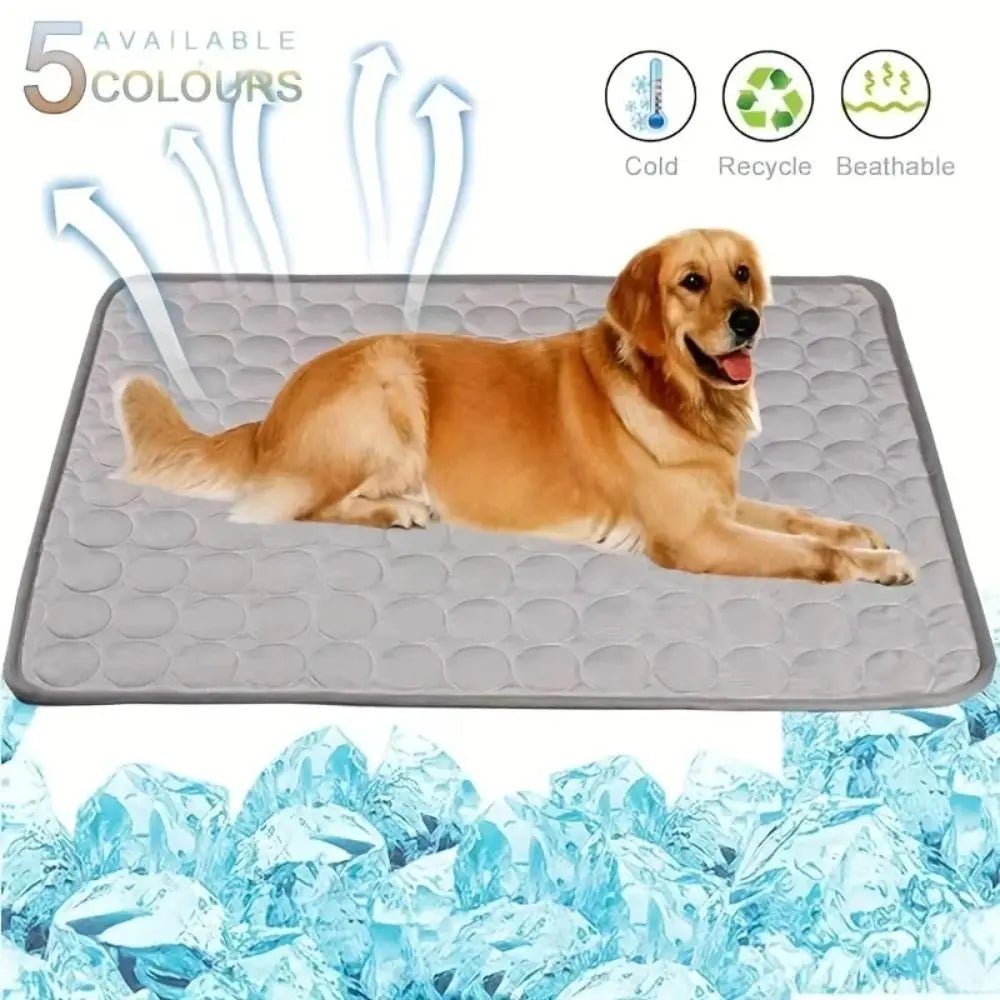
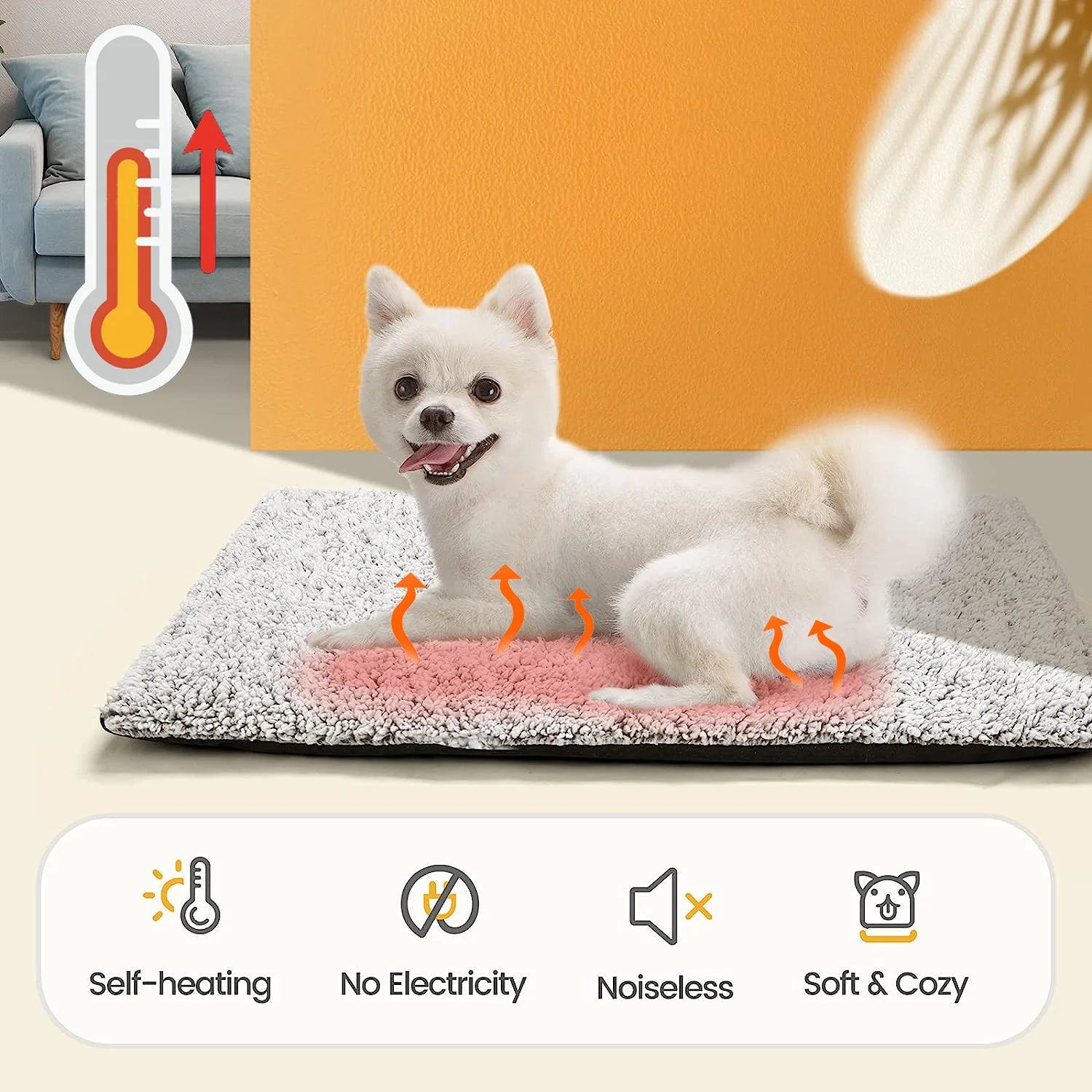
Temperature matters too. If your dog sprawls out on cool tiles in summer or curls into a tight ball on winter evenings, they're telling you something. Make sure their sleeping spot suits the season, and adjust where you place their bed if you notice them moving away from it.
Routine helps as well. Dogs thrive on consistency, so keeping bedtime and wake-up times roughly the same each day gives them a sense of security. A calm, quiet spot away from heavy foot traffic lets your dog enjoy the uninterrupted rest they need.
And if you notice any sudden changes in your dog's sleeping habits, whether that's sleeping far more than usual, restlessness at night, or a new position they've never tried before, it's always worth a quick chat with your vet.
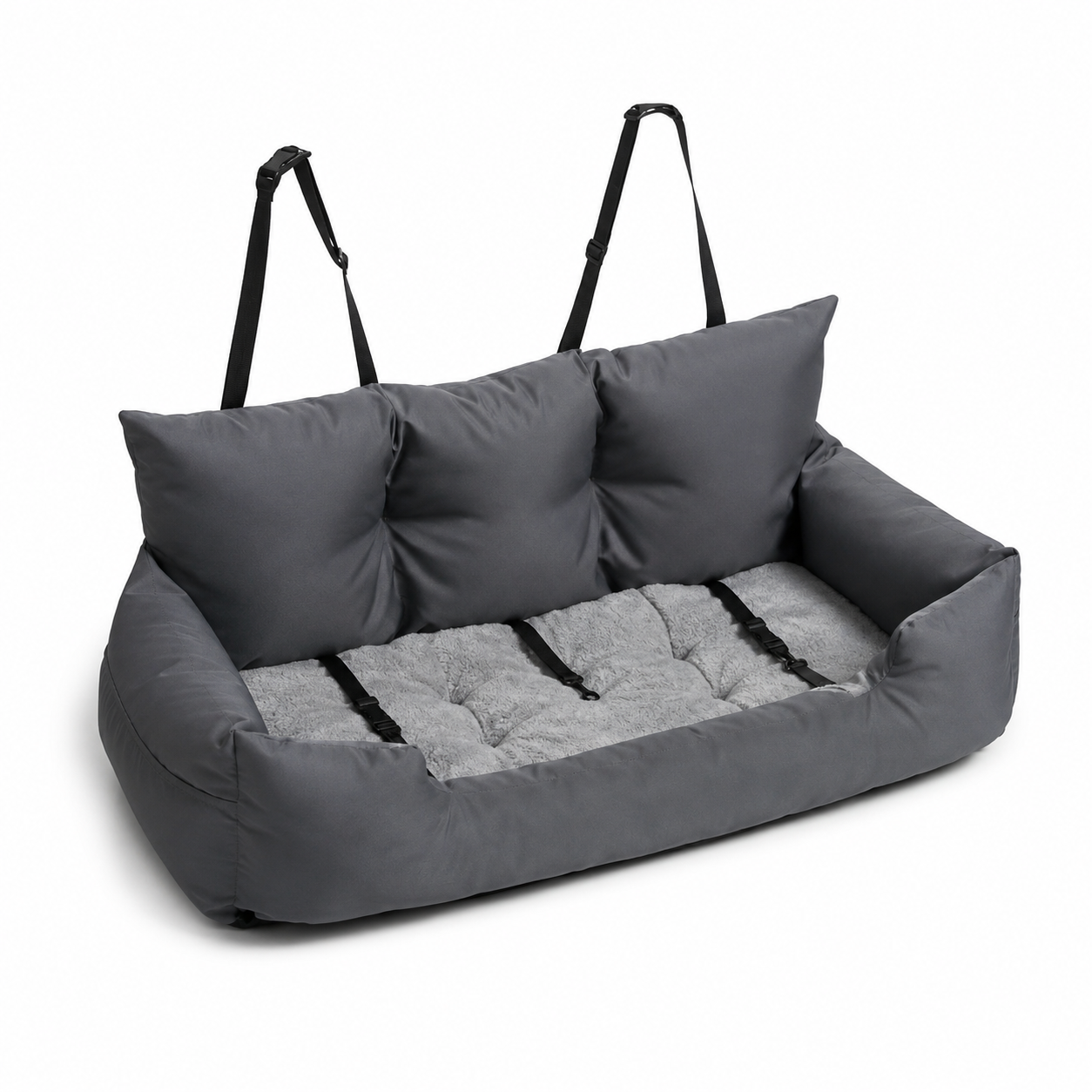
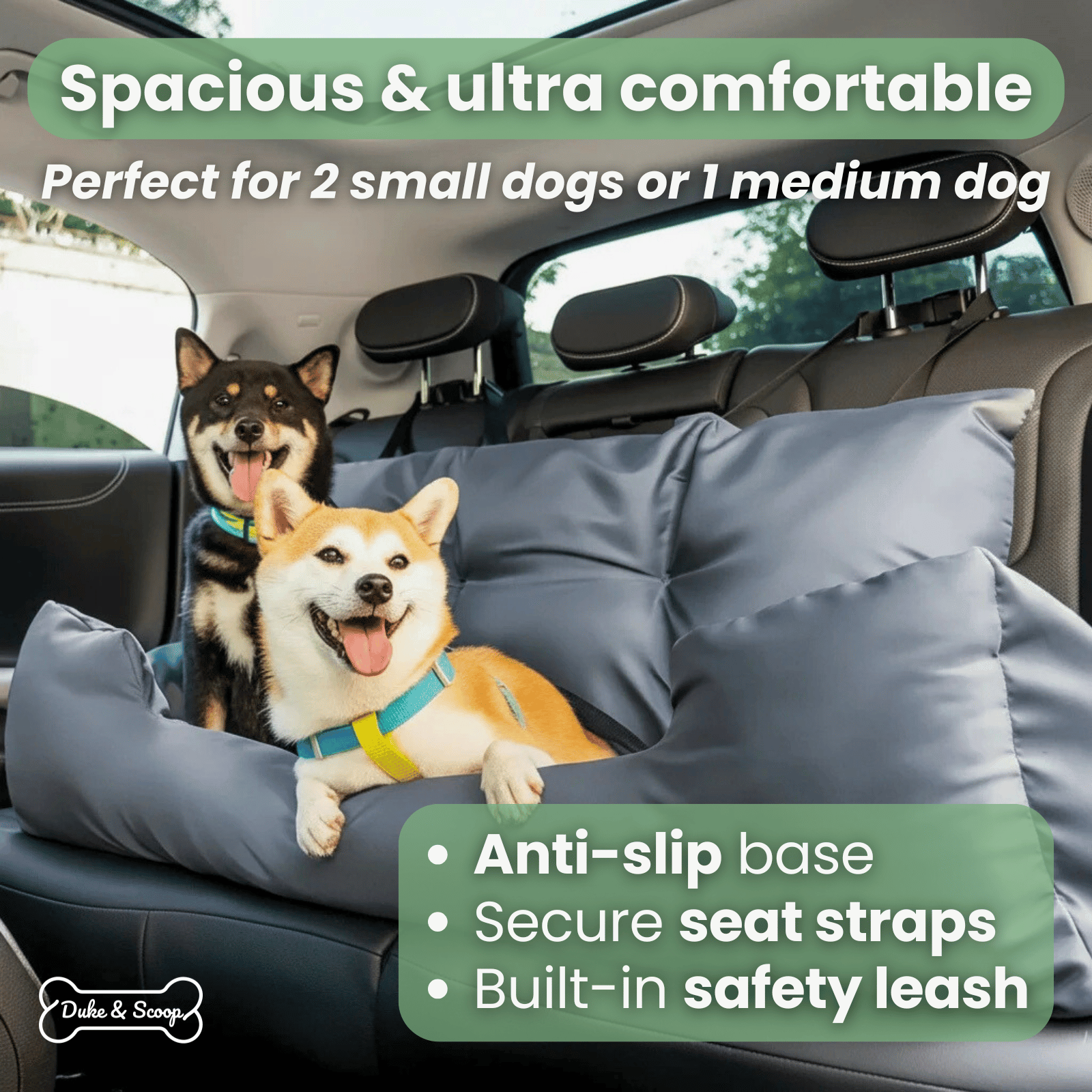
Want to make sure your dog is resting as comfortably as possible? Have a look at the Duke & Scoop dog sleeping comfort collection. From orthopaedic beds for side sleepers to cosy donut beds for dogs who love to curl up, there's something that suits the way your dog loves to rest.