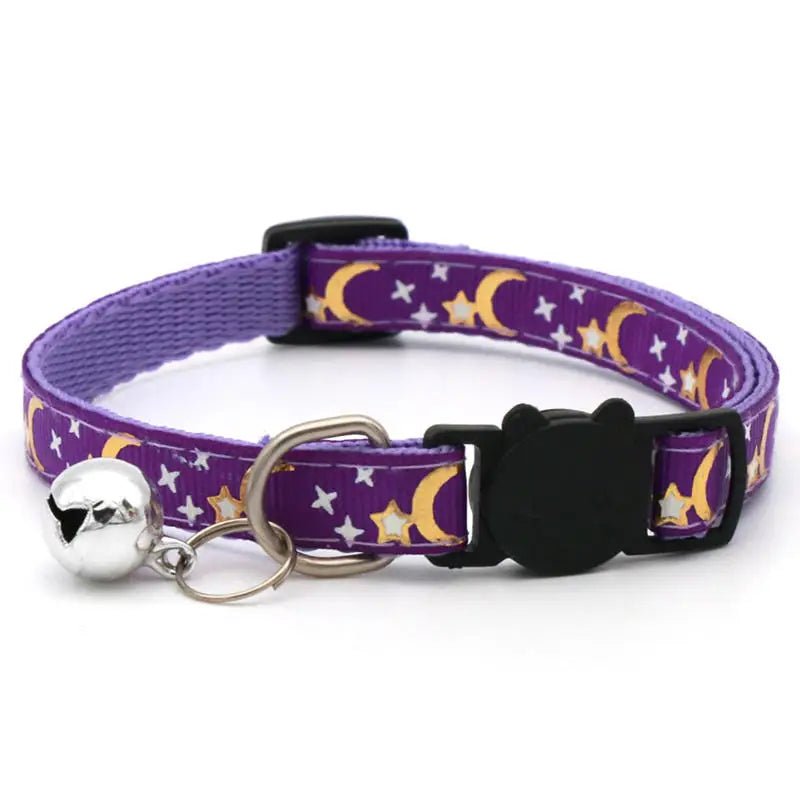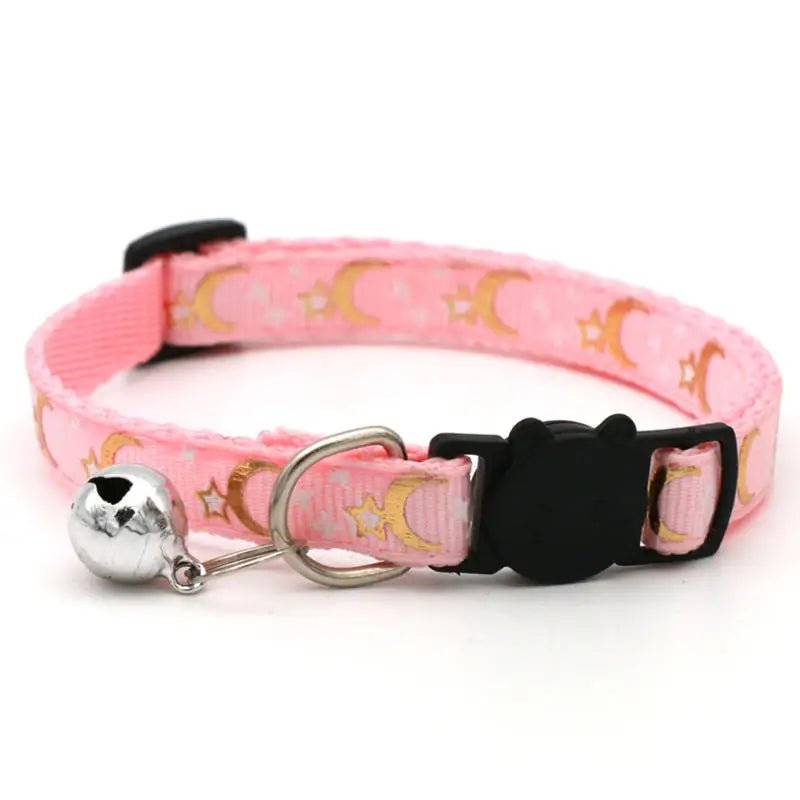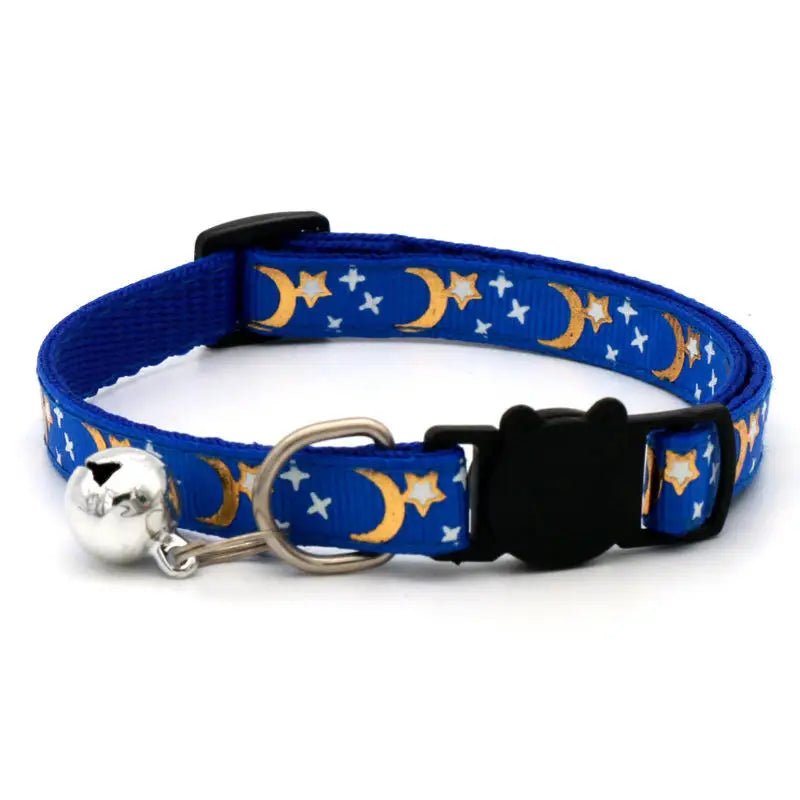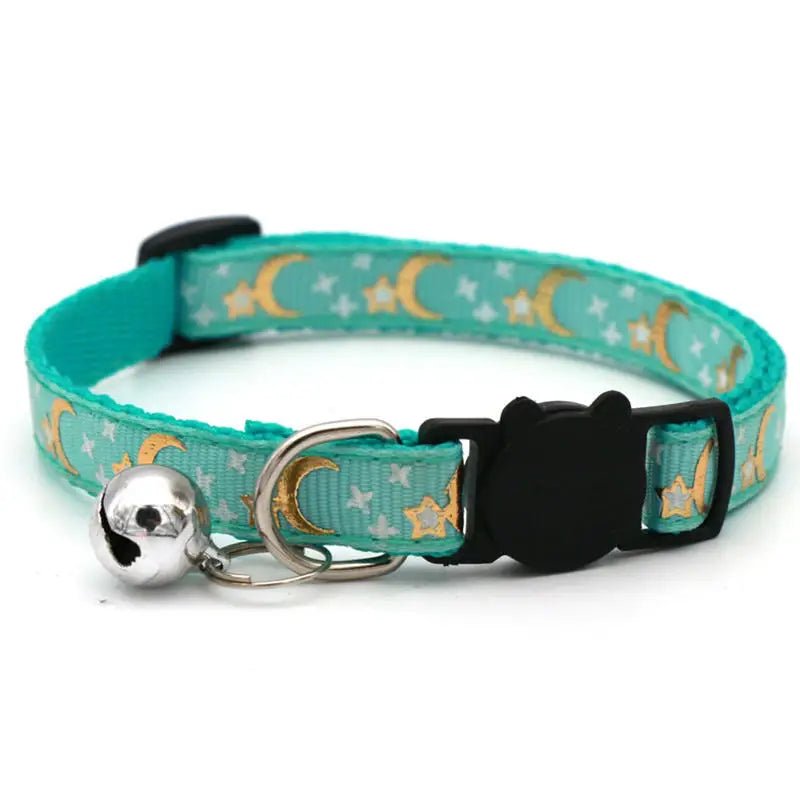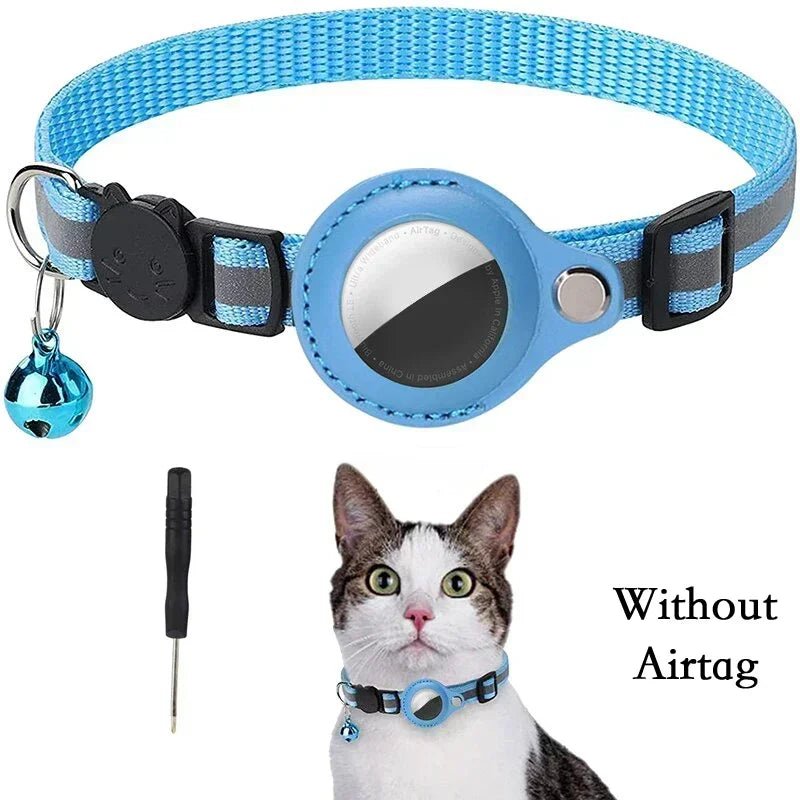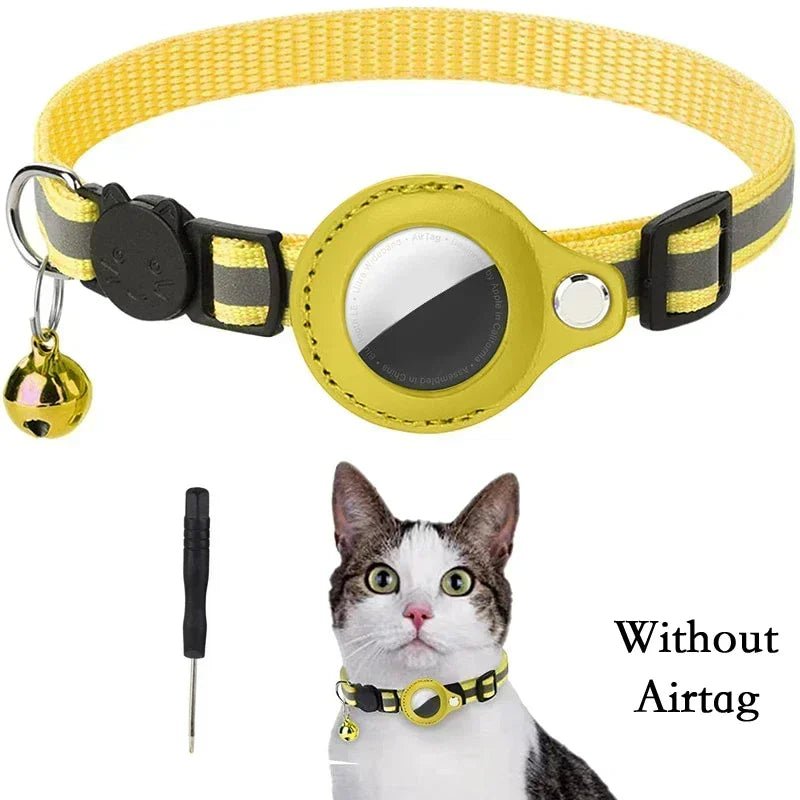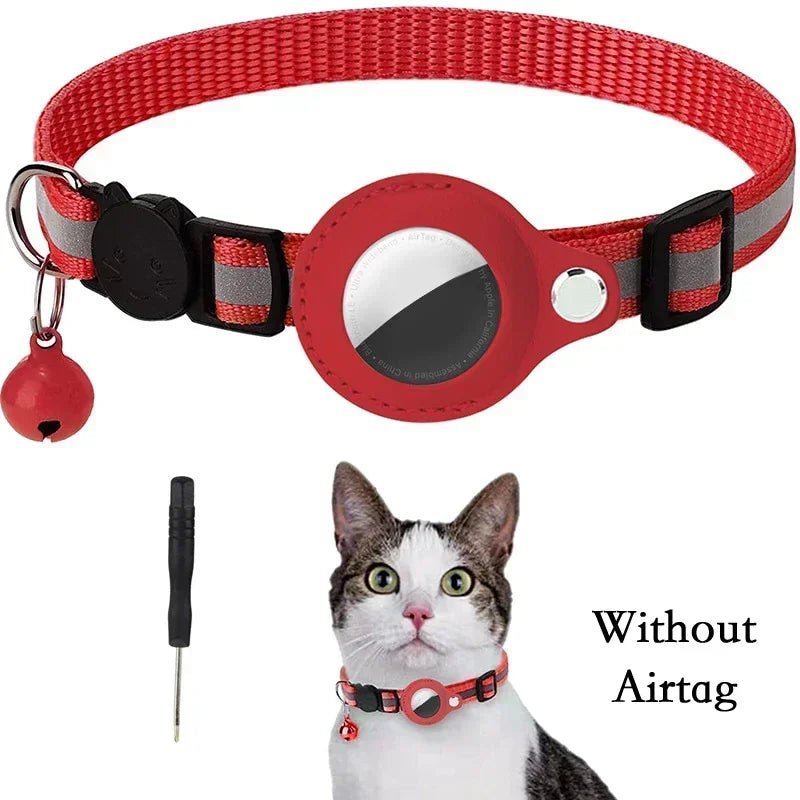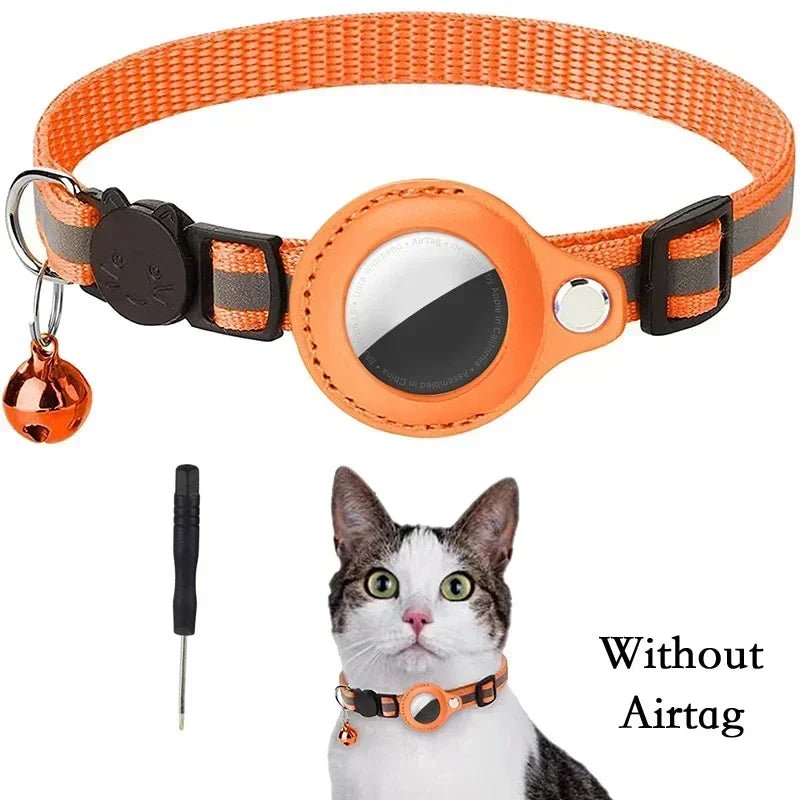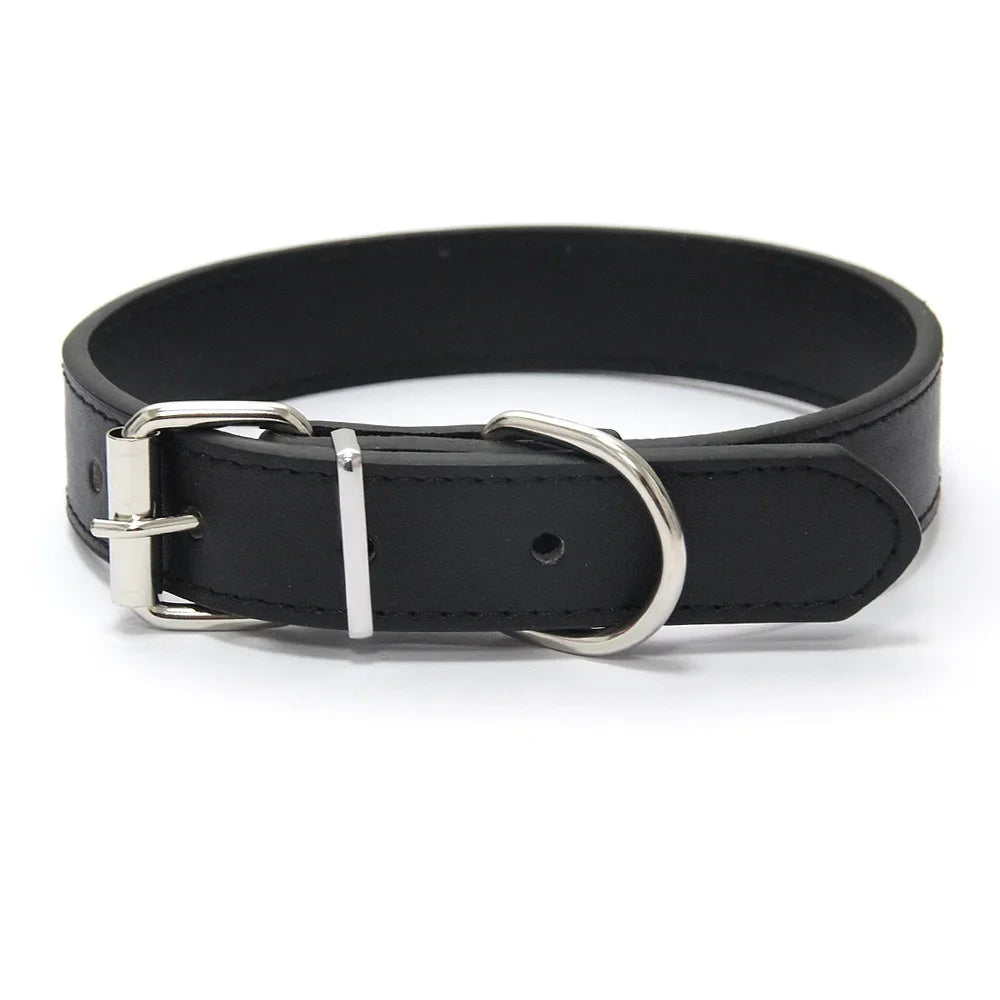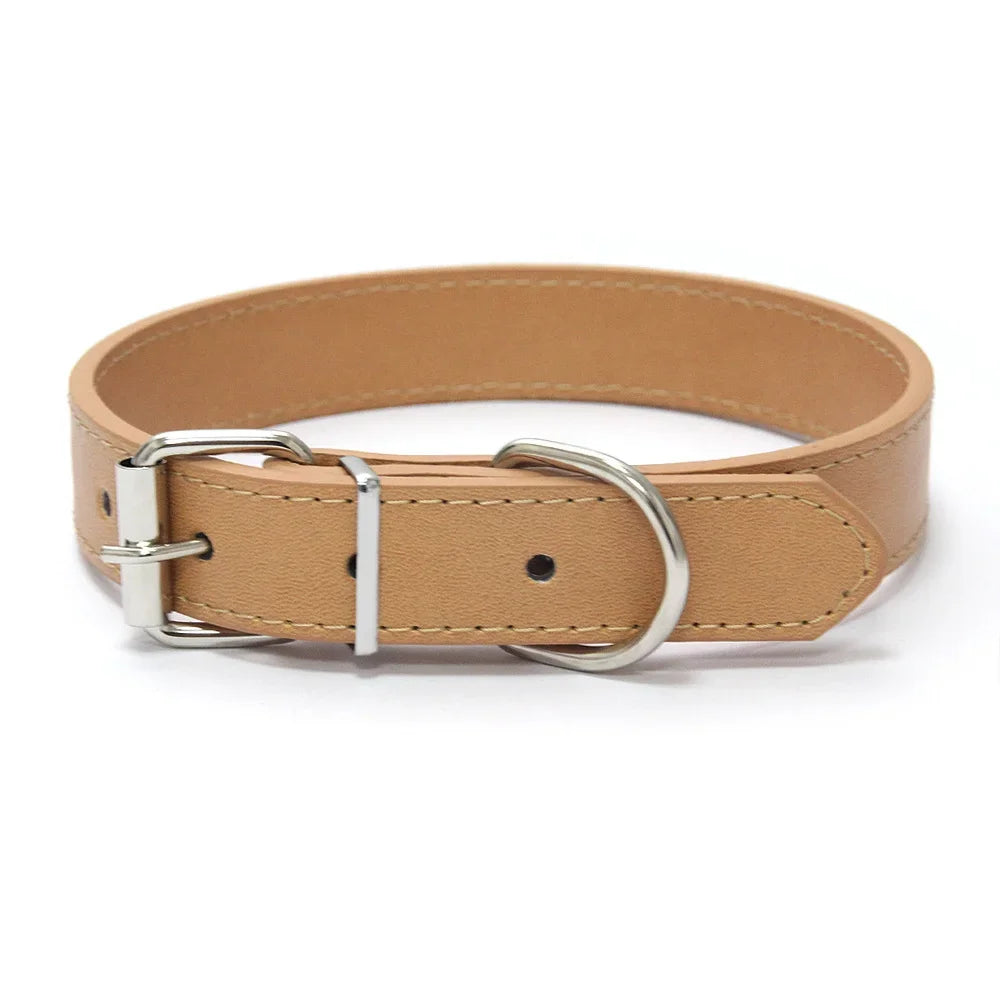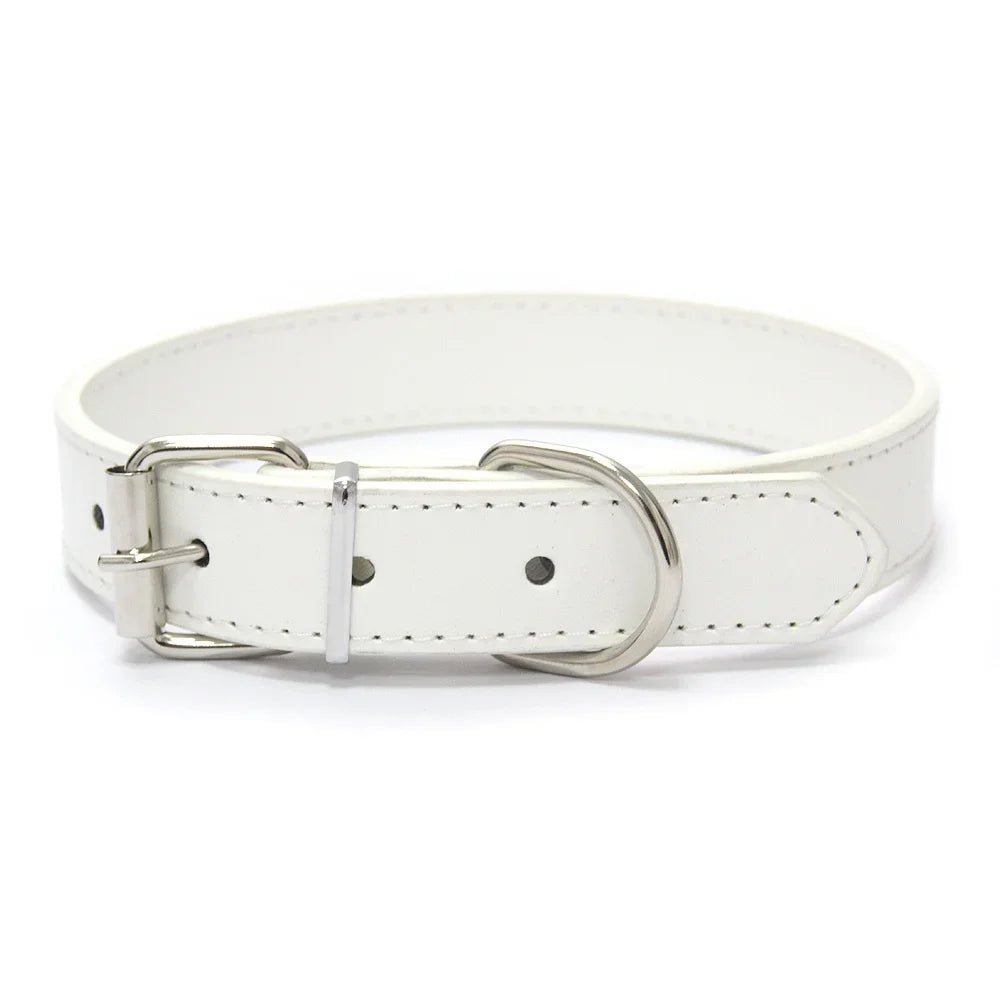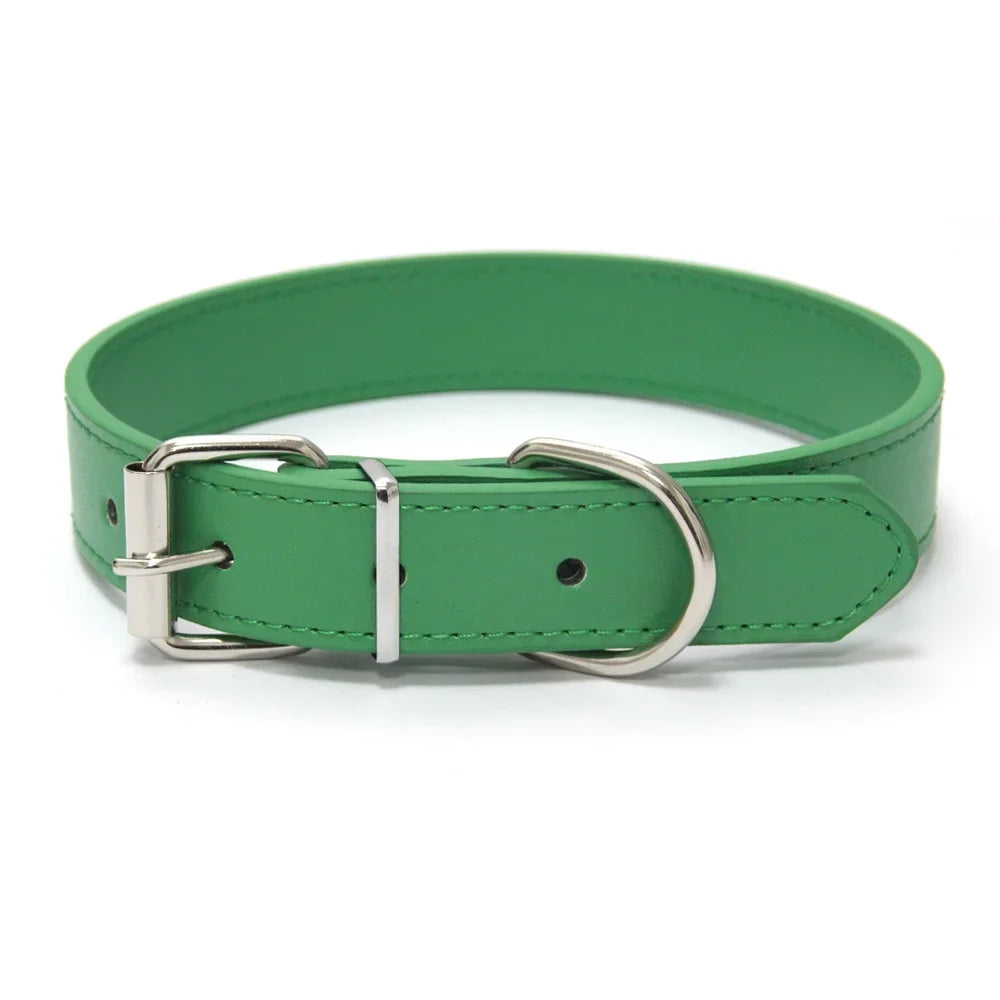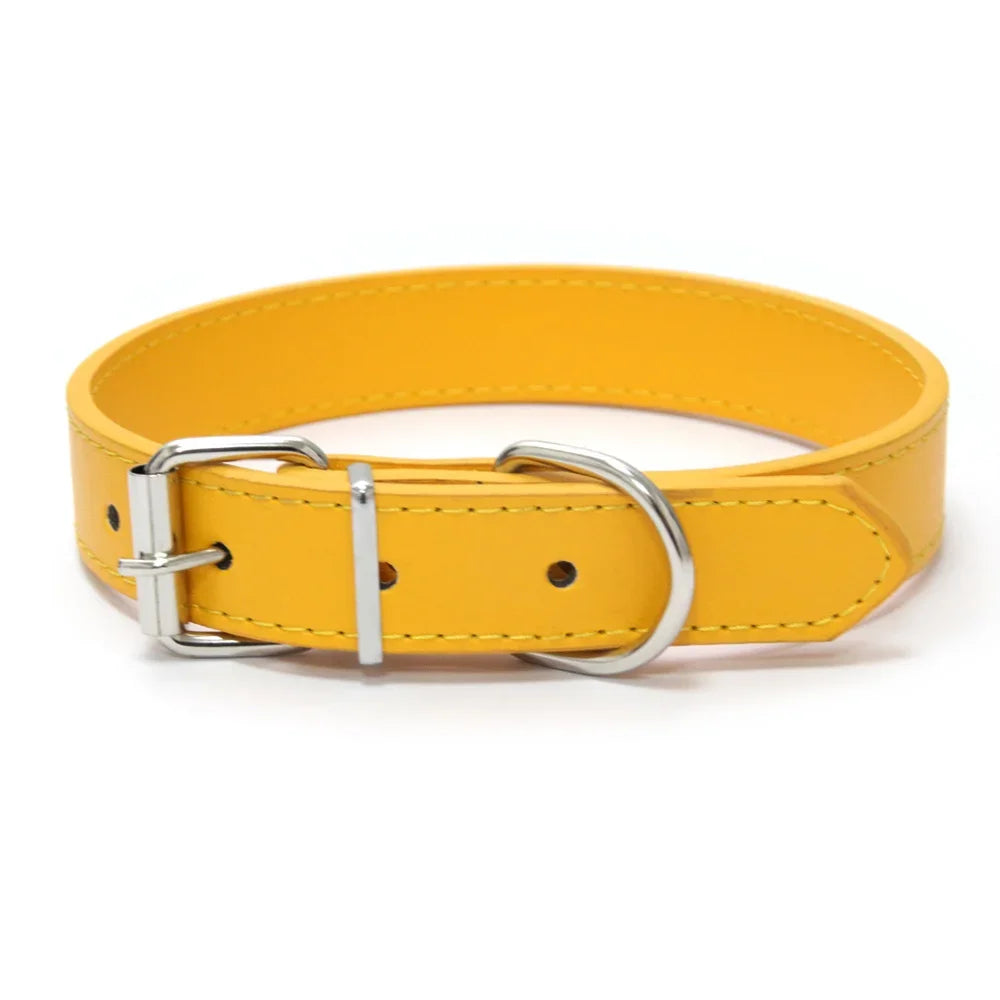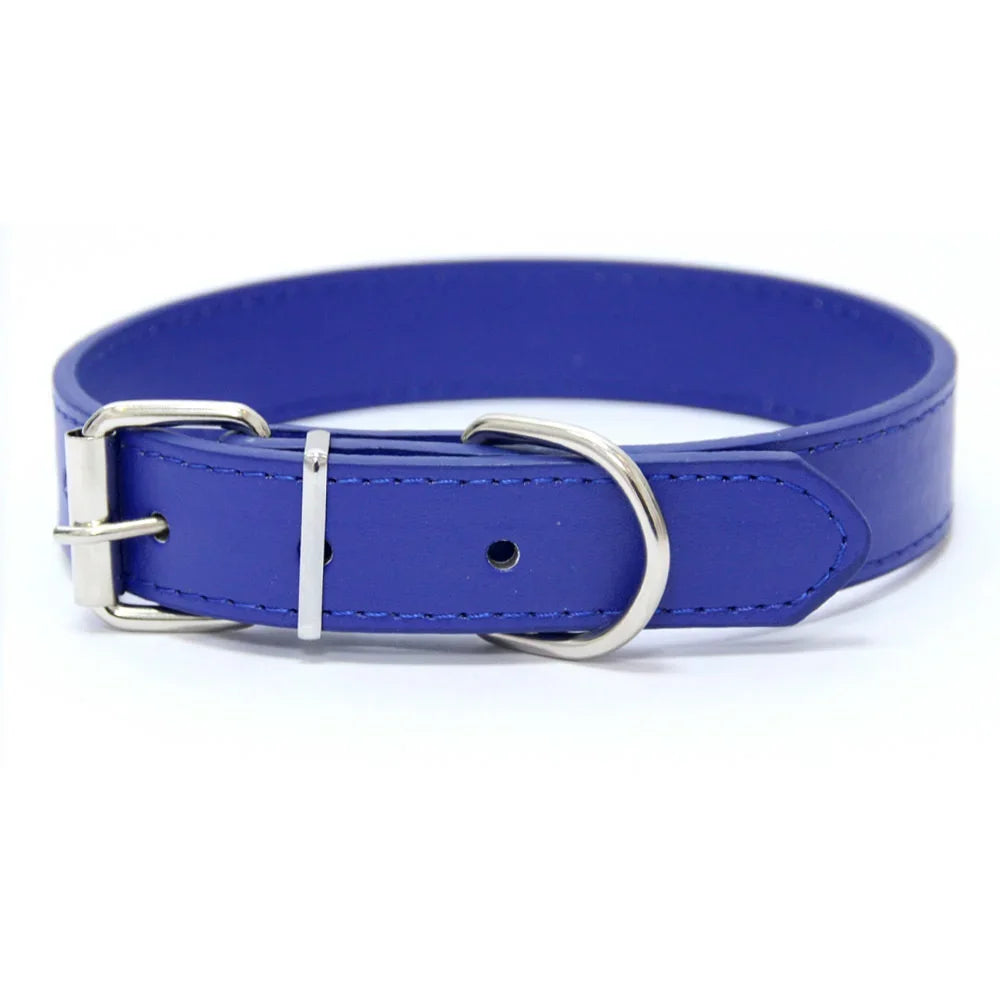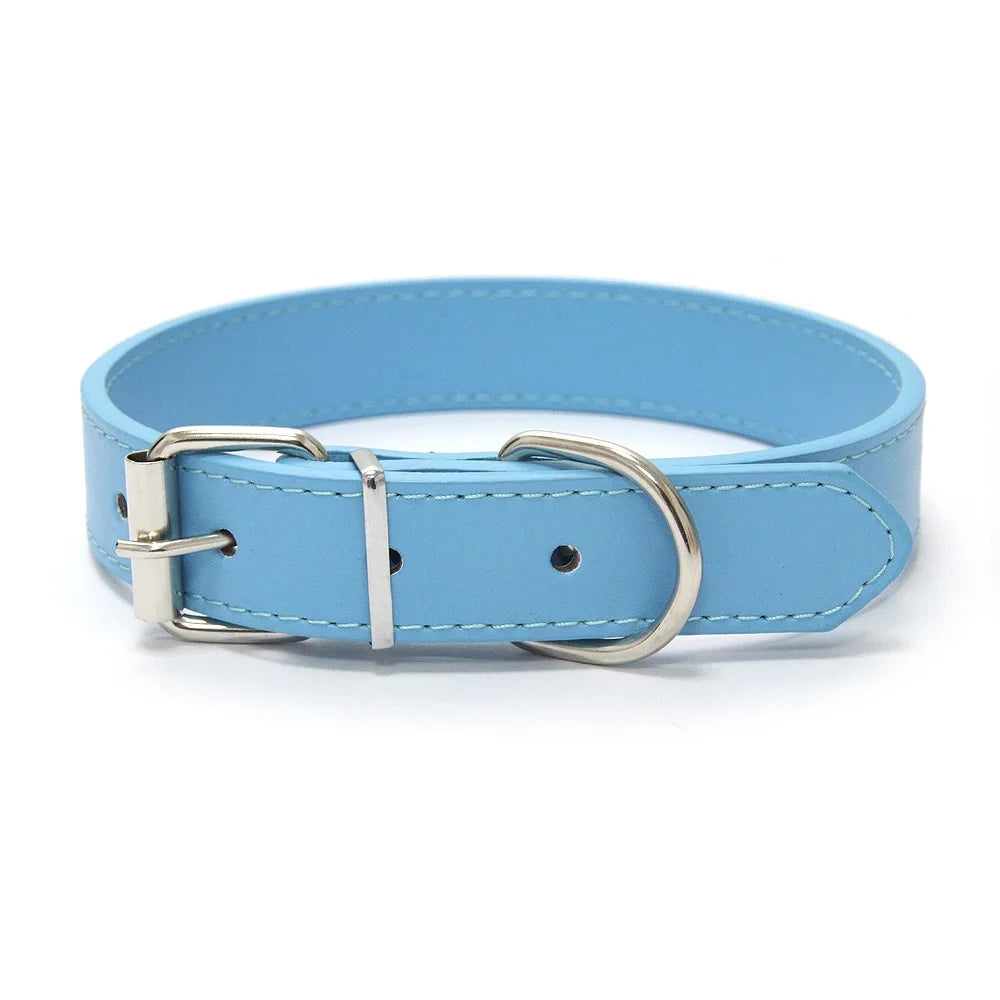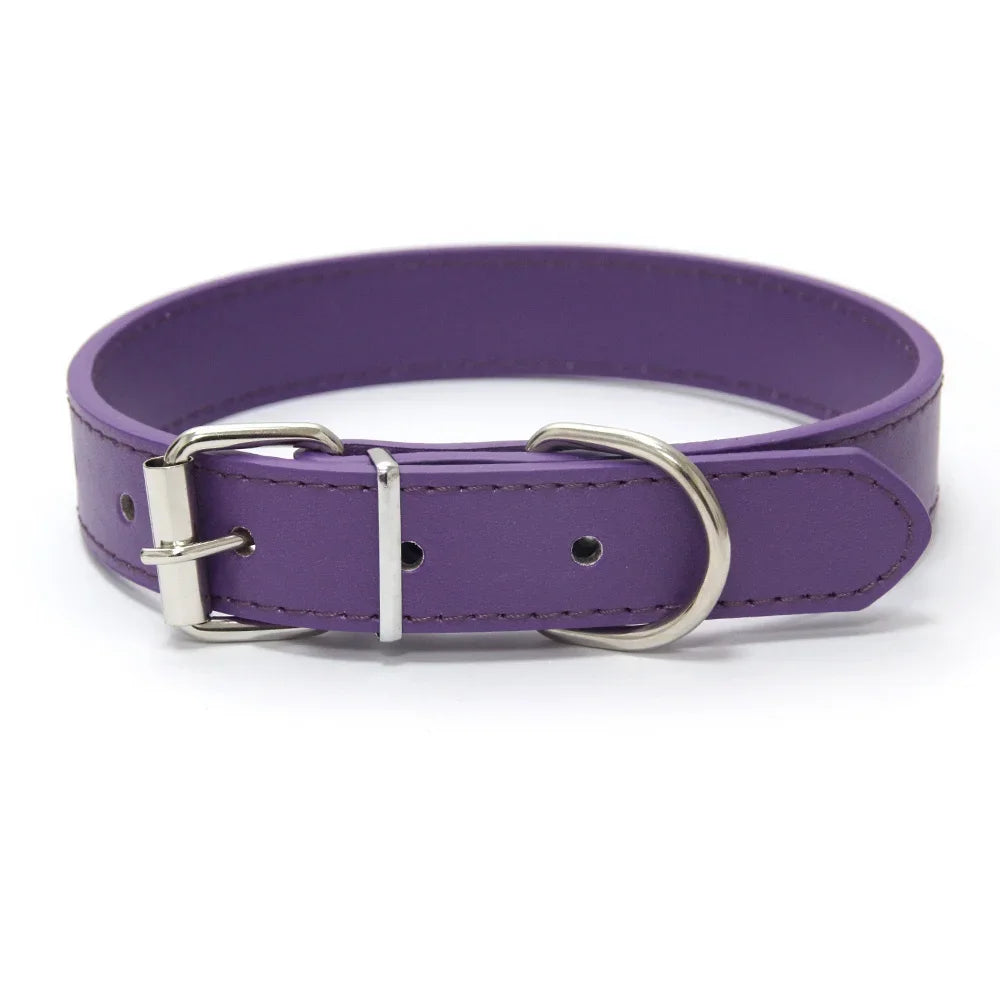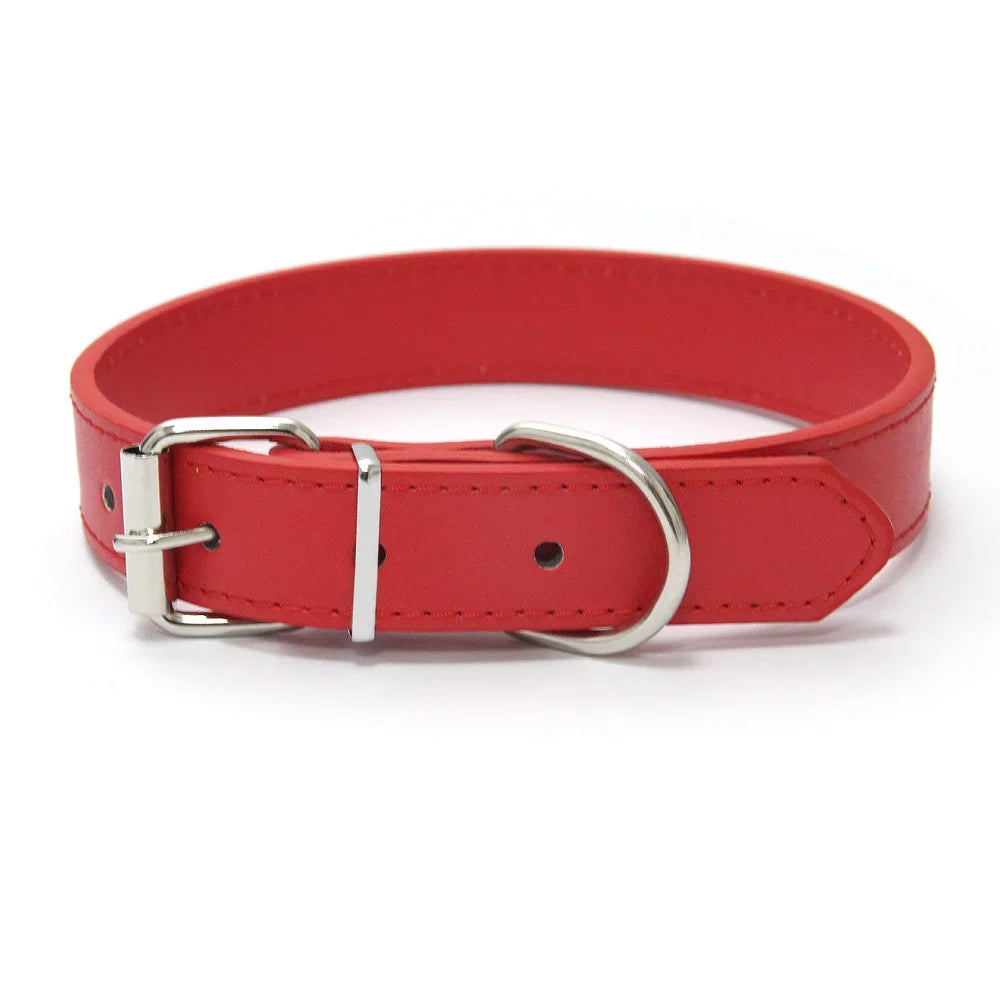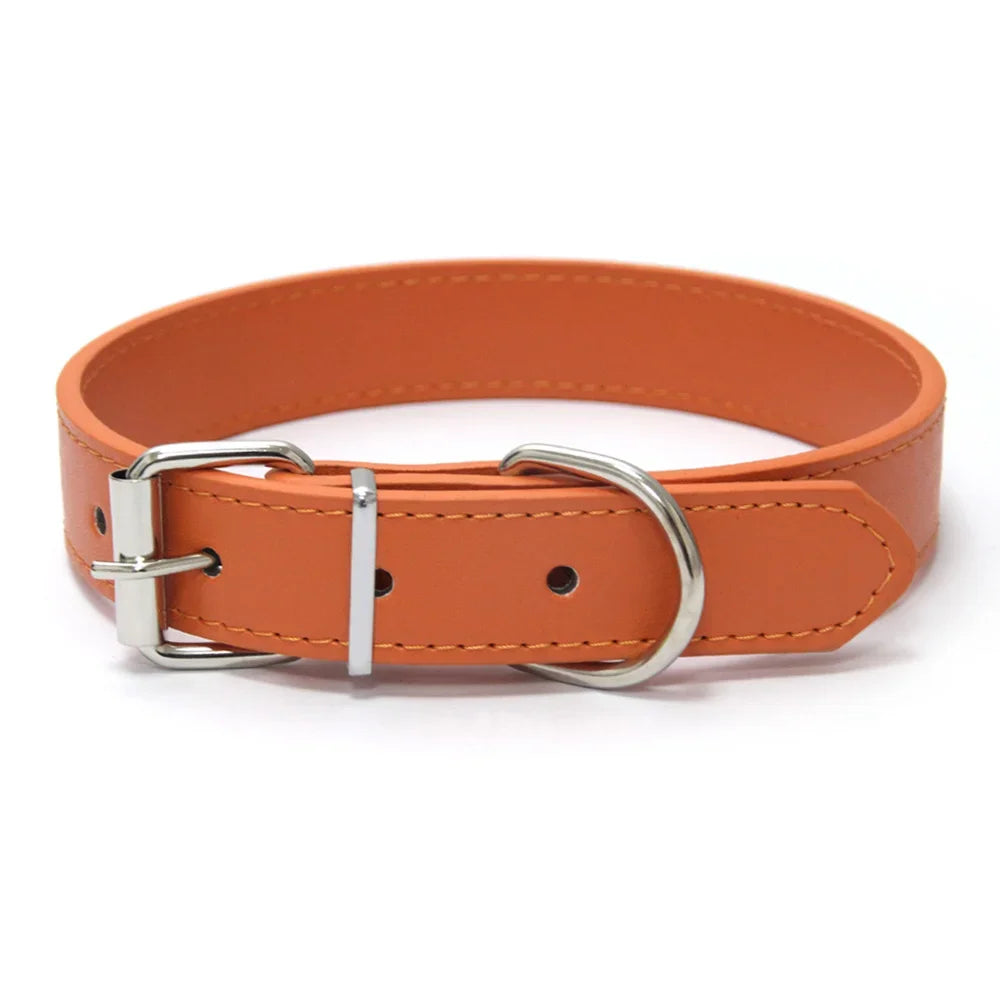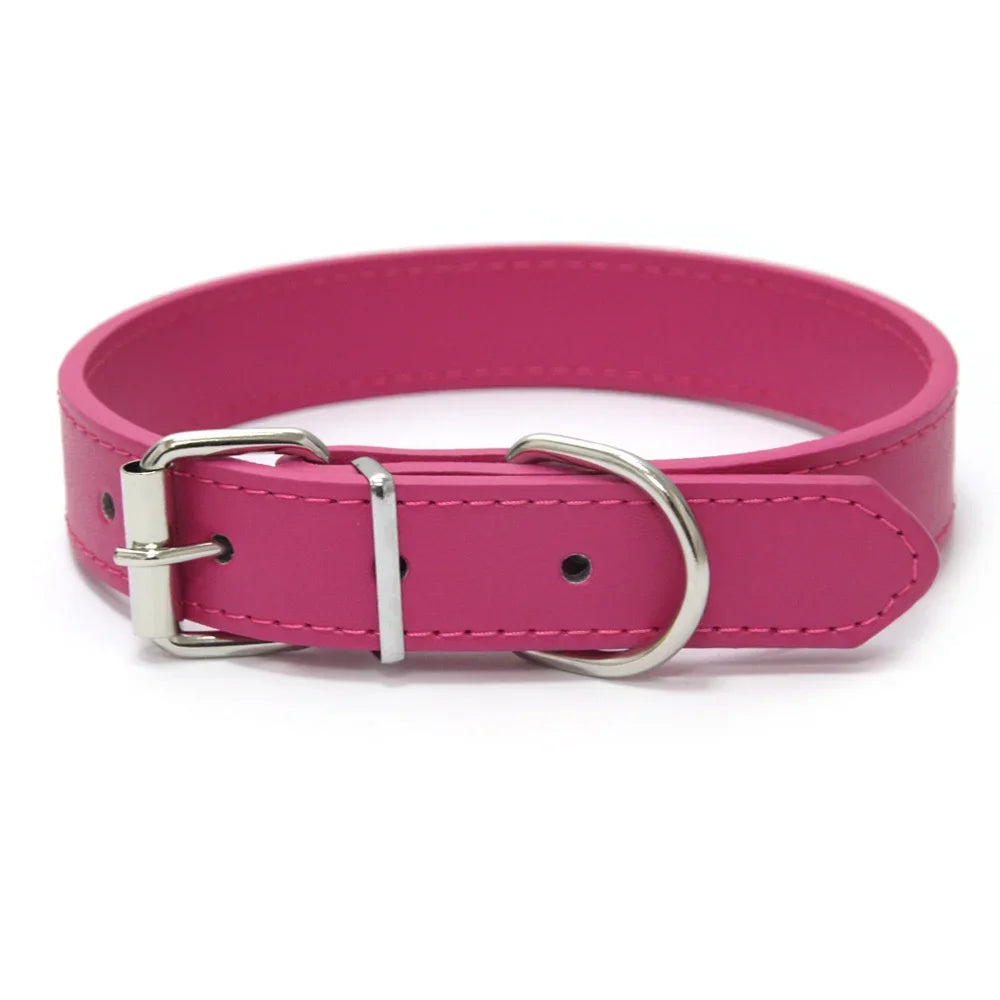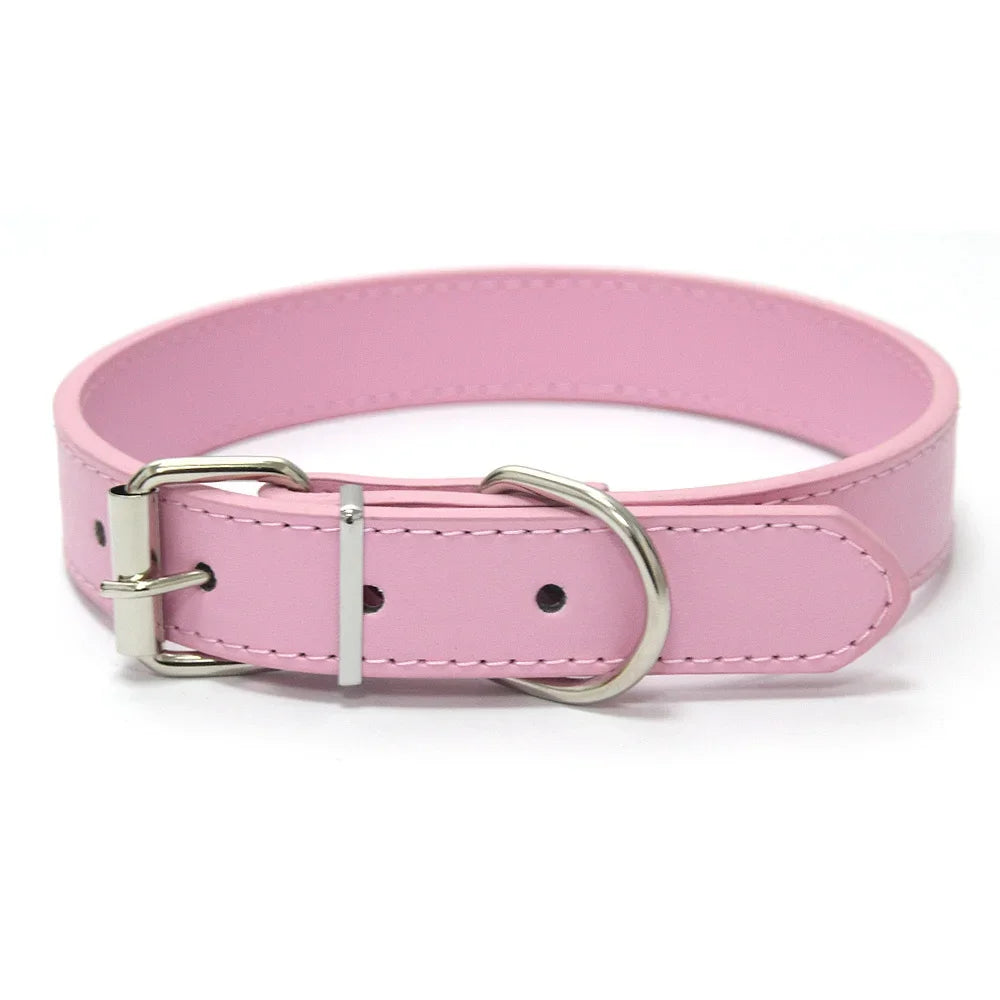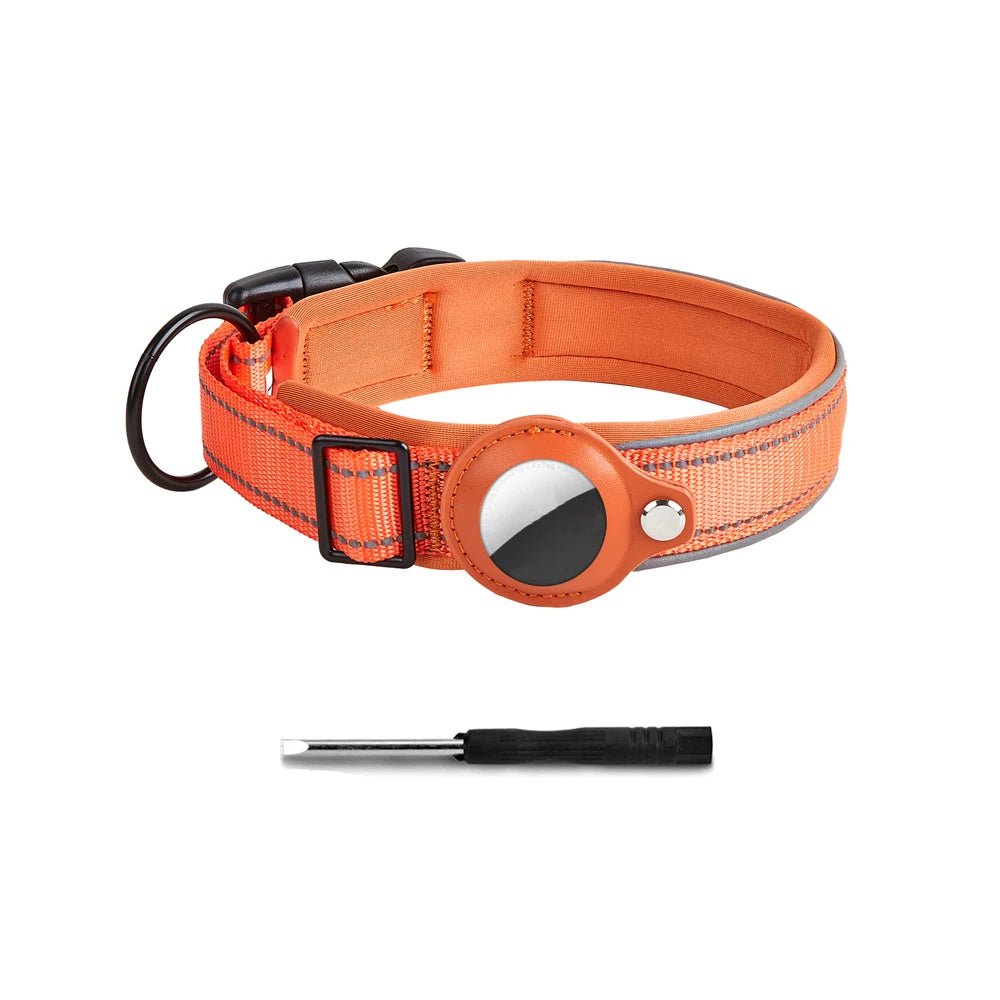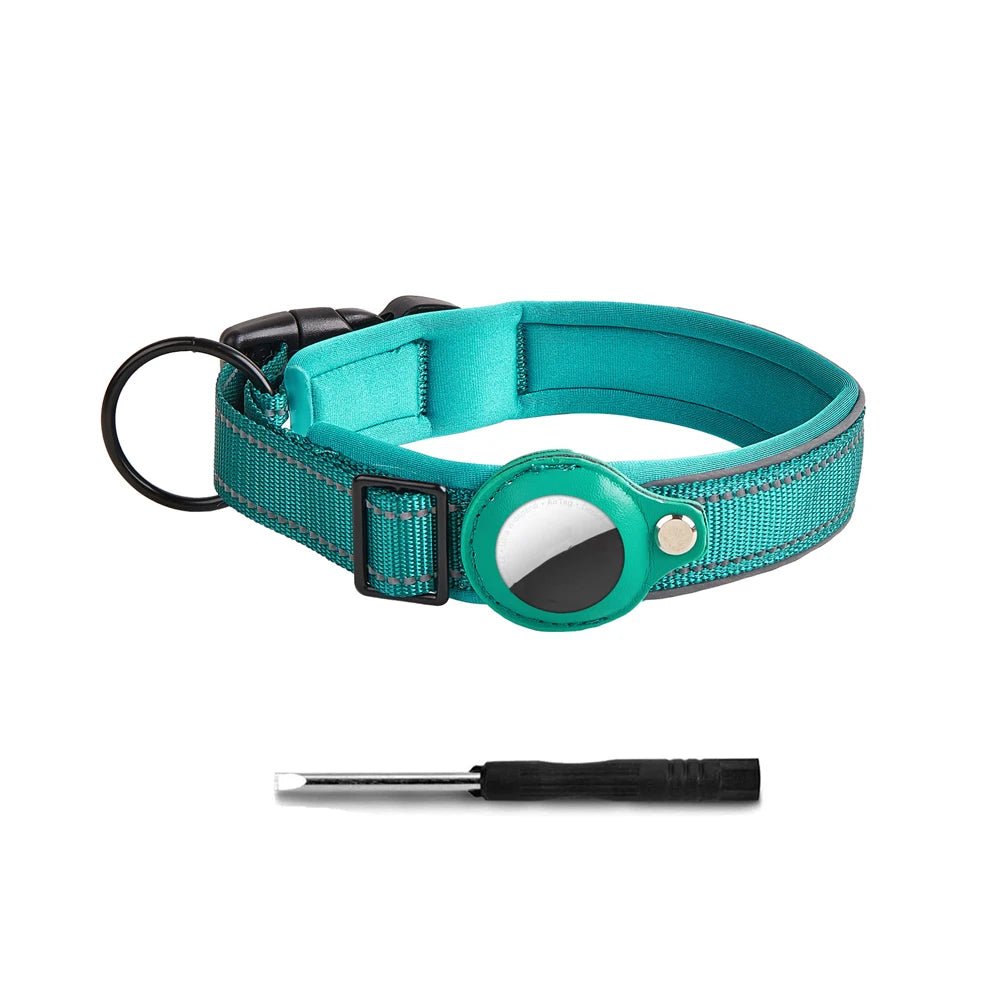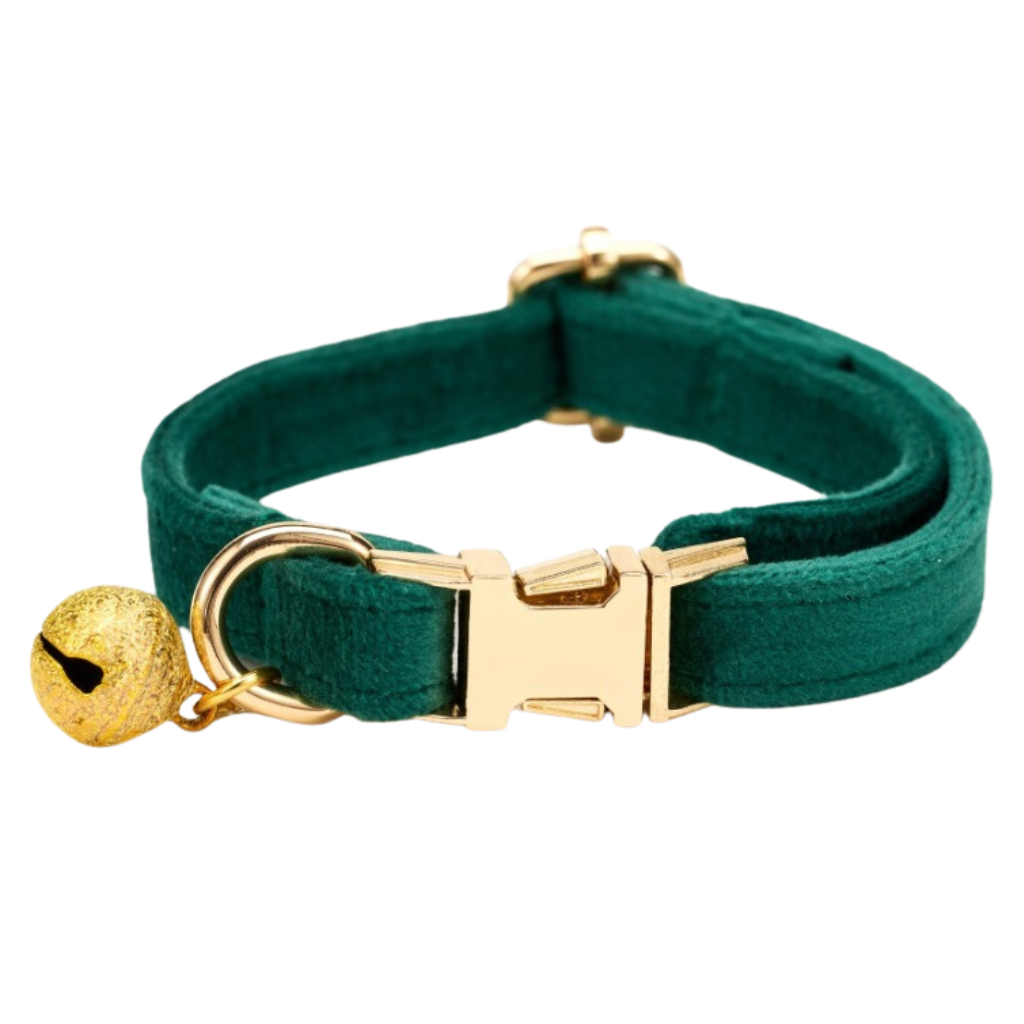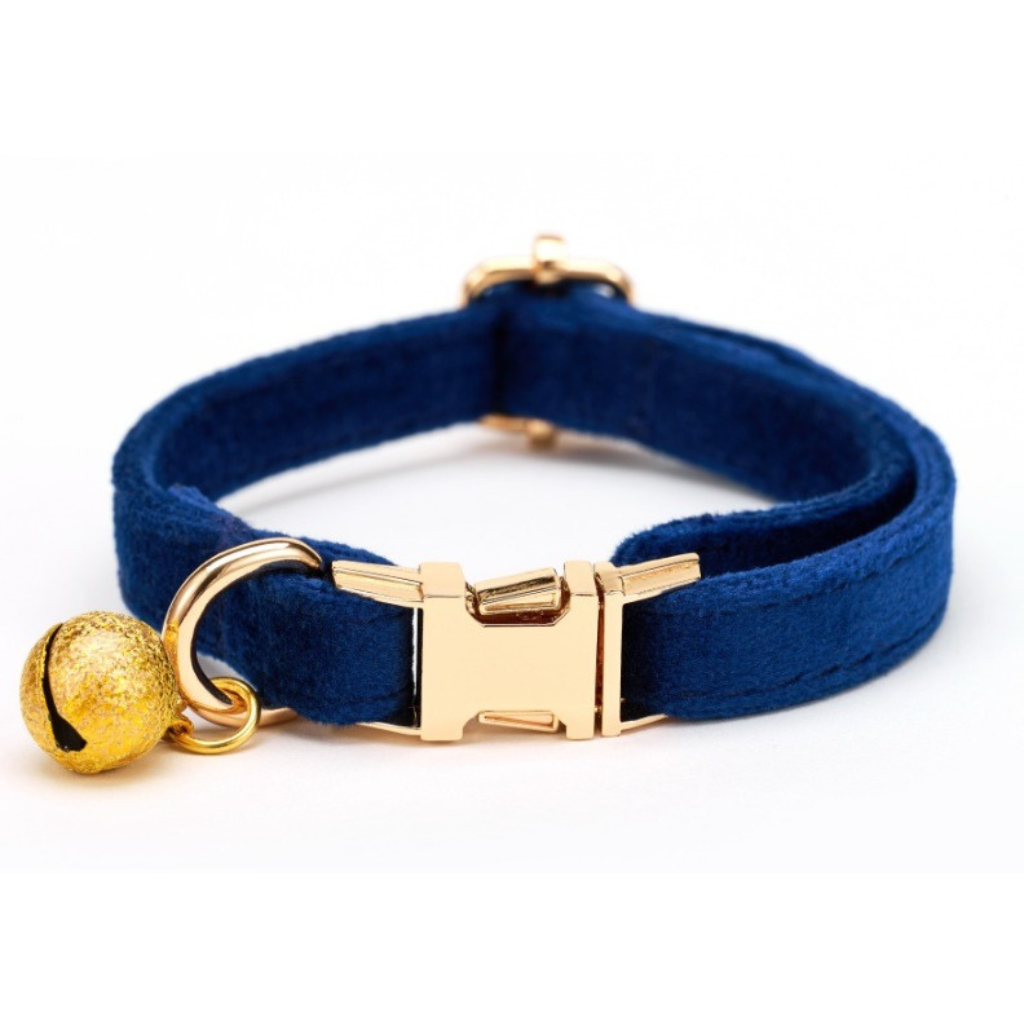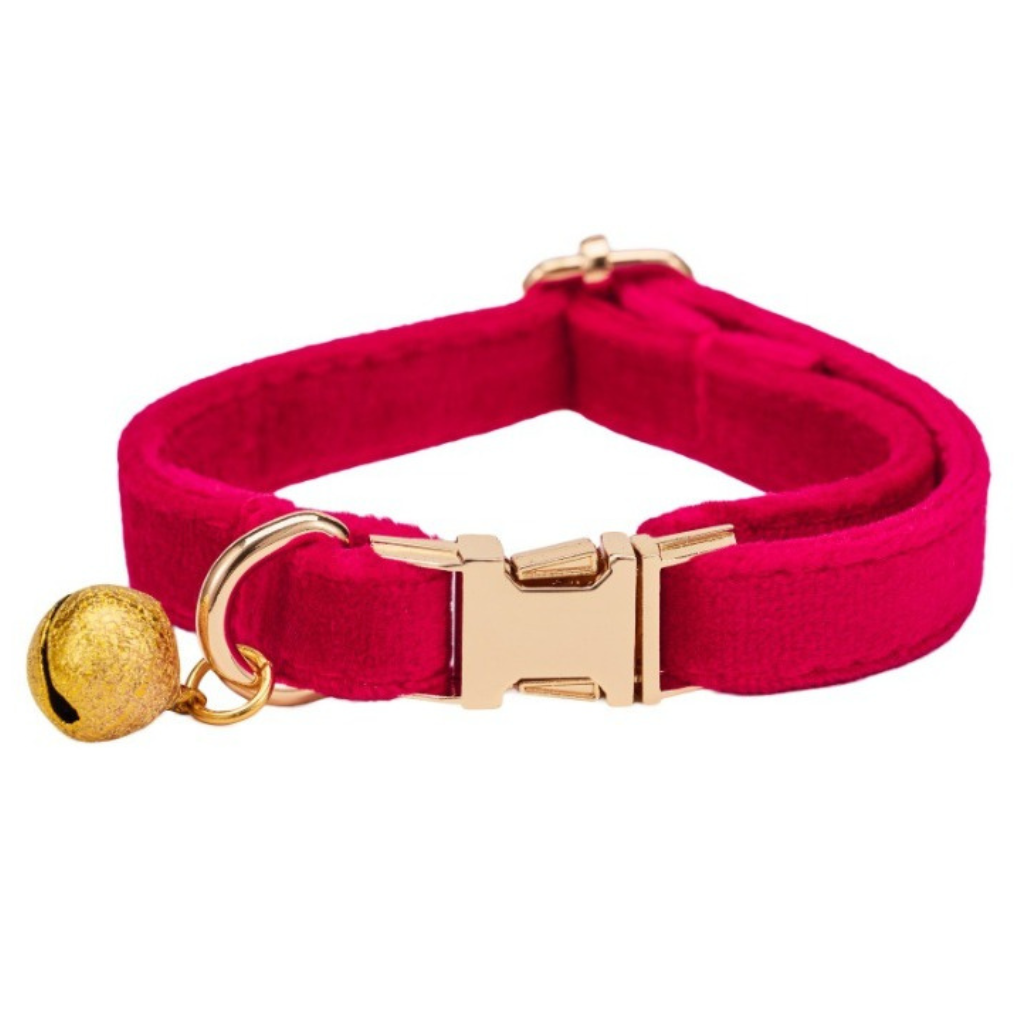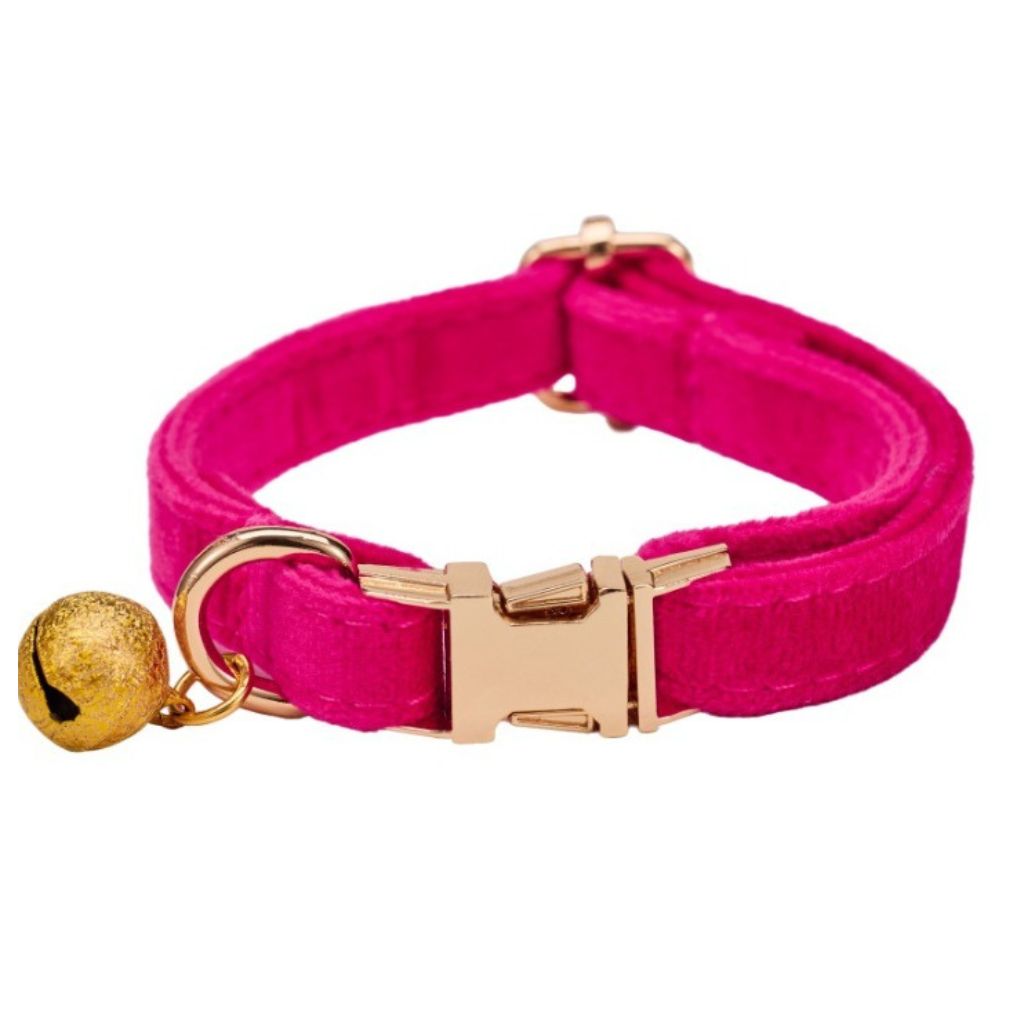

You have finally found a collar your cat will tolerate, clipped it on, and now you are quietly second-guessing yourself. Too loose and it might catch on something. Too tight and it just looks uncomfortable.
The good news is that how tight a cat collar should be comes down to one simple check: you should be able to slide two fingers comfortably between the collar and your cat's neck. Get that right and the collar stays put without rubbing or pressing on the throat. Here is how to find that fit, spot the signs of a poor one, and keep your cat comfortable every day.
The Two Finger Rule for a Comfortable Fit
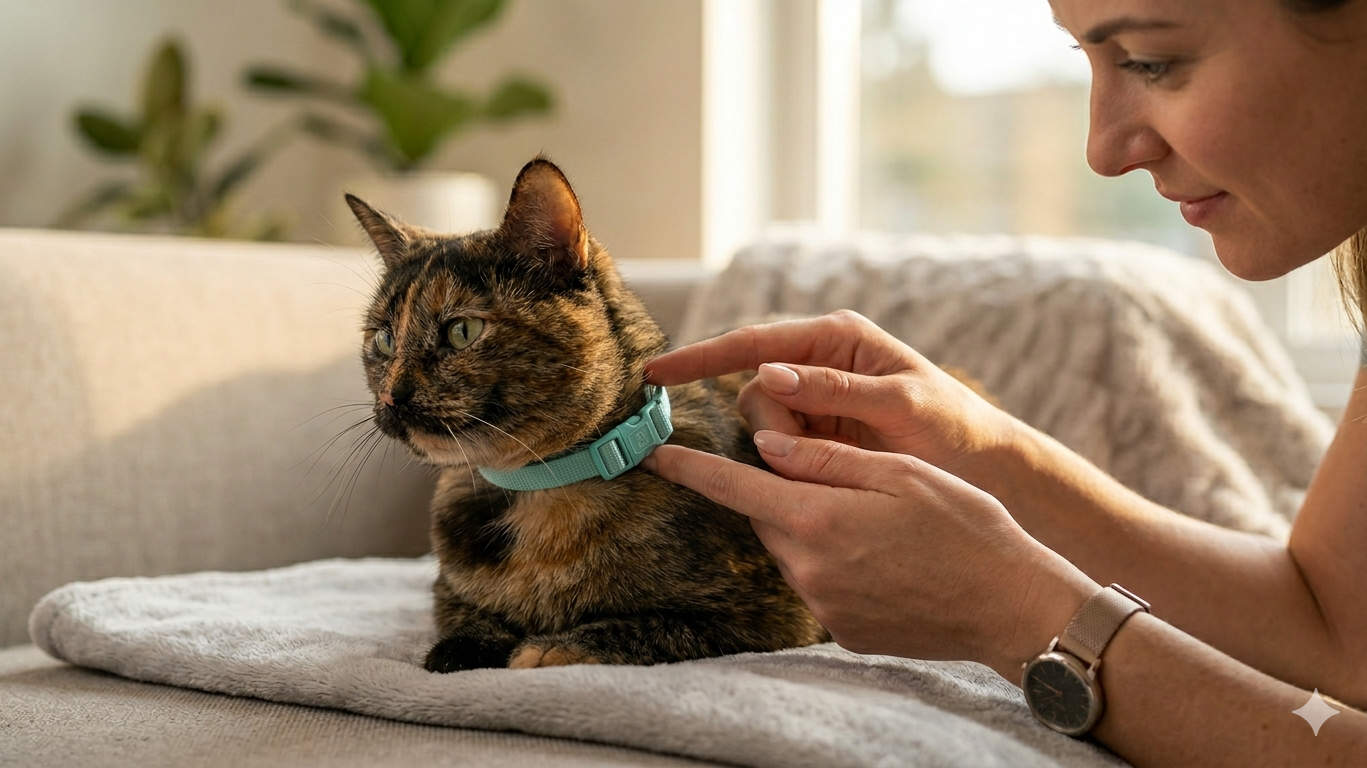
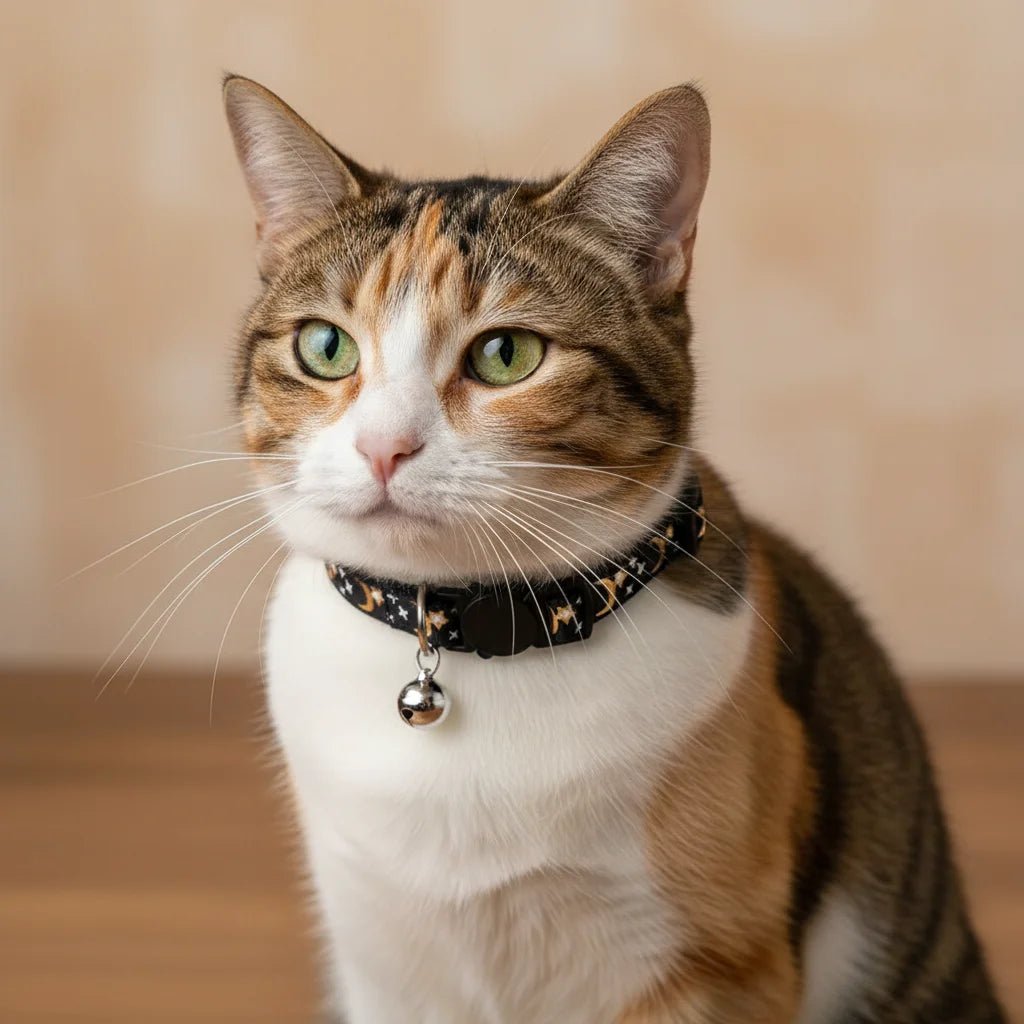
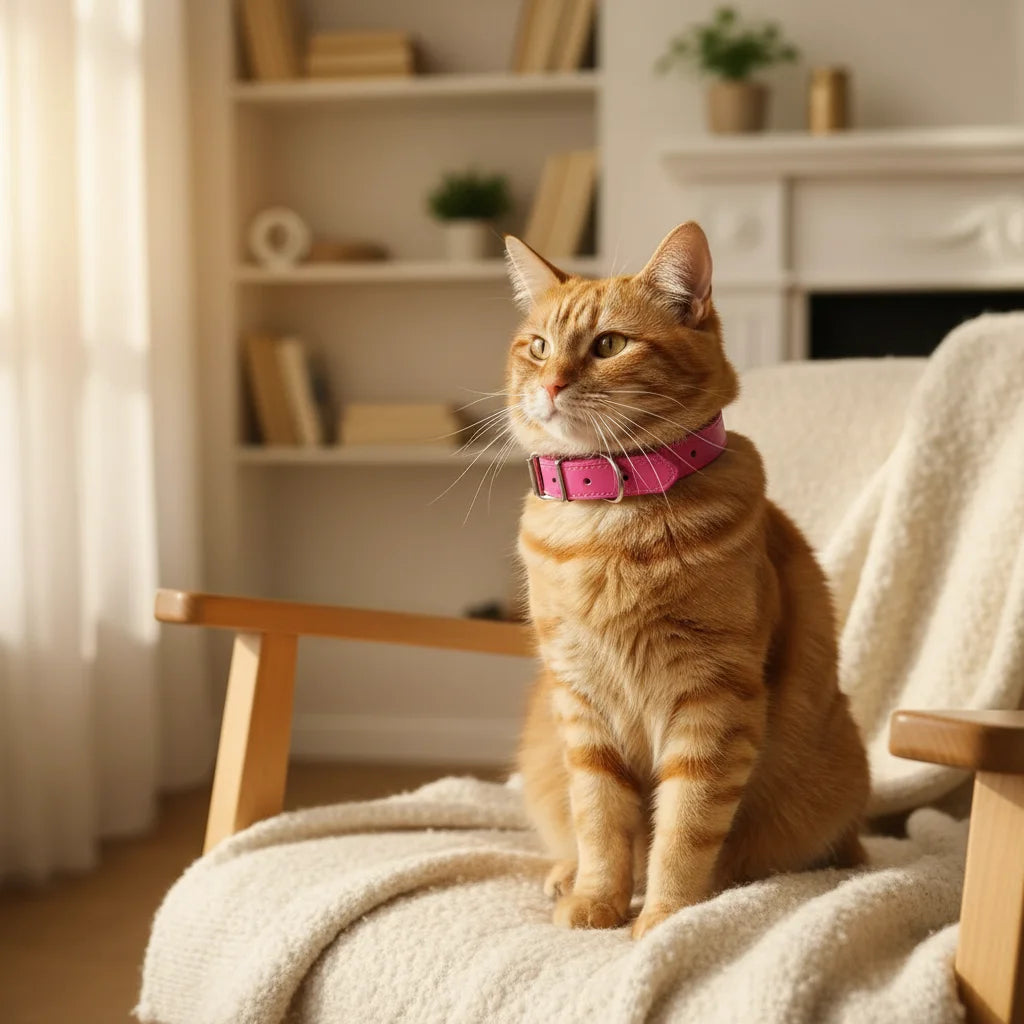
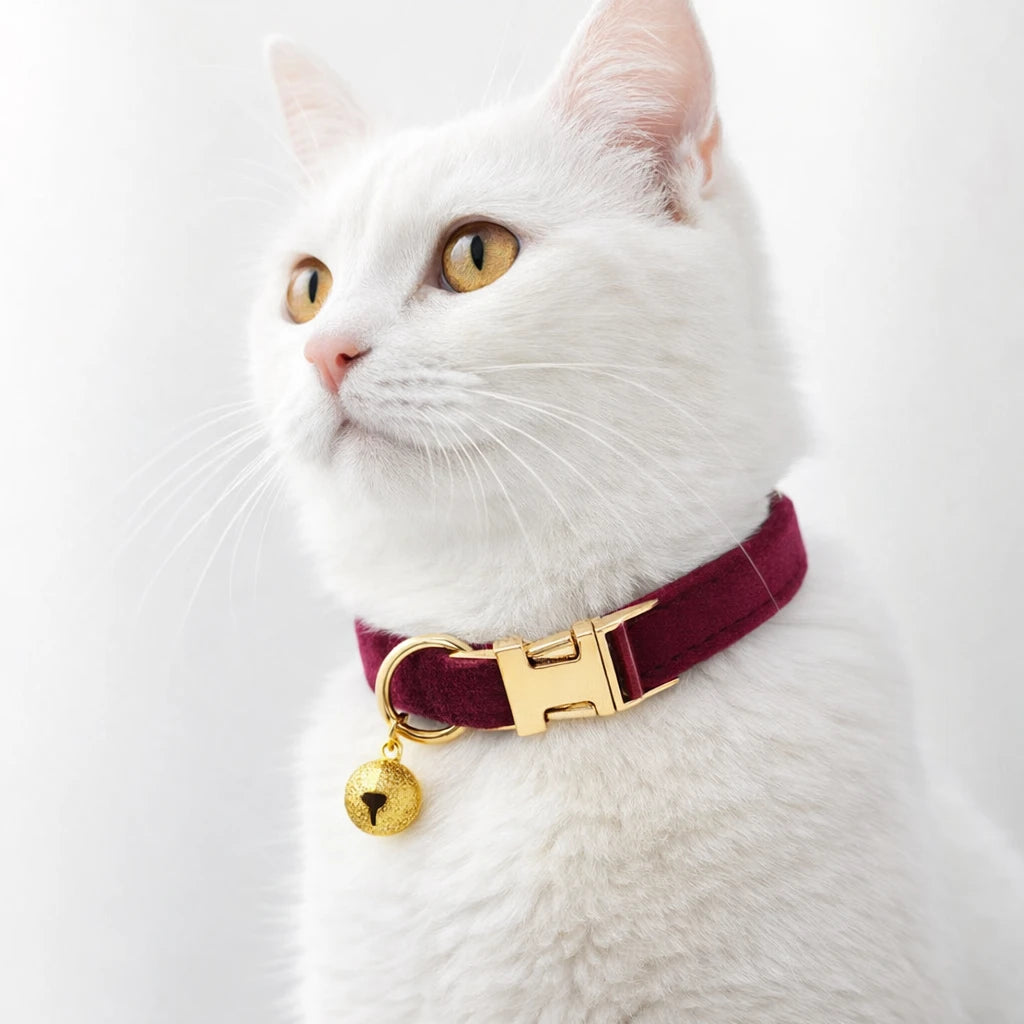
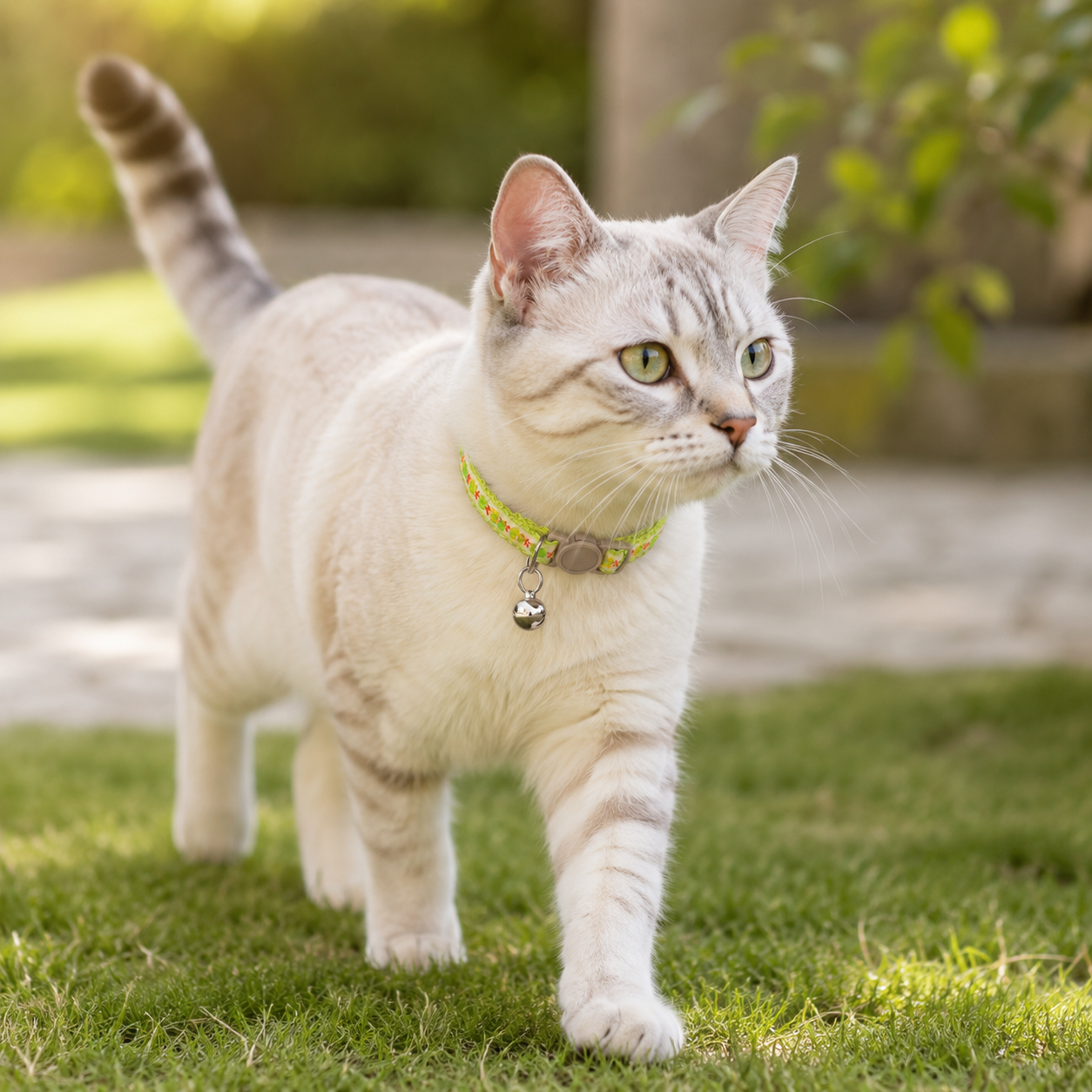
The two finger rule is the simplest way to judge a comfortable fit. With the collar fastened, you should be able to slip two fingers flat between the collar and your cat's neck, no more and no less. Any tighter and it presses on the throat, any looser and it can snag on something or slip straight over the head.
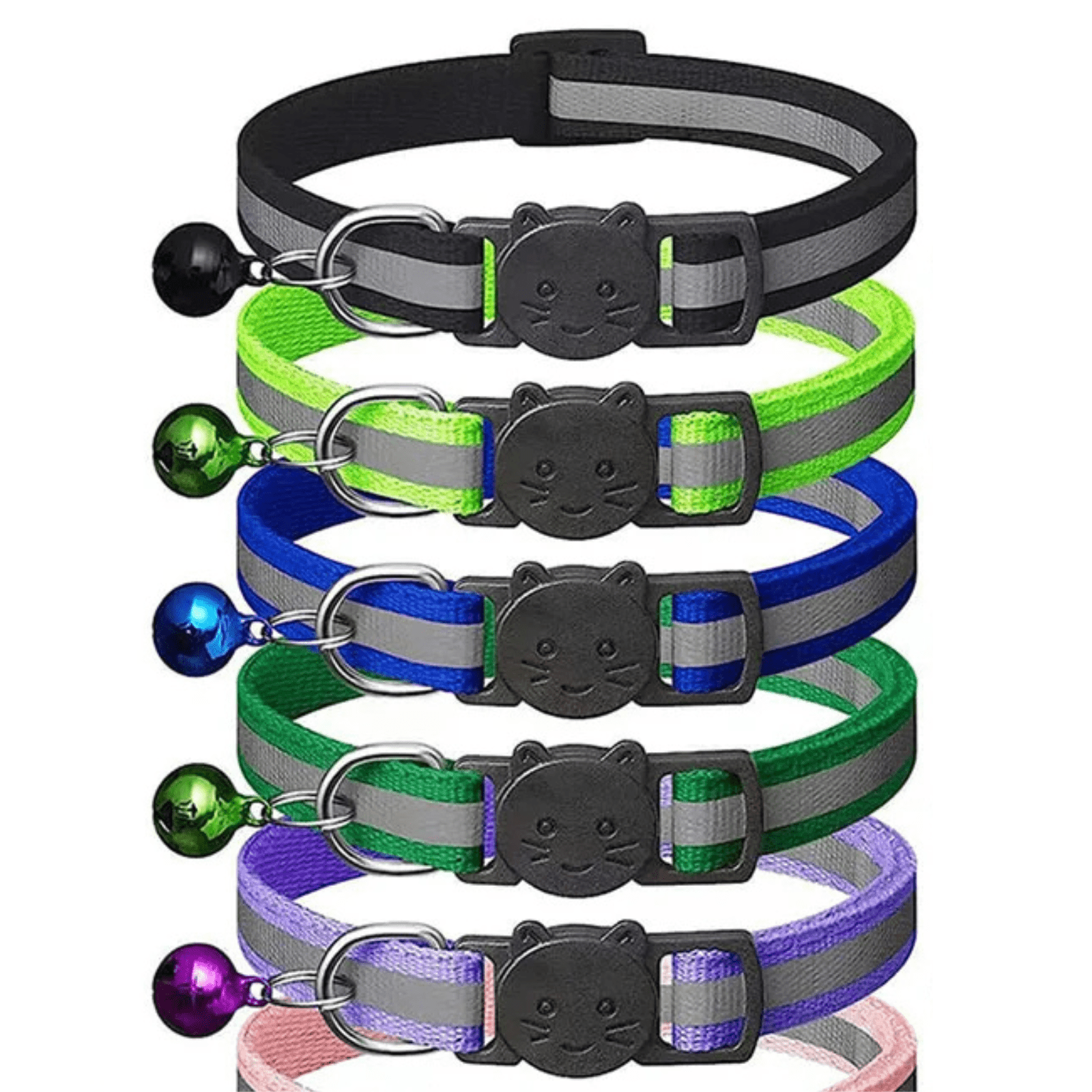
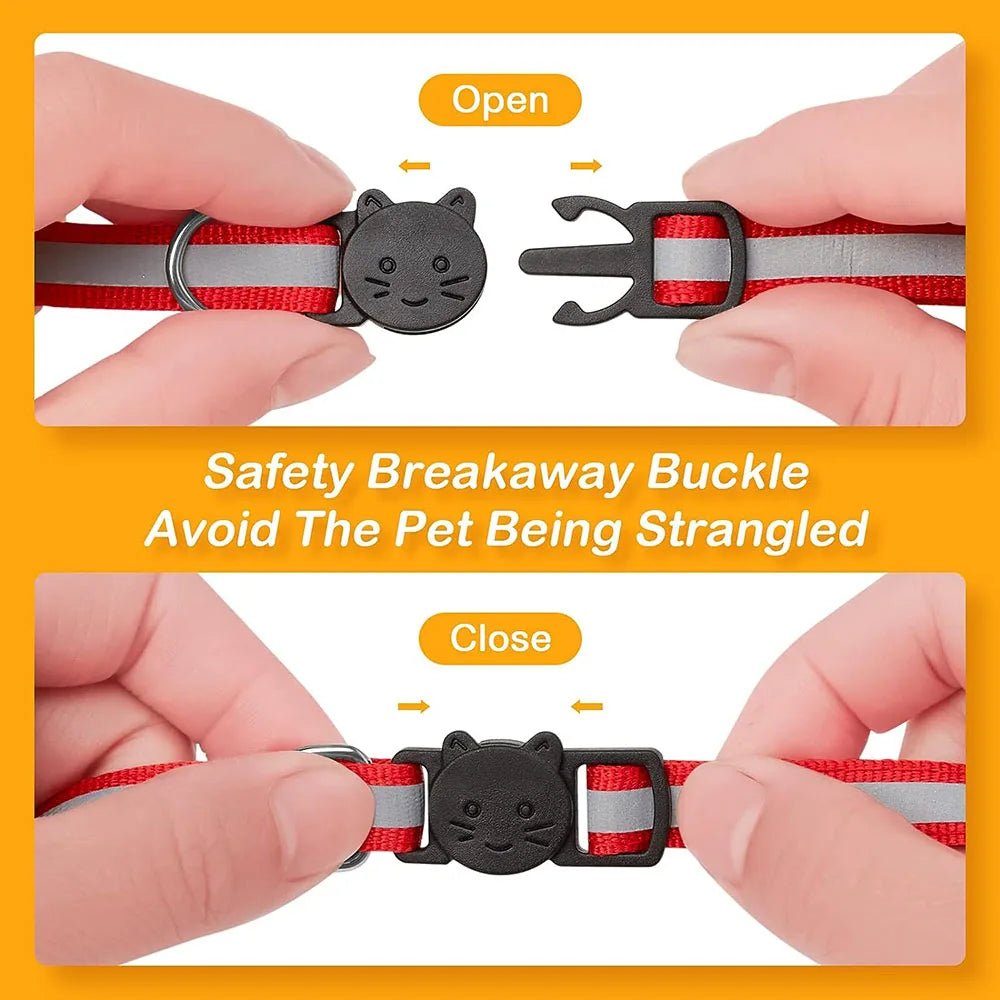
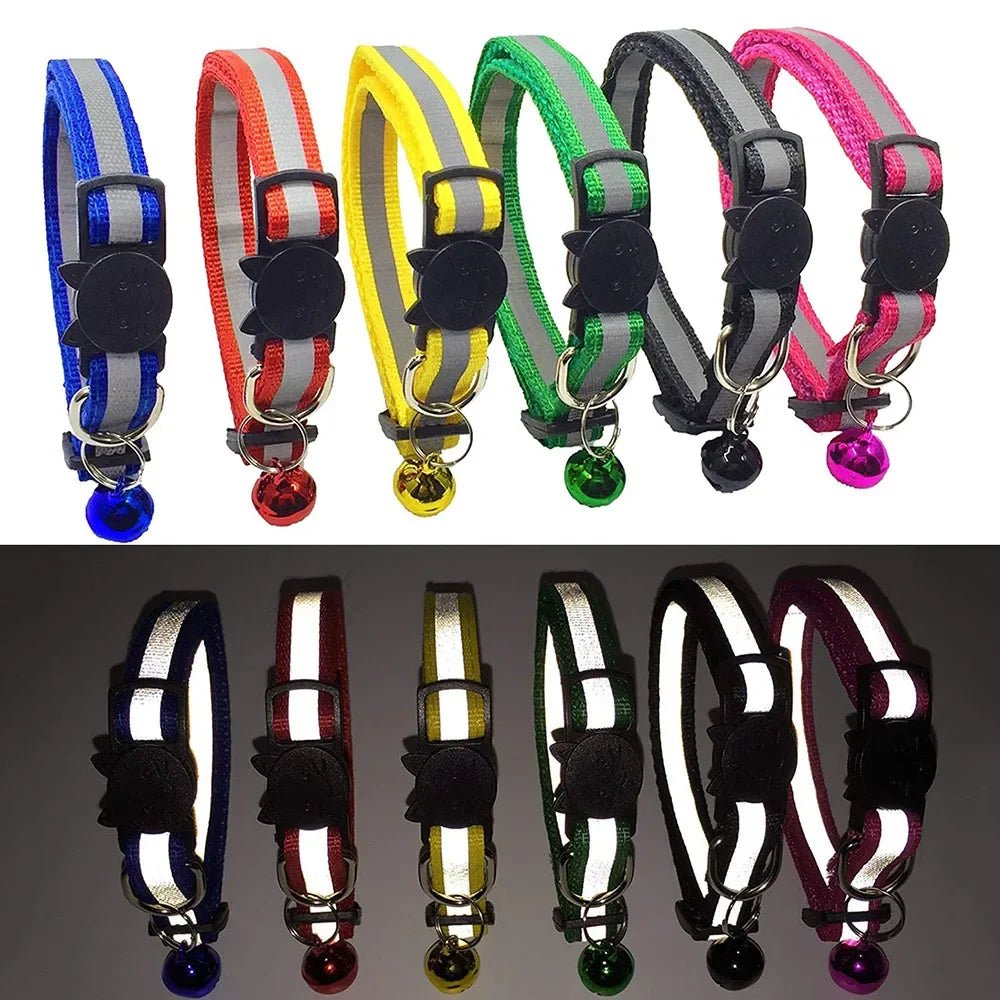
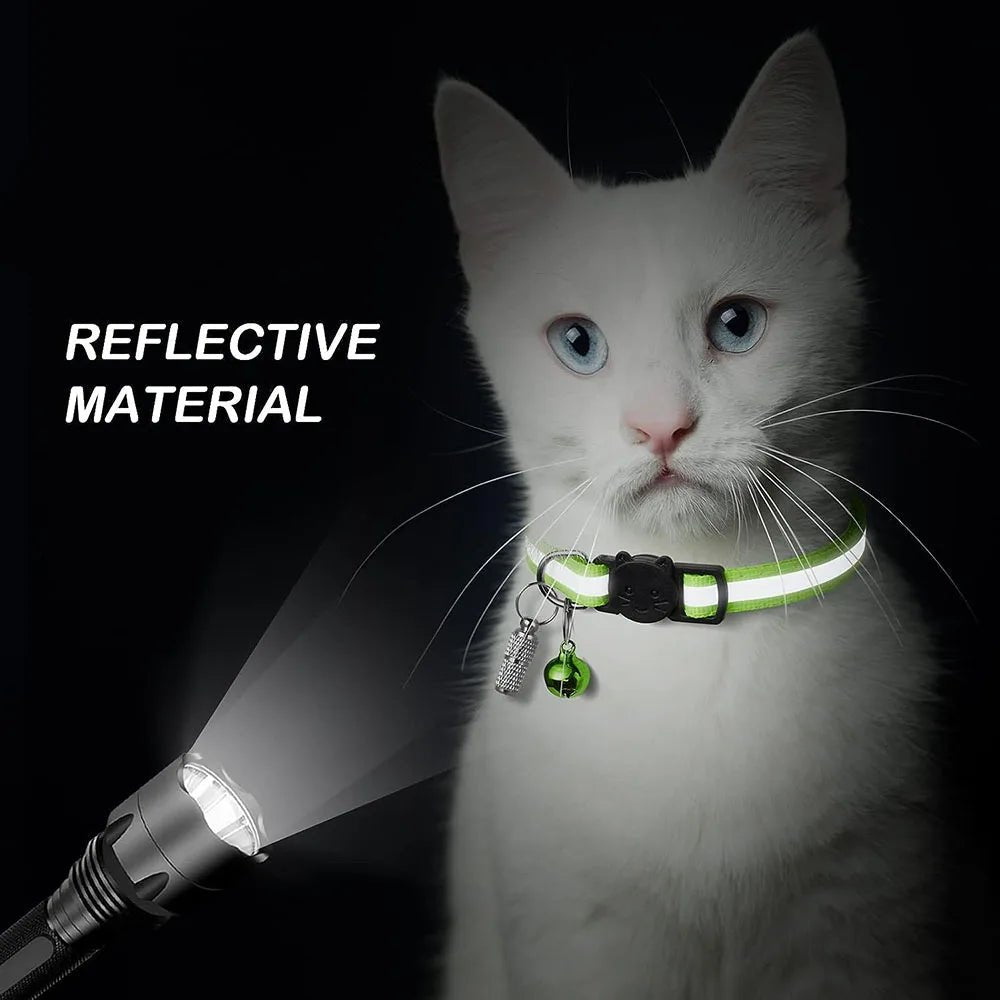
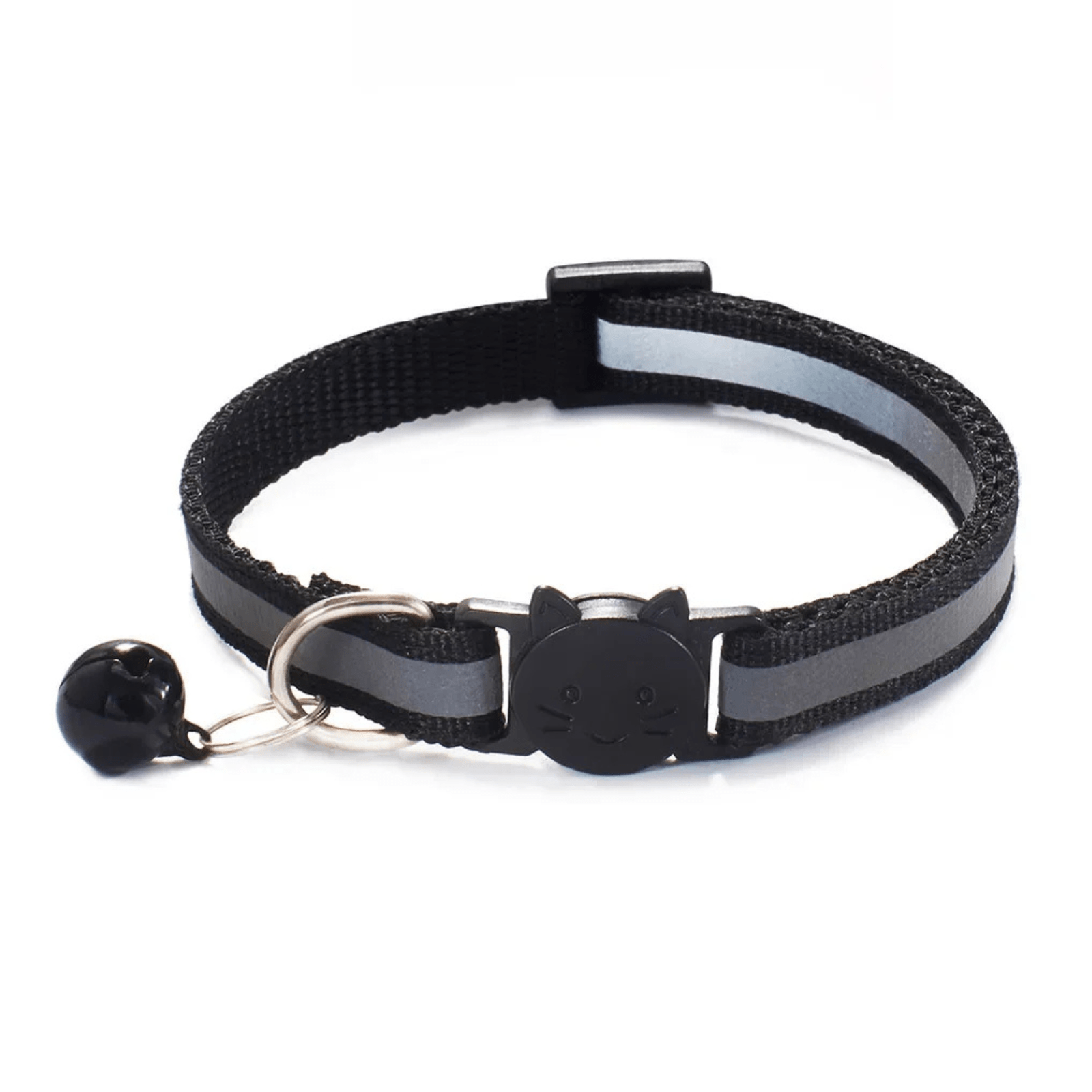
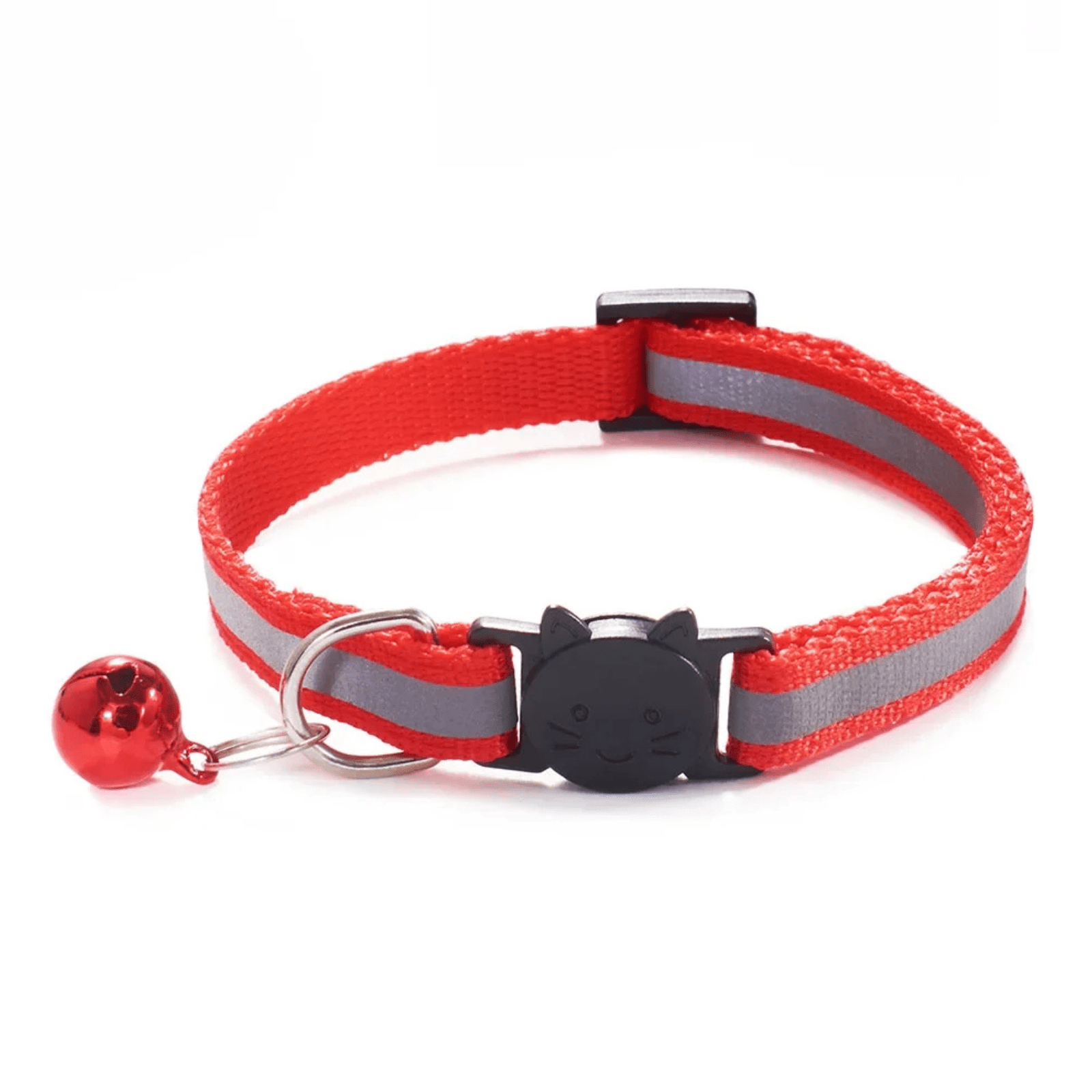
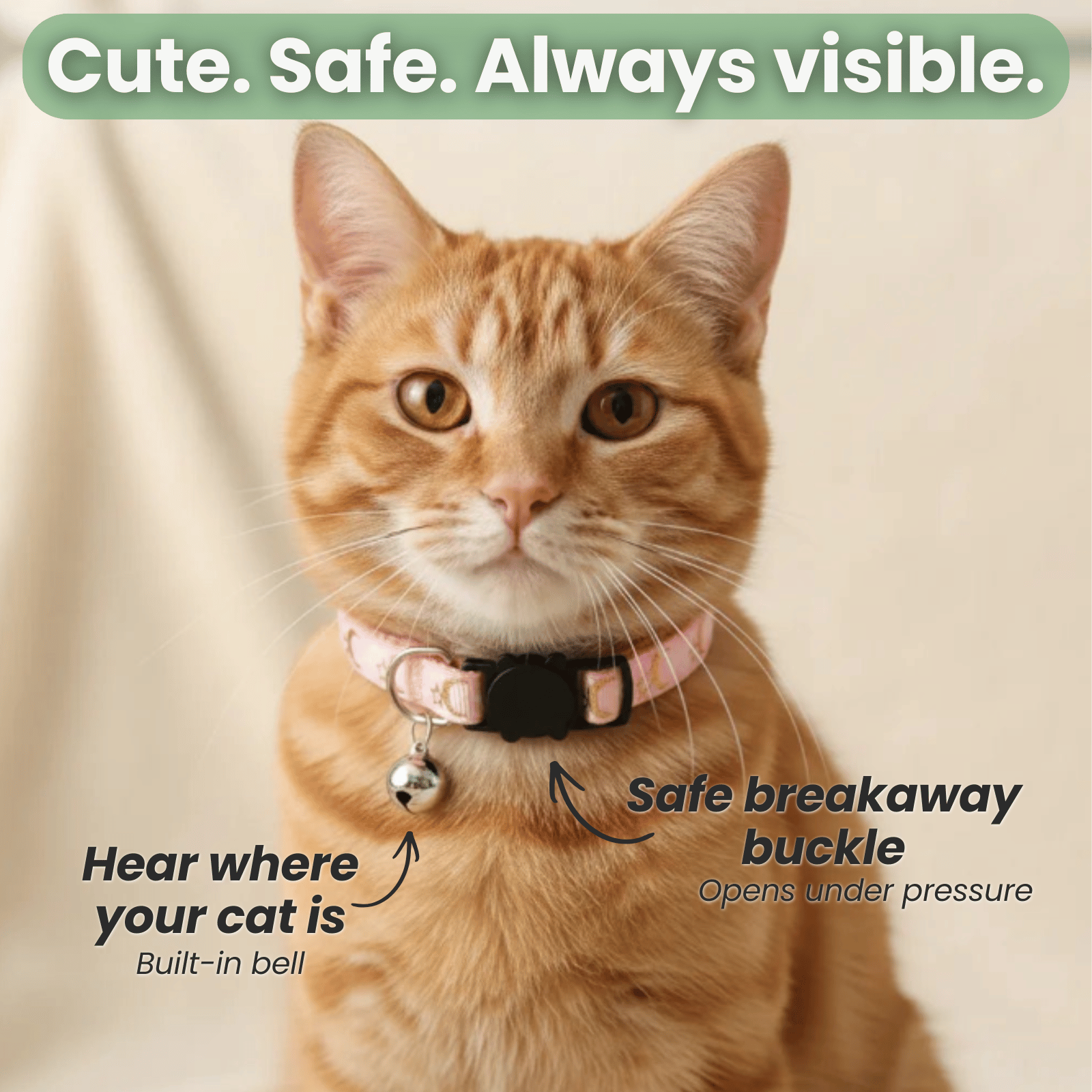
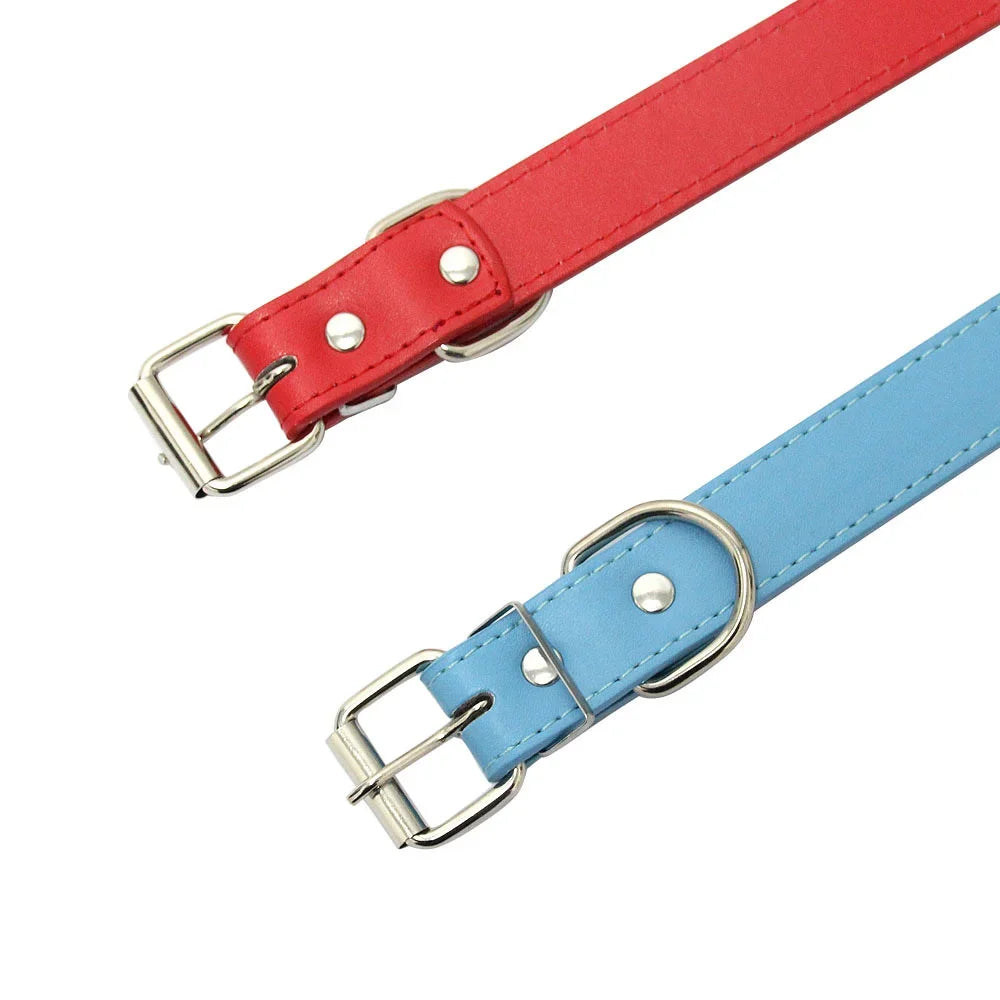
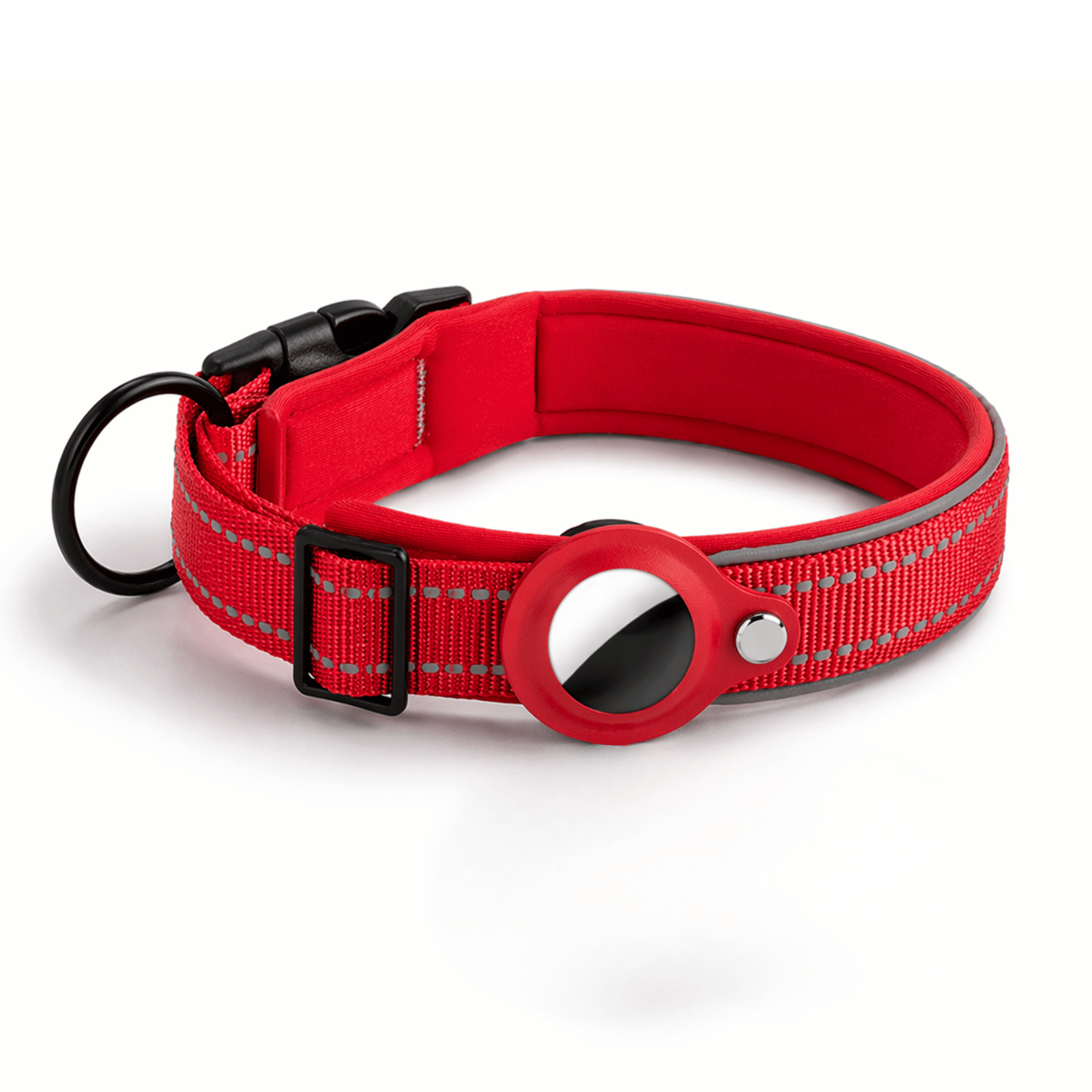
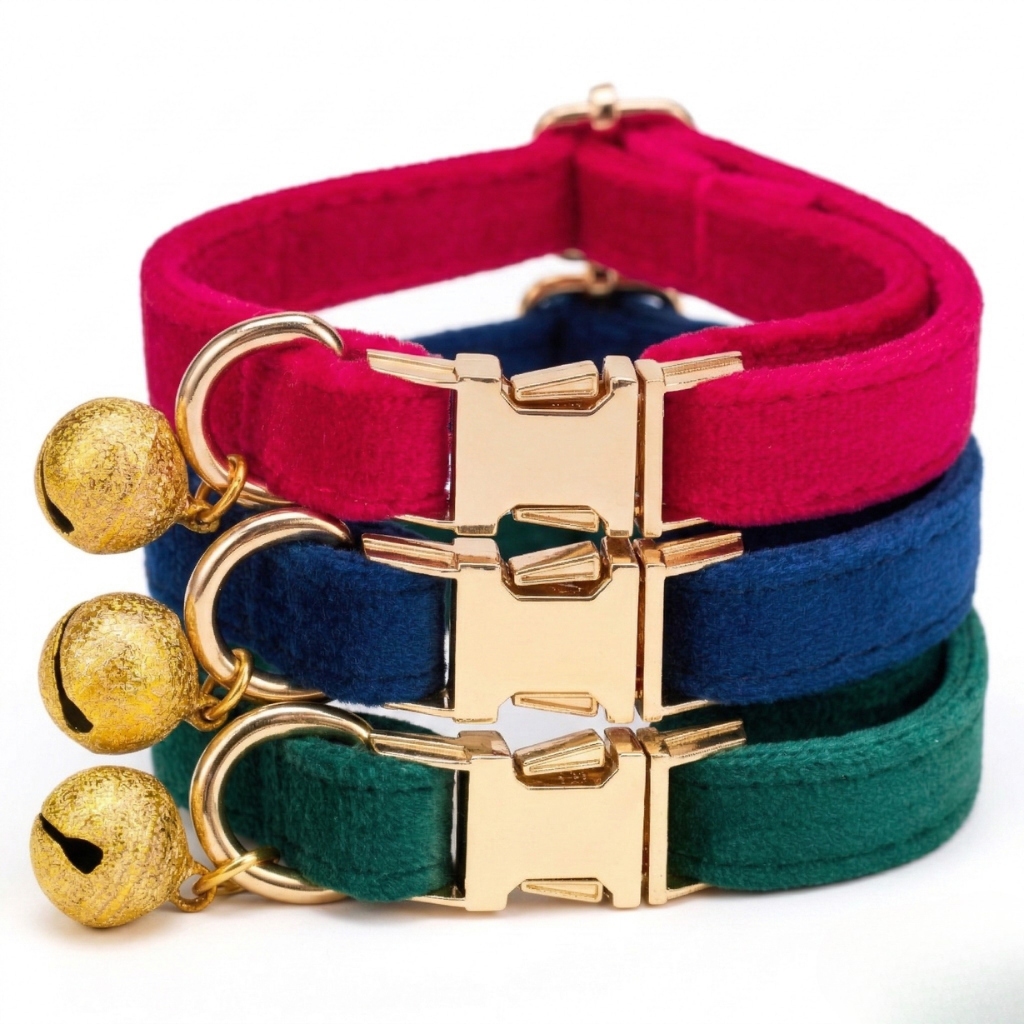
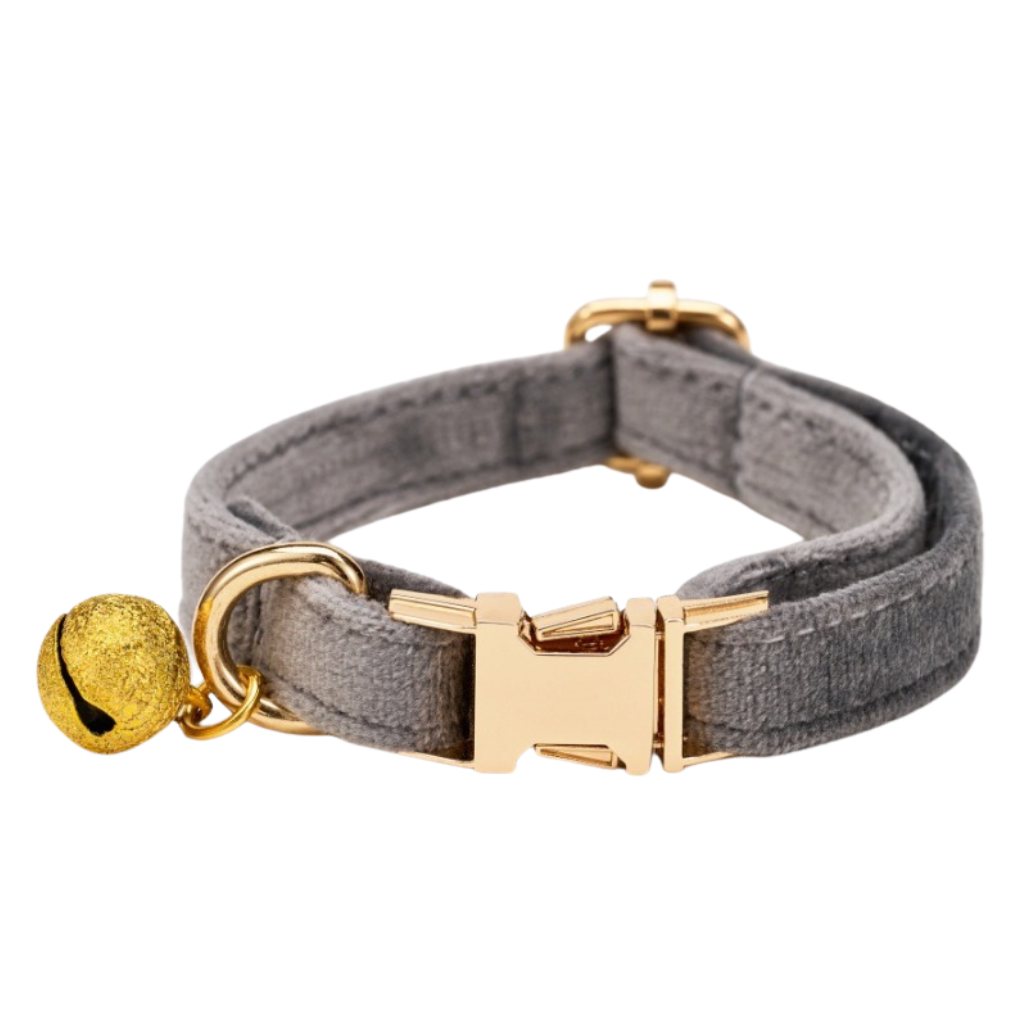
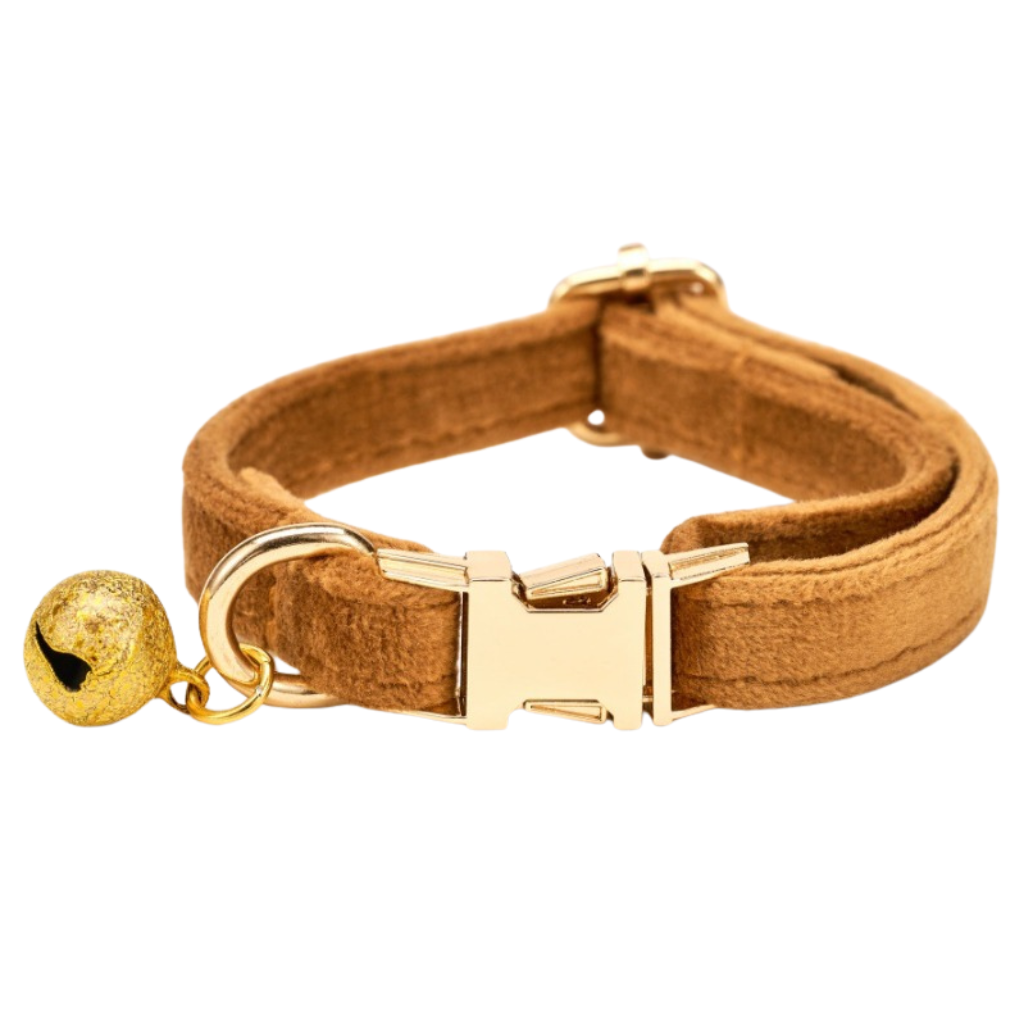
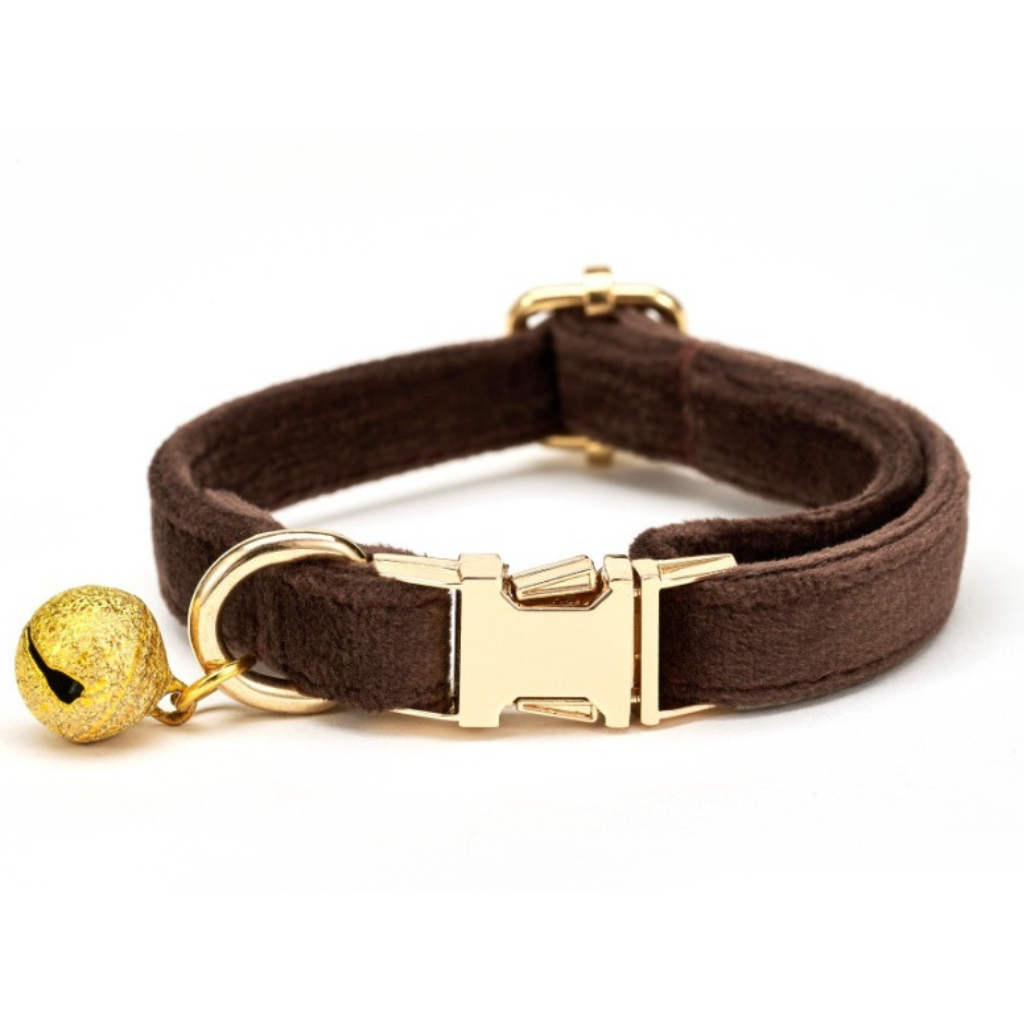
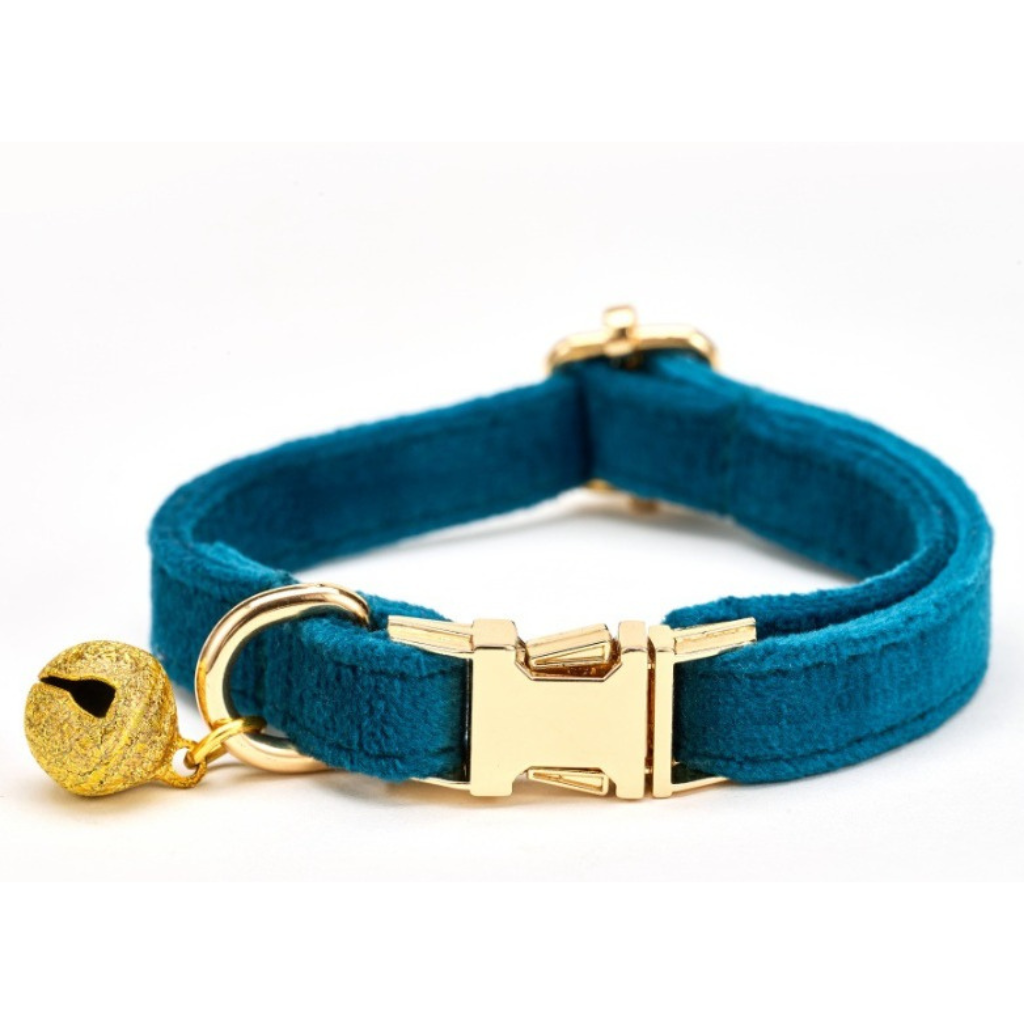
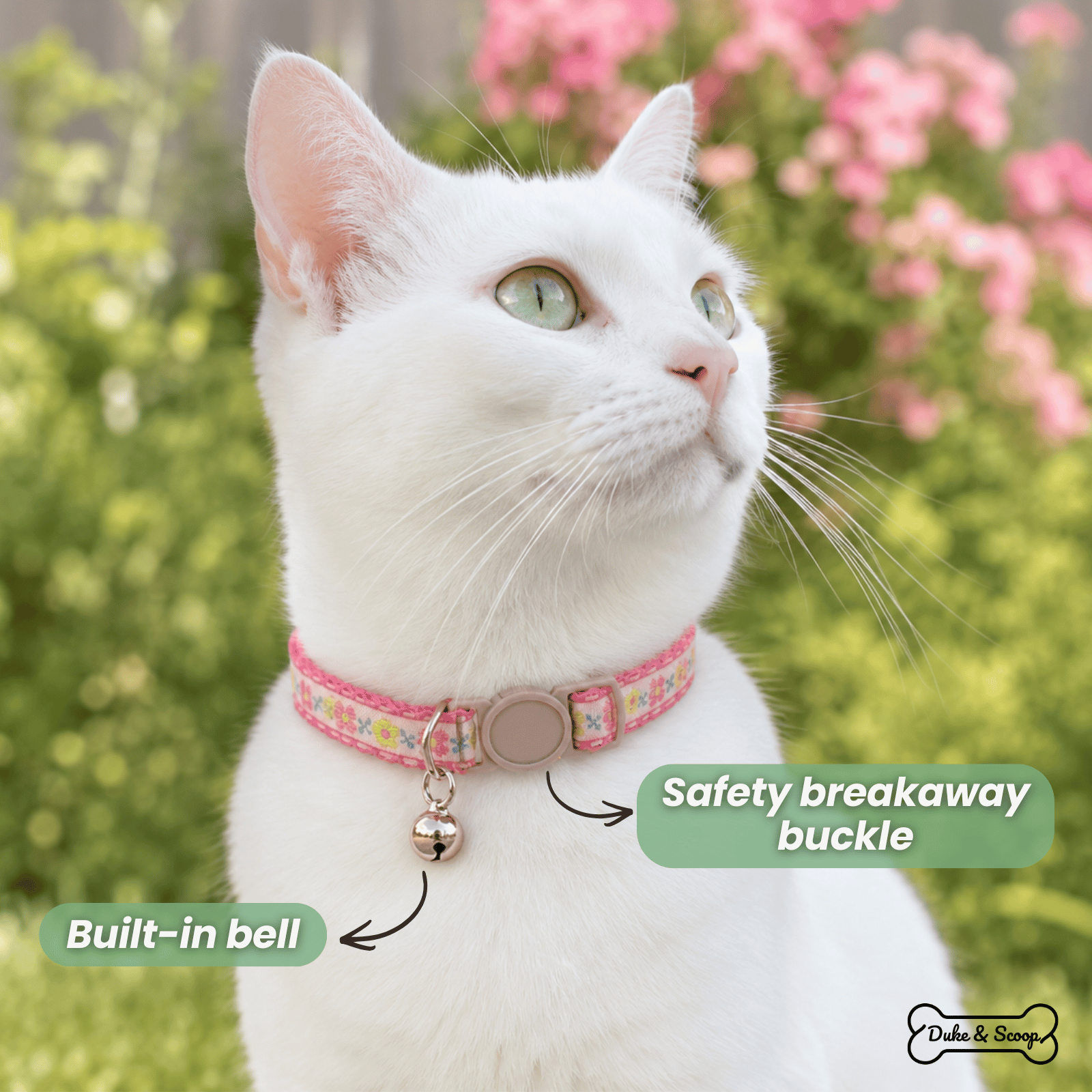
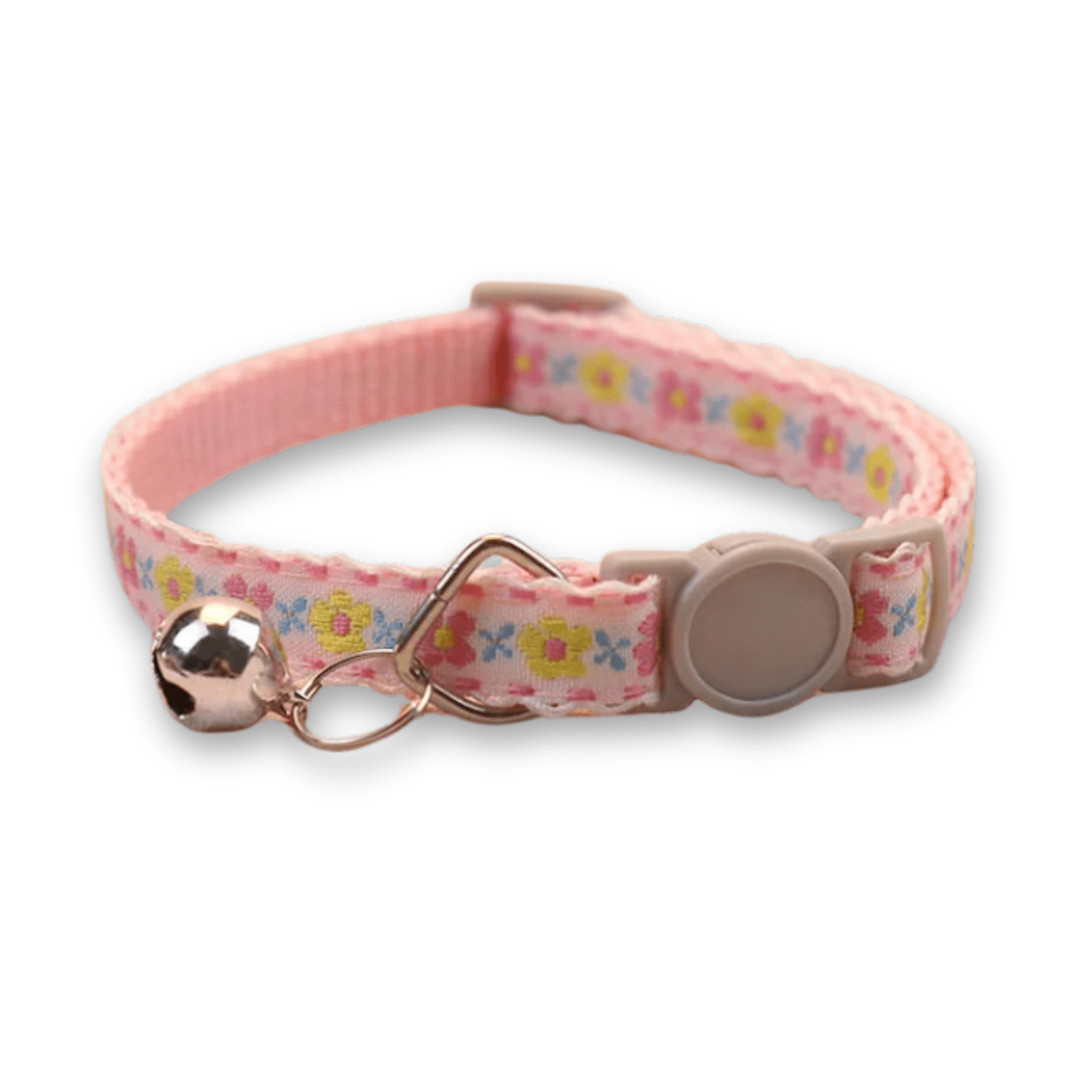
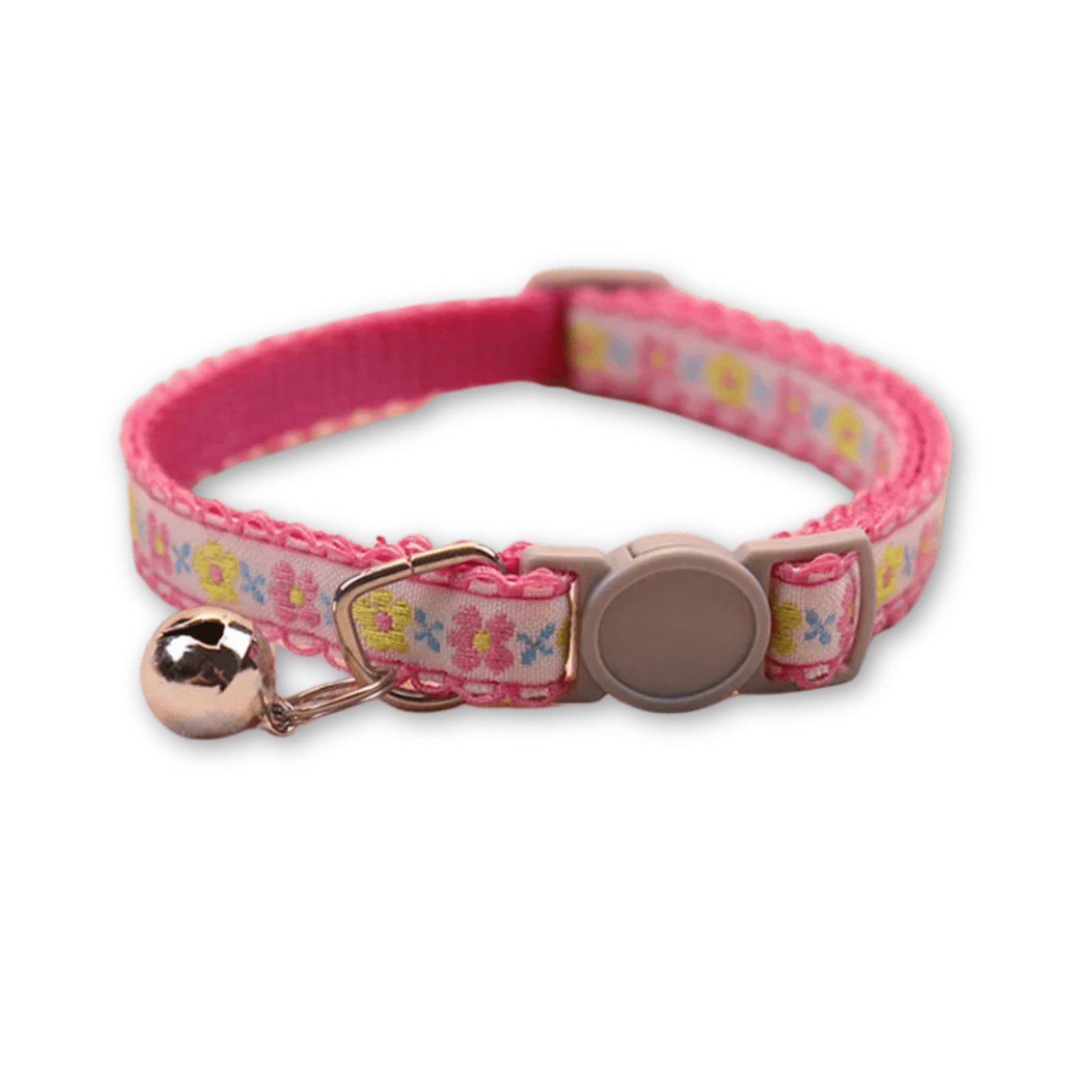
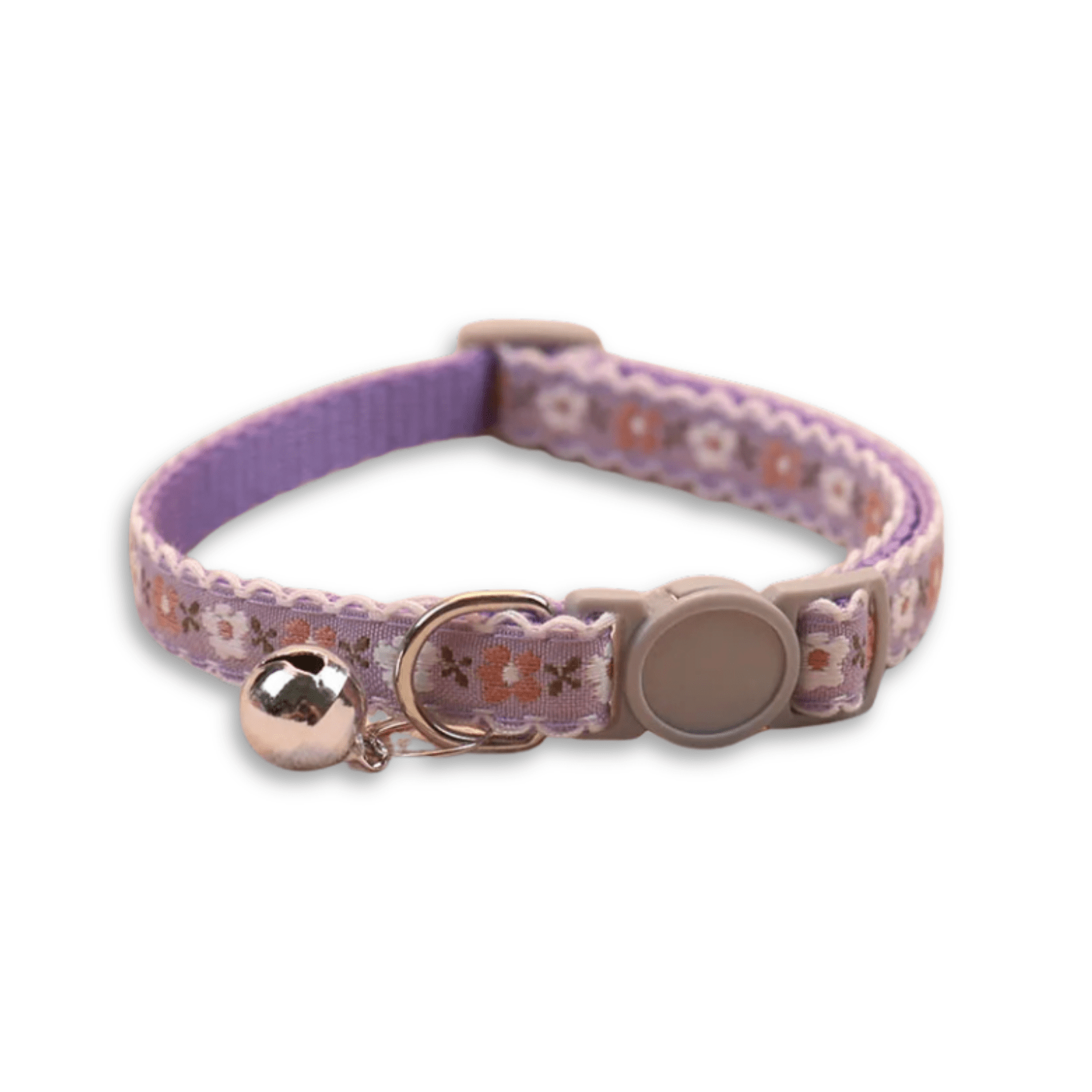
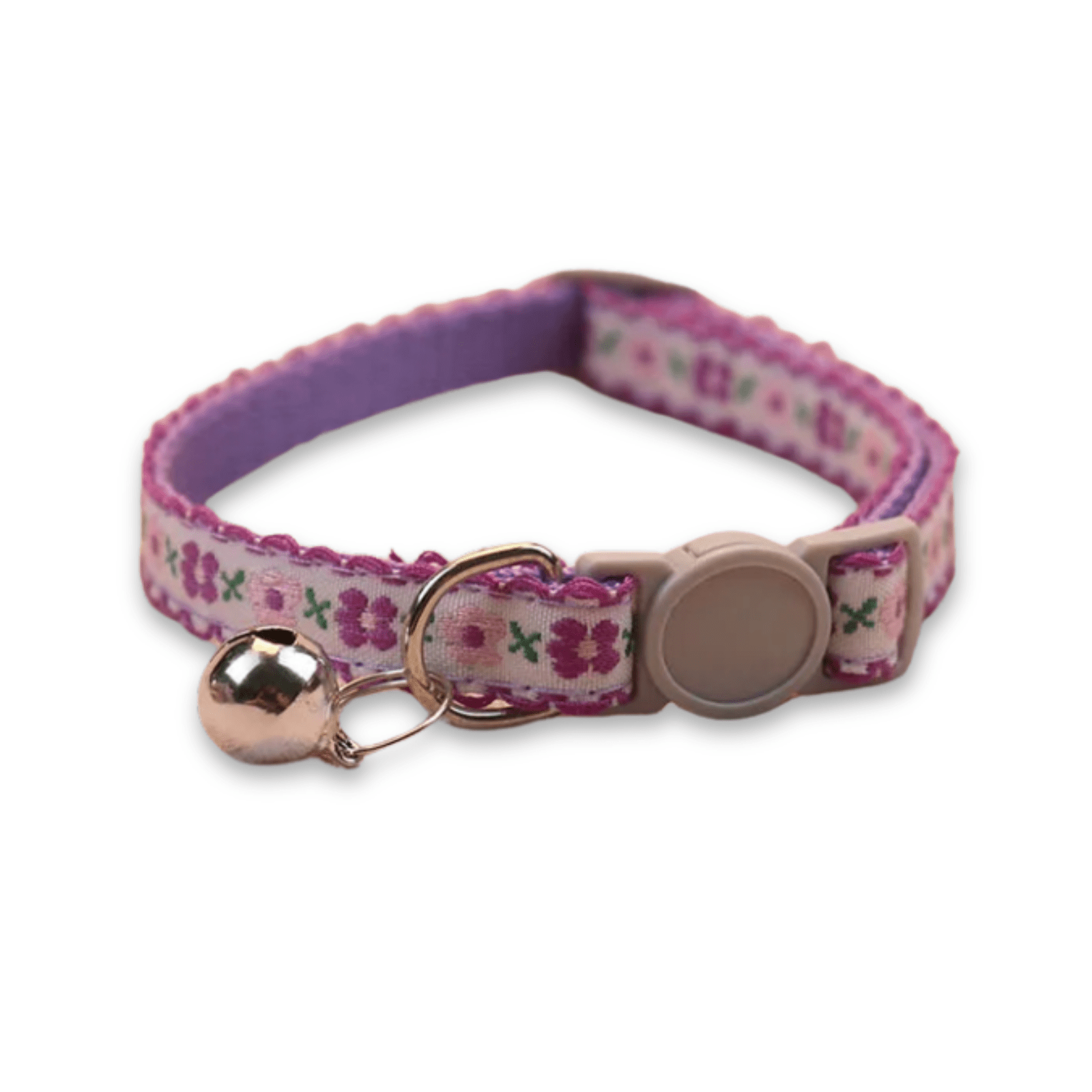
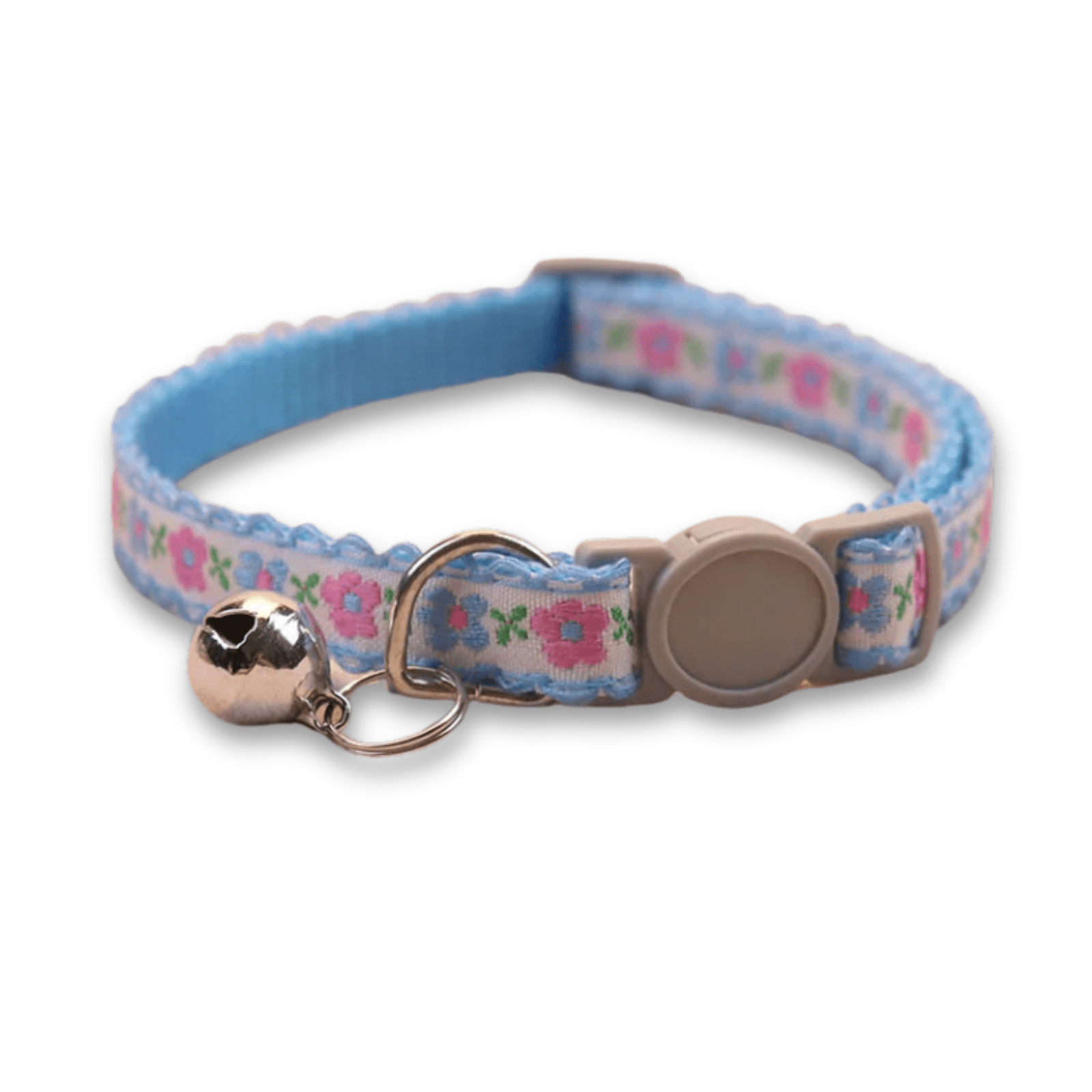
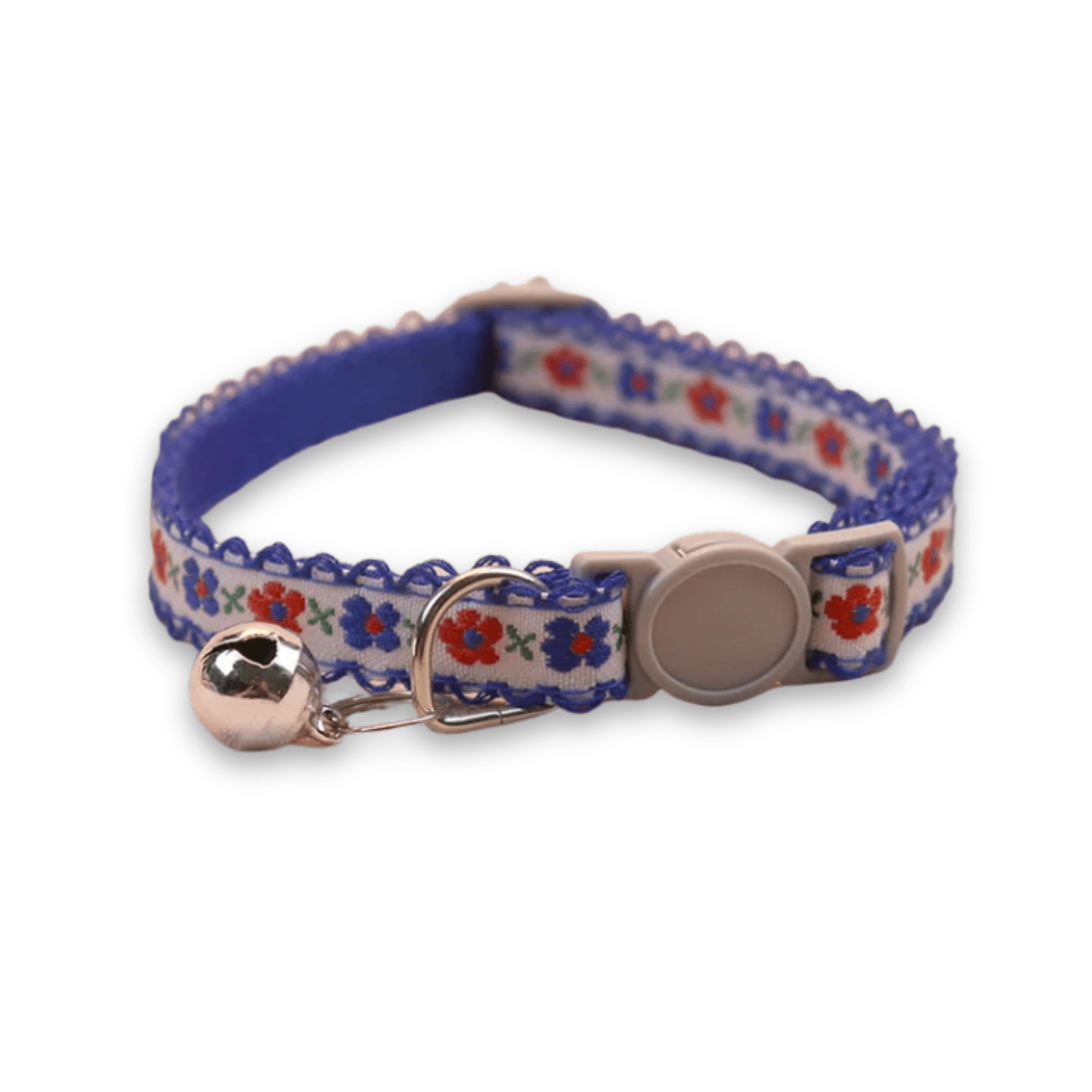
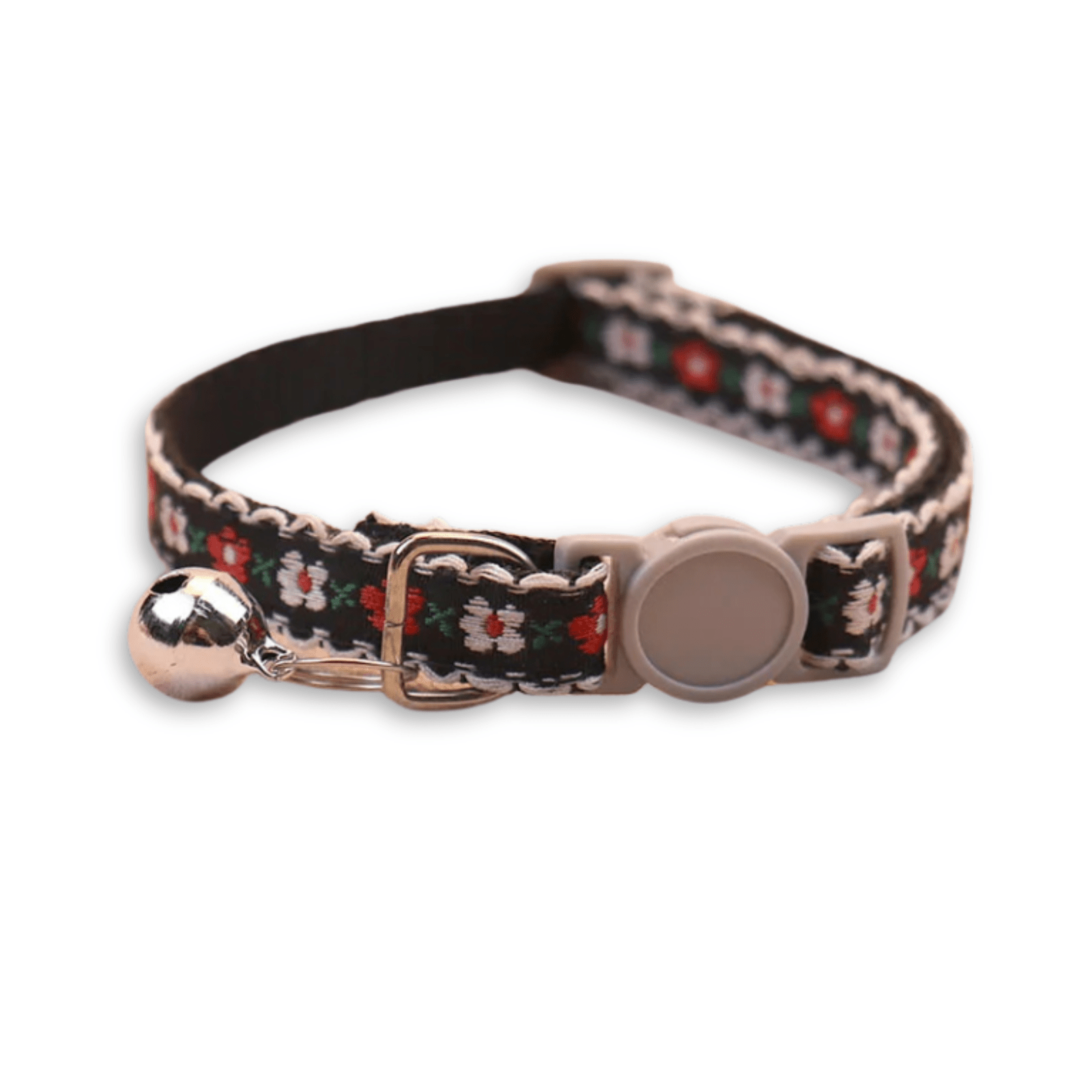
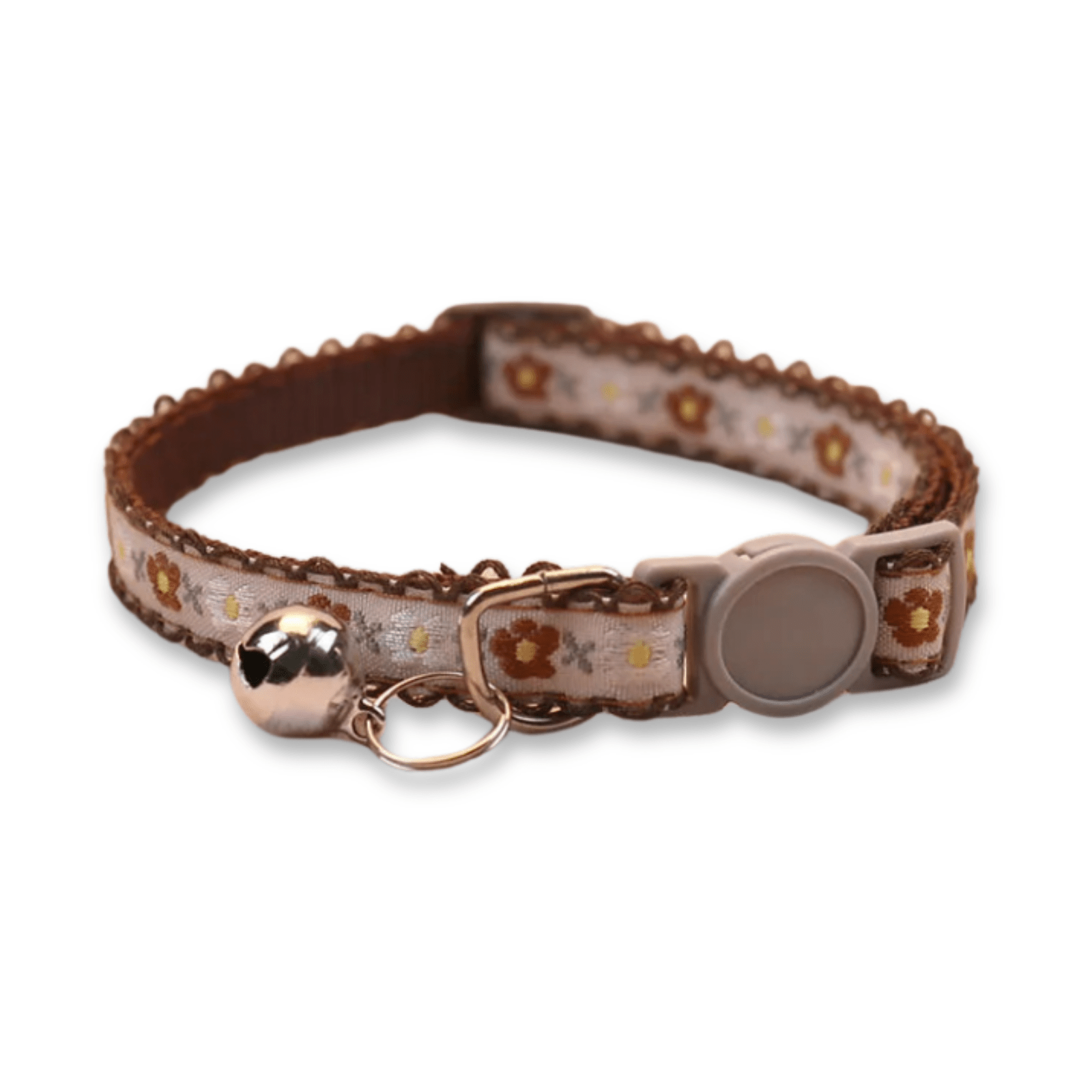
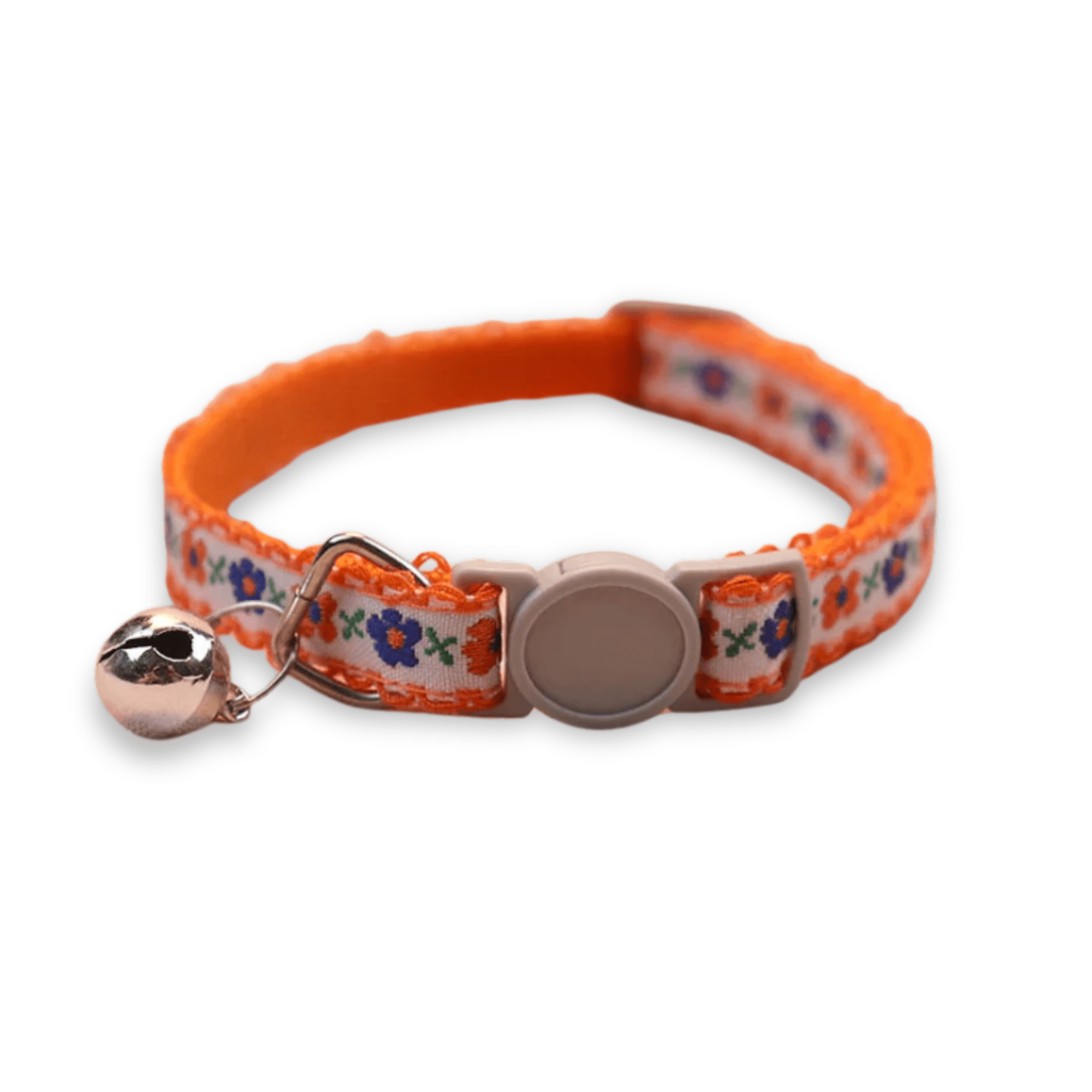
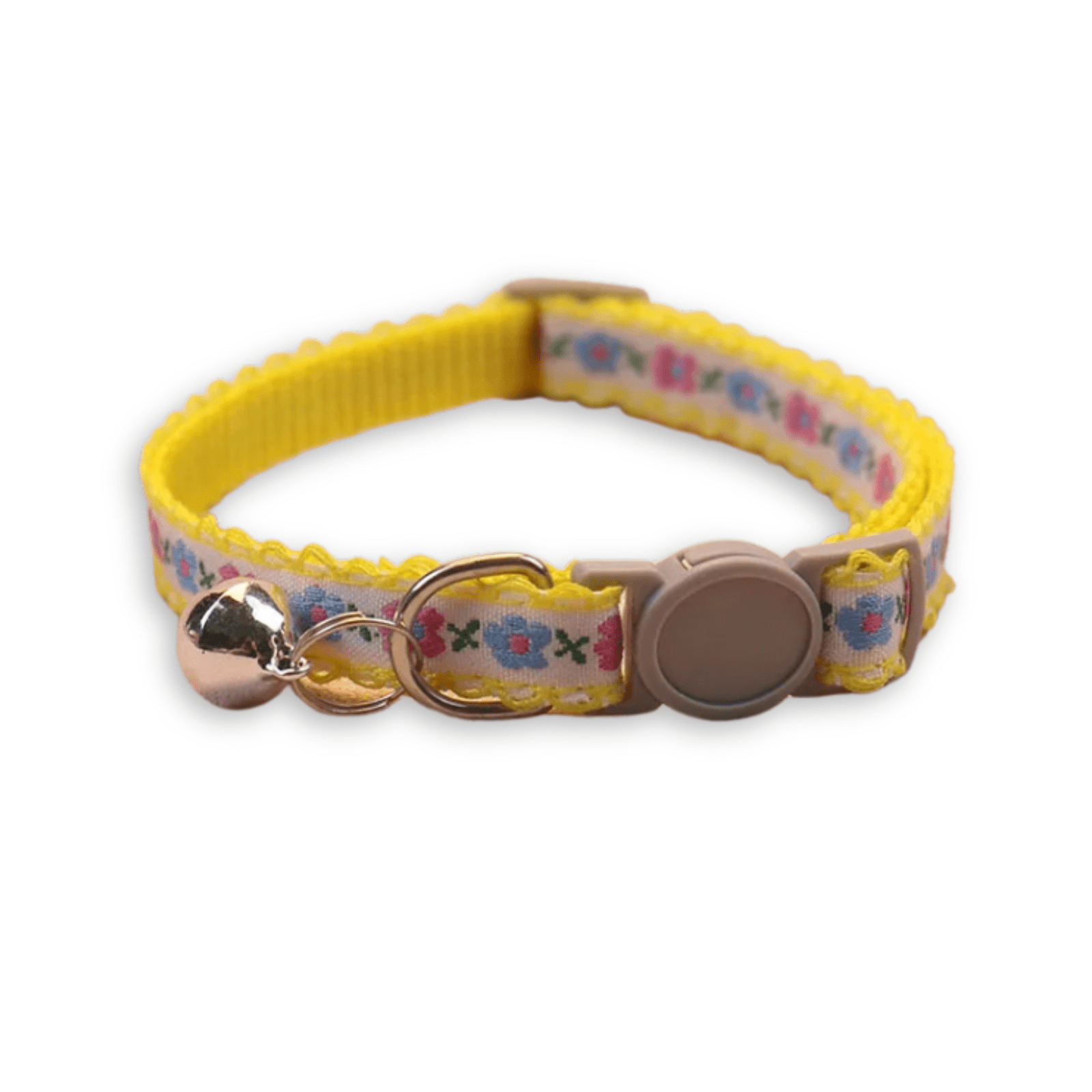
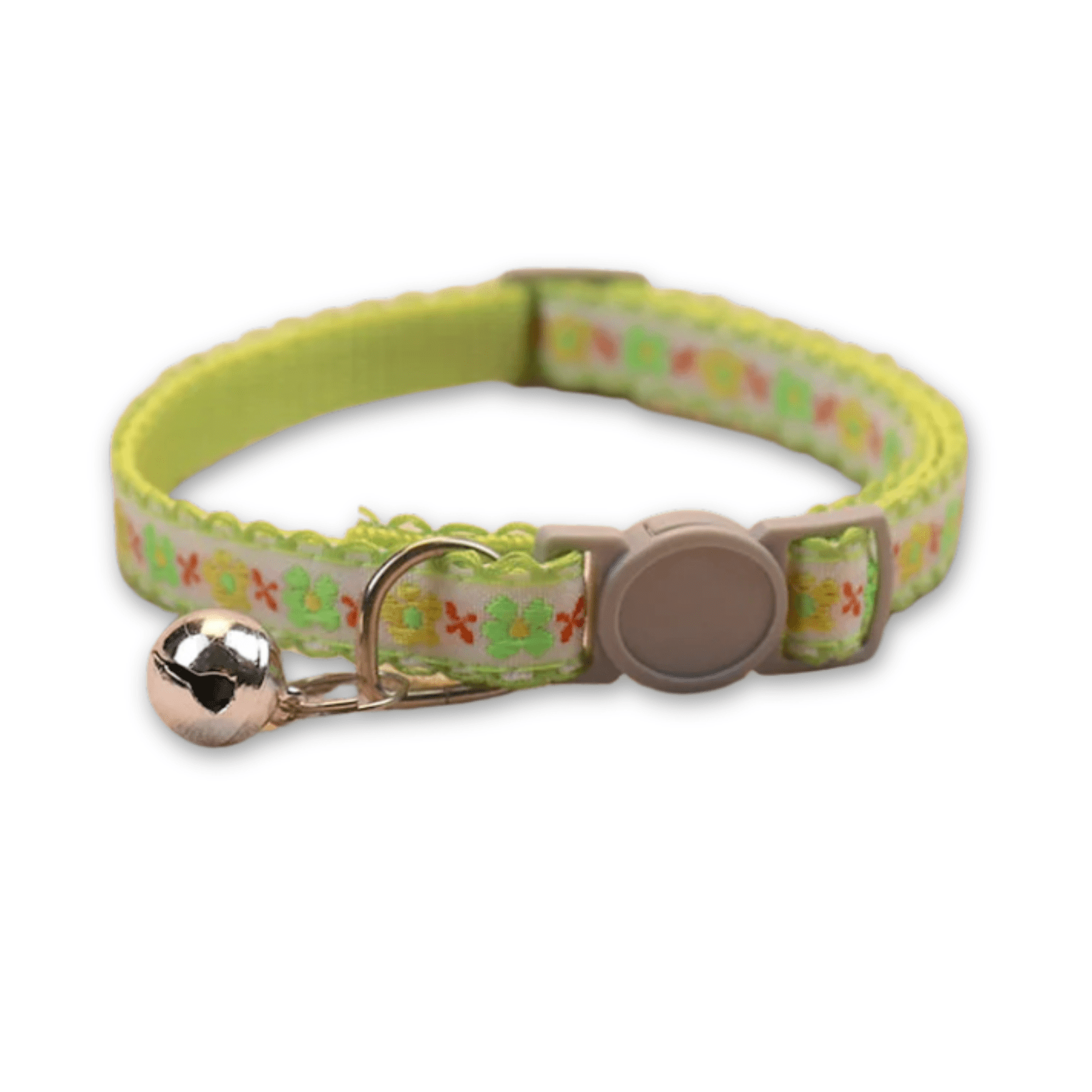
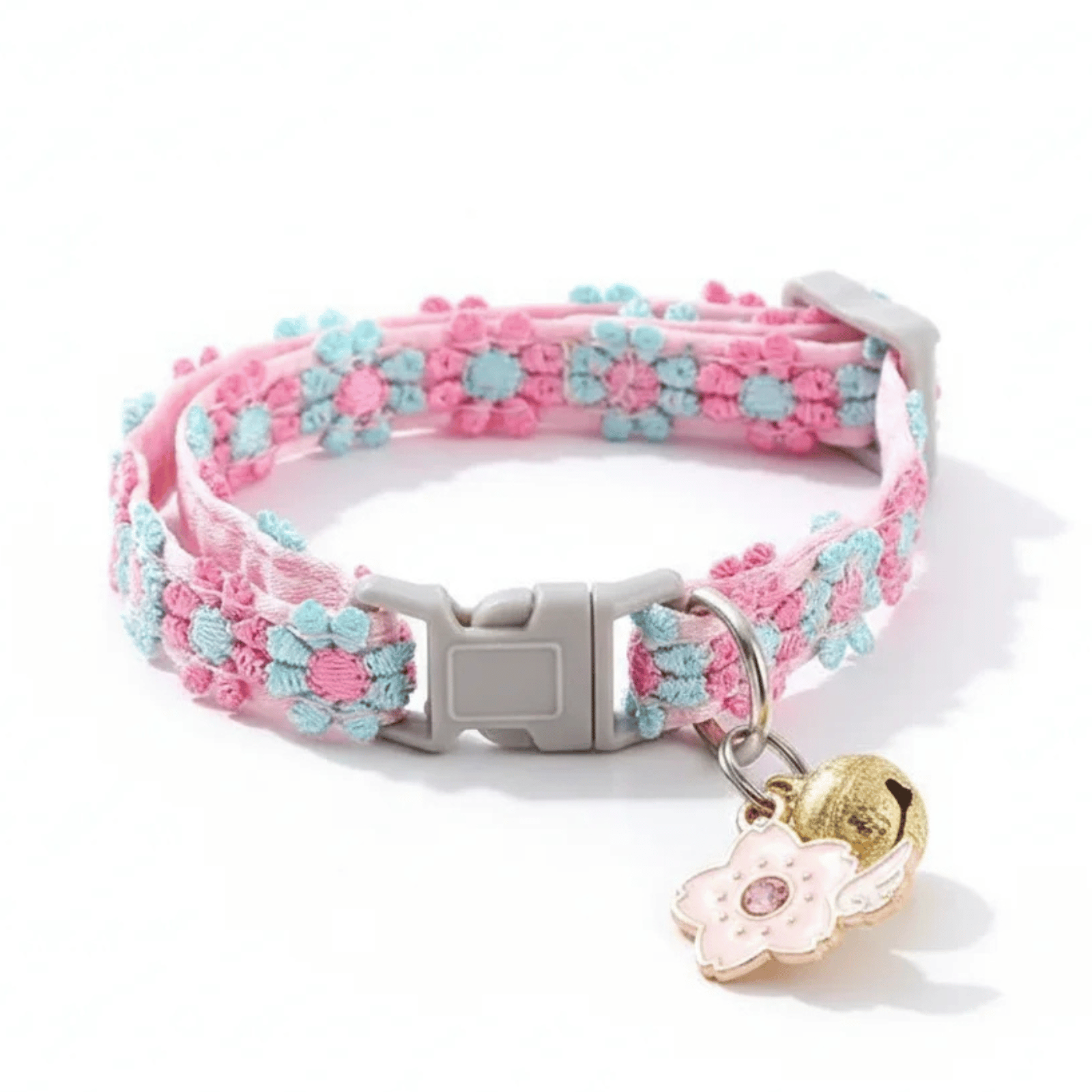
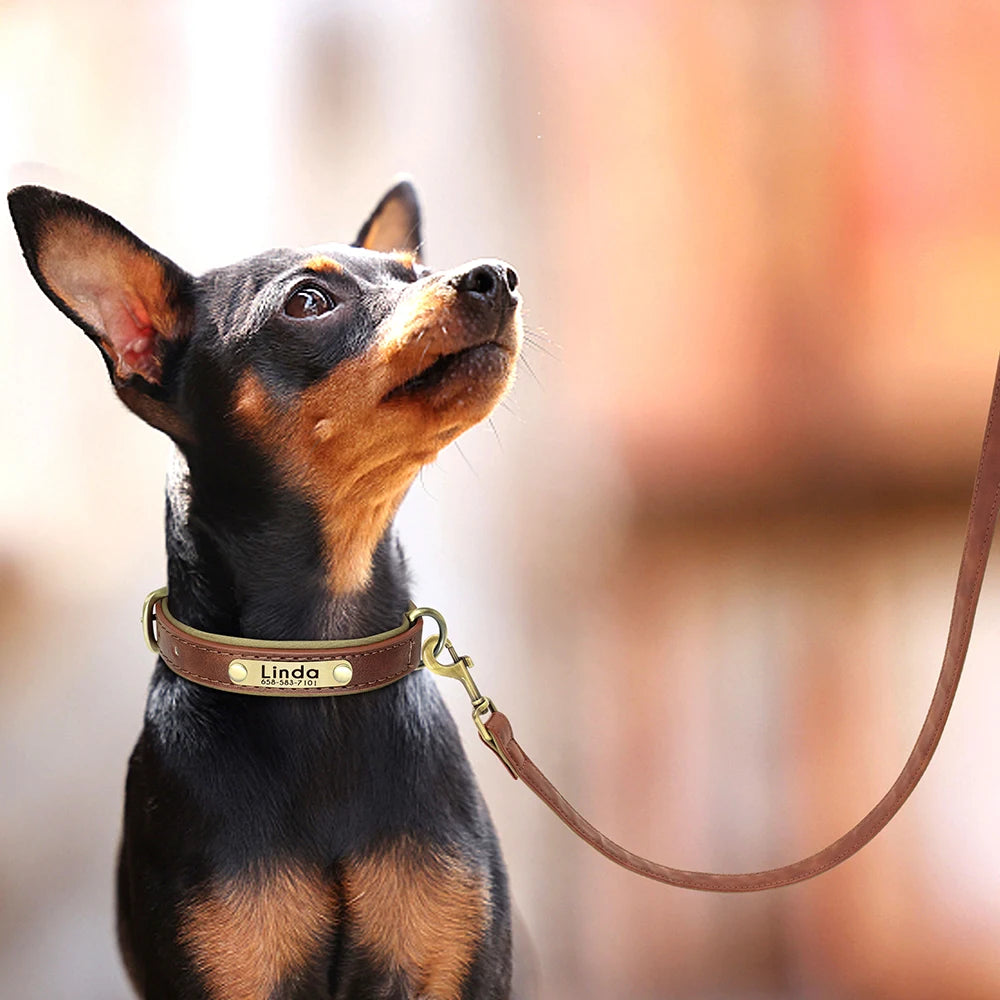
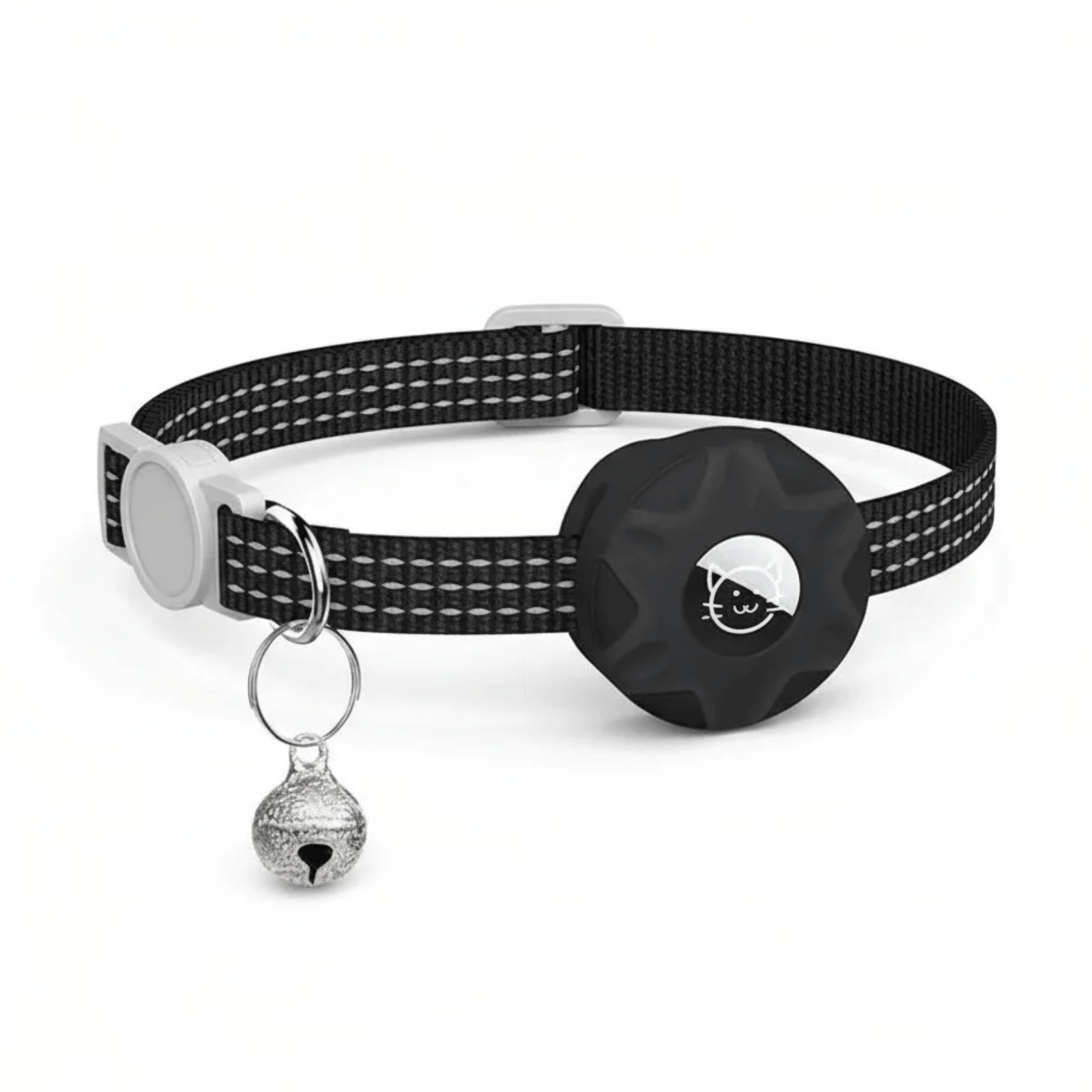
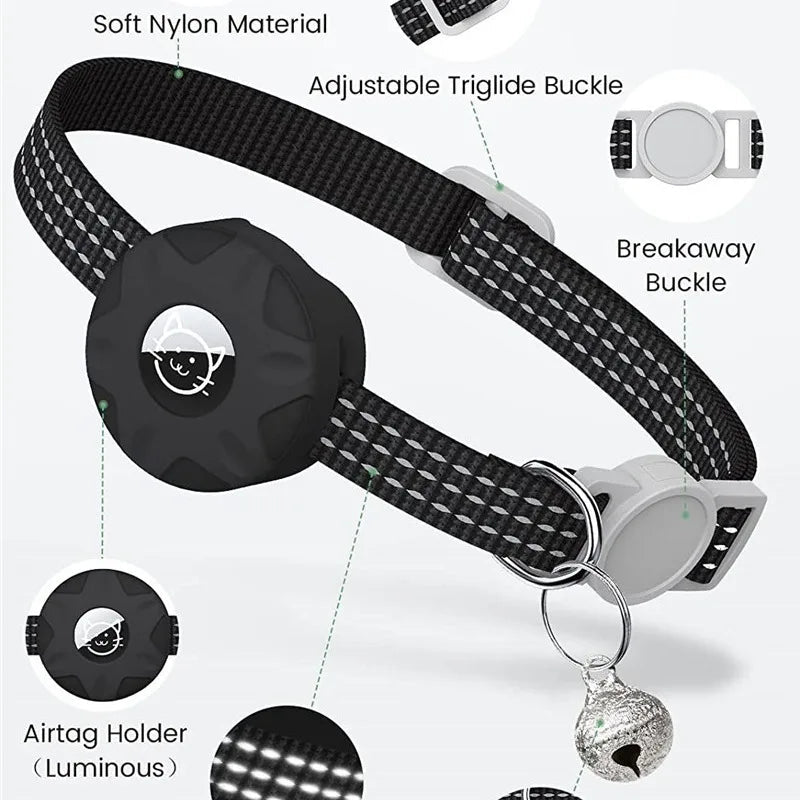
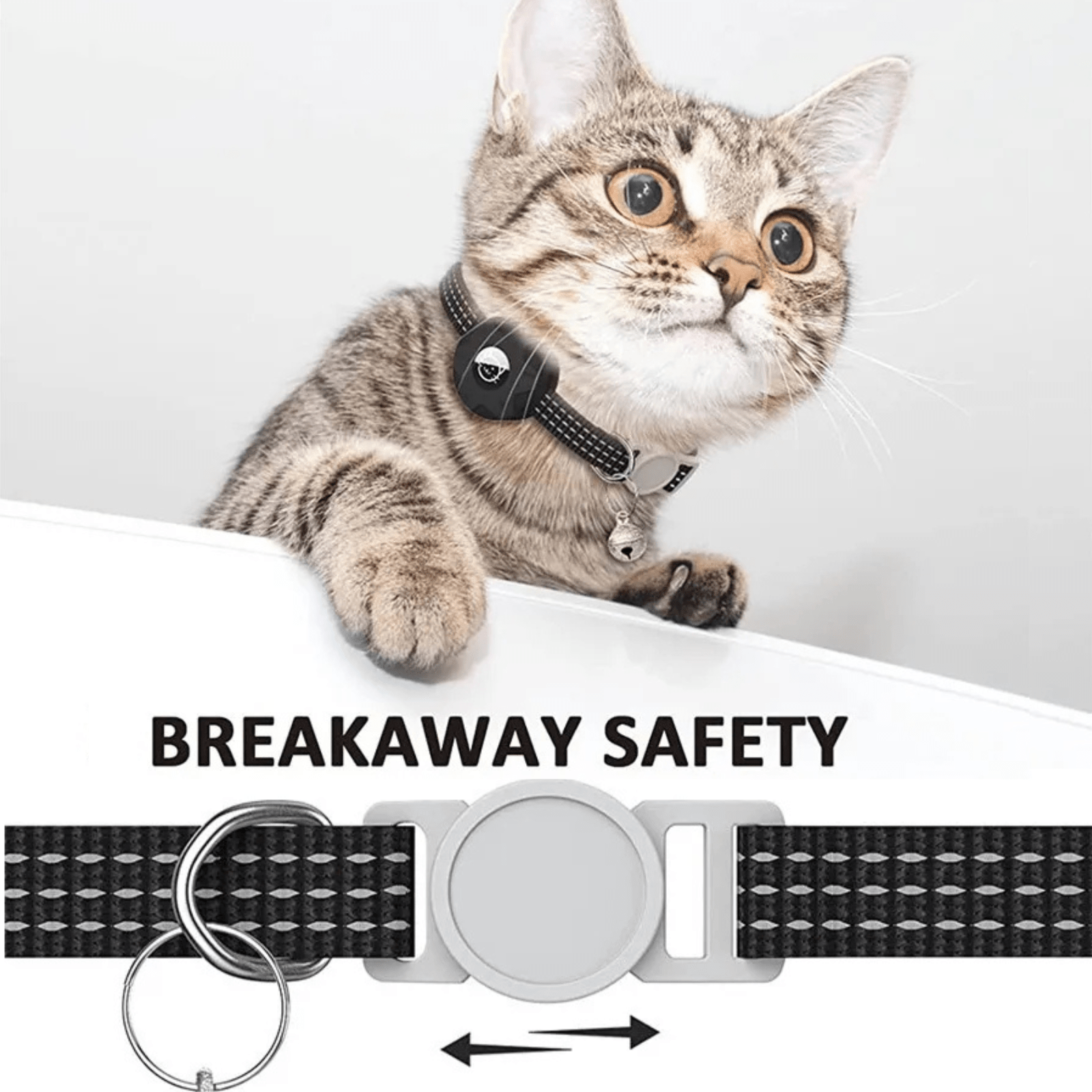
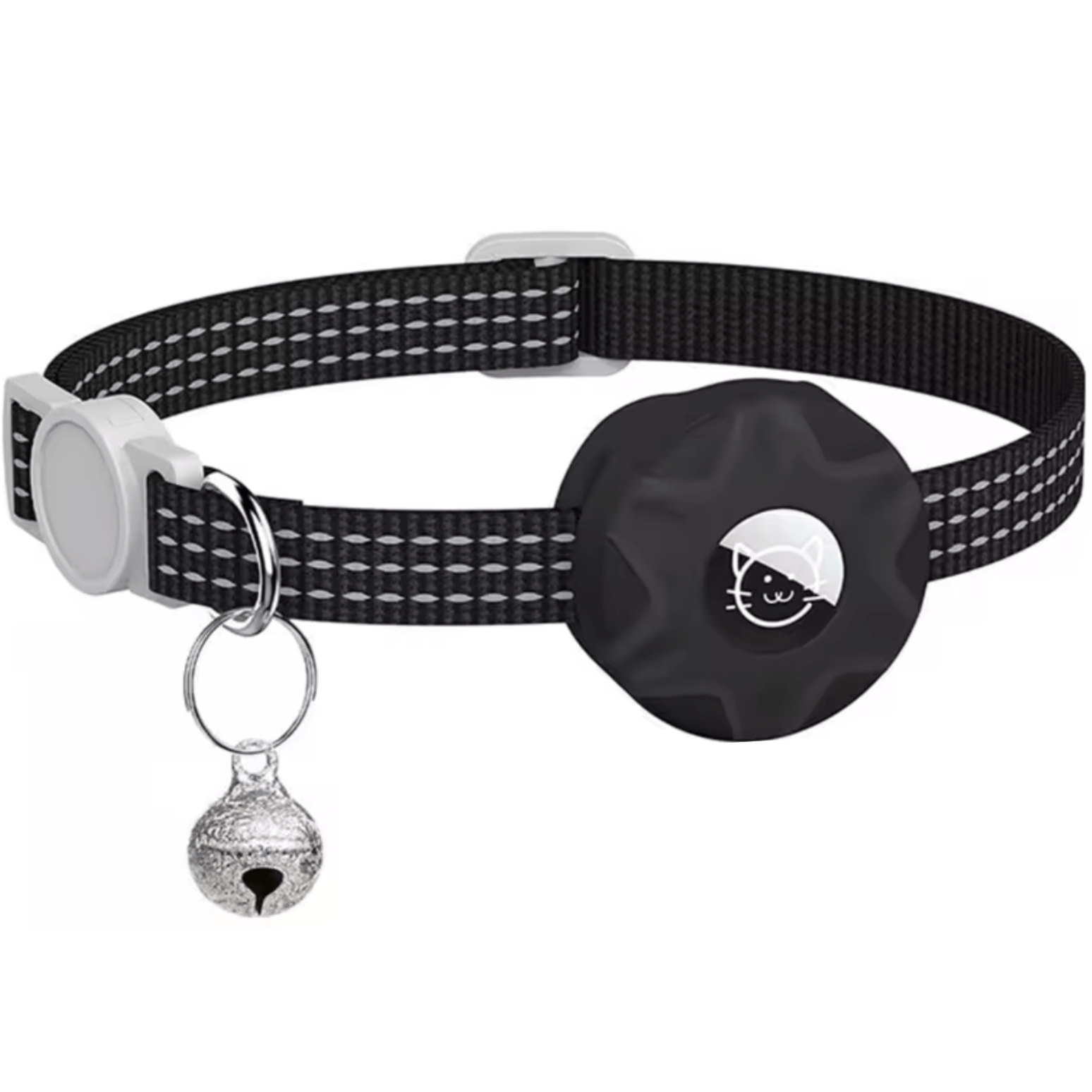
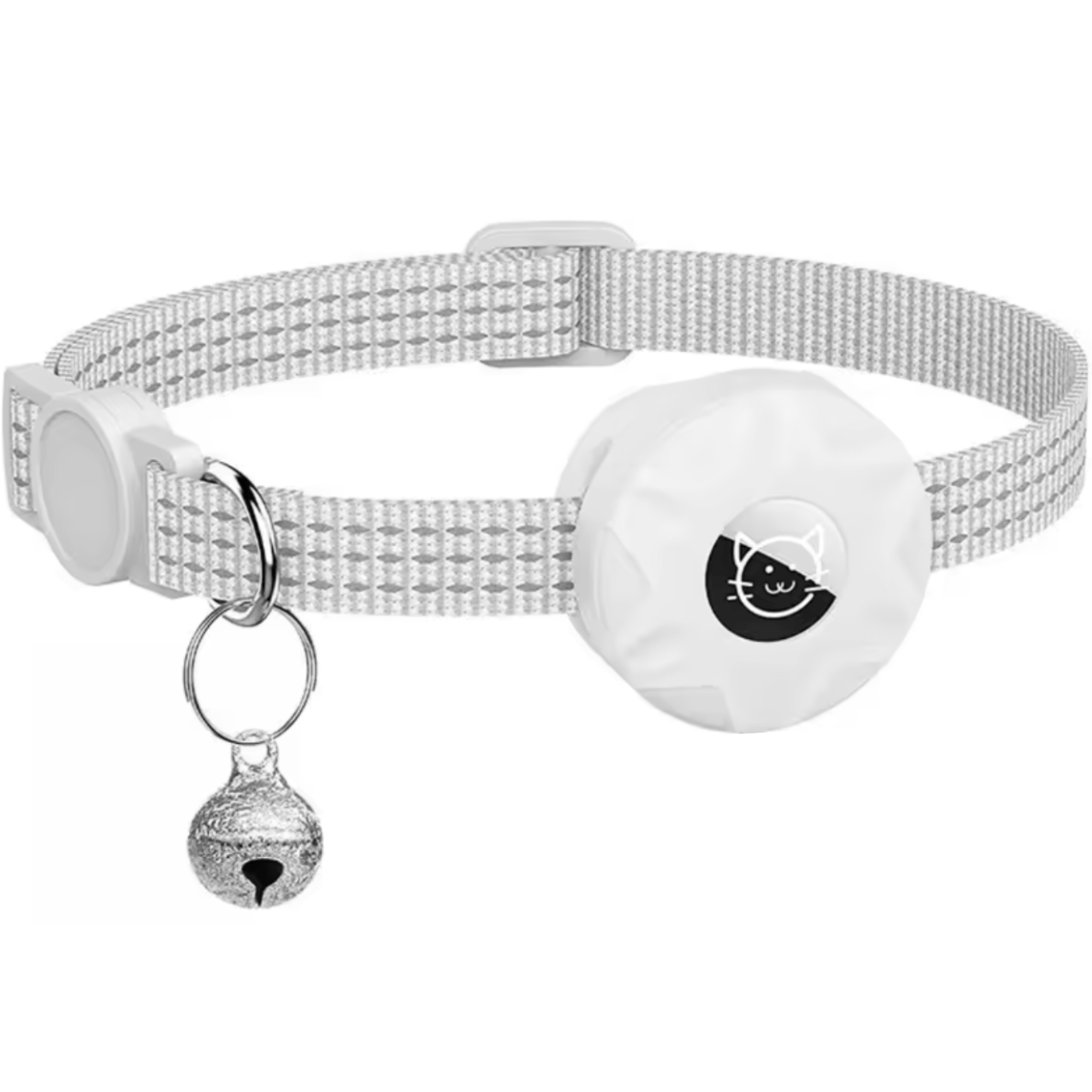
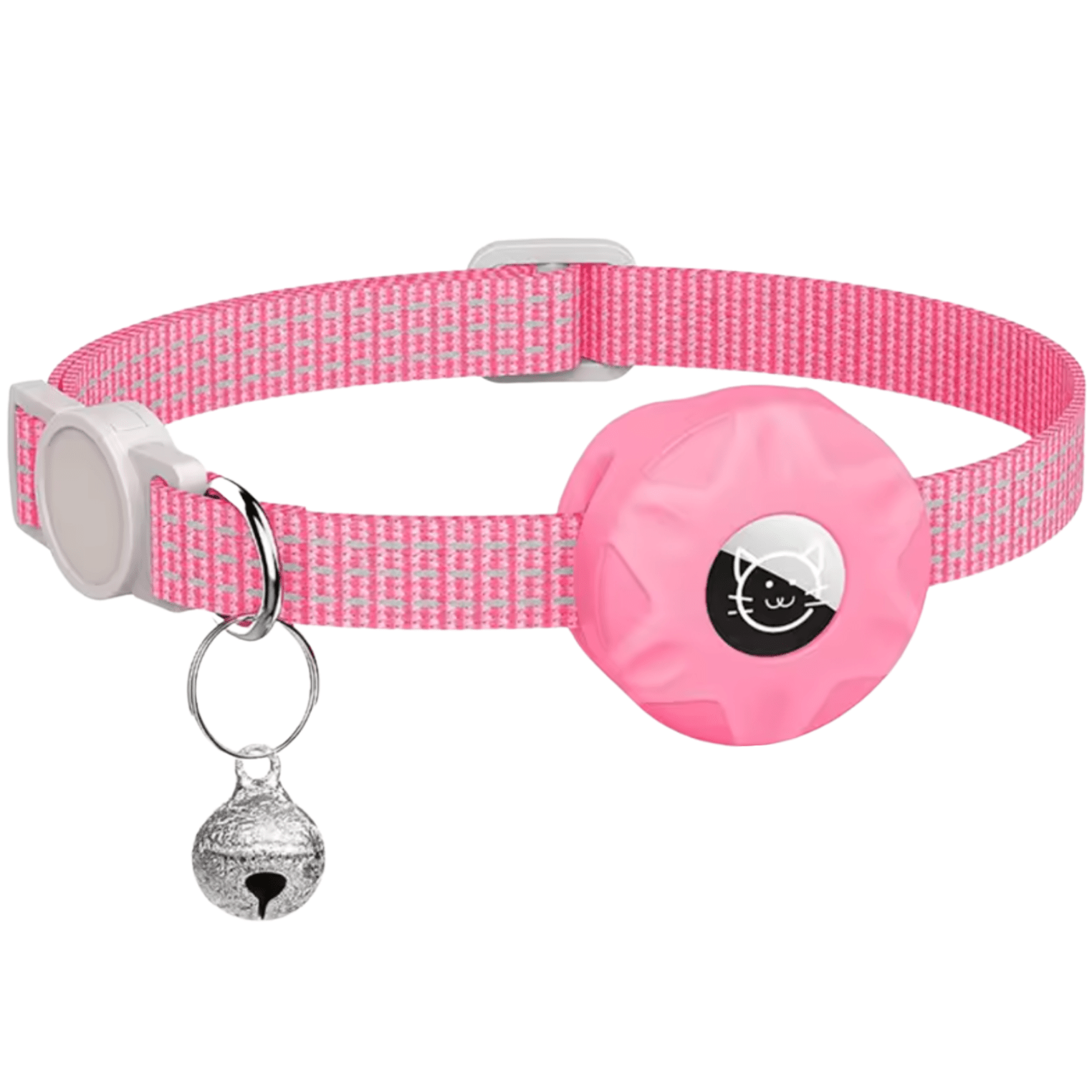
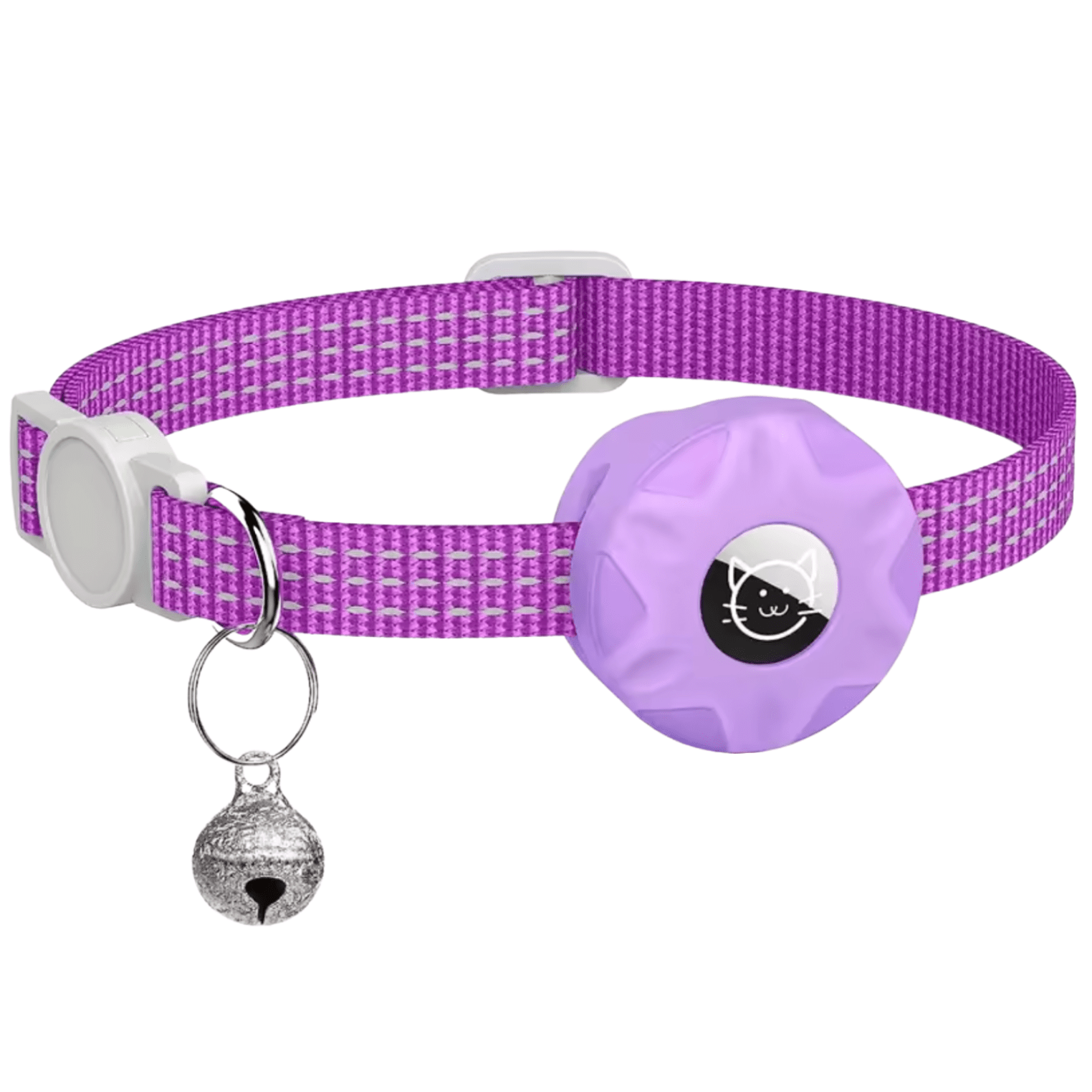
It is the fit widely recommended by UK cat charities, and it is what lets a breakaway collar release safely if your cat ever gets snagged. A good, adjustable cat collar makes that two-finger check easy to get right and easy to keep right.
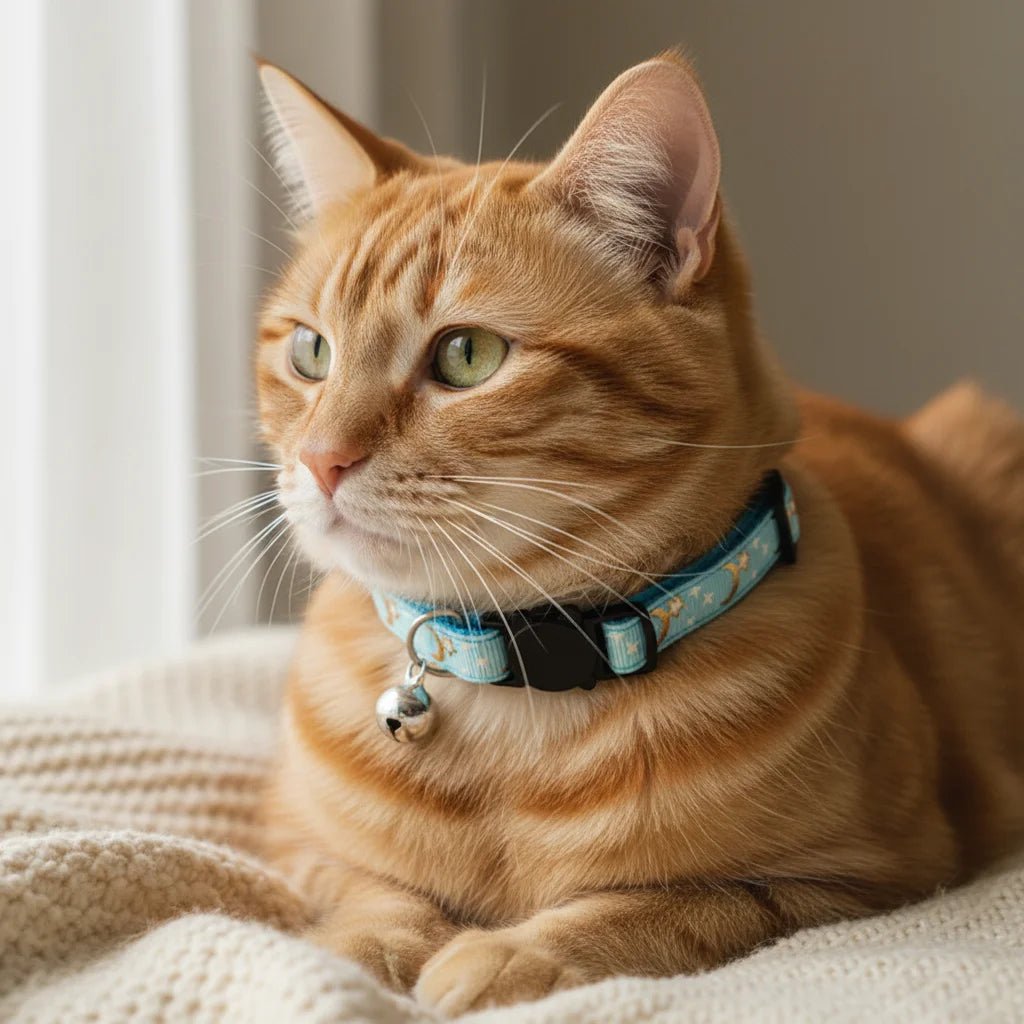
We always suggest checking the fit against the flattened fur rather than the top of the coat. A fluffy coat can hide a collar that is actually too loose underneath, and your cat will feel a lot happier once it sits just right.
How to Tell If Your Cat's Collar Is Too Tight or Too Loose?
Telling whether your cat's collar is too tight or too loose gets easier once you know what to look for. A collar that is too tight flattens the fur into a clear line, makes it hard to fit those two fingers, or has your cat scratching and pawing at their neck. If the skin underneath looks sore or red, take the collar off and speak to your vet before putting it back on.
A collar that is too loose brings its own worries. If it spins round freely, lifts up over the chin, or your cat can hook a paw or their lower jaw under it, there is too much room. These are the collars that catch on furniture, fences and branches, which is the one thing a proper fit helps you avoid.
How to Measure and Adjust Your Cat's Collar?
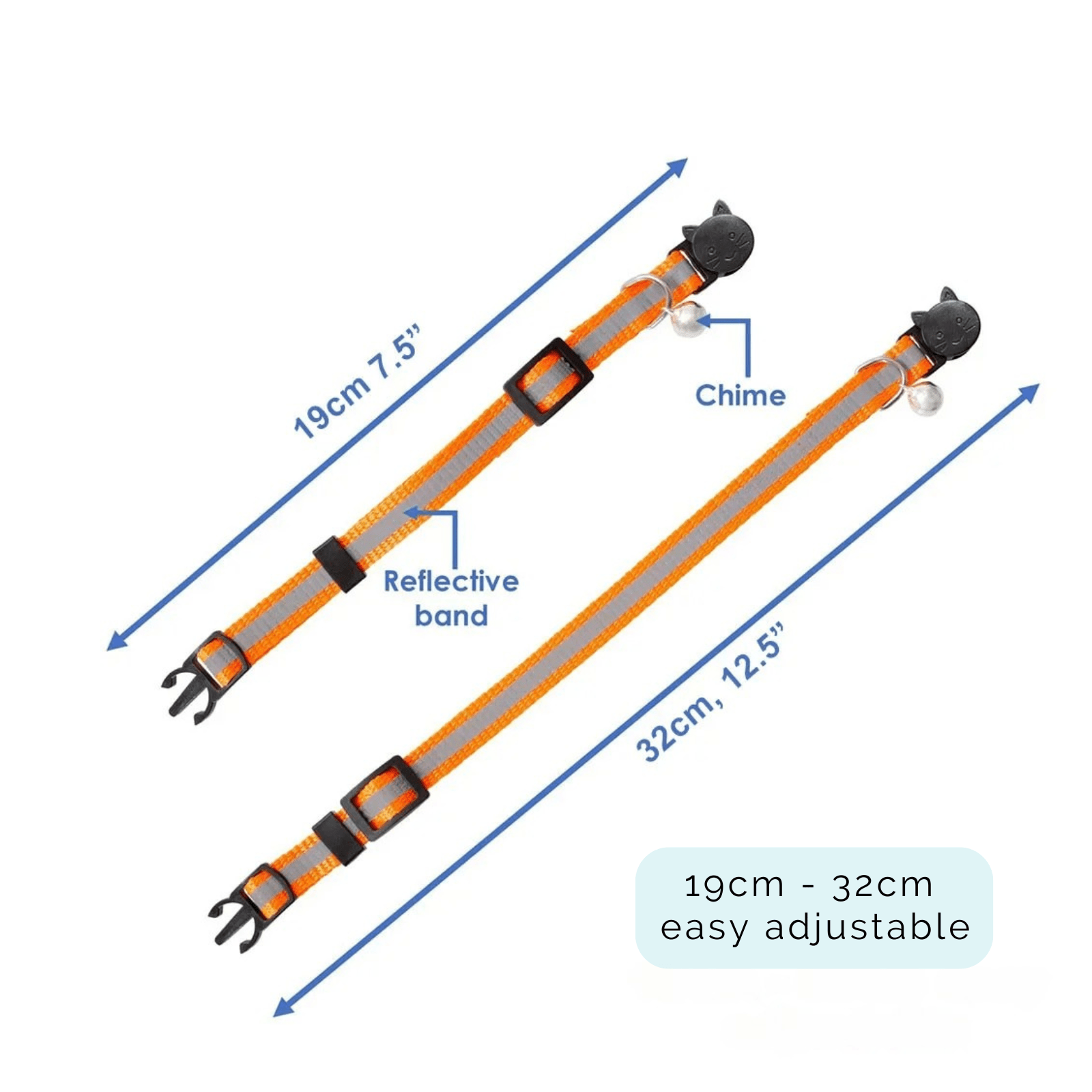
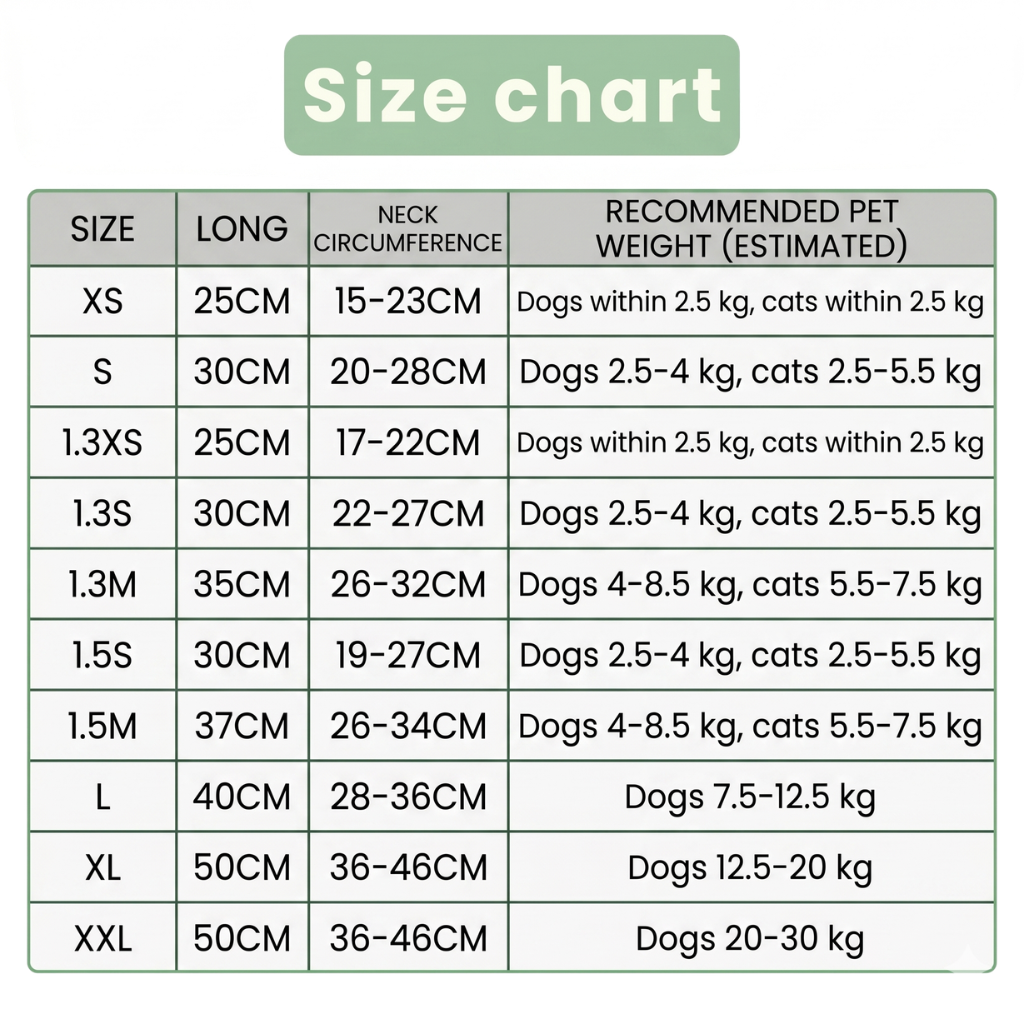
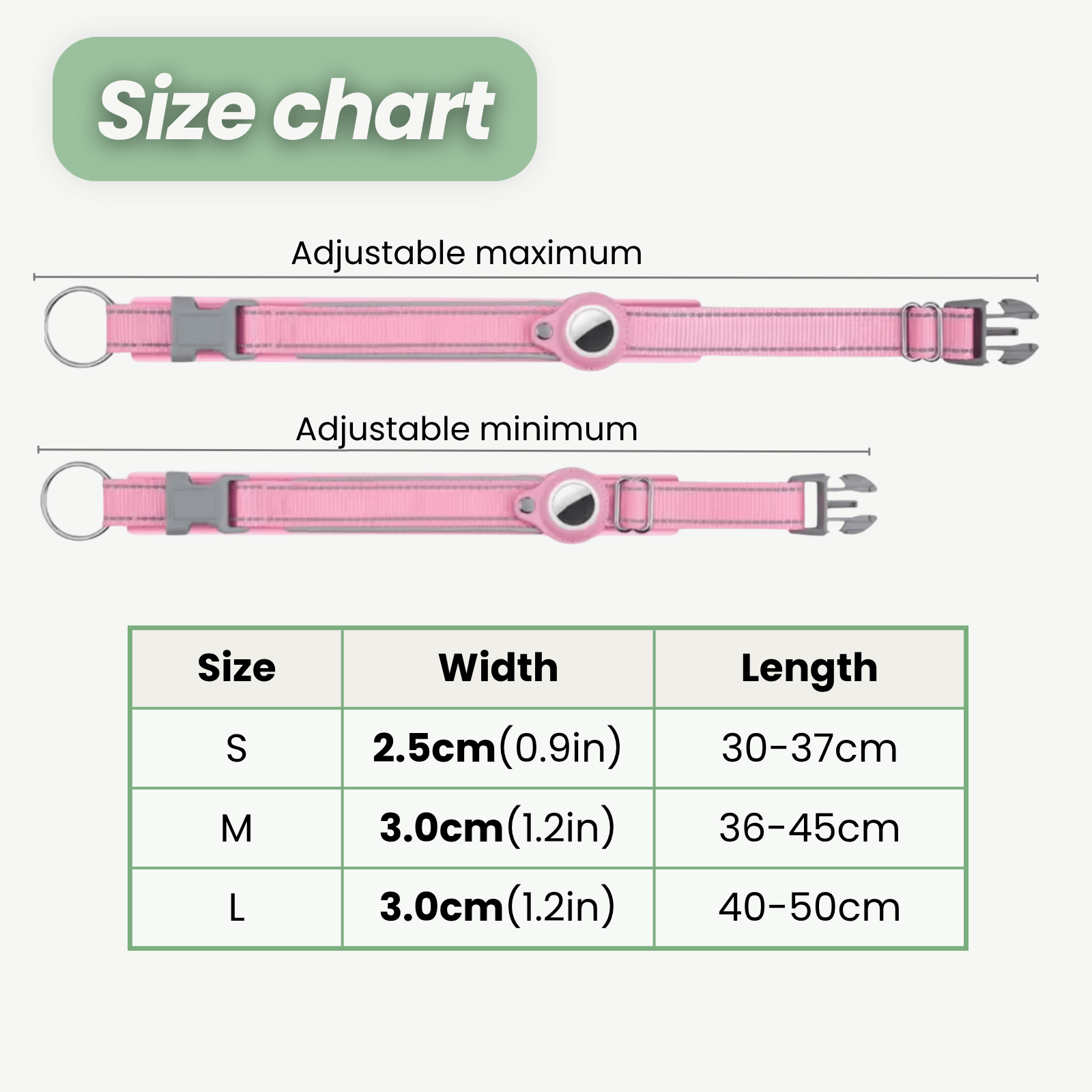
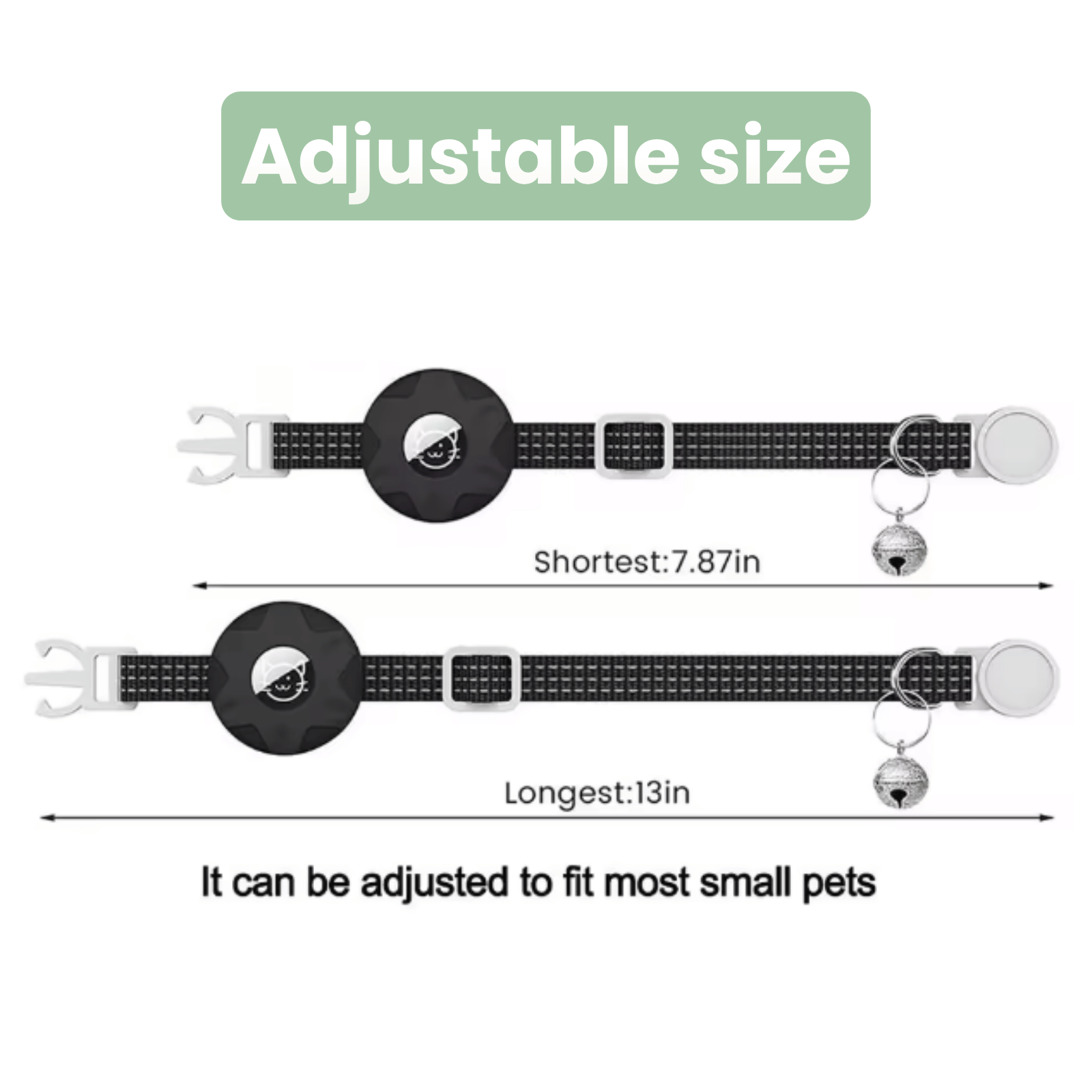
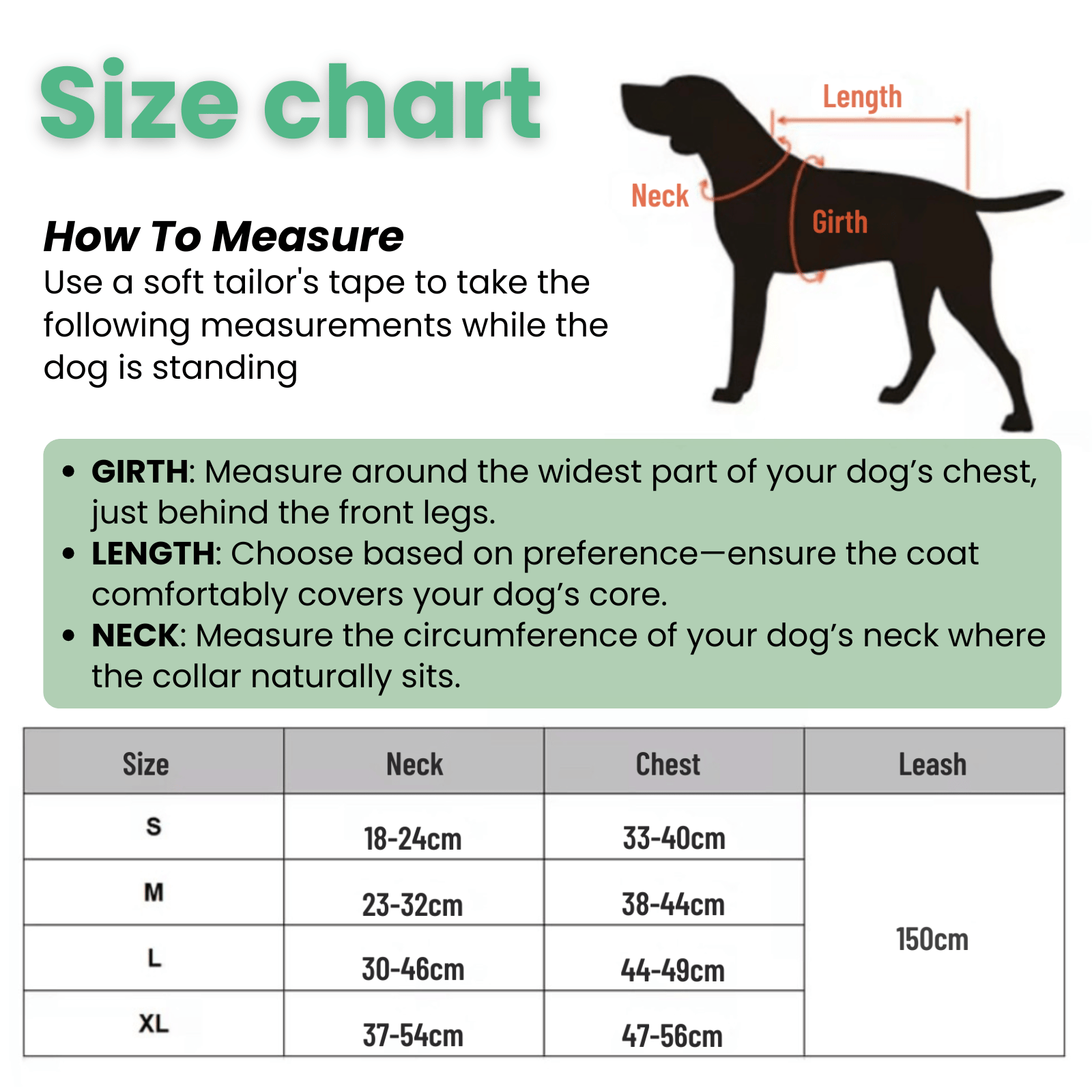
Measuring and adjusting your cat's collar takes a minute and saves a lot of guesswork. Start with the collar off your cat, then wrap a soft tape measure or a length of string around the base of the neck where the collar will naturally sit. Add room for two fingers, and you have your target length.
Set the buckle to that length before it goes back on, so you are not fiddling around a wriggling cat who would clearly rather be somewhere else. Once it is on, run two fingers underneath to double check, then watch your cat move about for a minute. Re-check the fit every few weeks, because a little weight gain or a thicker winter coat can both change how the same collar sits.
How Tight Should a Kitten's Collar Be?
How tight a kitten's collar should be follows the same two finger rule, with one extra thing to watch: growth. Kittens change size quickly, and those first few months go by in a blur, so a collar that fits nicely one week can feel snug the next.
Check a kitten's collar at least once a week and loosen it as they grow. Lightweight, adjustable collars work well at this stage, since they give you room to keep pace with those early growth spurts. Many owners also wait before letting a kitten wear one regularly. The neck needs to be big enough that the collar cannot slip over the head.
When a Harness Is the Better Choice
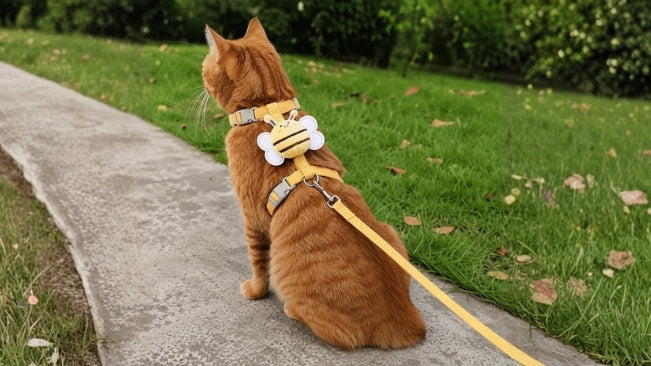
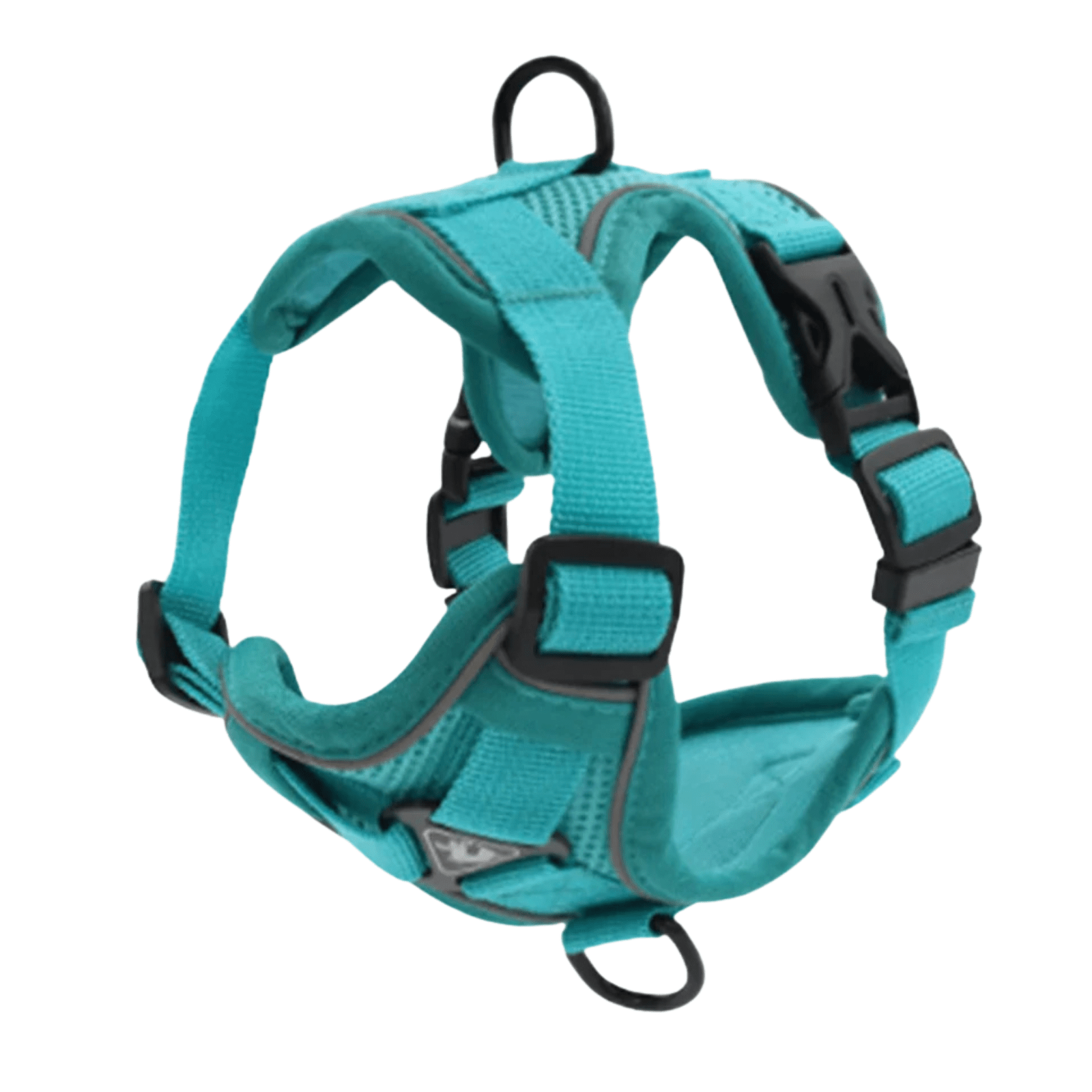
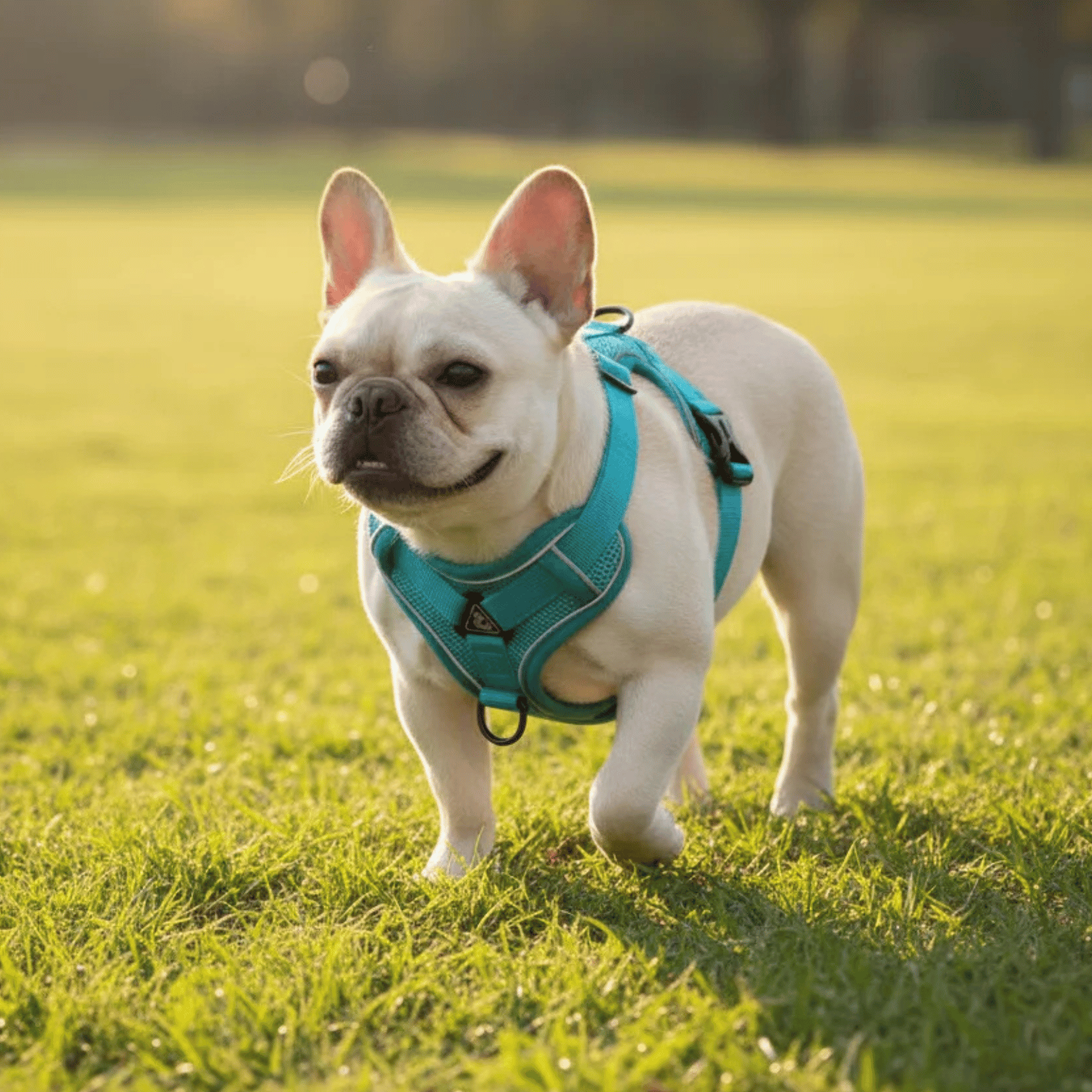
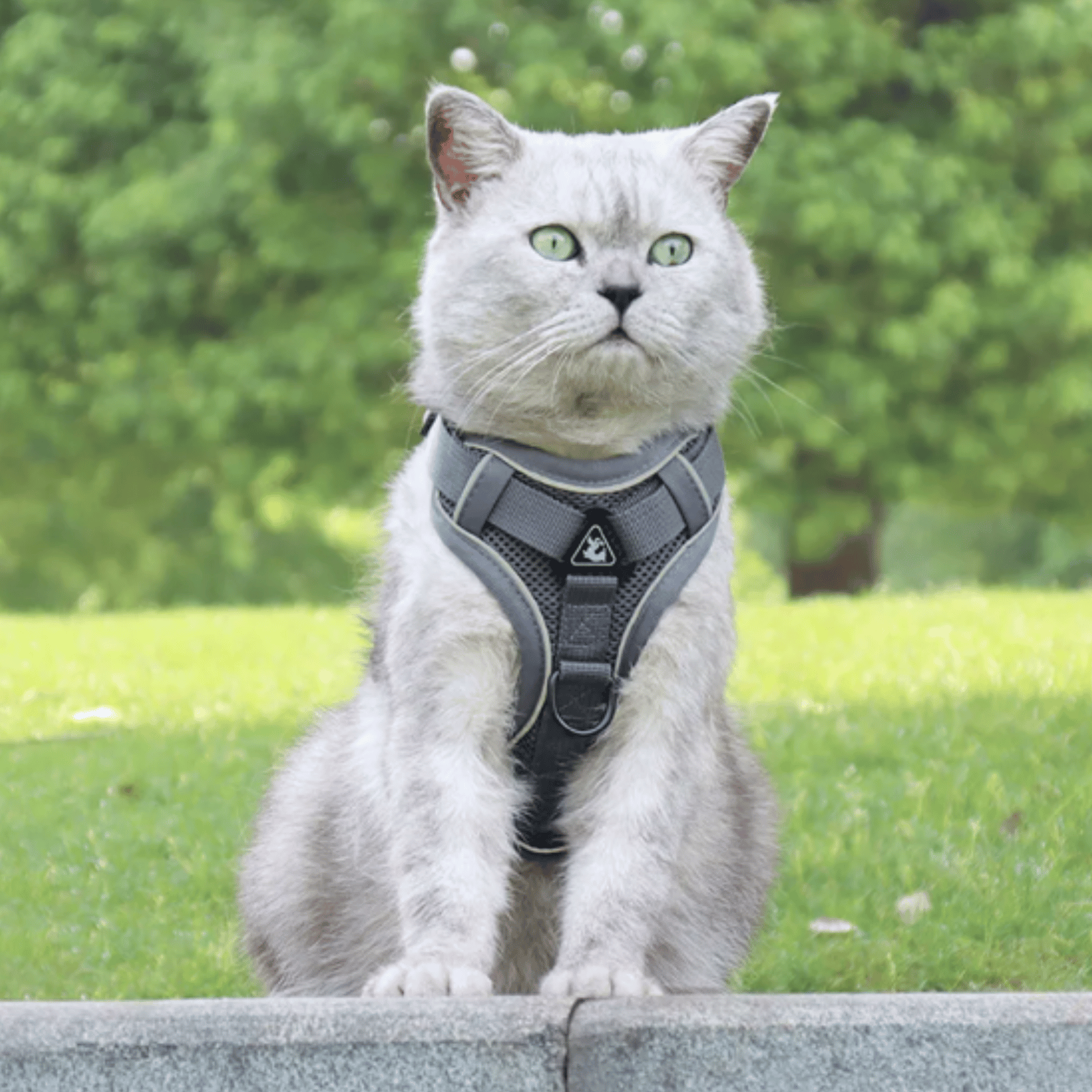
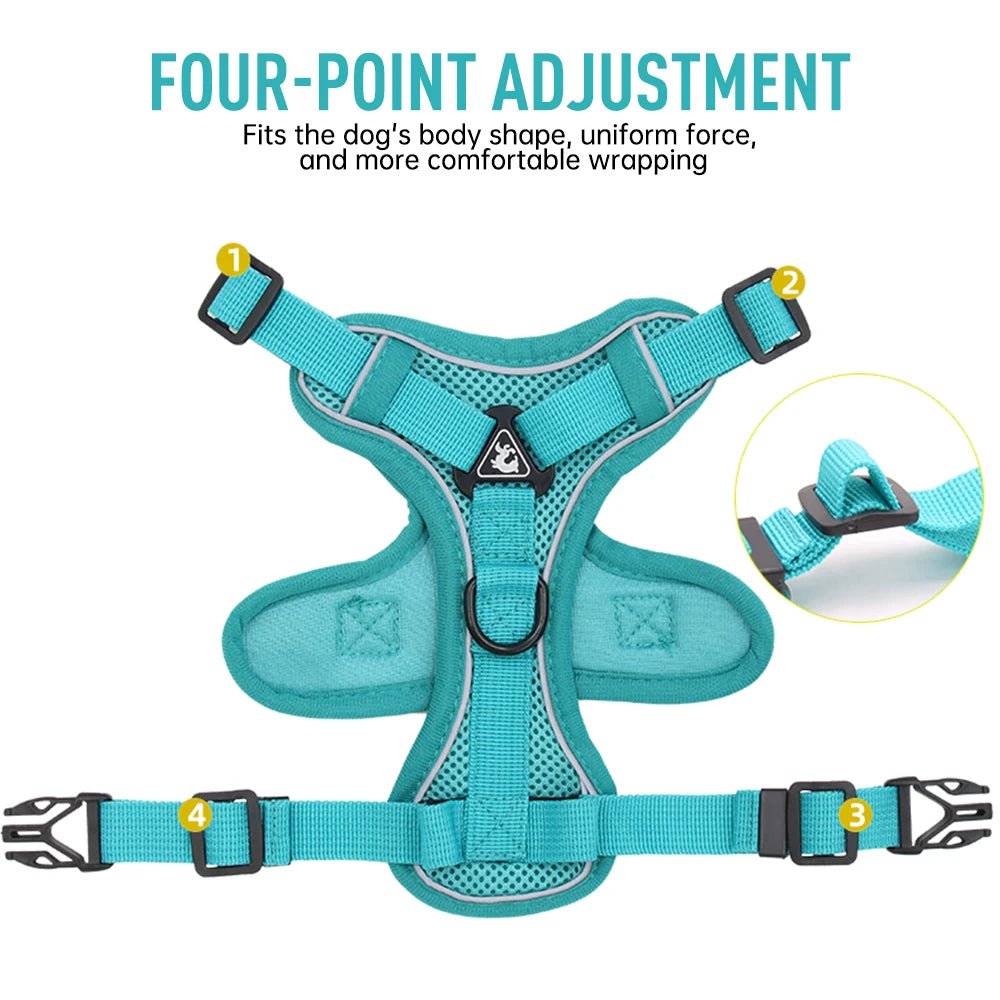
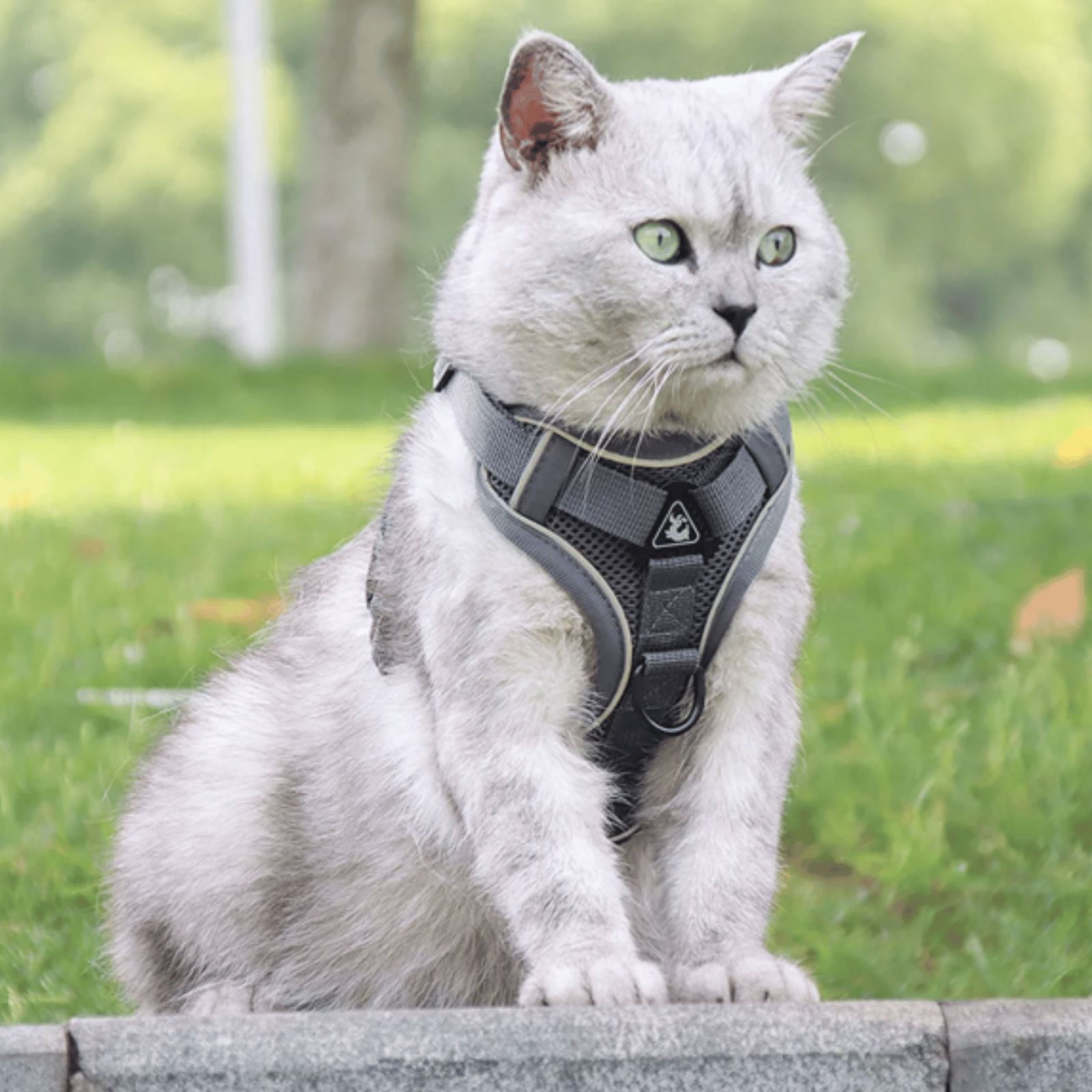
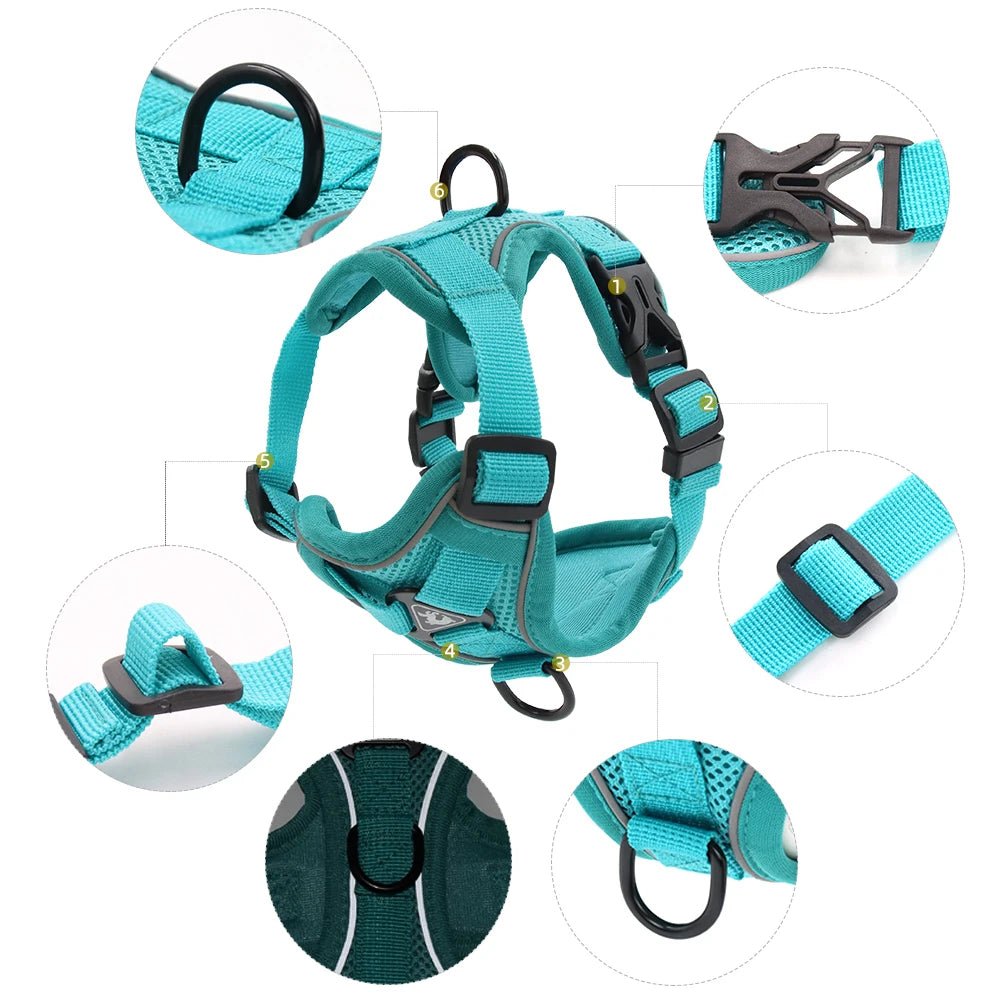
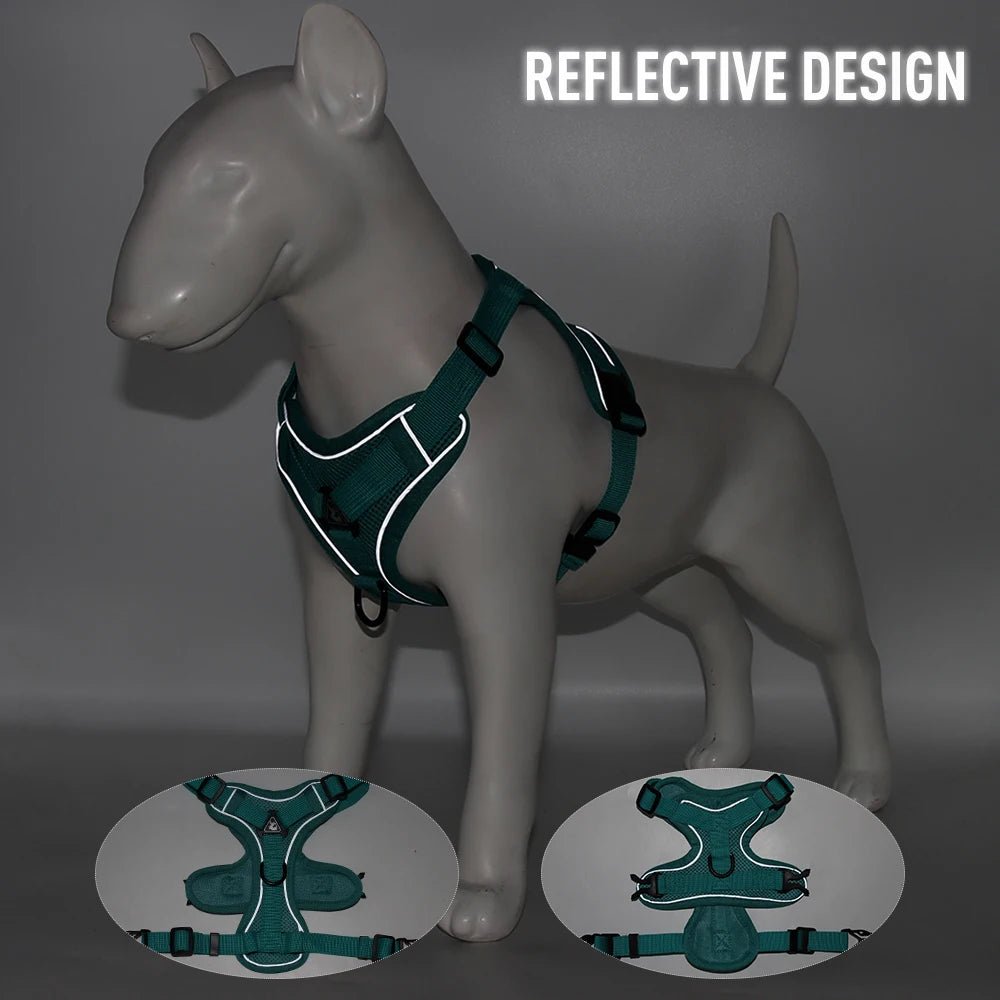
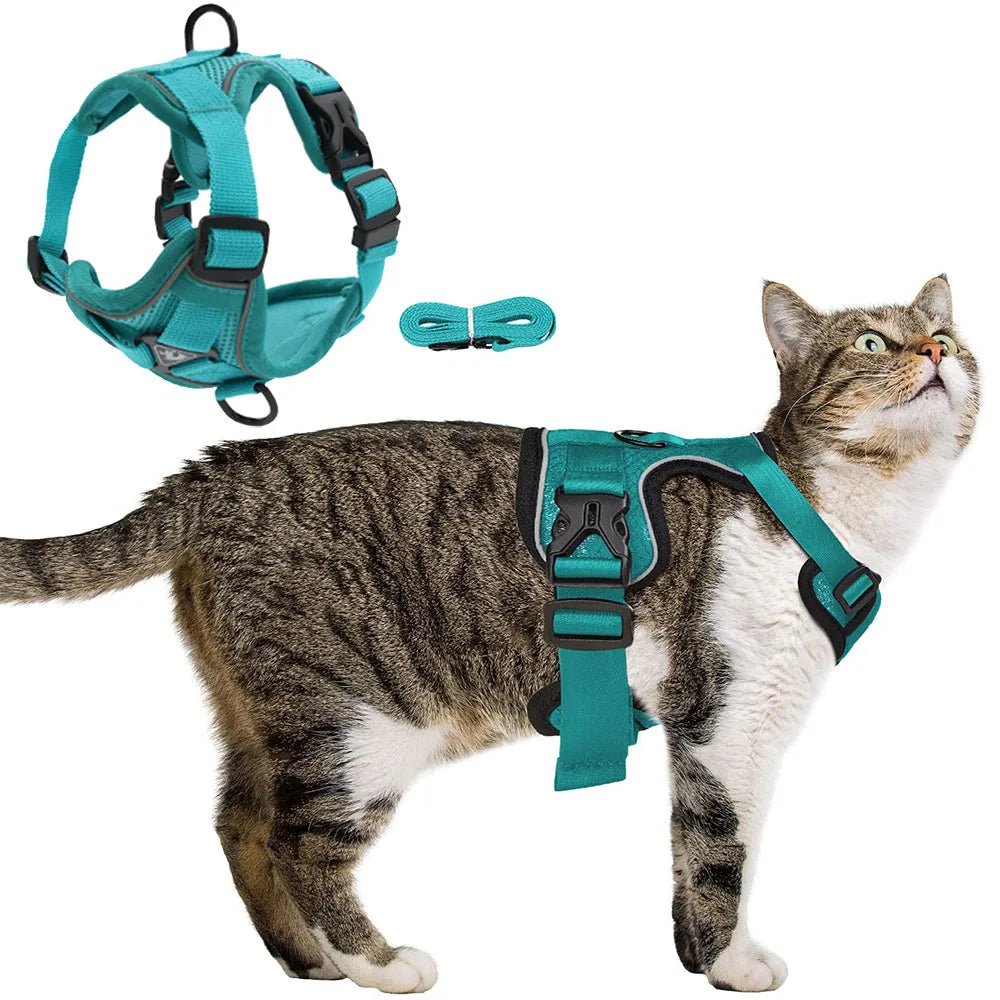
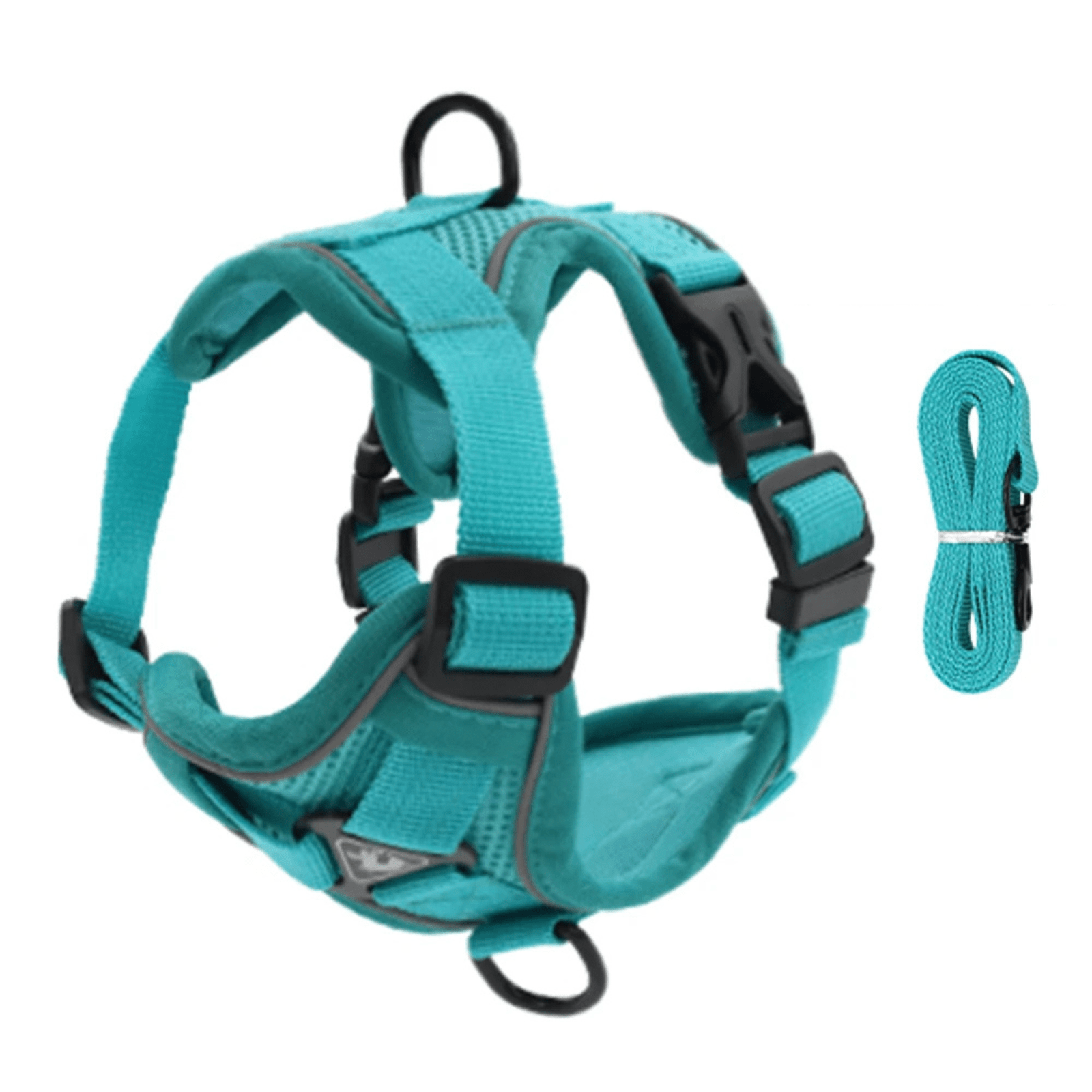
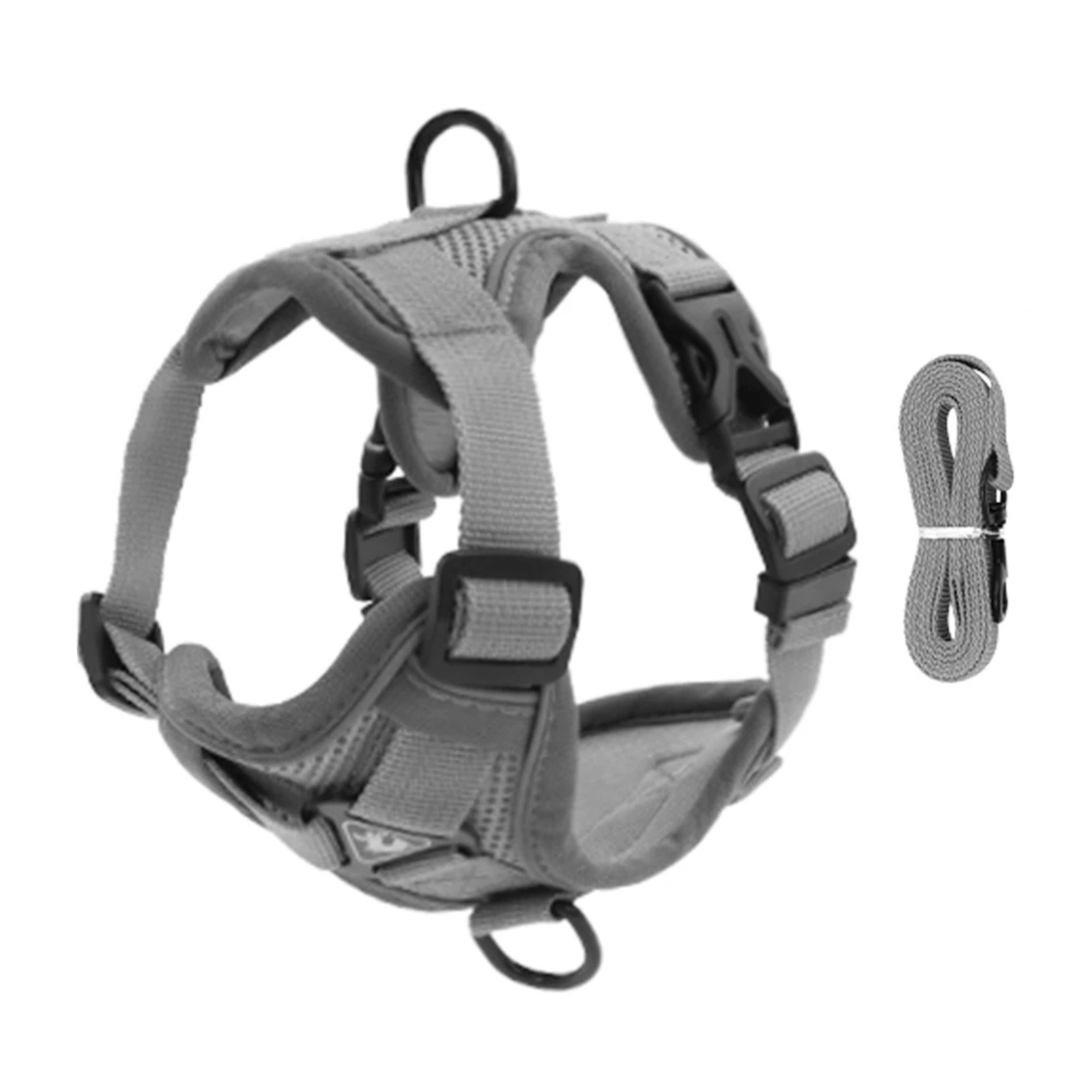
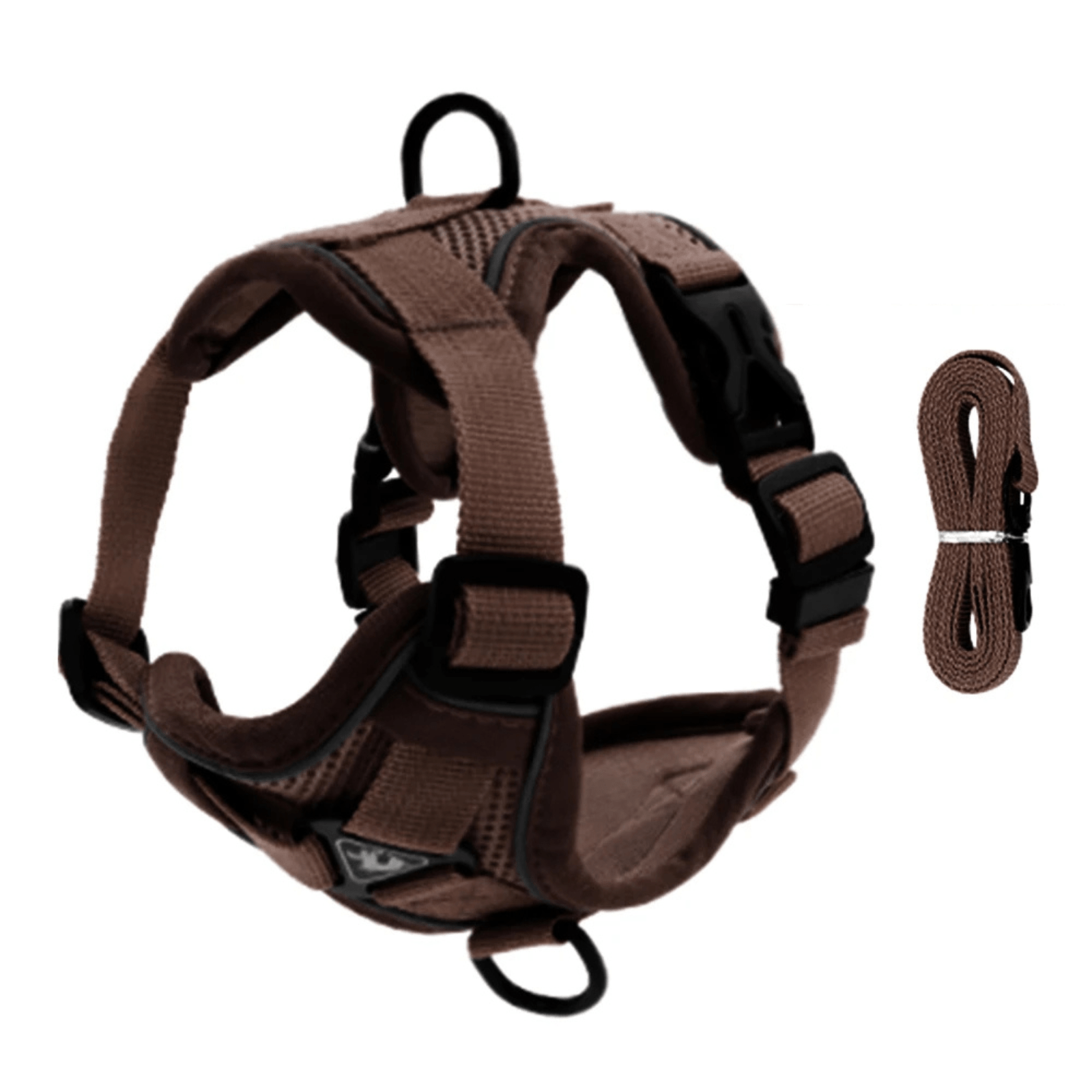
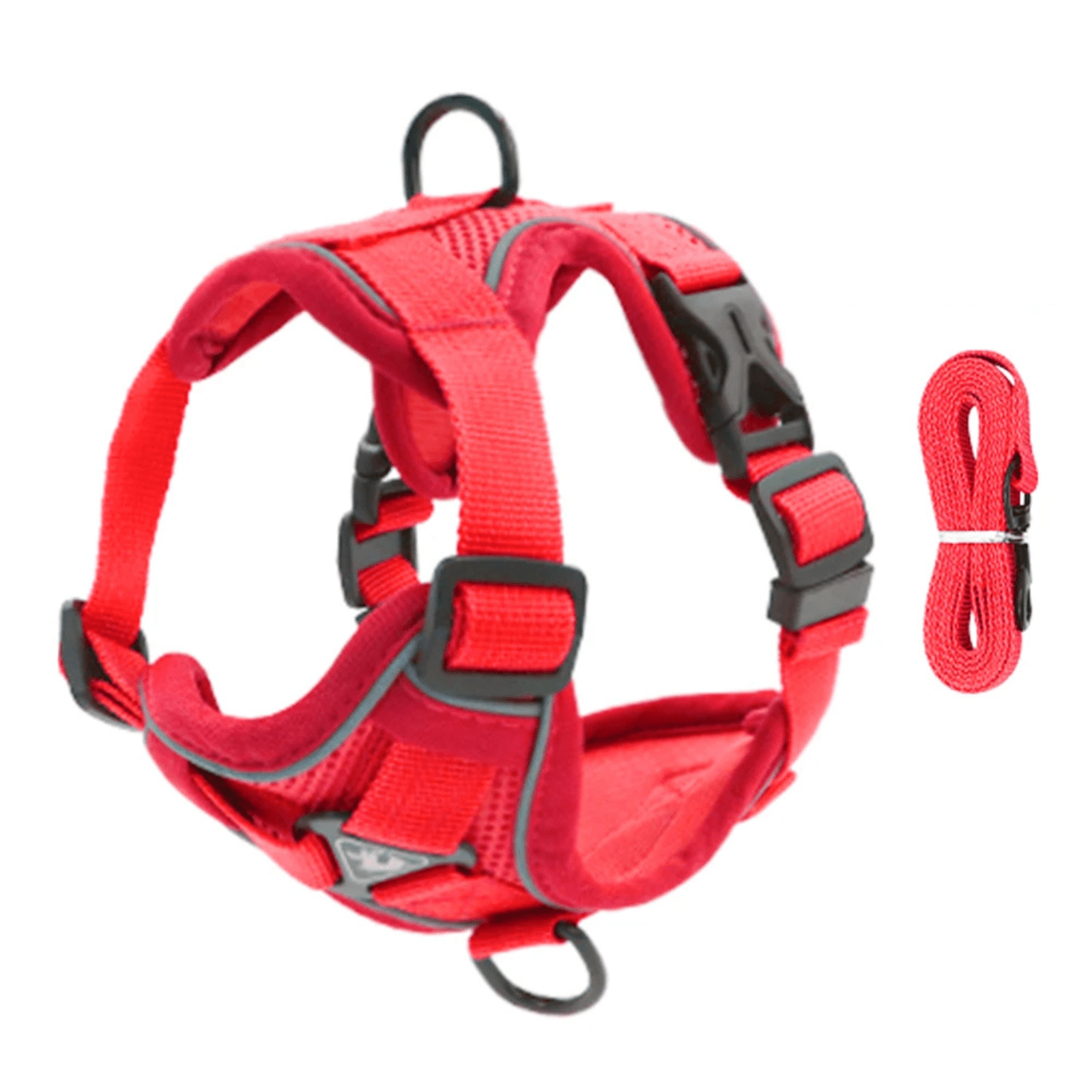
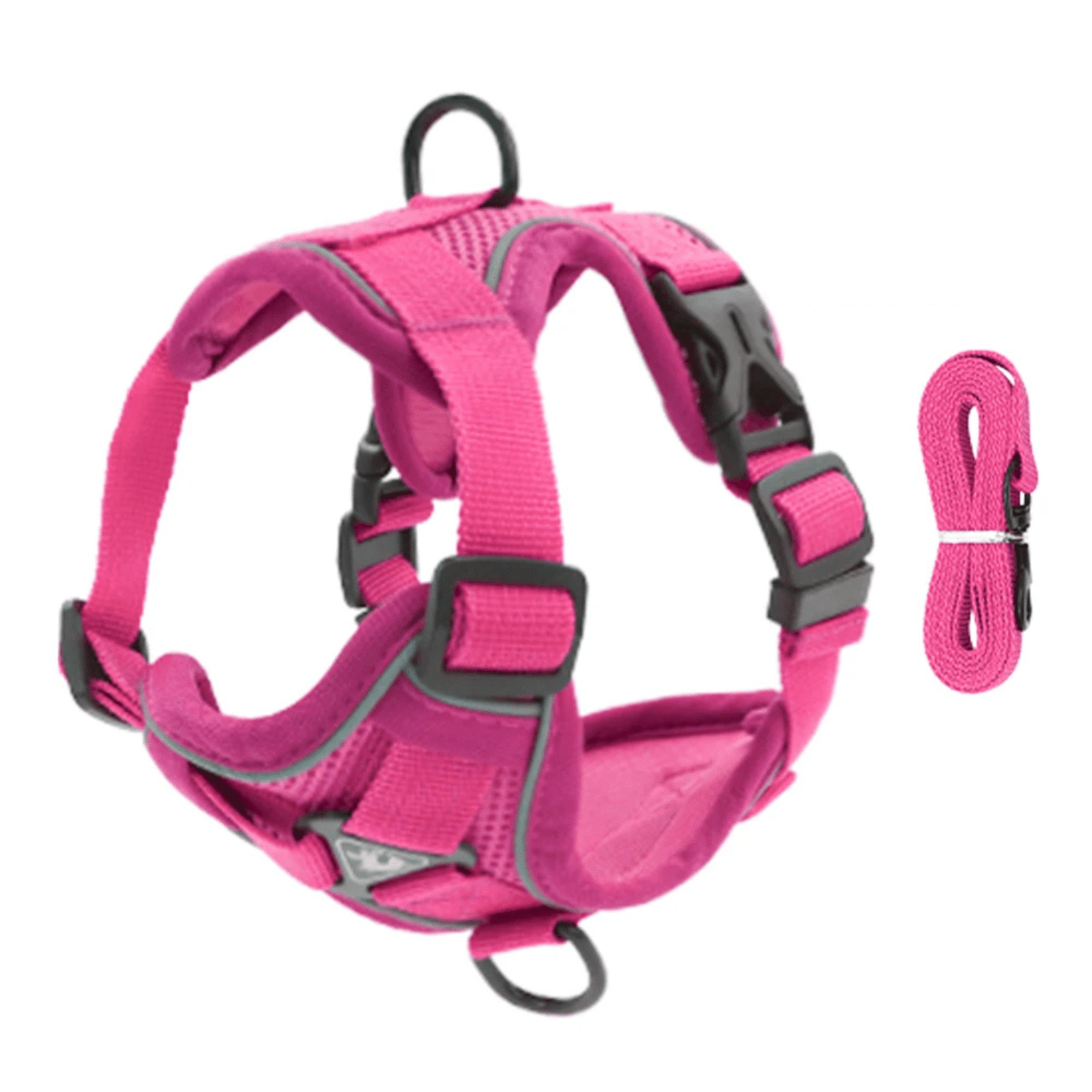
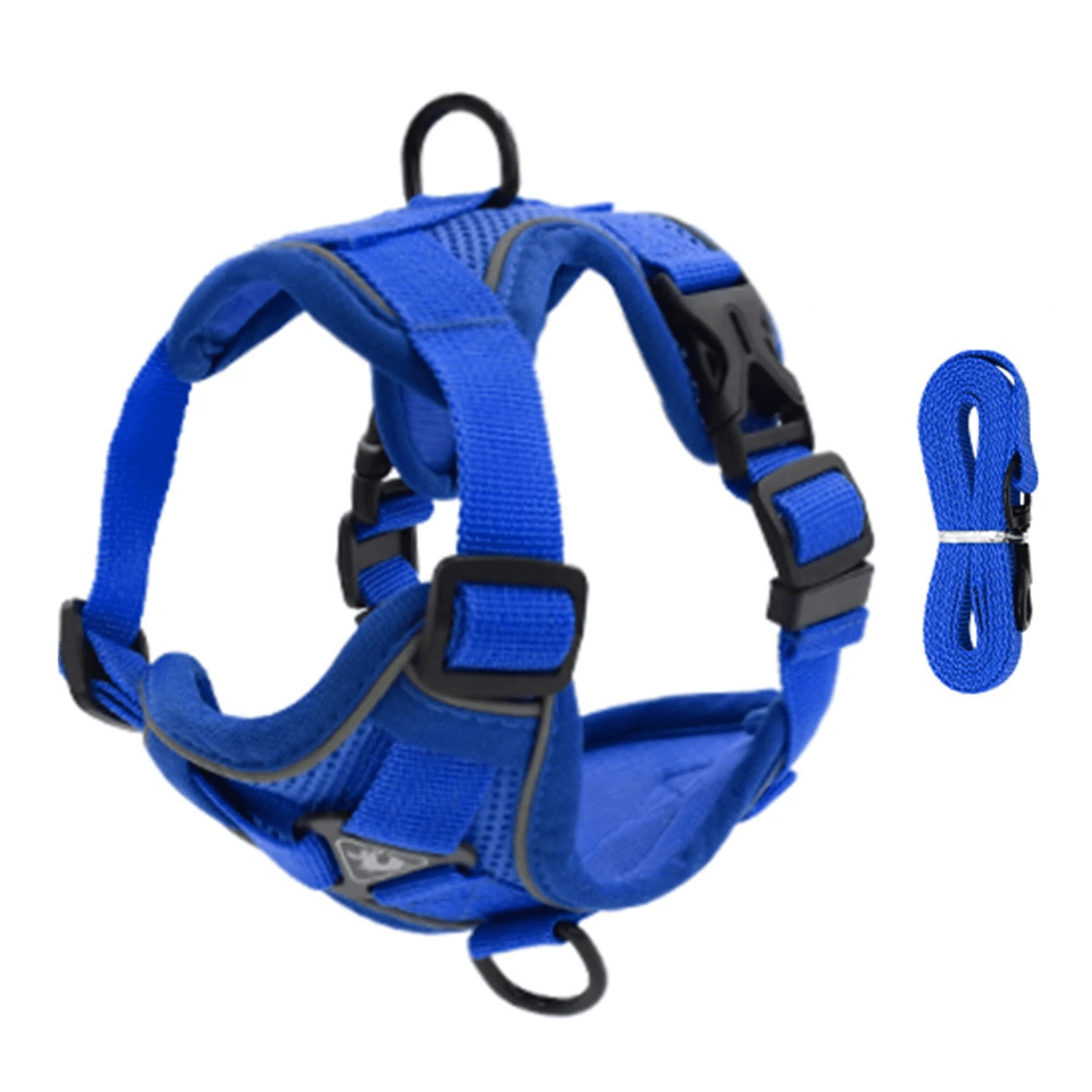
There are moments when a harness is the better choice than a collar. A collar is made for everyday wear and for carrying an ID tag, not for taking the pull of a lead. If you want to walk your cat or keep them secure on an adventure, a harness spreads the pressure across the body and takes it off the delicate neck.
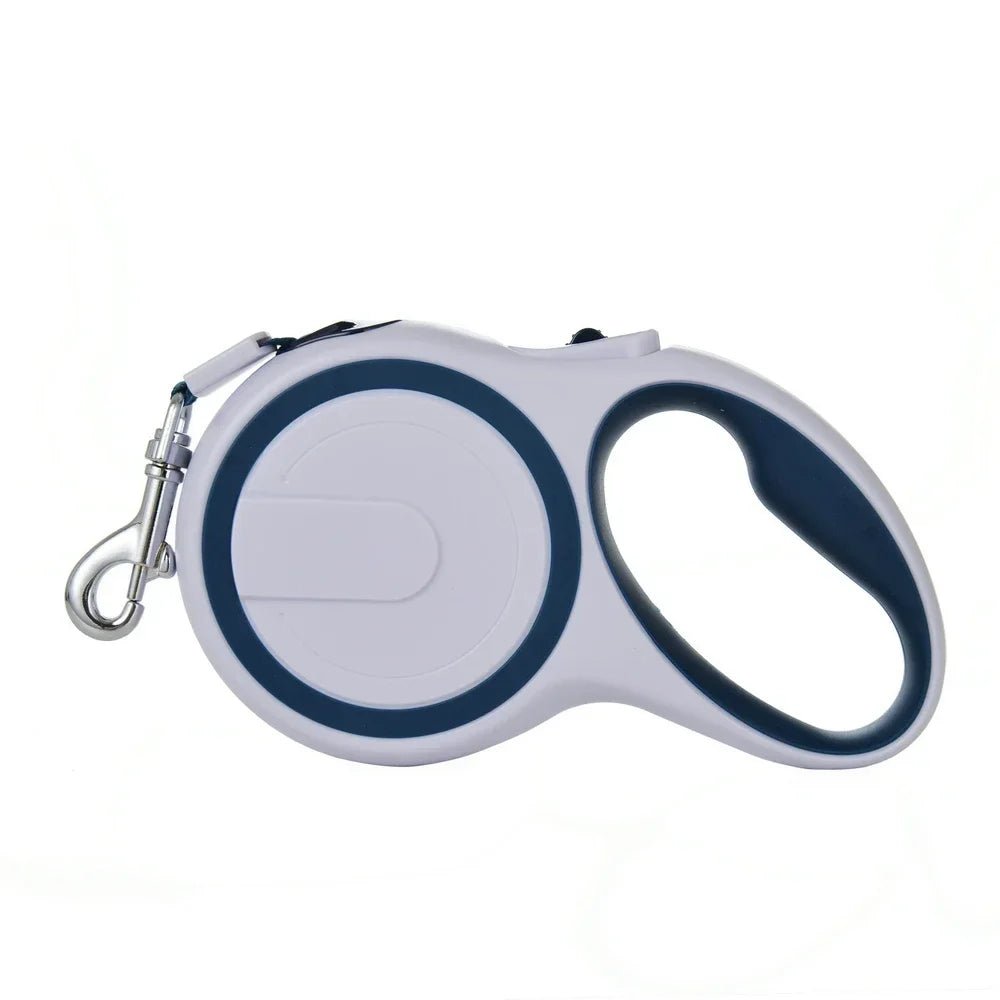
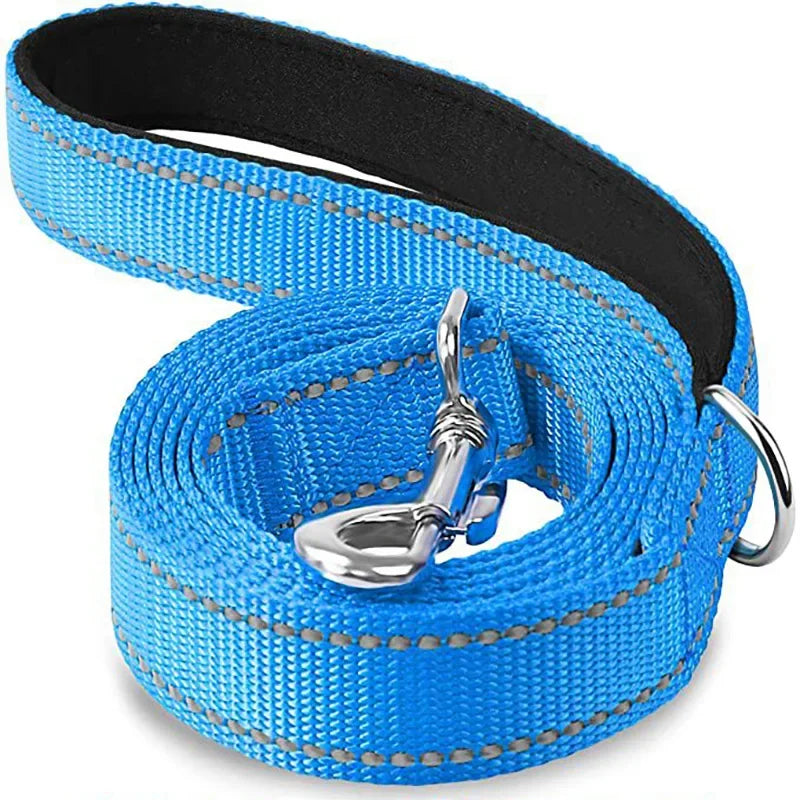
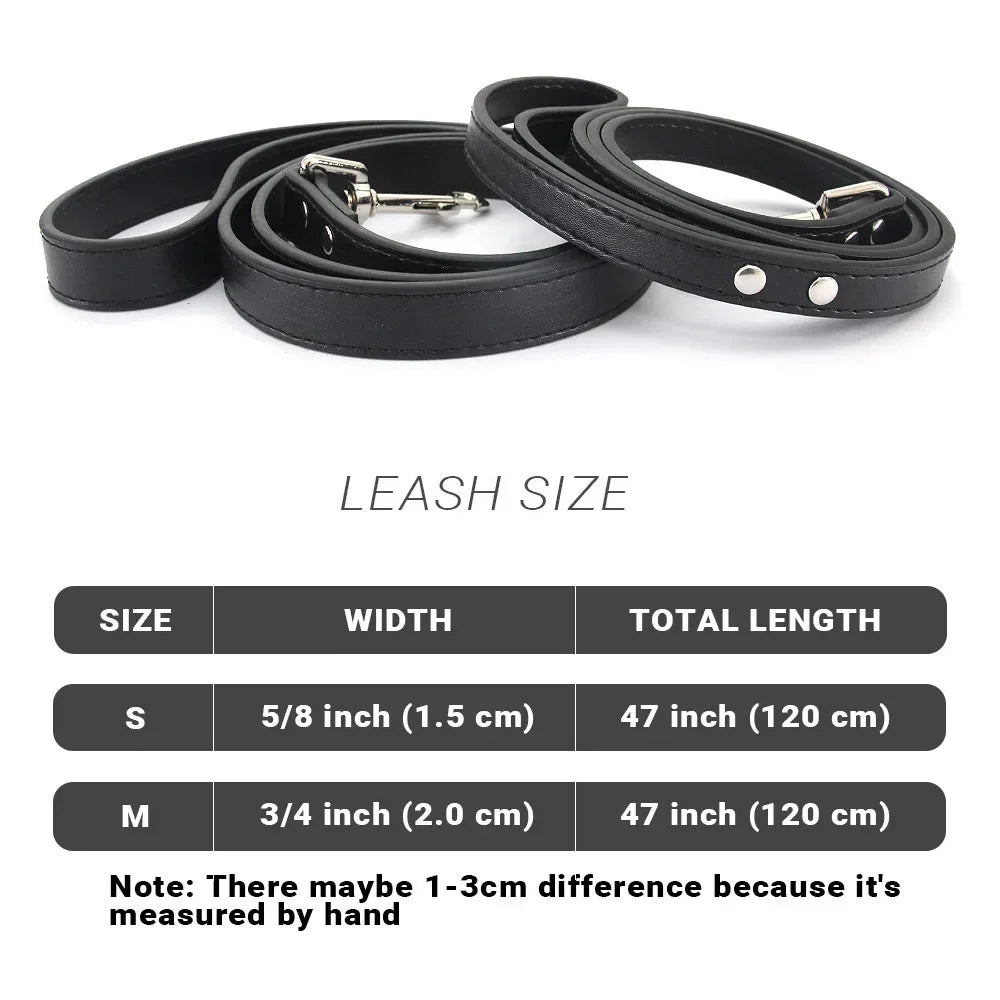
For outdoor exploring or lead training, reach for a properly fitted harness rather than clipping a lead onto a collar. You will find options made specifically for cats in our range of cat harnesses and leads, designed to sit comfortably and stay secure while your cat gets used to the feeling.
Getting the fit right is what makes a collar safe and comfortable, and it is easier than it looks. Done well, your cat should soon forget they are wearing it at all. That is exactly the point. Bold outdoor adventurer or devoted sofa-warmer, every collar we stock is one we would happily put on our own cats.