
How to train your dog comes down to one principle: reward the behaviour you want to see, and your dog will offer it again. In this guide, you'll learn how reward-based training works, which five core commands to teach first, and how to build each one up step by step.
What Is the Best Way to Train a Dog?
The best way to train a dog is reward-based training: you reinforce good behaviour with something your dog genuinely loves, such as a small treat, a favourite toy or your praise. UK welfare organisations, including the RSPCA and The Kennel Club, recommend this approach because it works with your dog's nature rather than against it.
The logic is simple. Dogs repeat behaviour that pays off. When sitting earns a piece of cheese, sitting becomes a very good idea in your dog's mind.
Timing matters more than the size of the reward. Mark the behaviour within a second or two, otherwise your dog won't connect the reward to what they just did. And find out what your dog actually rates: for some it's chicken, for others it's a squeaky ball or your full attention.
When Should You Start Training Your Dog?
You can start training your dog from the day they come home, whatever their age. Puppies are ready to learn from around eight weeks old. The old idea that you should wait until six months is a myth, and waiting only gives unwanted habits time to settle in.
Adult dogs learn just as well. If you've adopted an older dog, you're not starting too late; you're simply working with a dog who may need to unlearn a few habits first. Keep early sessions extra short, celebrate small wins, and you'll be surprised how quickly the penny drops.
Dog Training Basics: The Five Core Commands
Dog training basics start with five core commands: sit, down, stay, come and leave it. These five give your dog safety and freedom at the same time. A dog who comes back when called gets to run off lead; a dog who knows "leave it" stays away from that suspicious chicken bone on the pavement.
Pick one short cue word per command and make sure everyone in the household uses the same one. To your dog, "down", "off" and "get down" are three different languages.
How to Teach Your Dog to Sit?
Teach your dog to sit by holding a treat just above their nose and slowly moving it back over their head. As their nose follows the treat, their bottom drops to the floor. The moment it touches down, reward and praise.
Repeat this until the movement is predictable, then add the word "sit" as they do it. Never push their bottom down; let them work it out themselves. They learn faster that way, and they enjoy it more.
How to Teach Your Dog to Lie Down?
Teach your dog to lie down by holding a treat in your flat hand on the floor, treat tucked underneath. Your dog will nudge, paw and puzzle at it, and eventually they'll lie down to get closer. Reward that exact moment.
Once they offer the position reliably, add the cue "down". Some dogs take a few sessions to crack this one, so keep it light. If frustration creeps in, on either end of the lead, stop and try again later.
How to Teach Your Dog to Stay?
Teach your dog to stay by asking for a sit, showing a flat palm, saying "stay" and taking one single step back. Return straight away and reward while they're still sitting. That last part is the trick: the reward happens in position, not after they've bounced up.
Build up distance and duration one step at a time. Add a release word like "okay" or "free" so your dog knows exactly when the stay is finished.
How to Teach Your Dog to Come Back When Called?
Teach your dog to come back when called by starting in a quiet room with zero distractions. Say their name followed by "come", crouch down, open your arms and sound delighted.
When they reach you, reward generously. Recall should always feel like the best decision they made all day.
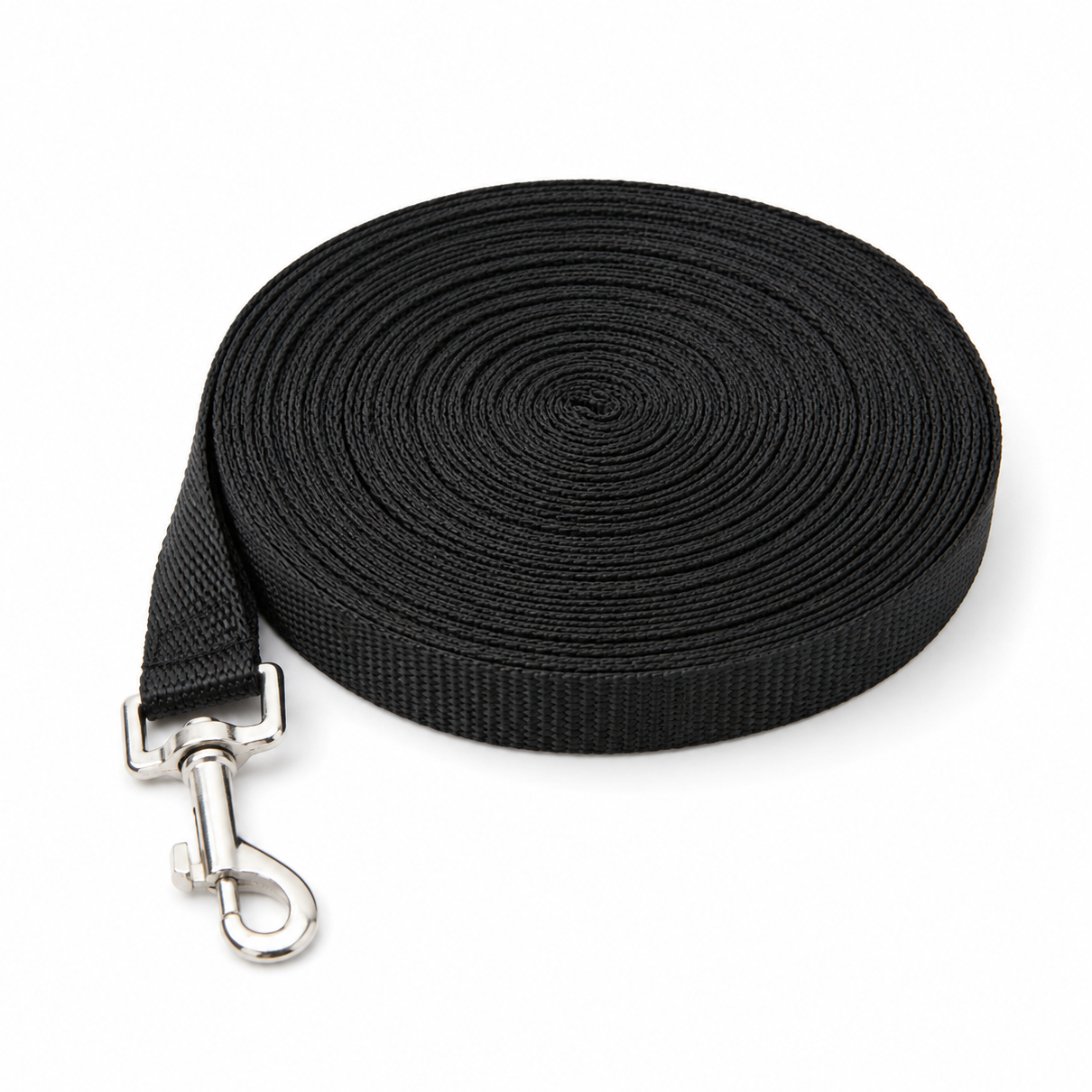
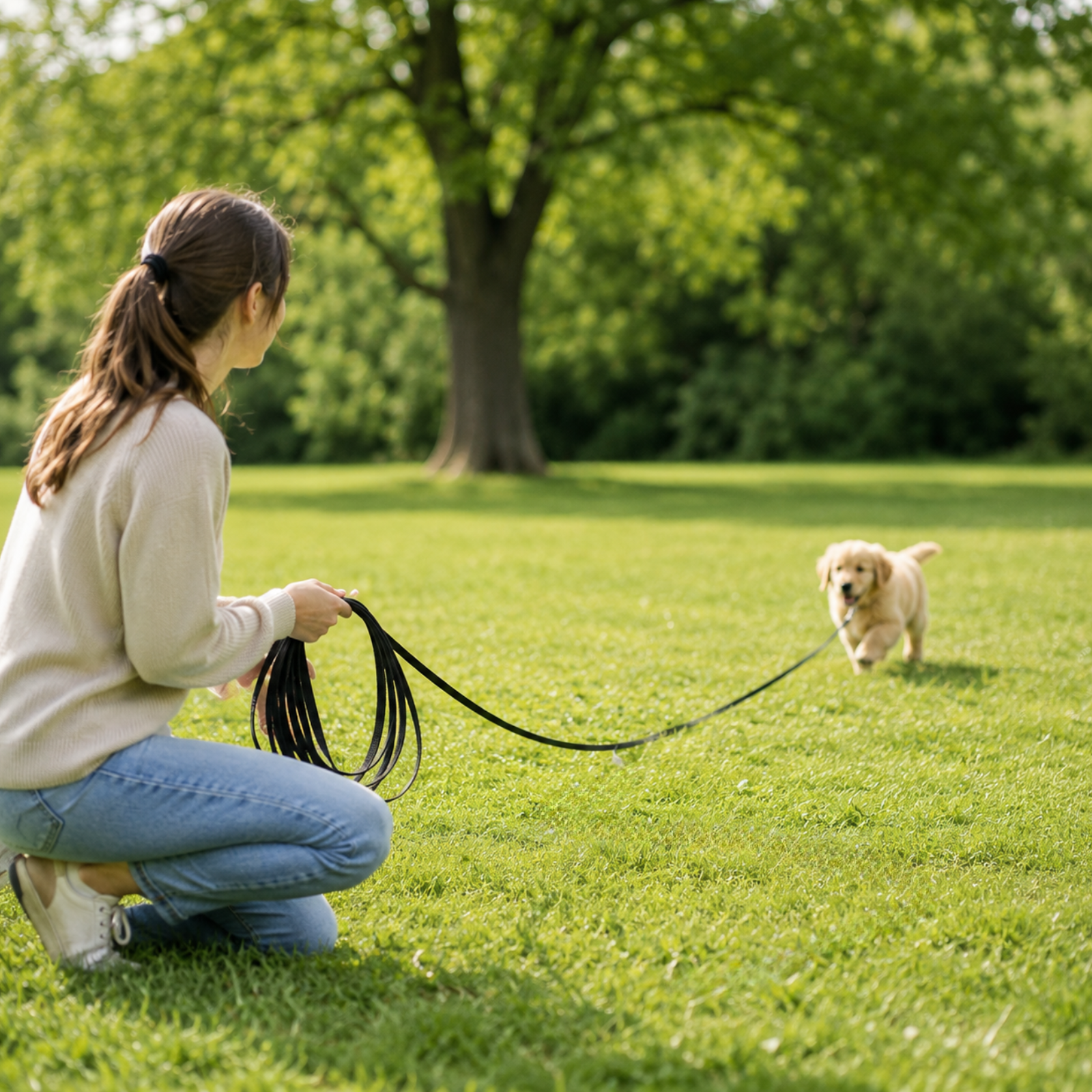
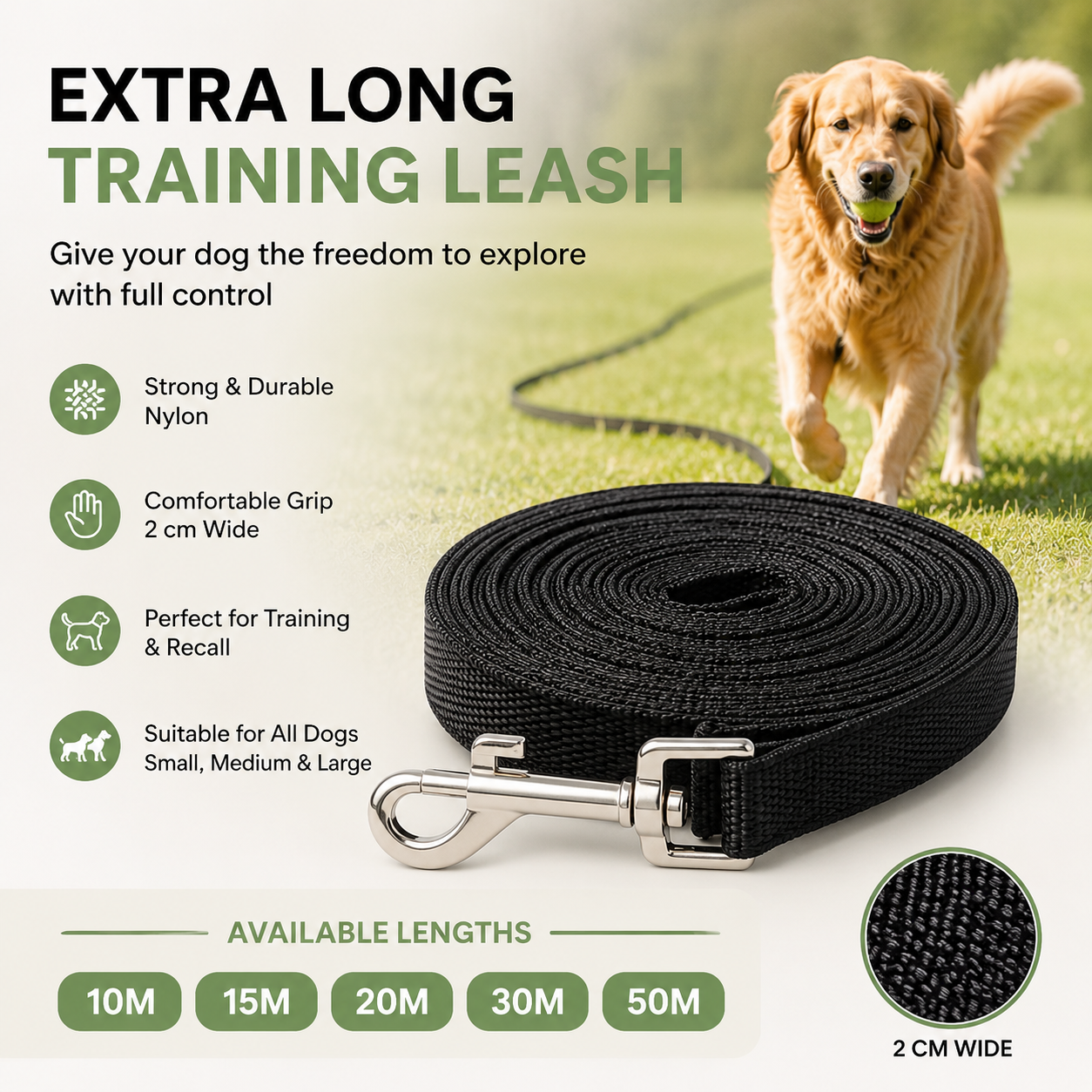
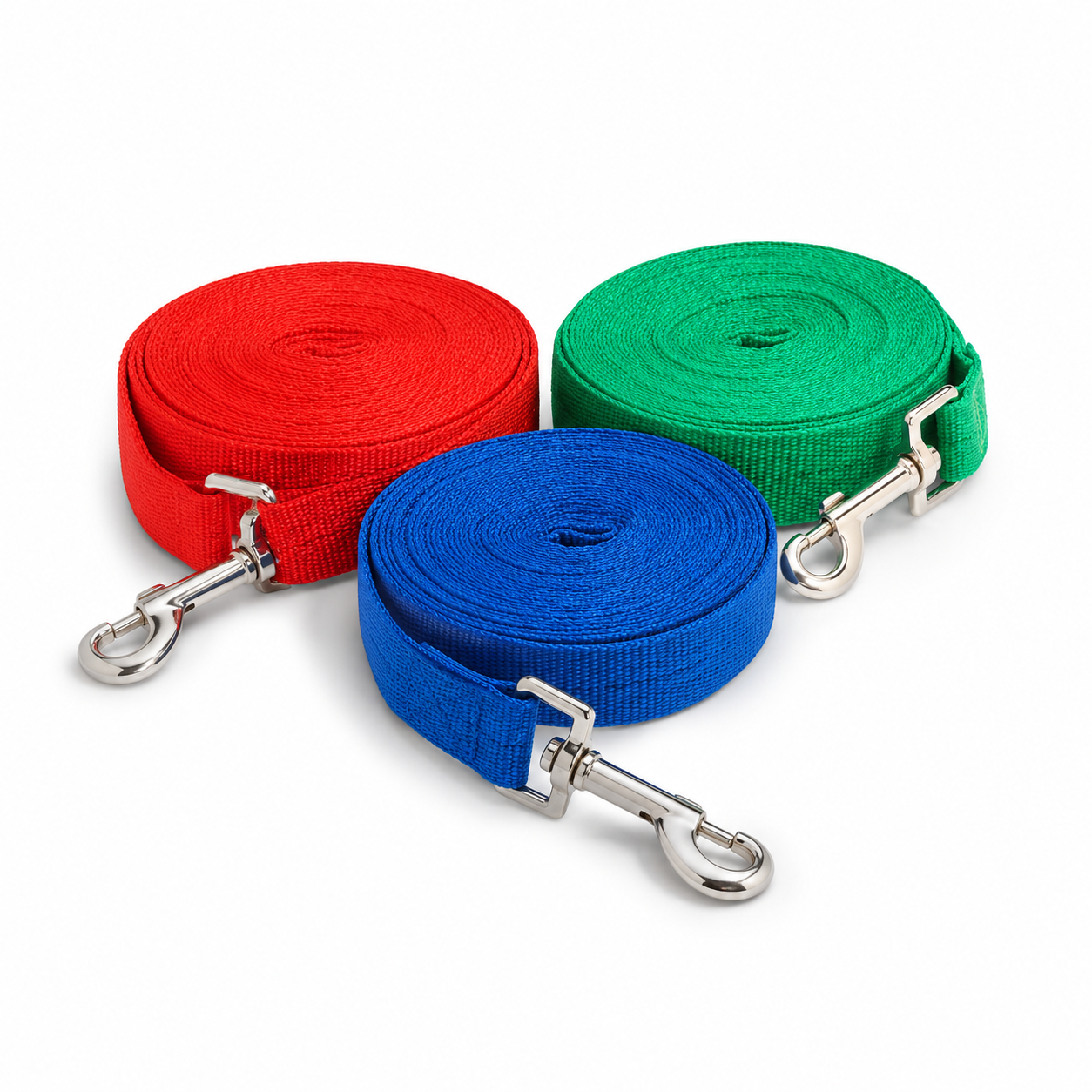
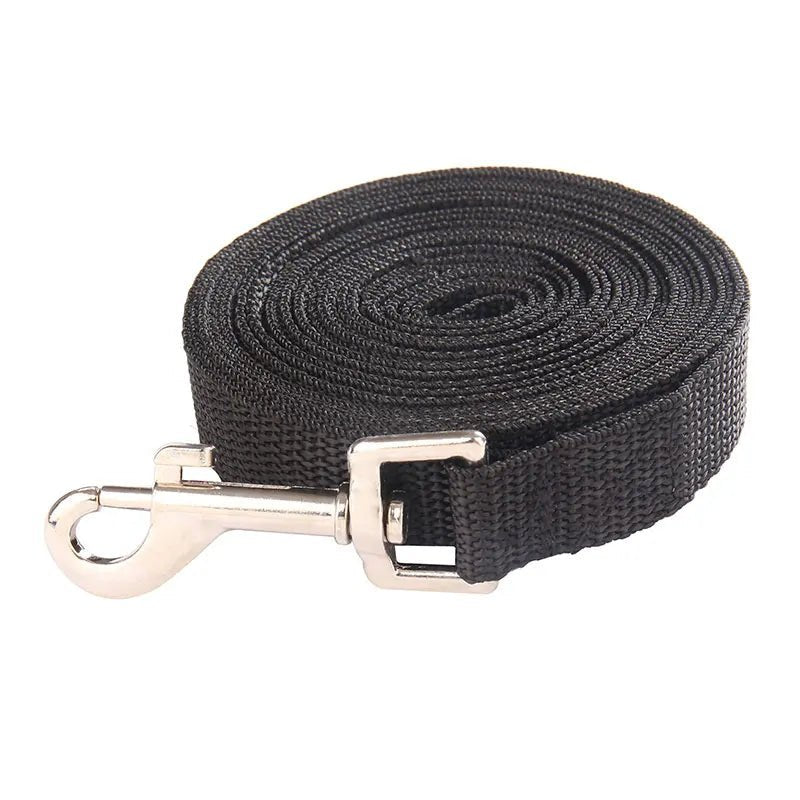
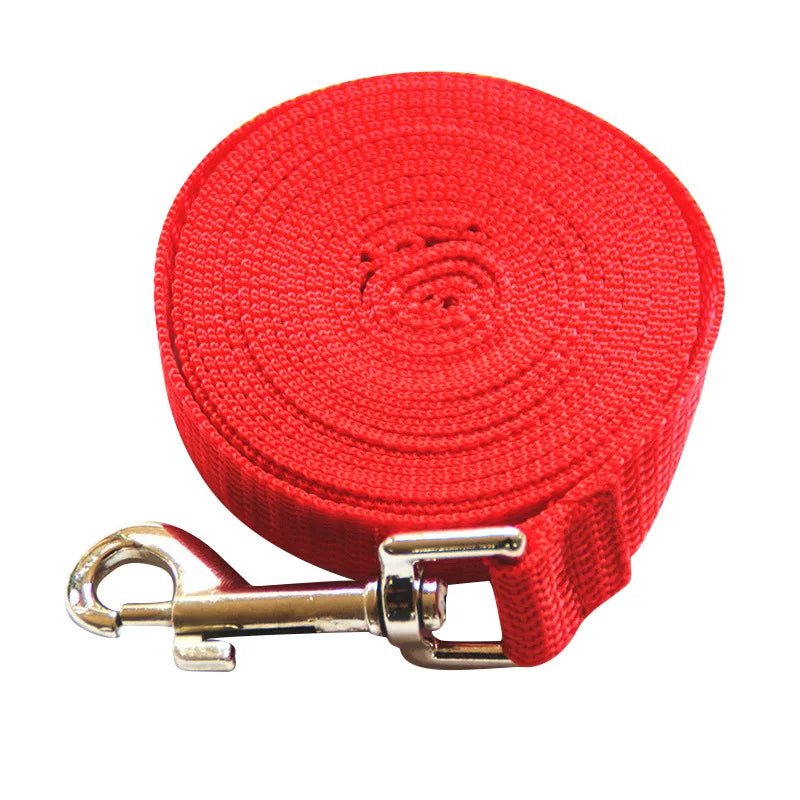
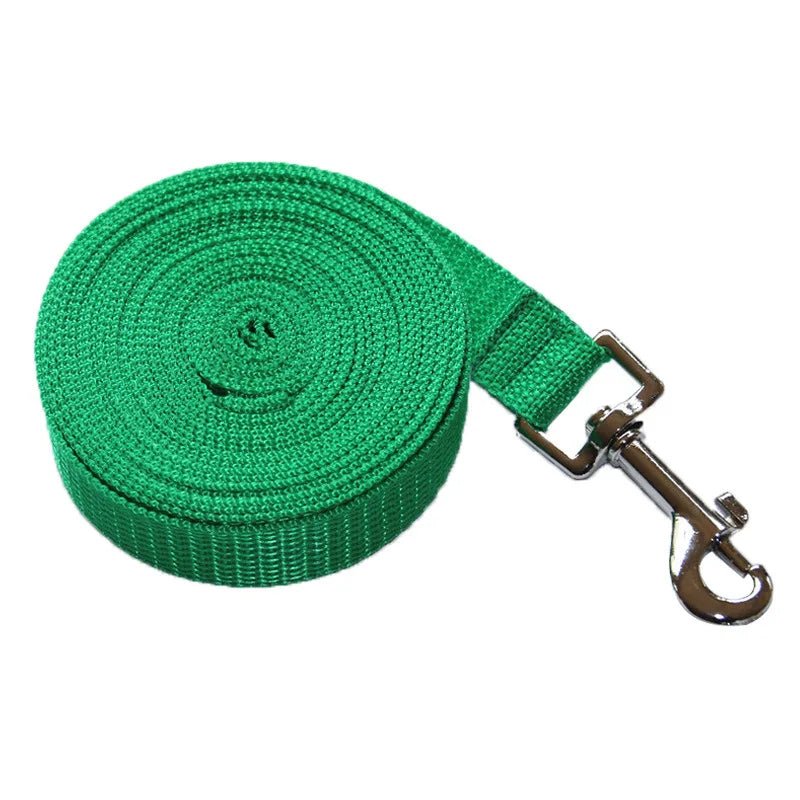
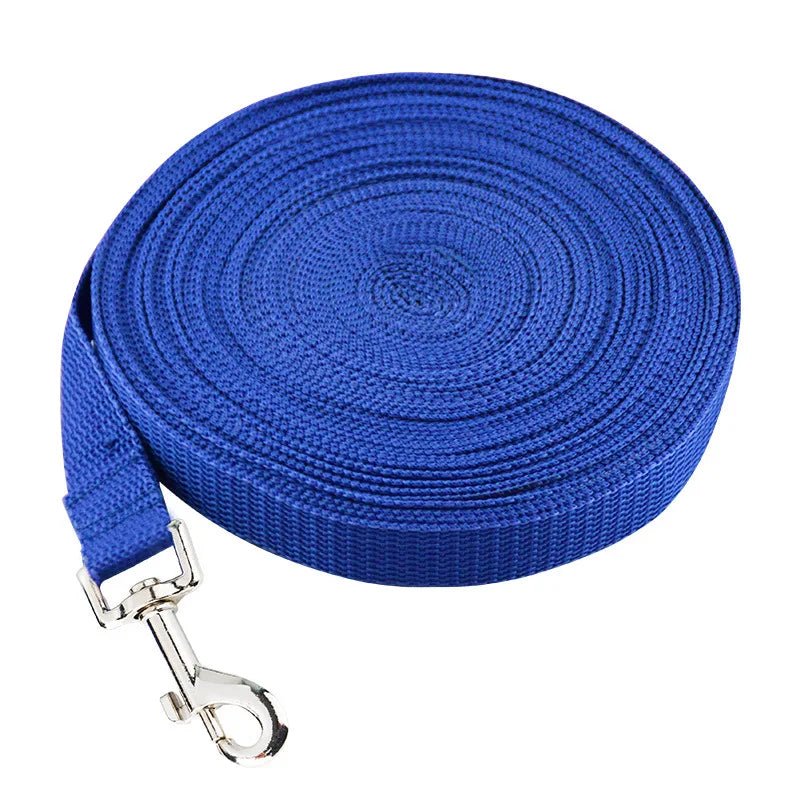
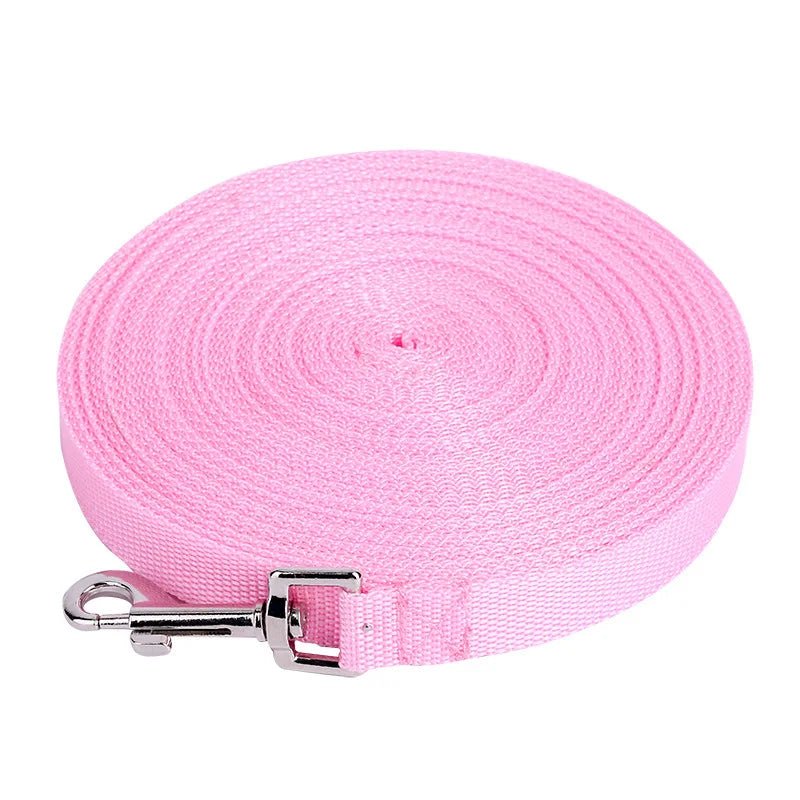
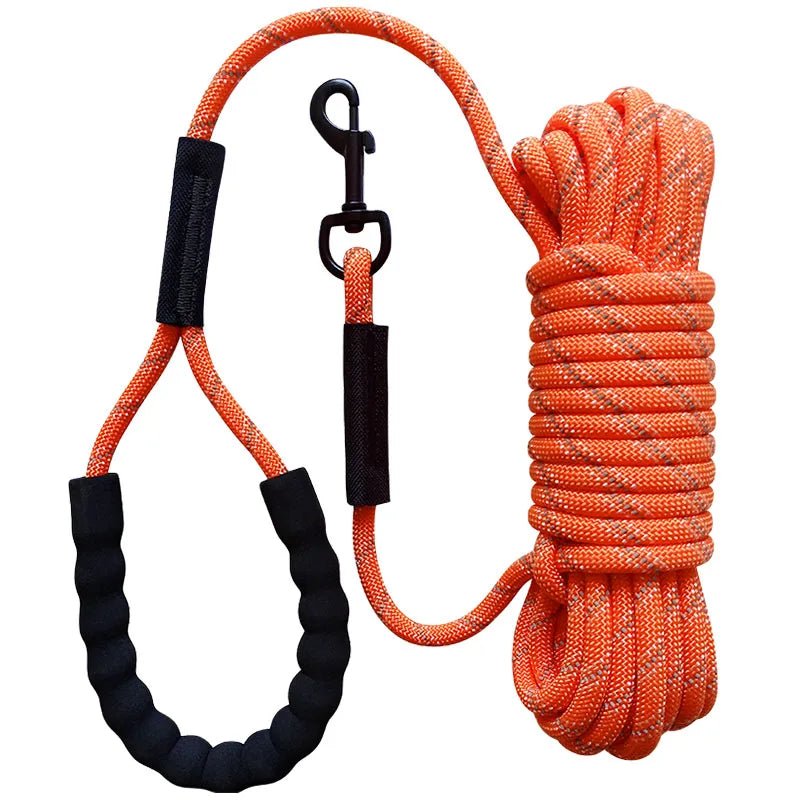
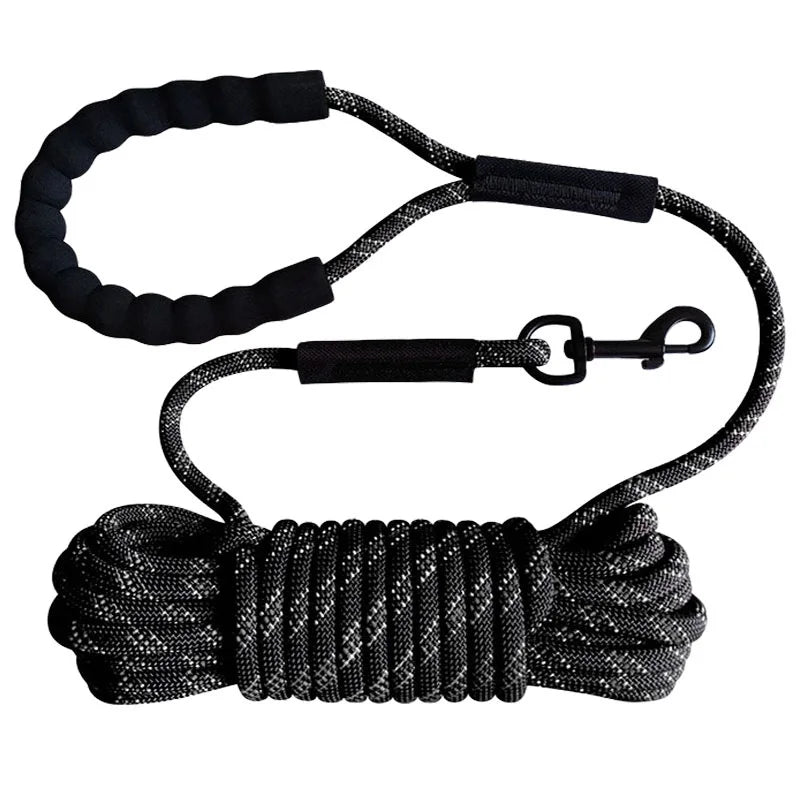
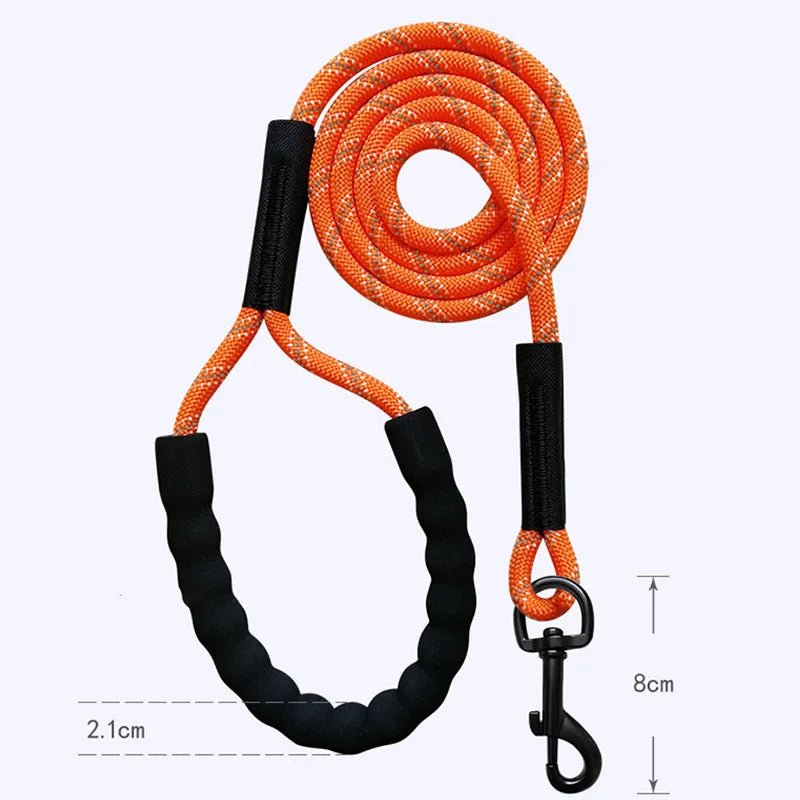
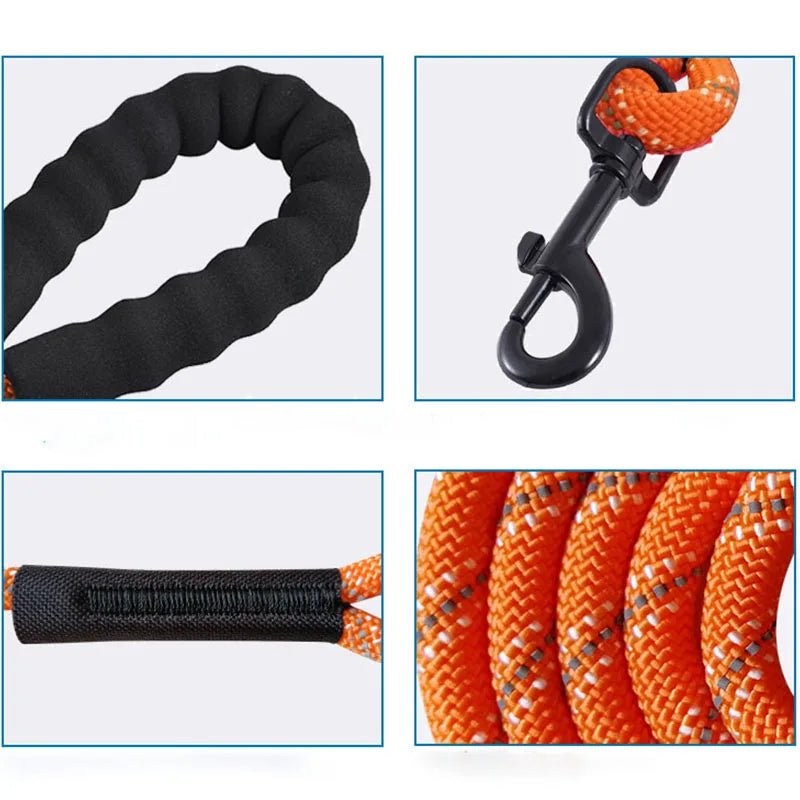
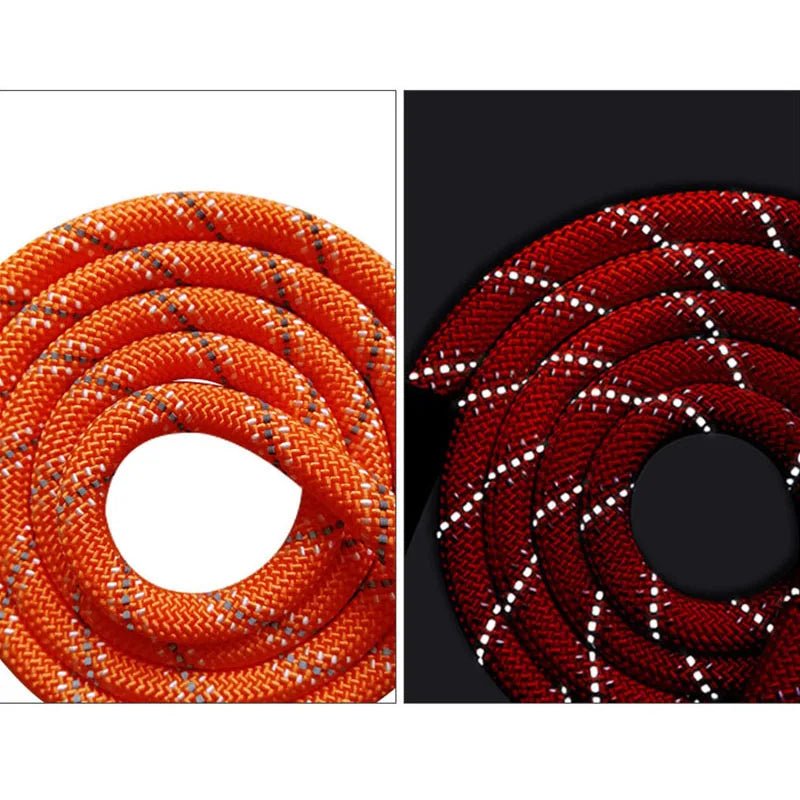
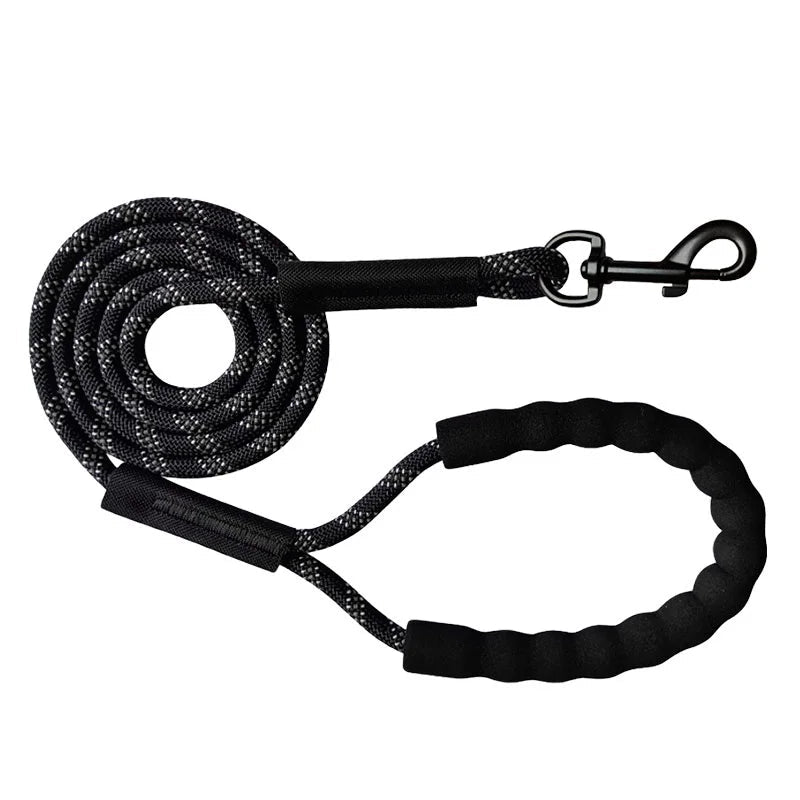
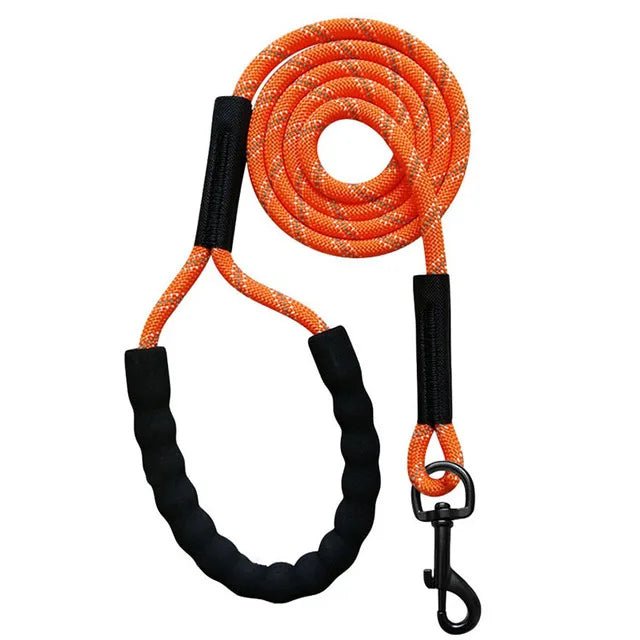
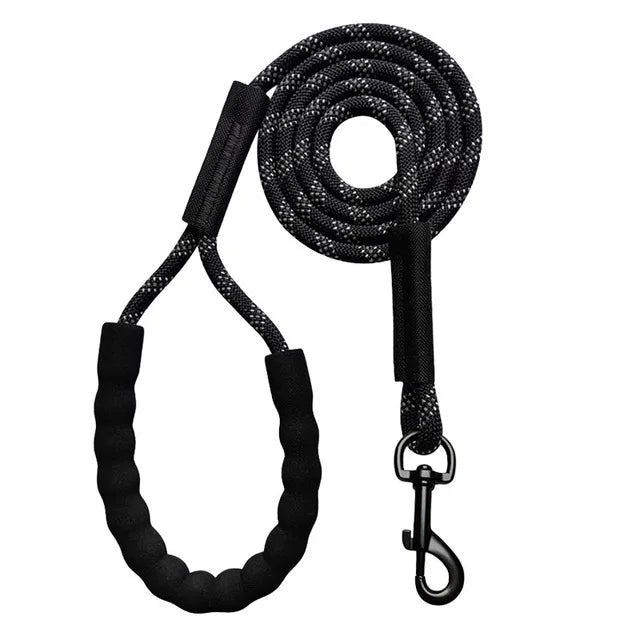
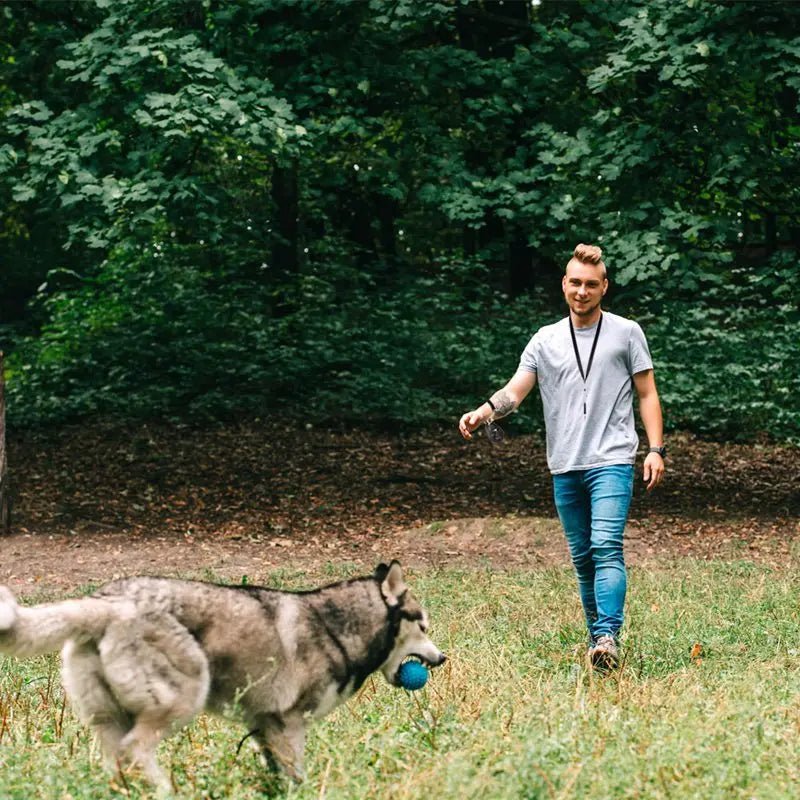
Before you try this off lead outdoors, practise on one of our dog training leads. Your dog gets the feeling of distance and freedom while you keep things safe and controlled.
How to Teach Your Dog to Leave It?
Teach your dog to leave it by closing a treat inside your fist and letting them sniff, lick and nudge at it. The instant they back off, even slightly, say "leave it" and reward them with a different treat from your other hand.
This command earns its keep on every walk. A reliable "leave it" keeps your dog away from dropped food, litter and anything else the pavement serves up.
Dog Training Tips for Beginners
The most useful dog training tips for beginners all point the same way: keep it short, keep it positive and keep it consistent. Sessions of five to ten minutes work better than one long hour. Most dogs check out mentally long before you do.
Train in a quiet room first, reward immediately, and always end on something your dog already knows so the session finishes with a win. Train a little every day rather than a lot once a week; repetition is what turns a trick into a habit.
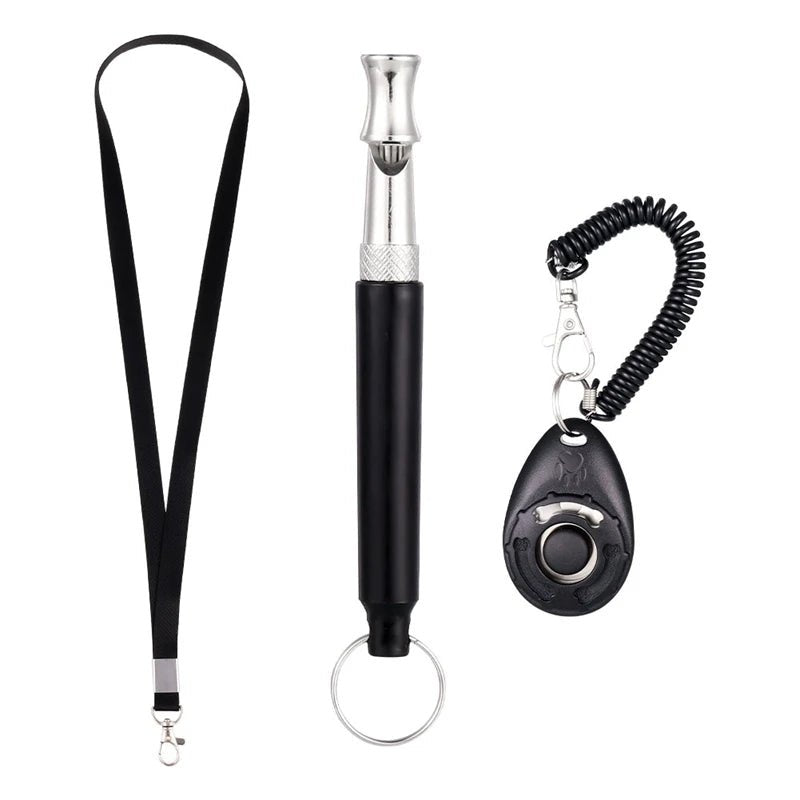
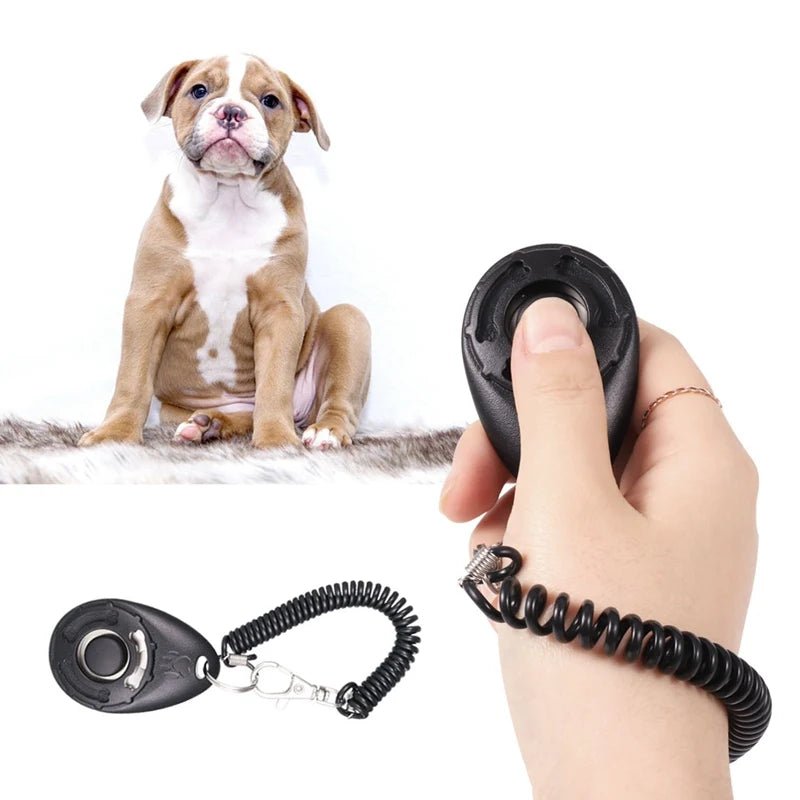
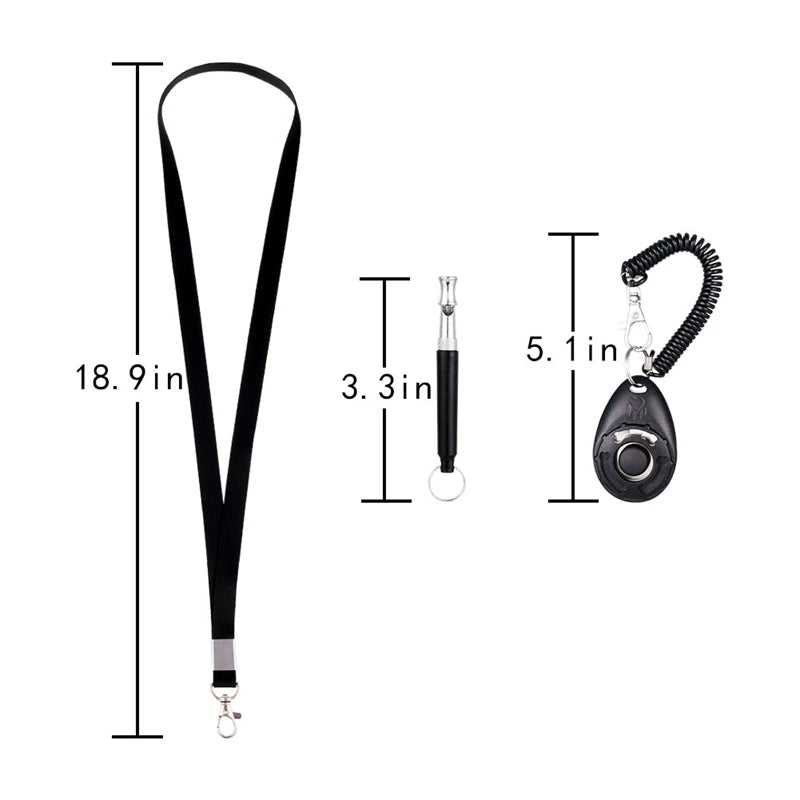
Many owners also get on well with clicker training, where a click marks the exact moment your dog gets it right. It sharpens your timing, which is half the battle.
Which Dog Training Techniques Should You Avoid?
Avoid dog training techniques that rely on fear, pain or intimidation. Shouting, lead jerks and so-called dominance or "alpha" methods are outdated. They suppress behaviour instead of teaching it, and they chip away at the one thing training is meant to build: your dog's trust in you.
Punishing after the fact doesn't work either. Dogs connect consequences to the present moment, so telling them off for something that happened an hour ago only teaches them that you're unpredictable.
If a behaviour keeps going wrong, the honest answer is usually that the step was too big. Go back to where your dog last succeeded and build up again from there.
How Do You Train Your Dog in New Environments?
Train your dog in new environments by raising the distraction level one notch at a time. A command your dog nails in the kitchen doesn't automatically work in the park; to your dog, those are two different exercises. Trainers call this proofing.
Work through the levels in order: a different room, the garden, a quiet street, then busier places. Reward more generously whenever the environment gets harder.
If your dog stops responding, that's information, not stubbornness. Step back to the previous level, let them succeed a few times, and move up again.
When Should You Get Help with Dog Training?
Get help with dog training when progress stalls or when a behaviour worries you. A good training class is worth it for any dog: you get an experienced eye on your technique, and your dog learns to focus around other dogs.
Look for an accredited trainer who works reward-based, and walk away from anyone who talks about dominance.
One more thing worth knowing: a sudden change in behaviour can have a physical cause. If your dog seems out of sorts alongside the behaviour, have a vet take a look first.
Everything You Need to Train Your Dog
To train your dog well, you honestly don't need much: a pocketful of treats, a few short sessions a day and a little patience on the days nothing seems to land. The bond you build along the way is the real reward, for both of you.
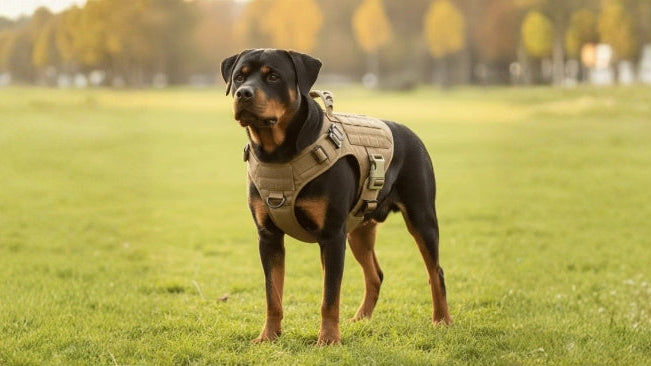
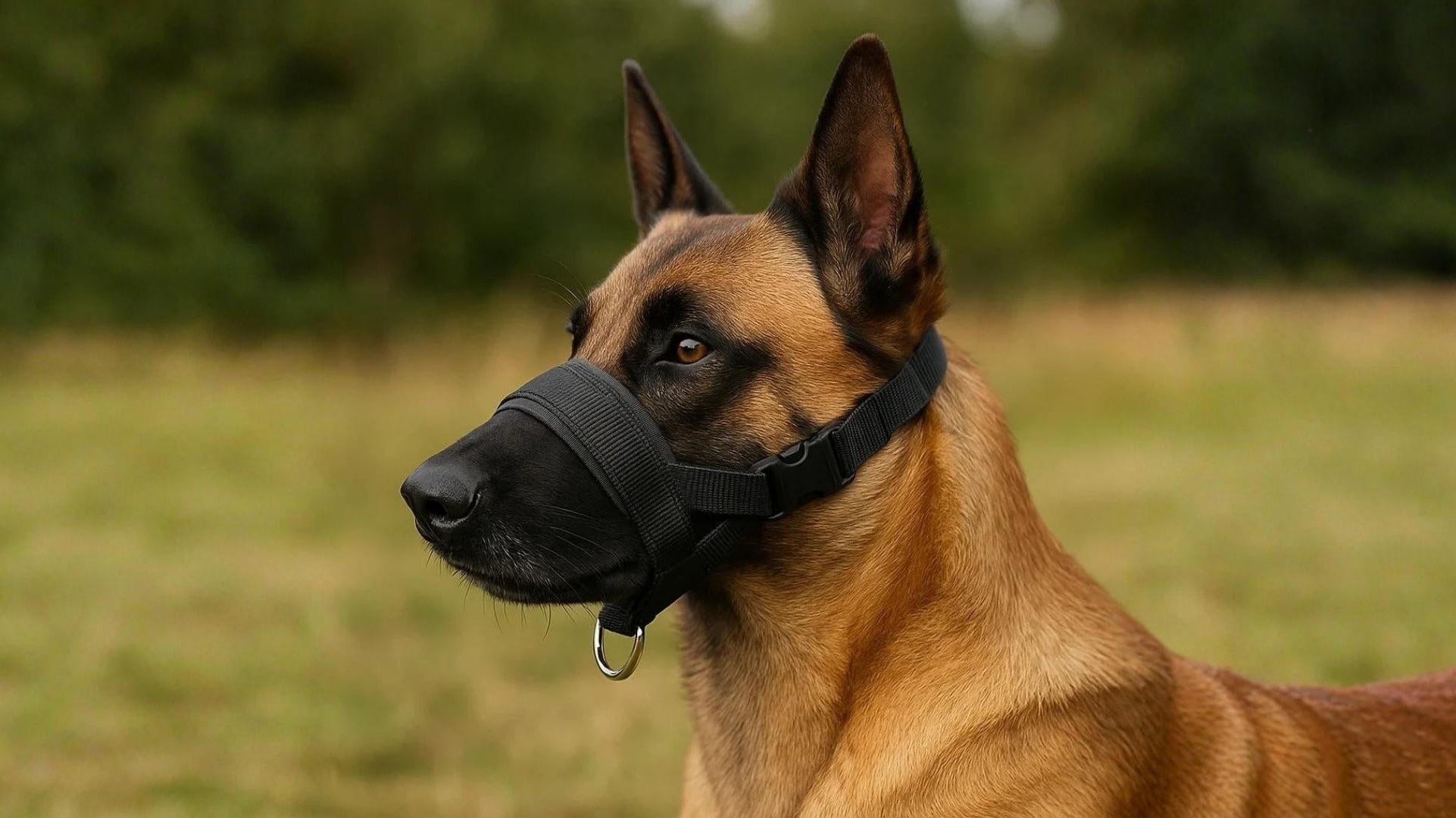
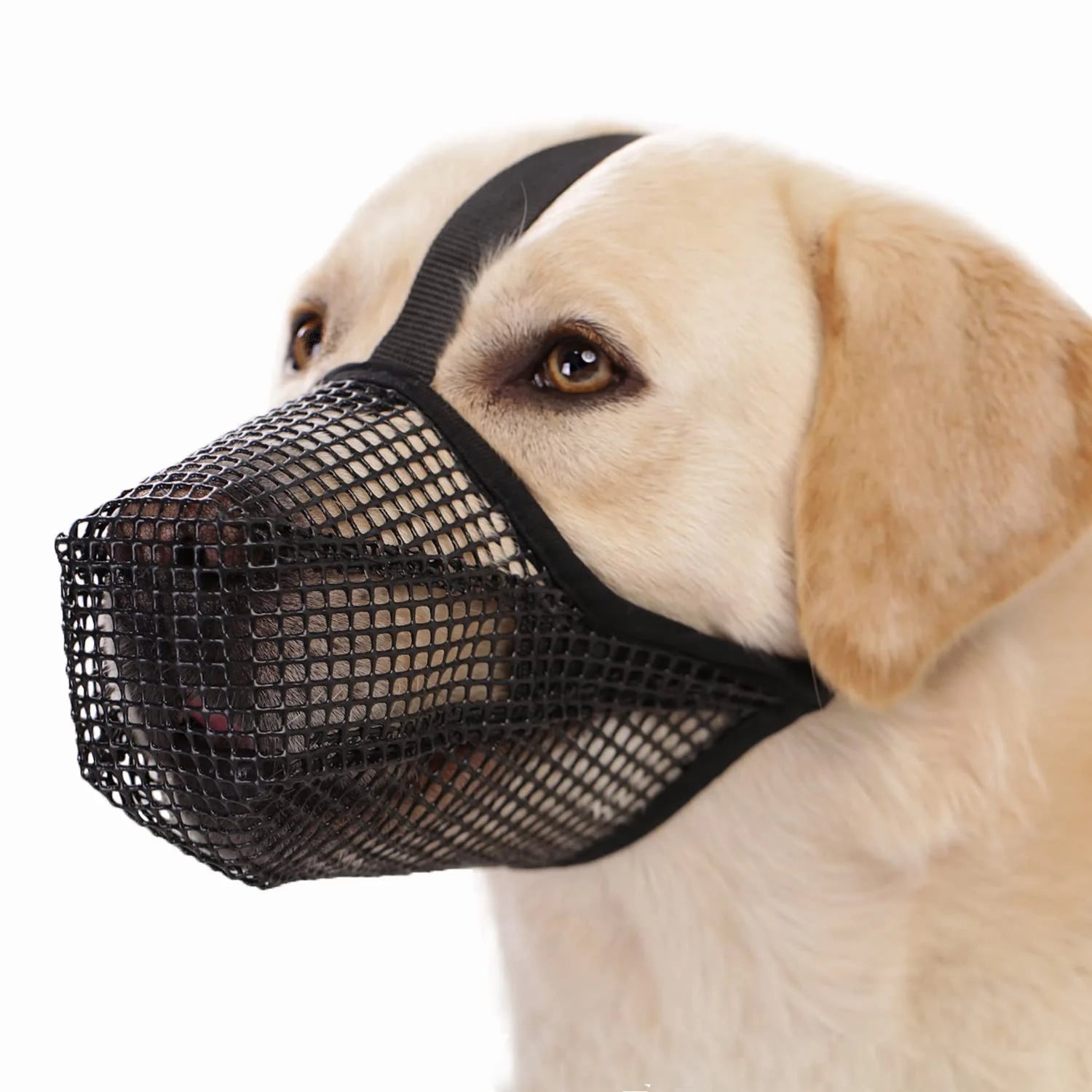
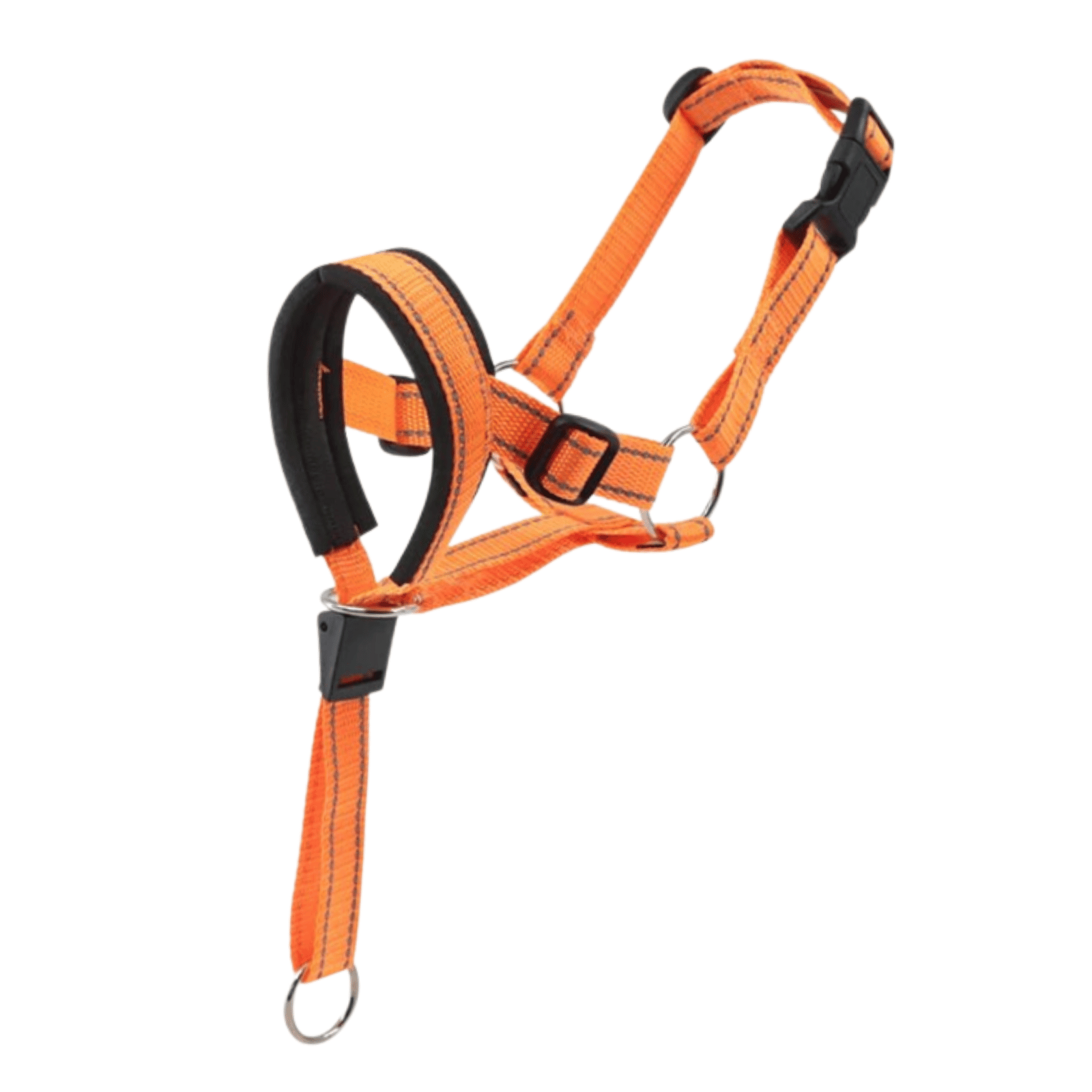
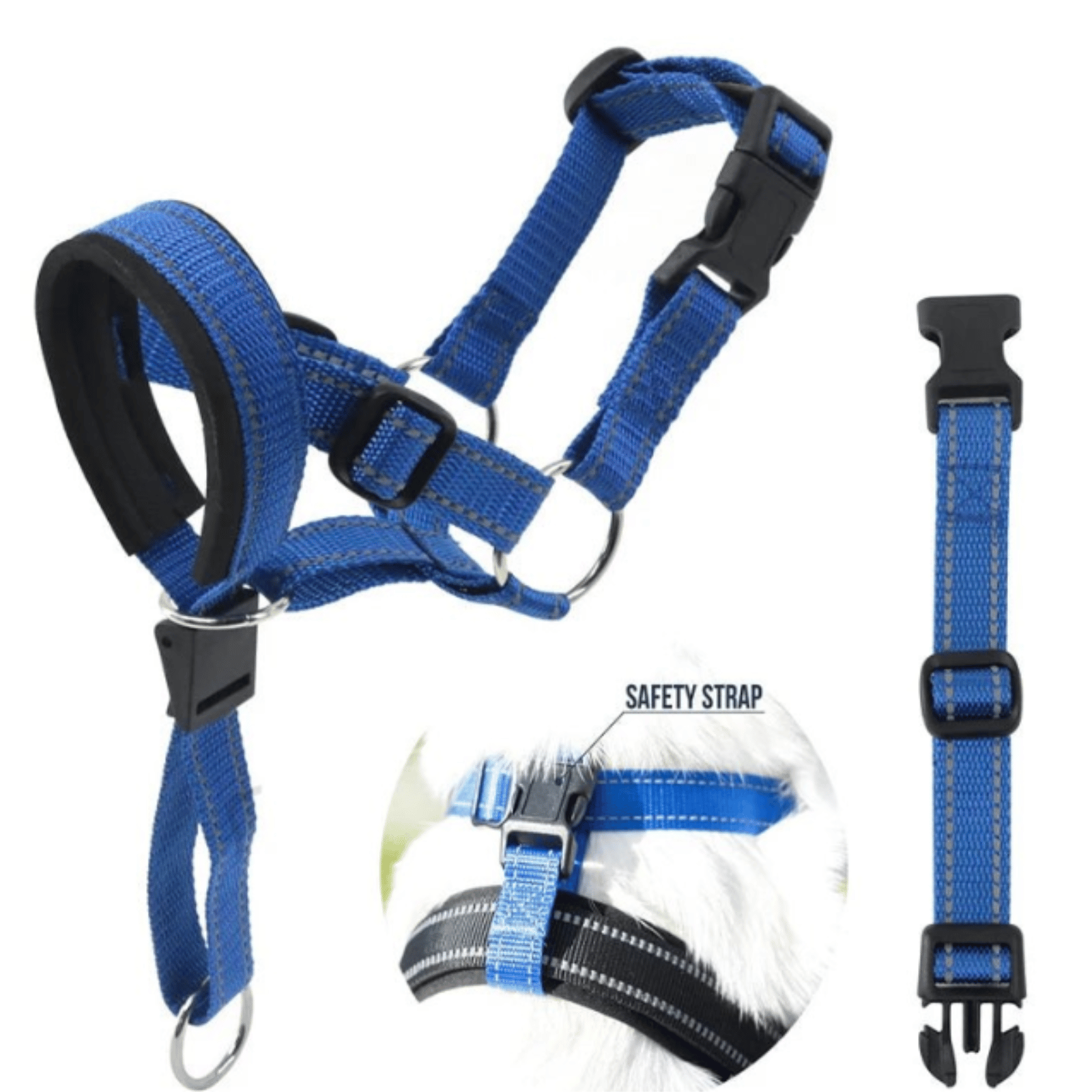
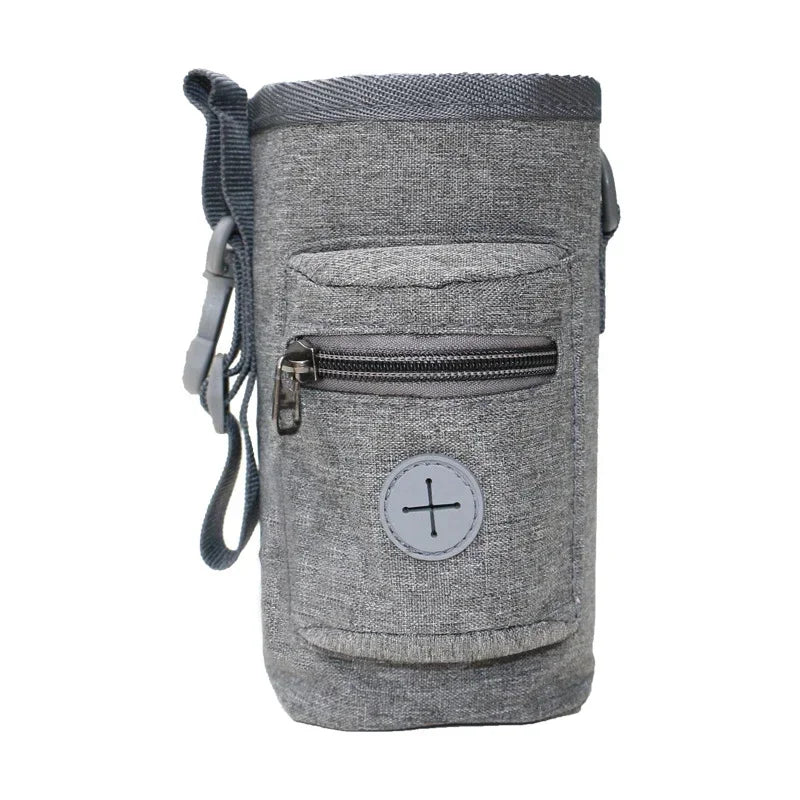
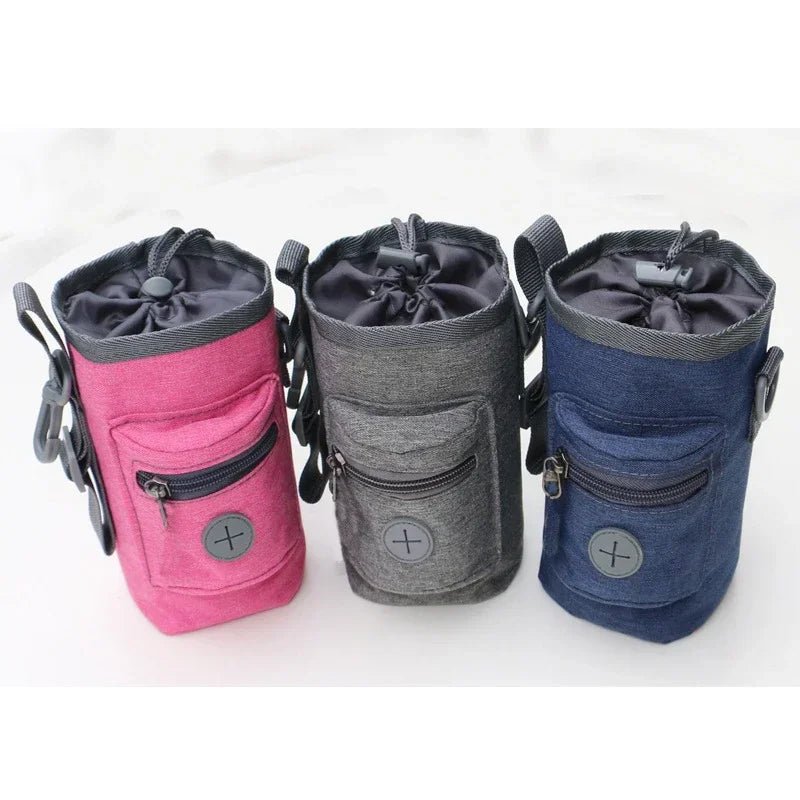
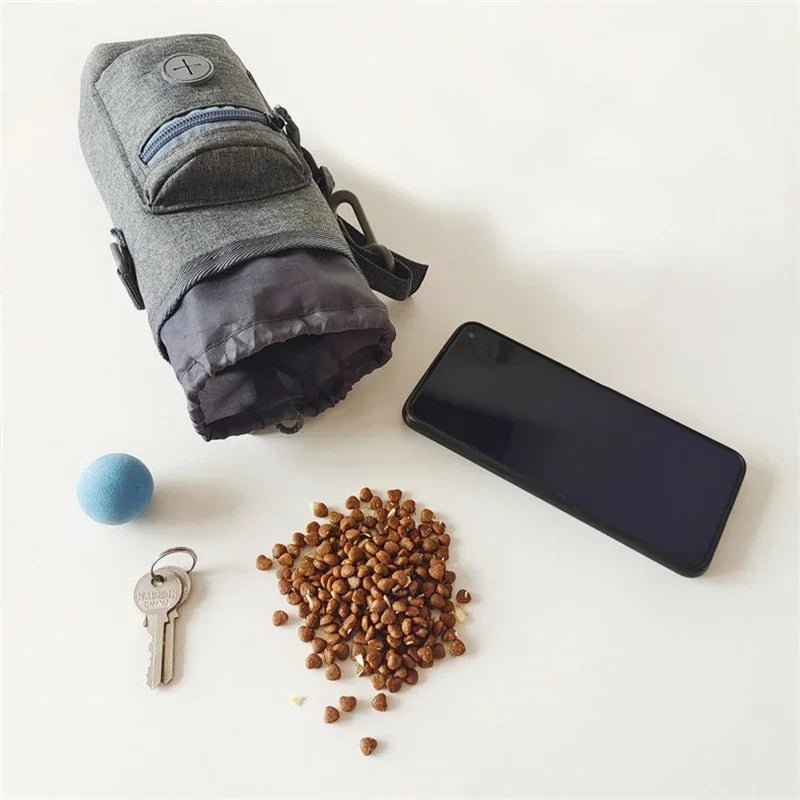
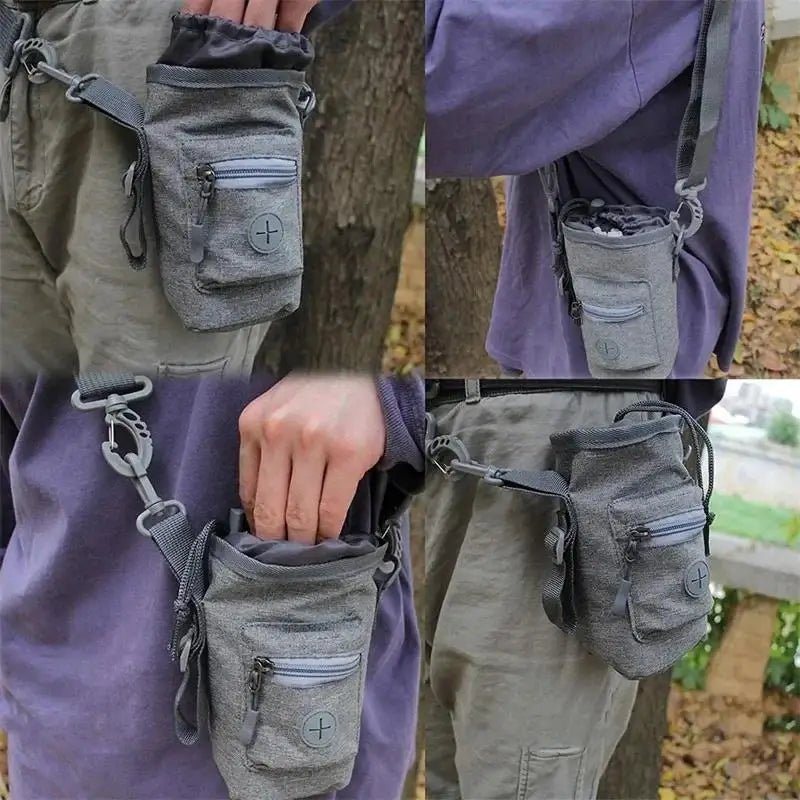
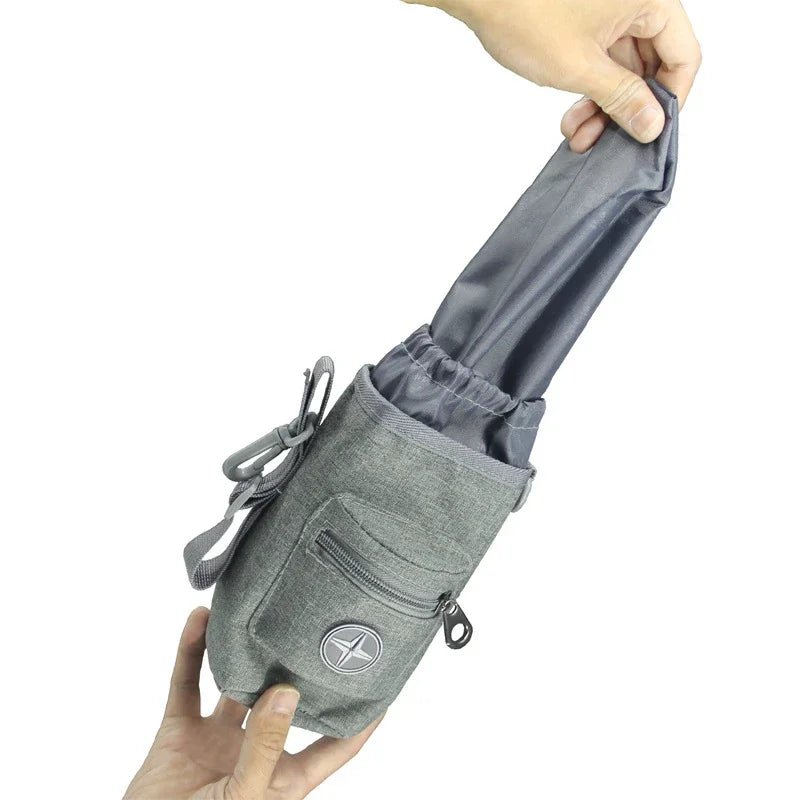
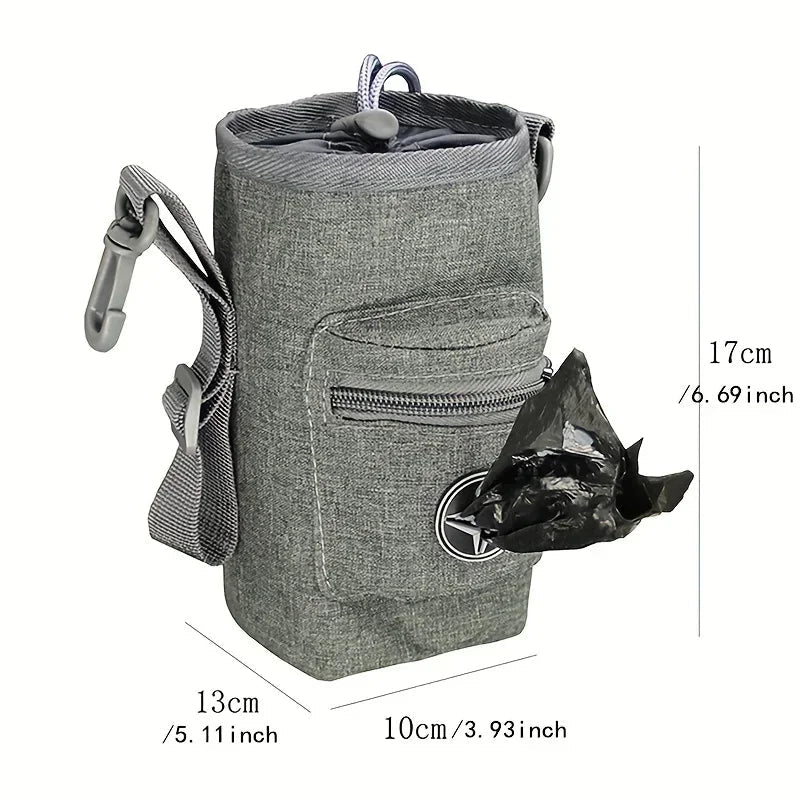
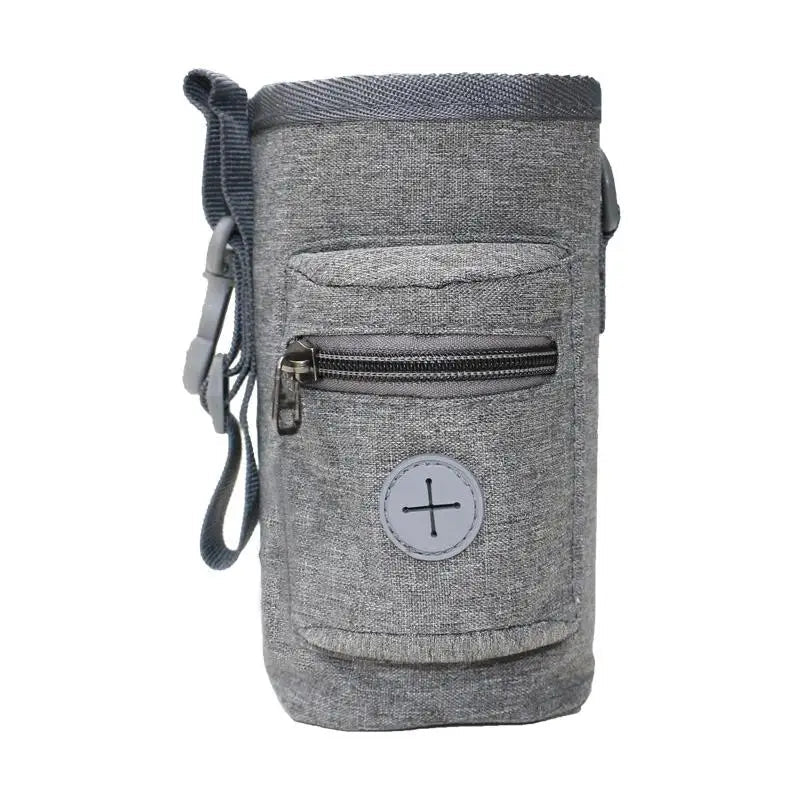
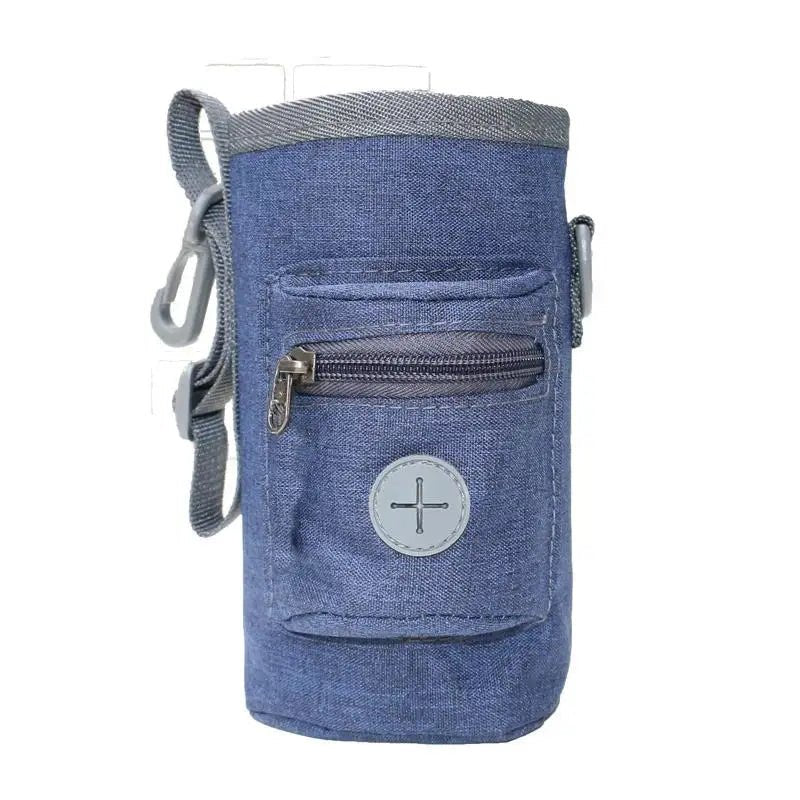
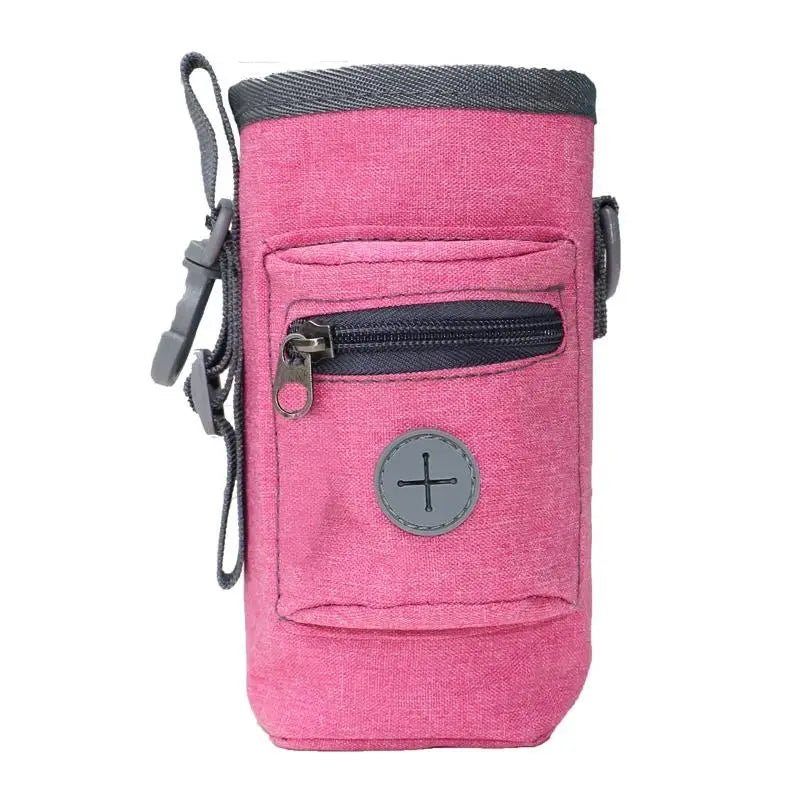
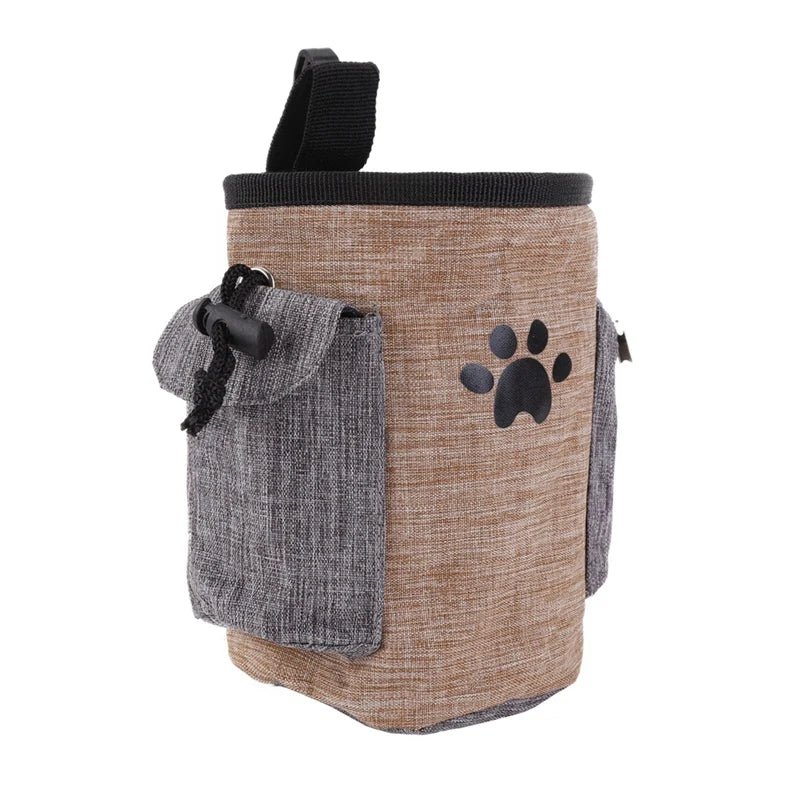
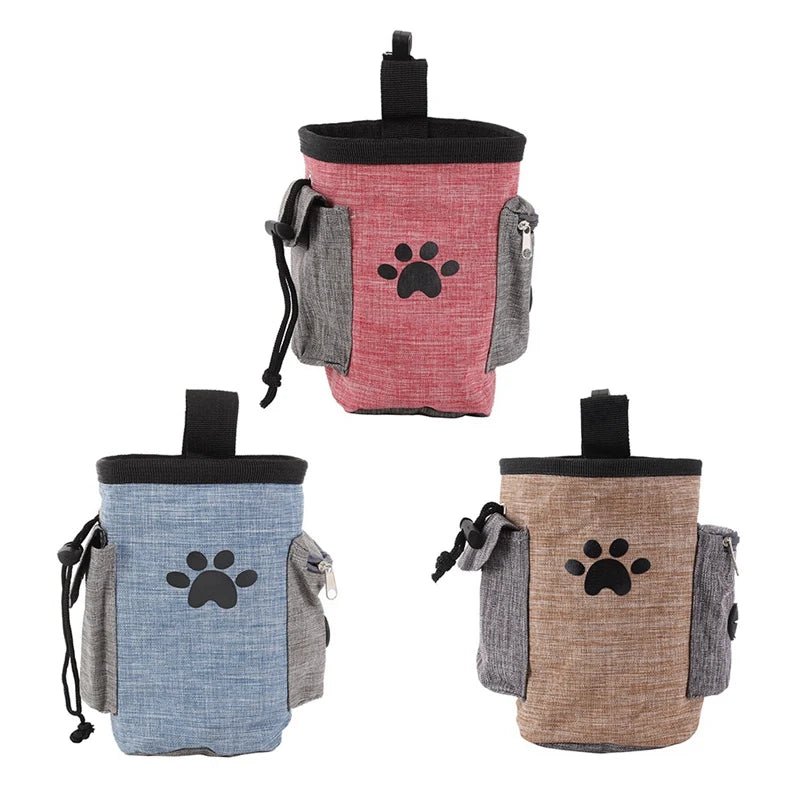
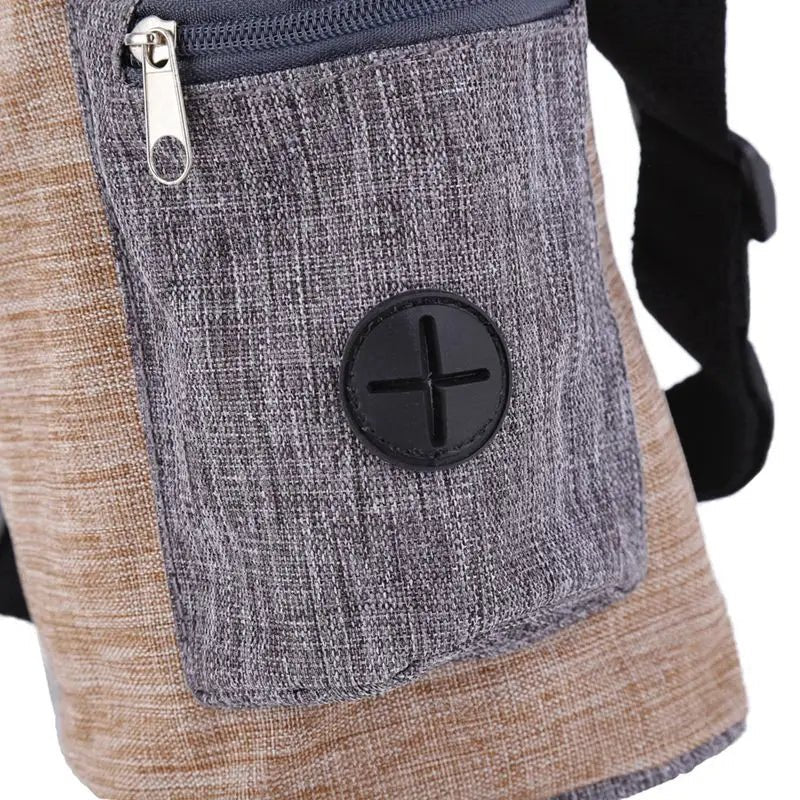
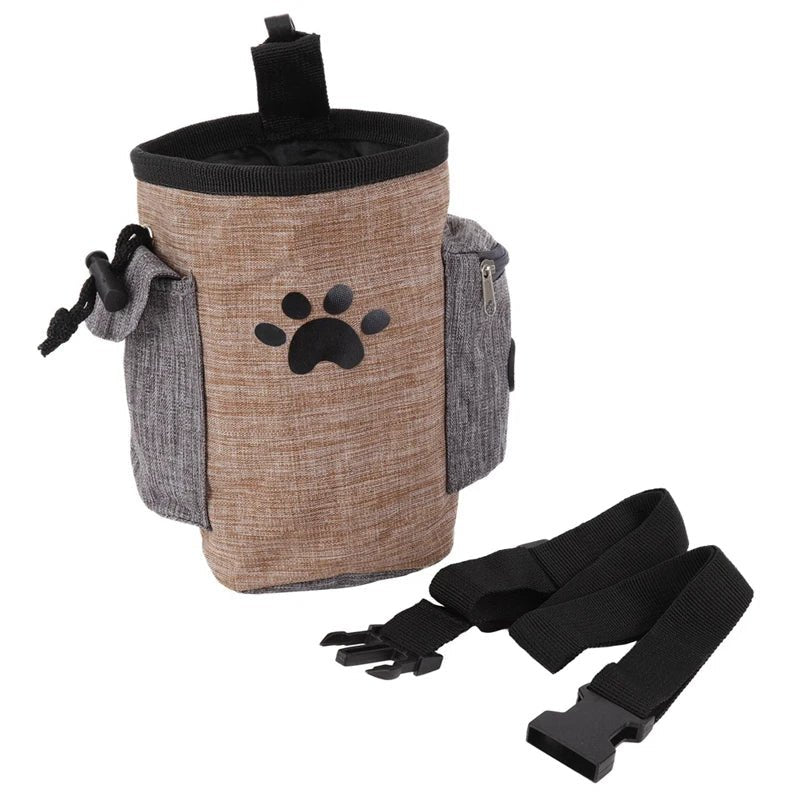
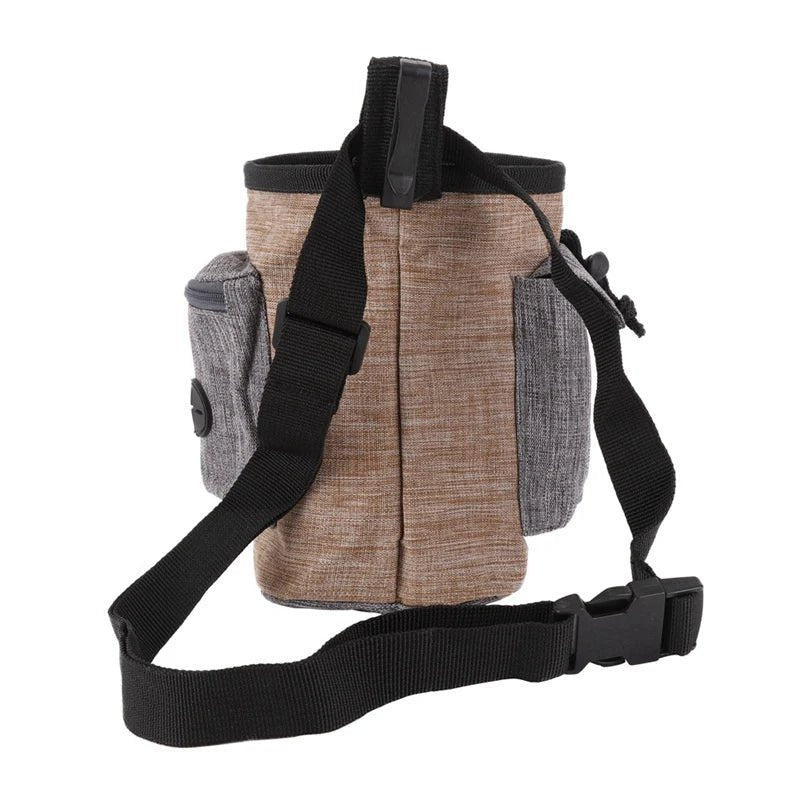
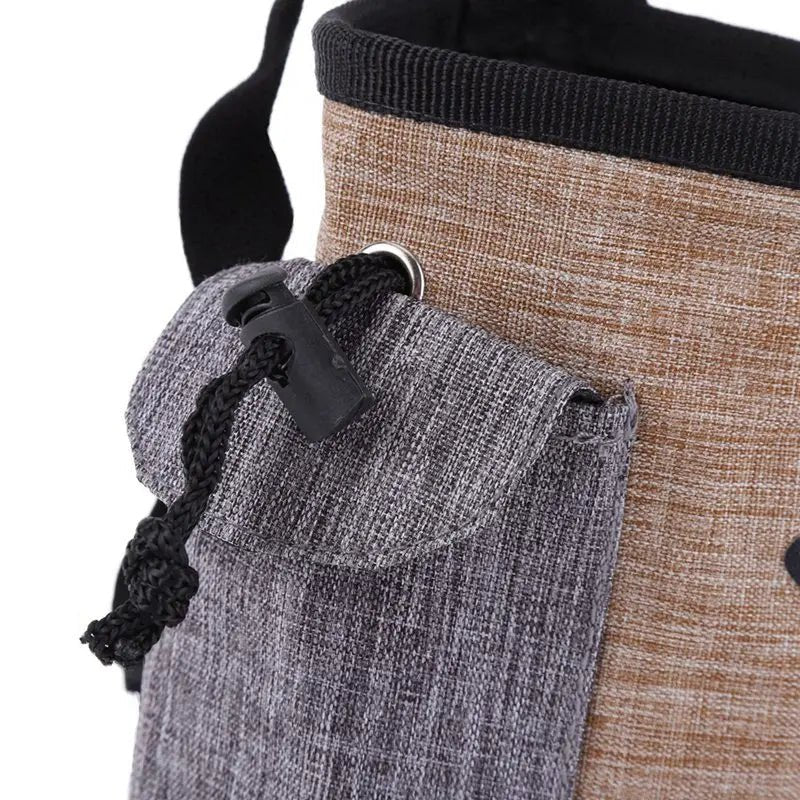
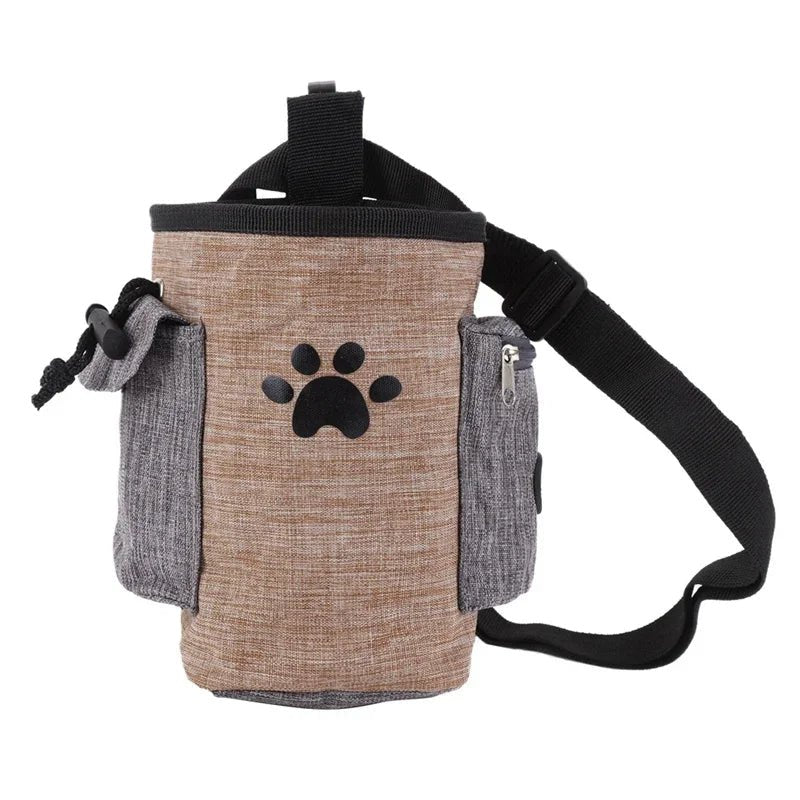
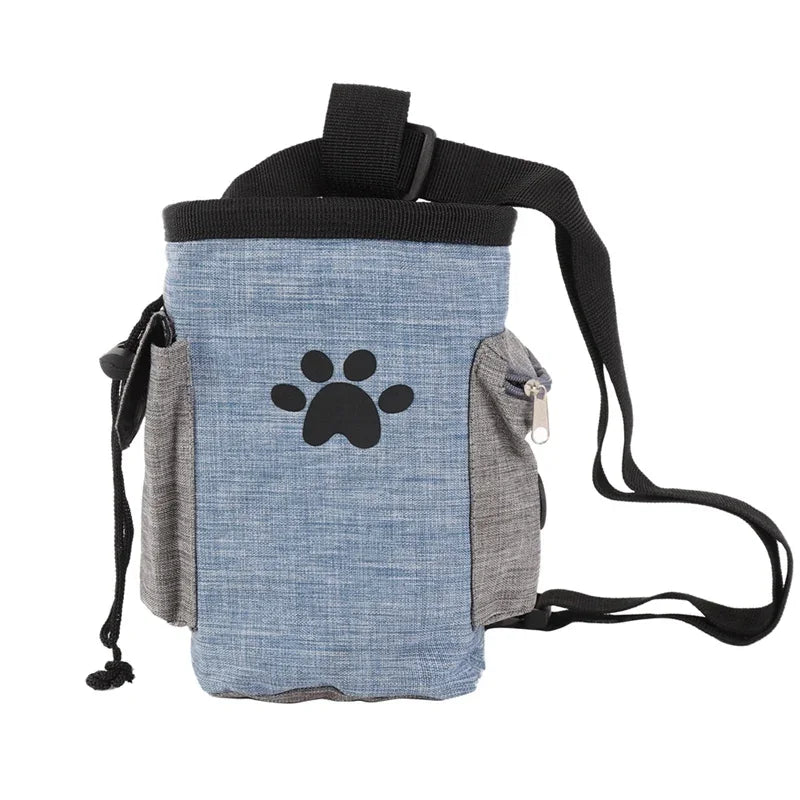
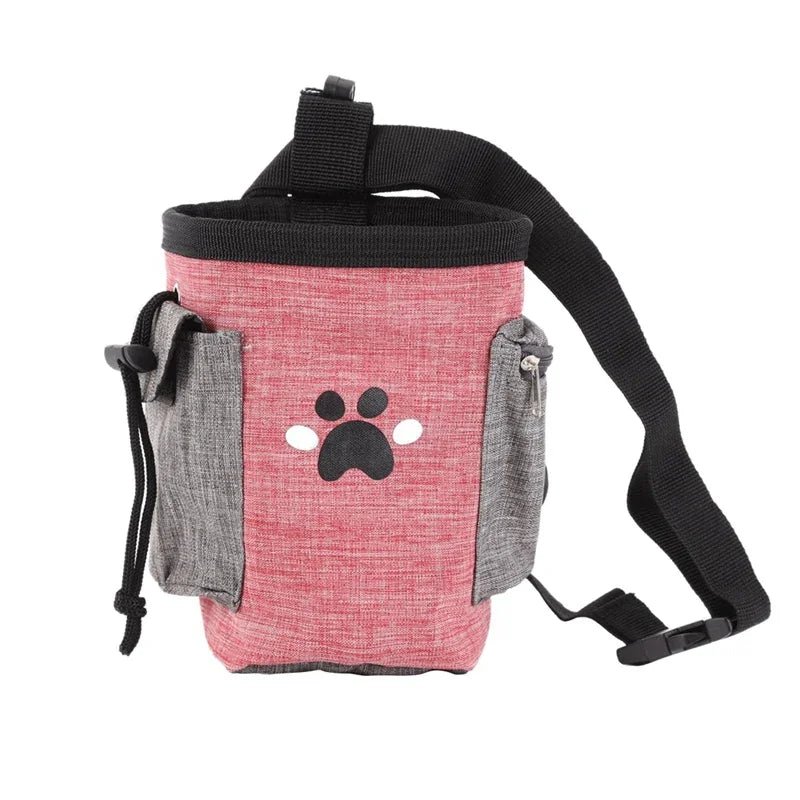
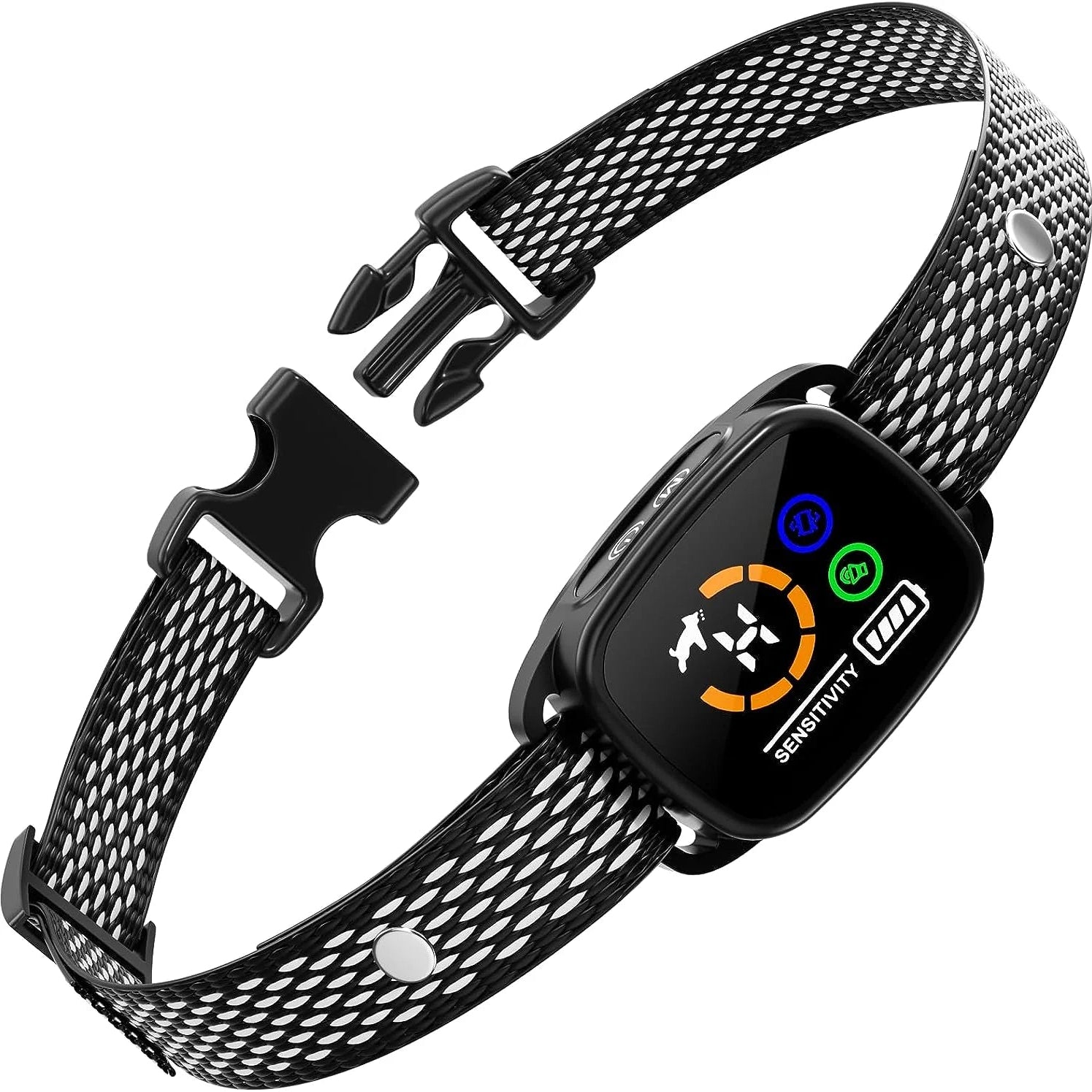
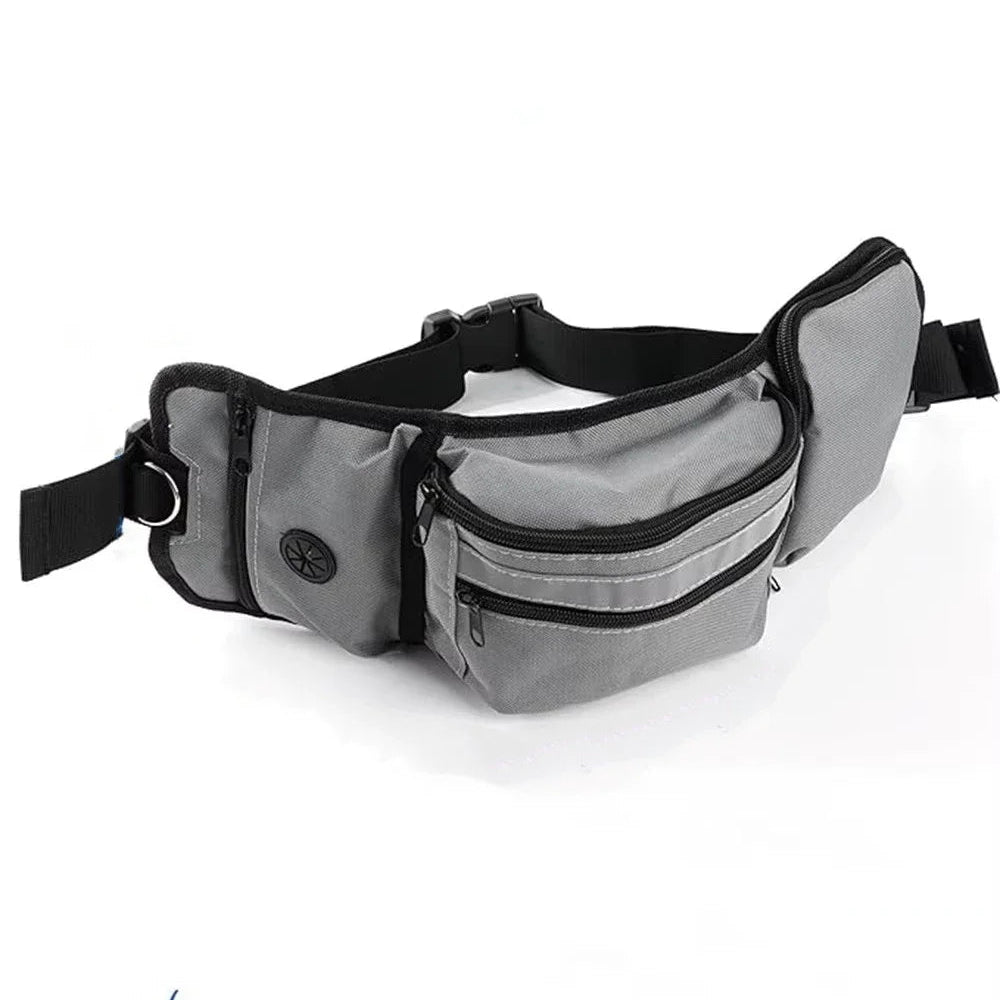
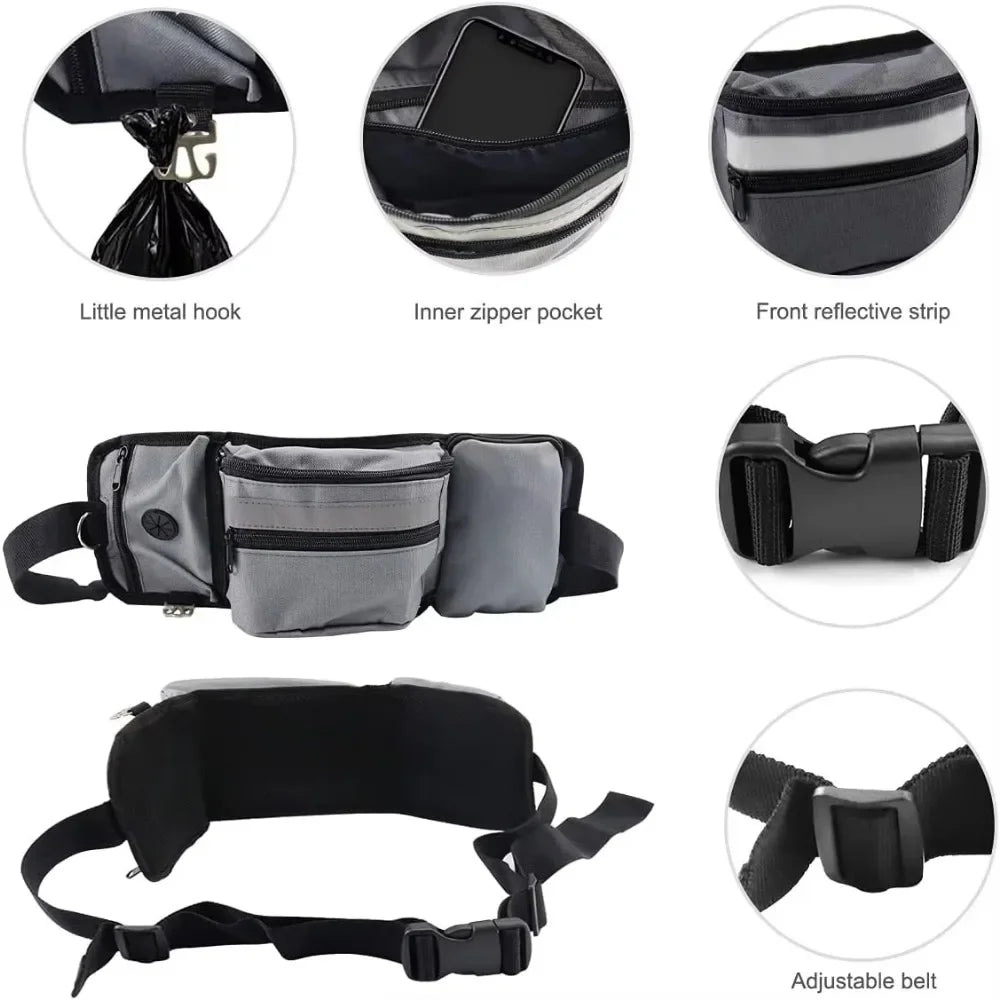
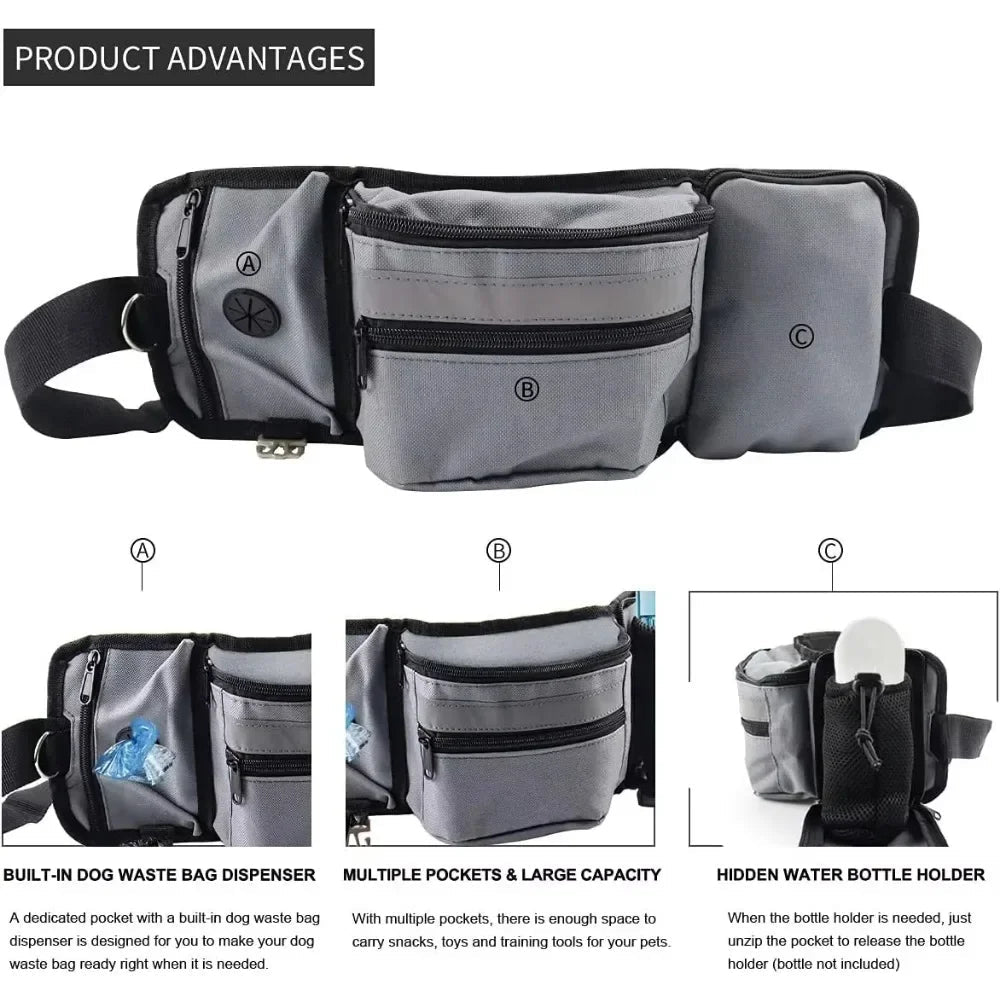
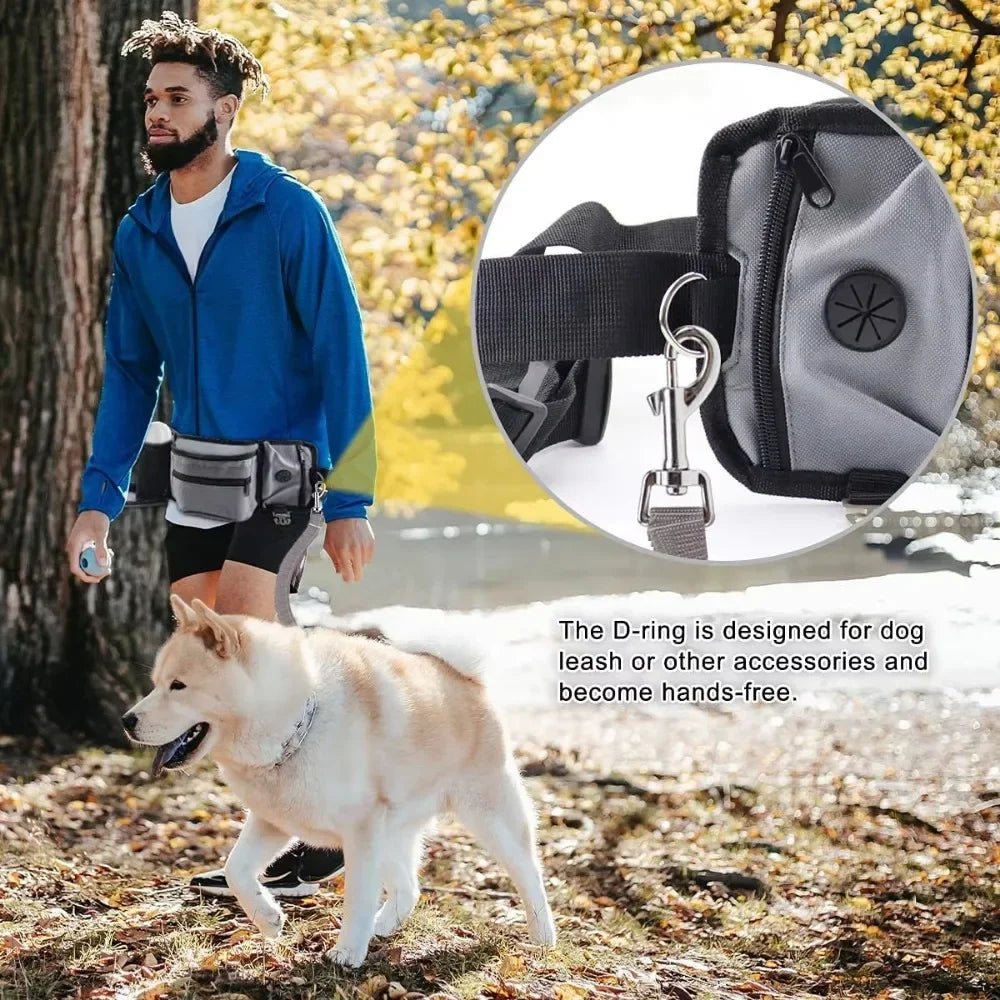
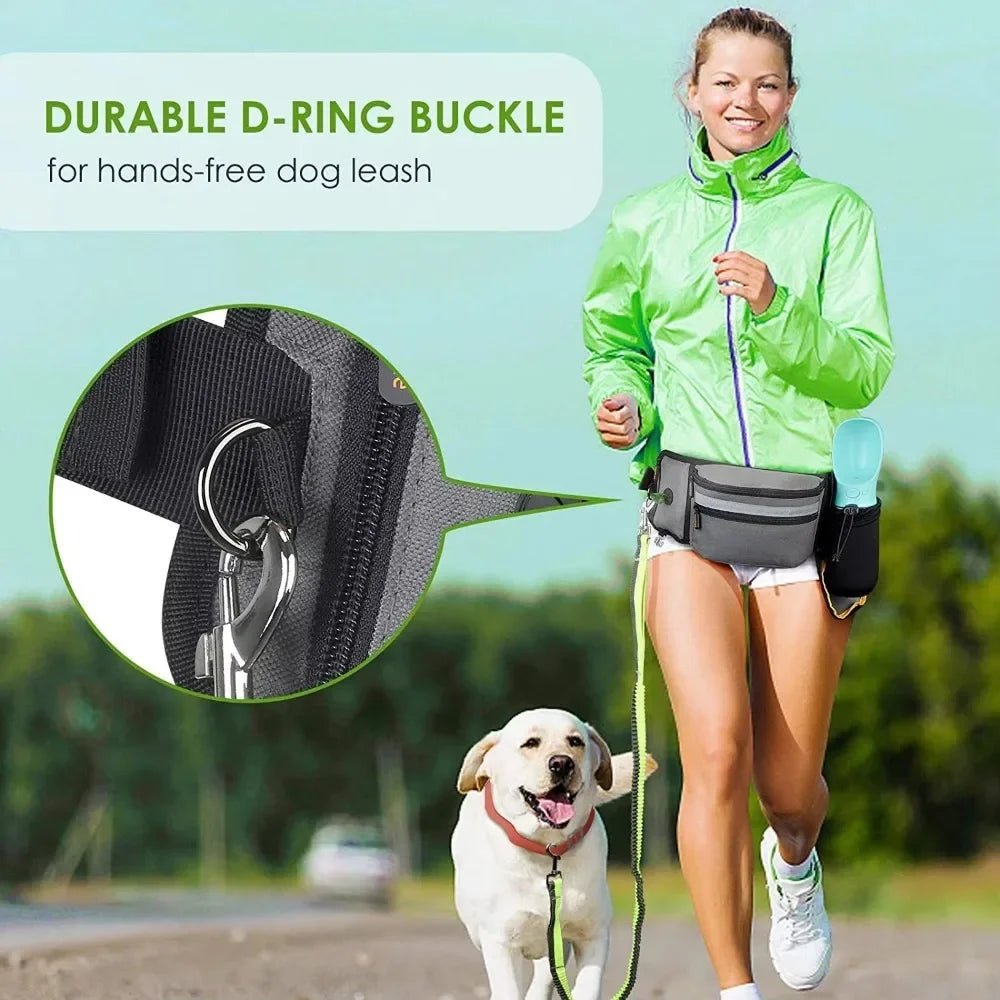
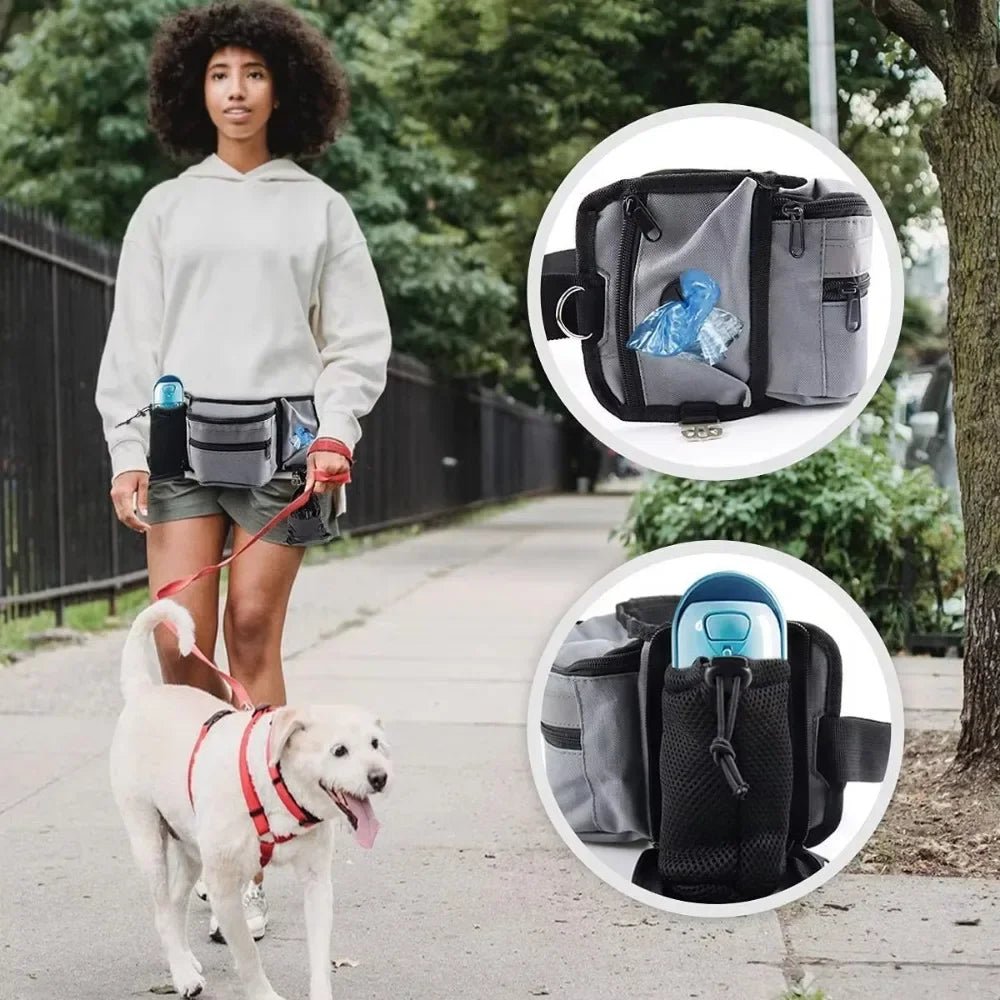
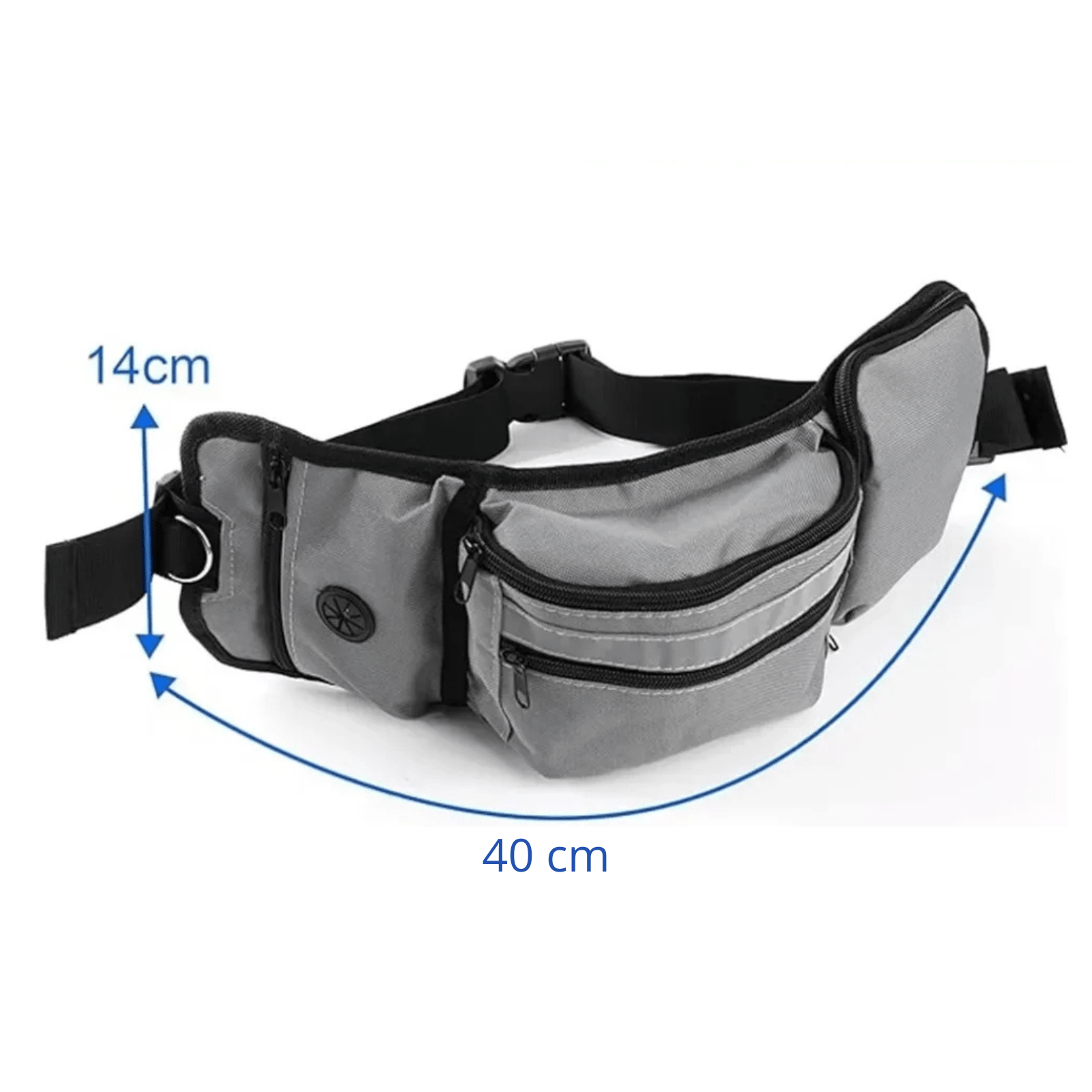
The right kit does make those sessions easier. Duke & Scoop was started by the owners of two Border Collies, dogs that live for a job to do, so training gear is chosen by people who use it daily themselves. In our dog training and behaviour range, you'll find training leads, treat pouches and more. Have a browse and set yourselves up for that next small win.