
Dog coats for winter
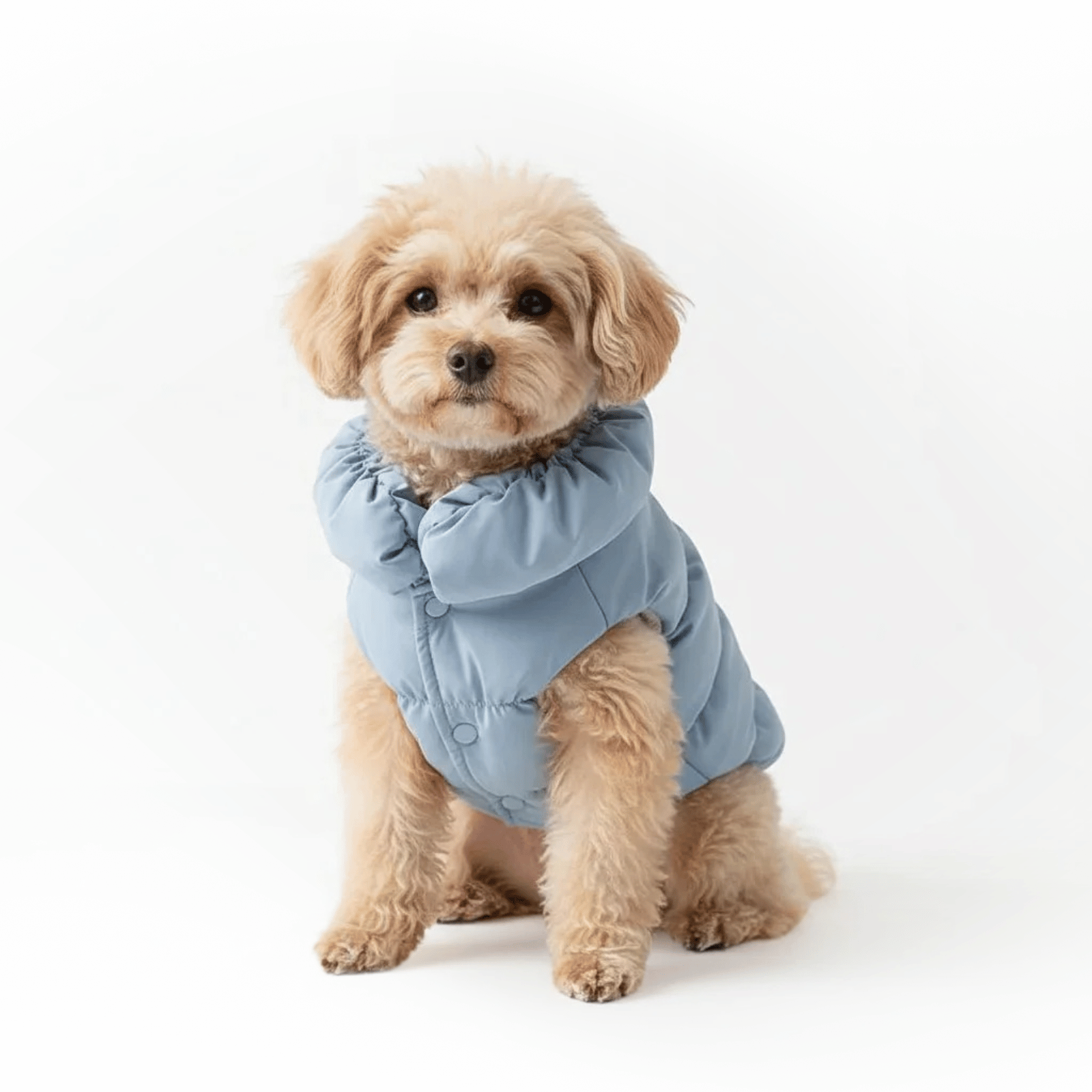
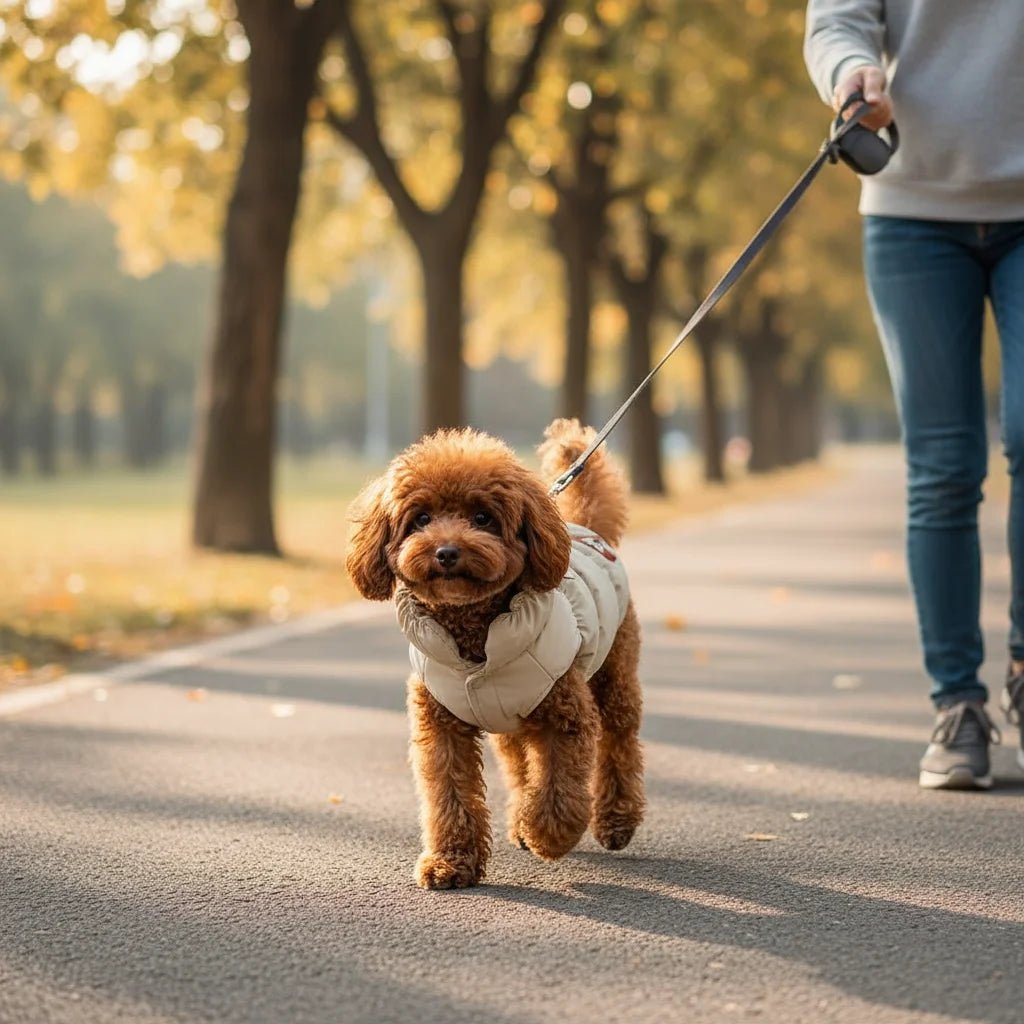
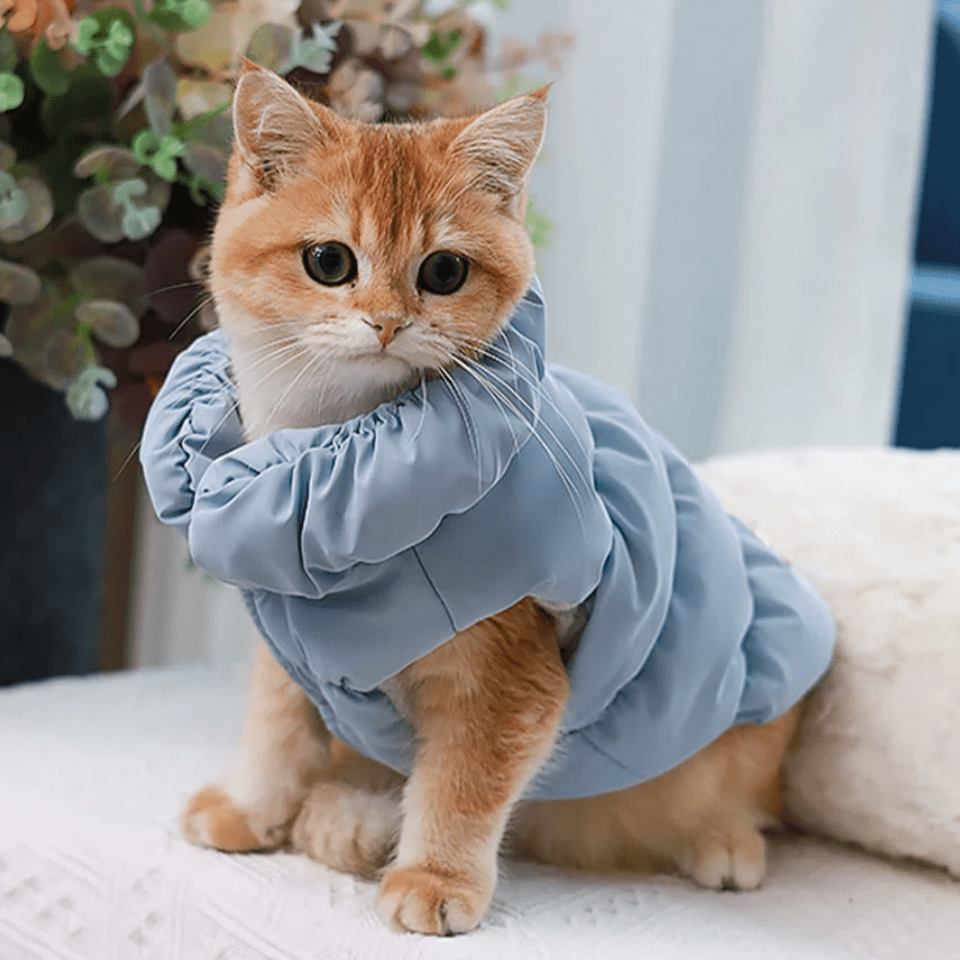
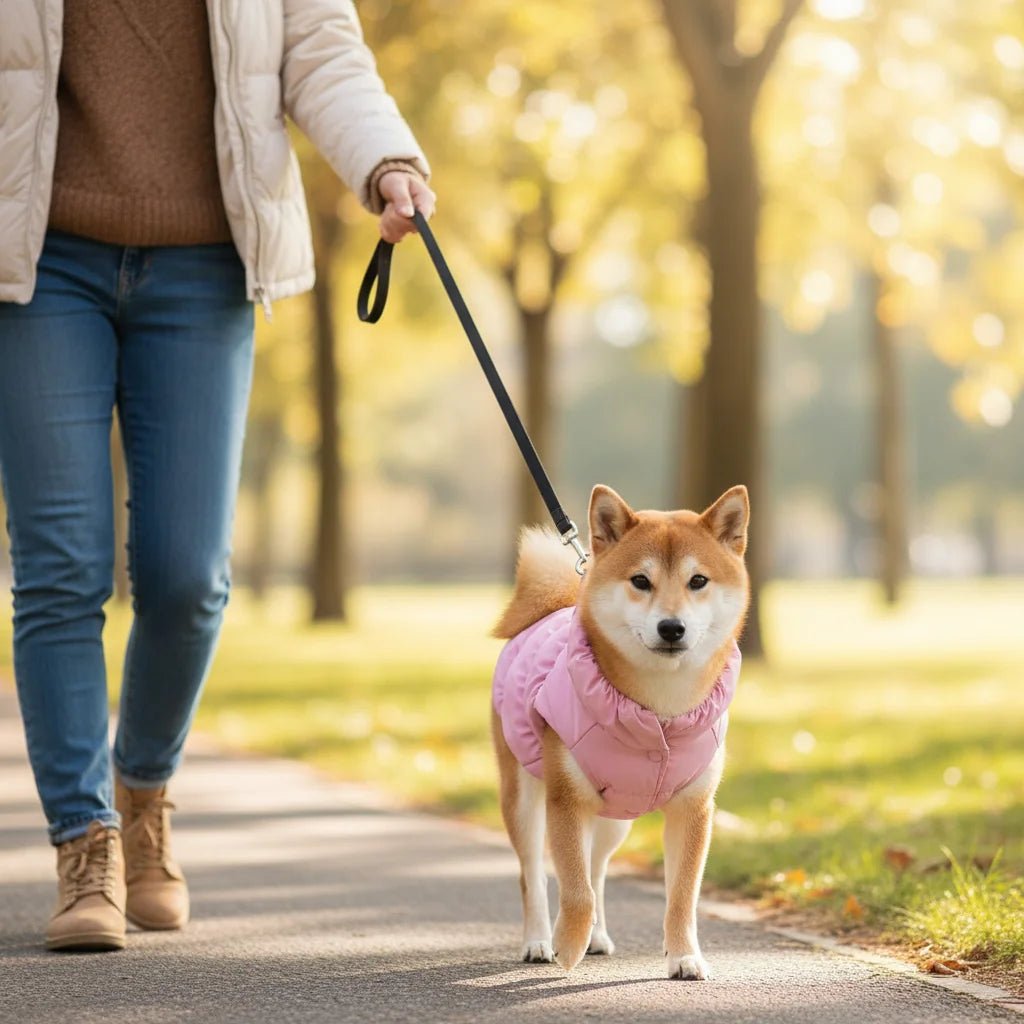
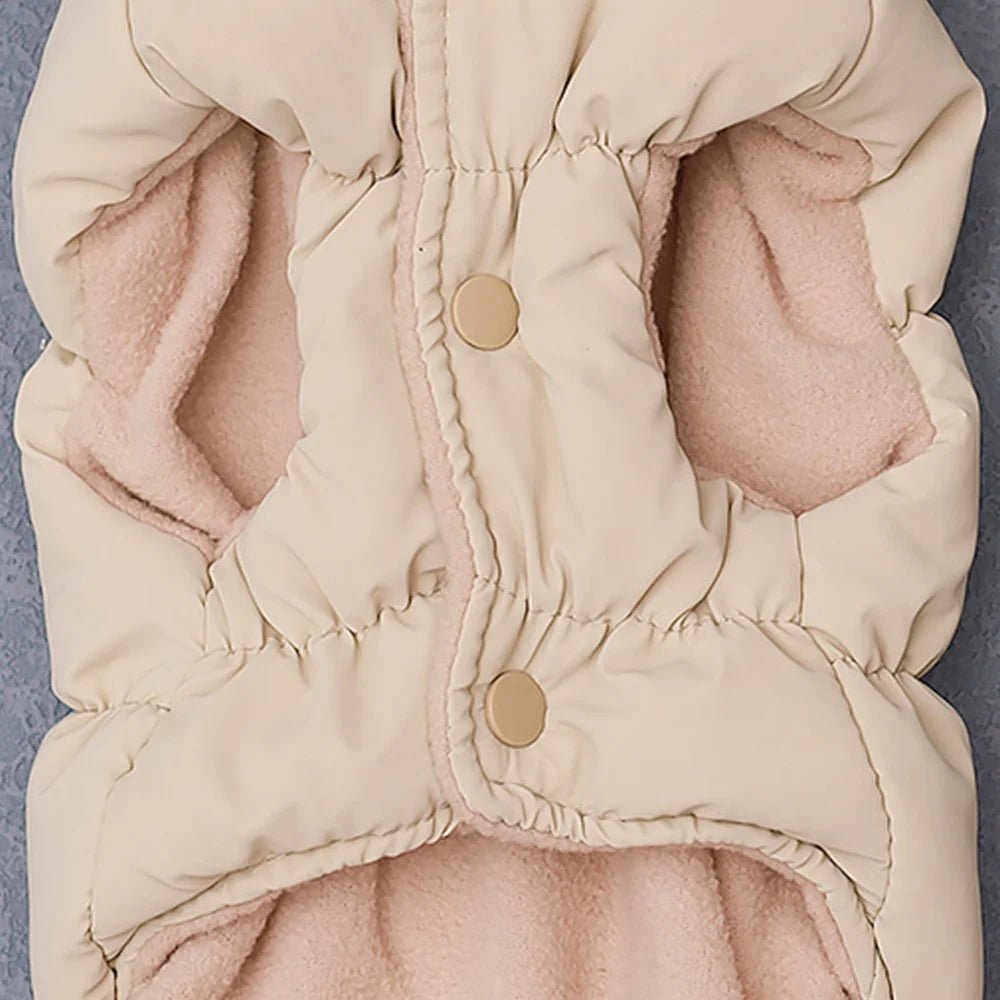
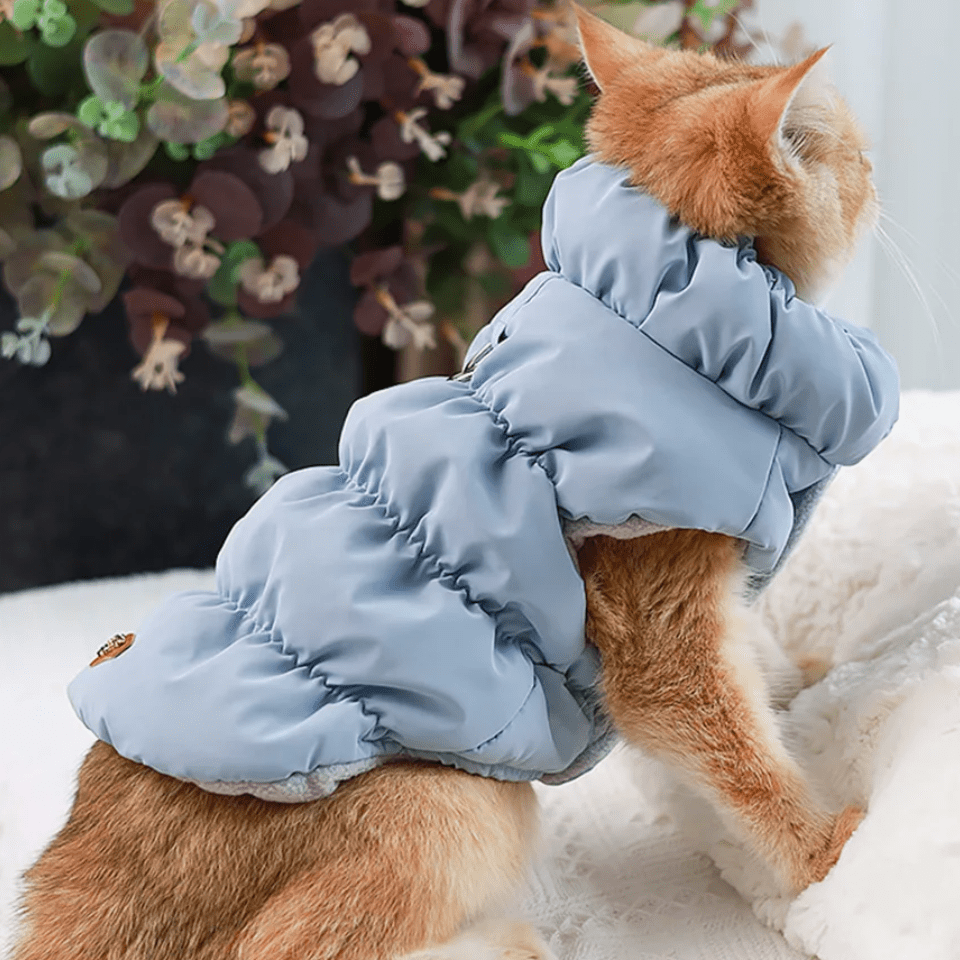
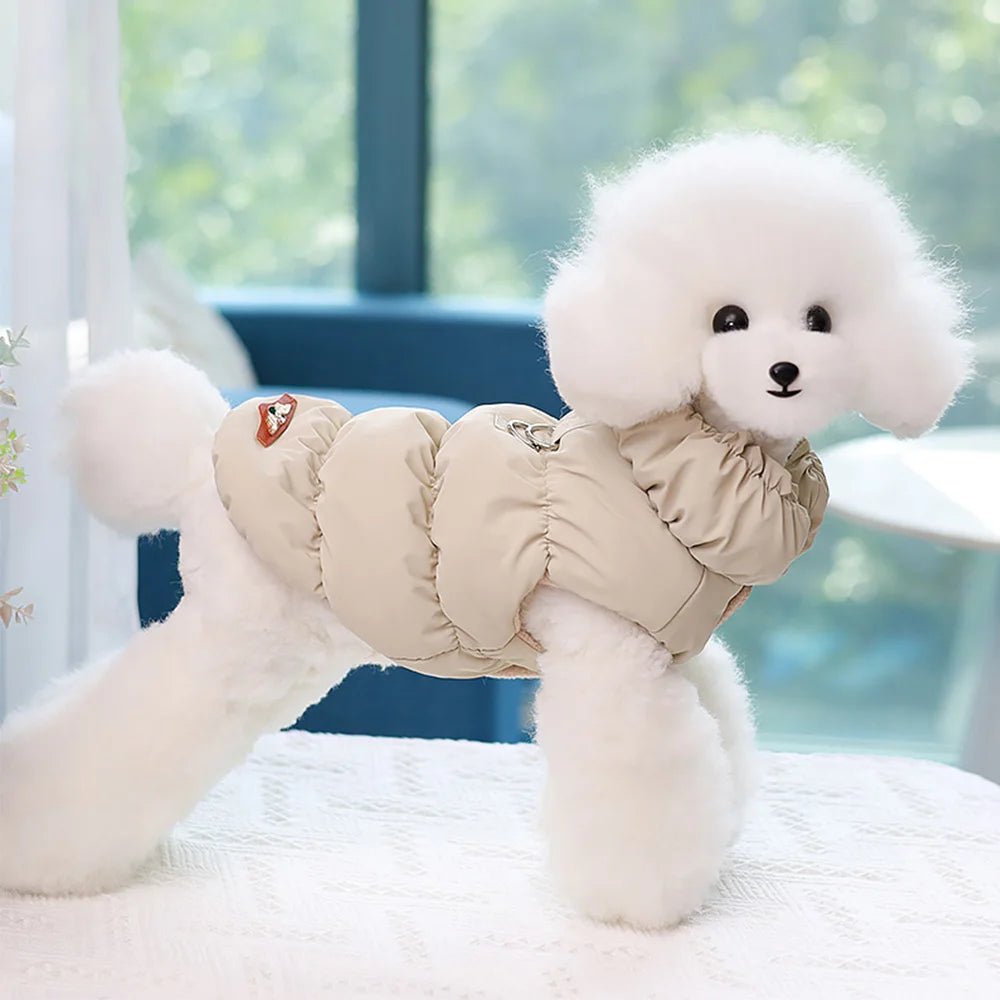

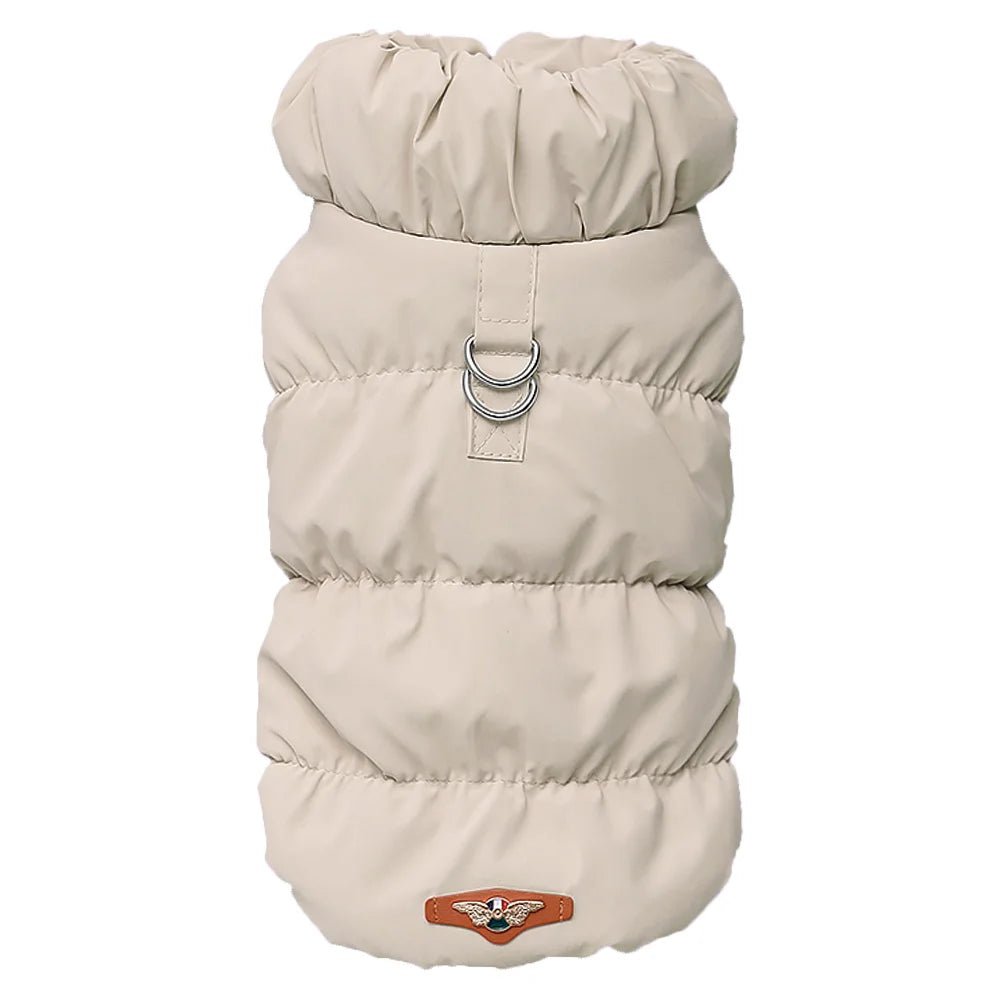
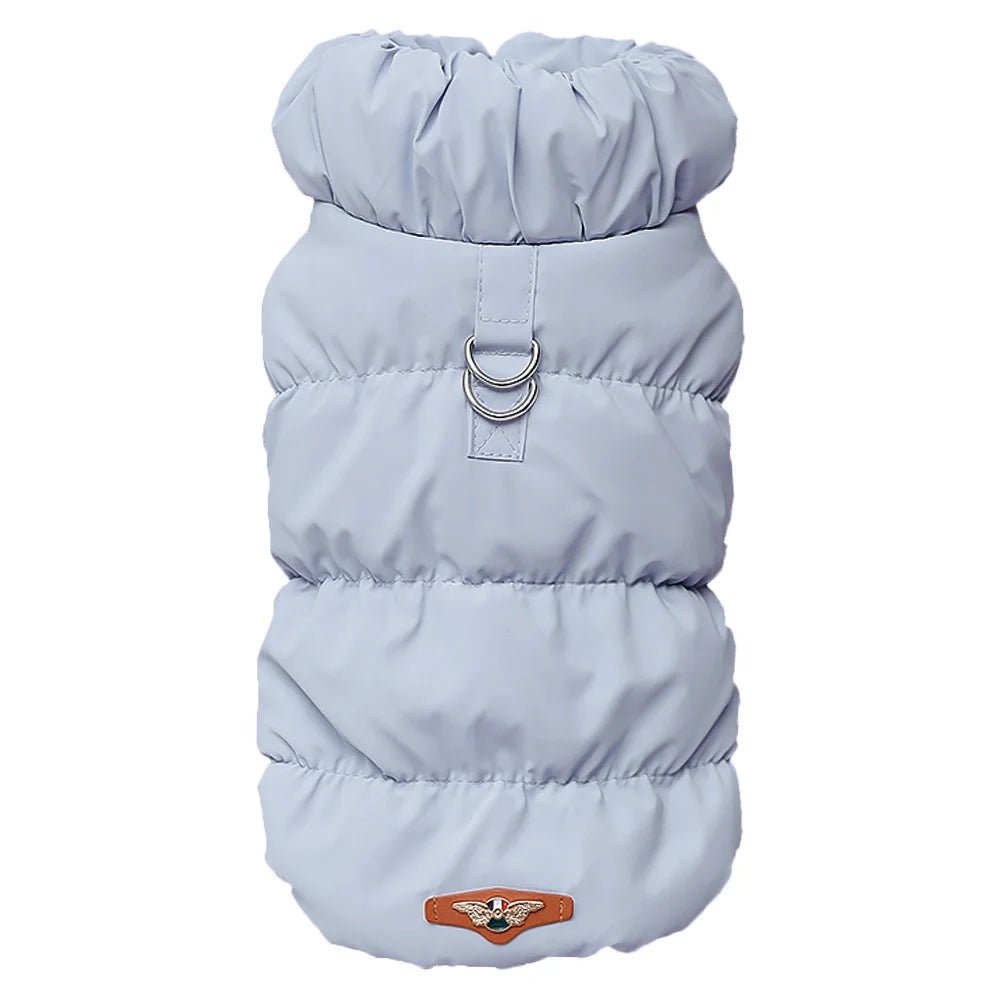
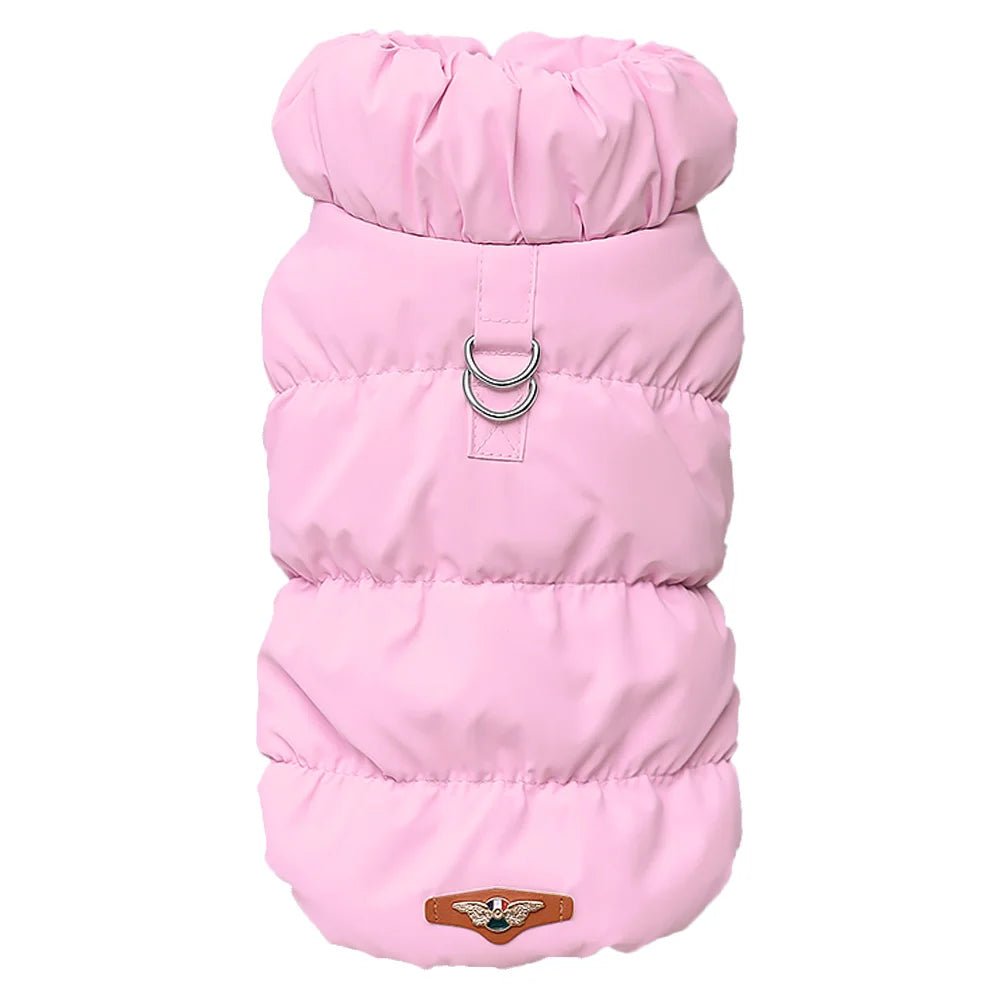
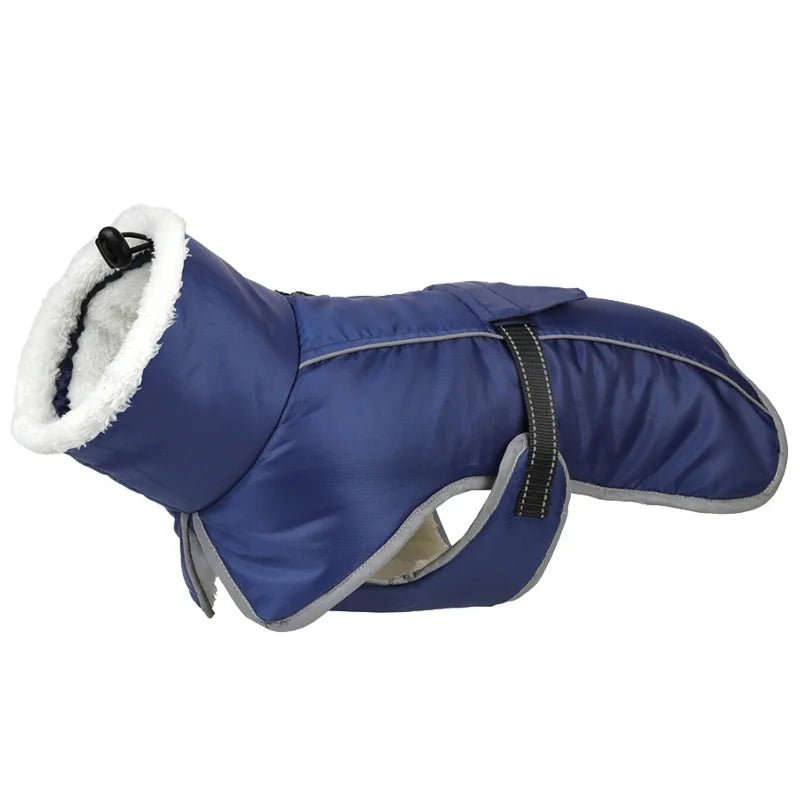





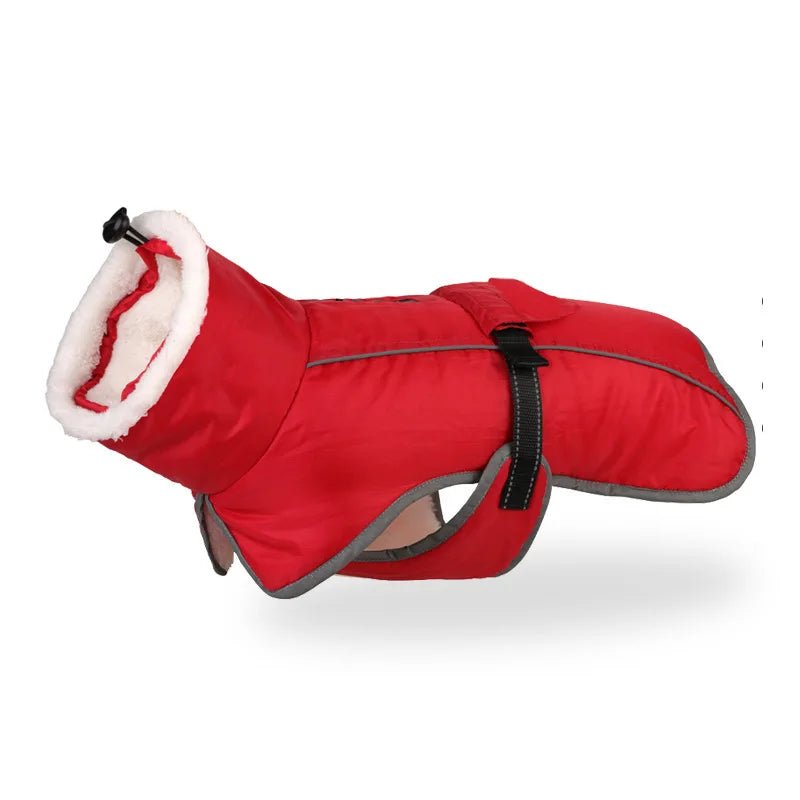
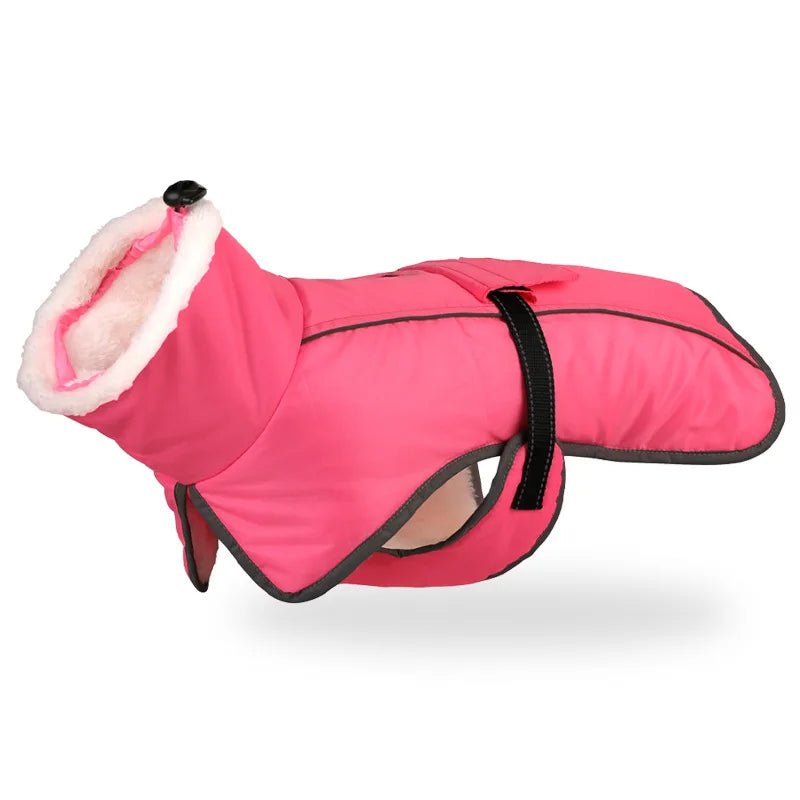
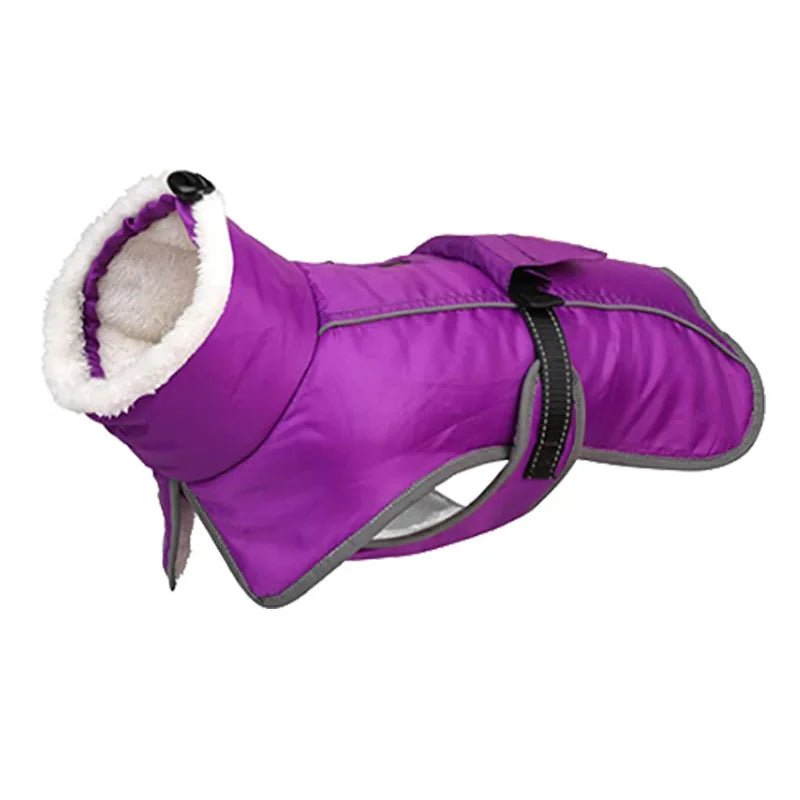




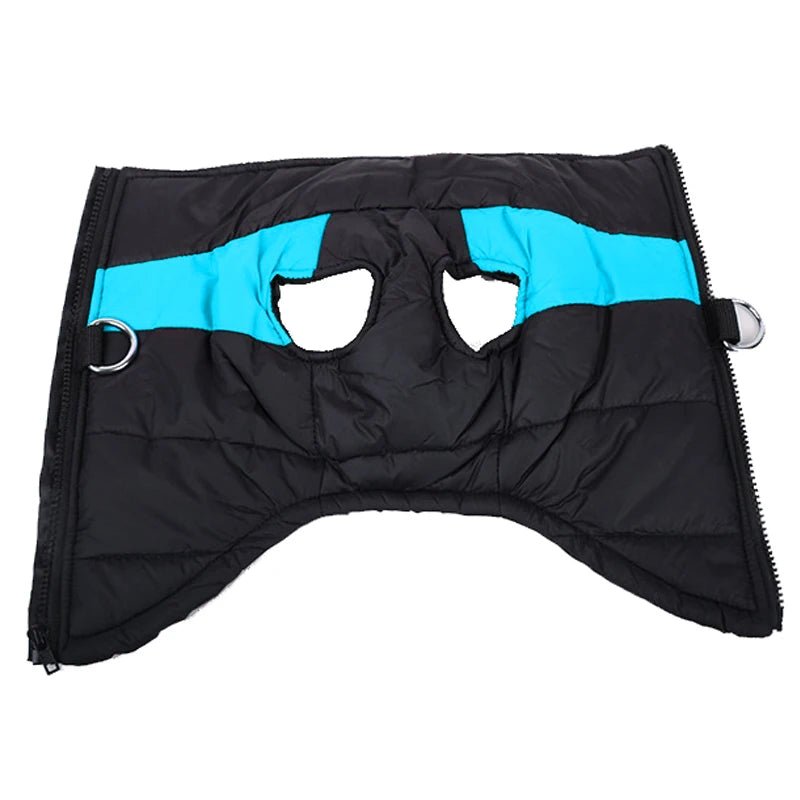

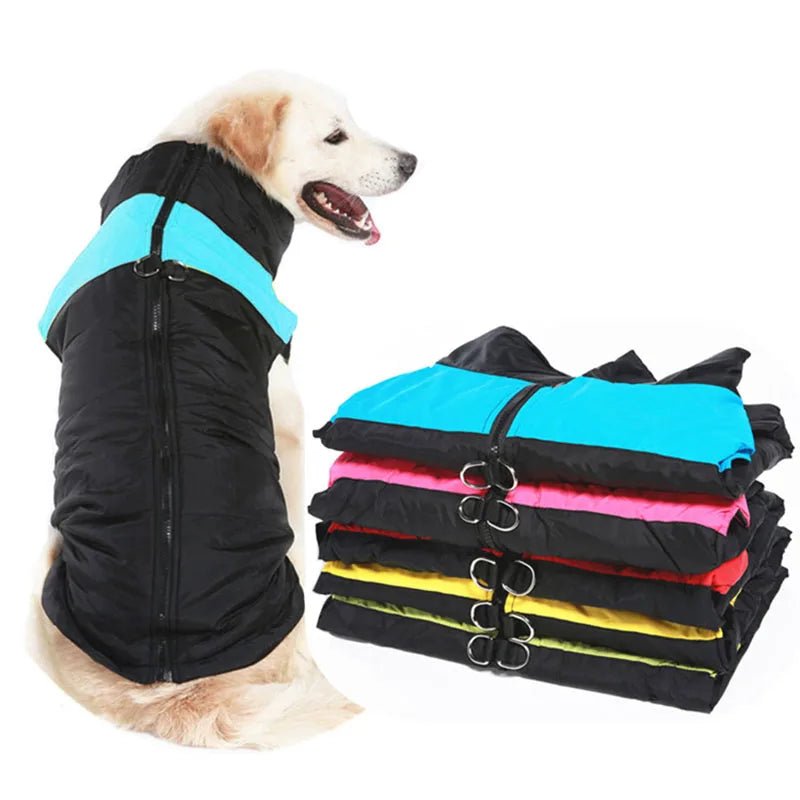
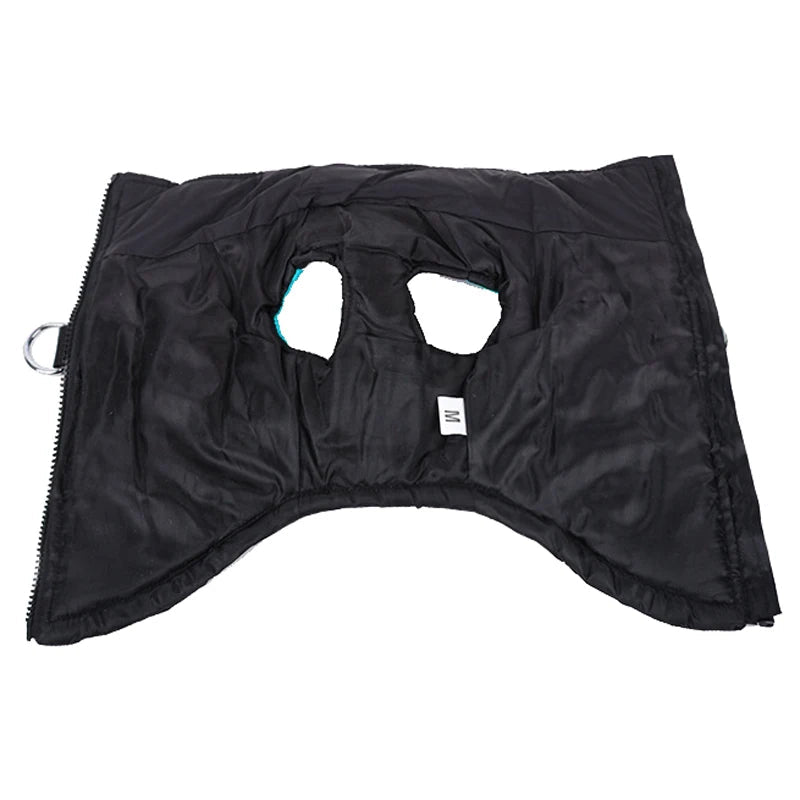
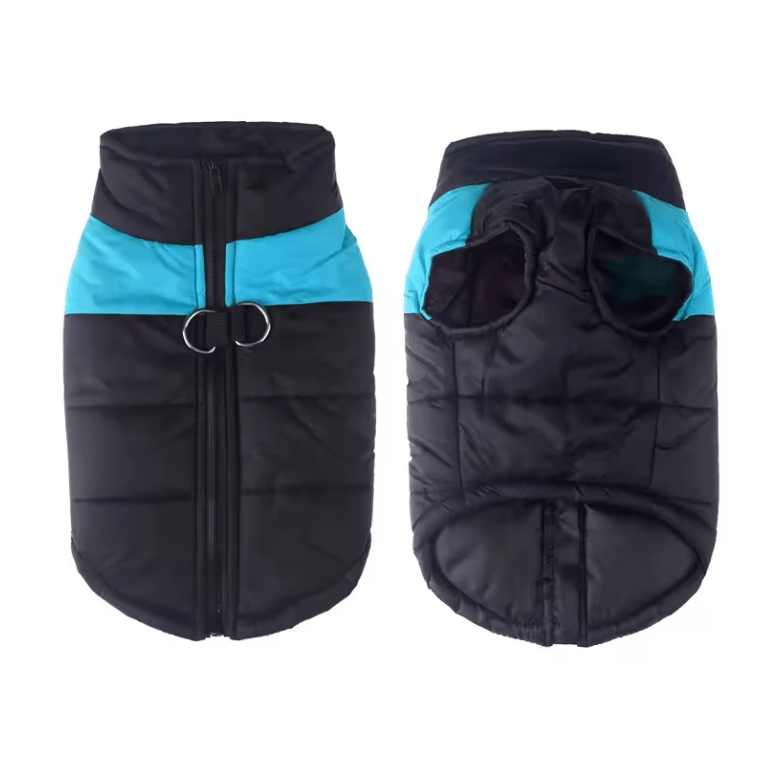
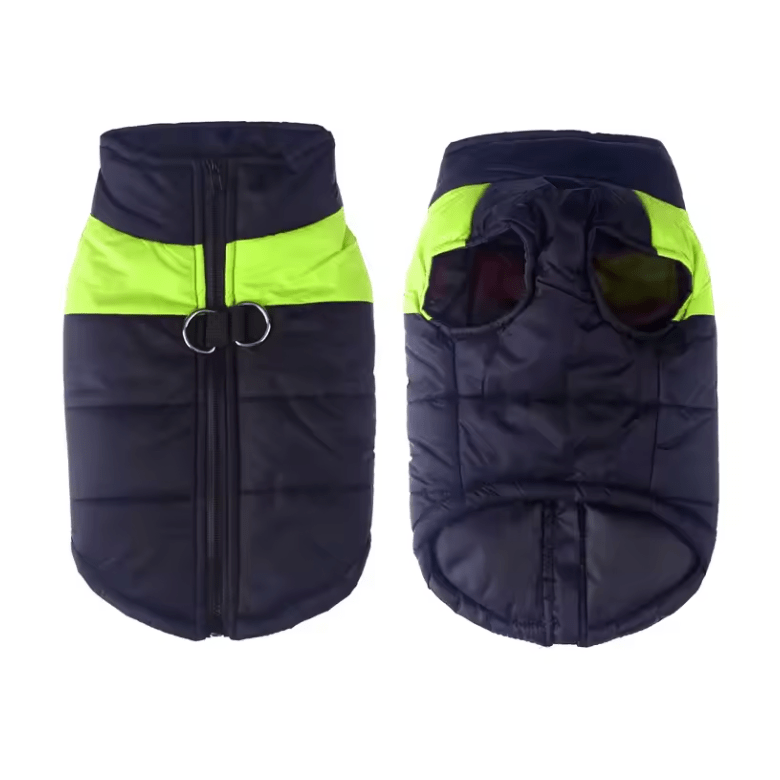
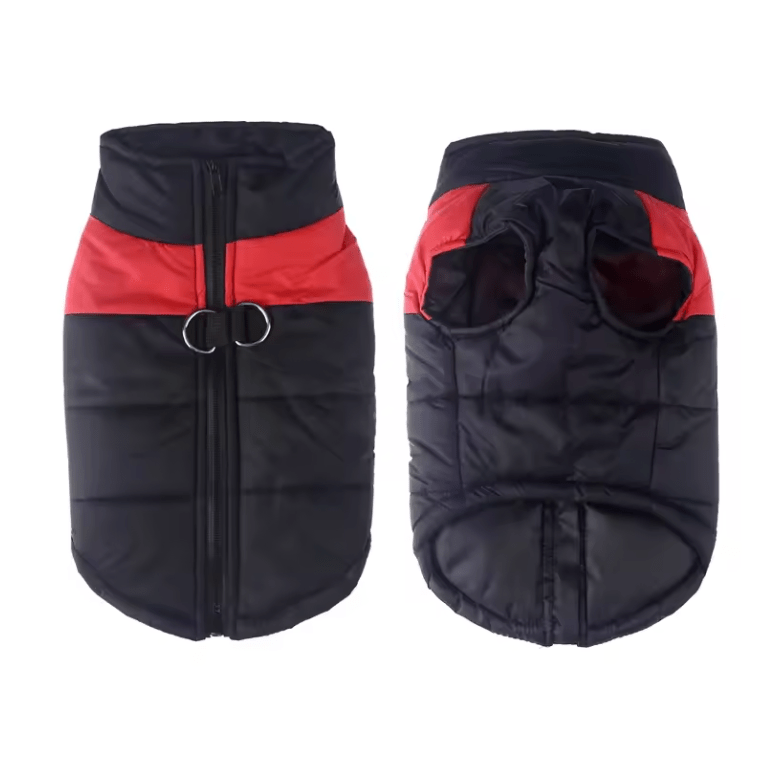
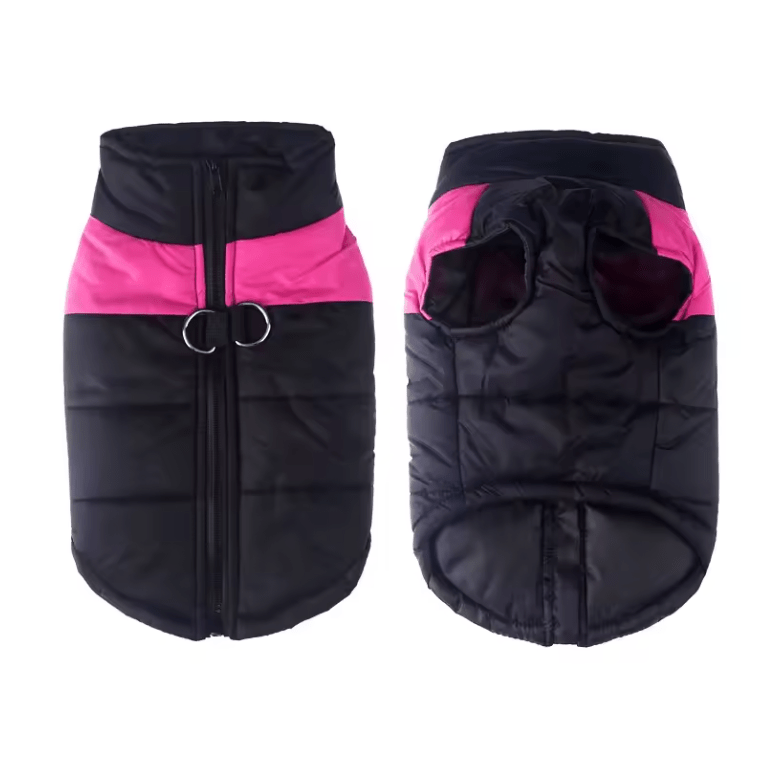
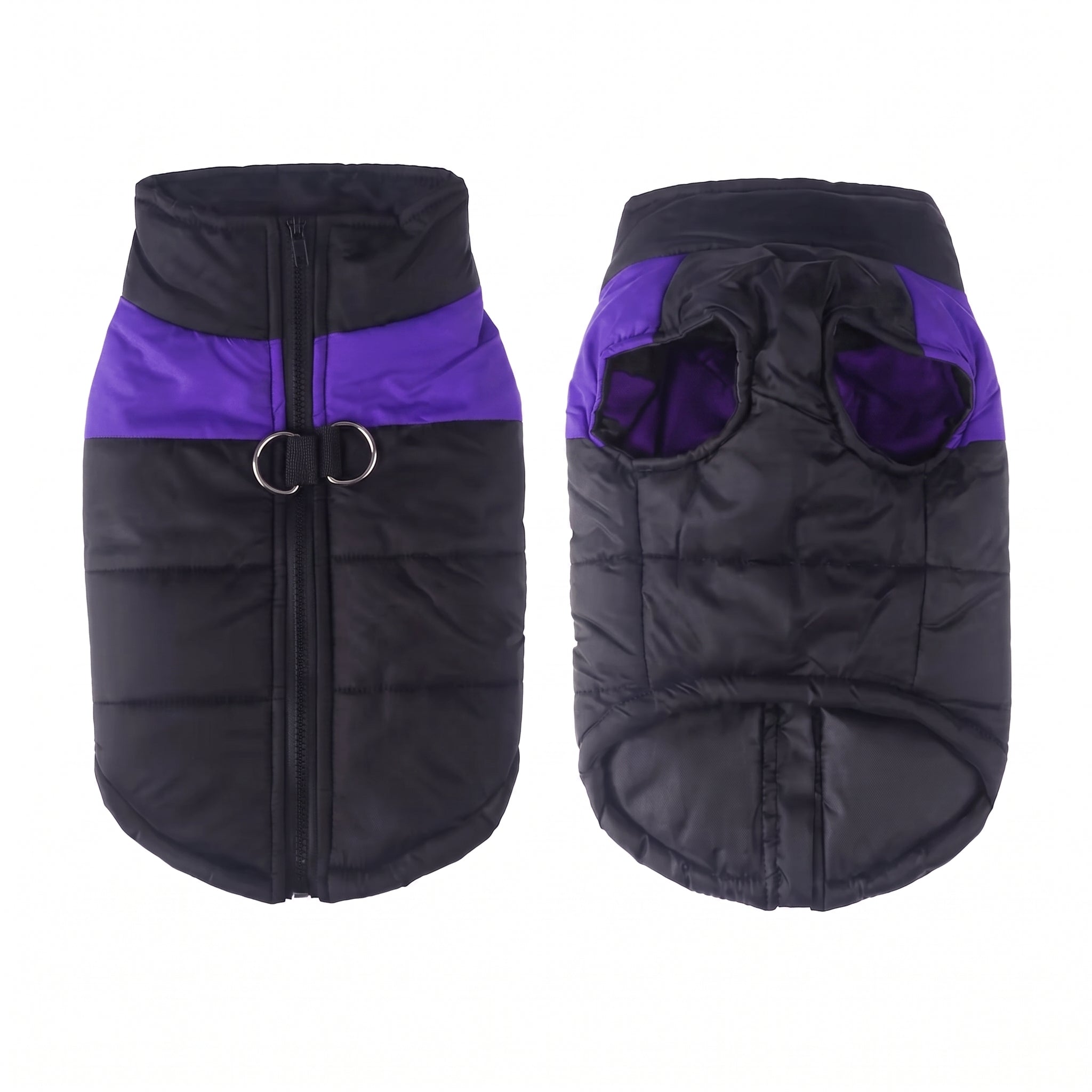
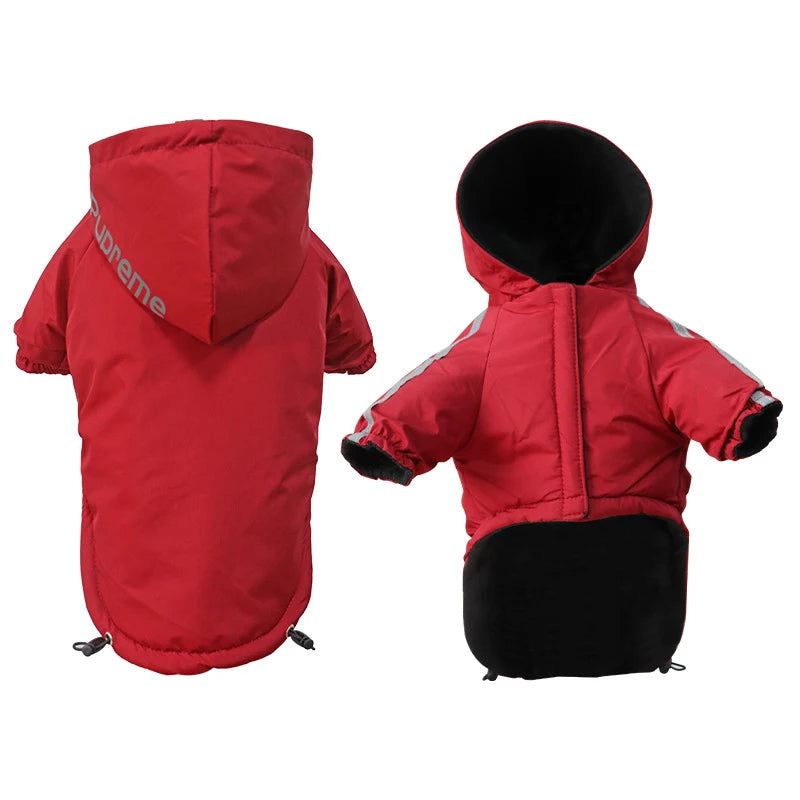
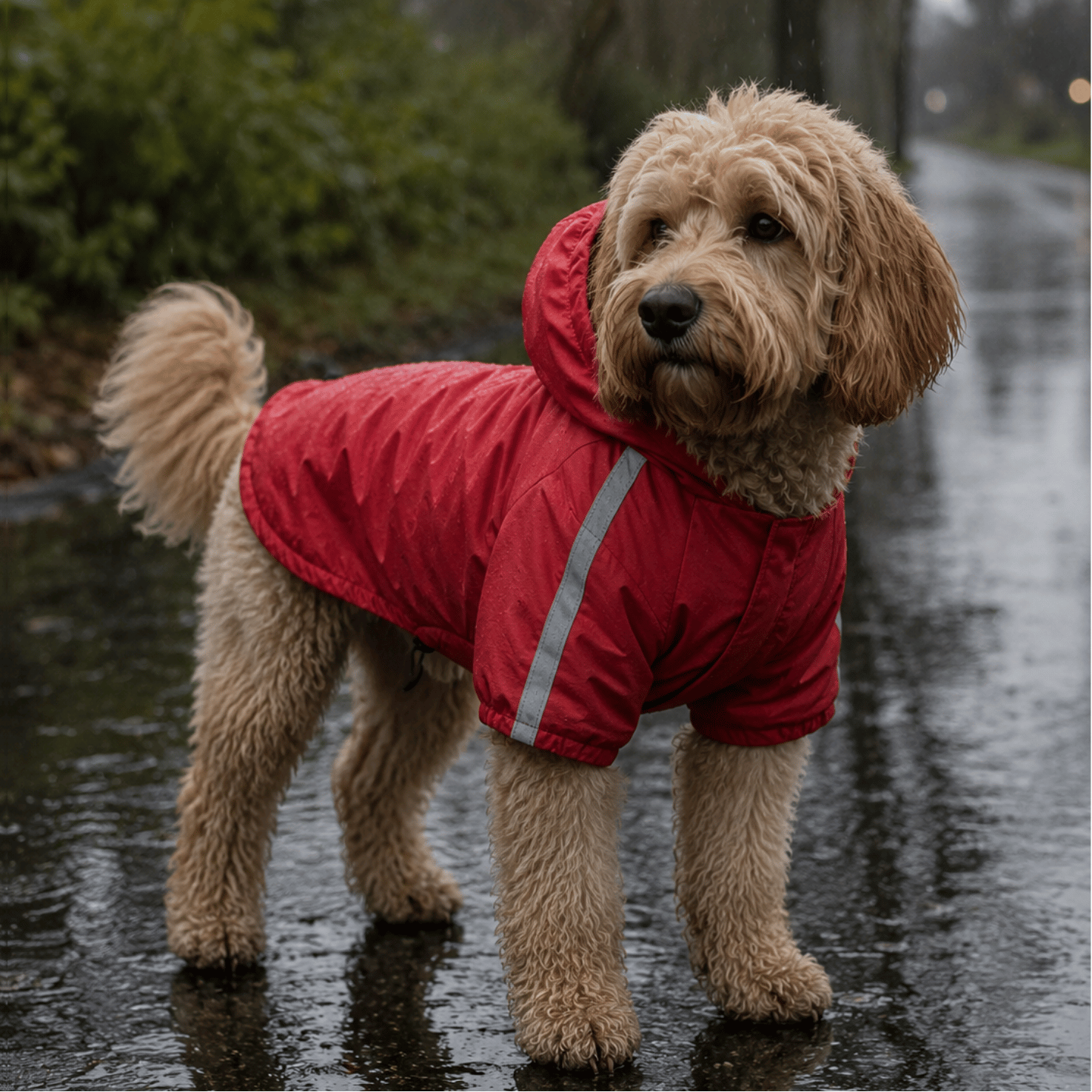


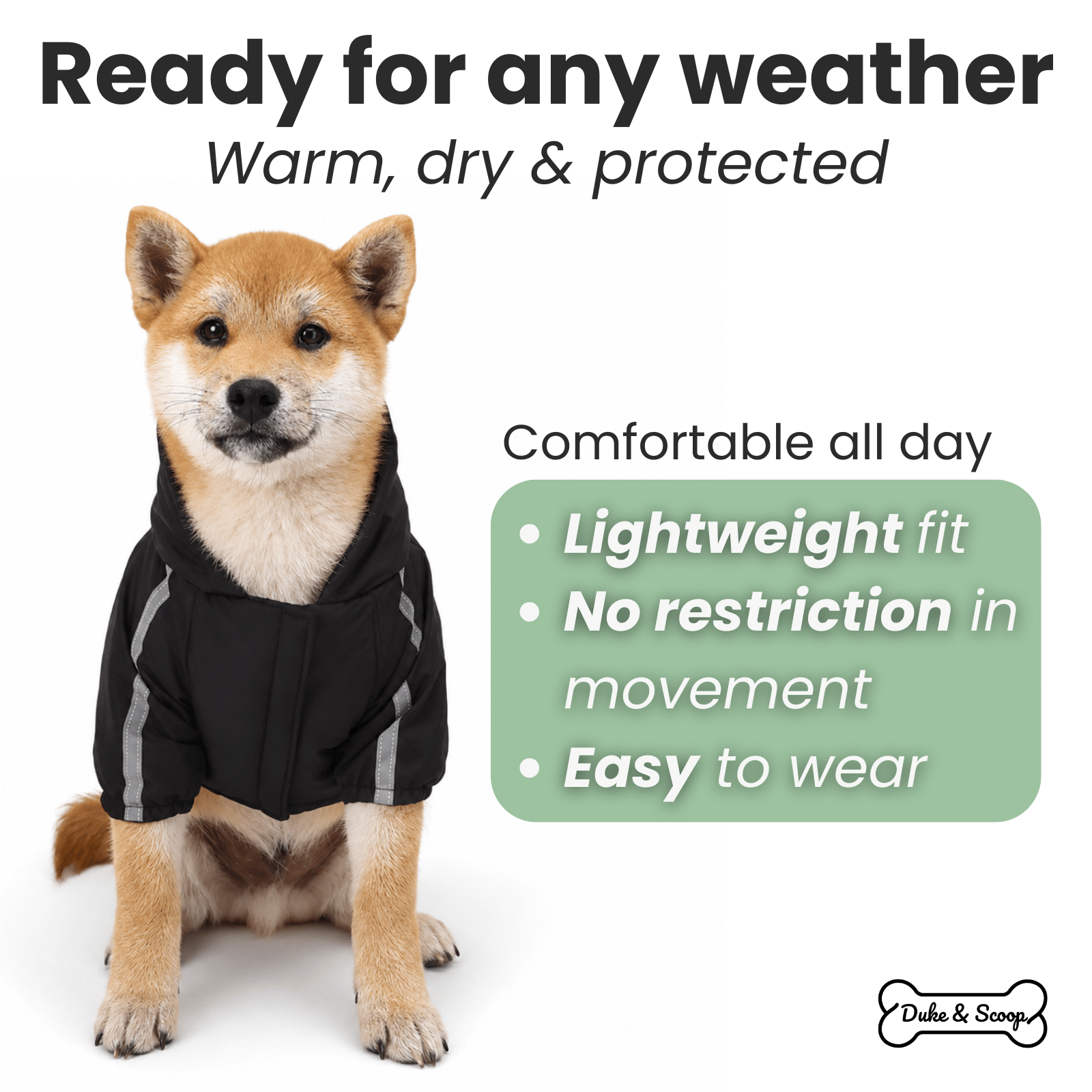



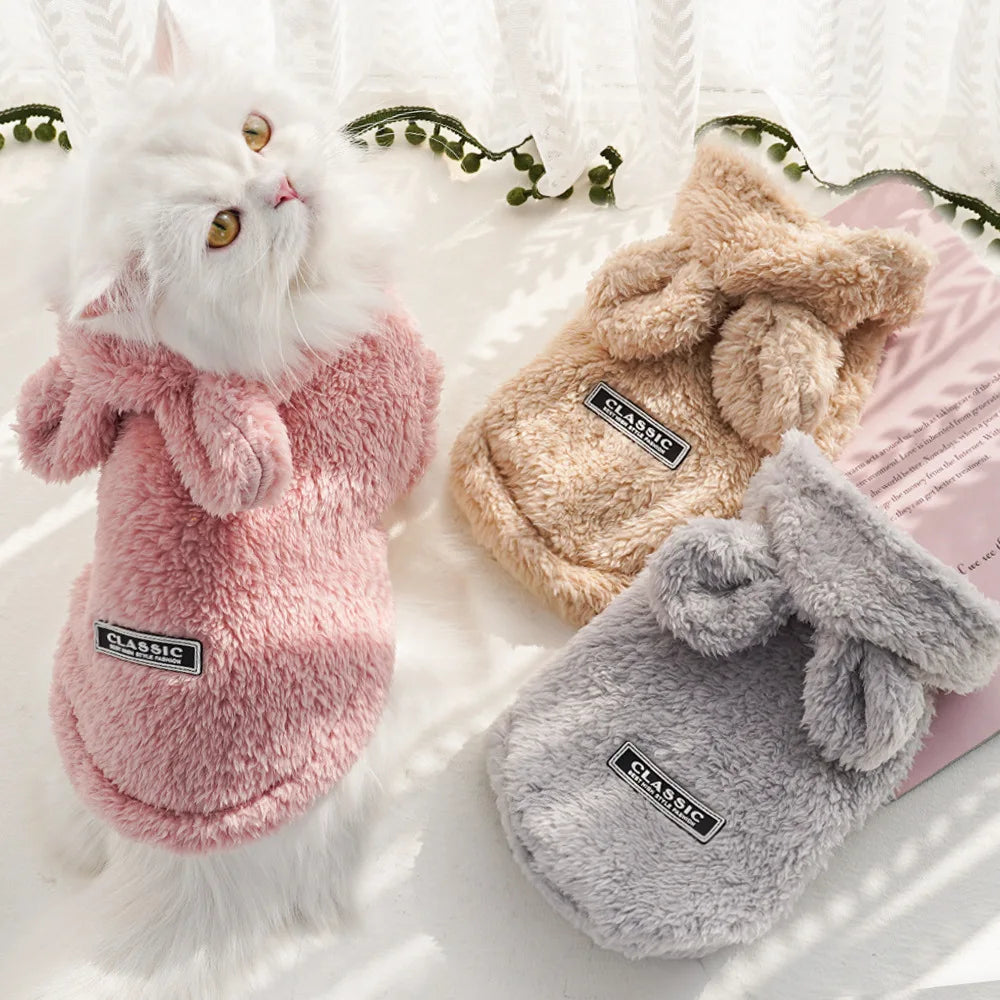
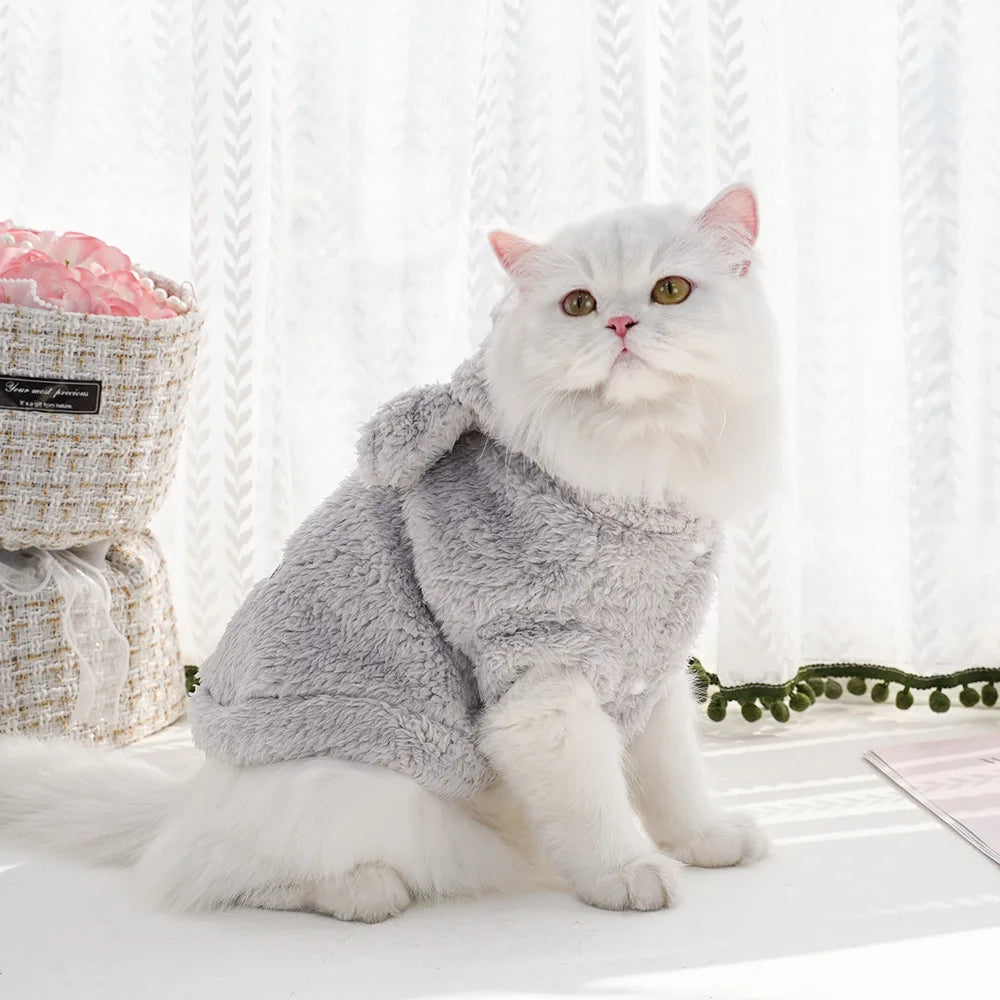
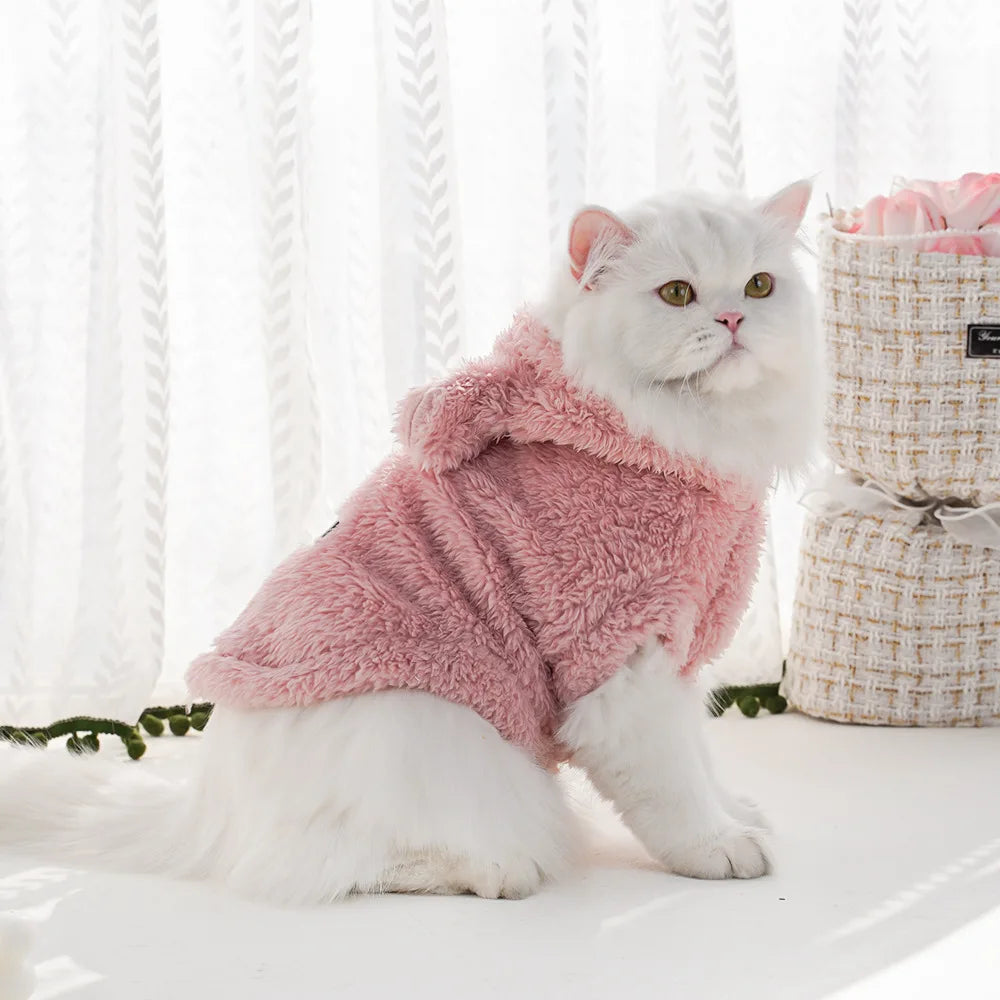
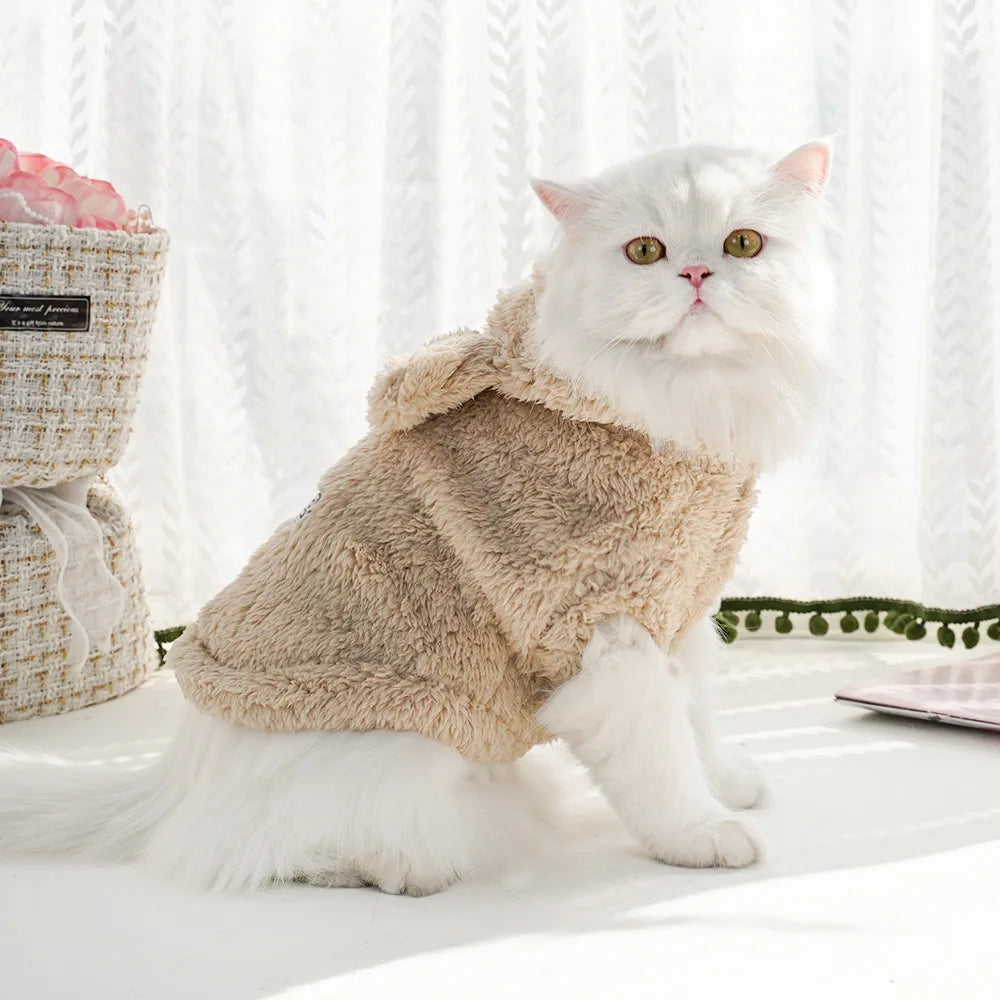
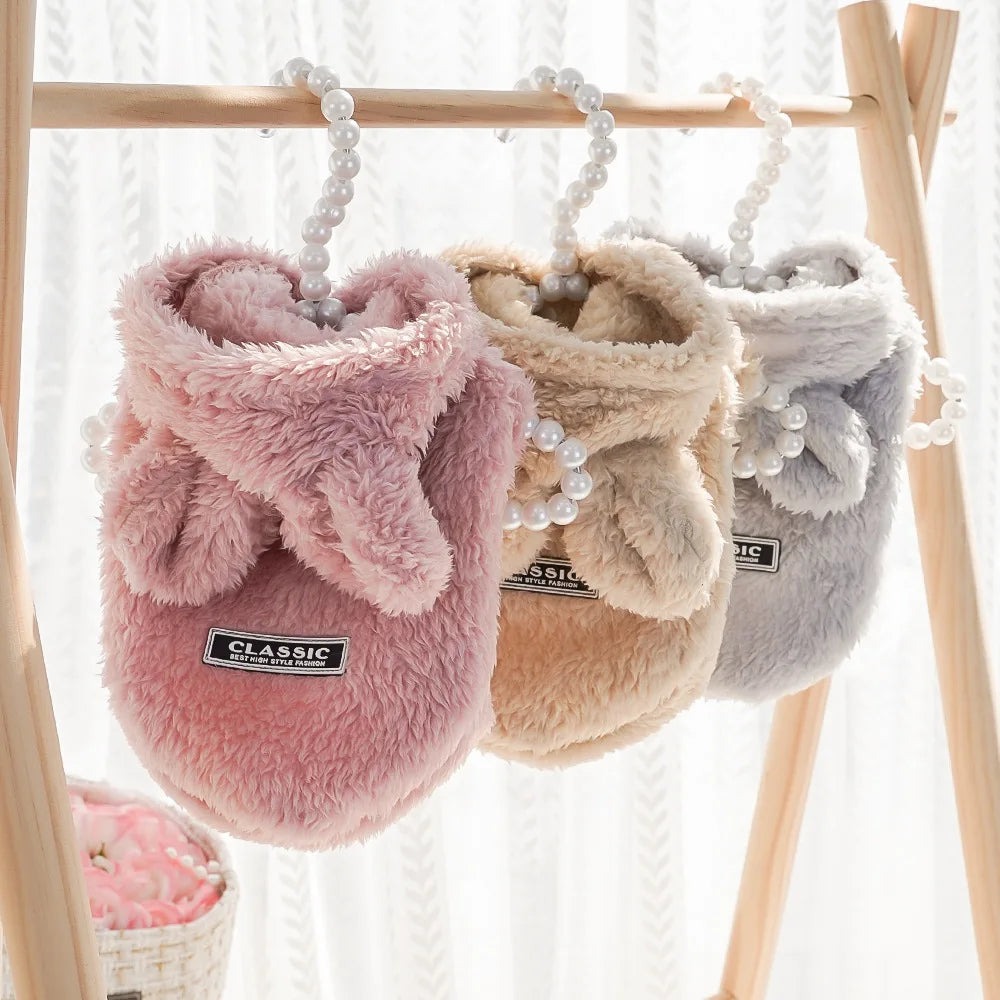
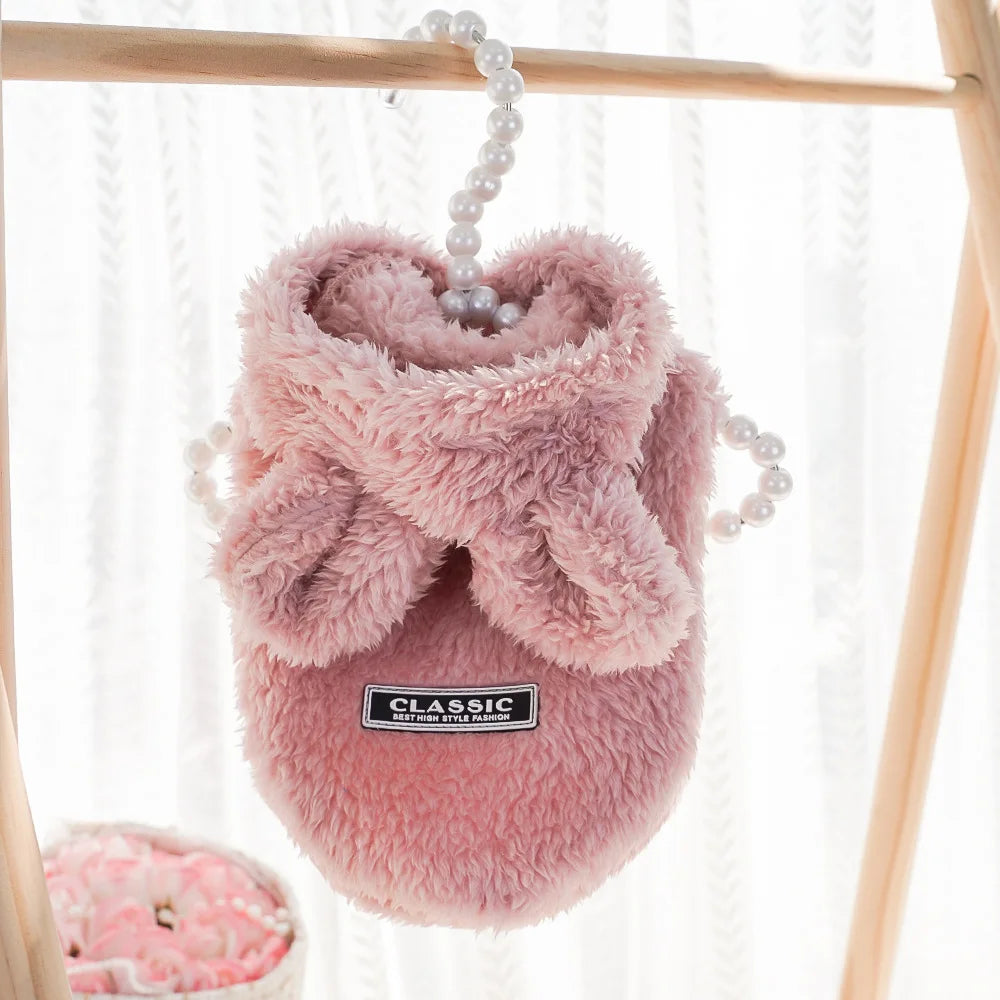
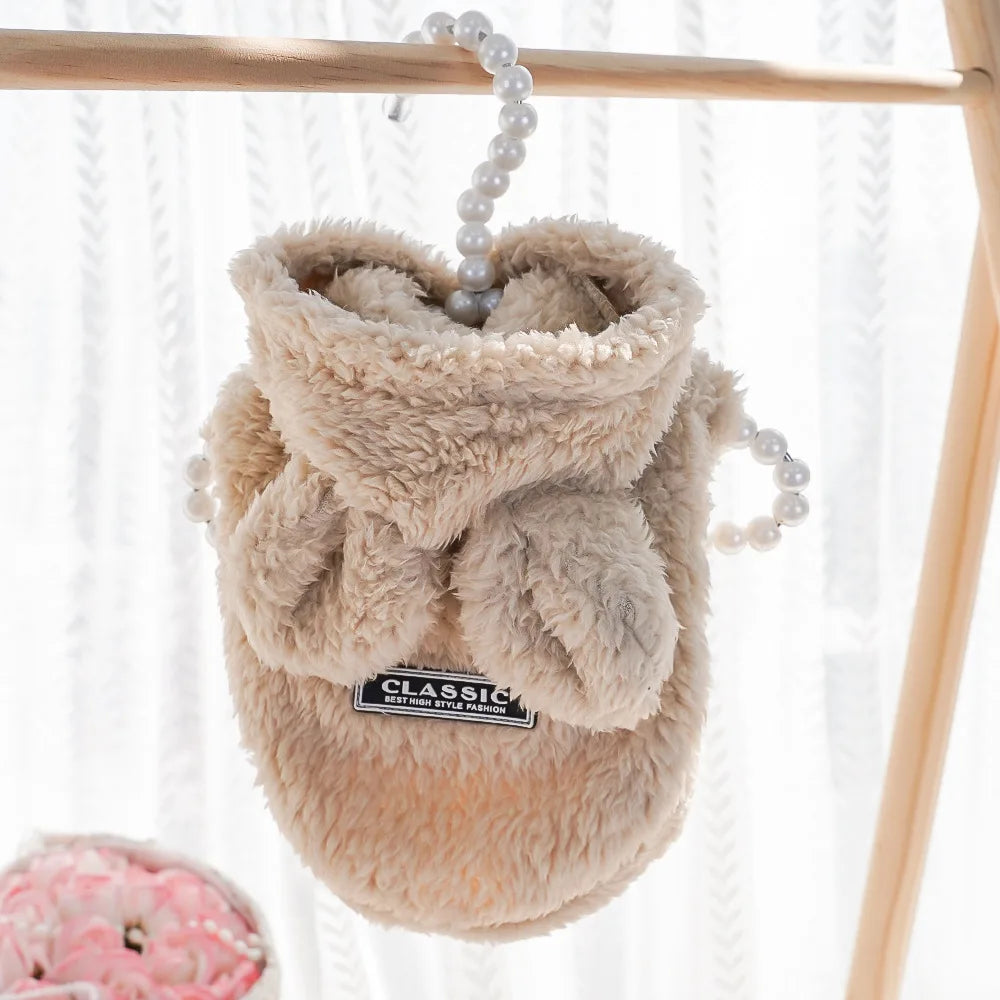
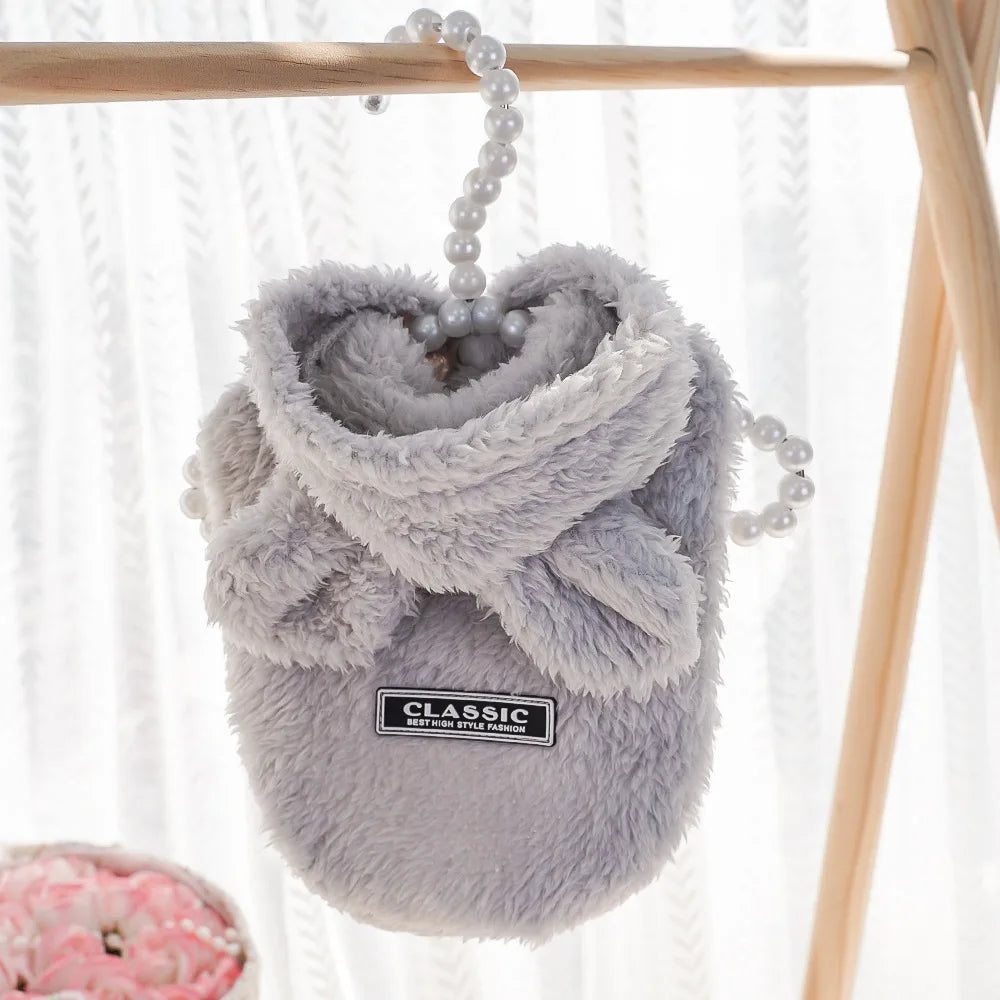
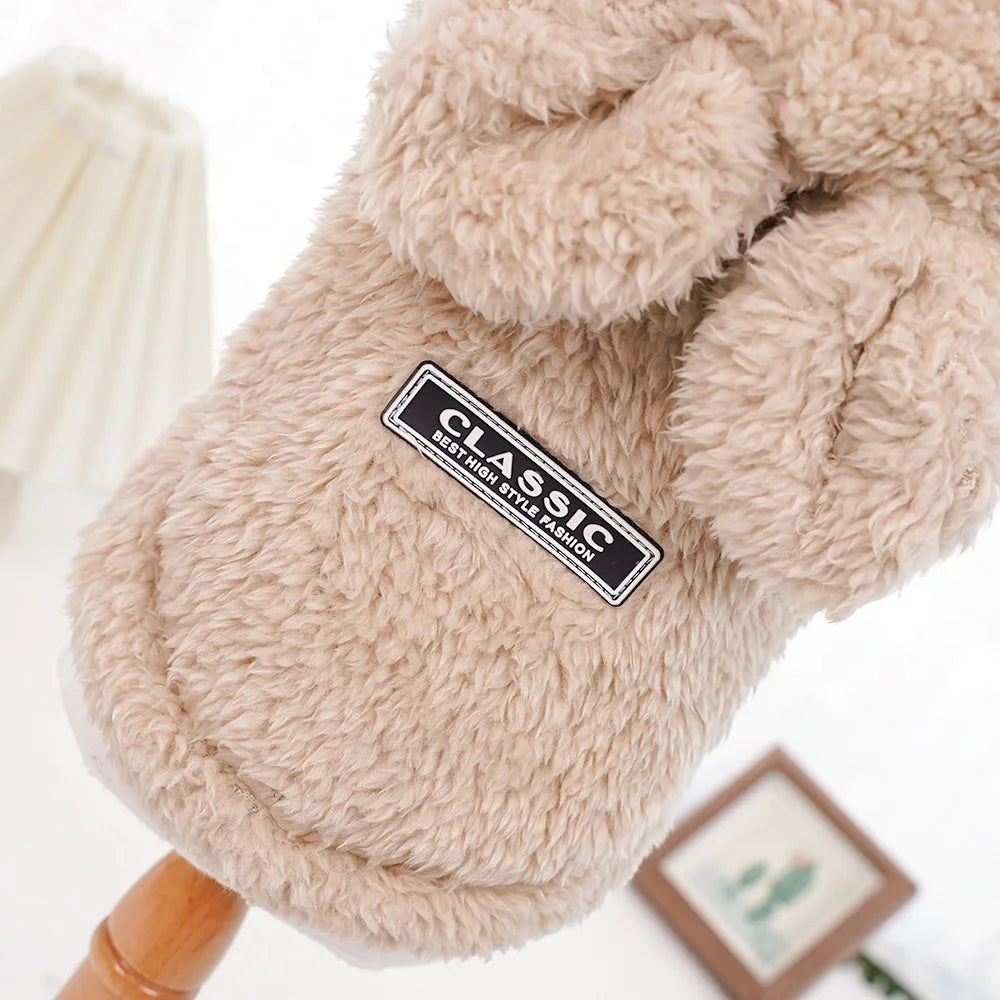
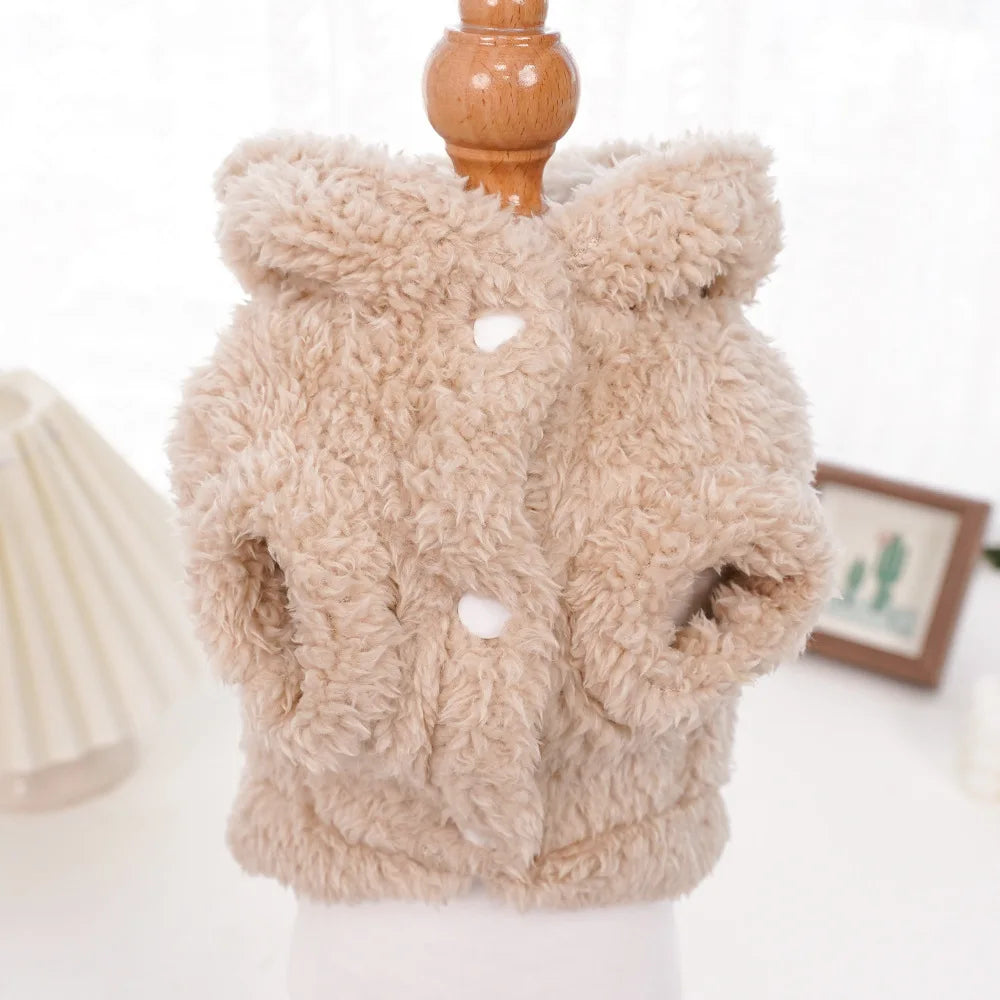
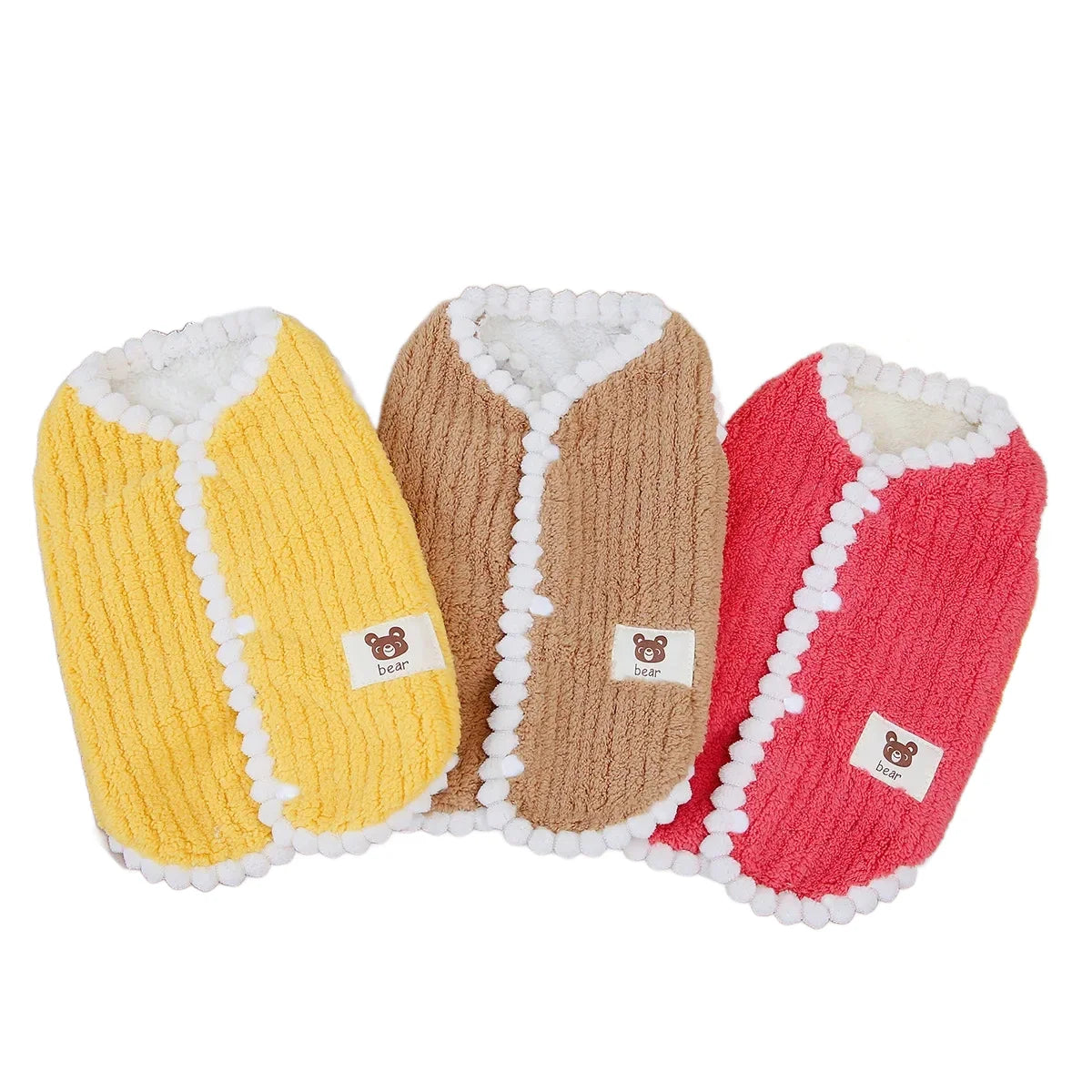
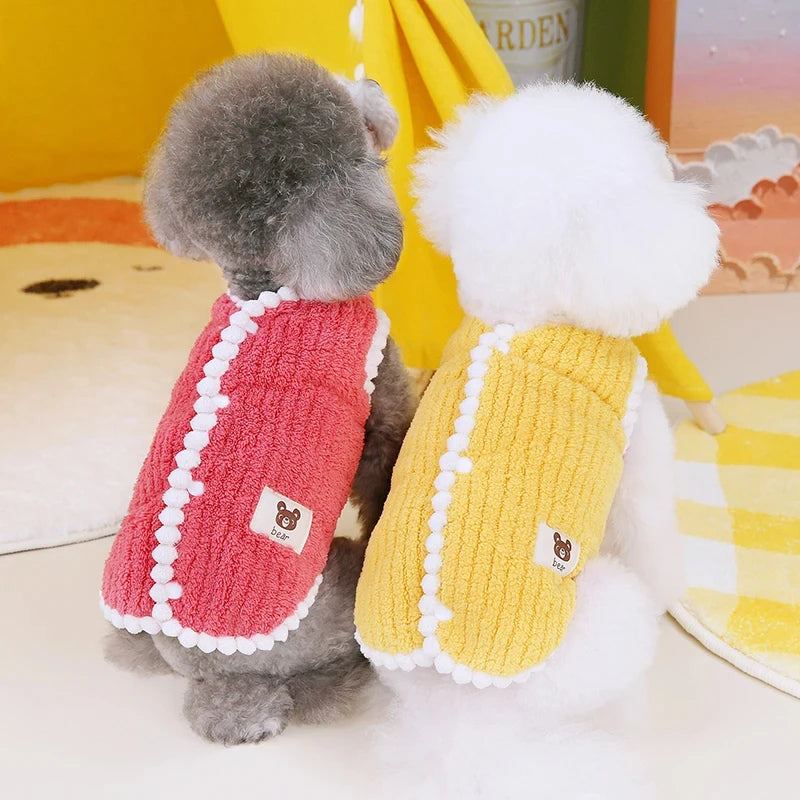
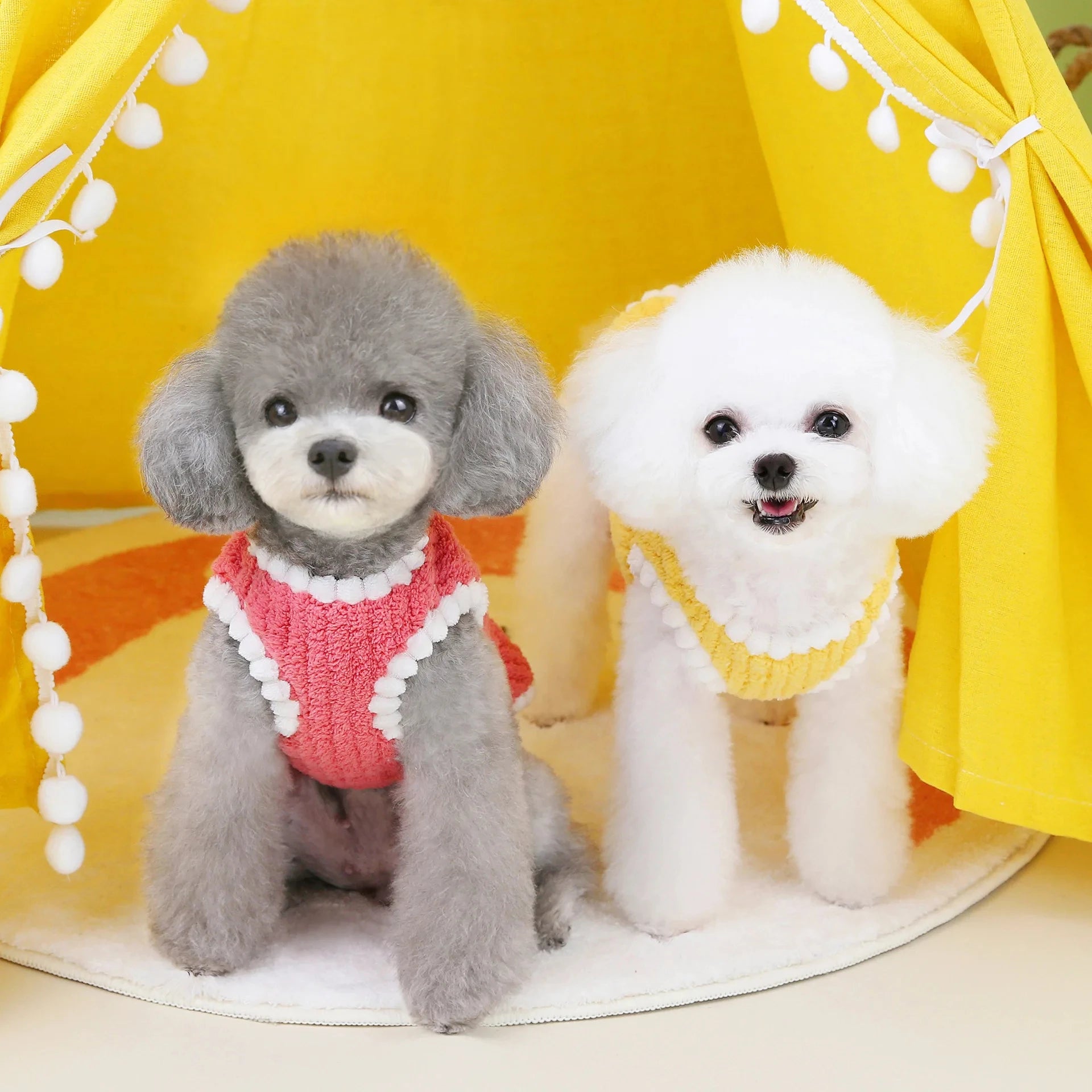
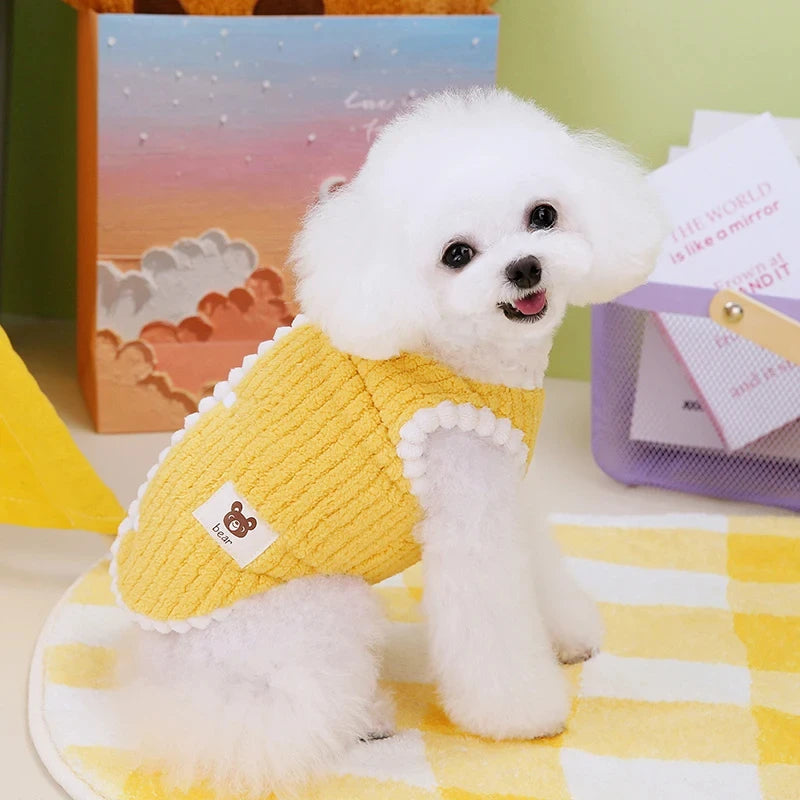
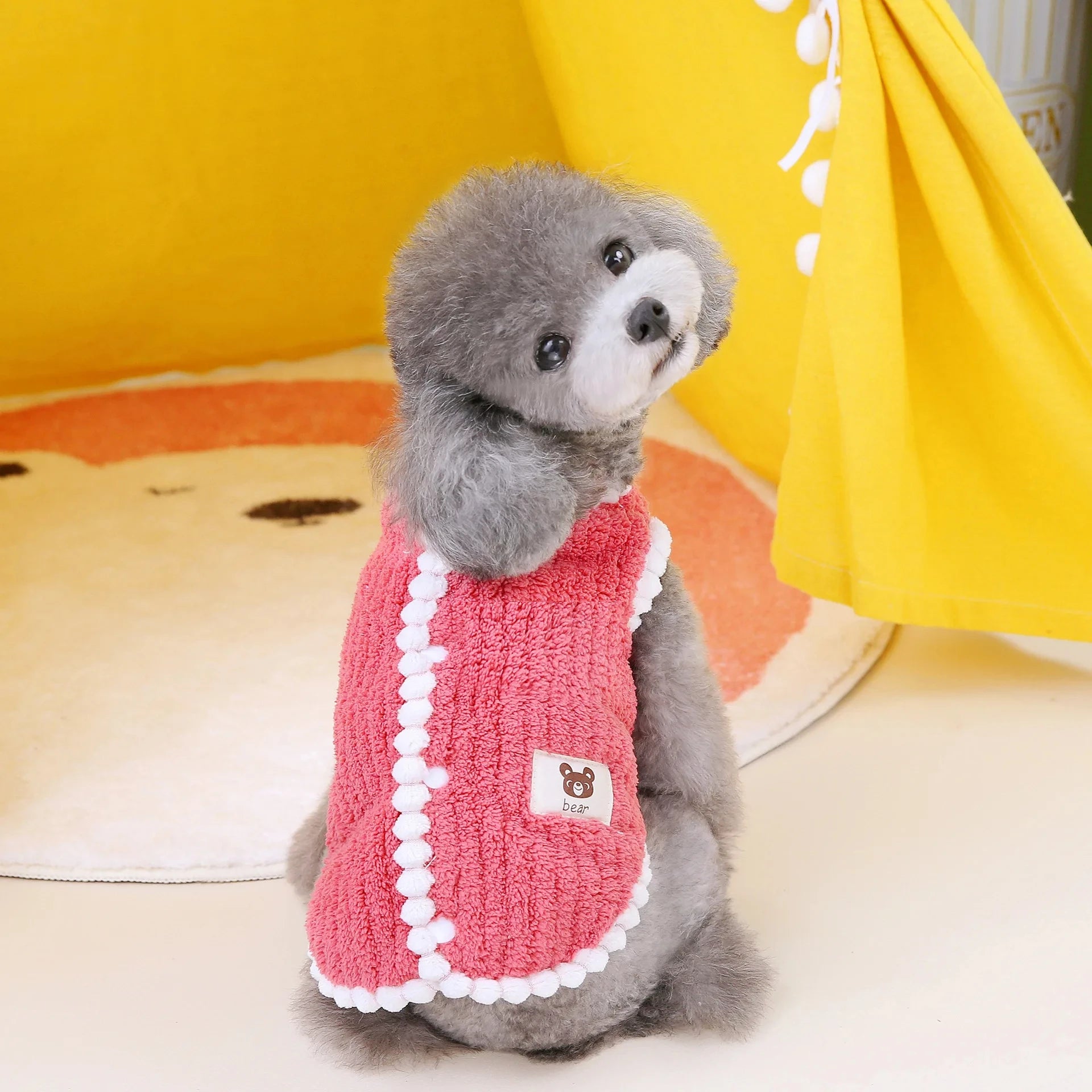
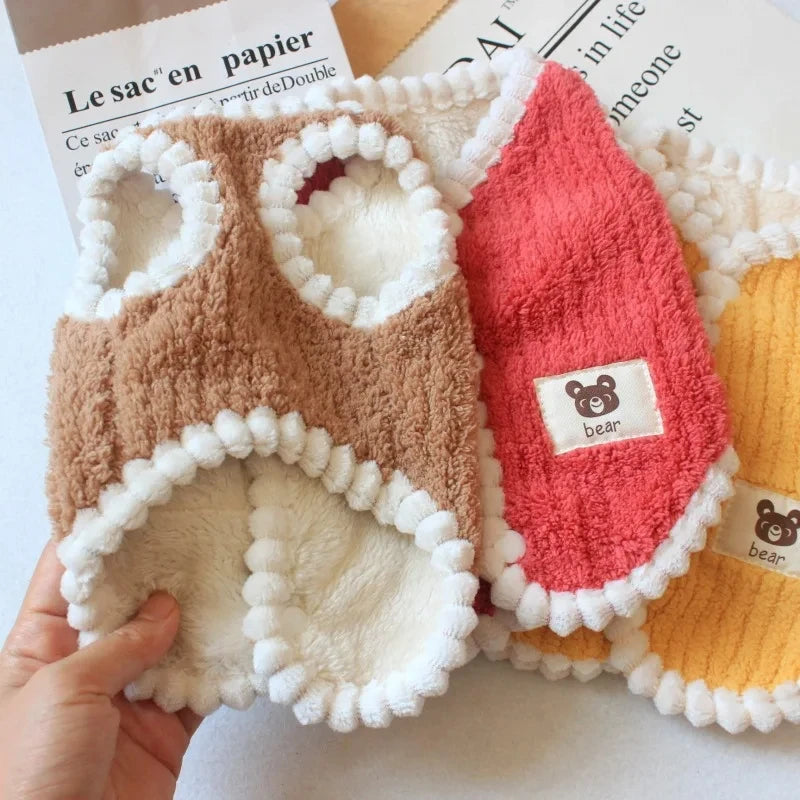
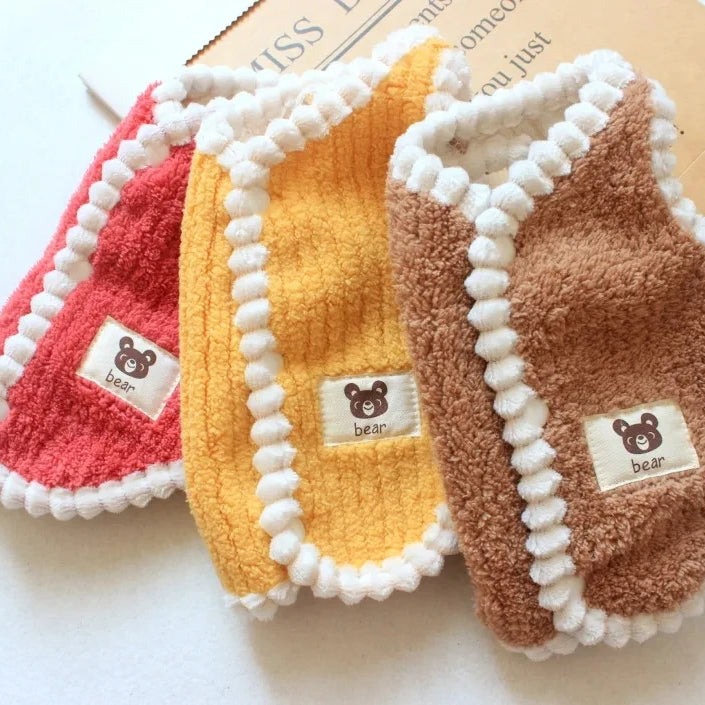
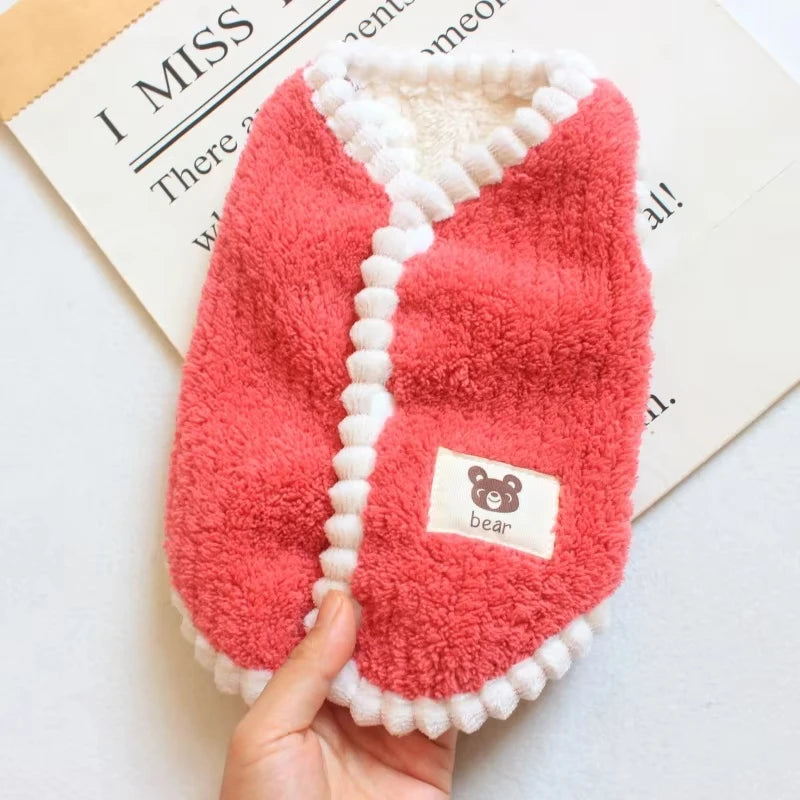
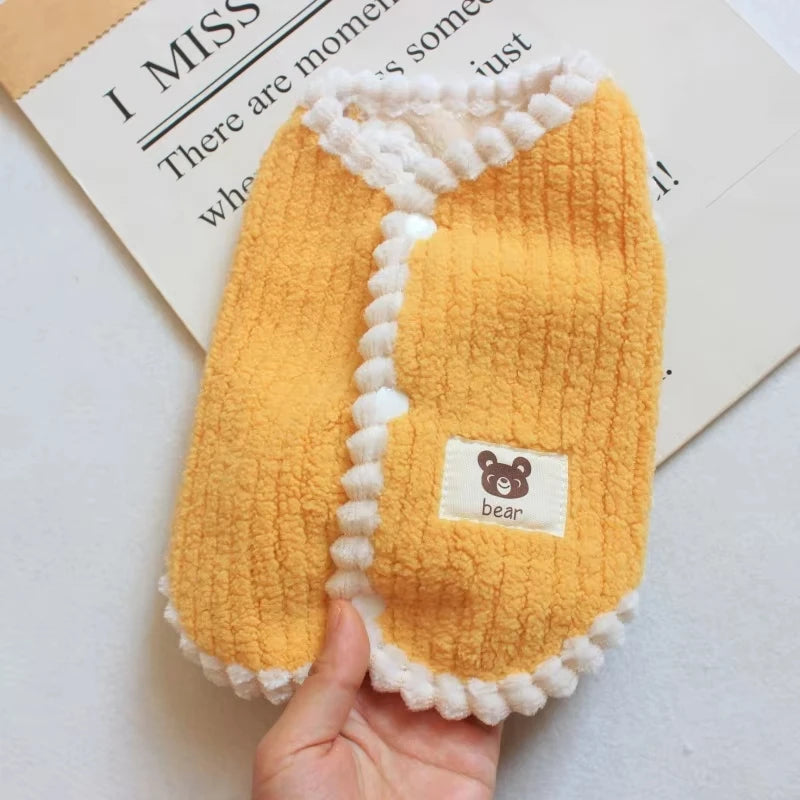
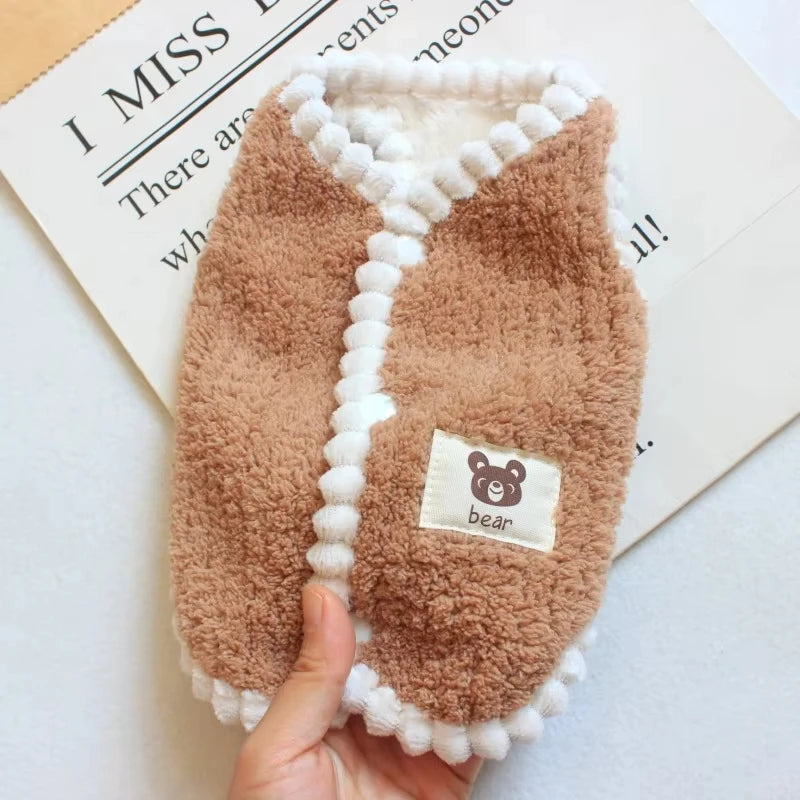
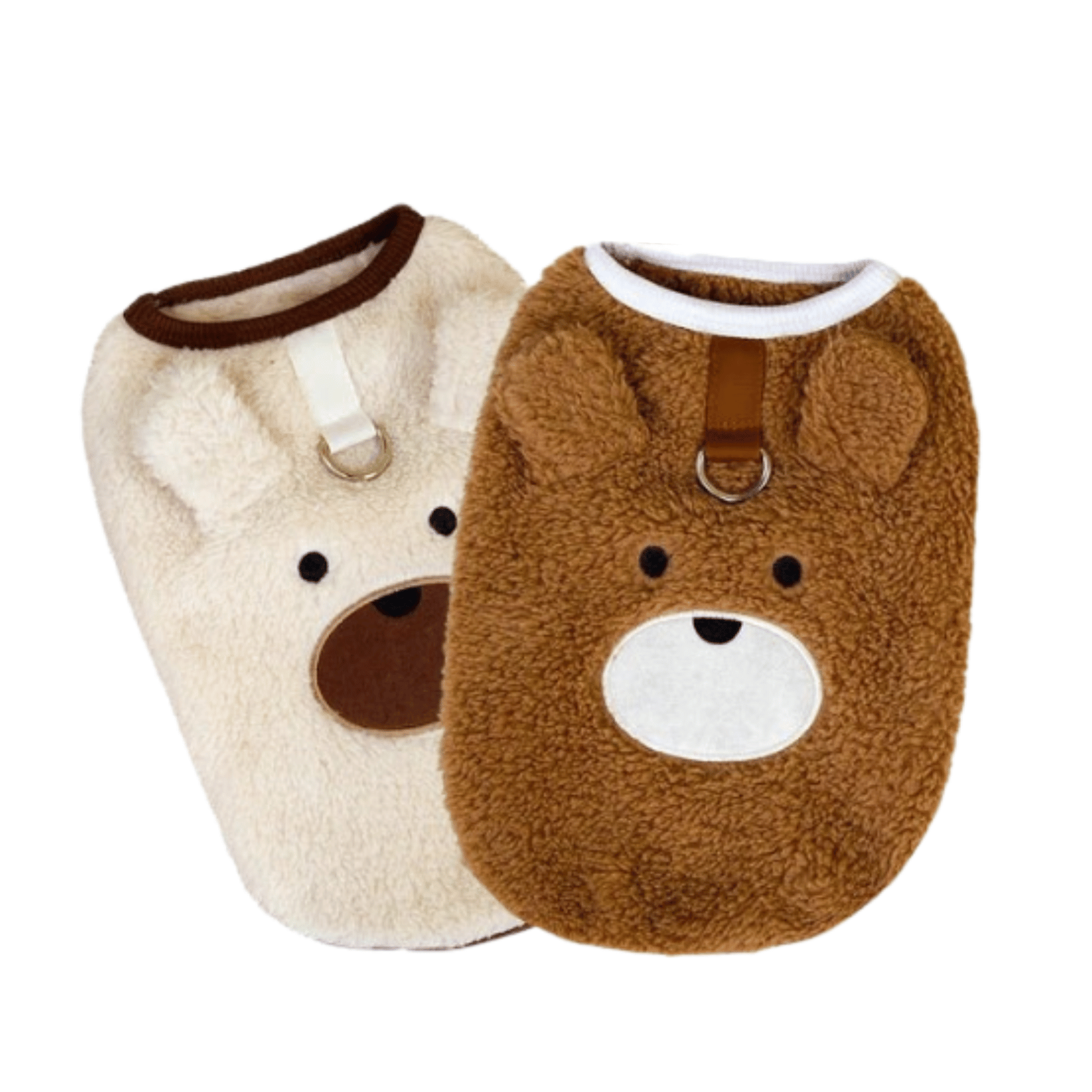
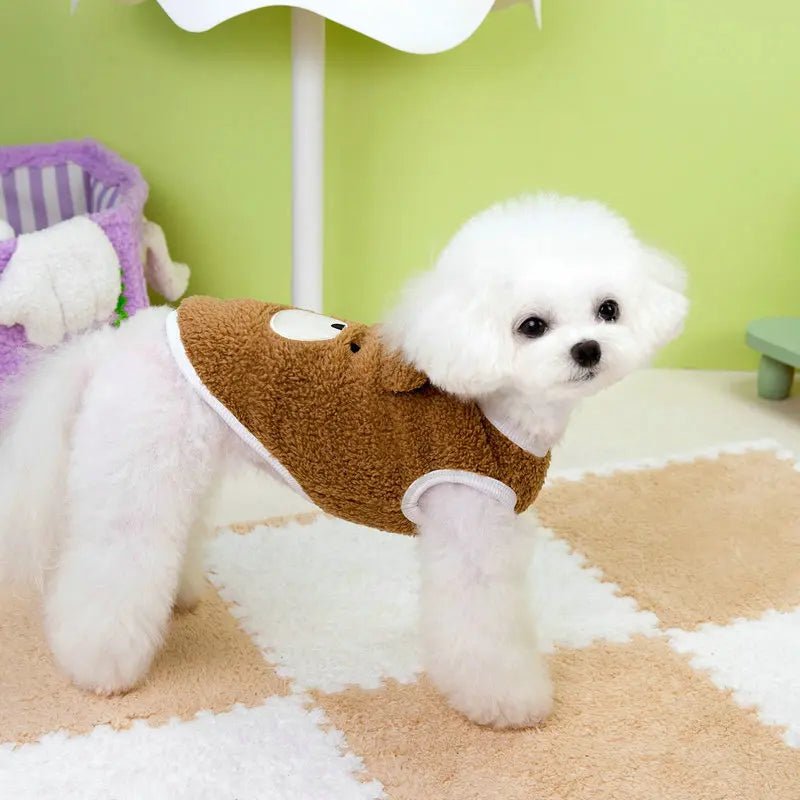
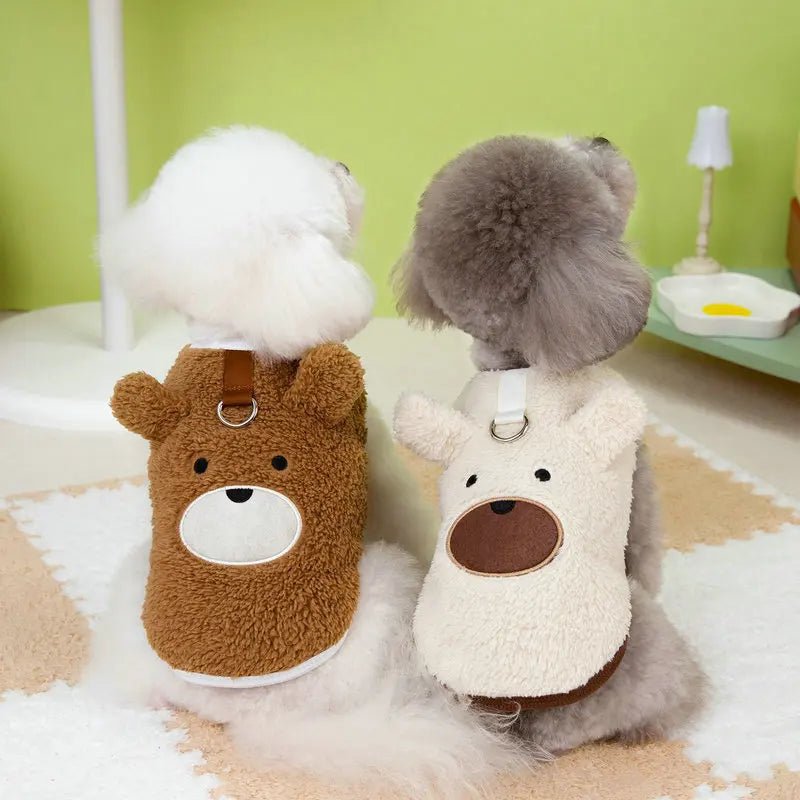
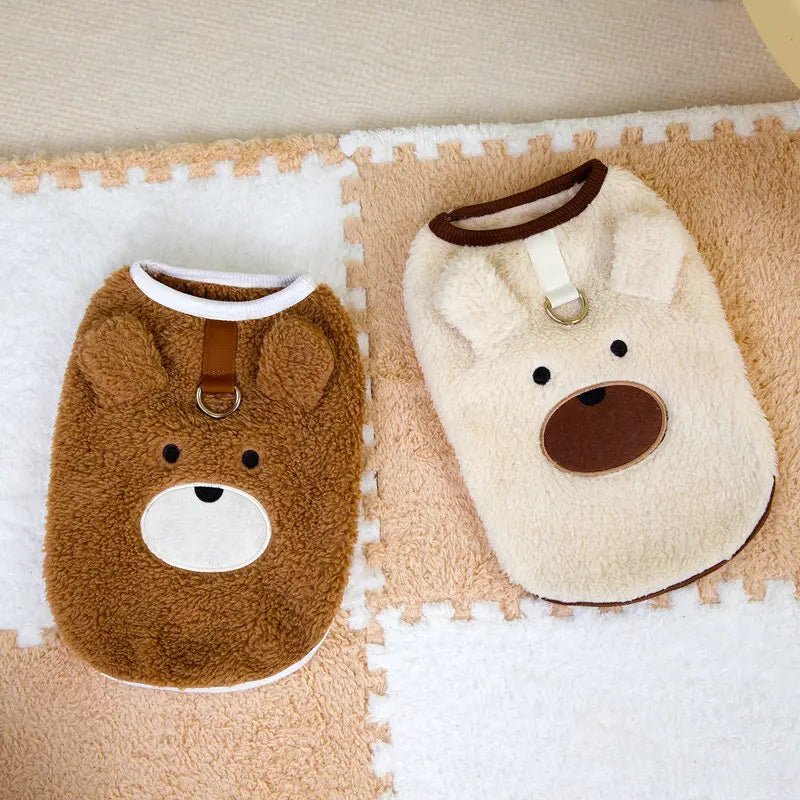

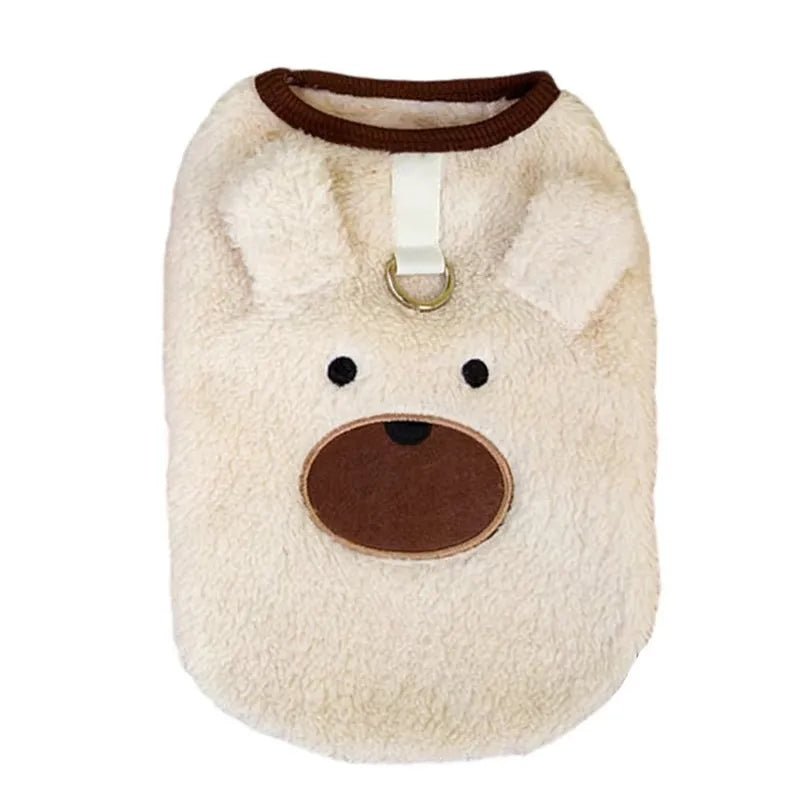
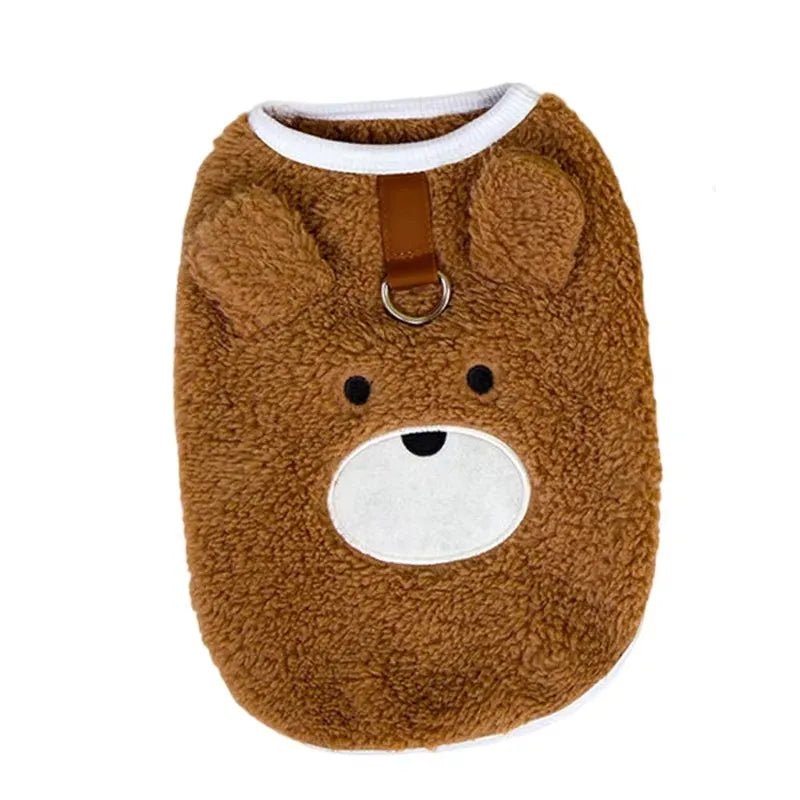




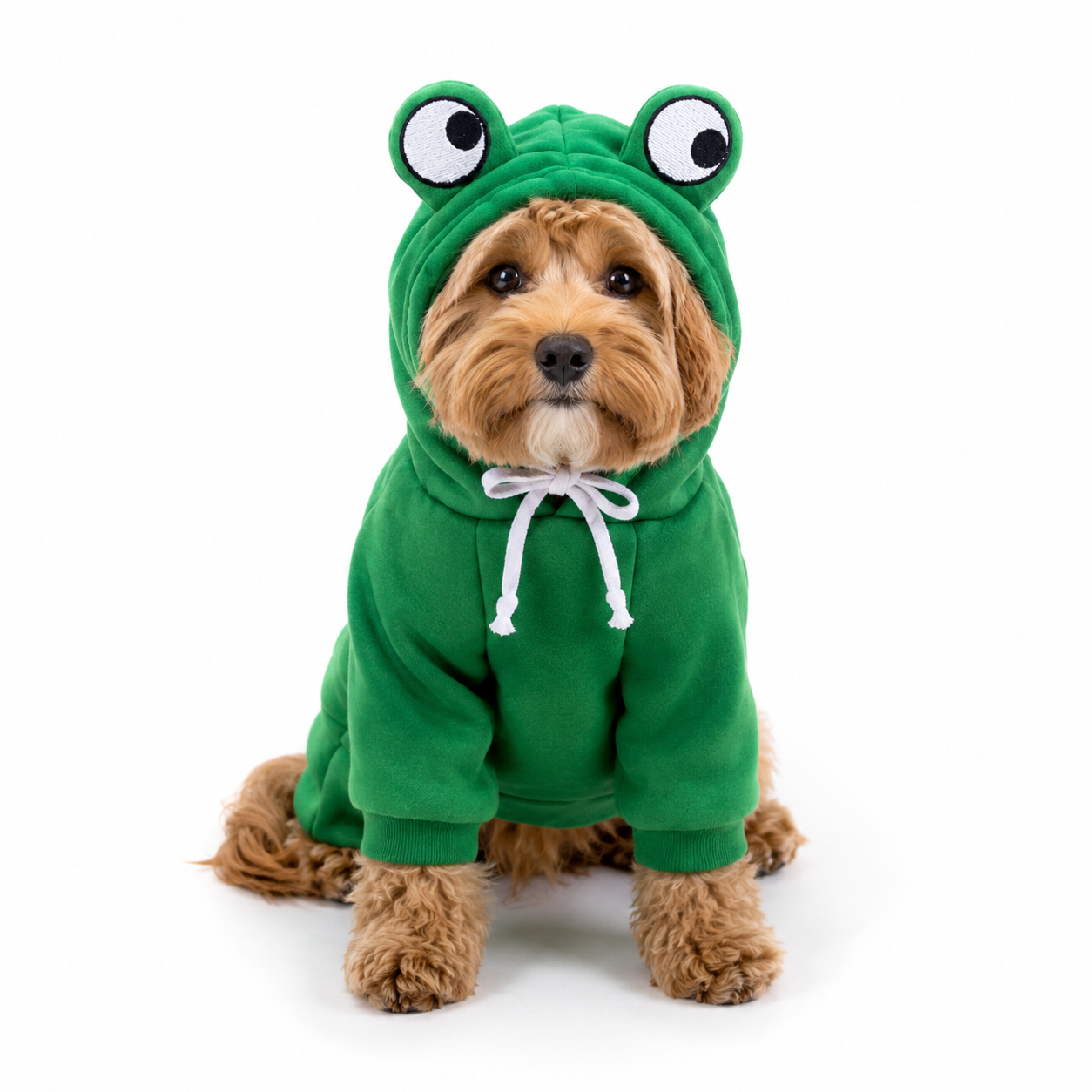

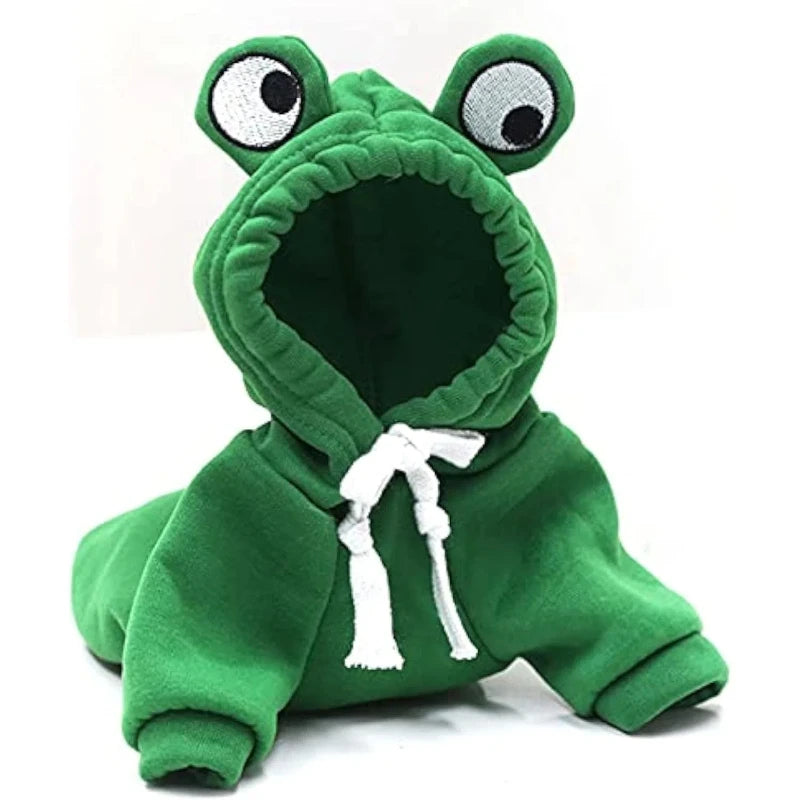

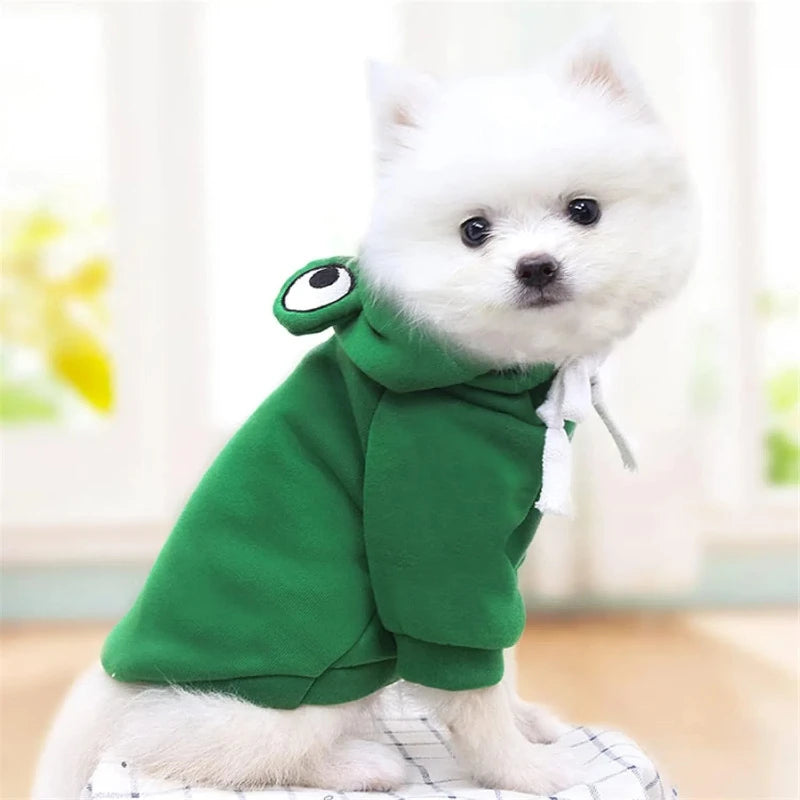
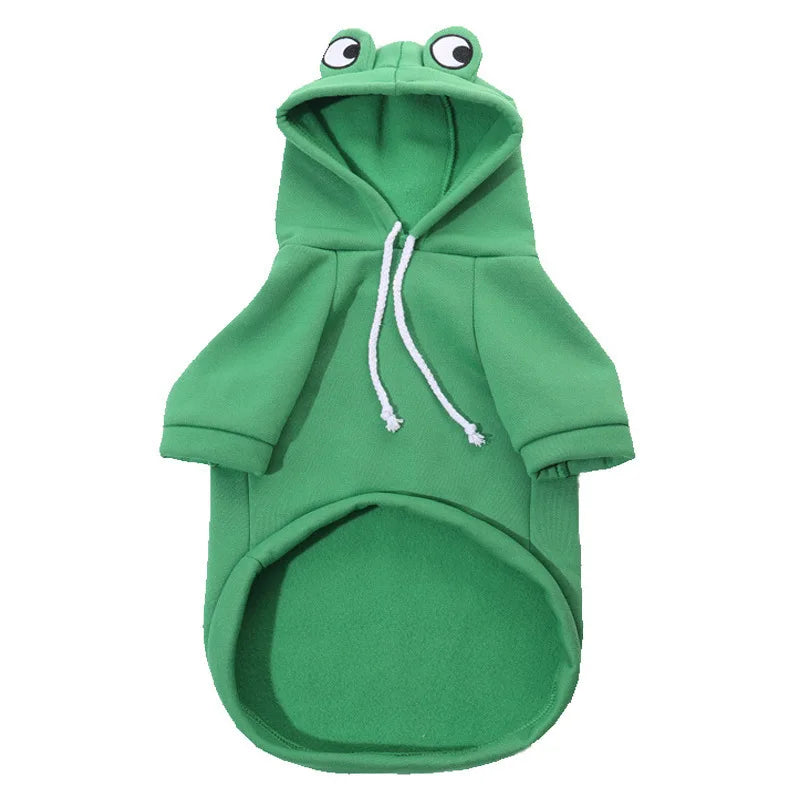
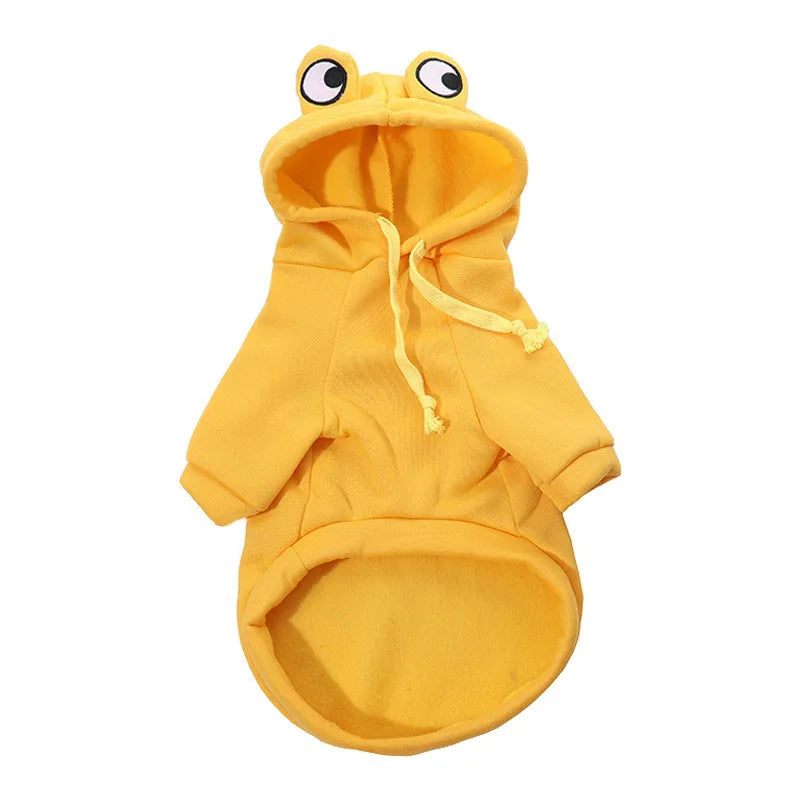
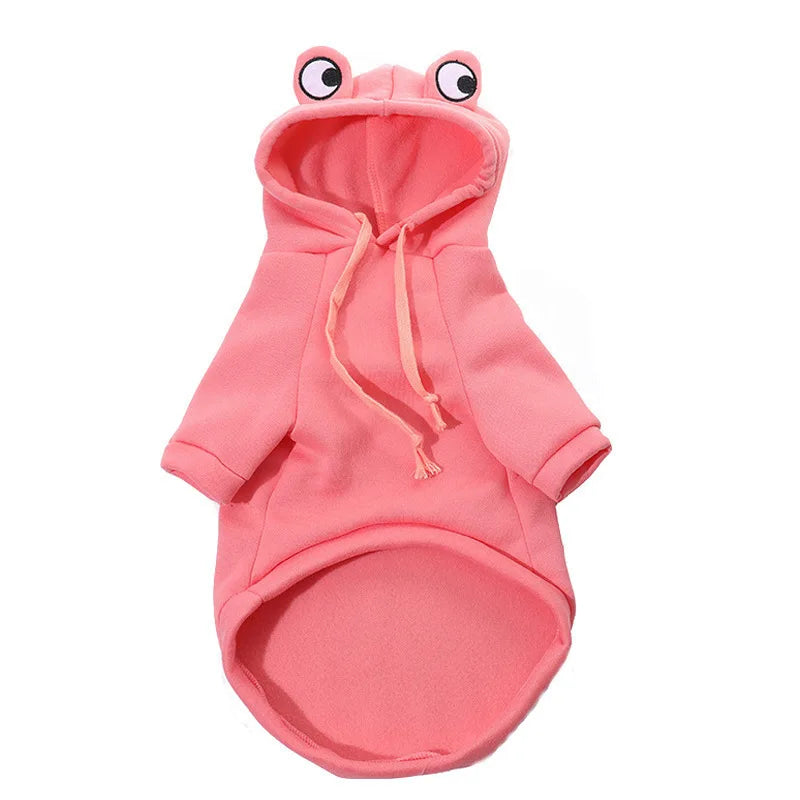
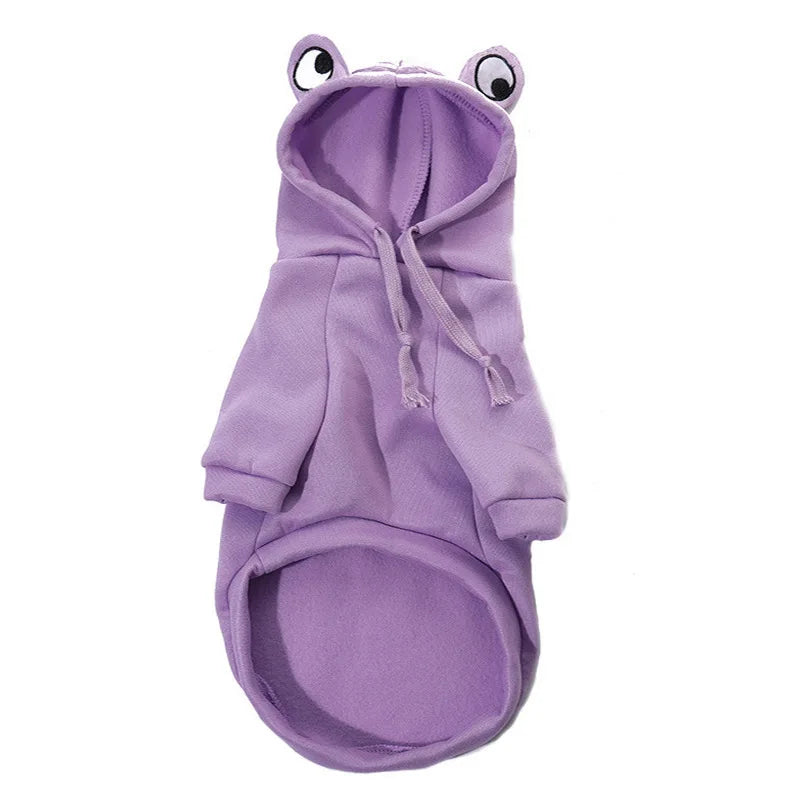


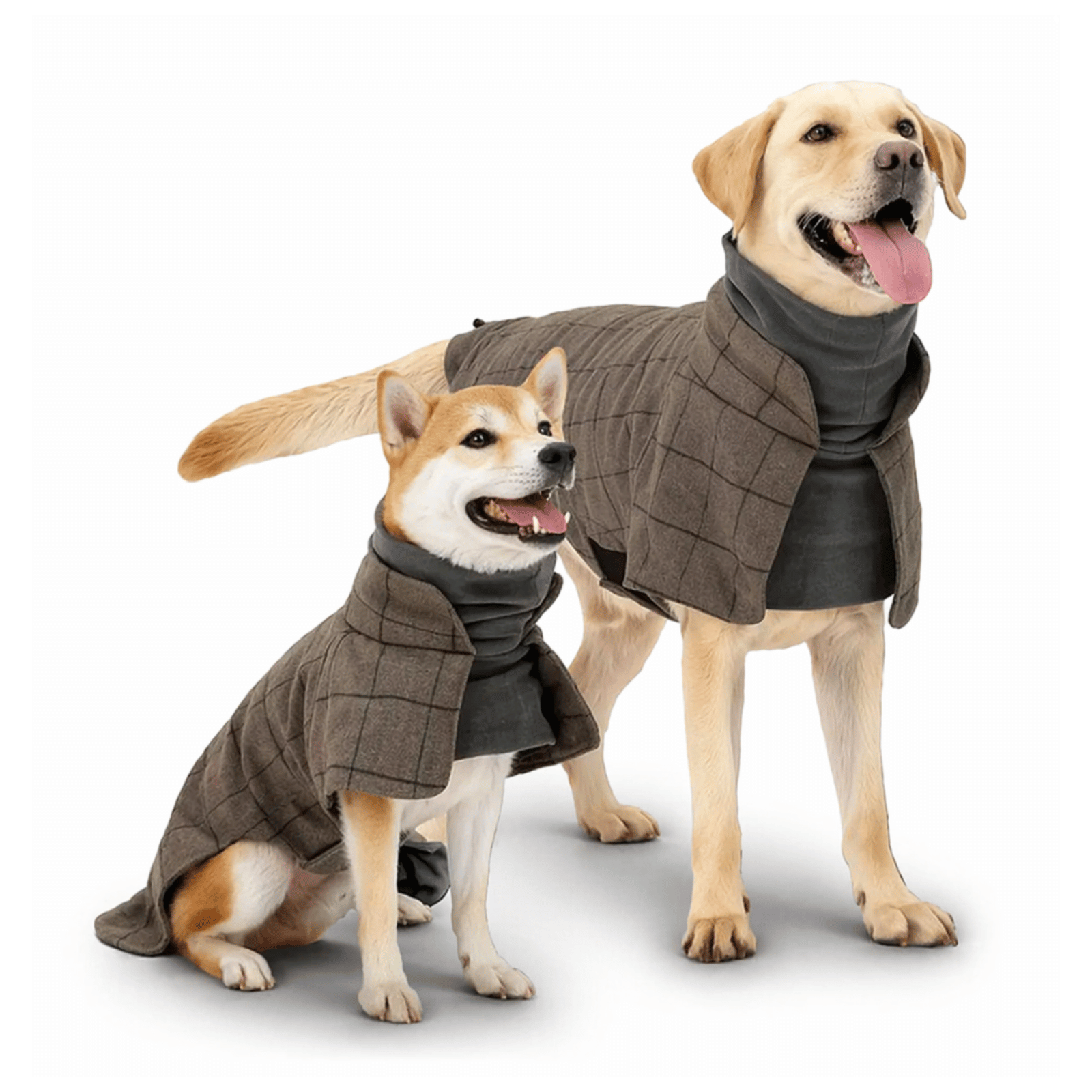
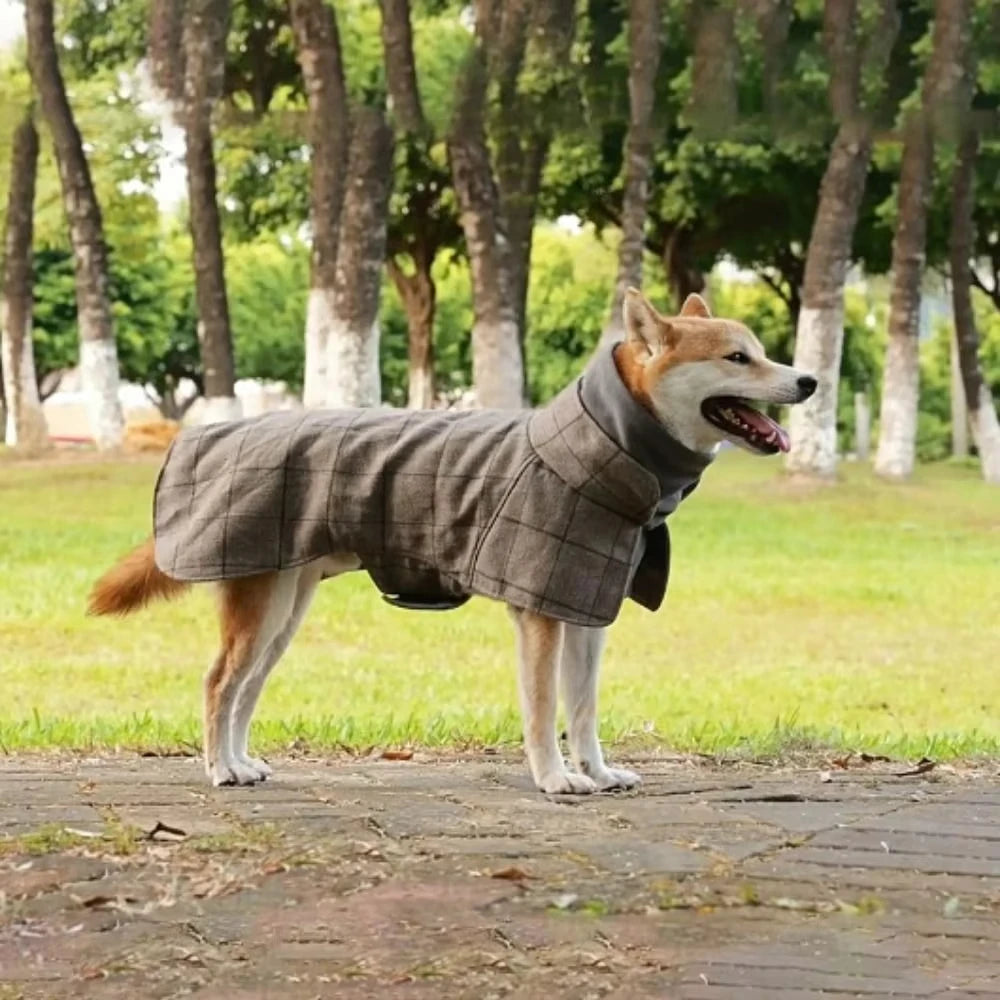
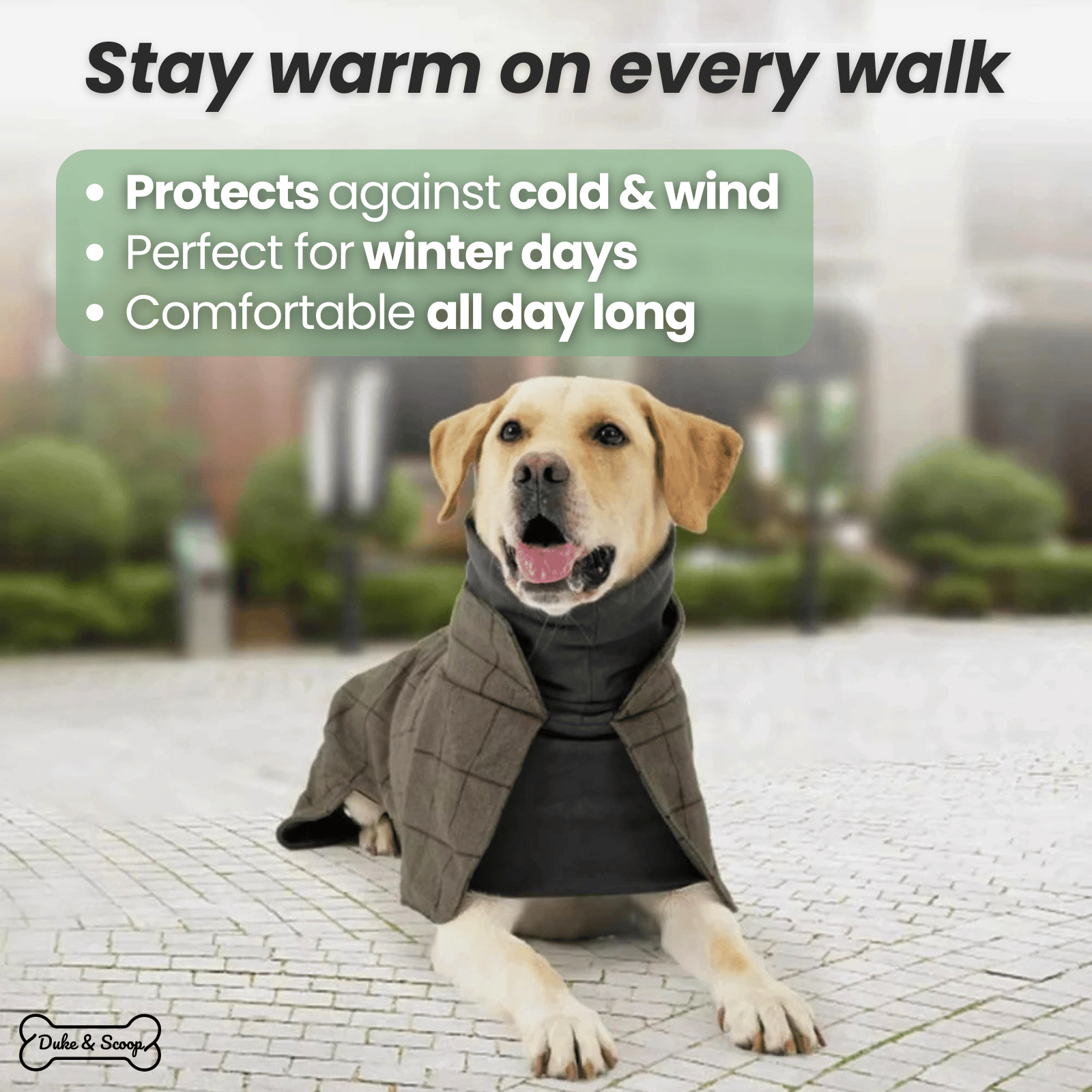
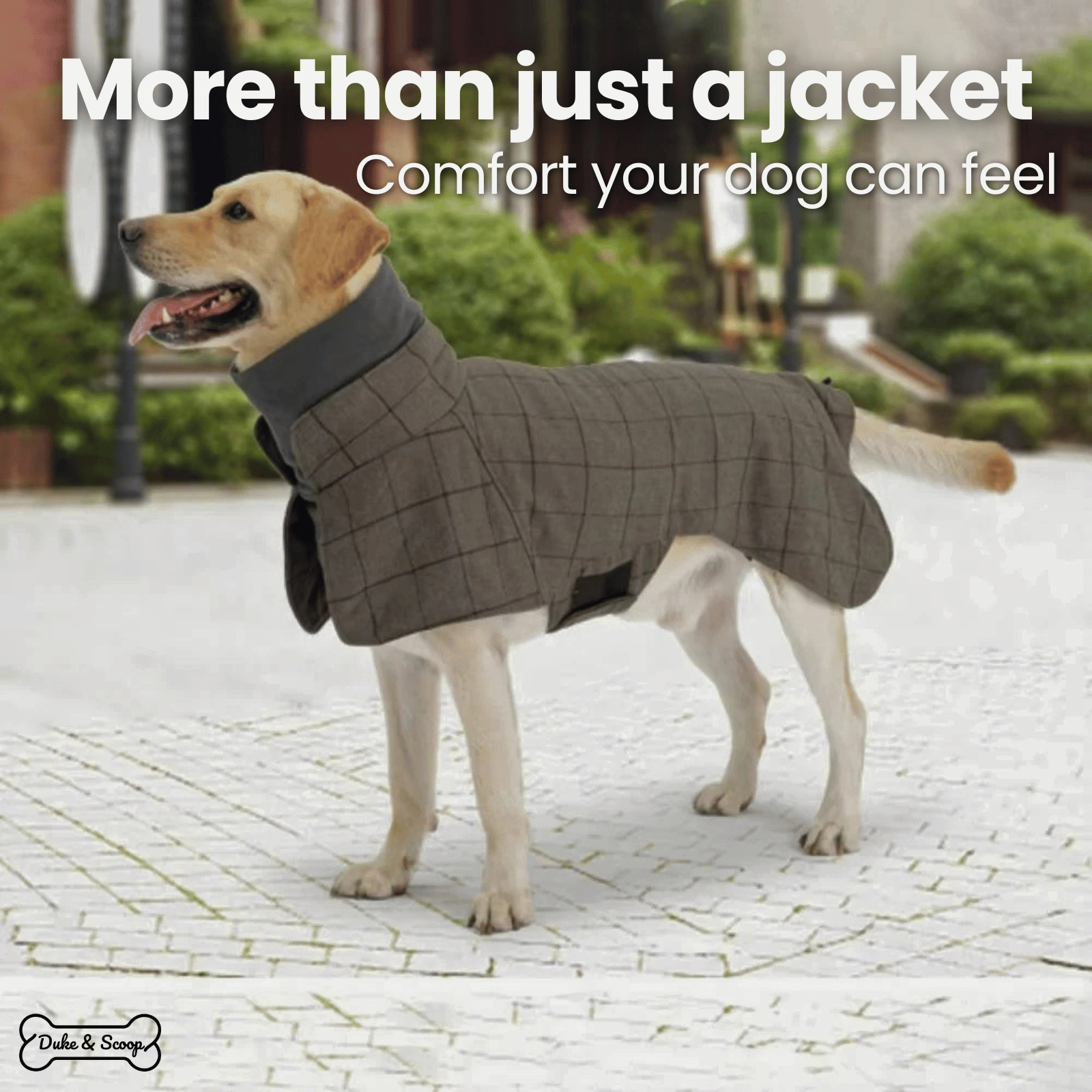
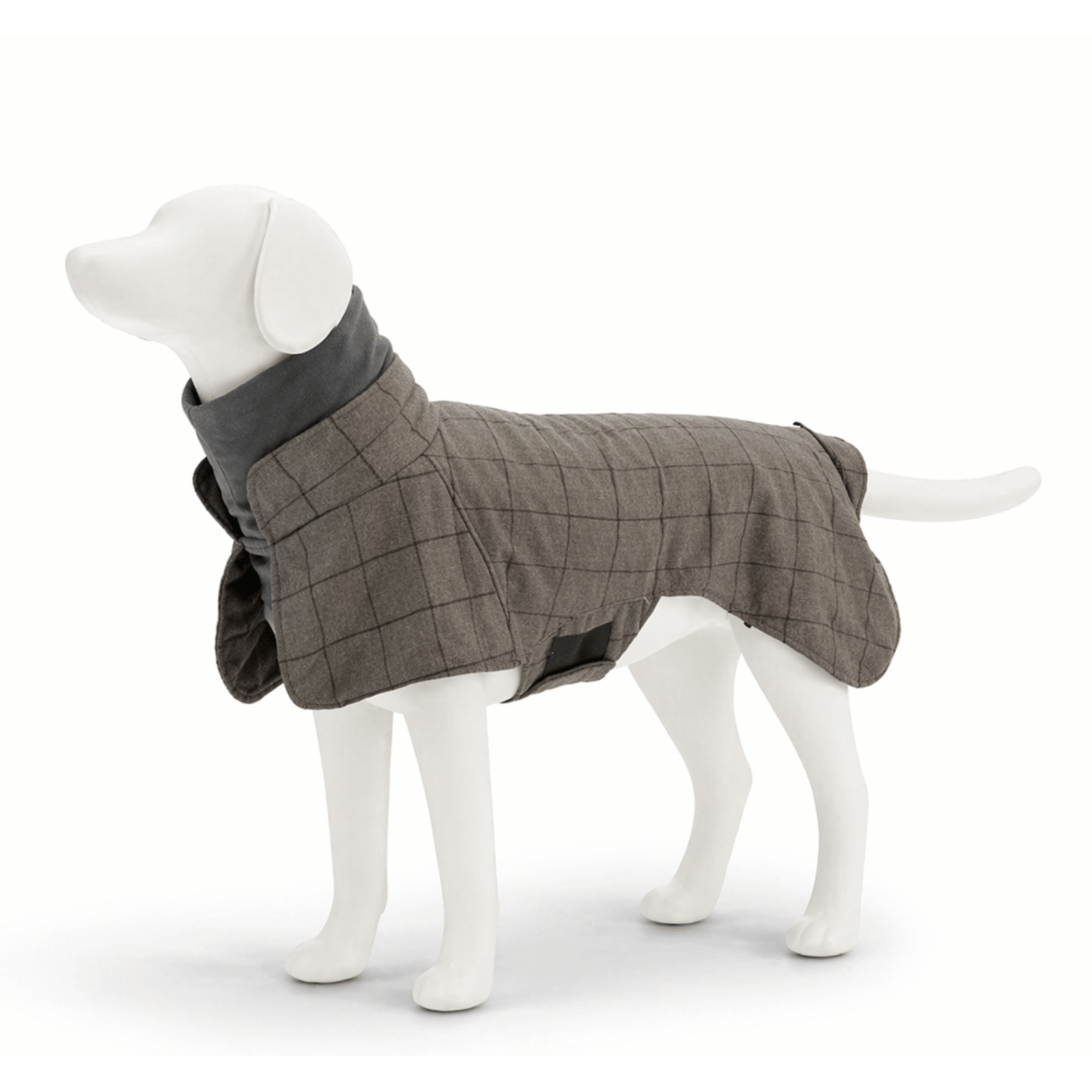






Dog coats for winter keep your dog warm on cold, frosty walks. This collection is the warm-and-cosy corner of our coats: fleece, padded and full-body styles made for the cold, not for the rain.
Warm winter coats for every dog
Our warm winter coats gather the styles built to hold heat, across the back, chest and neck where dogs lose it fastest. This is the cold-weather selection within our wider range of dog coats, so here you will find only the warm options: no rain shells, just insulation.
Below they are grouped by how much warmth they give: a light fleece for everyday chill, or a padded coat for the hardest frosts. Every one is chosen the way we would choose for our own dogs, so you compare coats that earn their place rather than a wall of lookalikes.
Fleece coats for everyday warmth
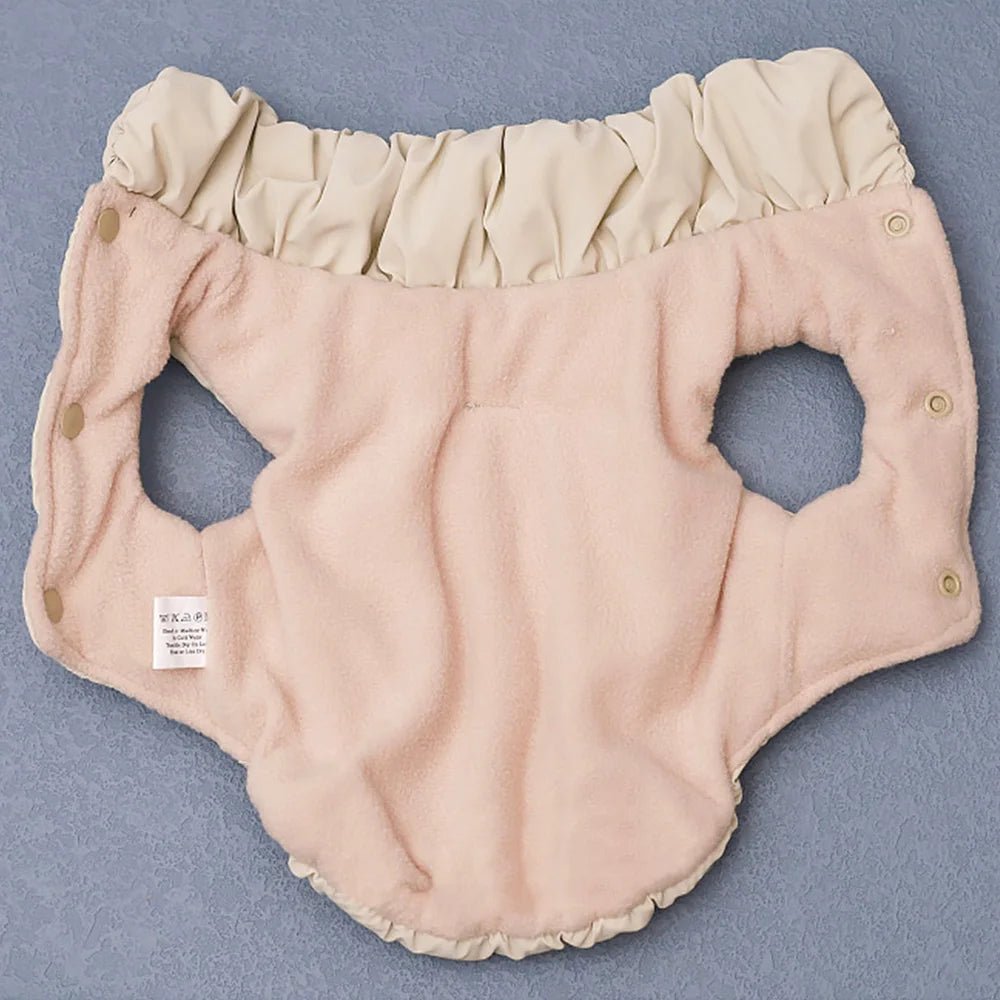
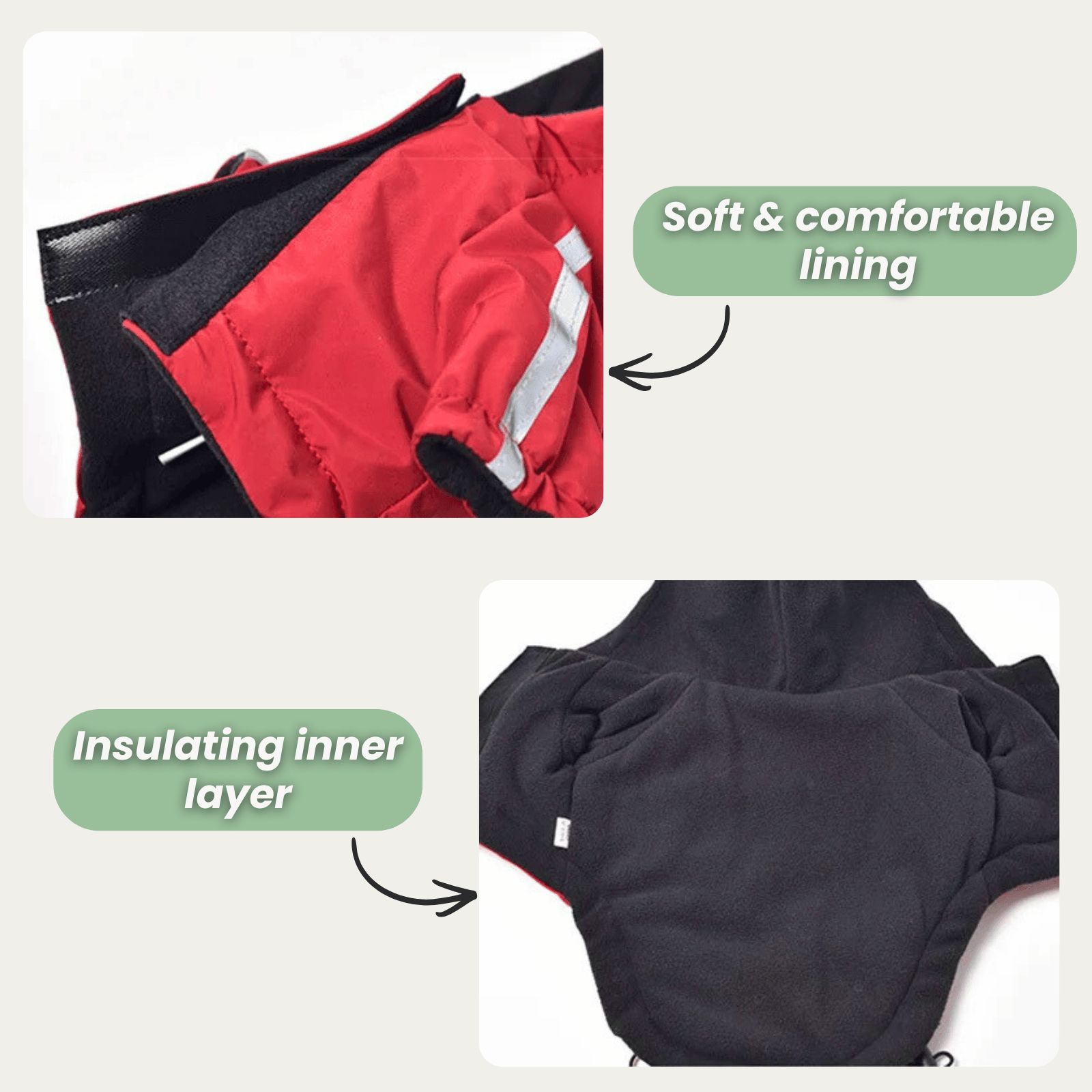
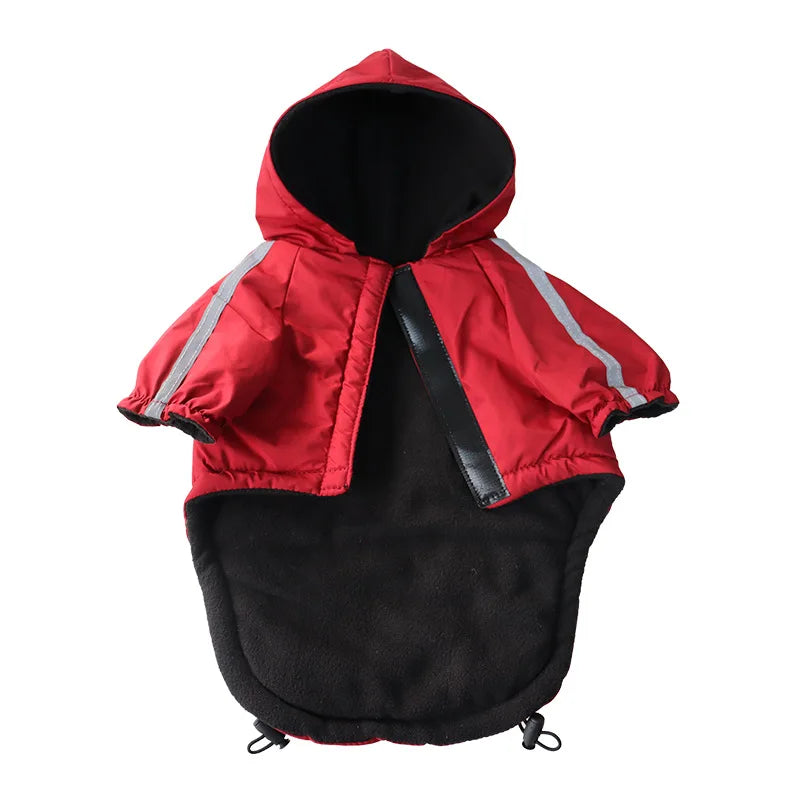
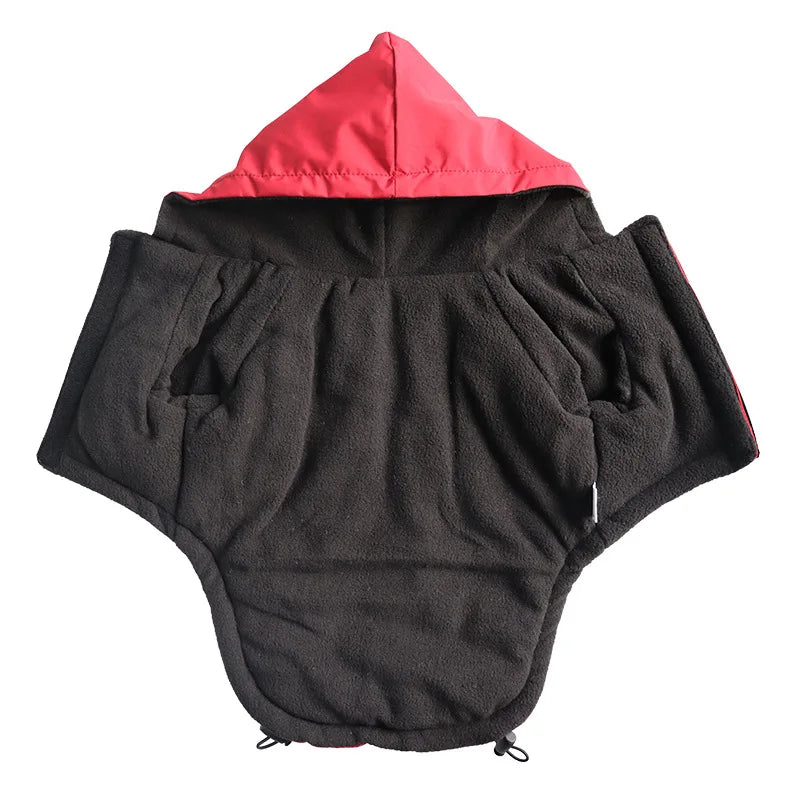
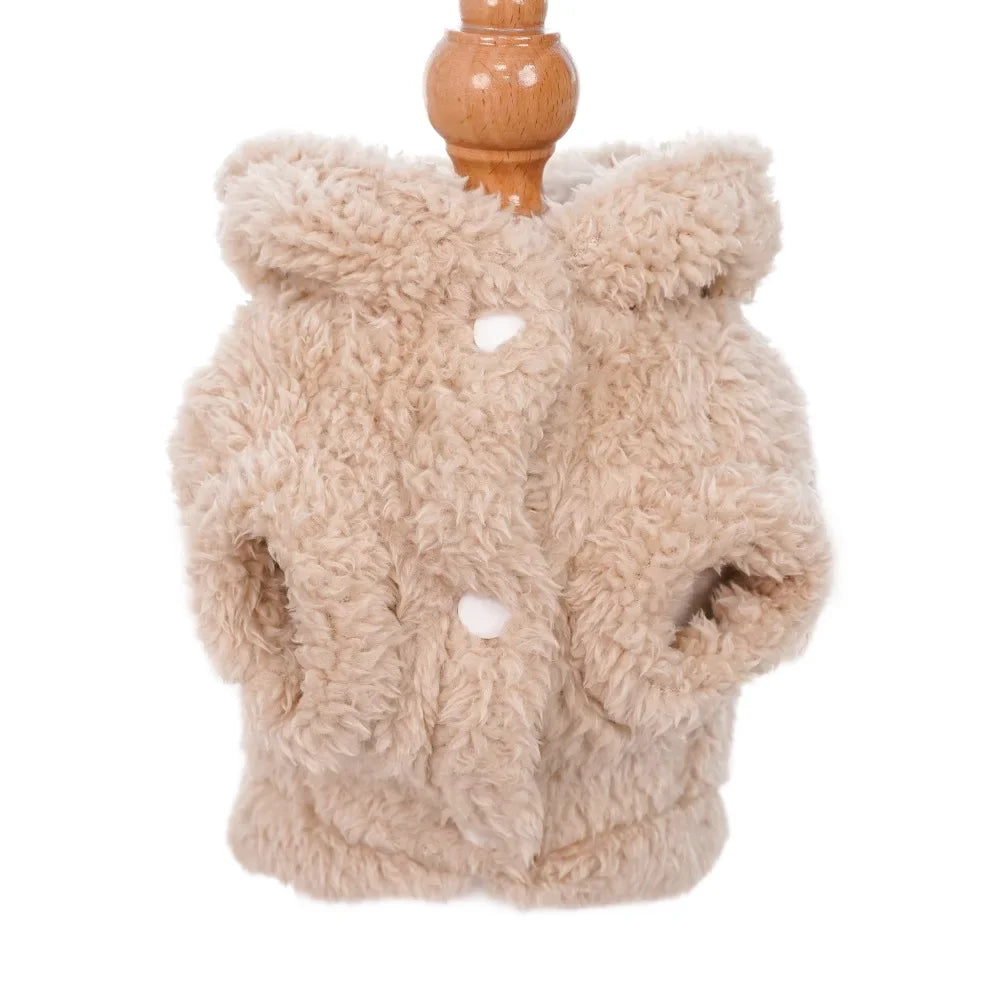
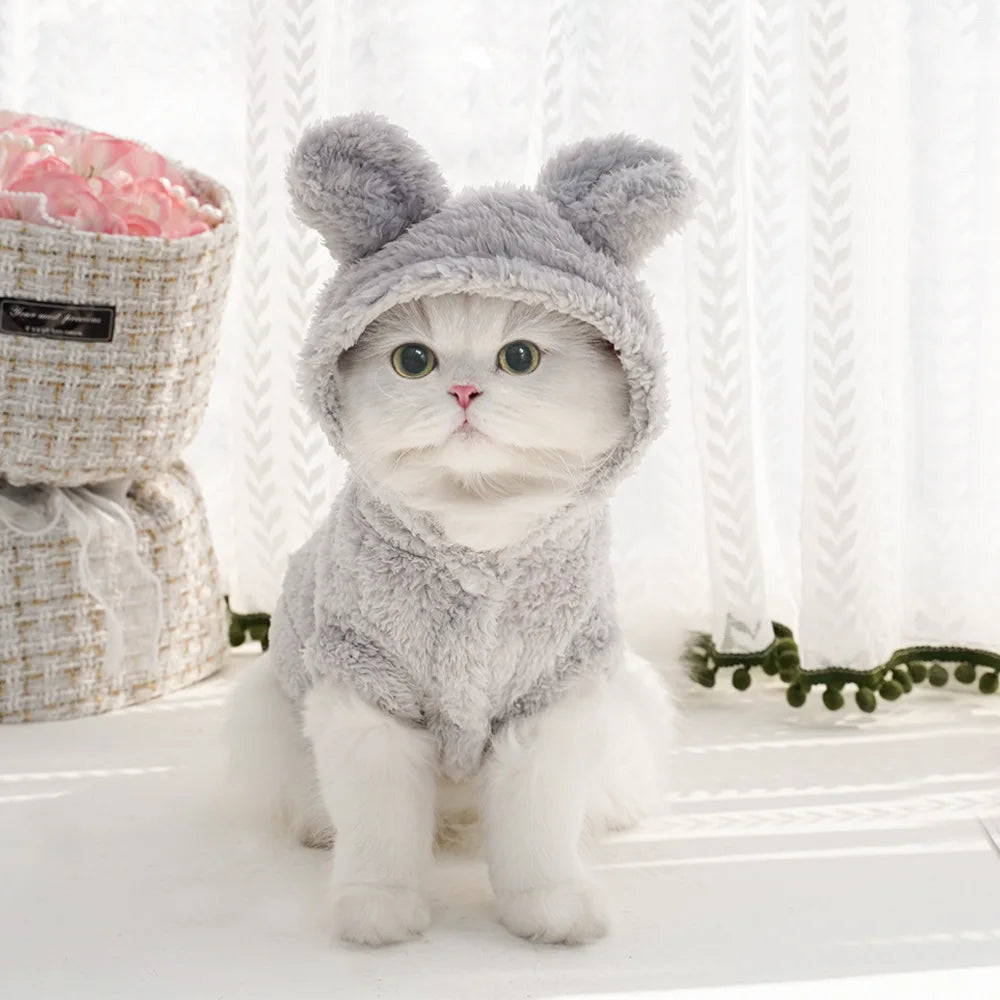
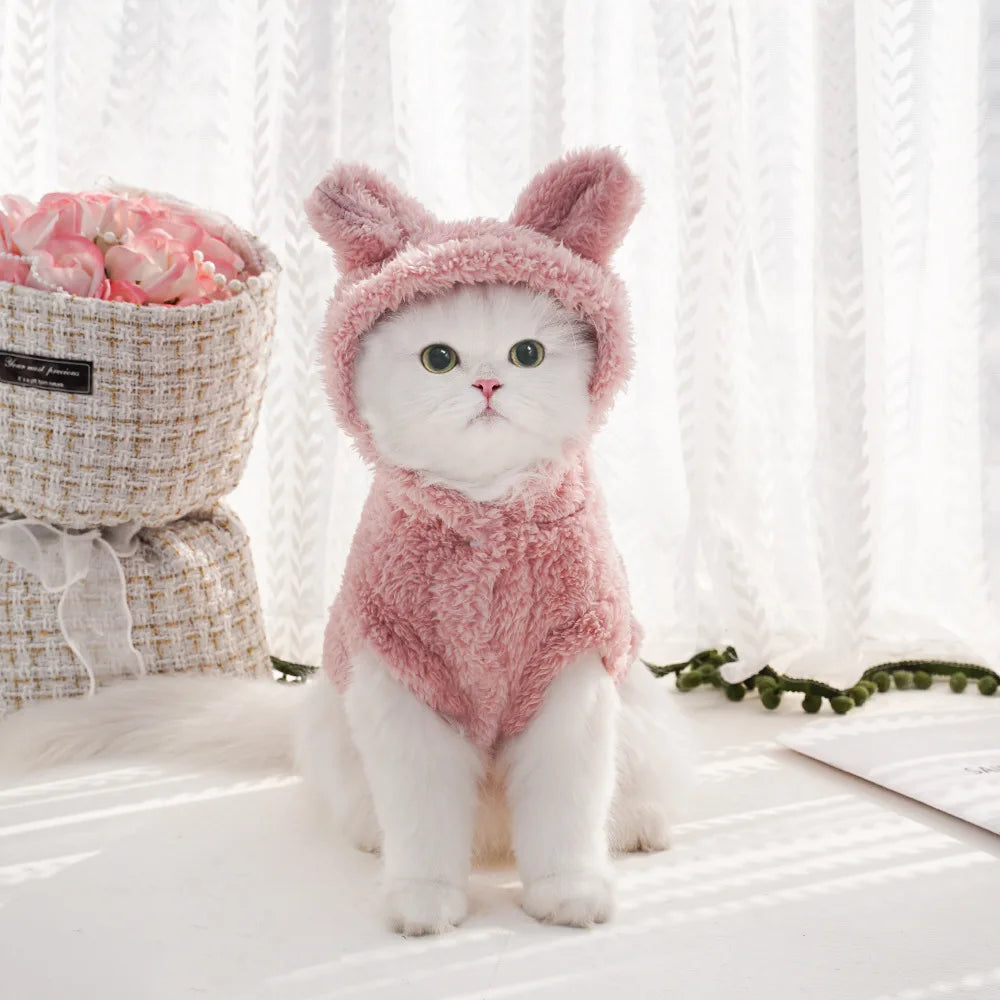
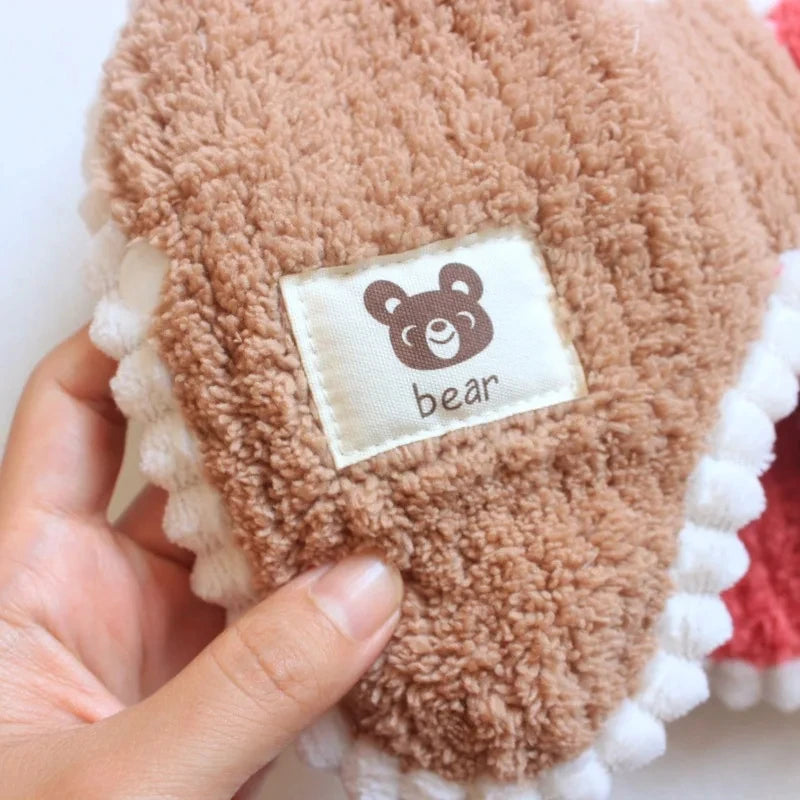
Fleece coats give soft, everyday warmth for cold and dry winter walks. A fleece lining traps a layer of warm air against the body while staying light and breathable, so your dog stays cosy without overheating on a brisk walk.
They pull on easily and suit dogs that dislike bulkier layers, which makes a fleece a comfortable first coat for a dog only just starting to feel the cold. For milder winter days, or for a dog that runs hot, a fleece is often all the warmth needed.
Padded coats for hard frost
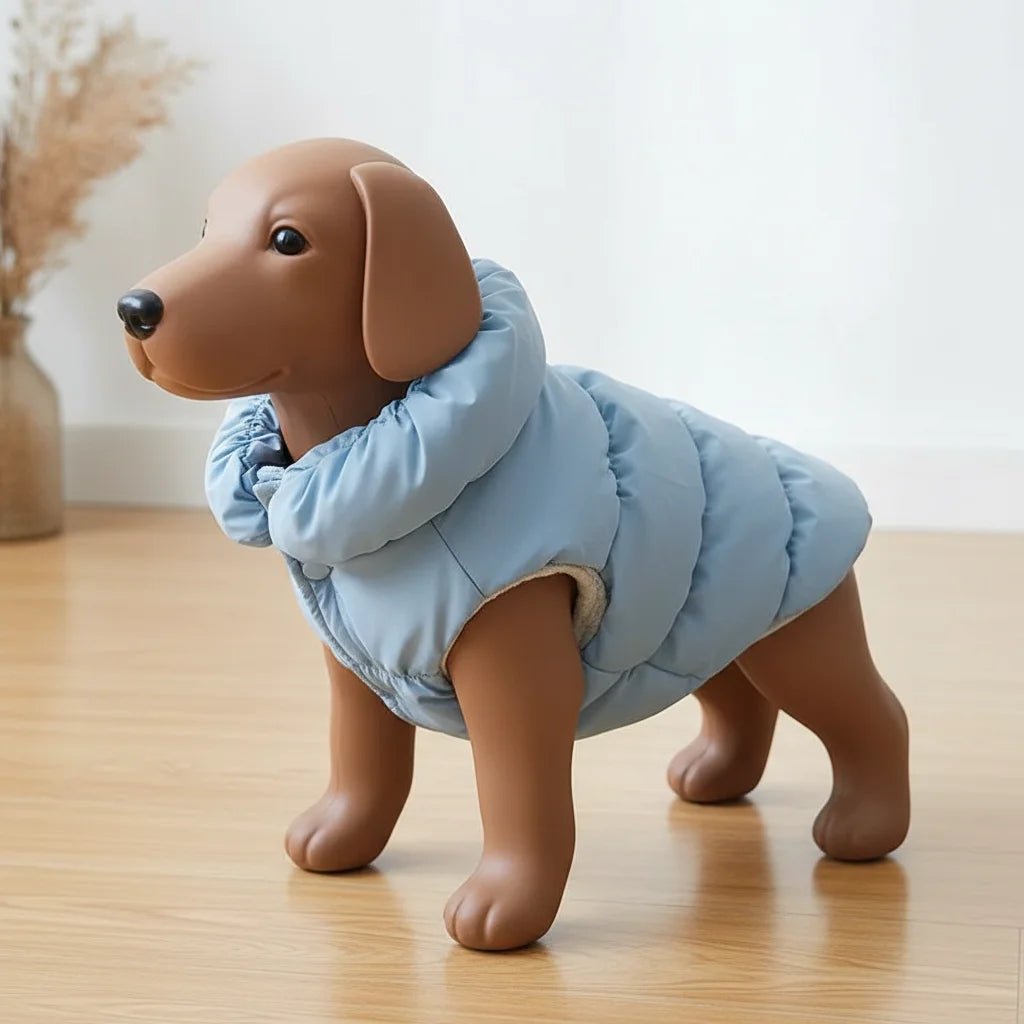
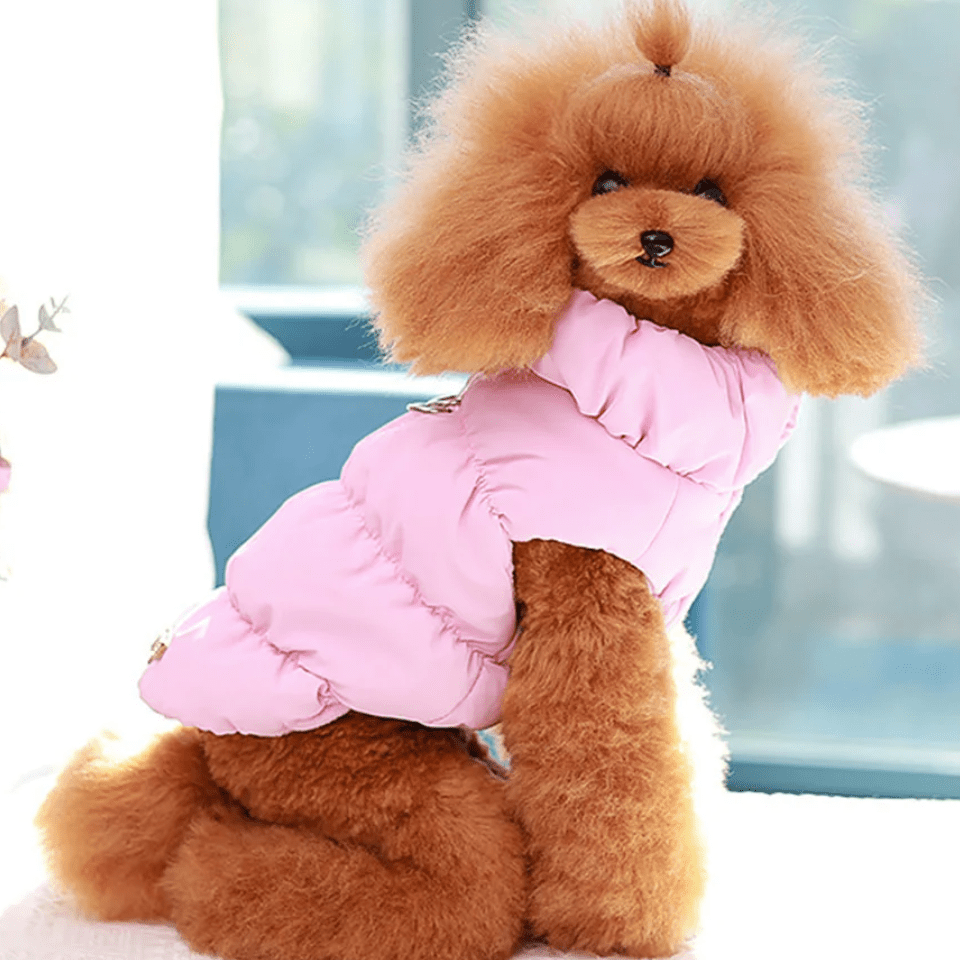
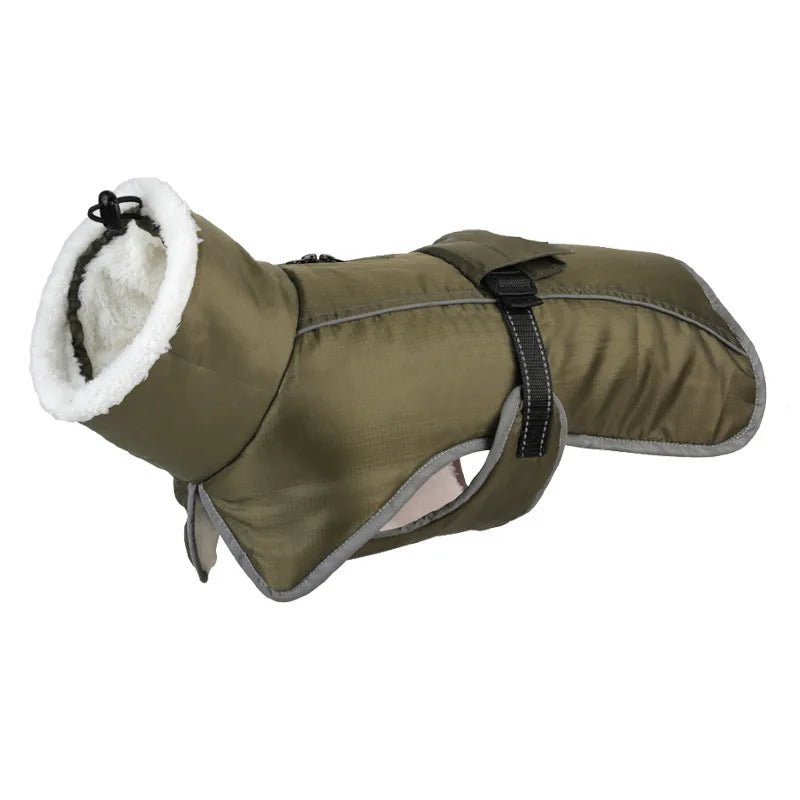
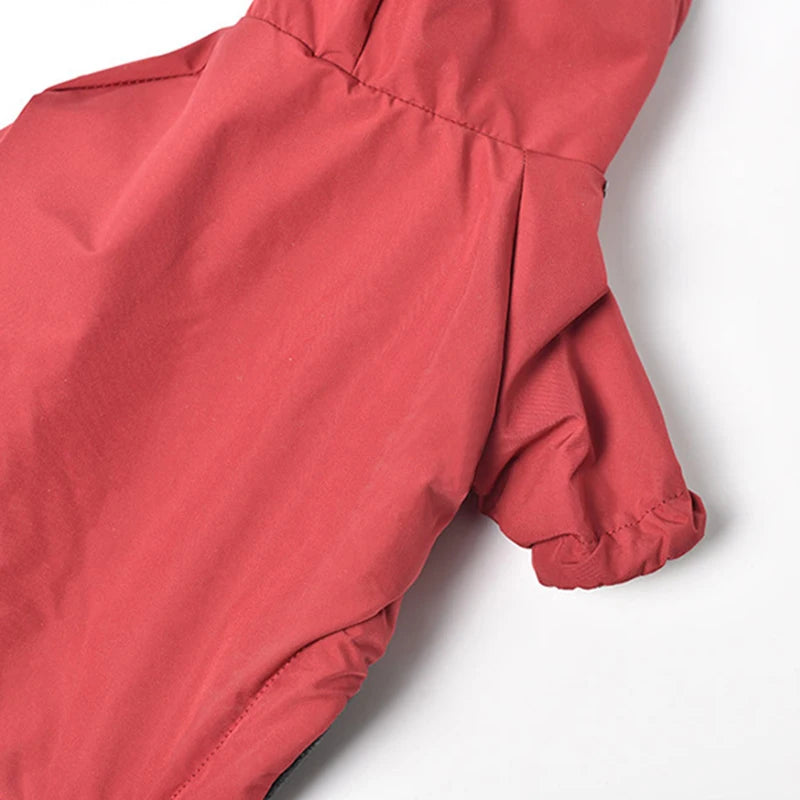
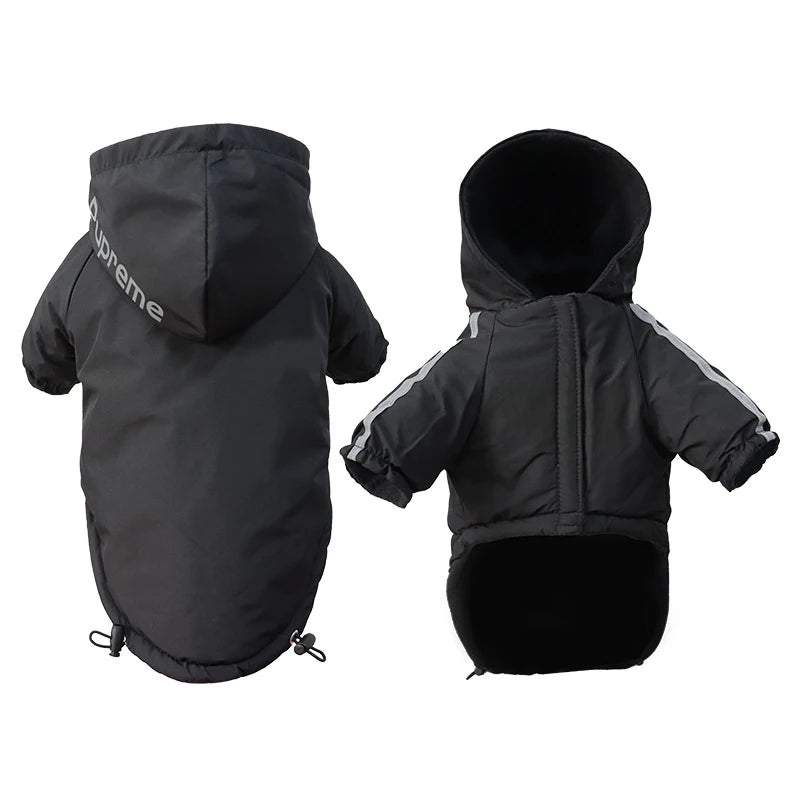
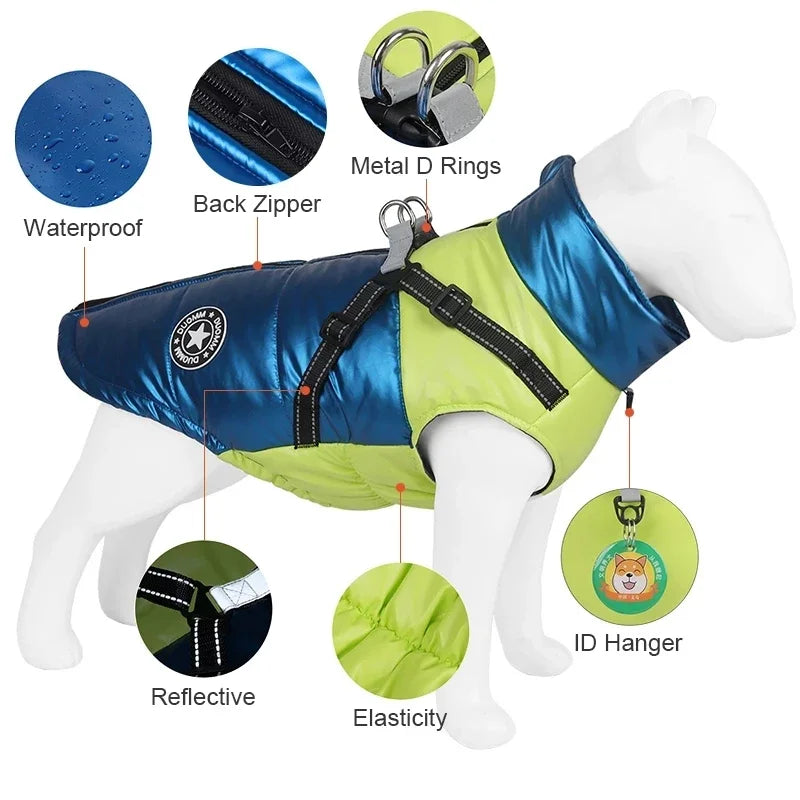
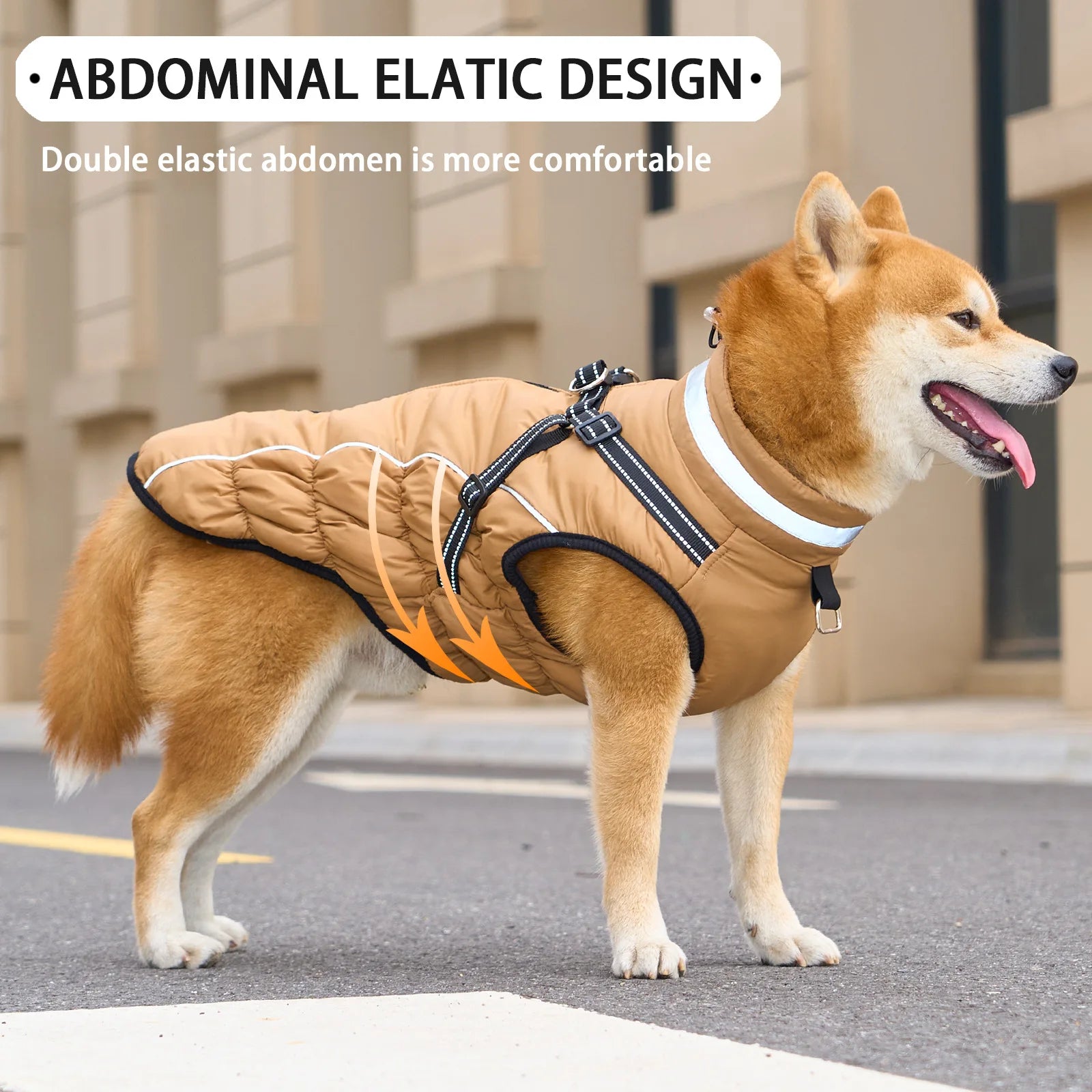
Padded coats step up the warmth for hard frost, snow and long walks in biting wind. A padded or quilted filling holds far more heat than a single fleece layer, which suits thin-coated dogs, small breeds and older dogs that feel the cold keenly.
For little dogs, full-body designs reach down over the belly and partway along the legs, protecting the parts that sit closest to cold, wet ground. When the temperature really drops, a padded coat is the one that keeps your four-legged friend walking happily.
Which dogs need a warm coat in winter?
Some dogs need a warm coat in winter far more than others, and knowing which group yours is in makes the choice simple. Short-haired and fine-coated dogs such as Greyhounds and Whippets, small and toy breeds, puppies and older dogs all hold body heat less well, so they feel the cold sooner.
Thick, double-coated dogs usually stay warm on their own and need little beyond a light layer on the harshest days. Lean dogs and dogs with a health condition can feel the cold more too; if that is your dog, your vet can advise on how much extra warmth they need. If your dog is in the first group, choose a fuller, well-insulated coat over a thin one.
Choosing the right winter coat size
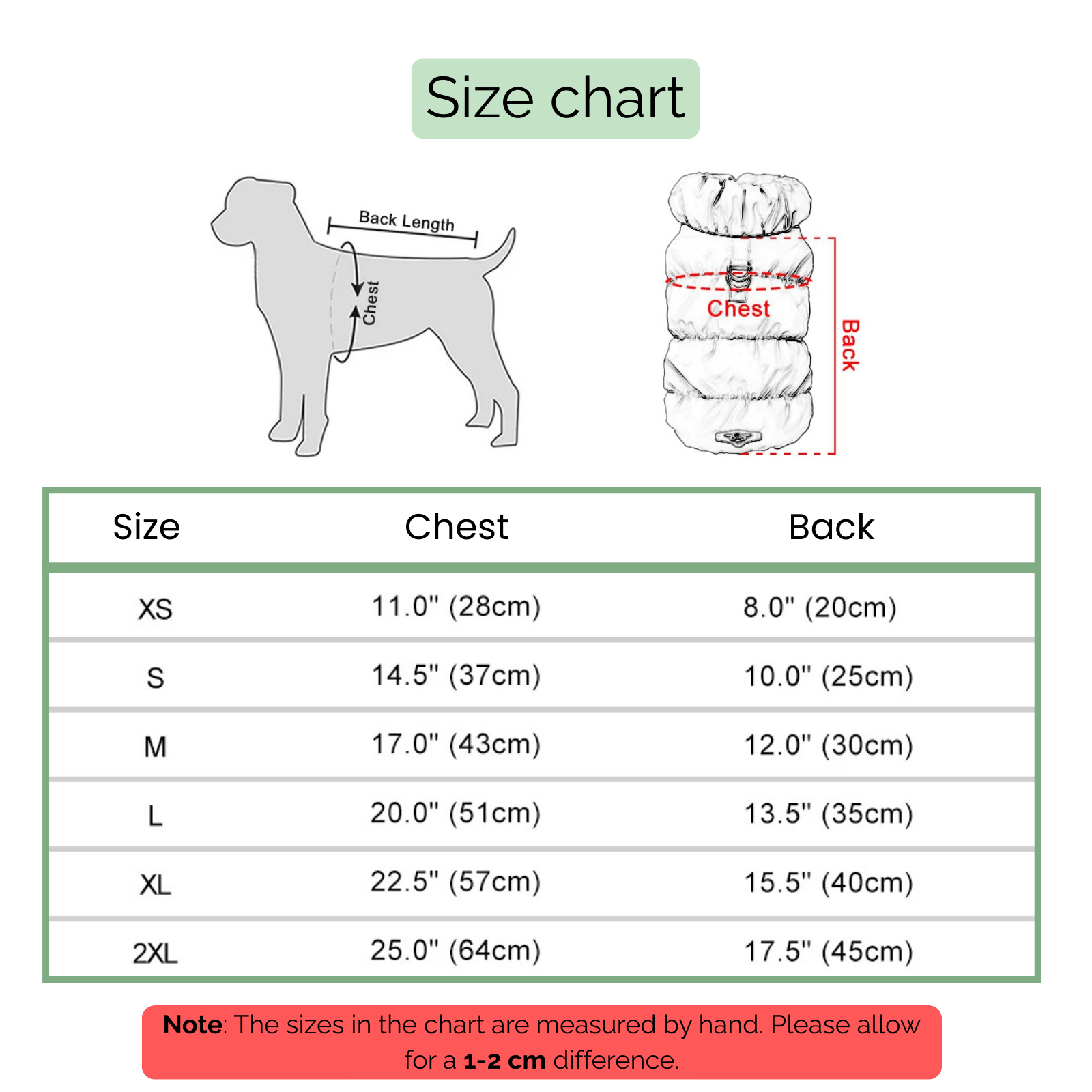
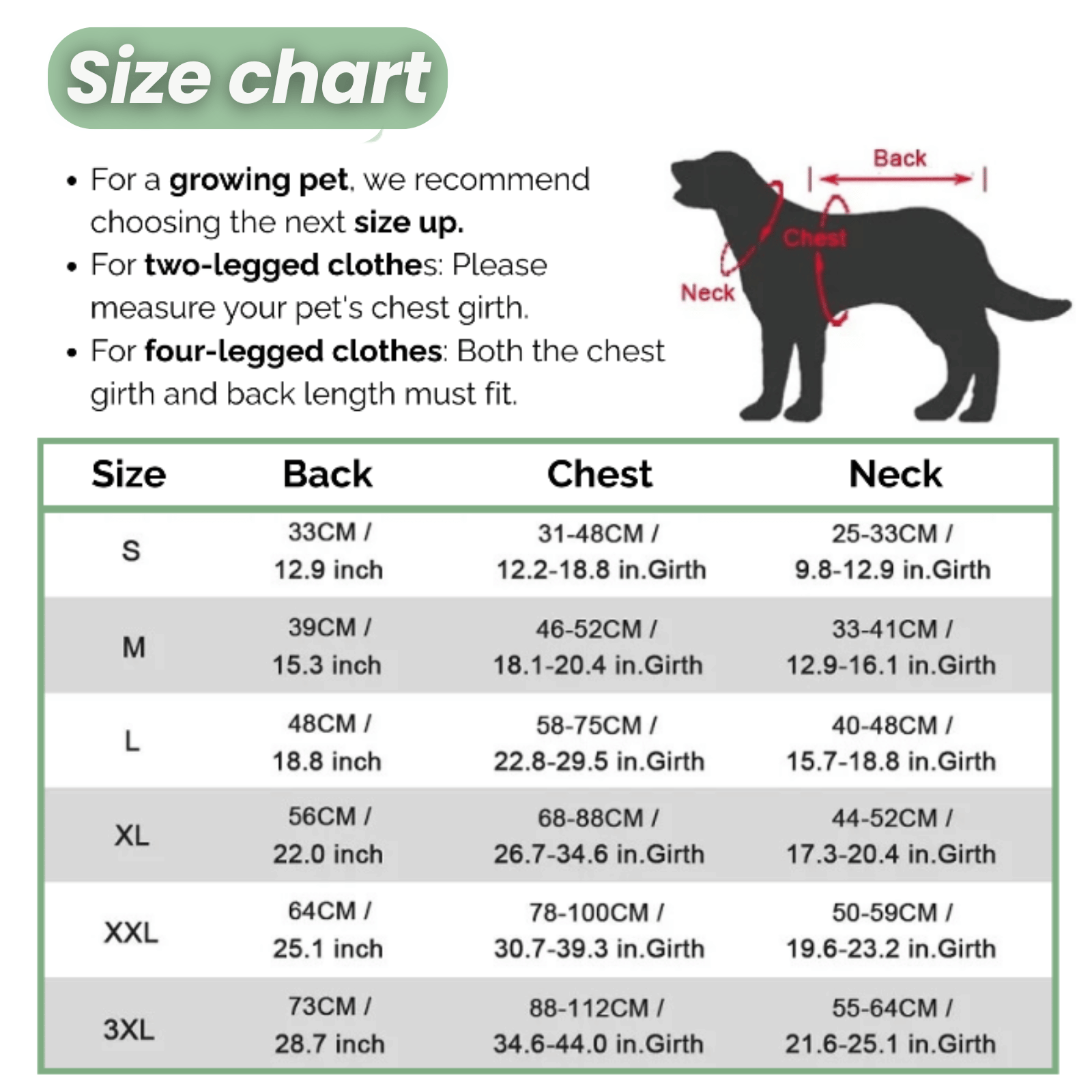
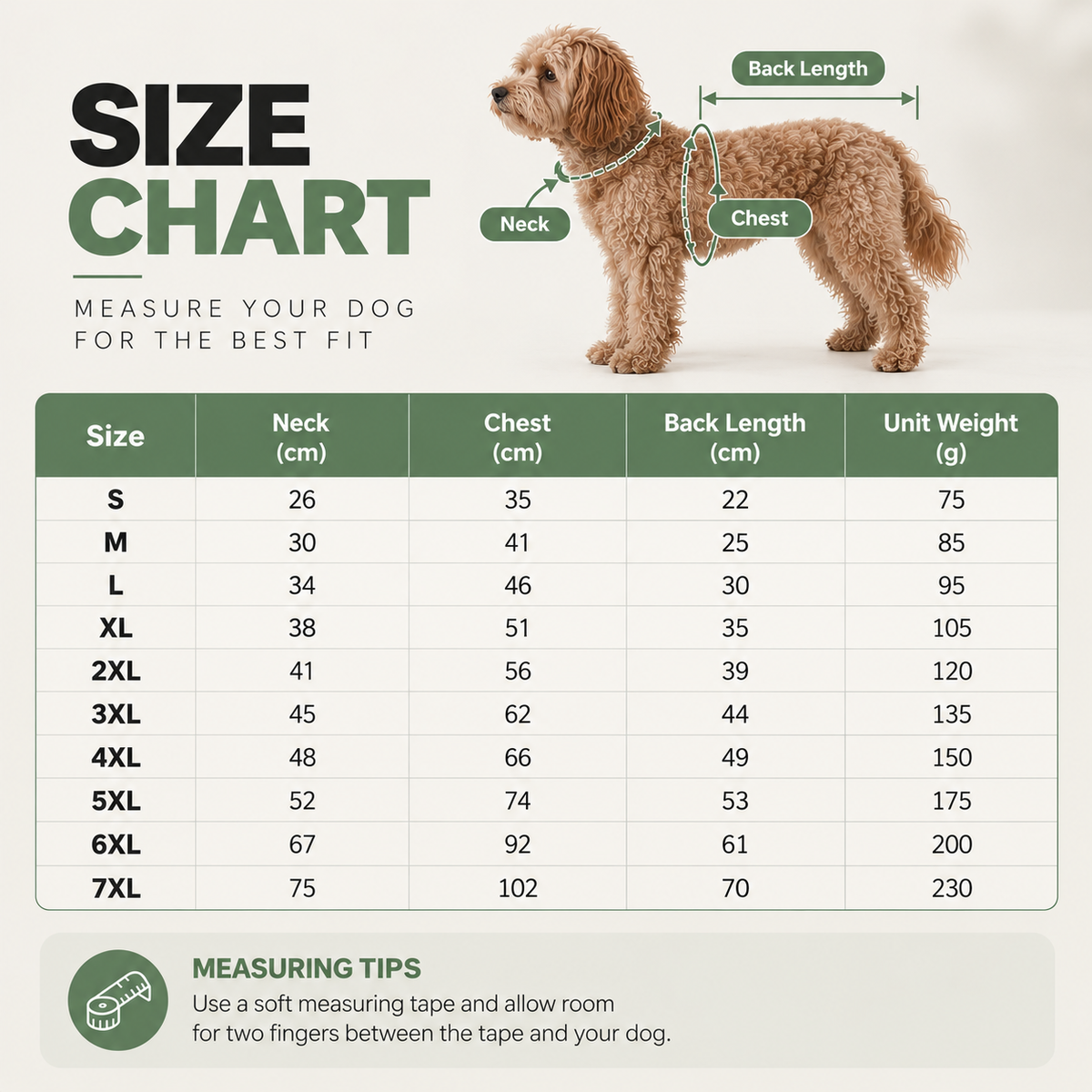
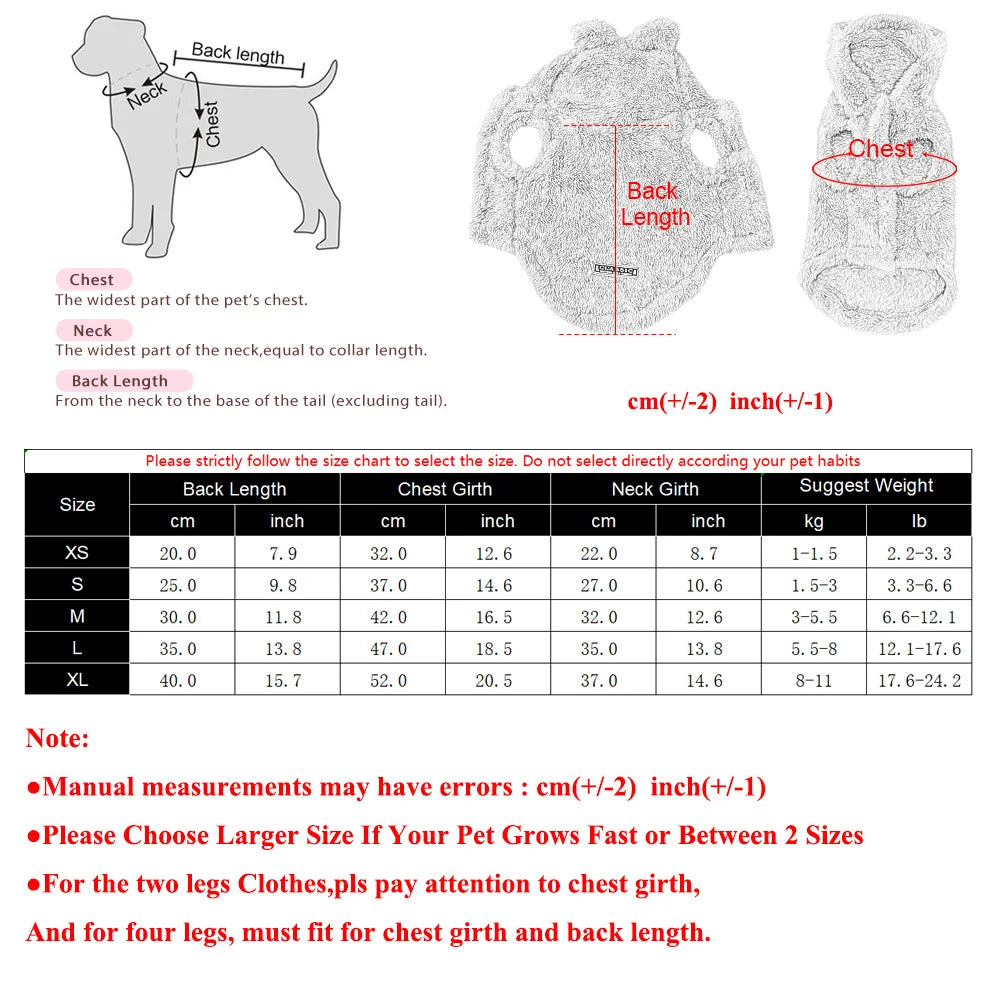
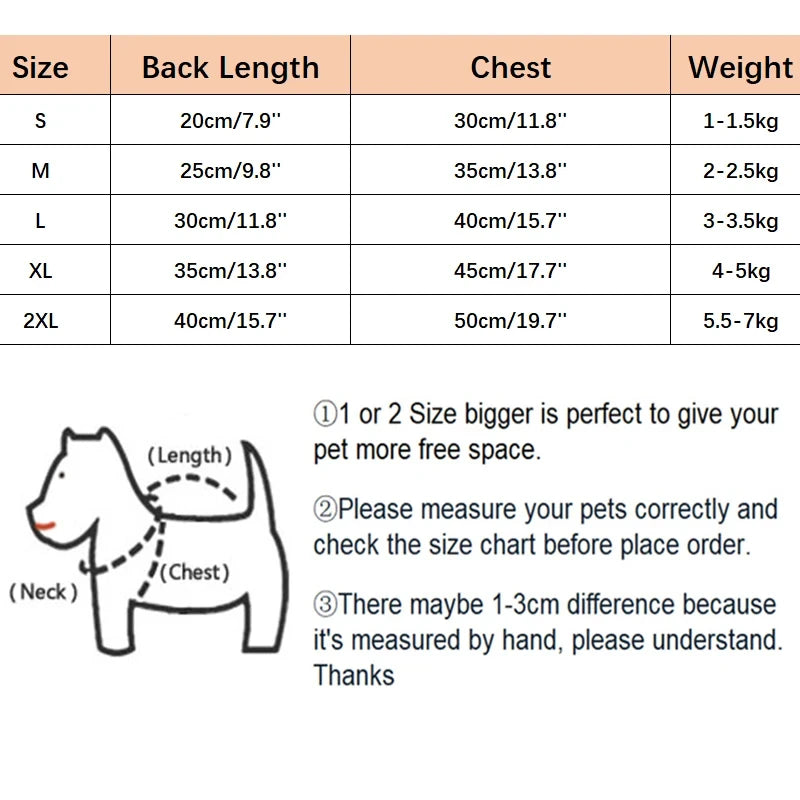
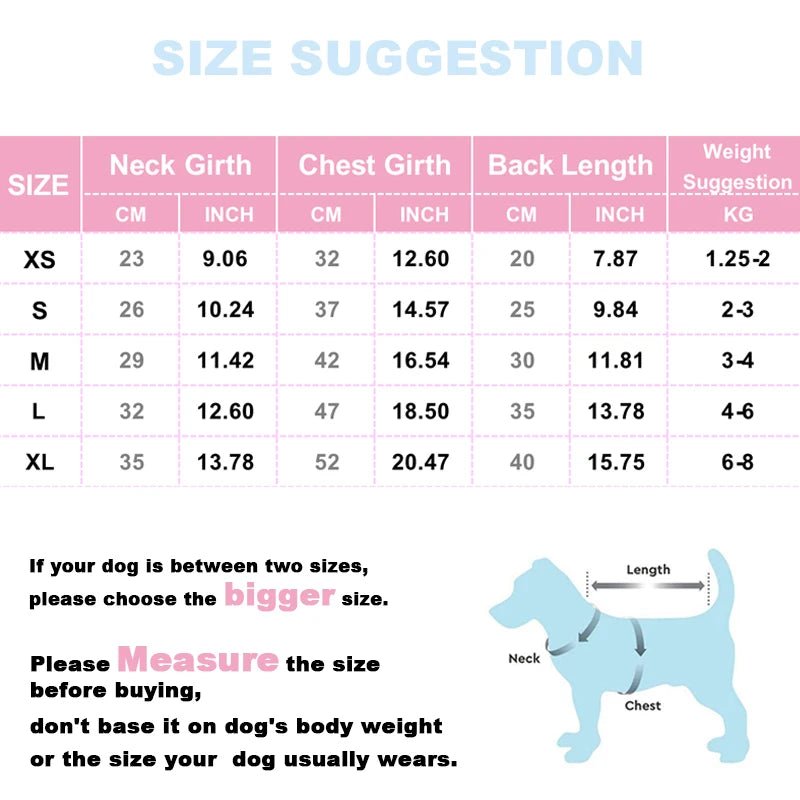
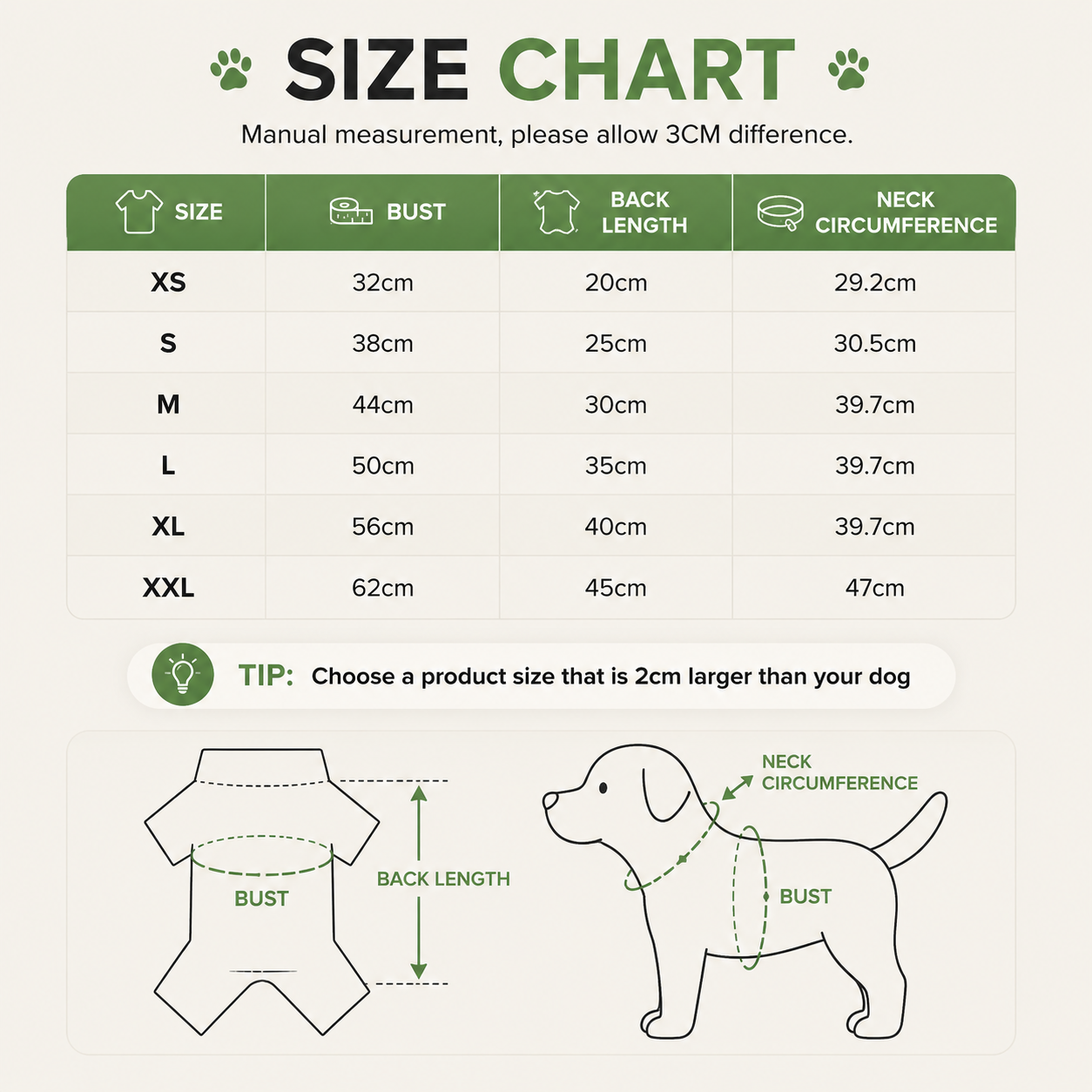
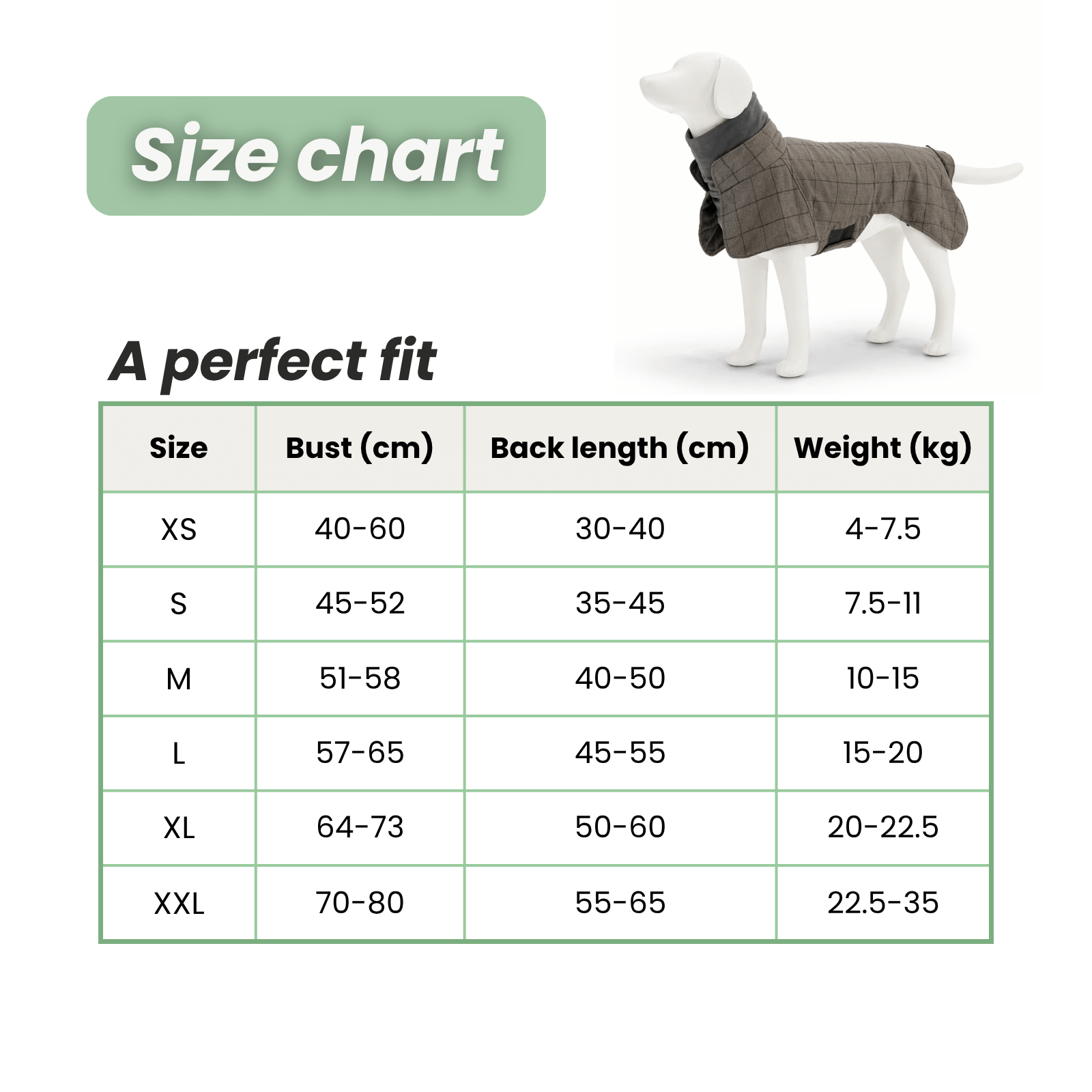
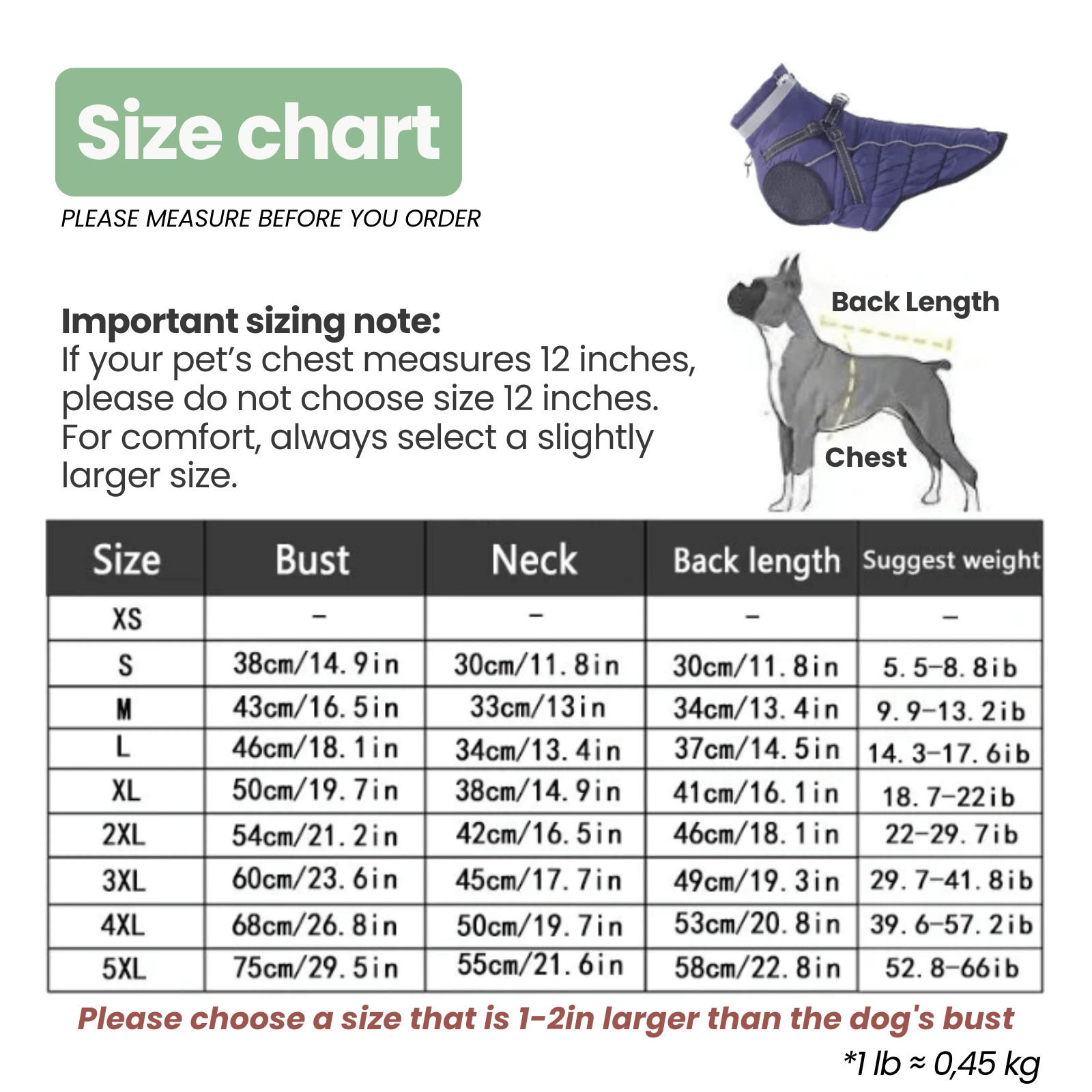
The right winter coat size matters more than the breed on the label, because a coat only keeps a dog warm when it actually fits. Measure the back length between the base of the neck and the base of the tail, then the chest just behind the front legs, and match those figures to the size guide rather than guessing.
Our winter coats include extra-small designs for the tiniest companions and larger, broad-chested fits, so most body shapes are covered. As a quick check, you should be able to slide two fingers between the coat and your dog: snug enough to hold the warmth in, loose enough for a full, comfortable stride.
What makes a coat warm enough?
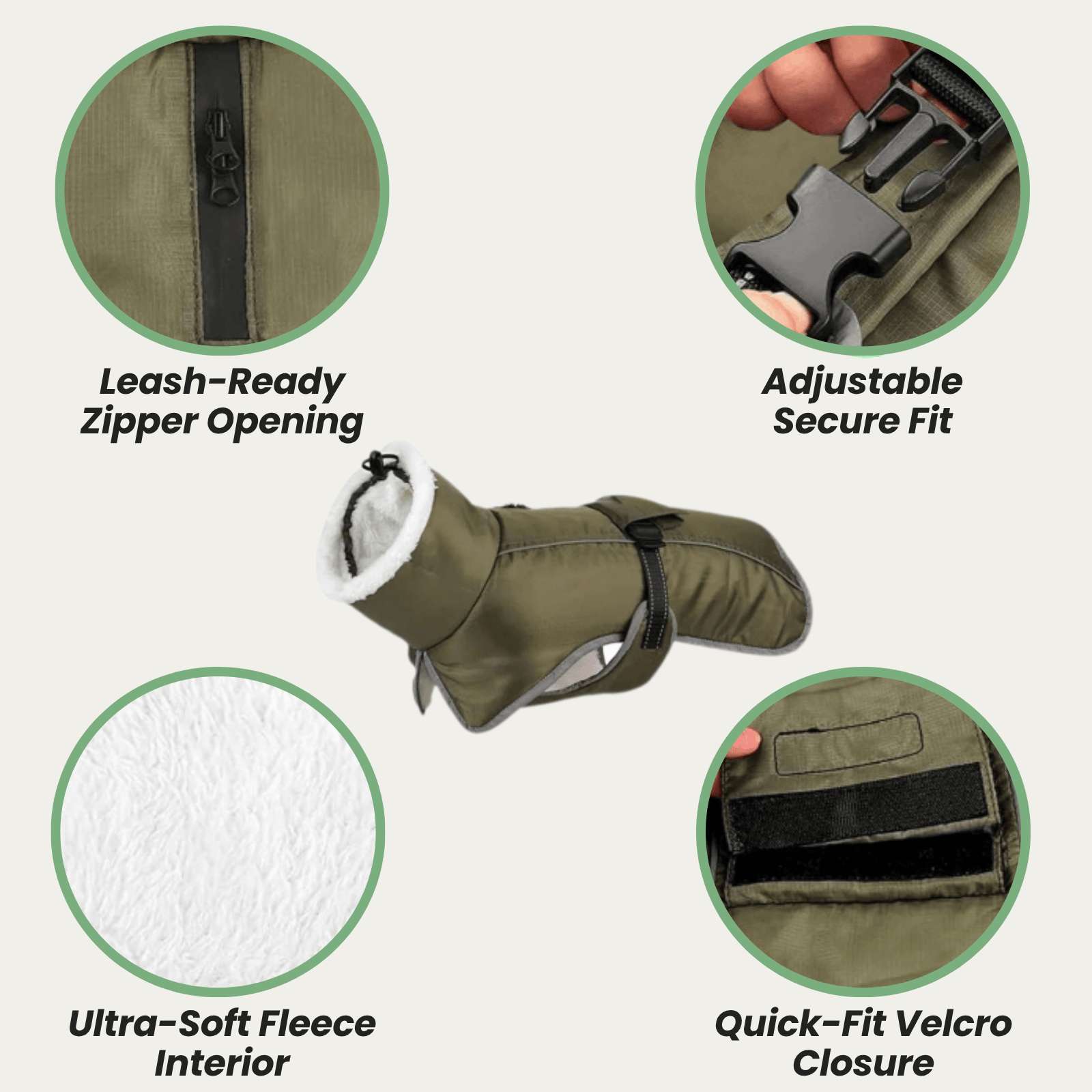
What makes a coat warm enough comes down to insulation, coverage and fit working together. A fleece lining or padded filling traps warm air, while coverage over the back, chest and belly guards the areas where heat escapes.
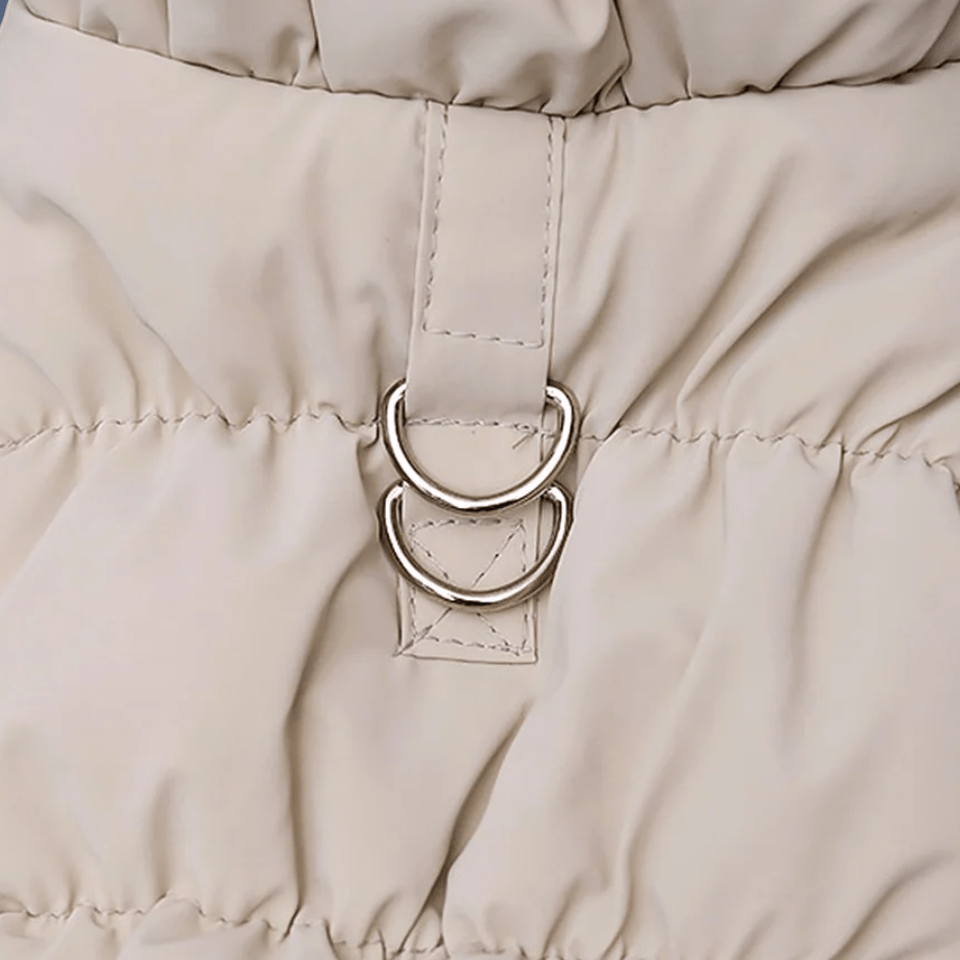
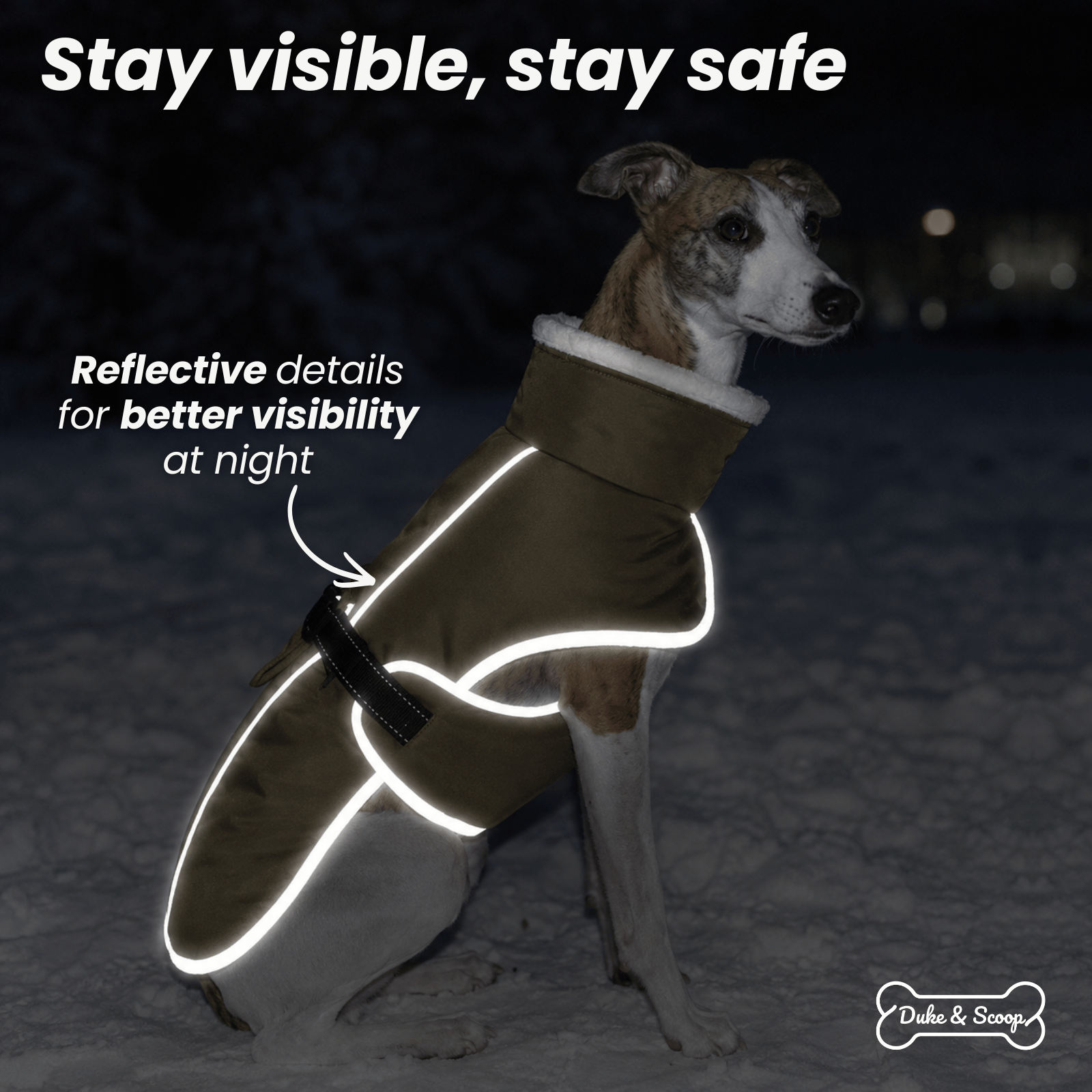
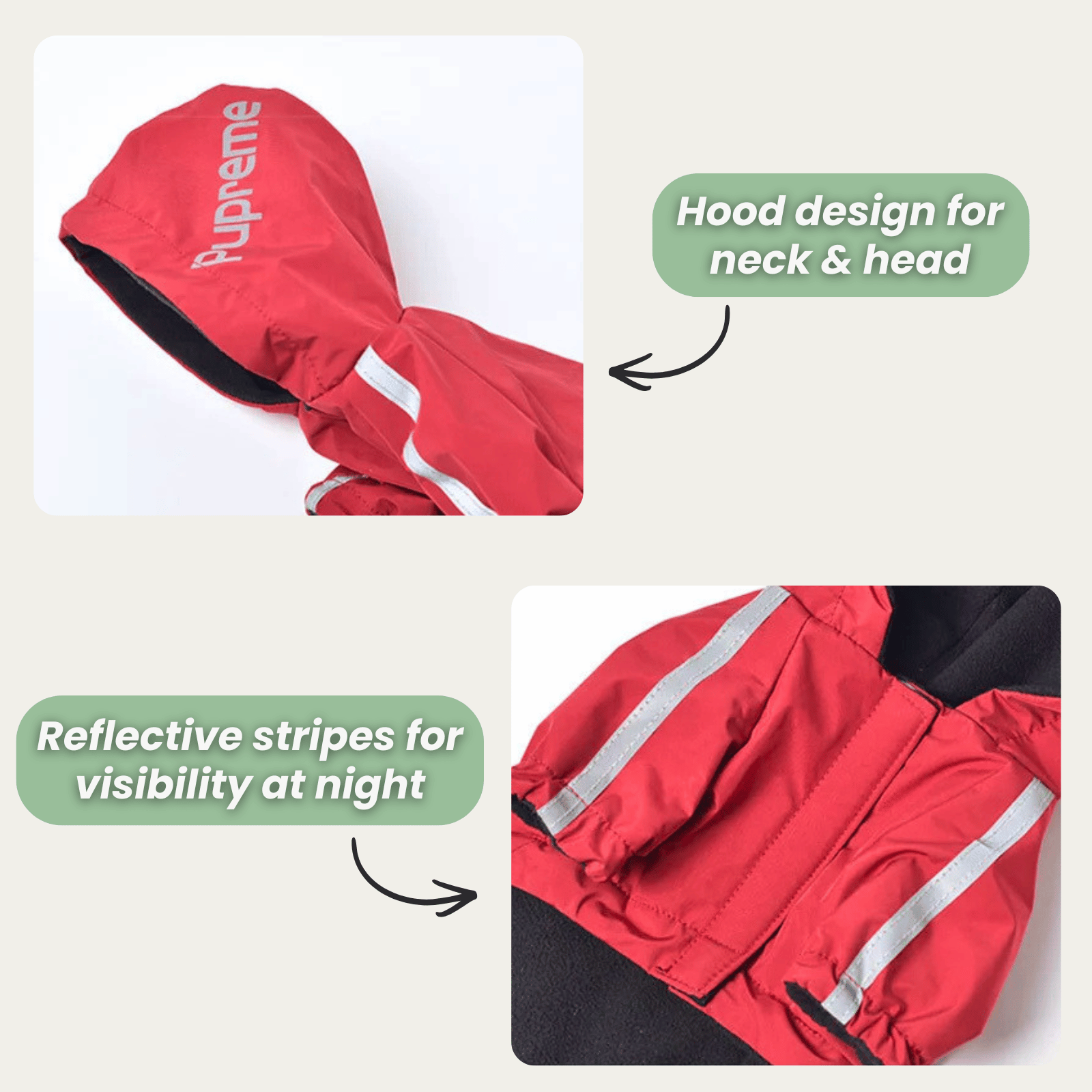
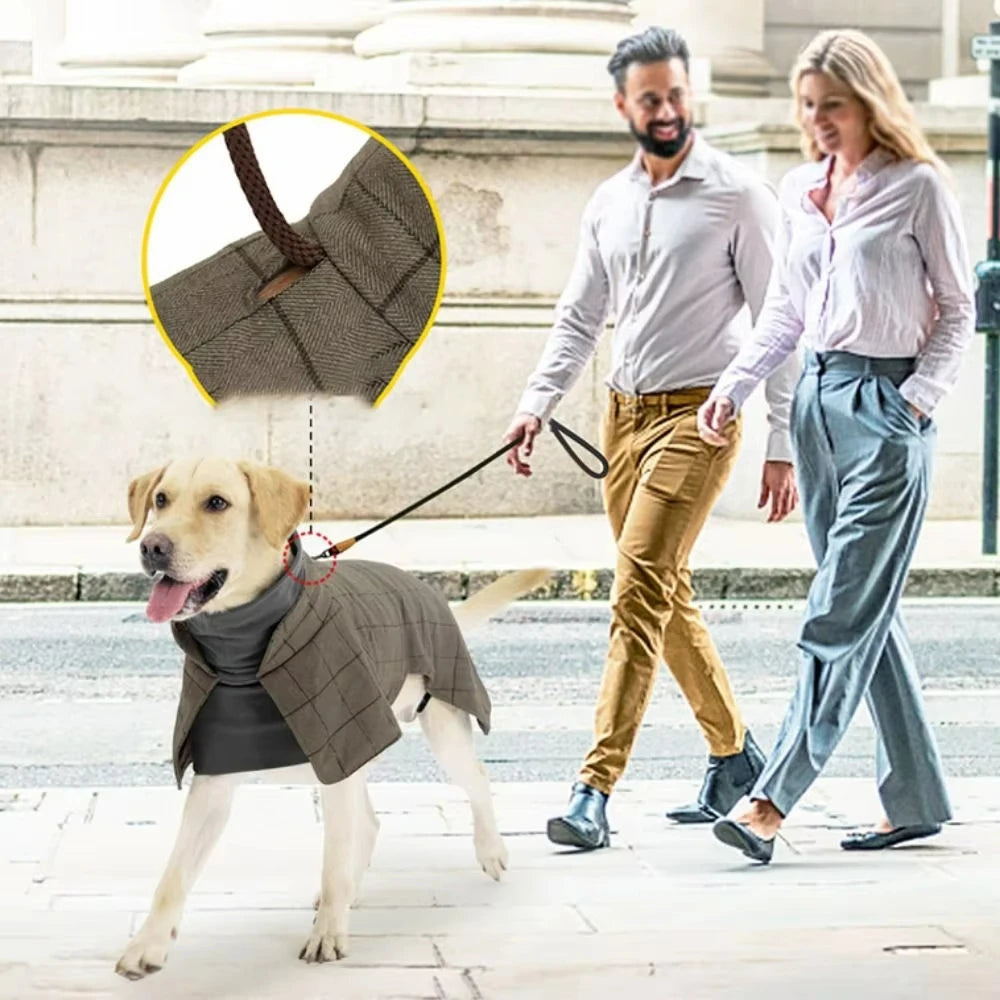
A snug fit keeps that warmth against the body, though the coat should stay breathable so an active dog does not overheat, and it should leave enough room to run and squat. A secure fastening holds everything in place on the walk, and on dark winter mornings and evenings, reflective detailing is a useful extra so your dog stays easy to see.
Buy a dog coat for winter
The best dog coat for winter is the one that fits your dog and matches the cold you walk in together. Browse the warm winter coats in this collection, compare the fleece and padded styles, and pick the one that keeps your four-legged friend cosy all season. Everything here is carefully selected by people who walk their own dogs through winter too.