
Dog Harnesses
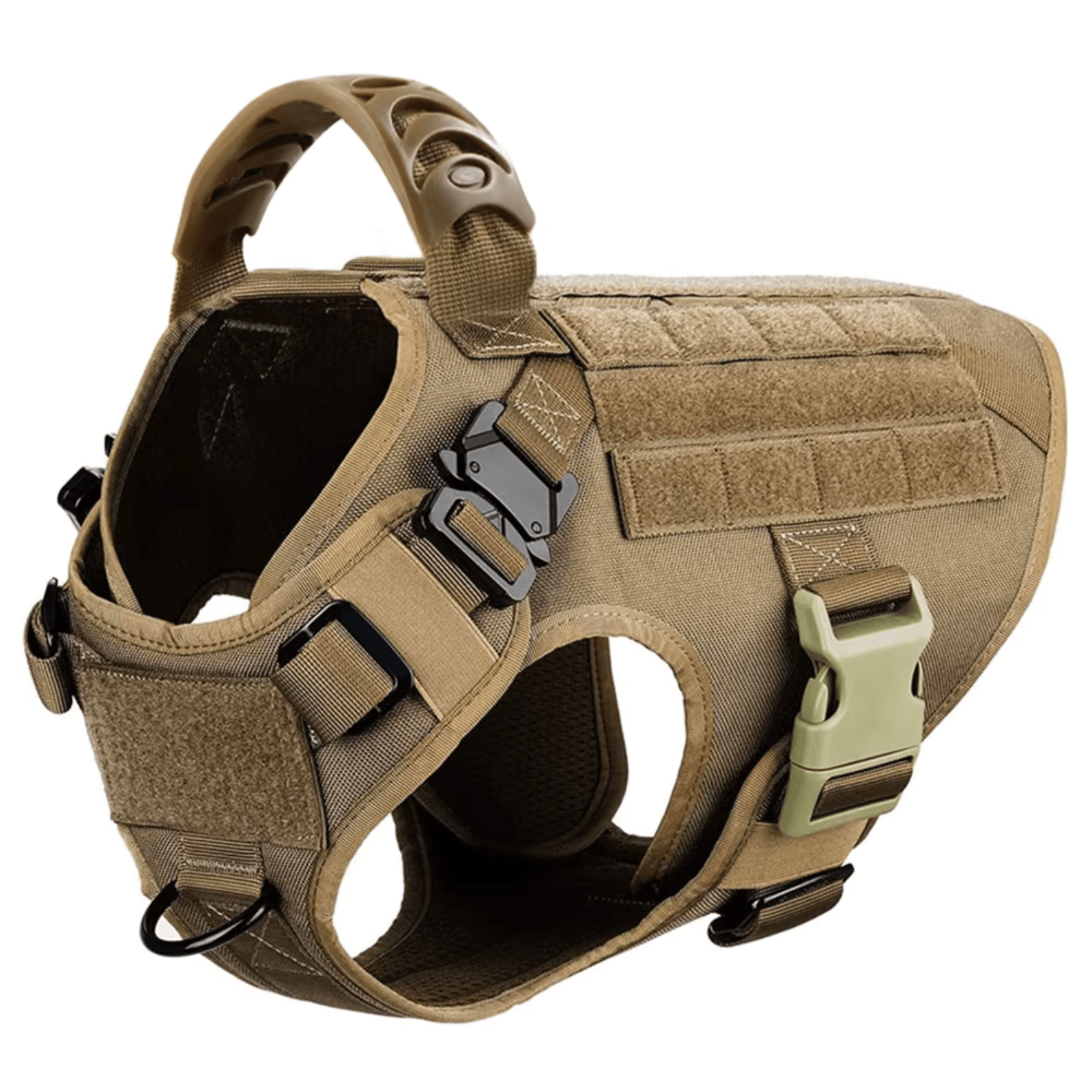
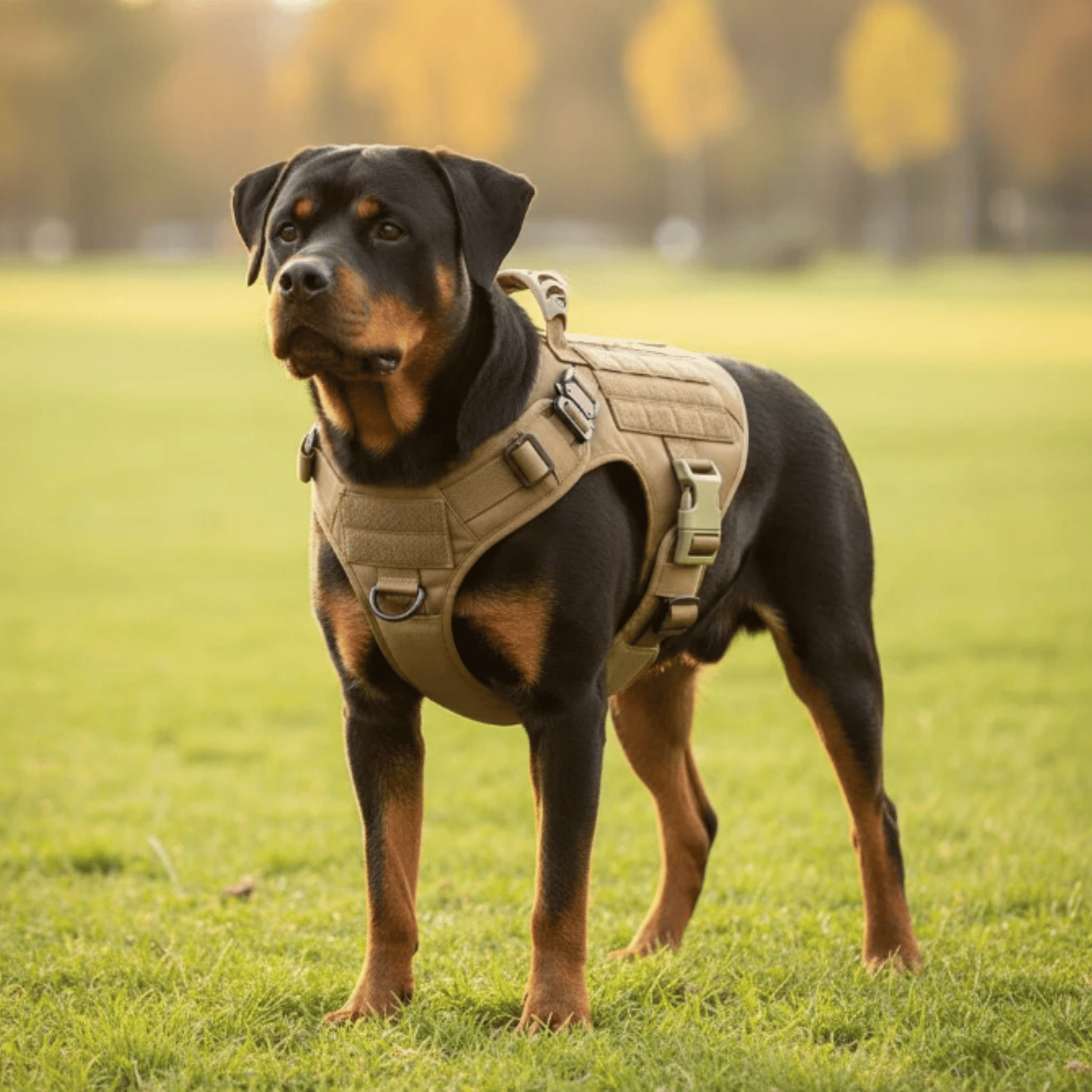
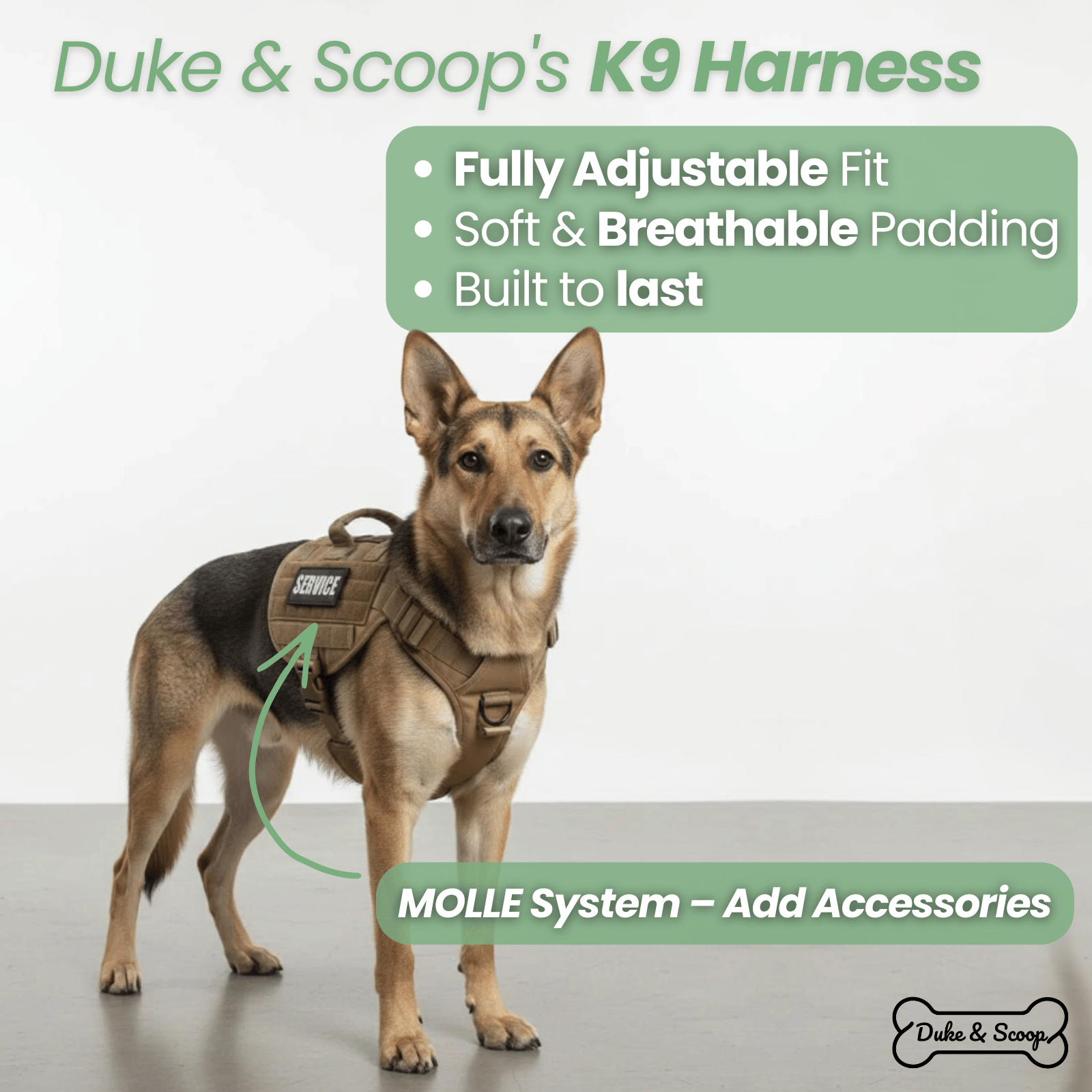
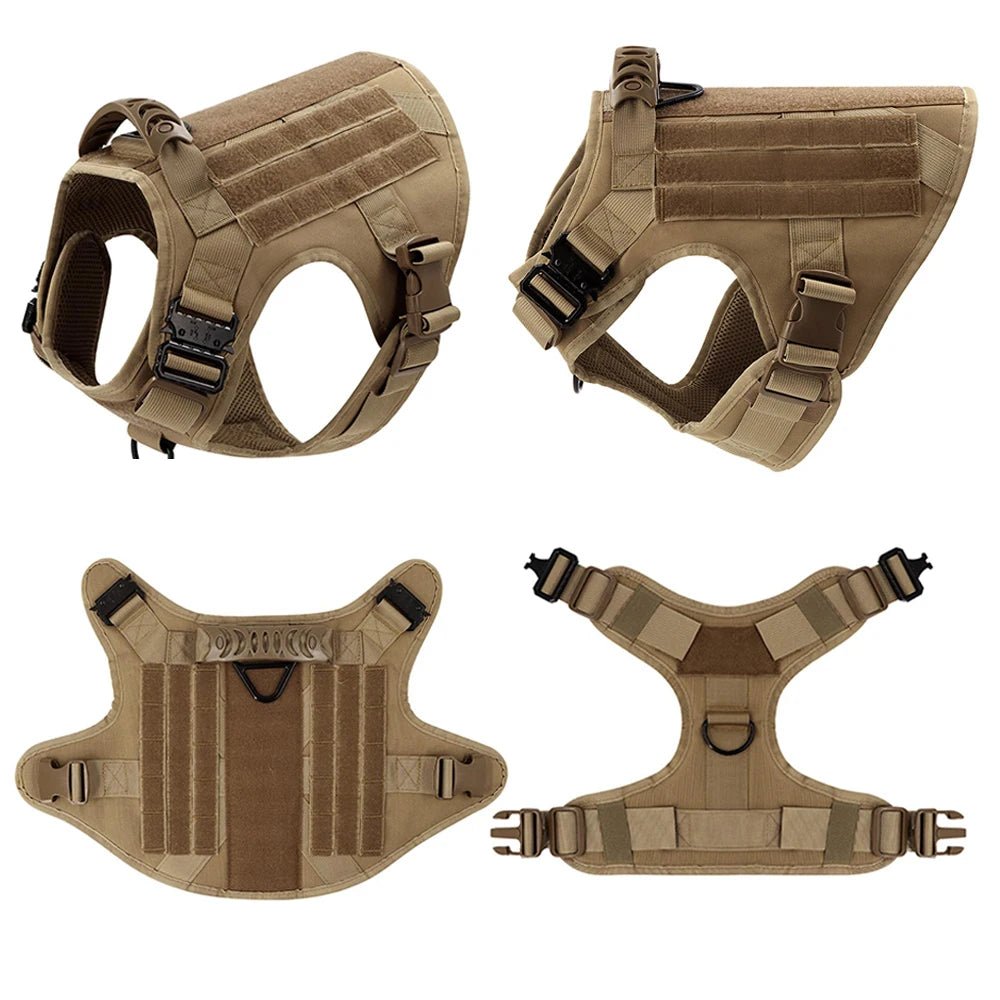
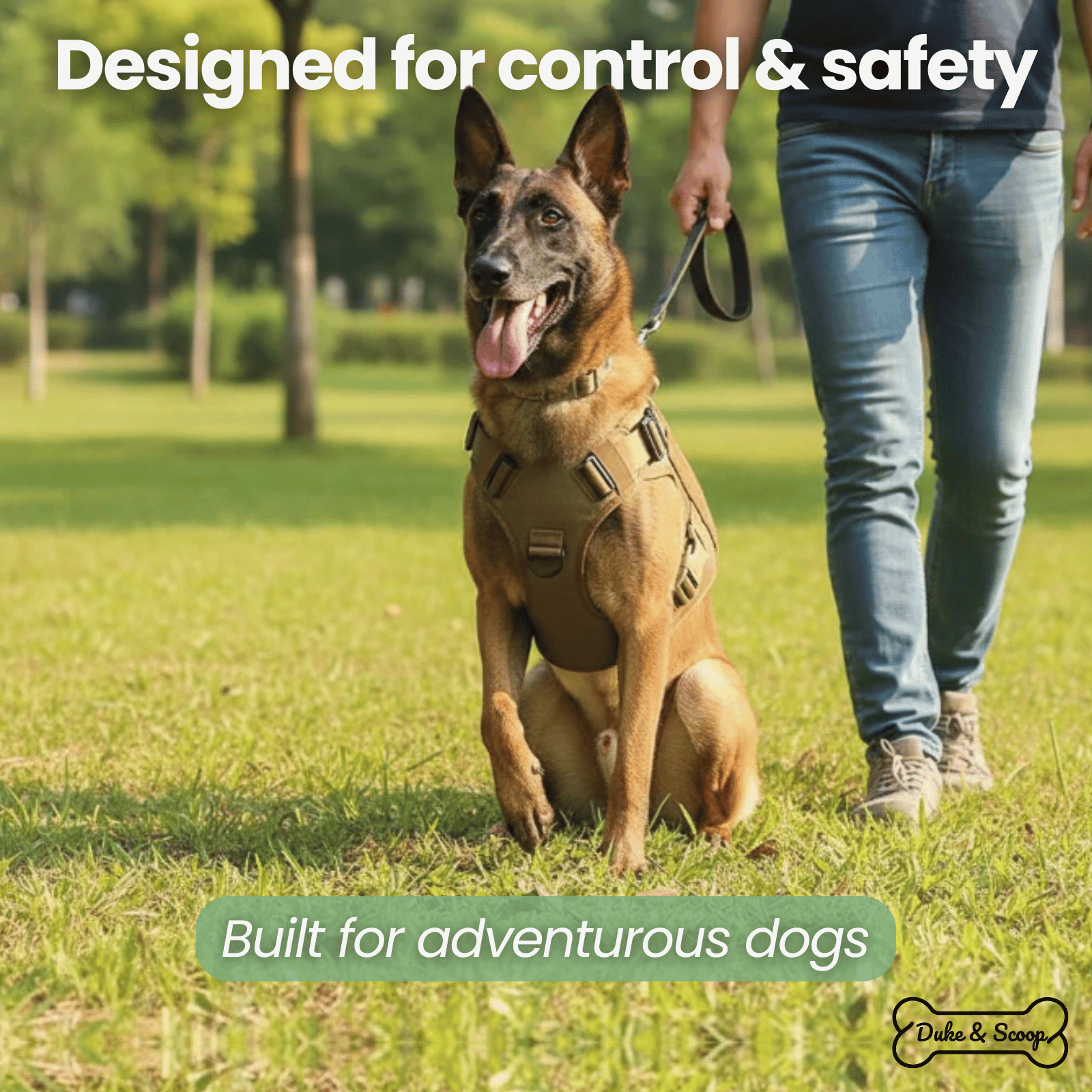
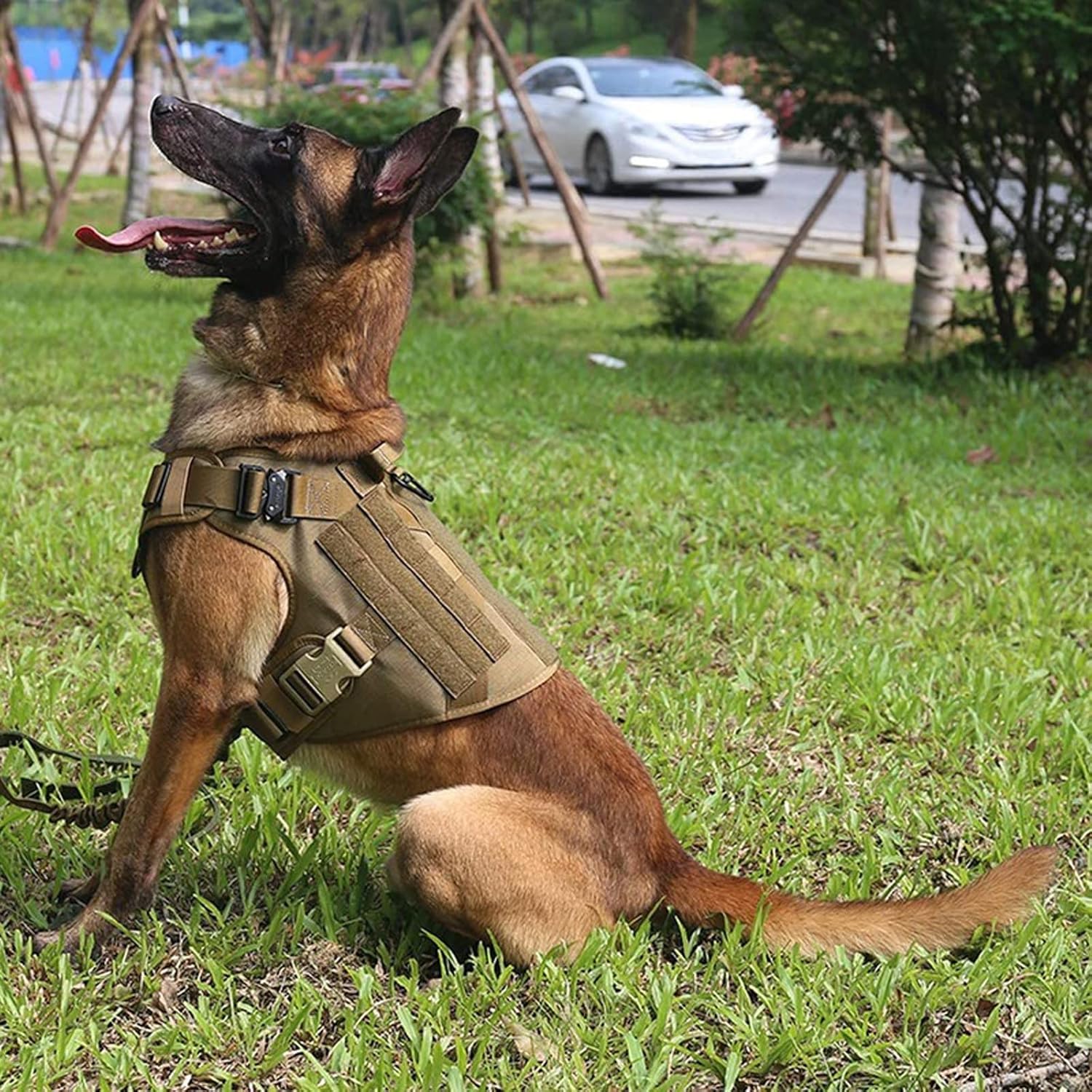
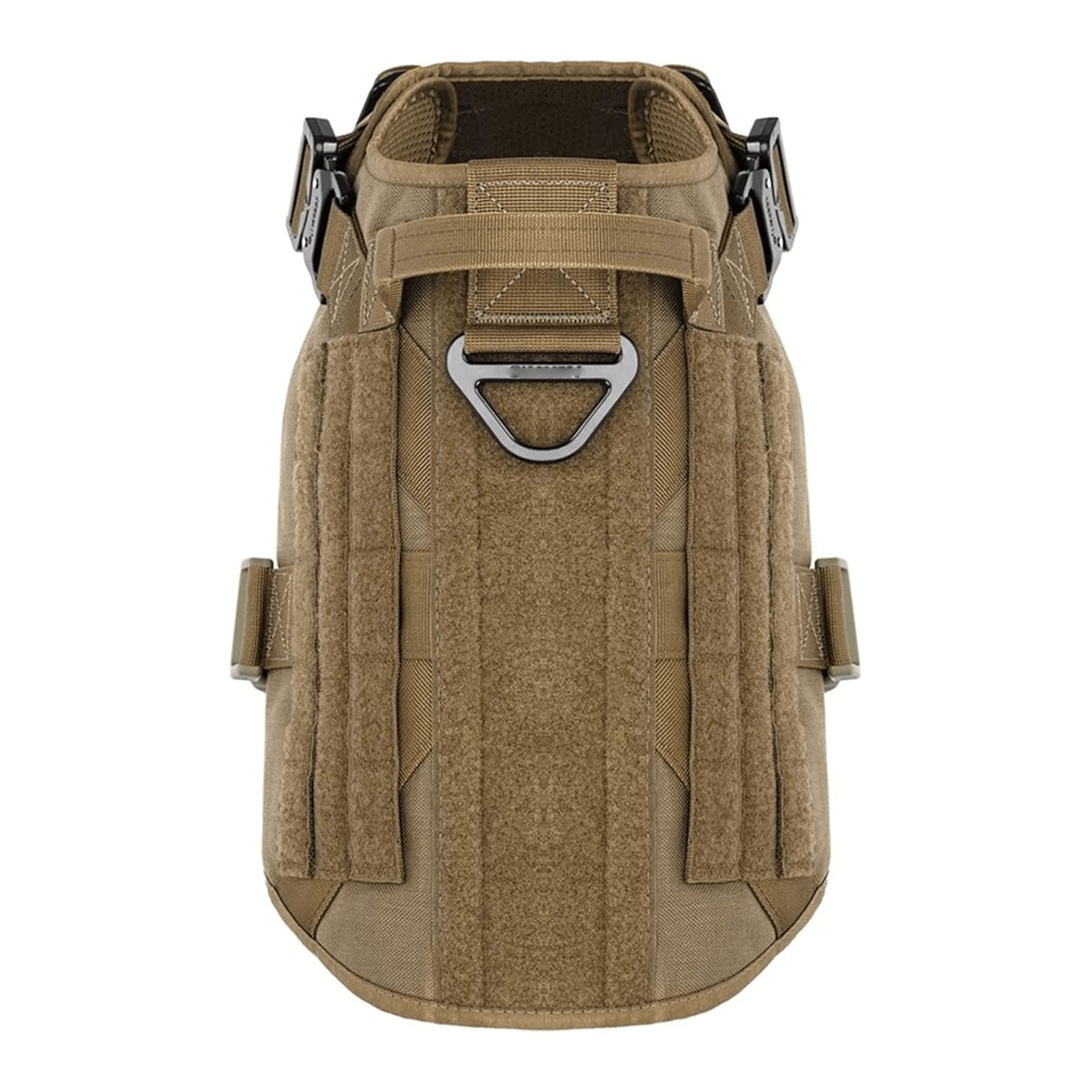
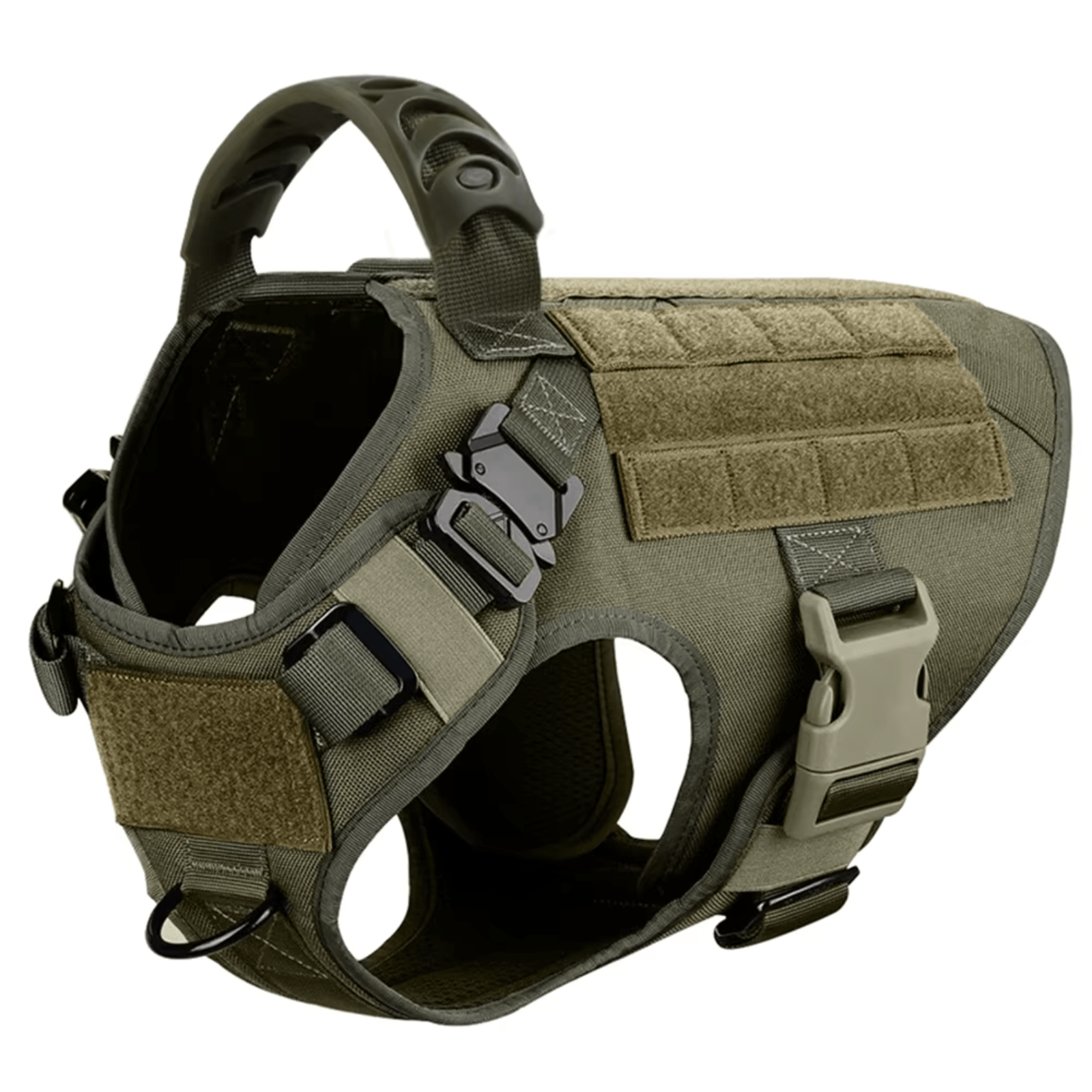
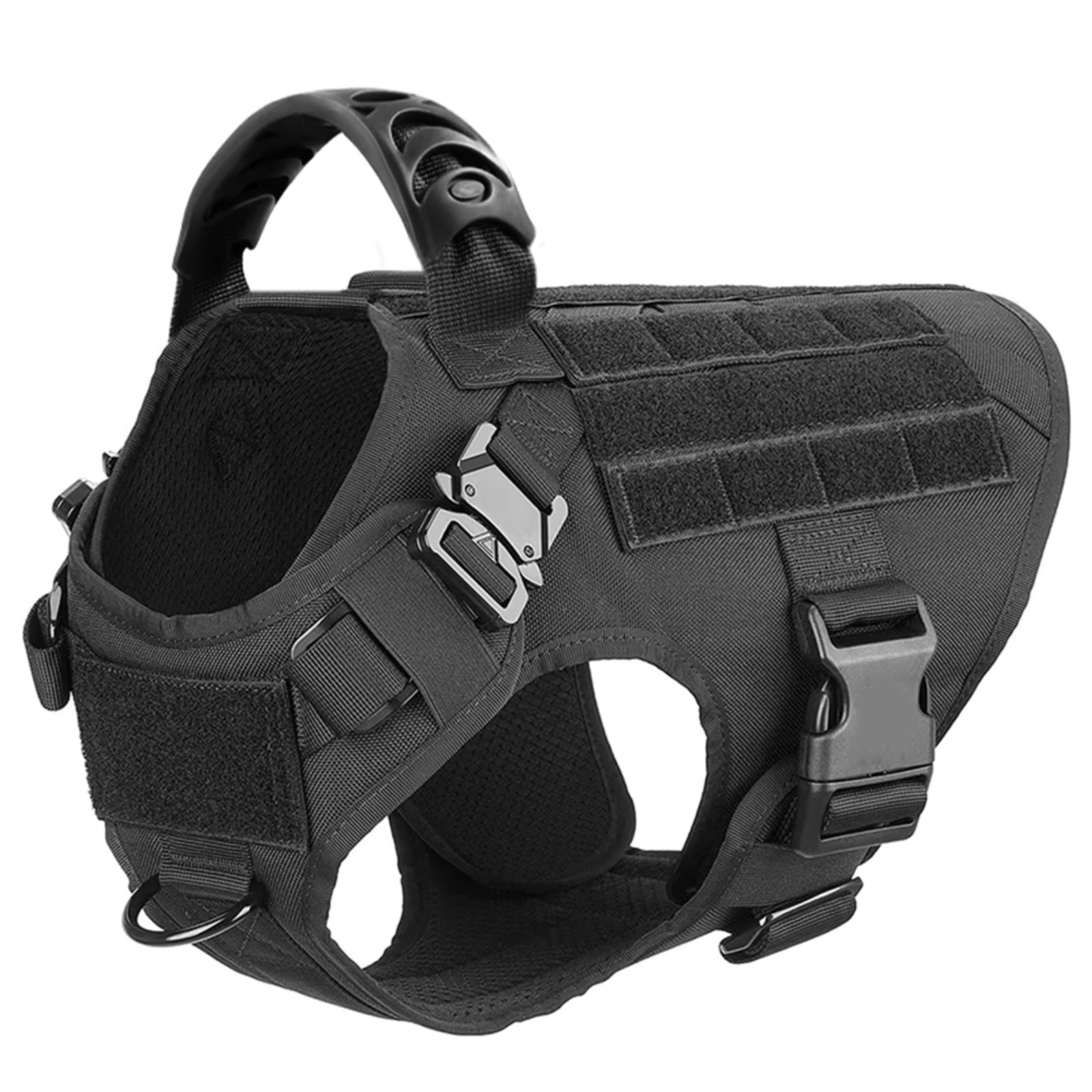
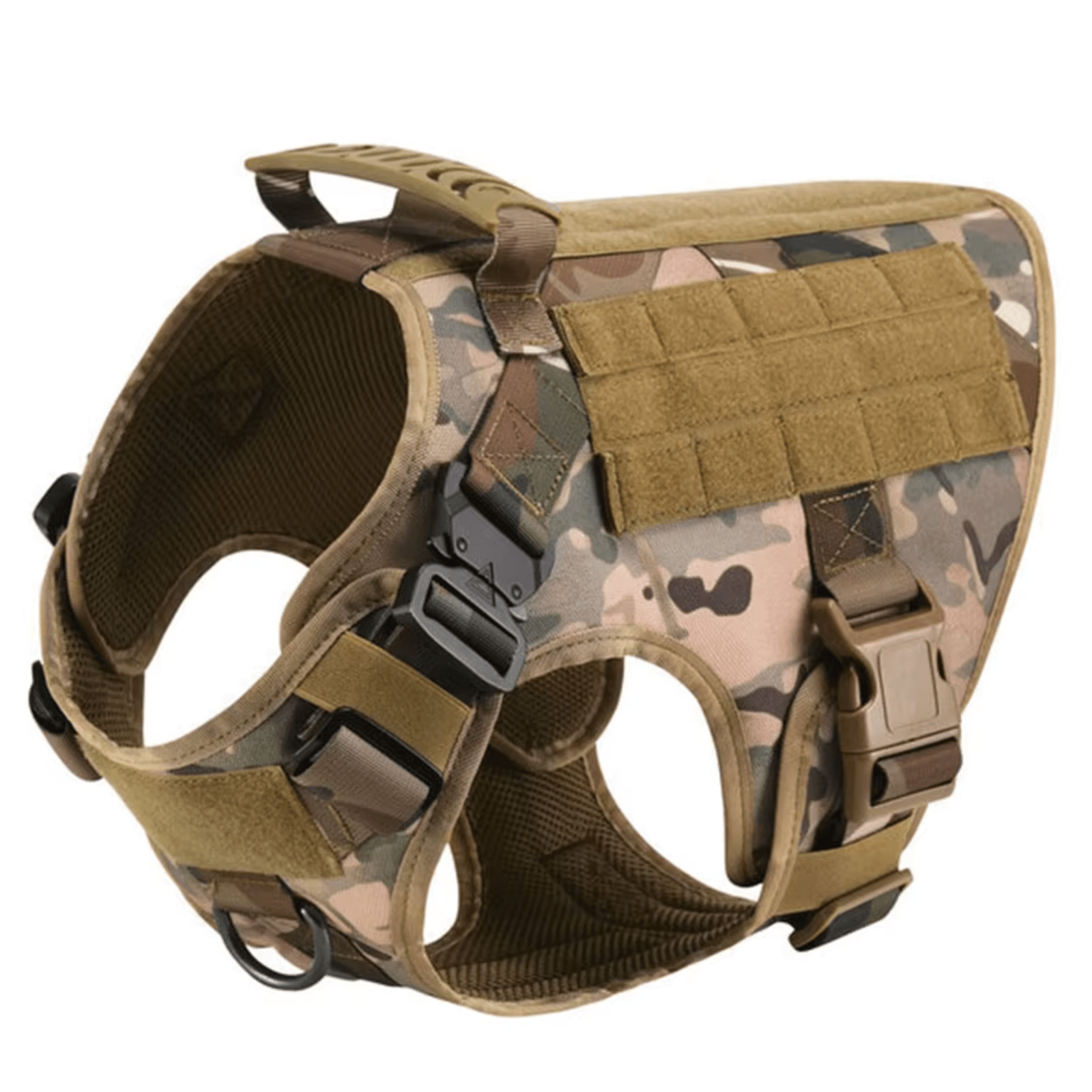
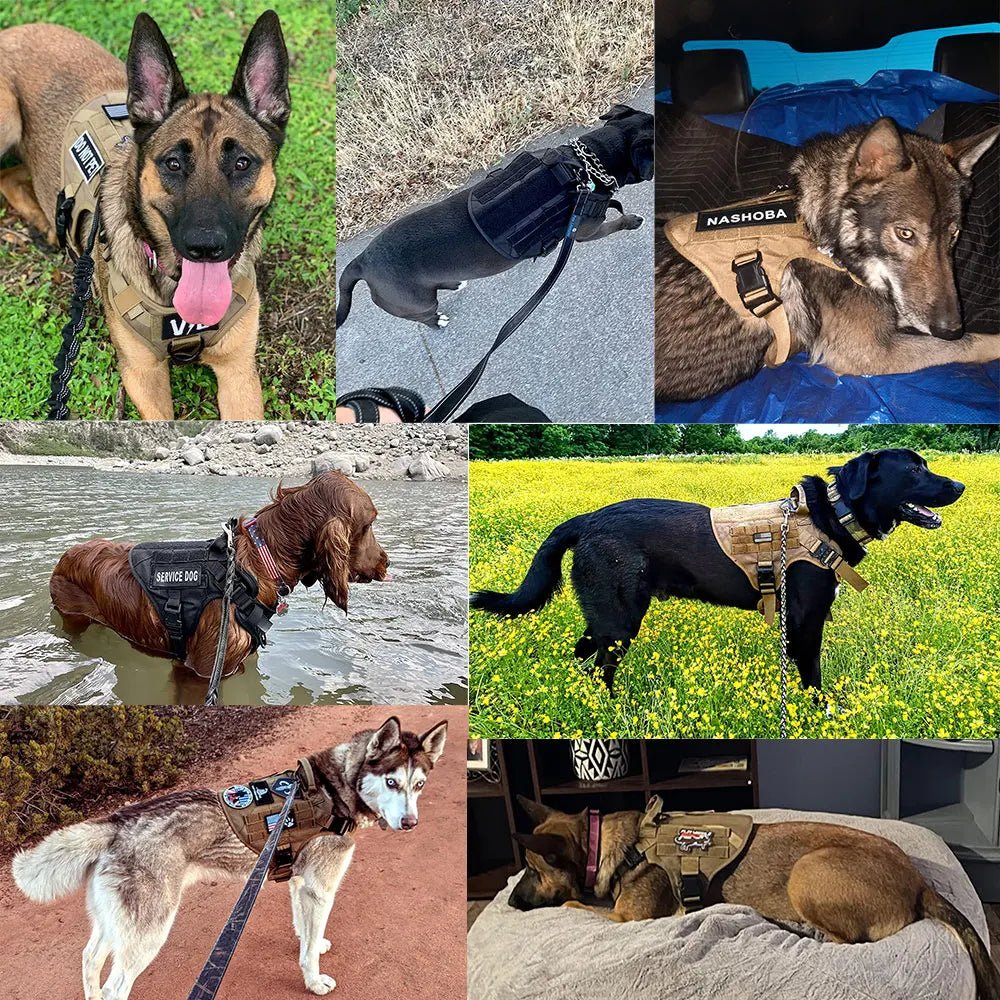
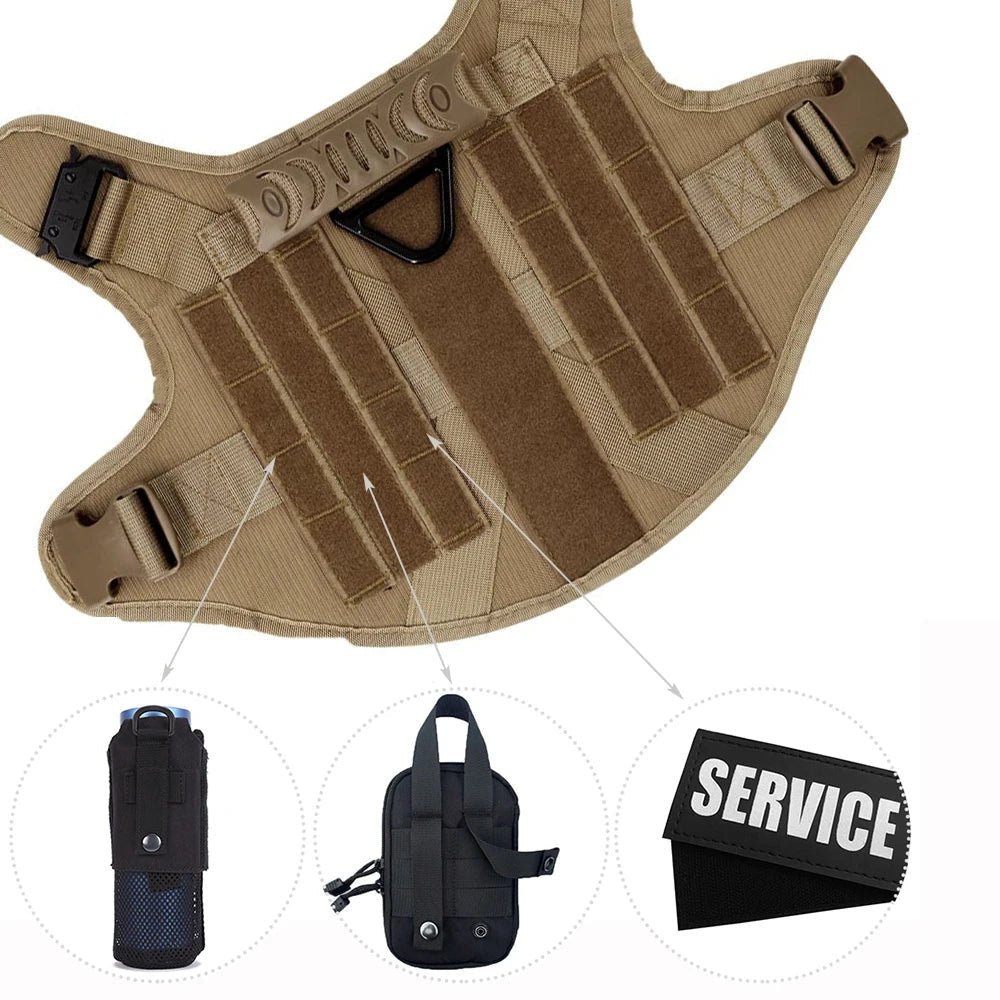
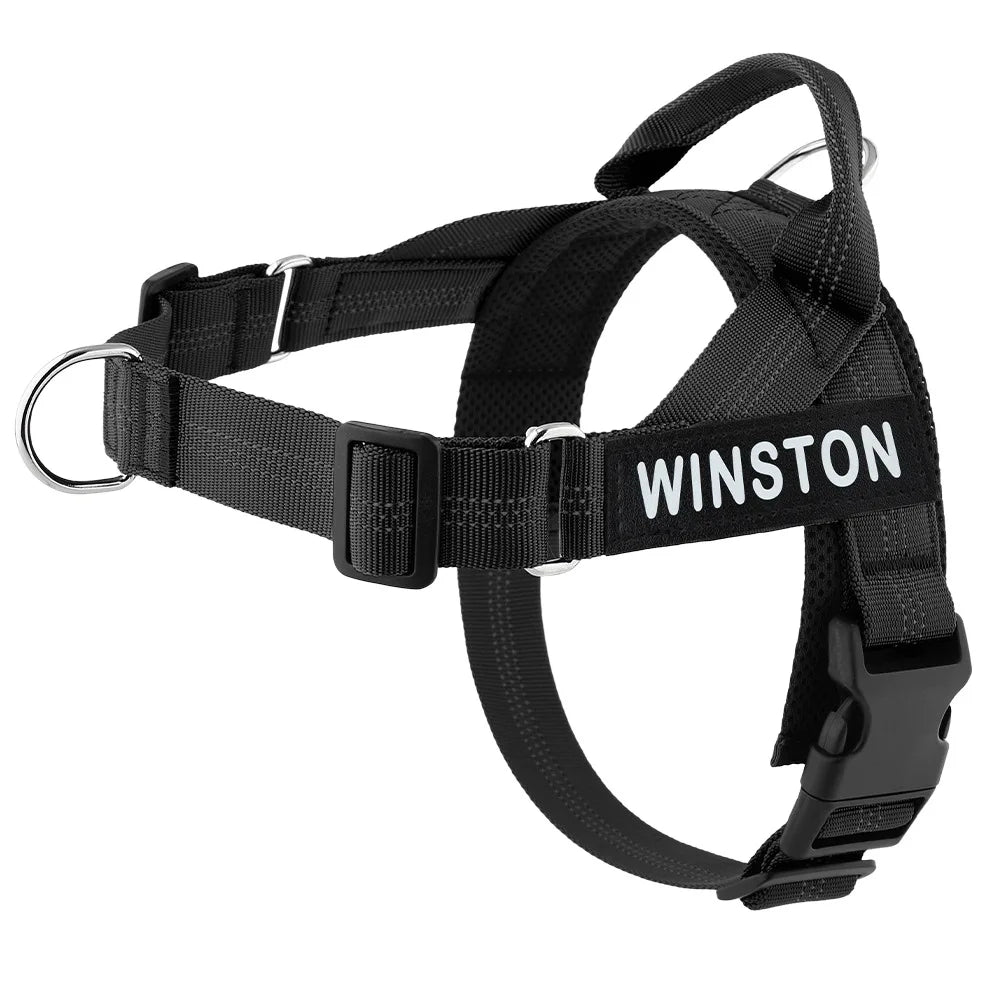
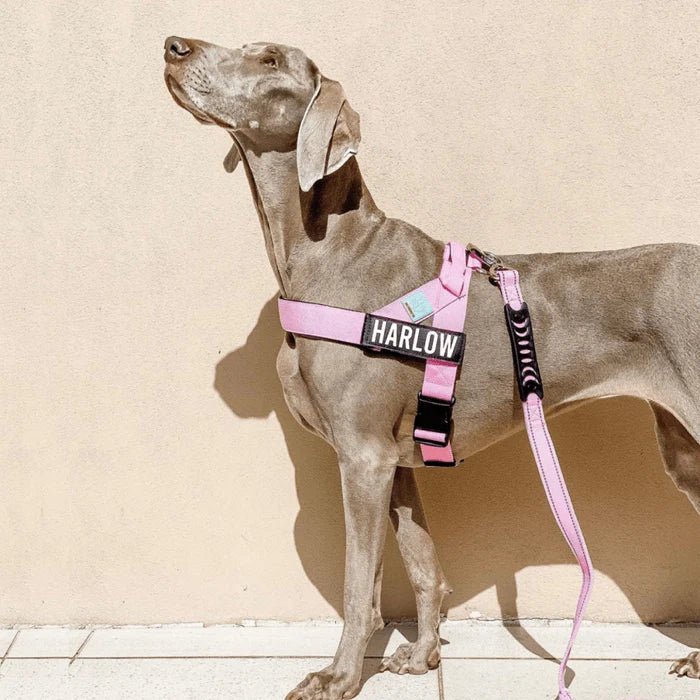

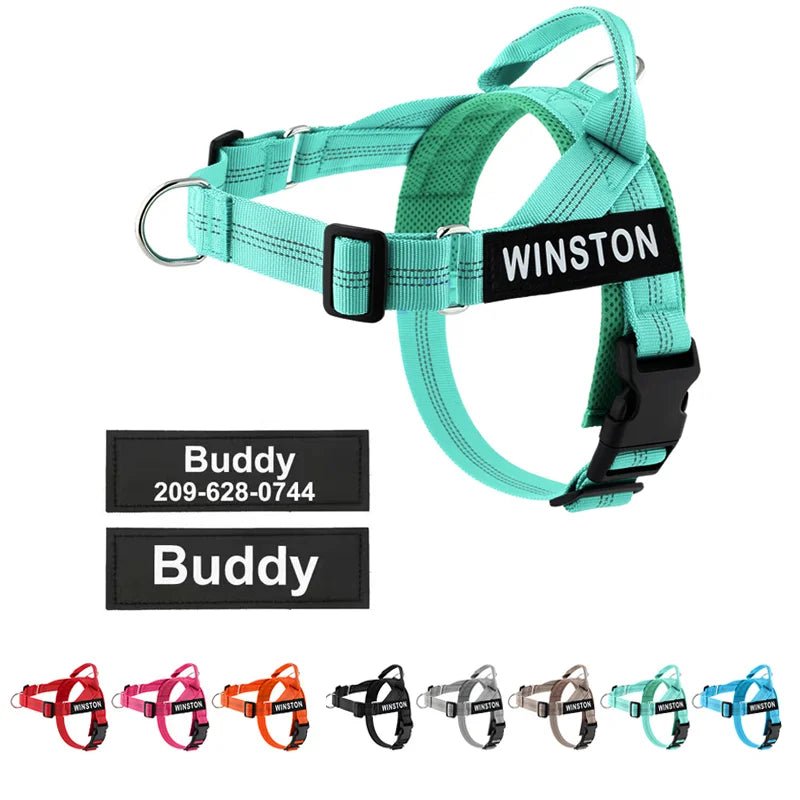


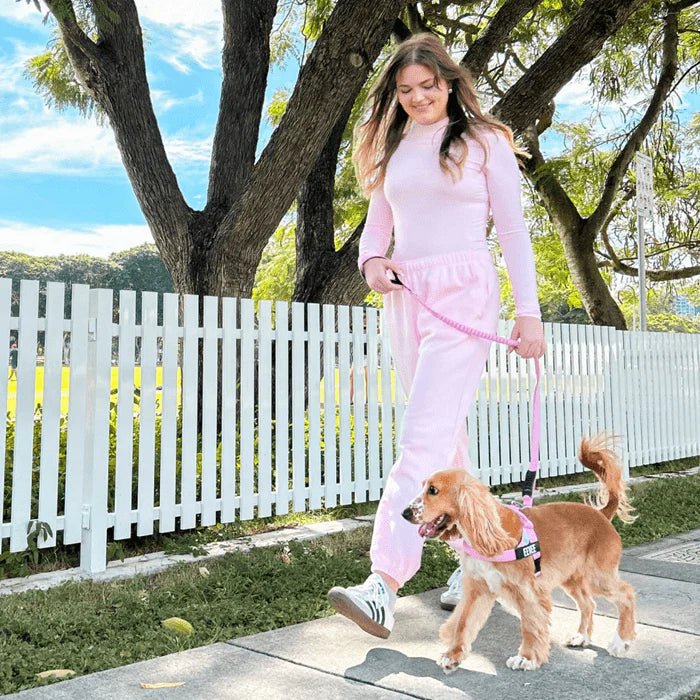

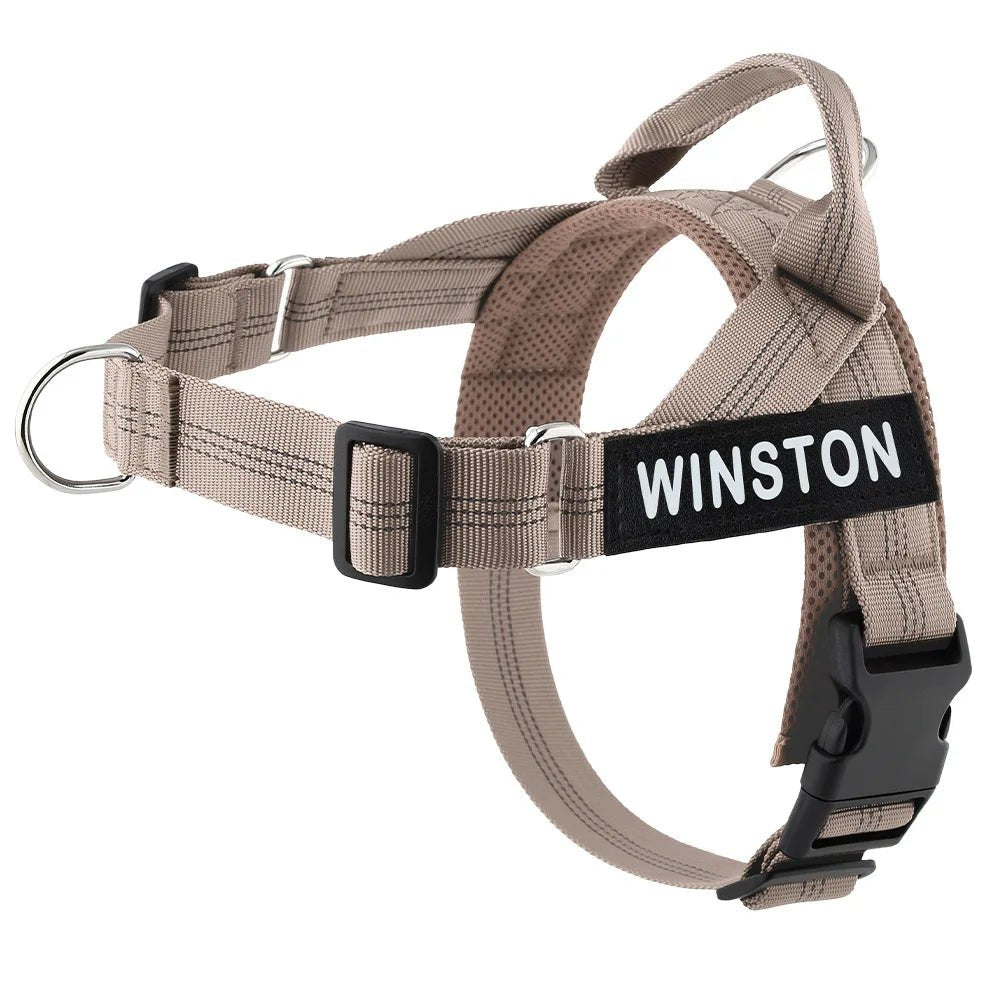
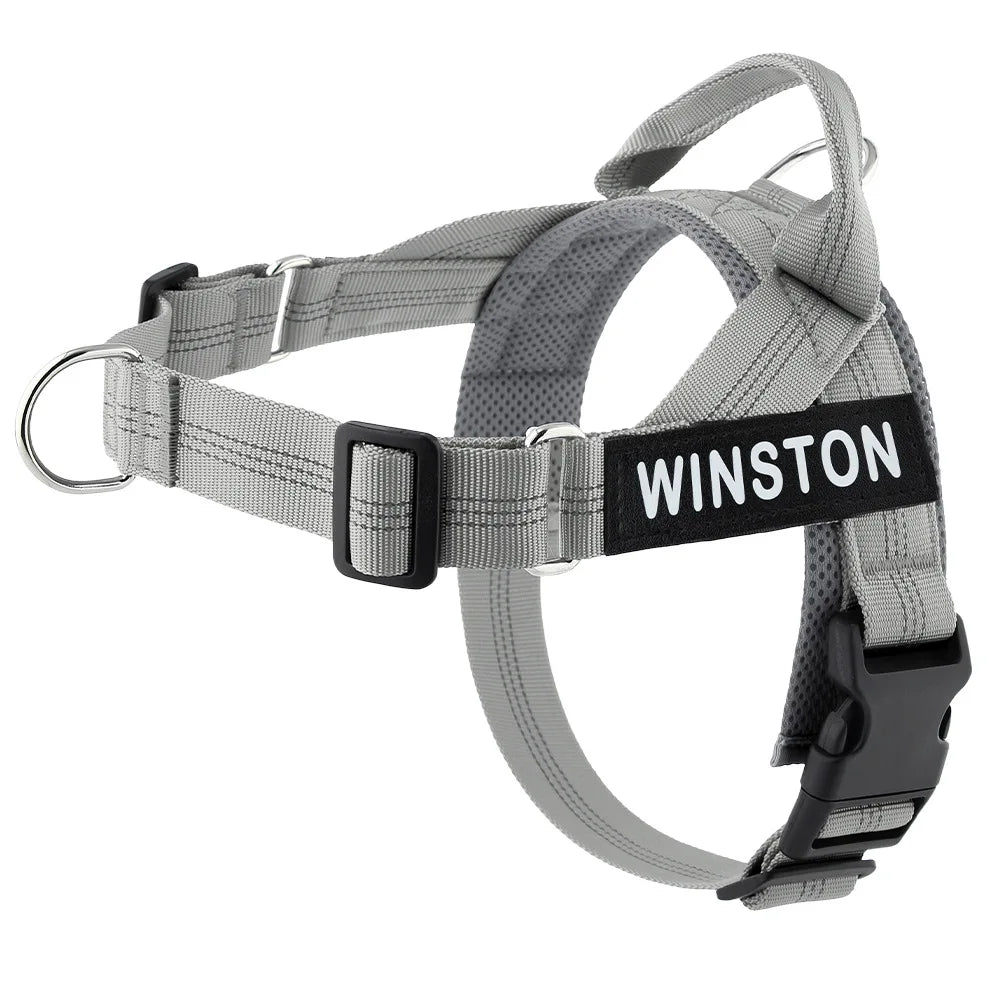
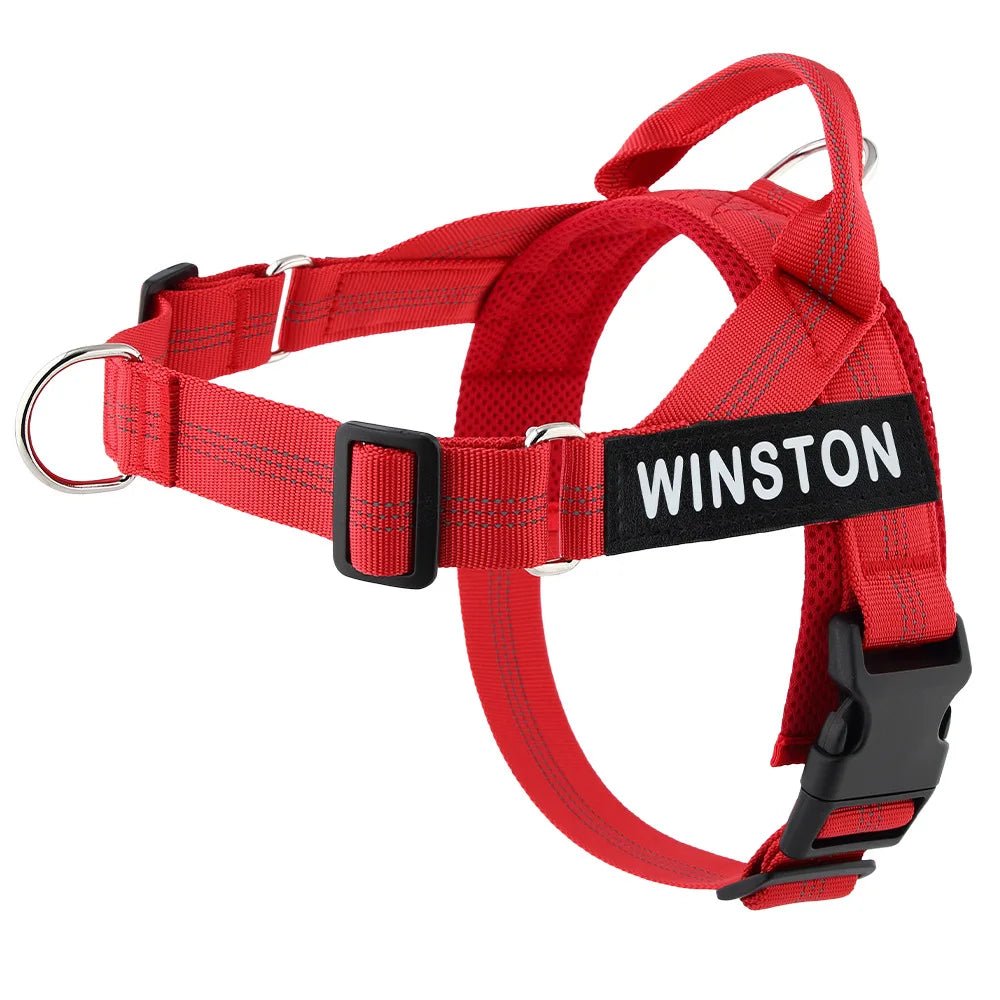
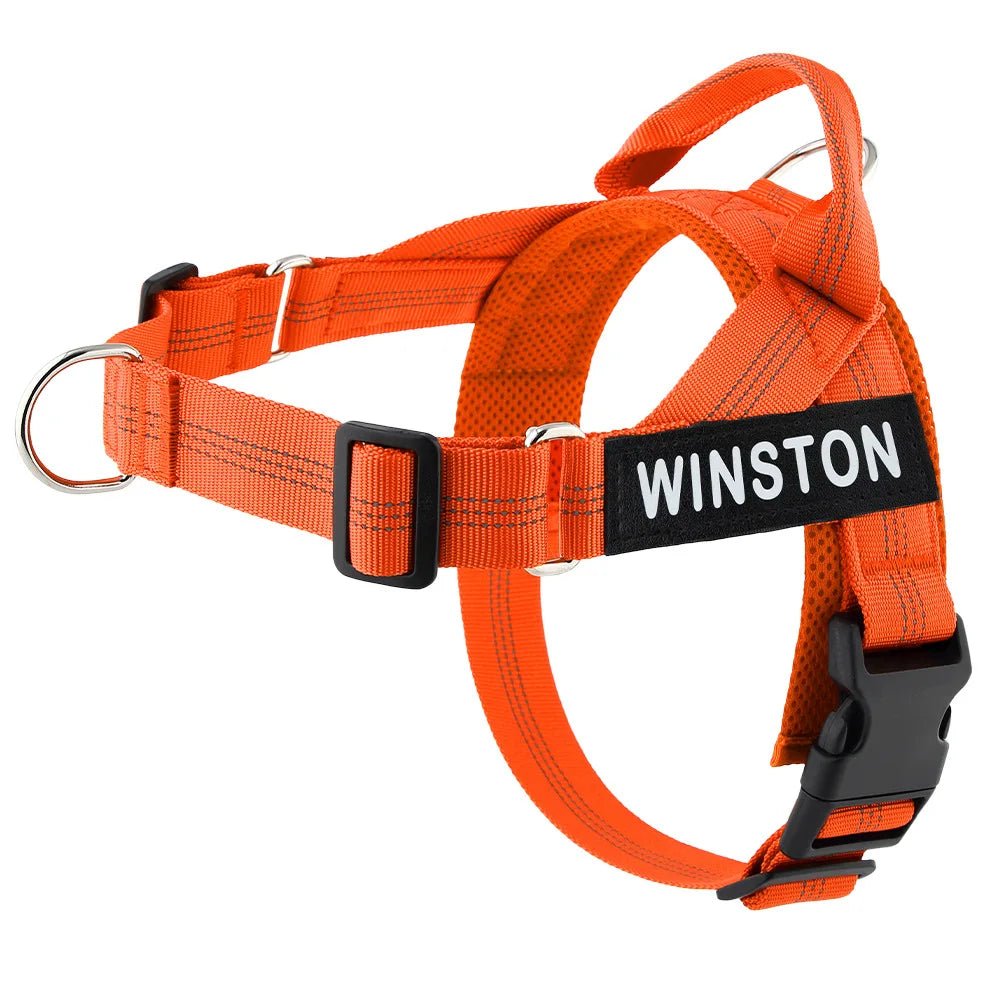
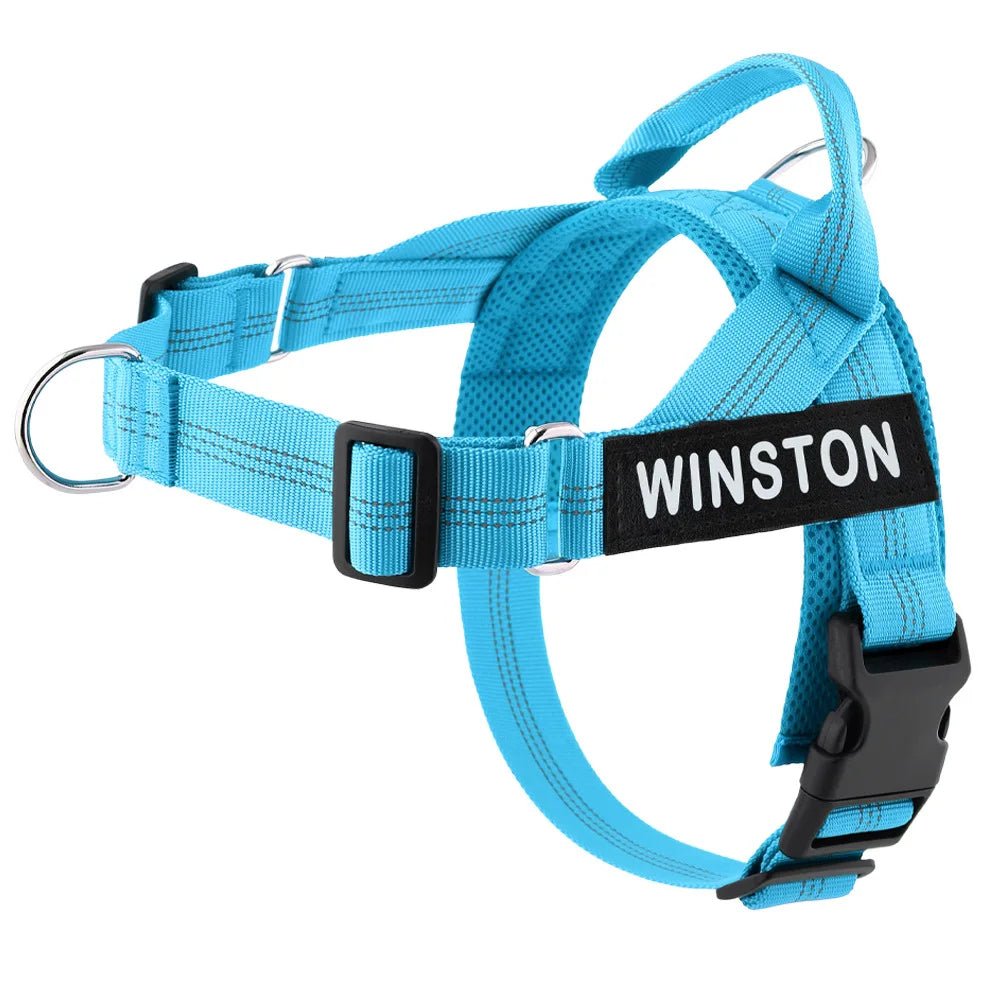
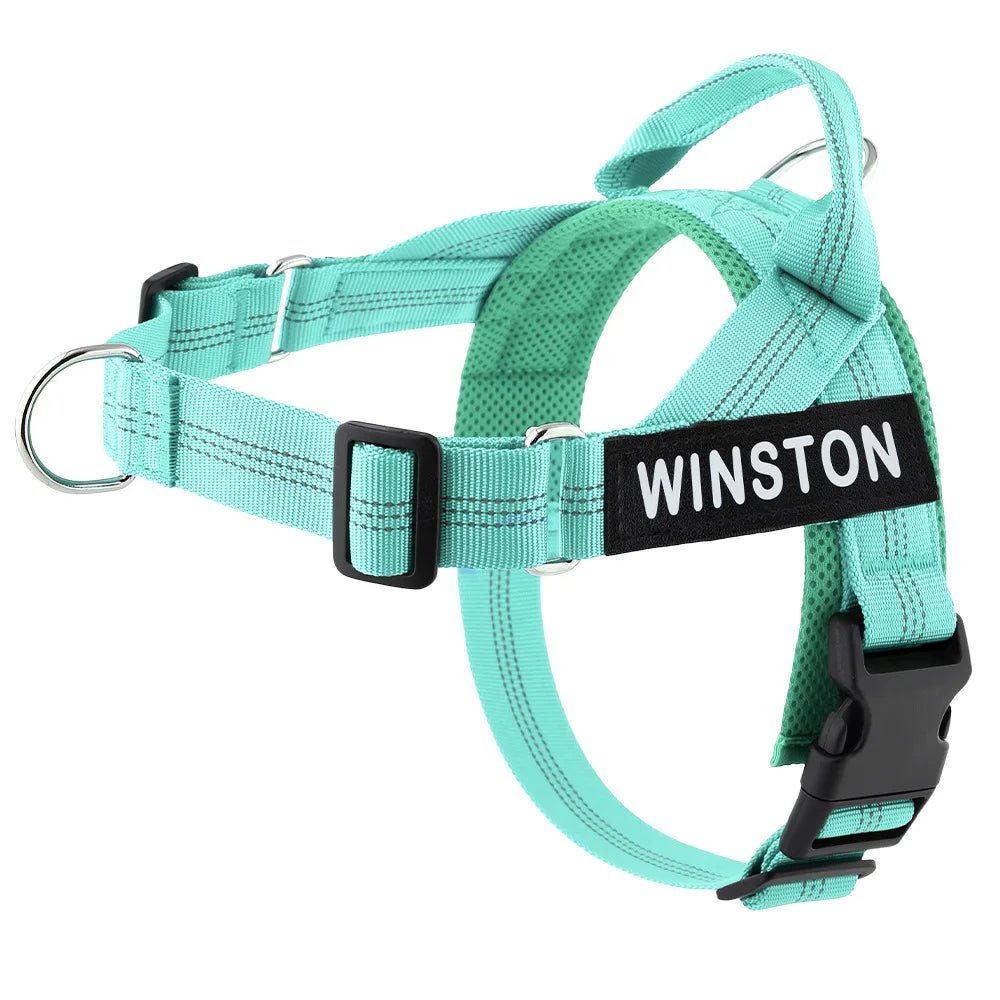
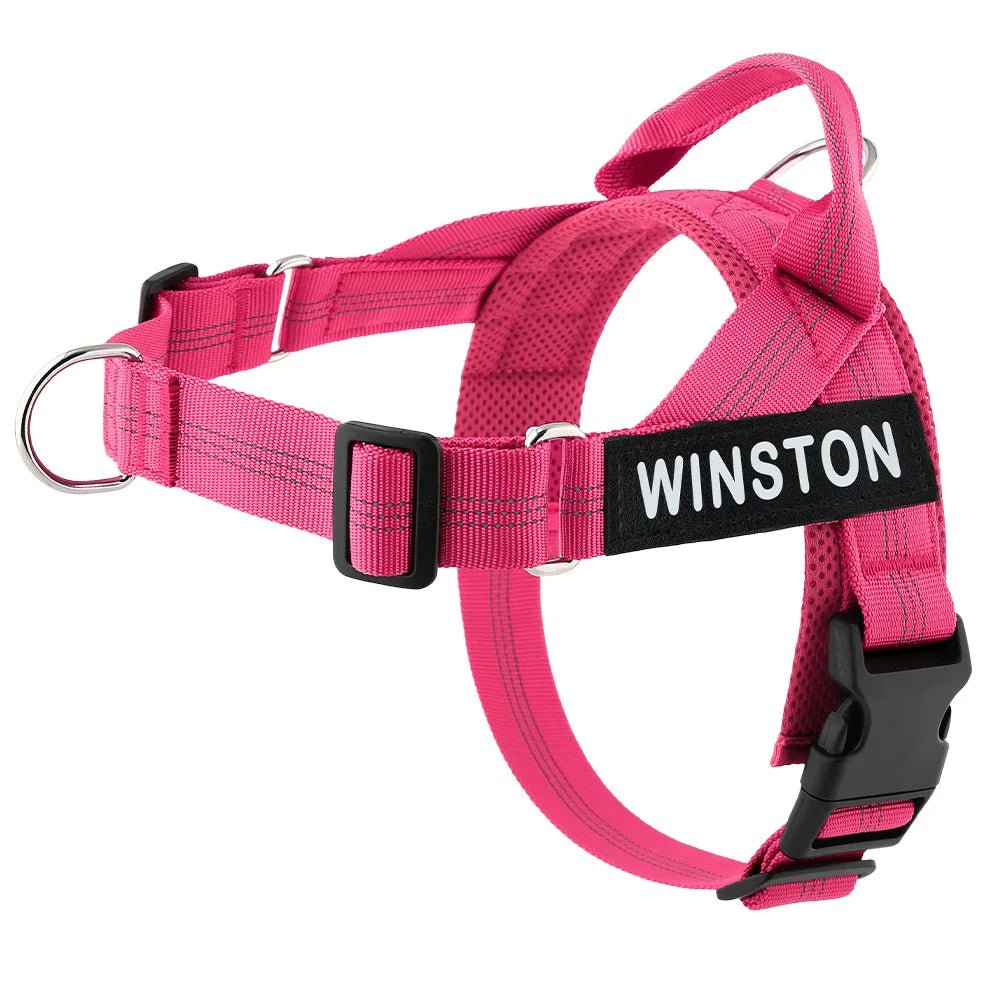
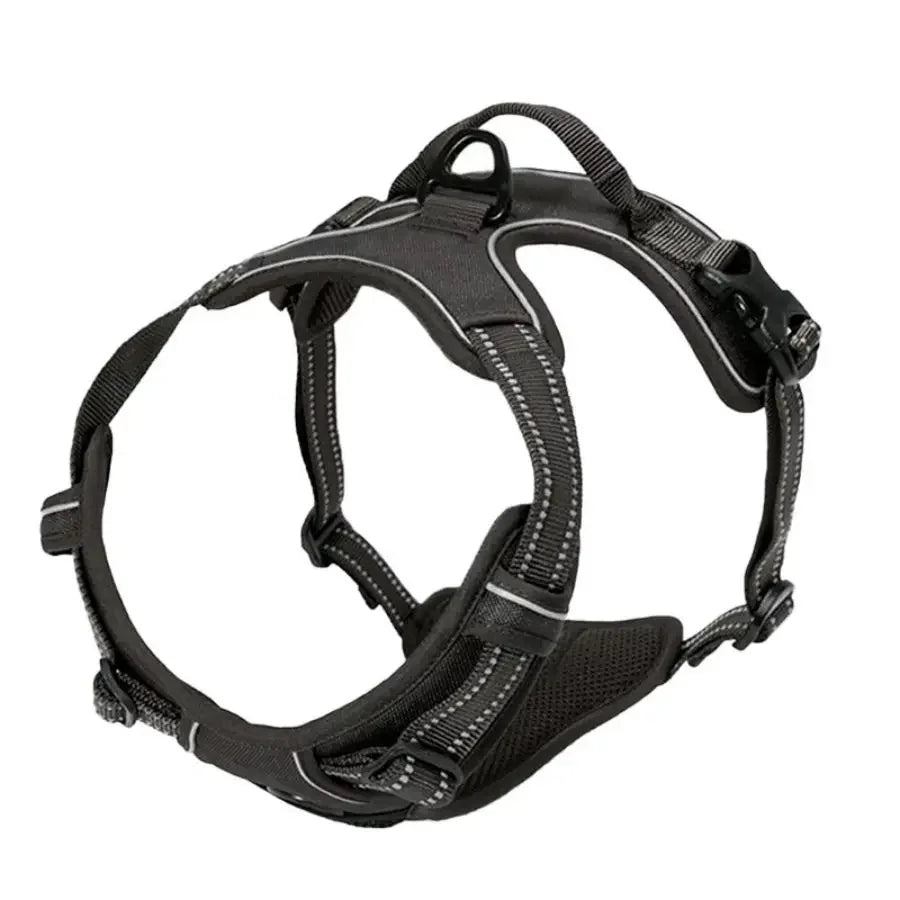
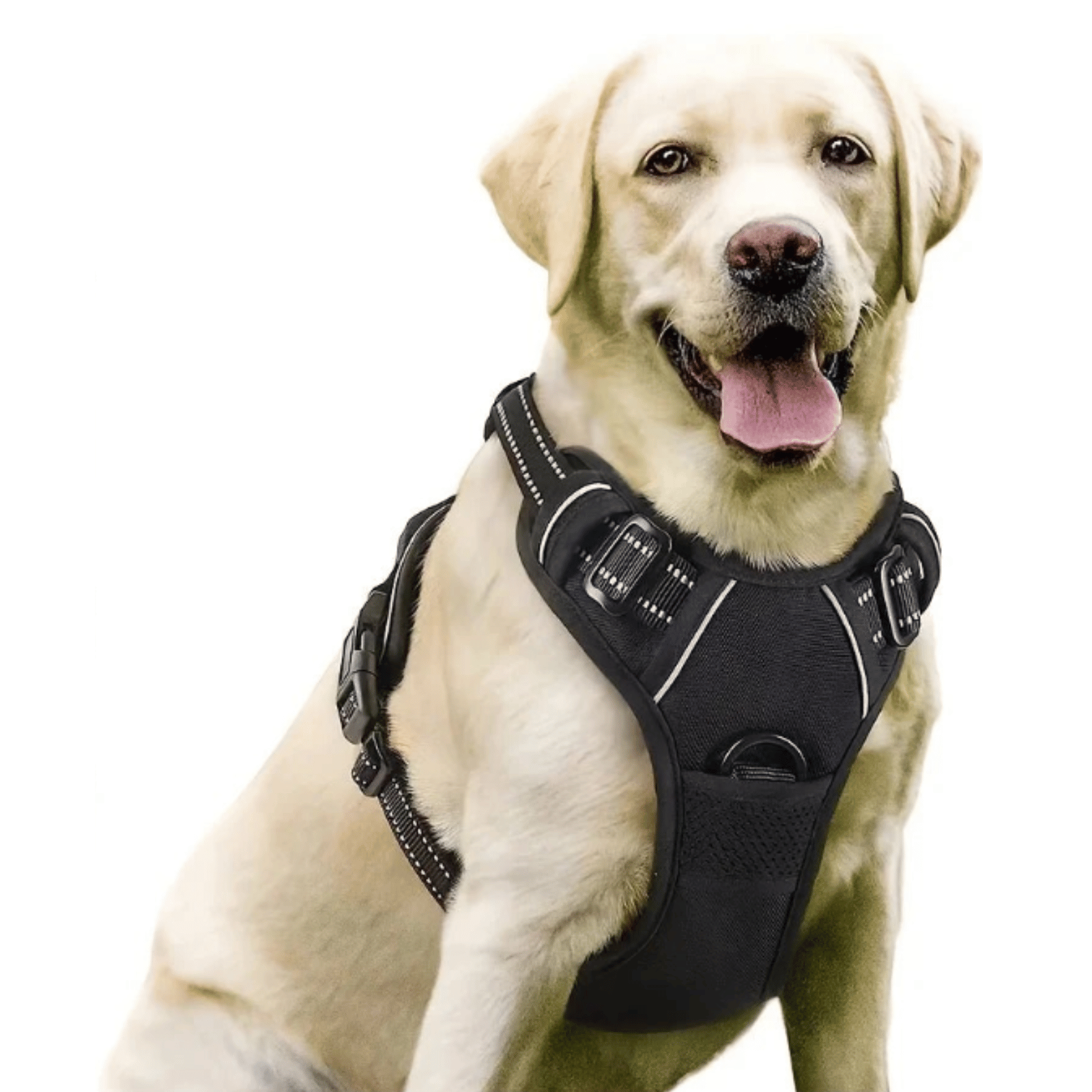
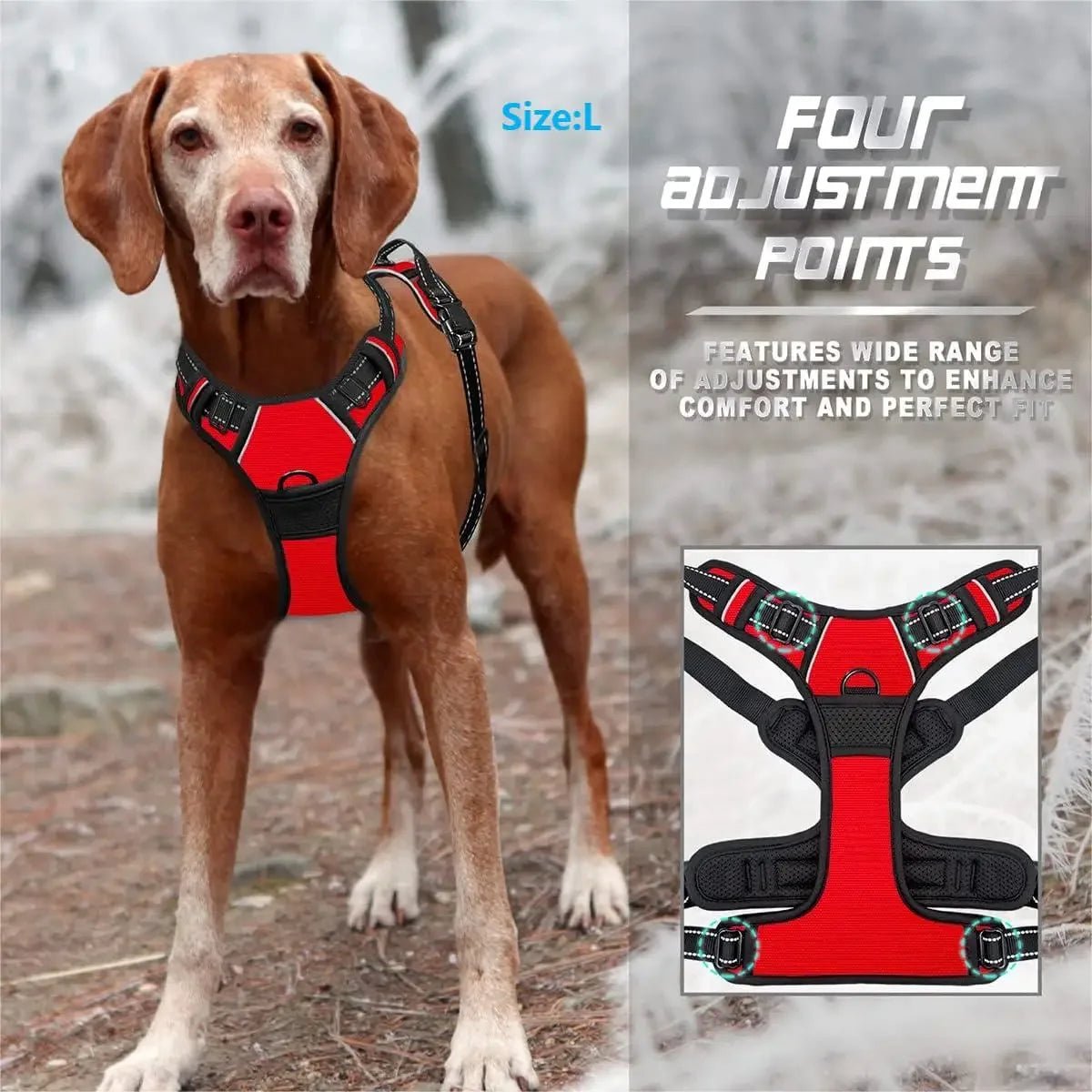
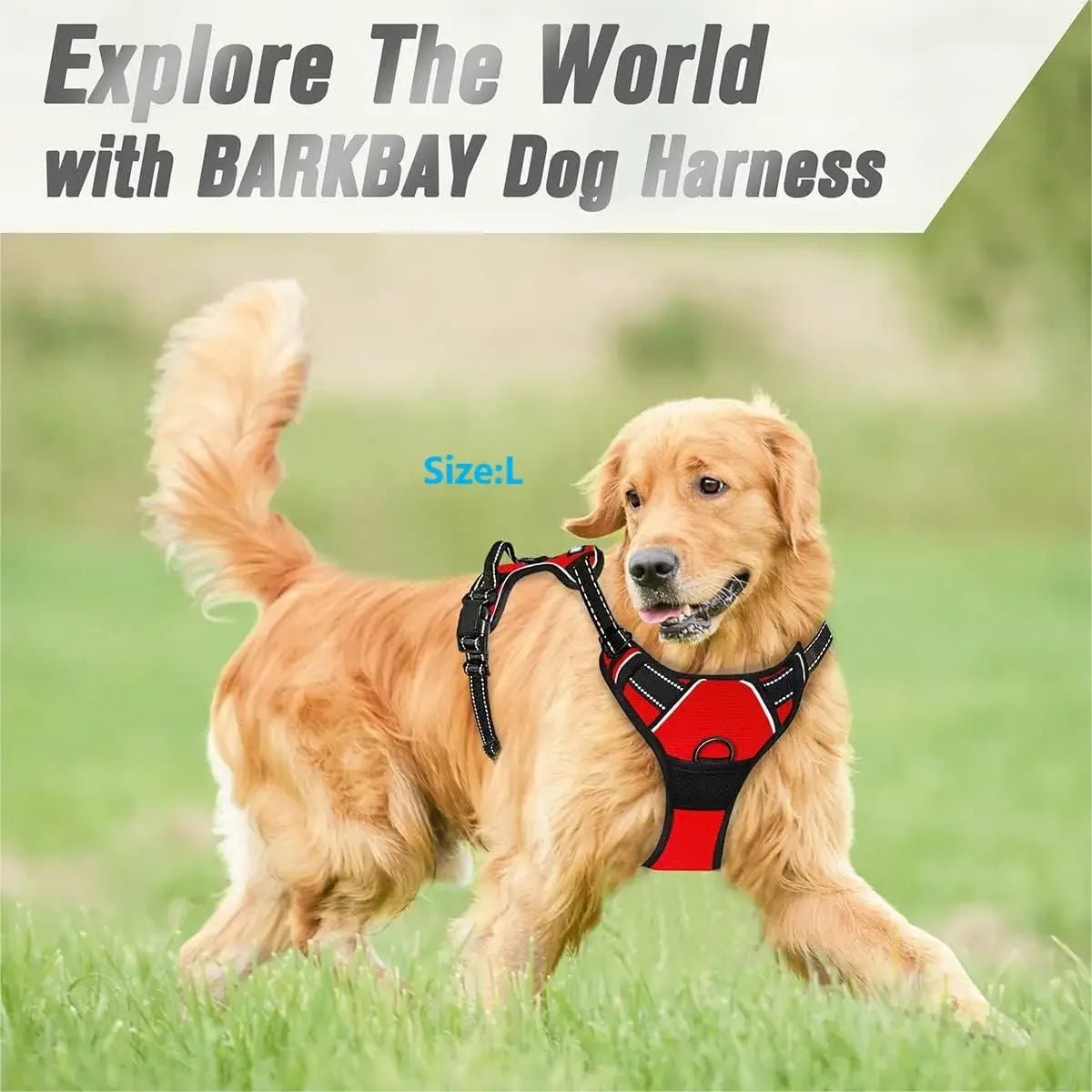
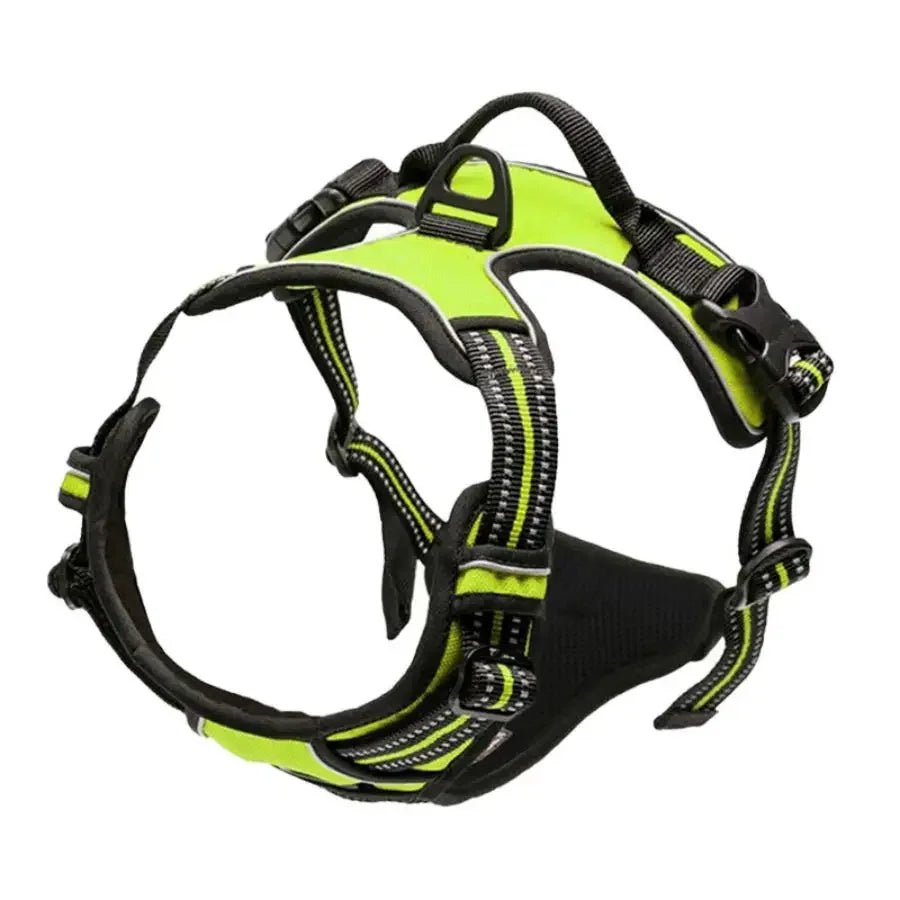
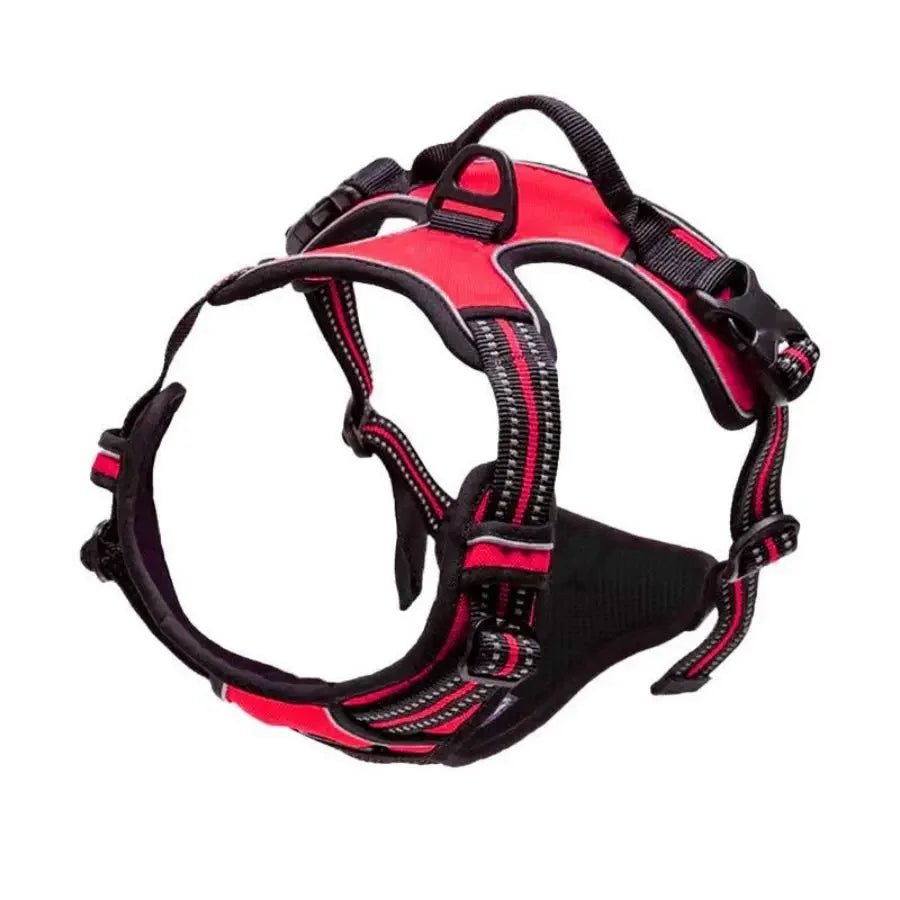
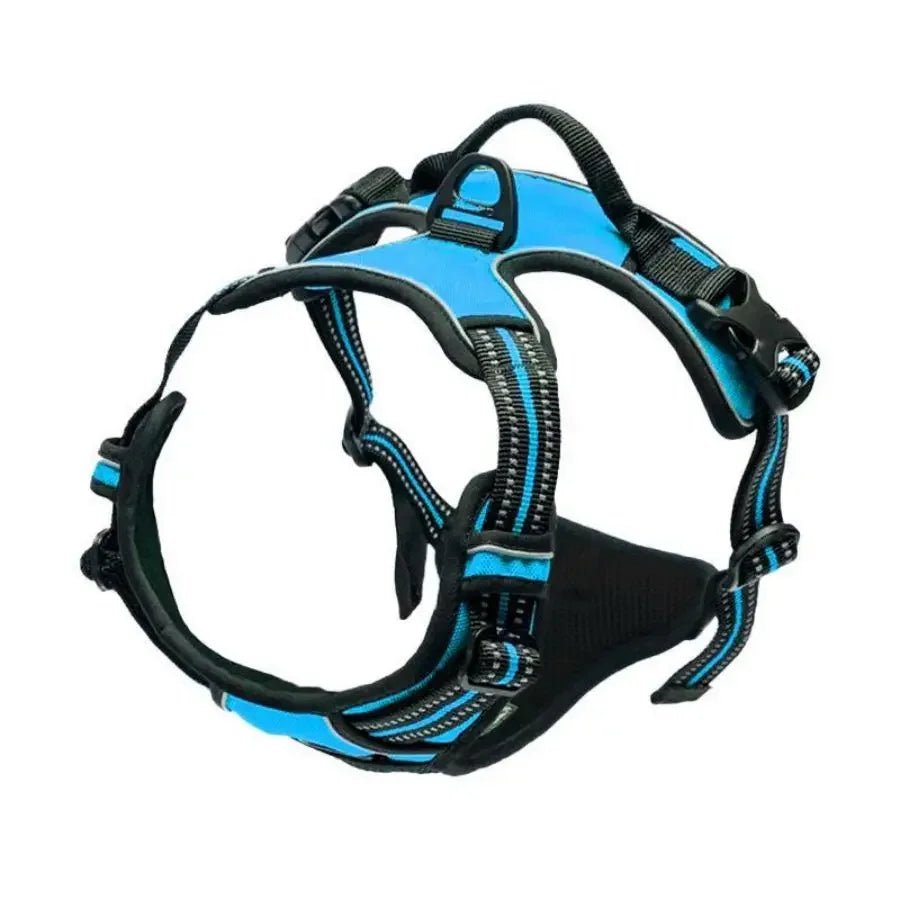
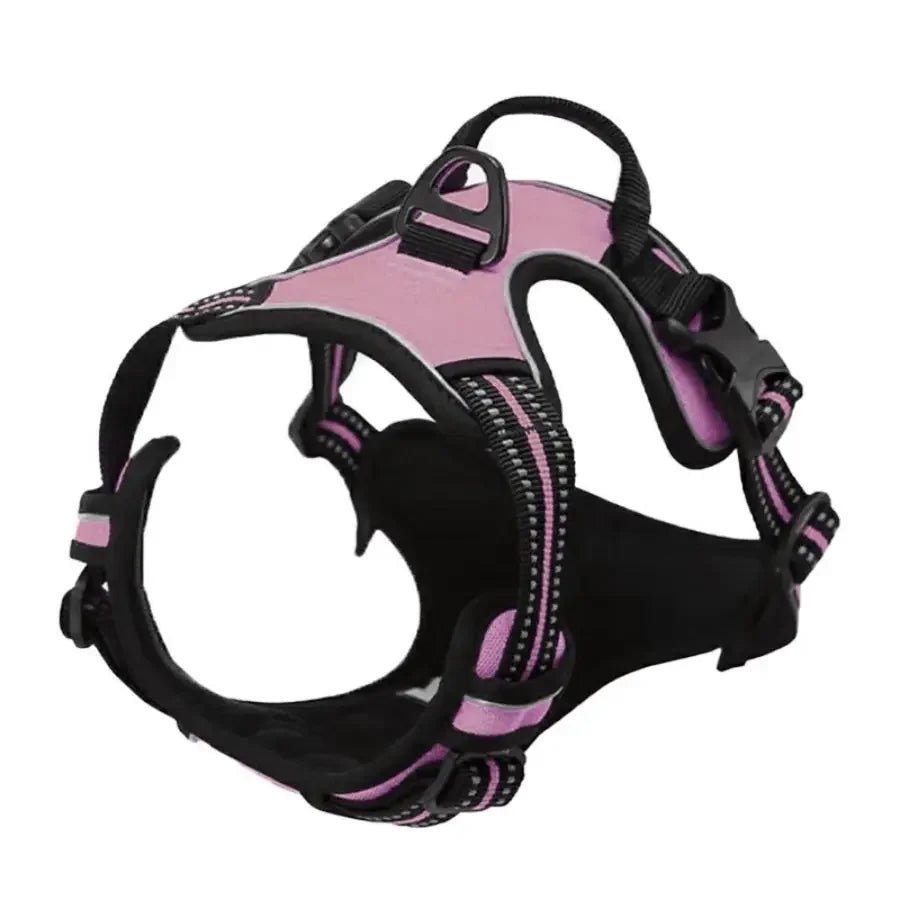
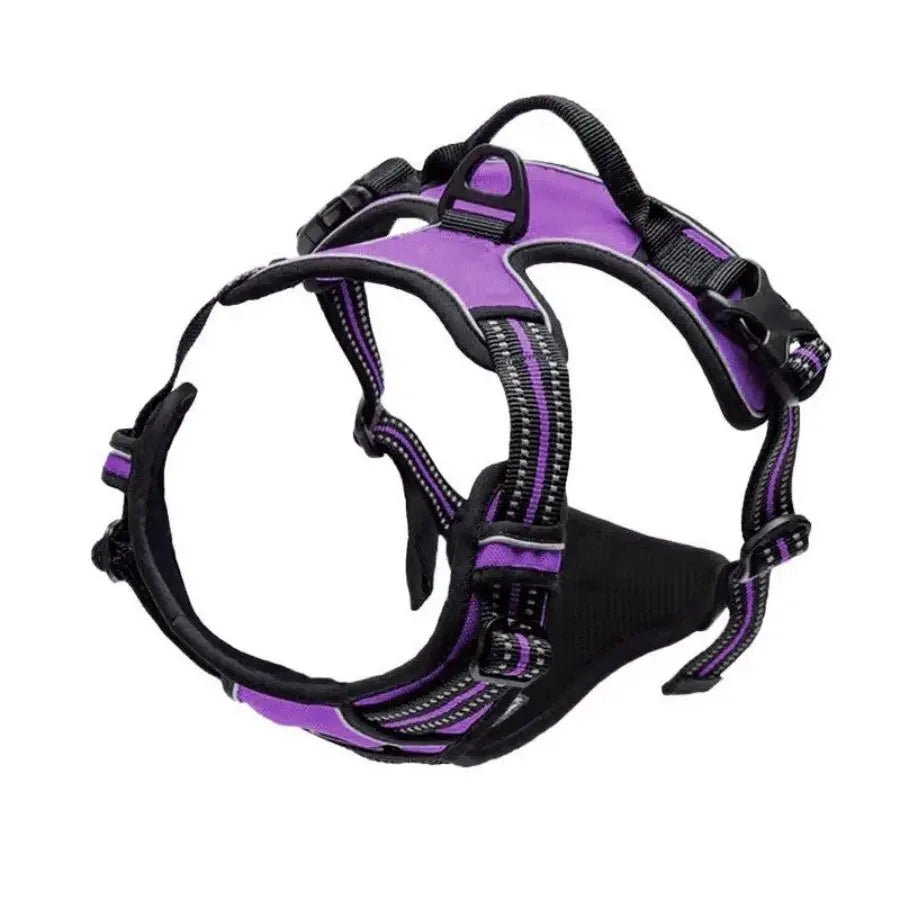
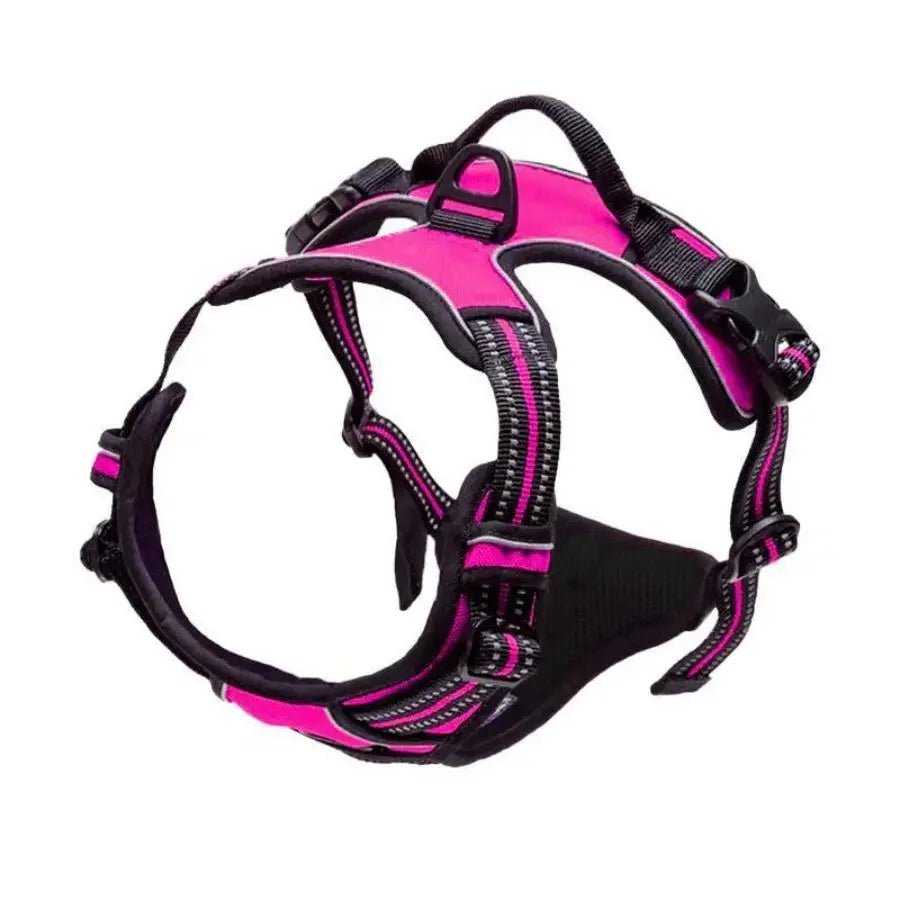
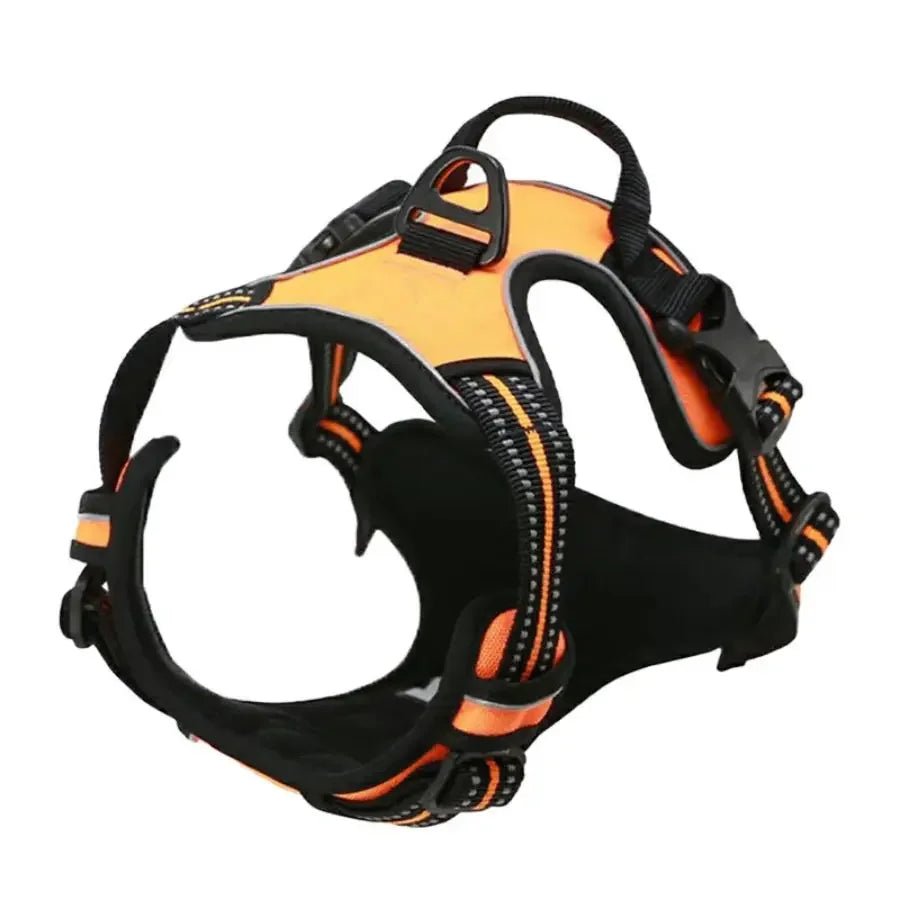
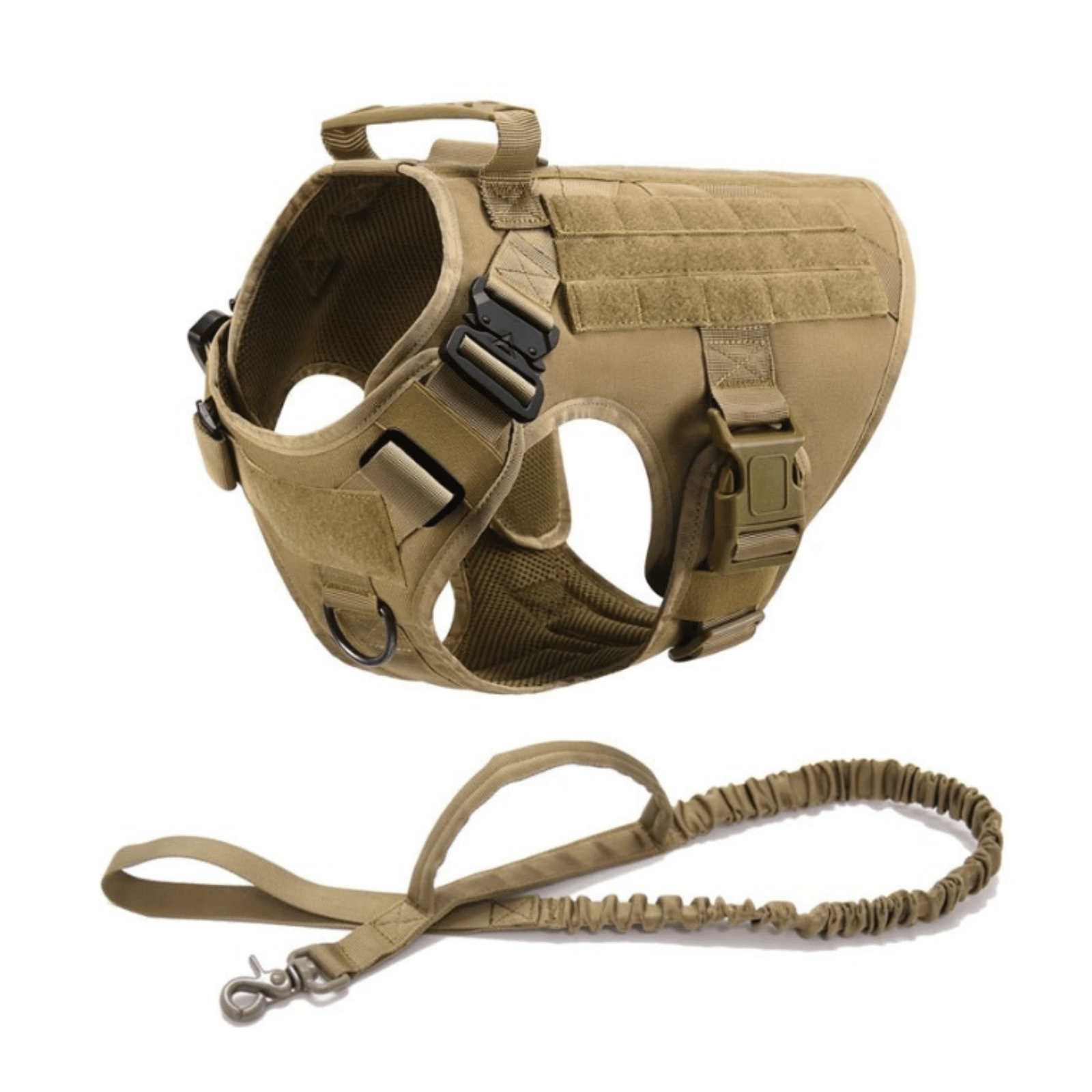
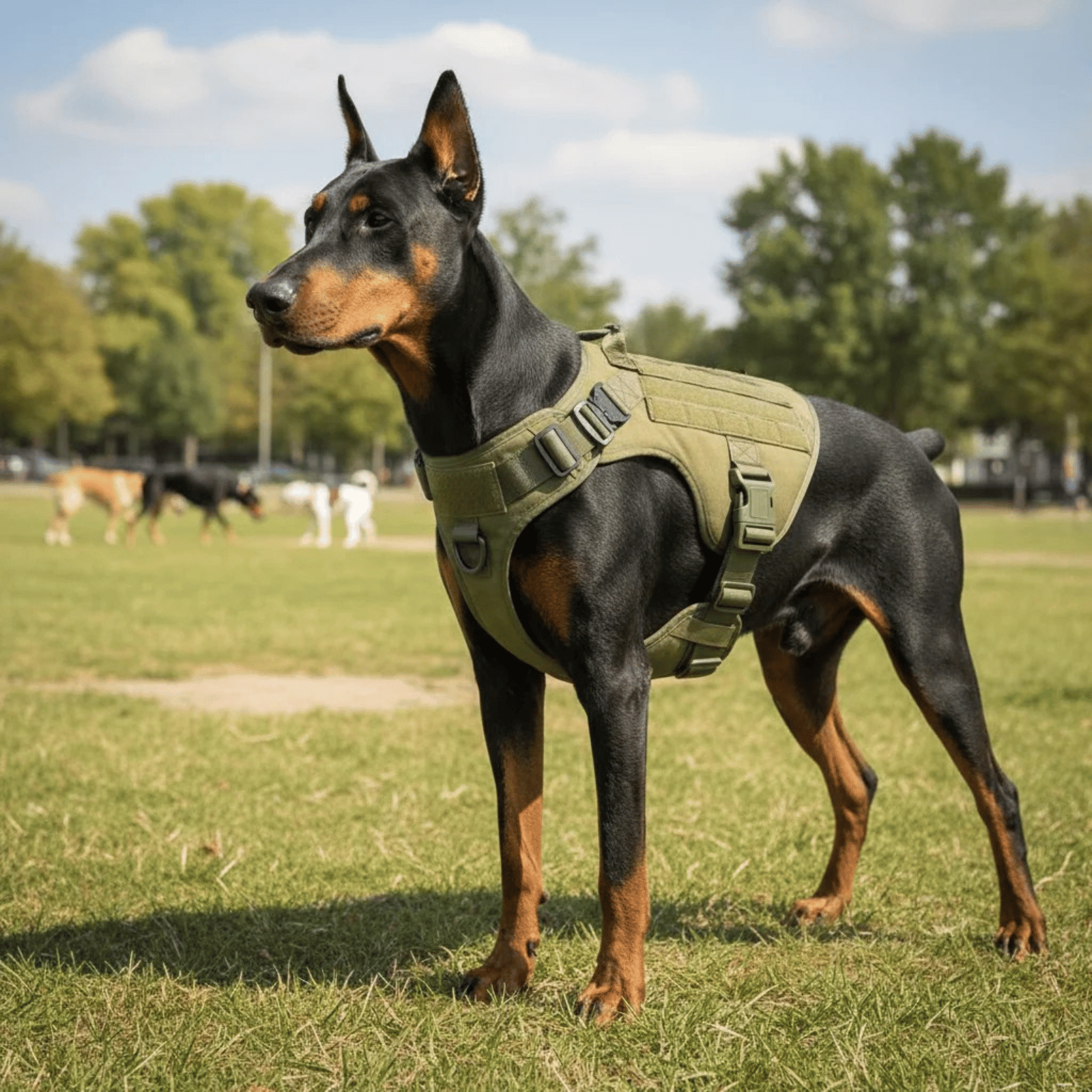
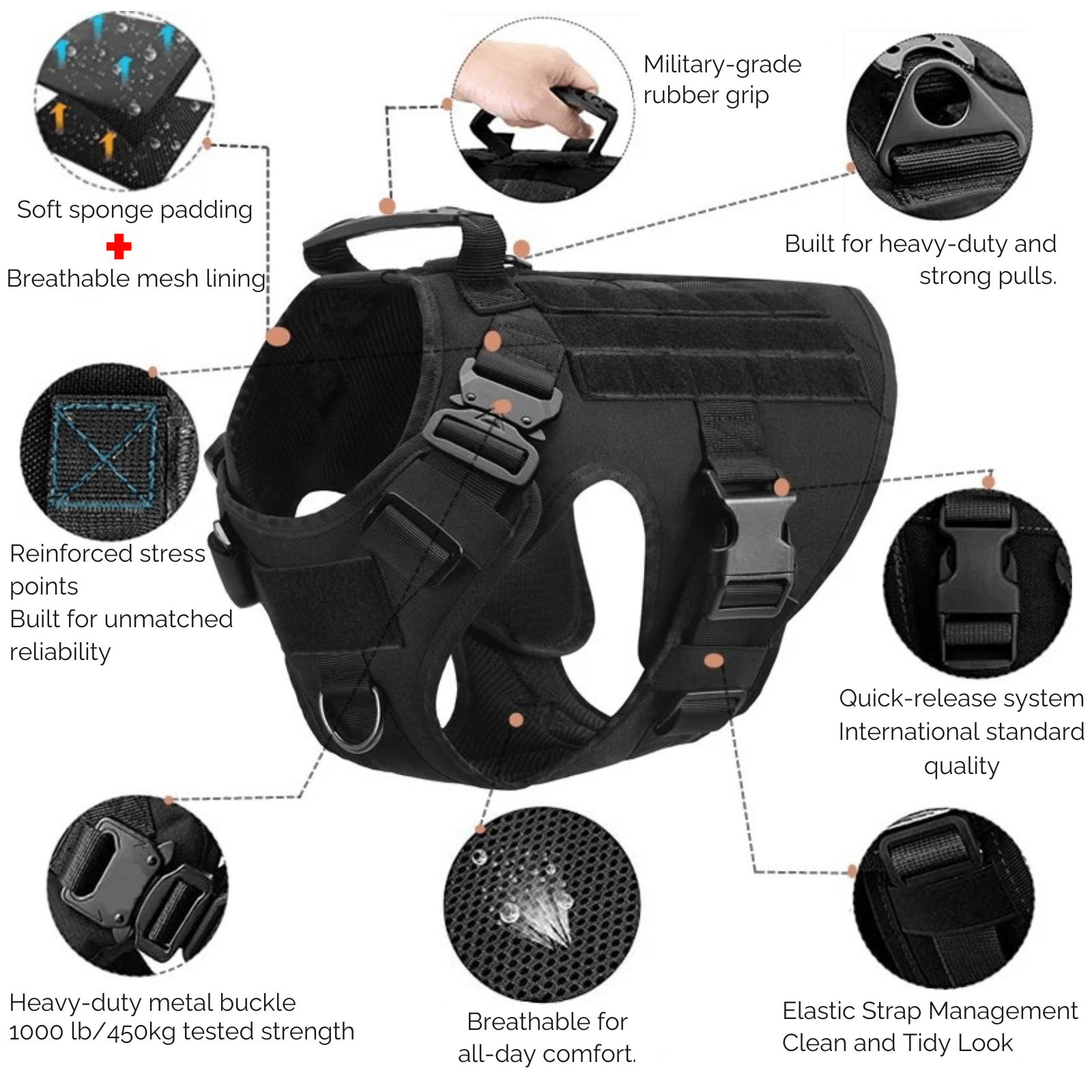
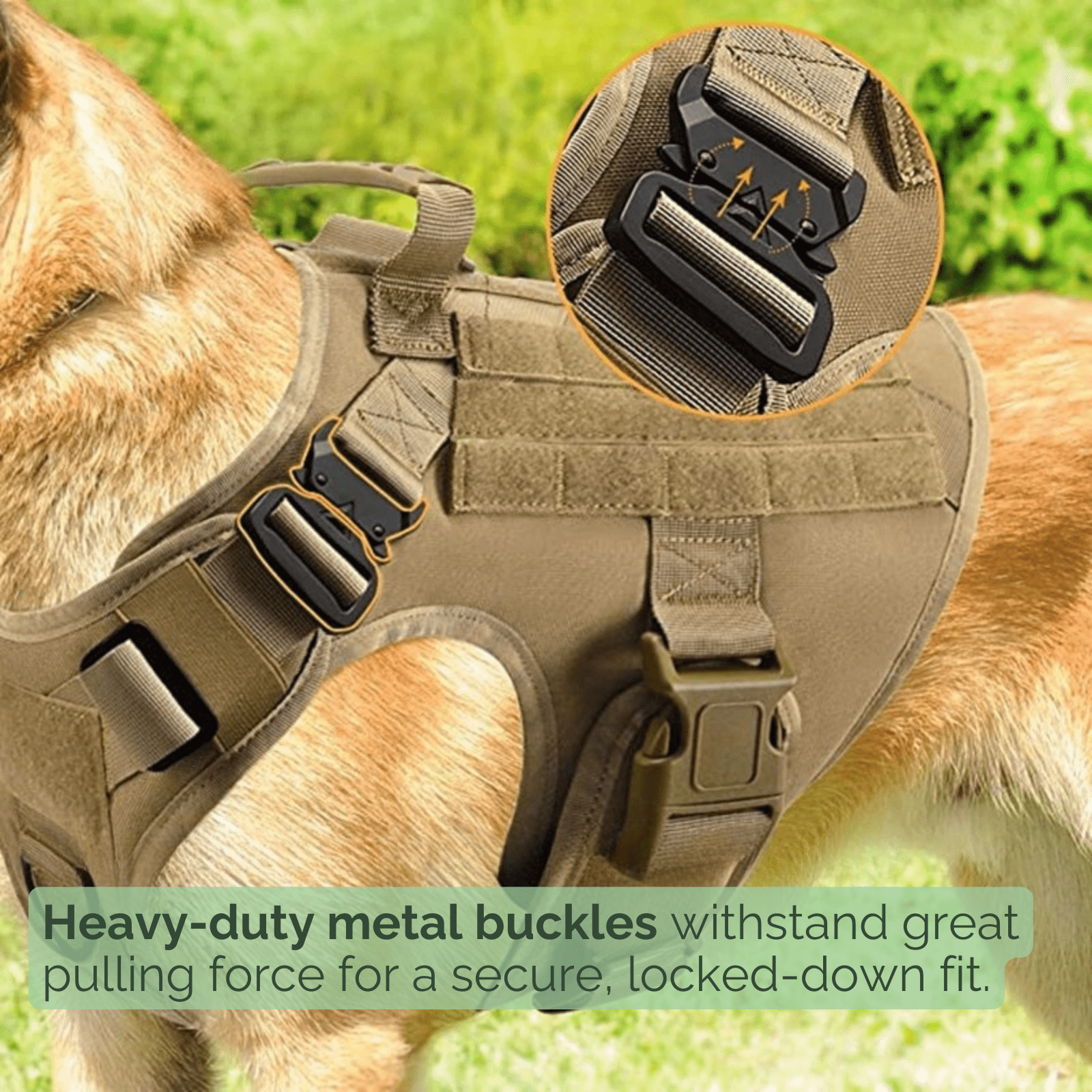
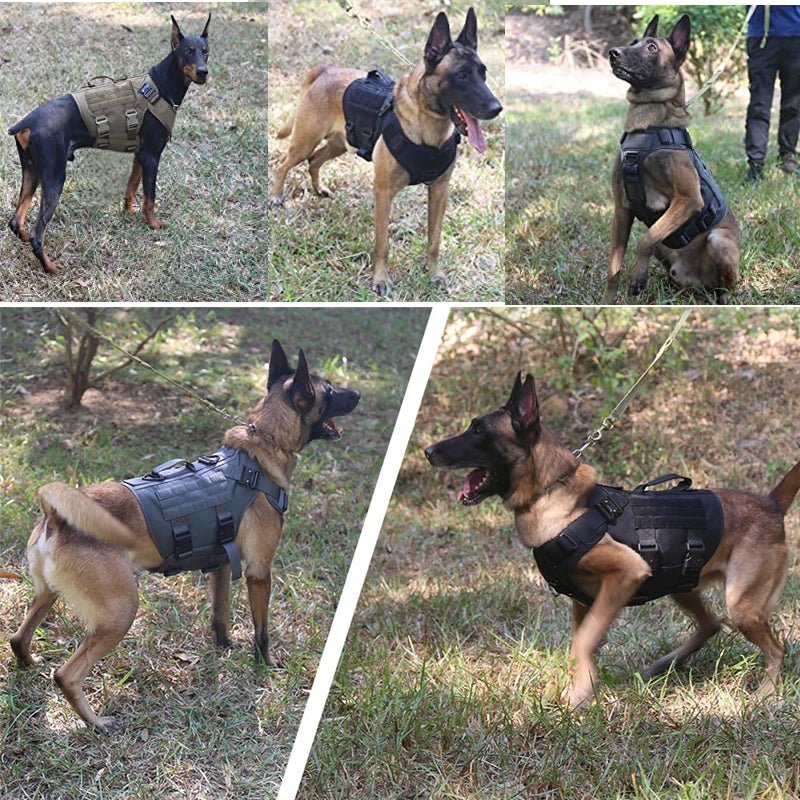
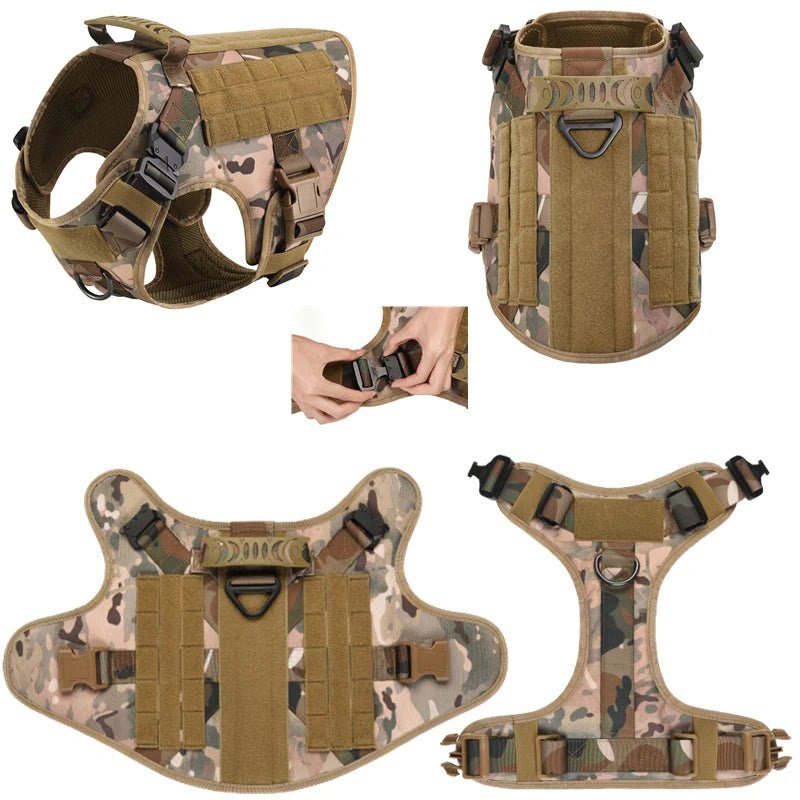
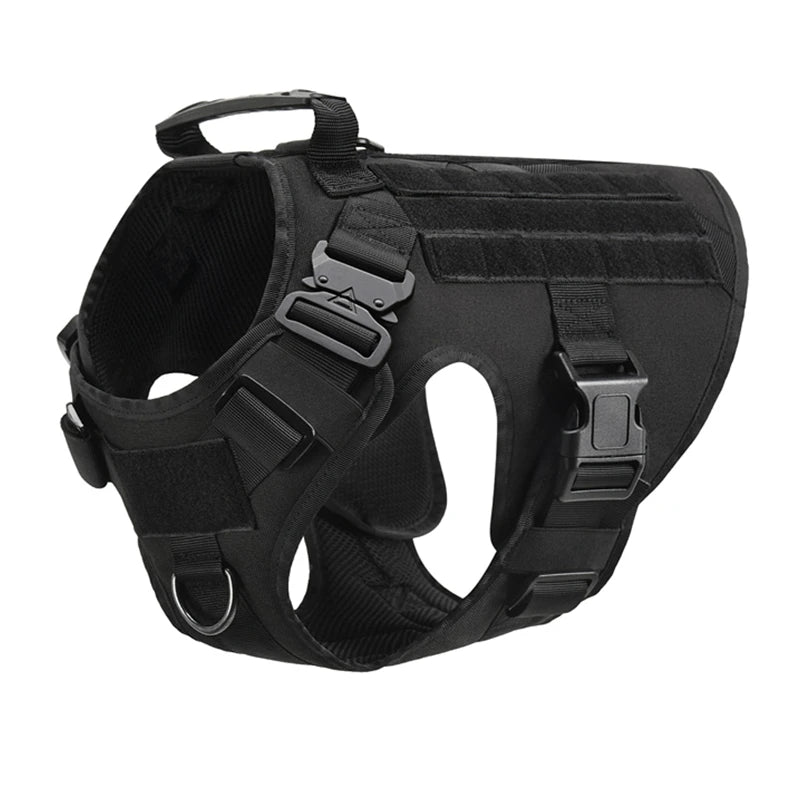
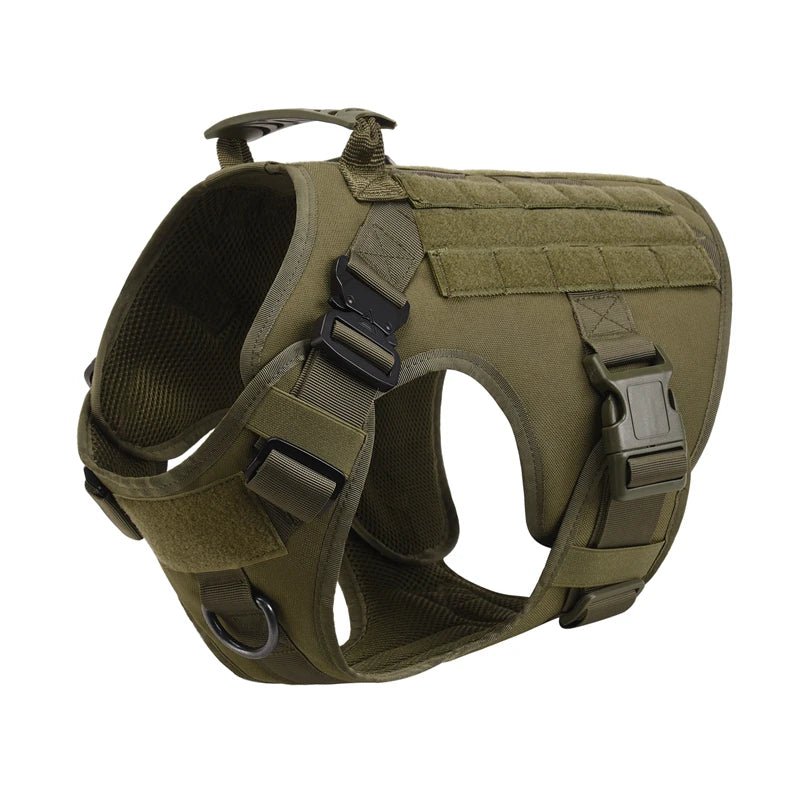
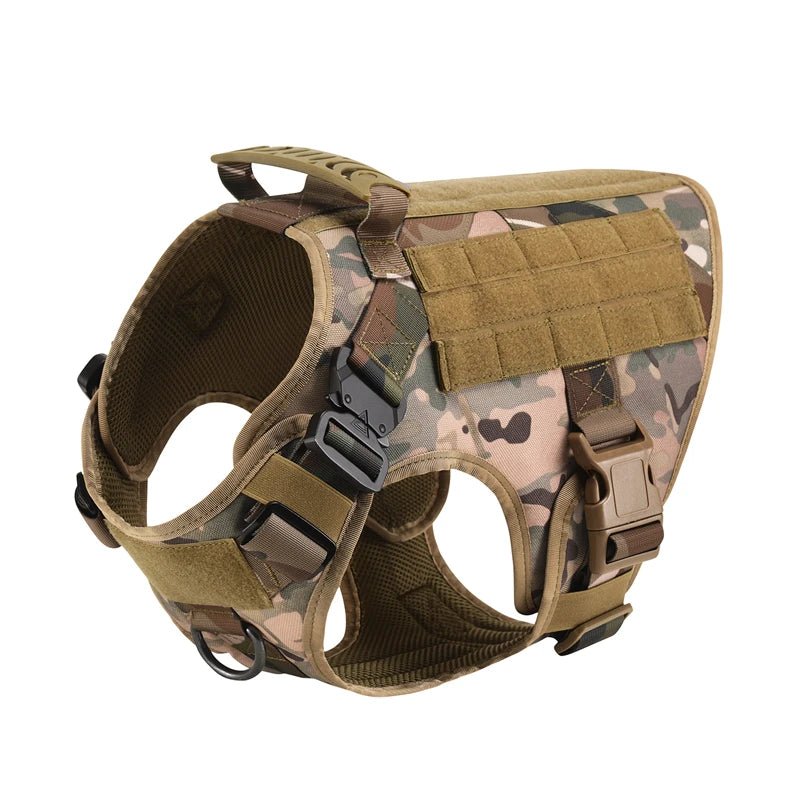
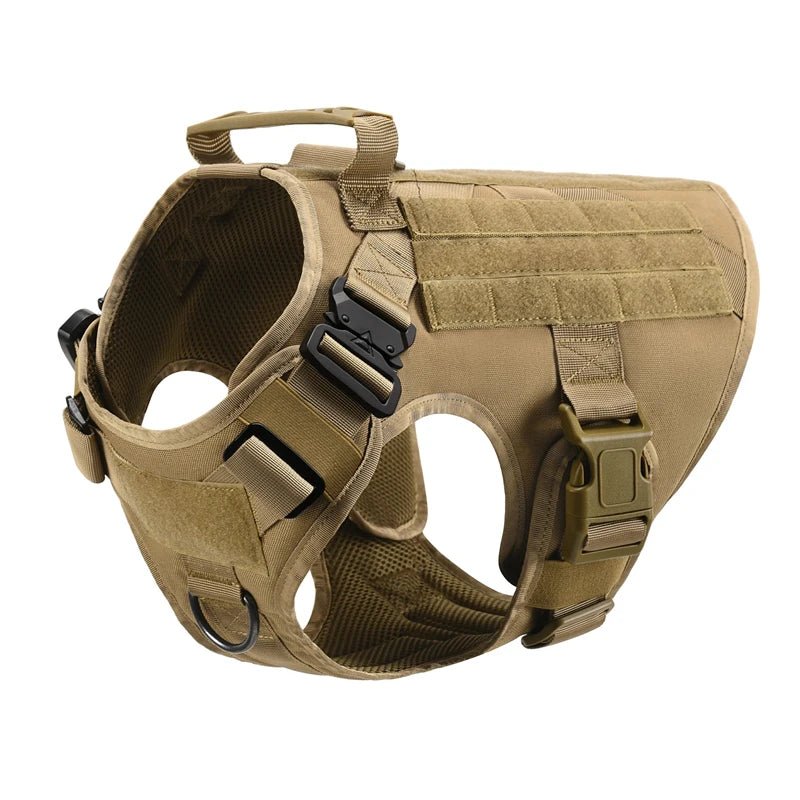
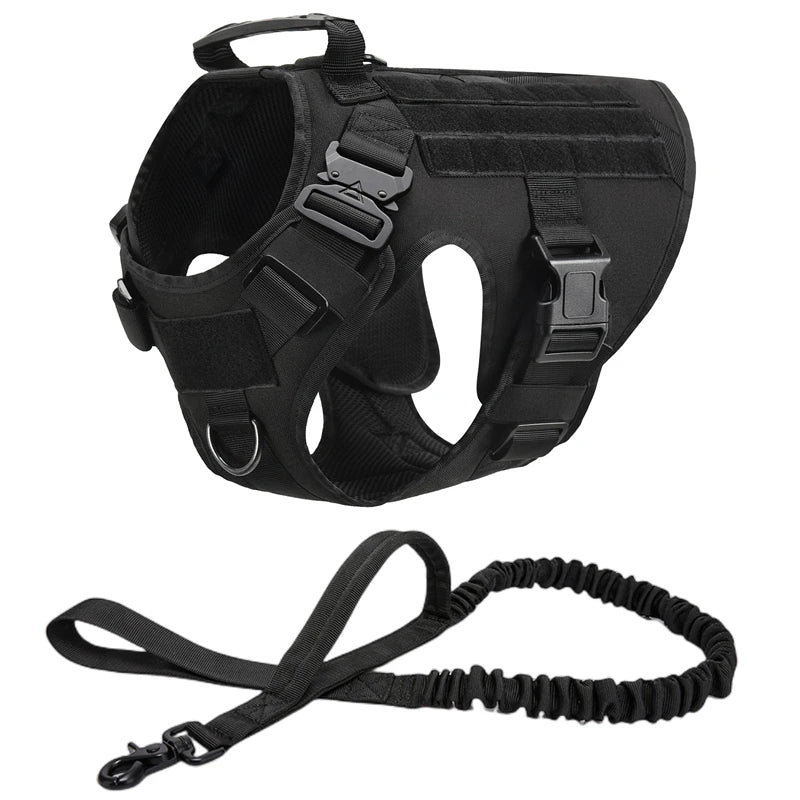
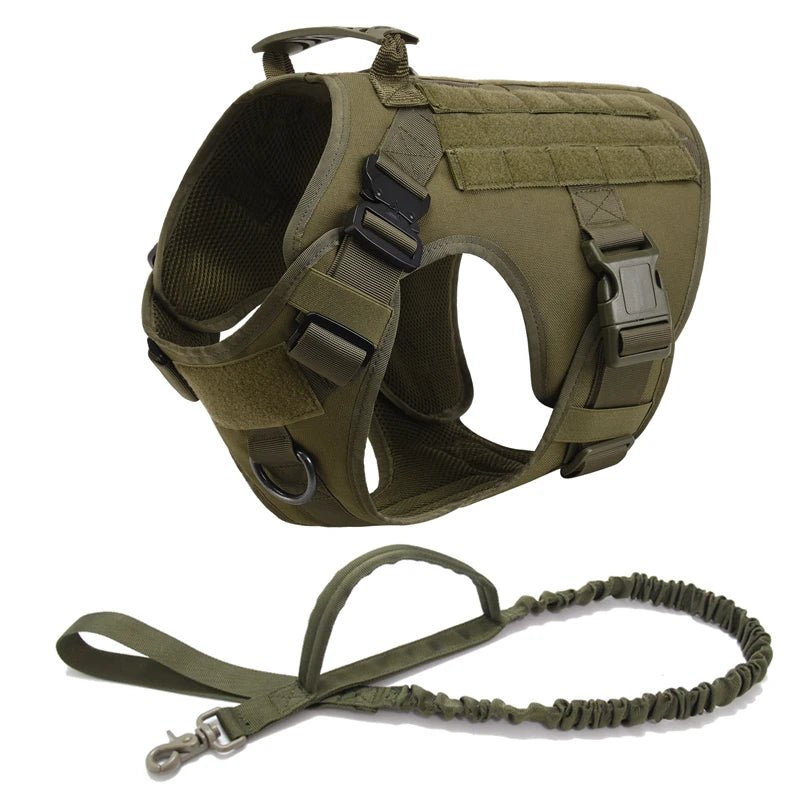
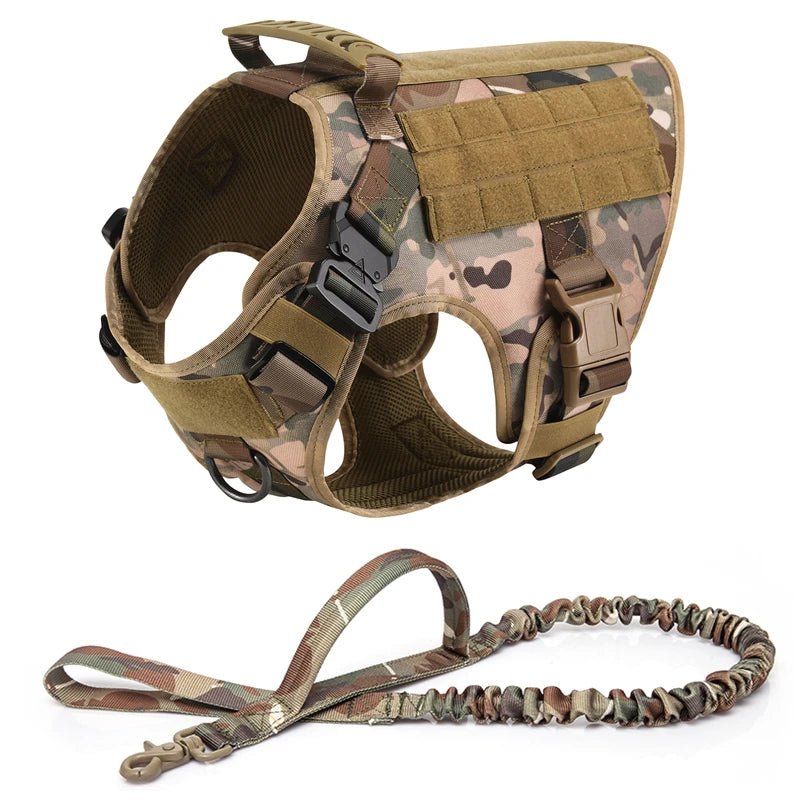
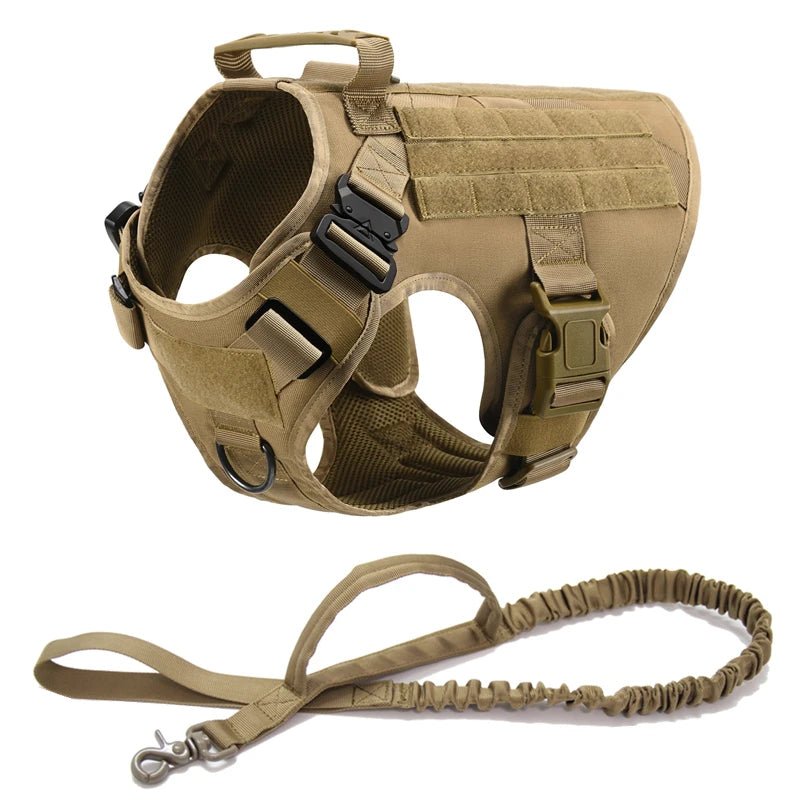
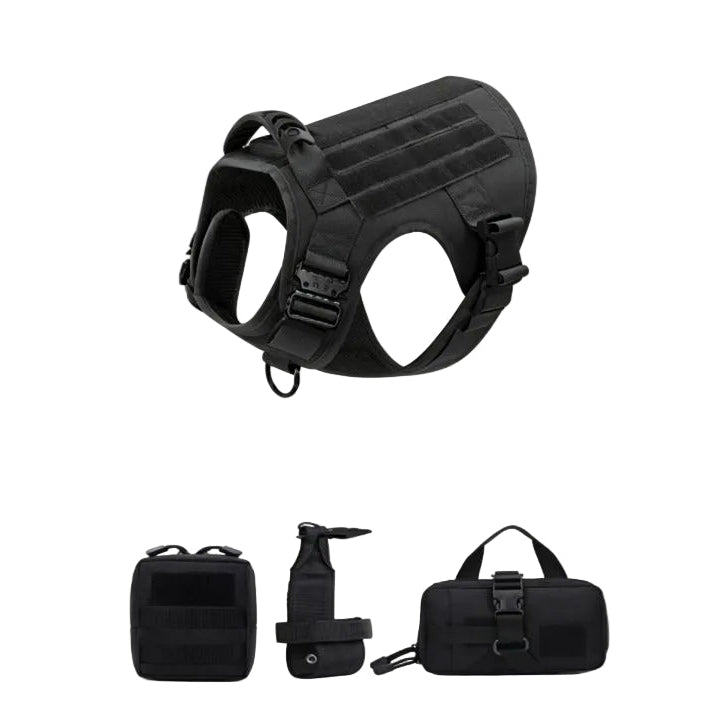
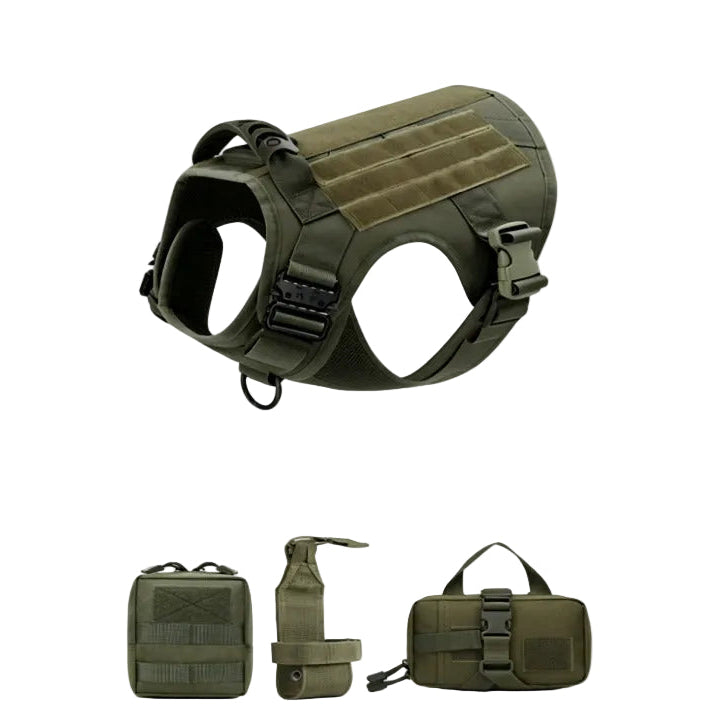
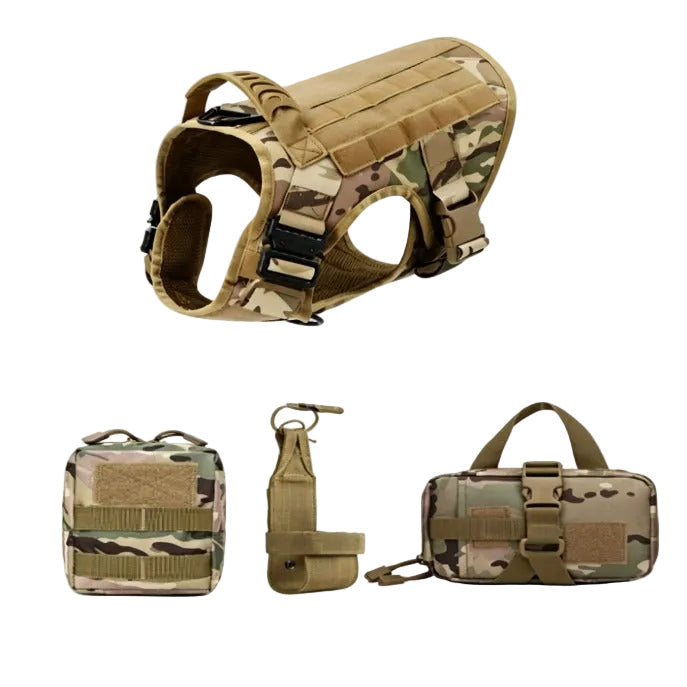
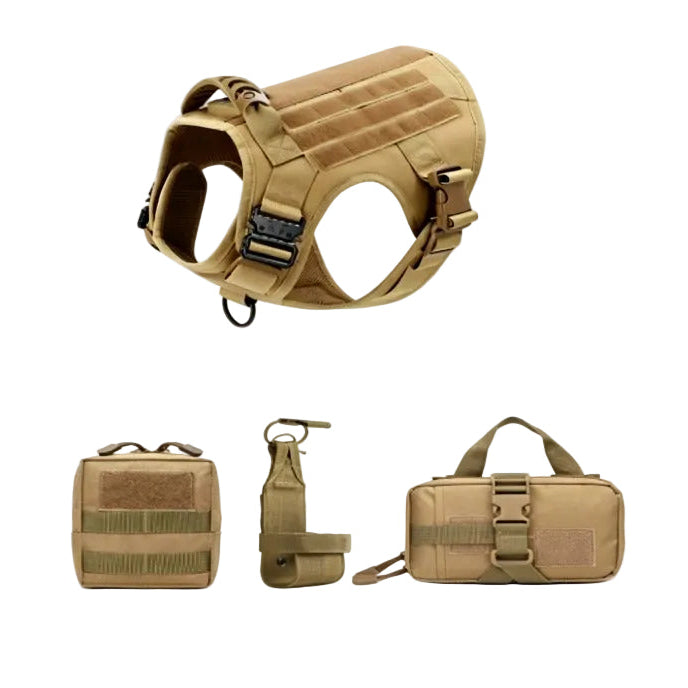
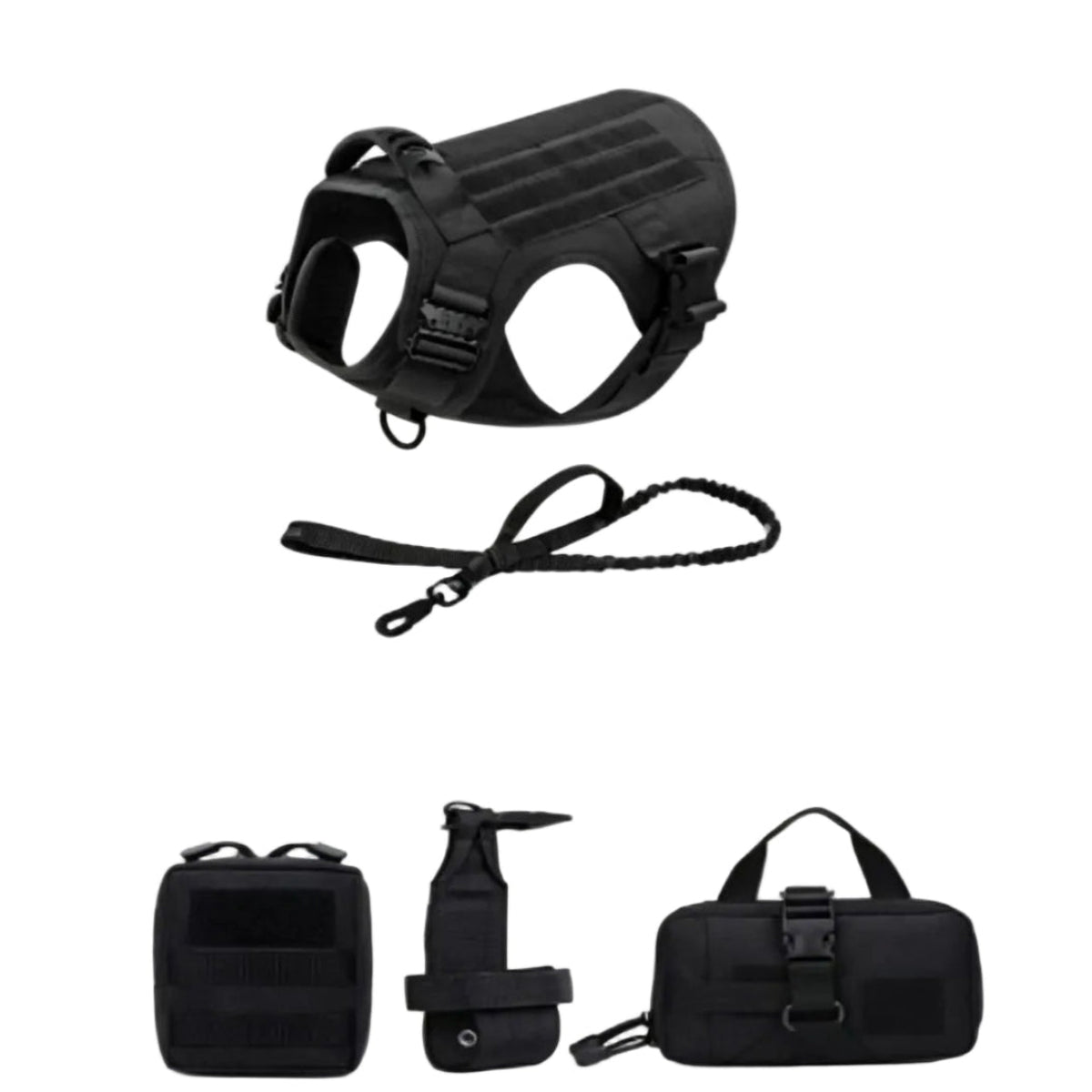
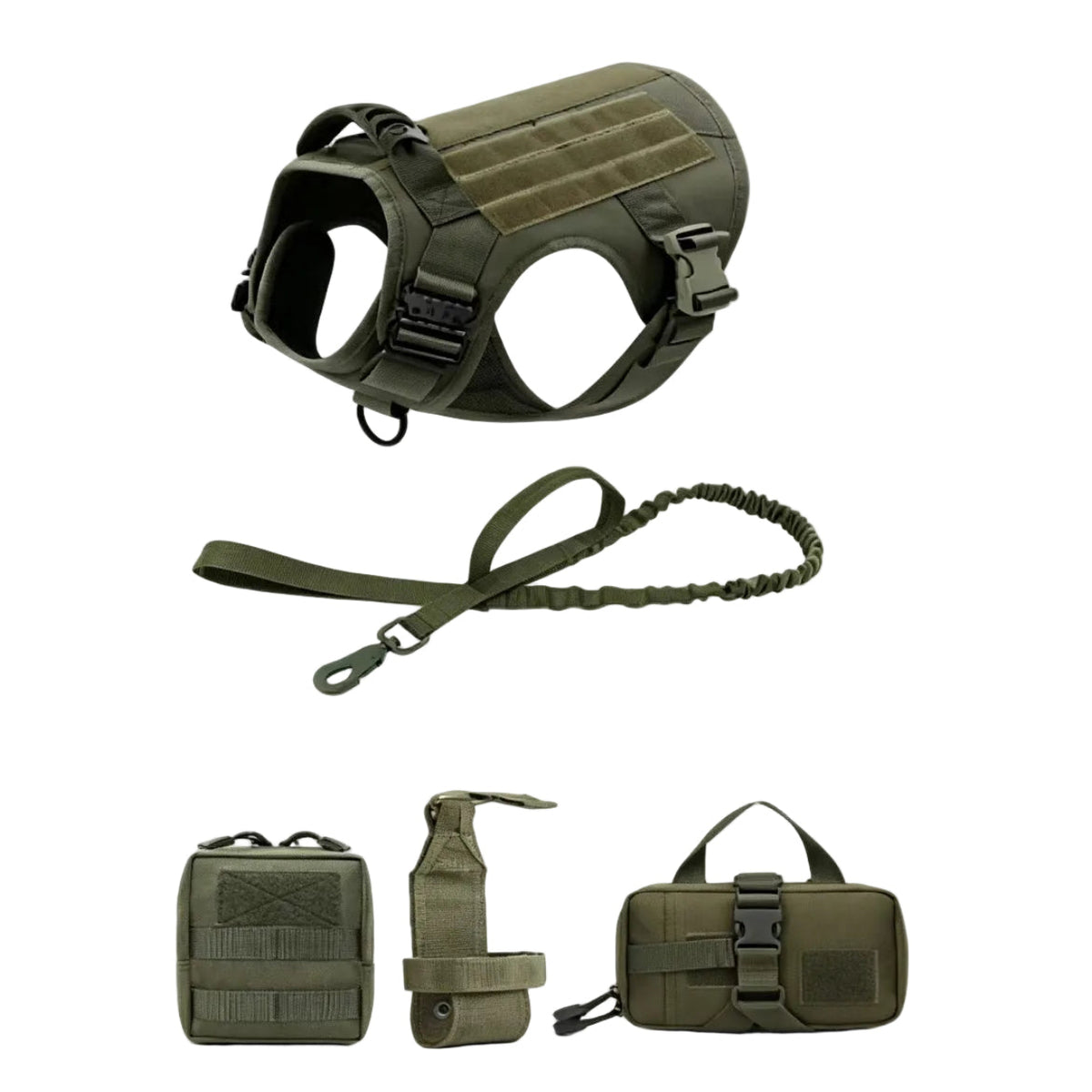
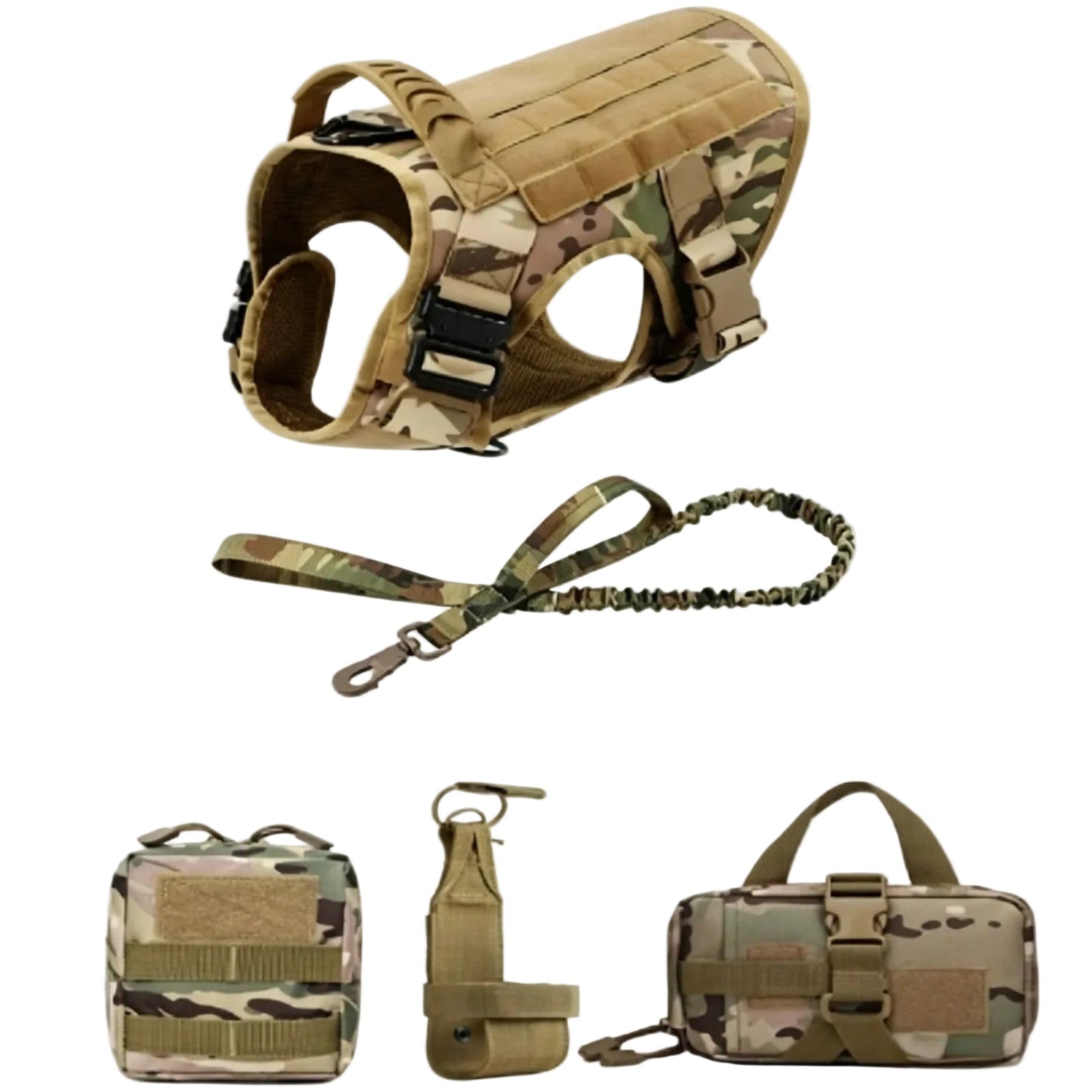
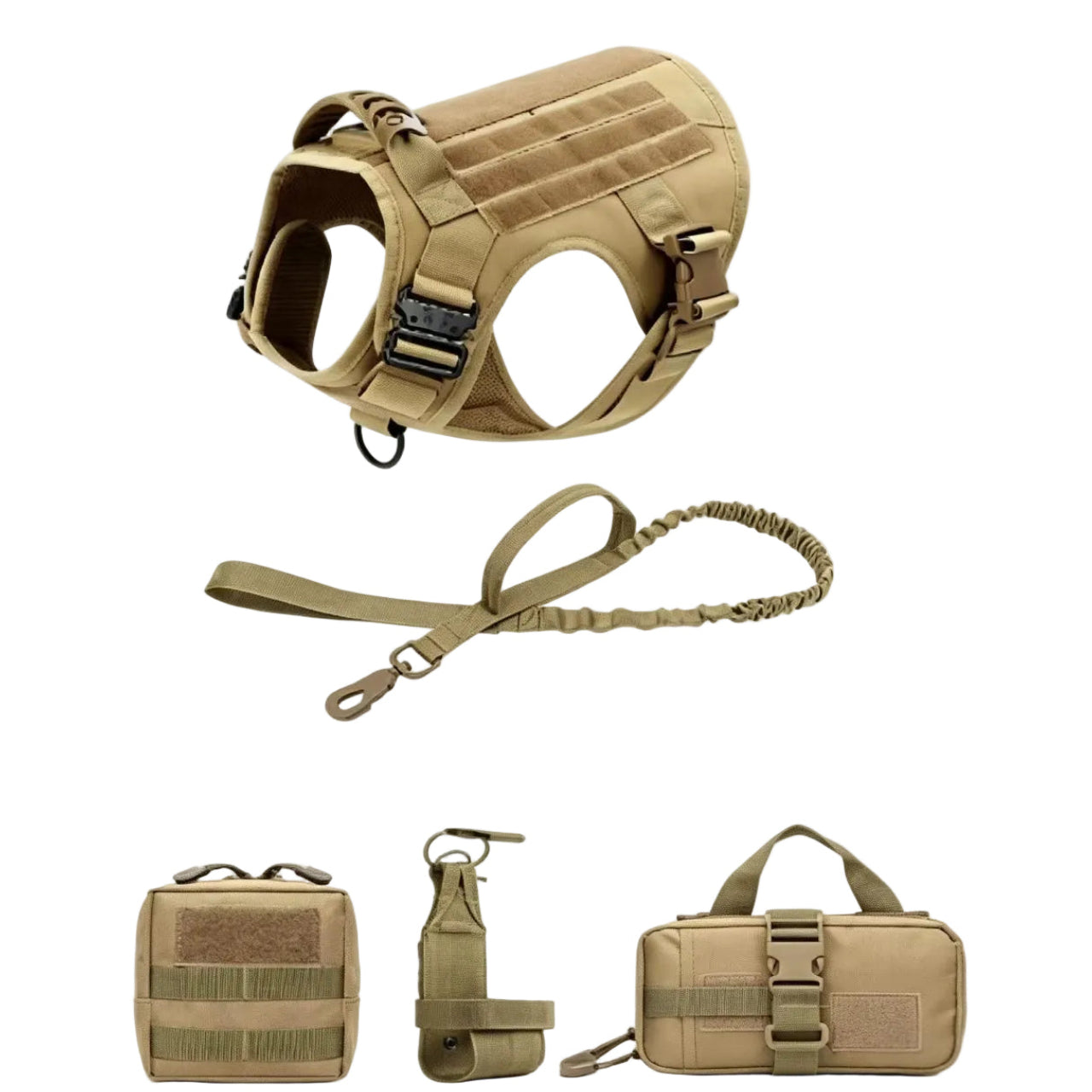
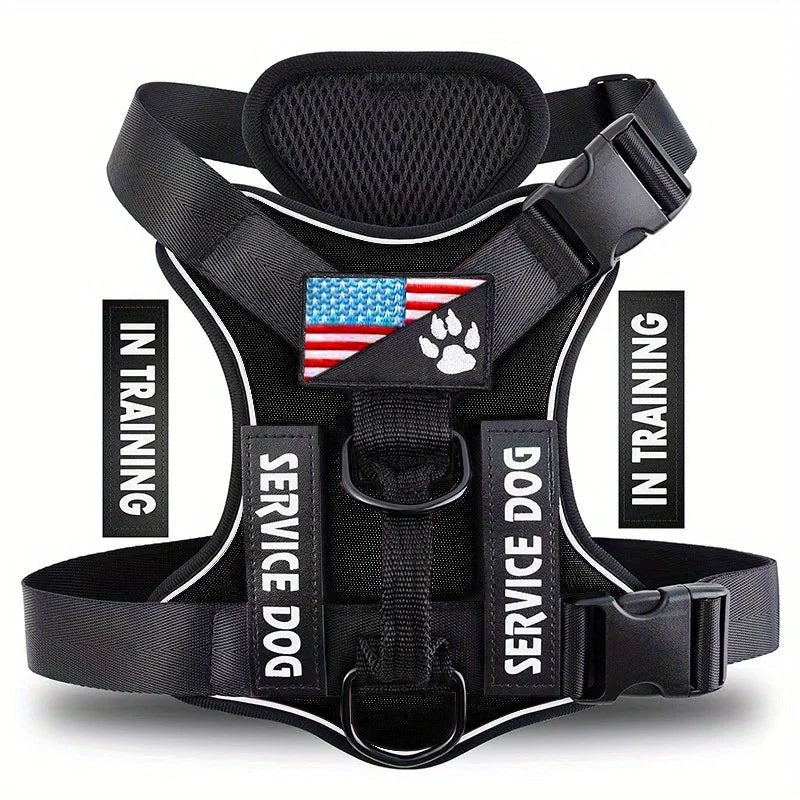
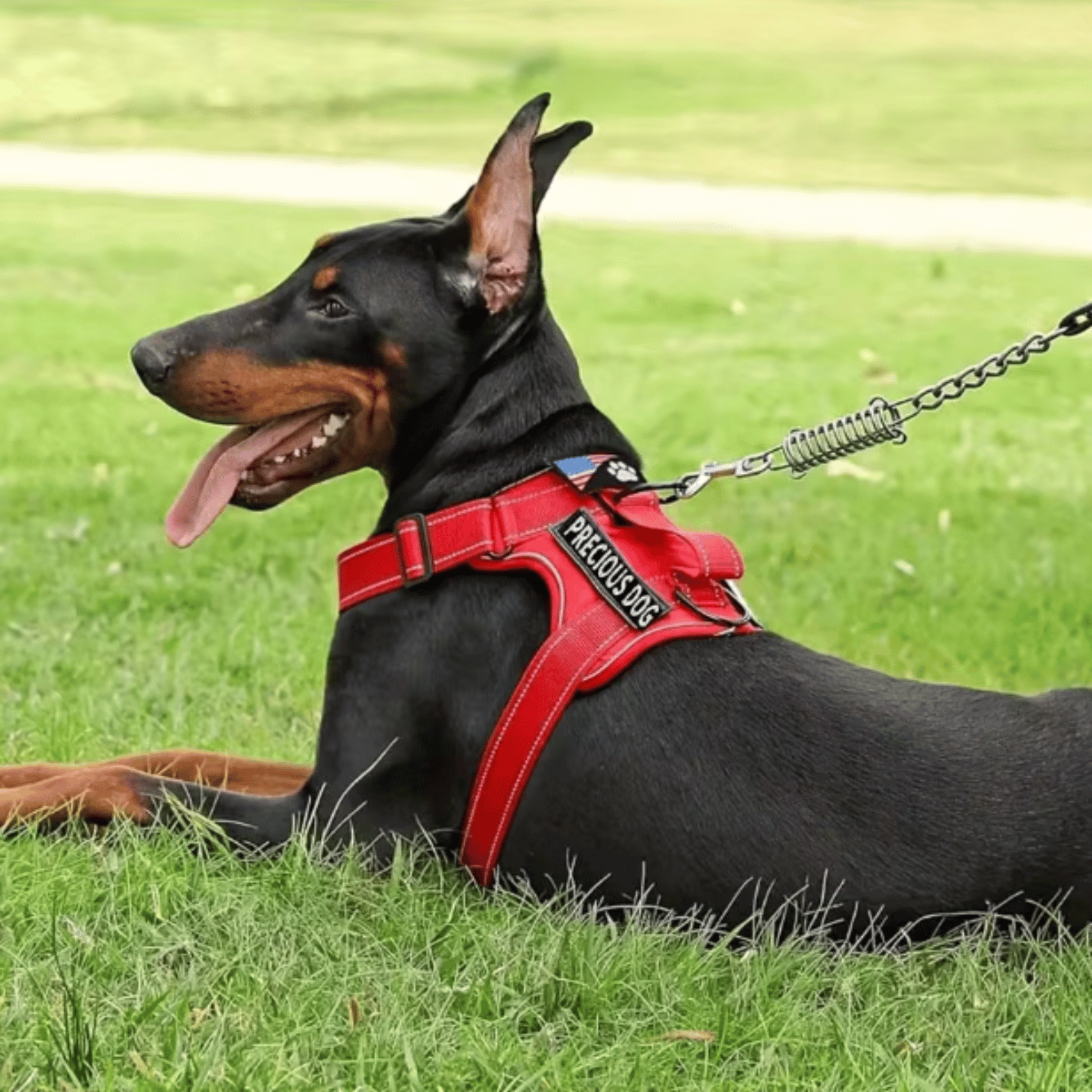
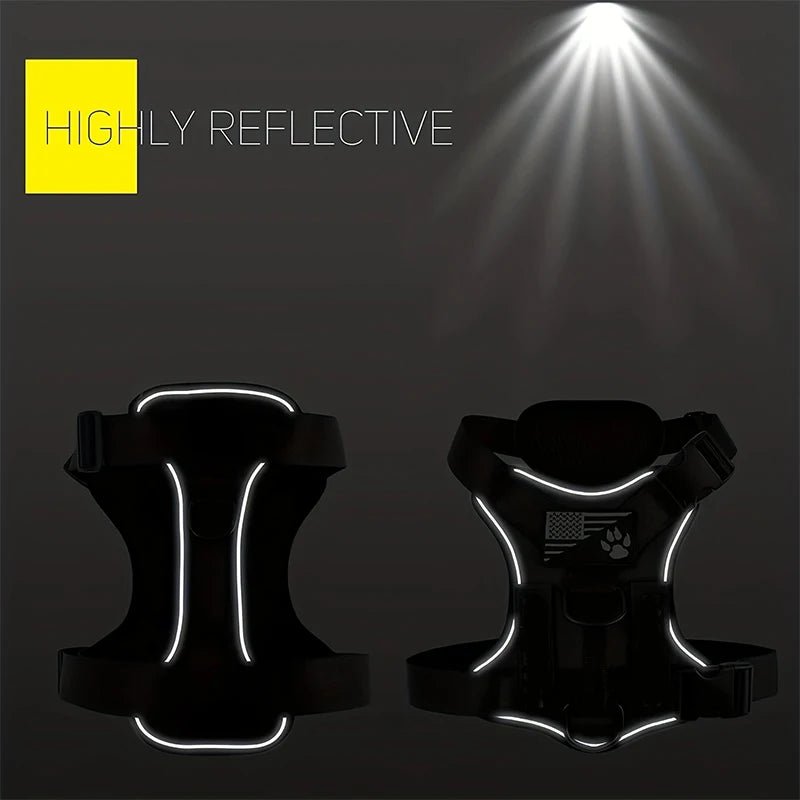
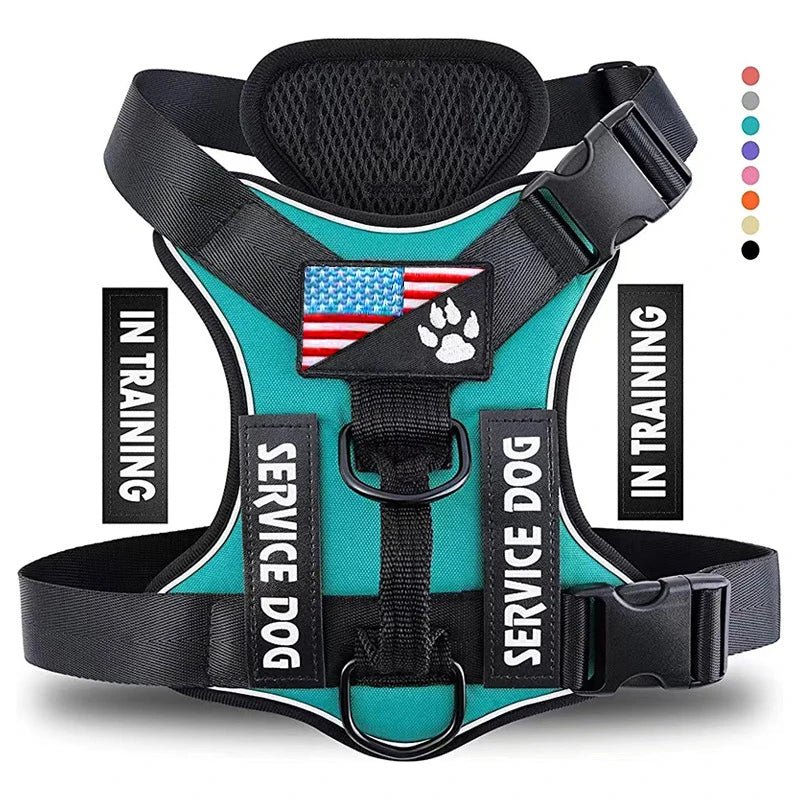
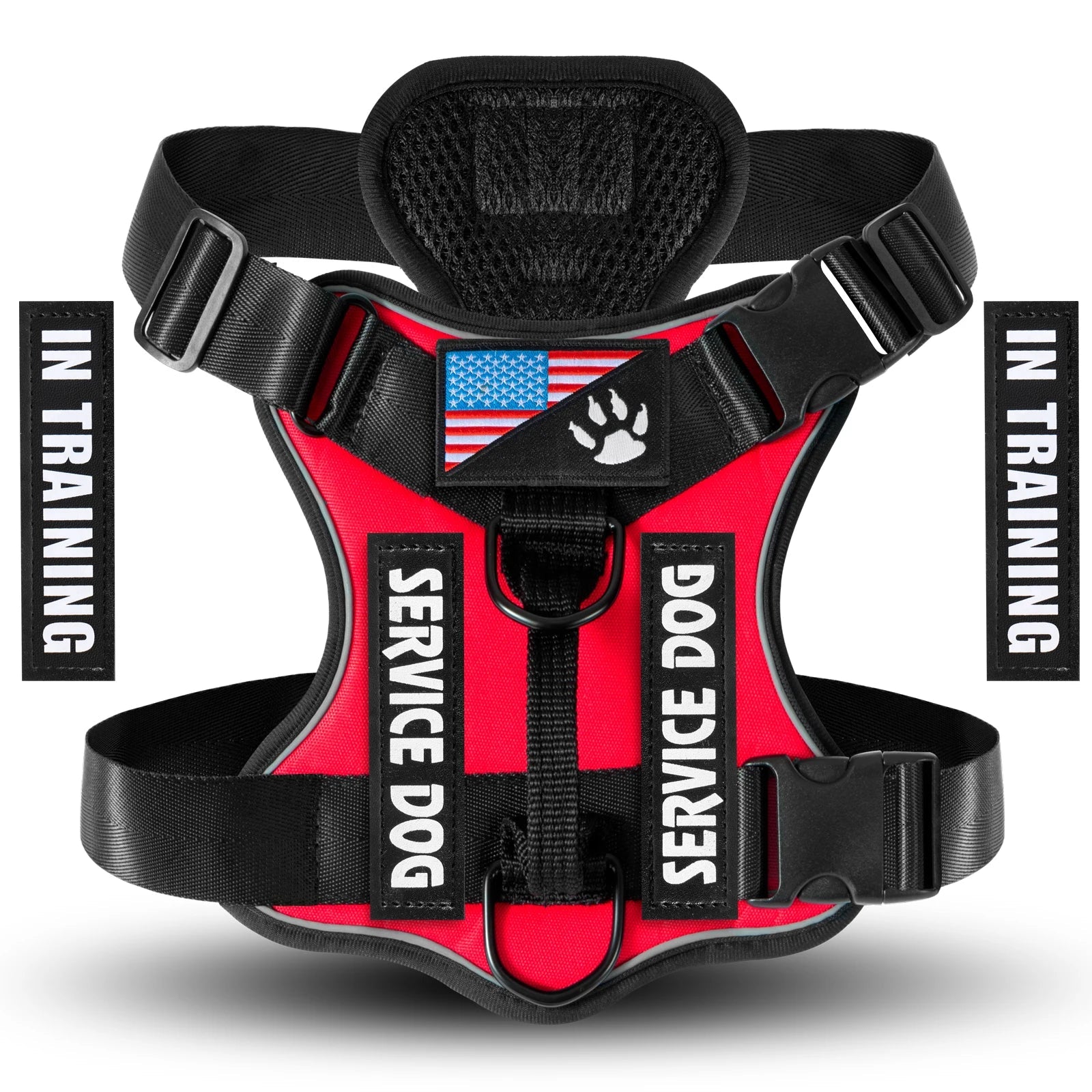
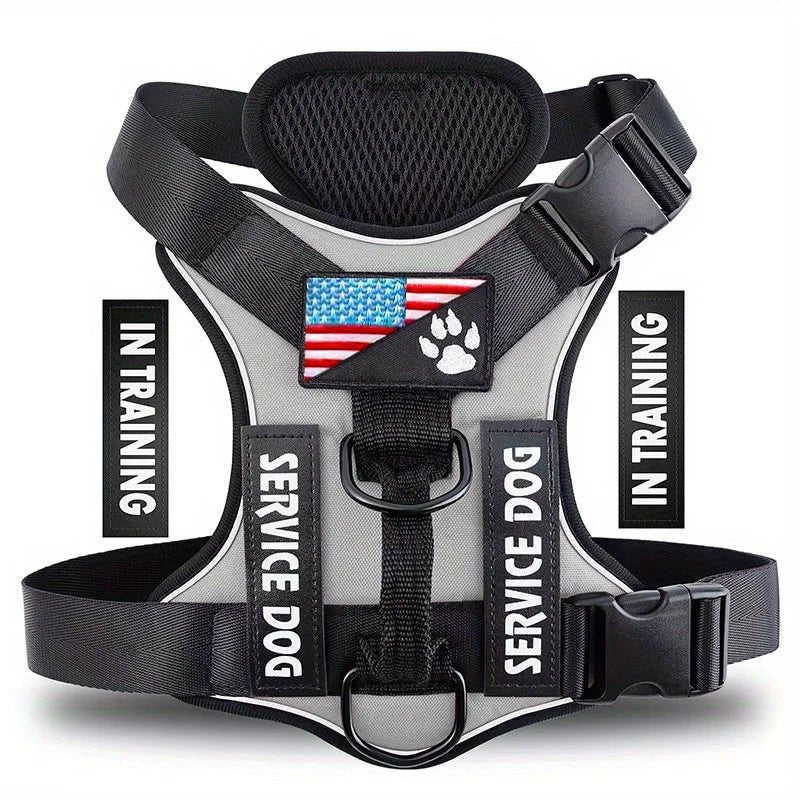
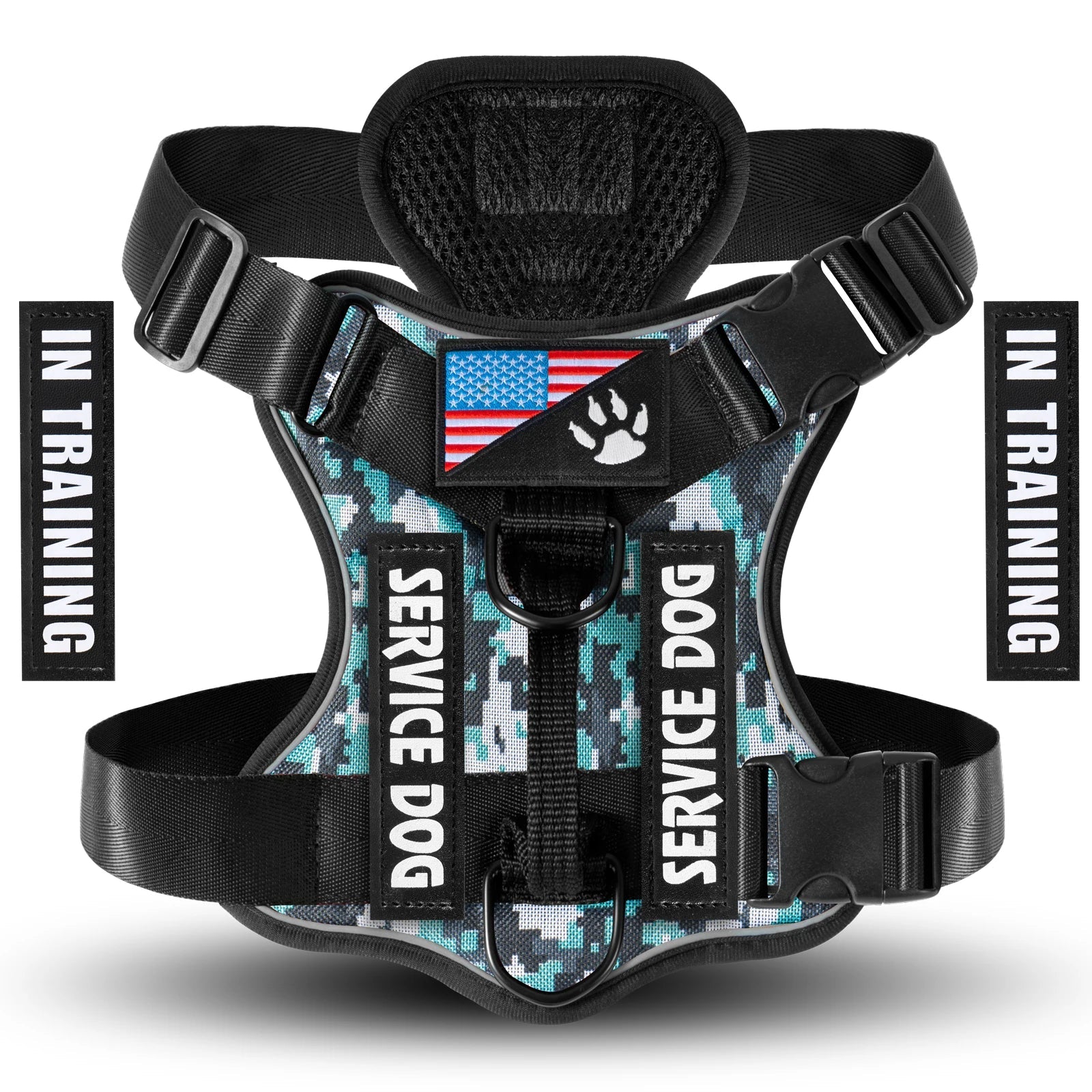
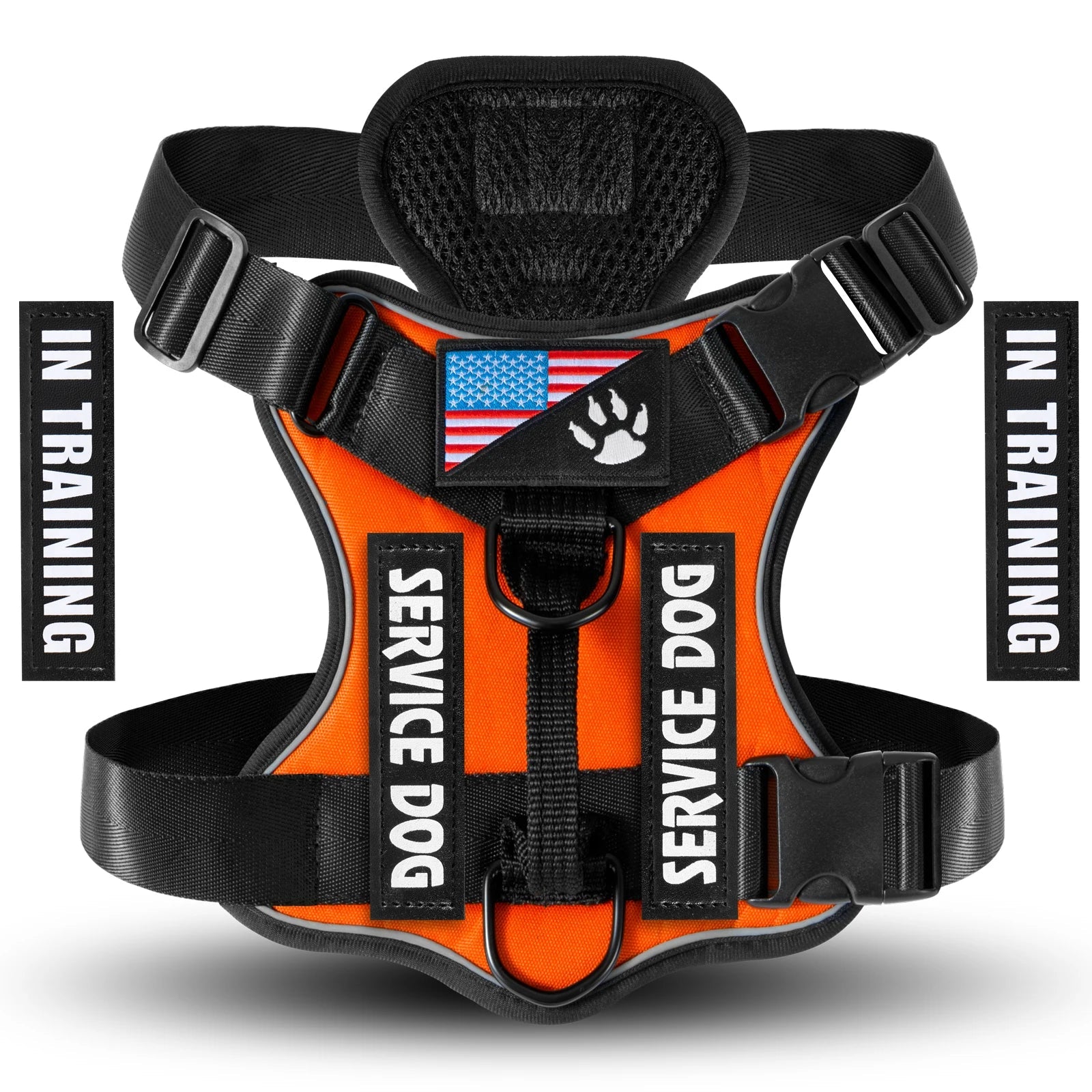
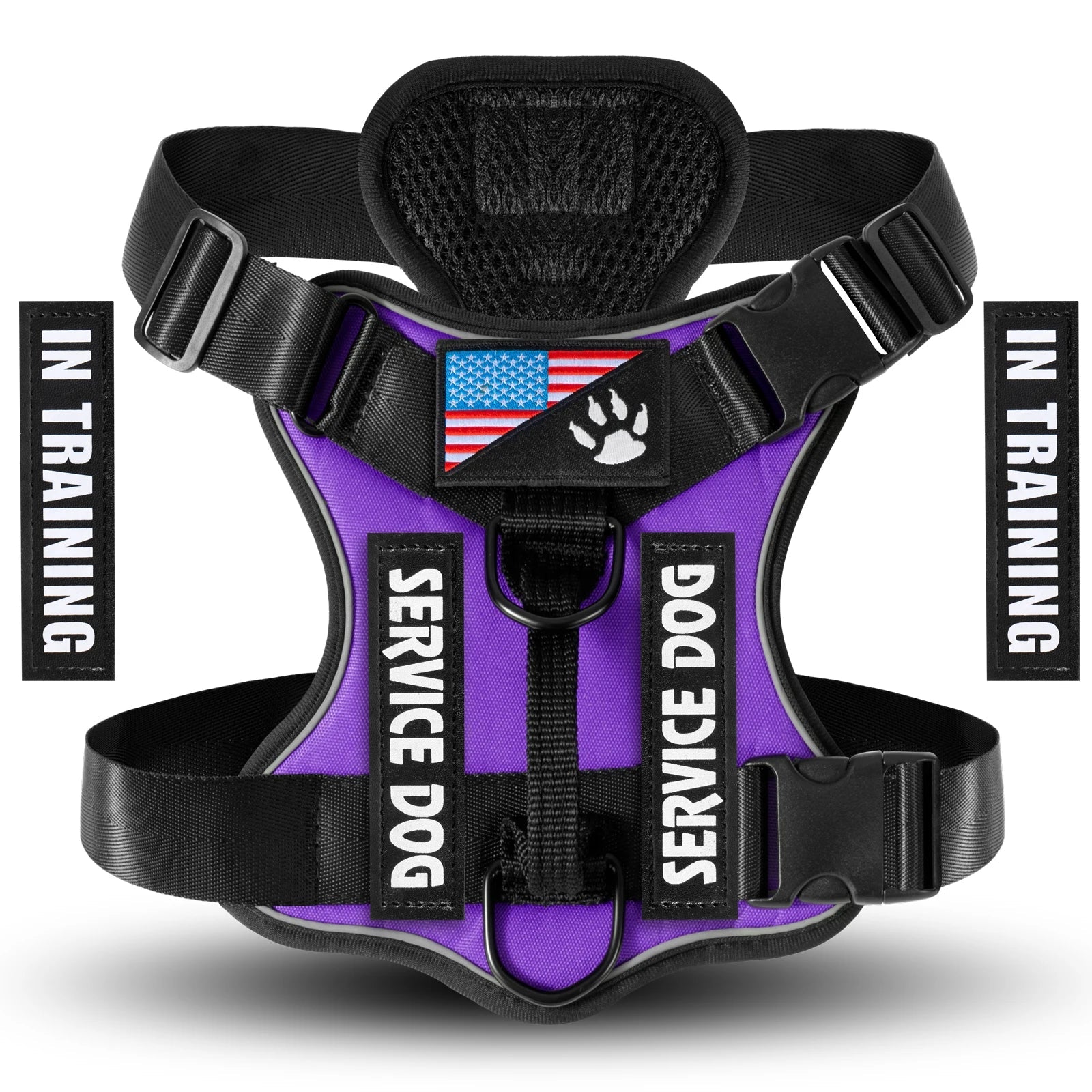
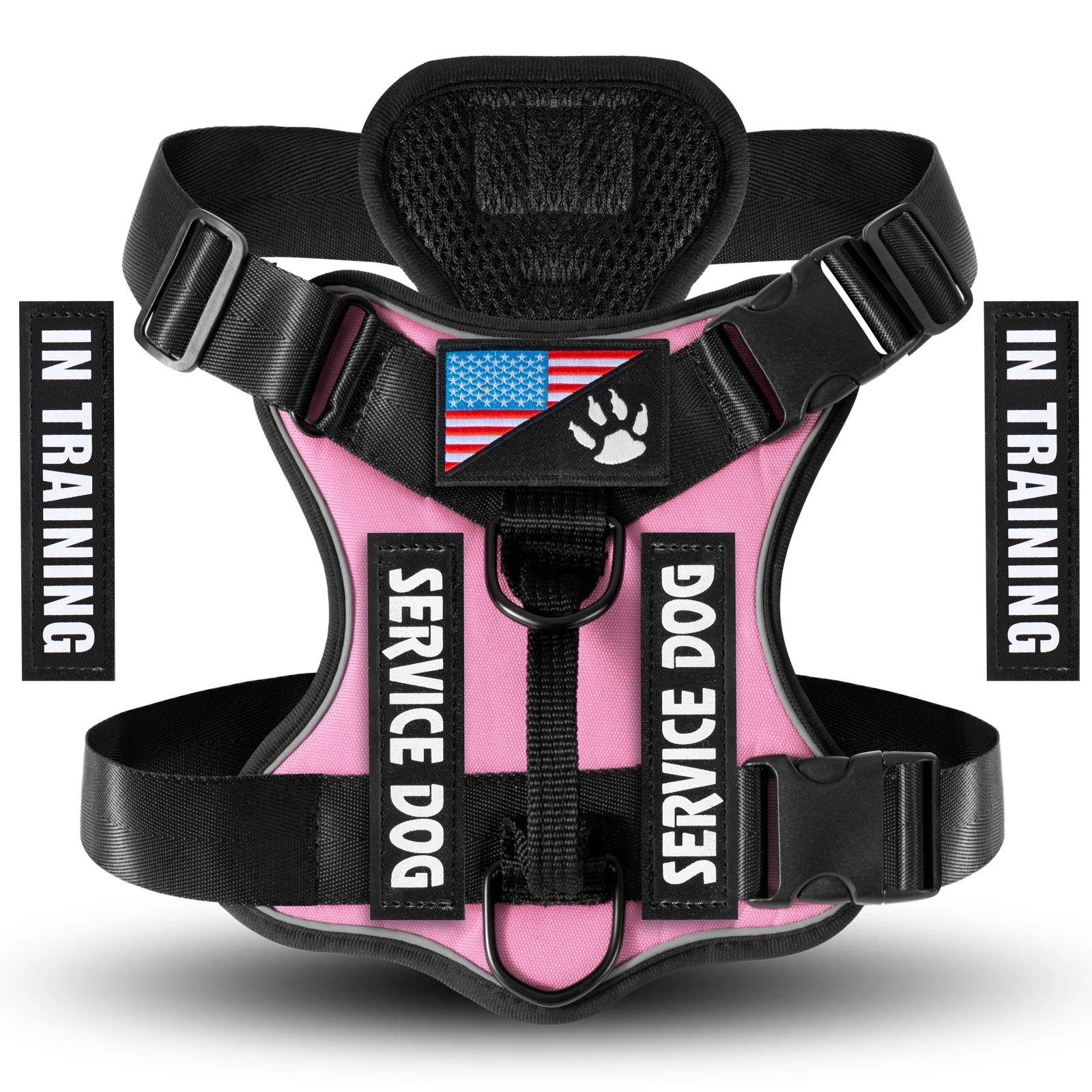
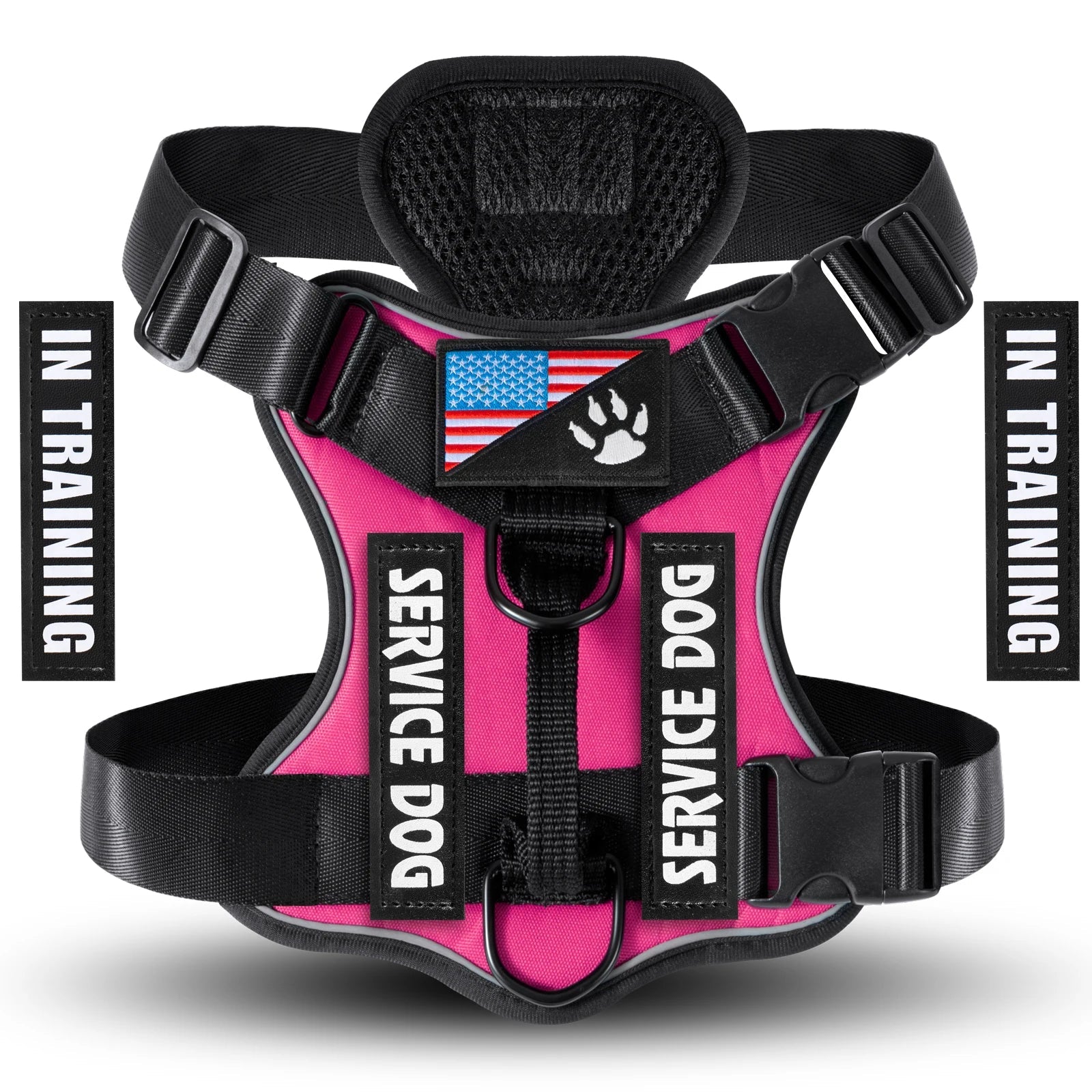
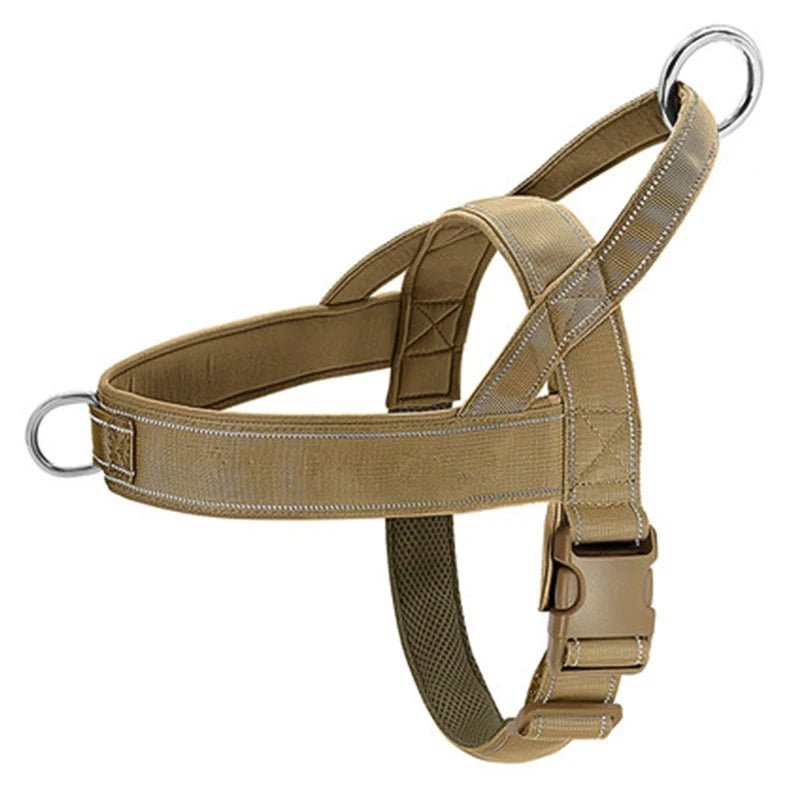
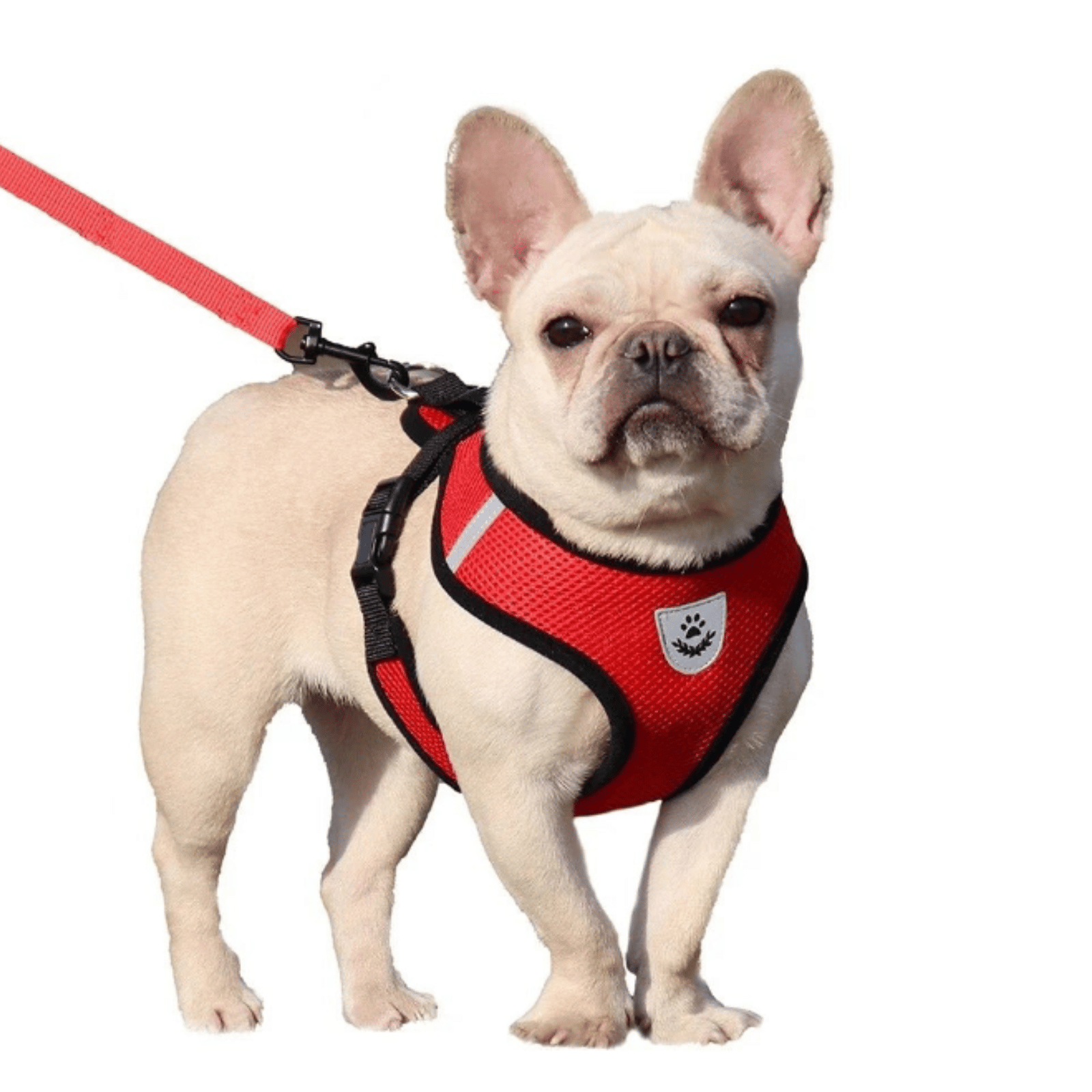
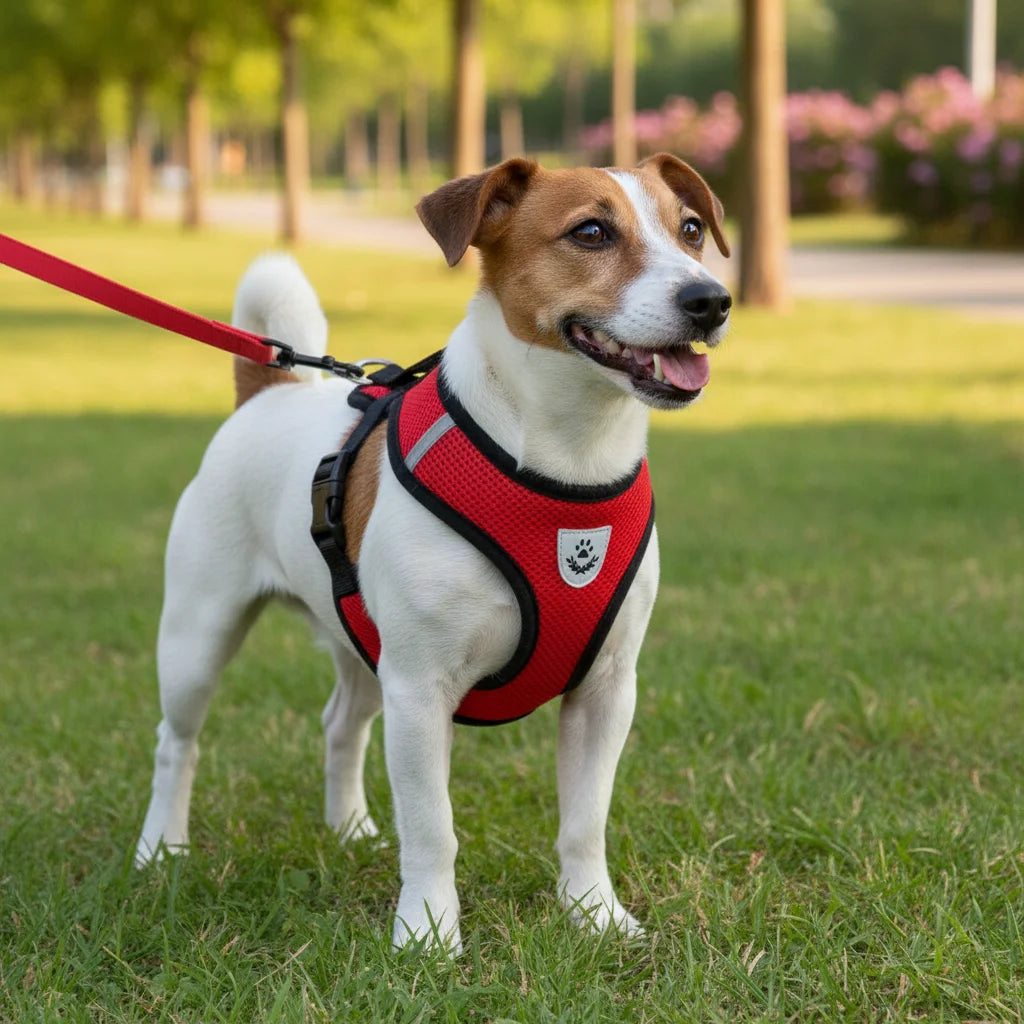
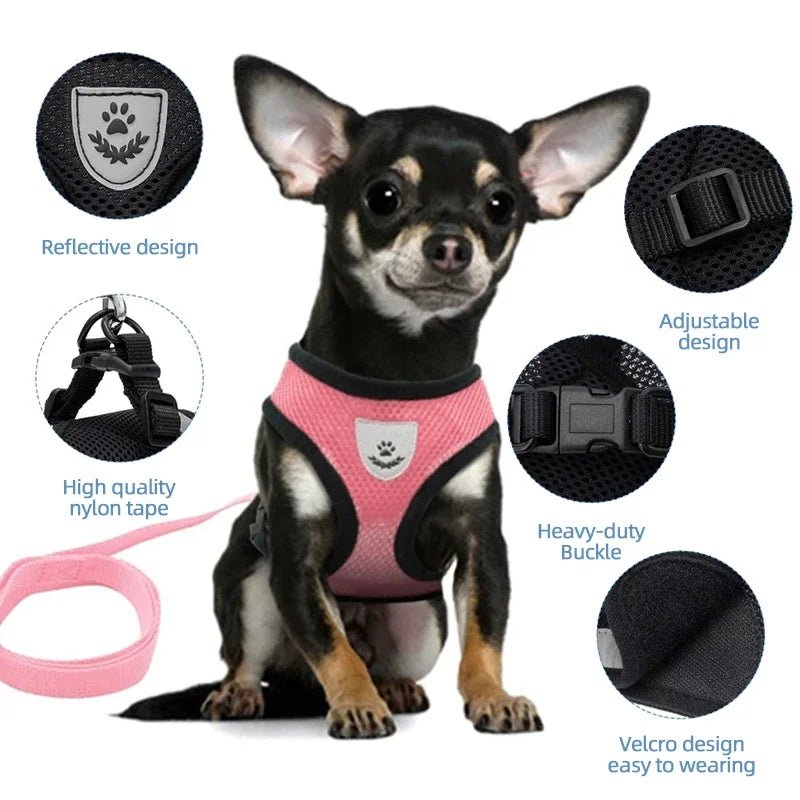
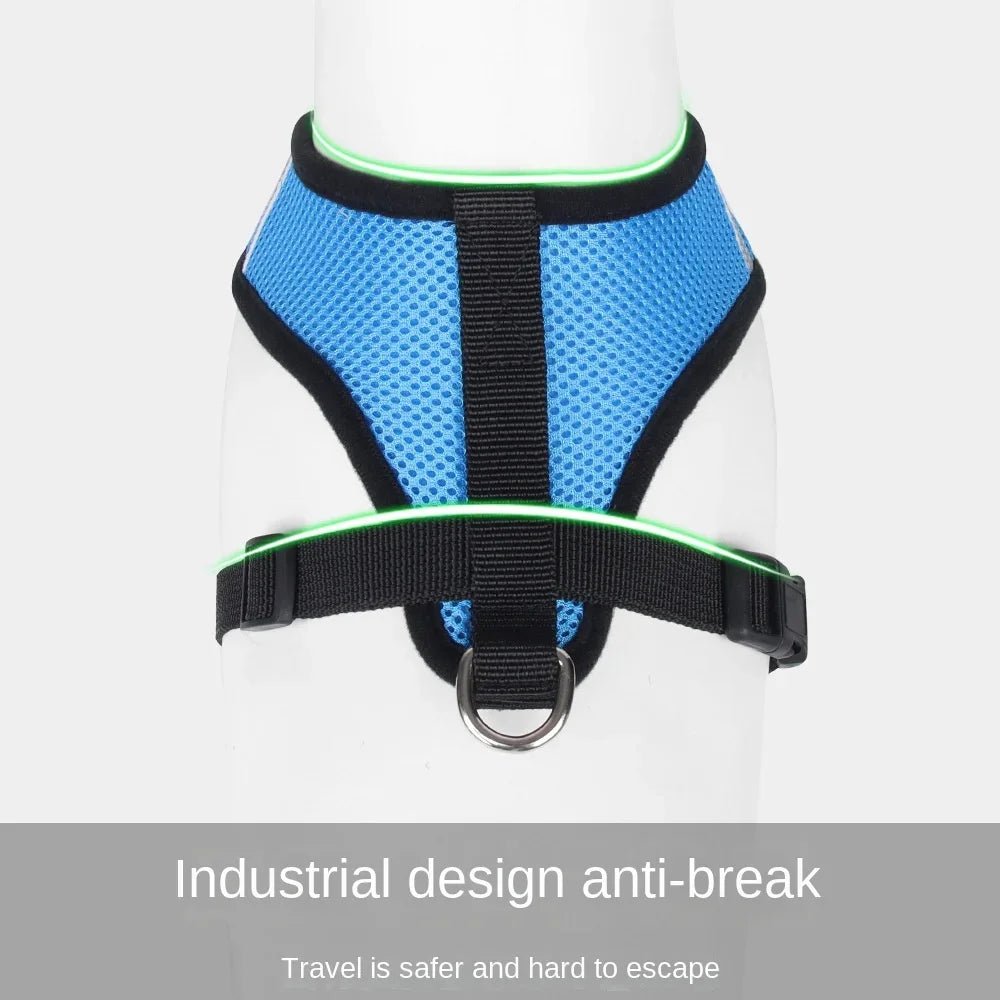
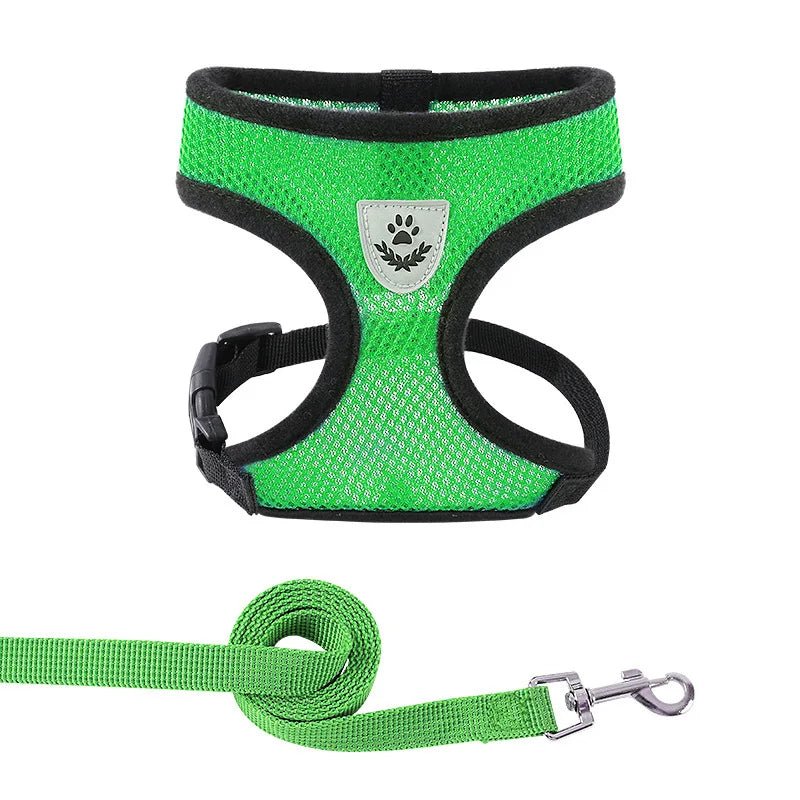
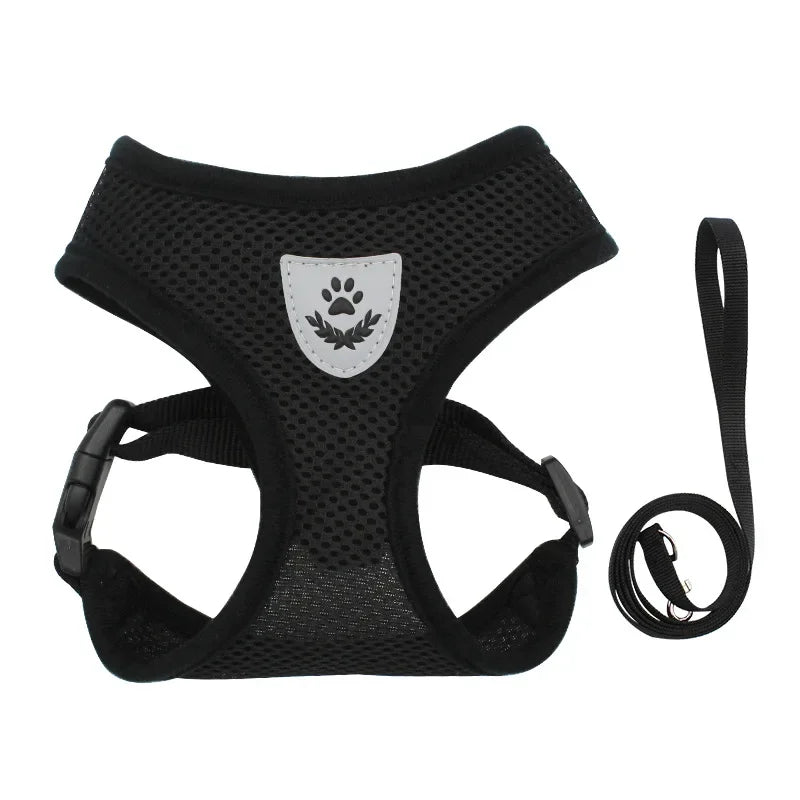
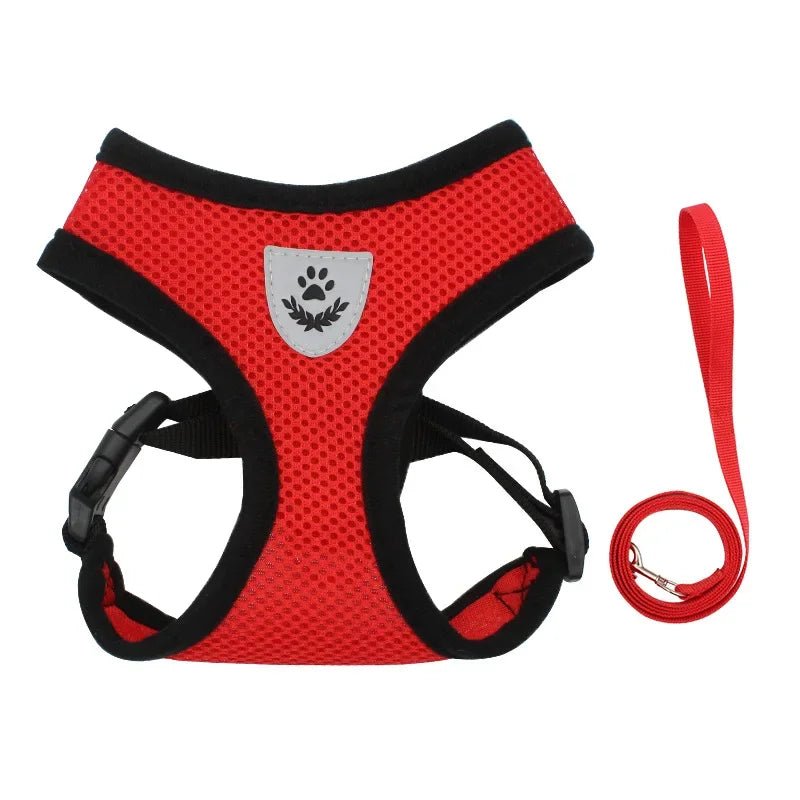
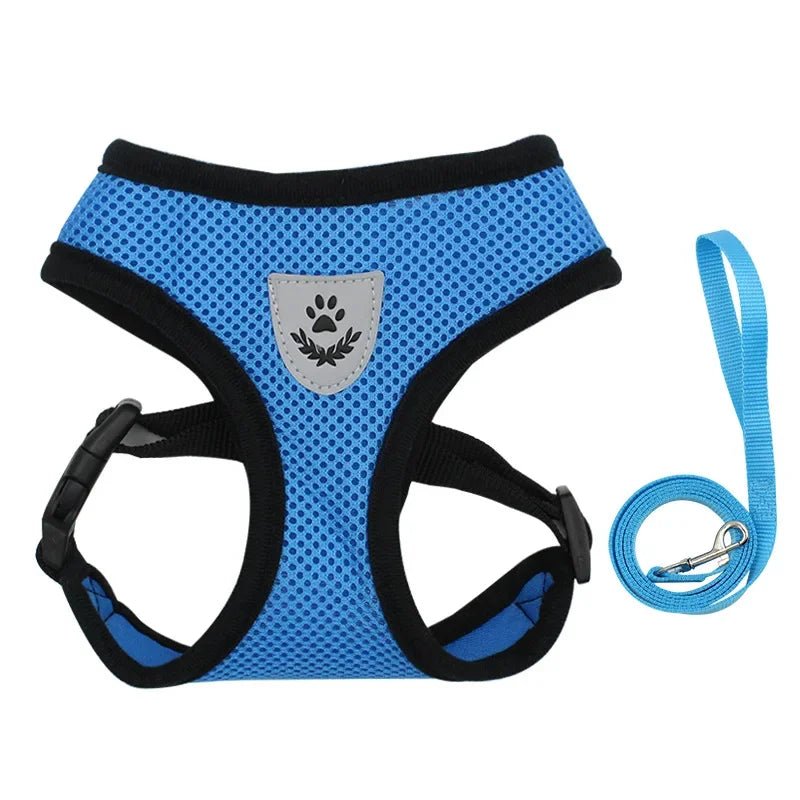
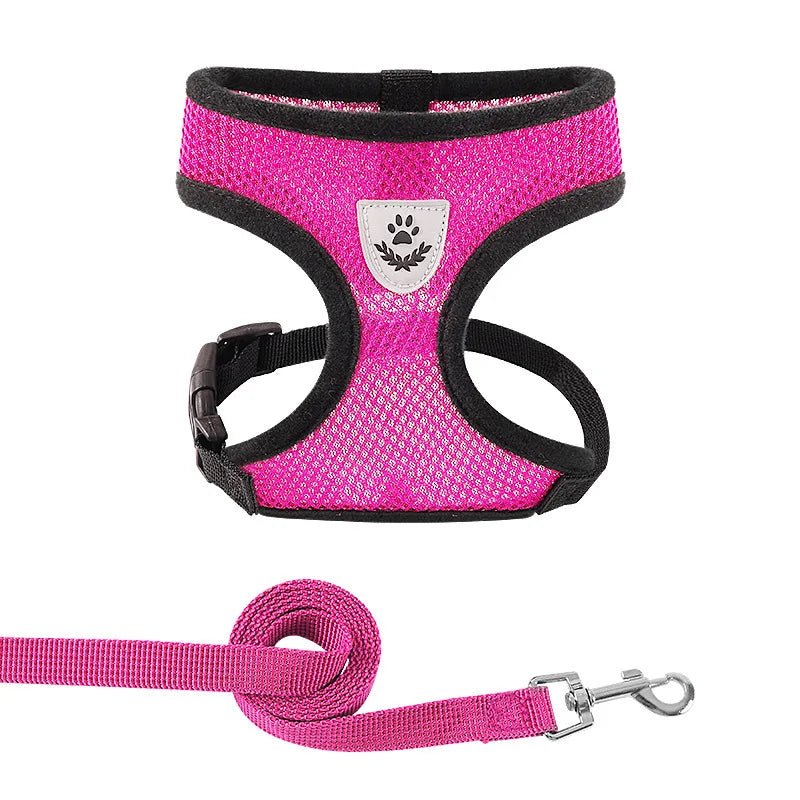
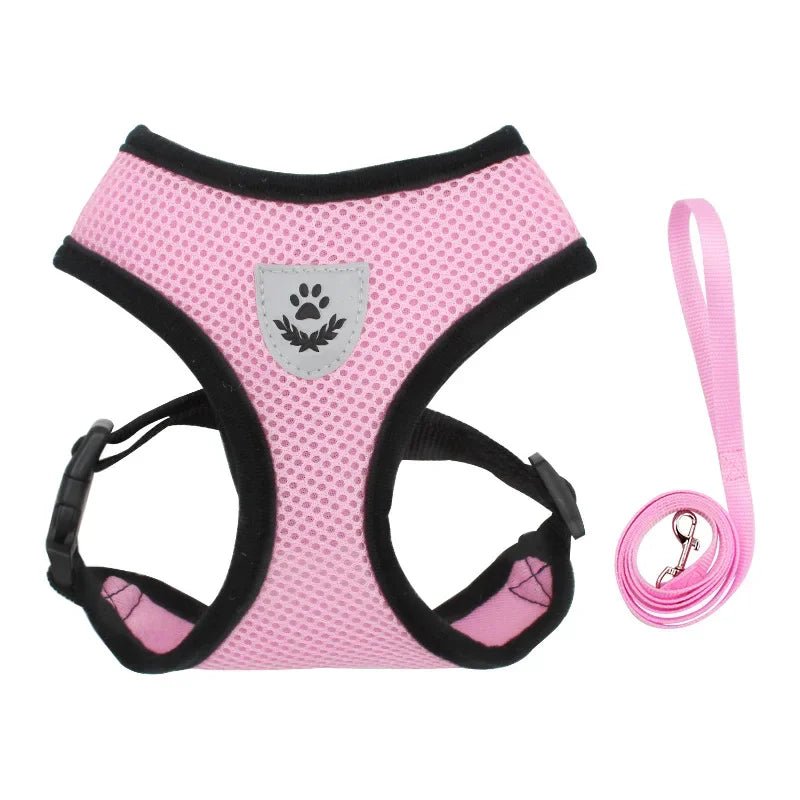




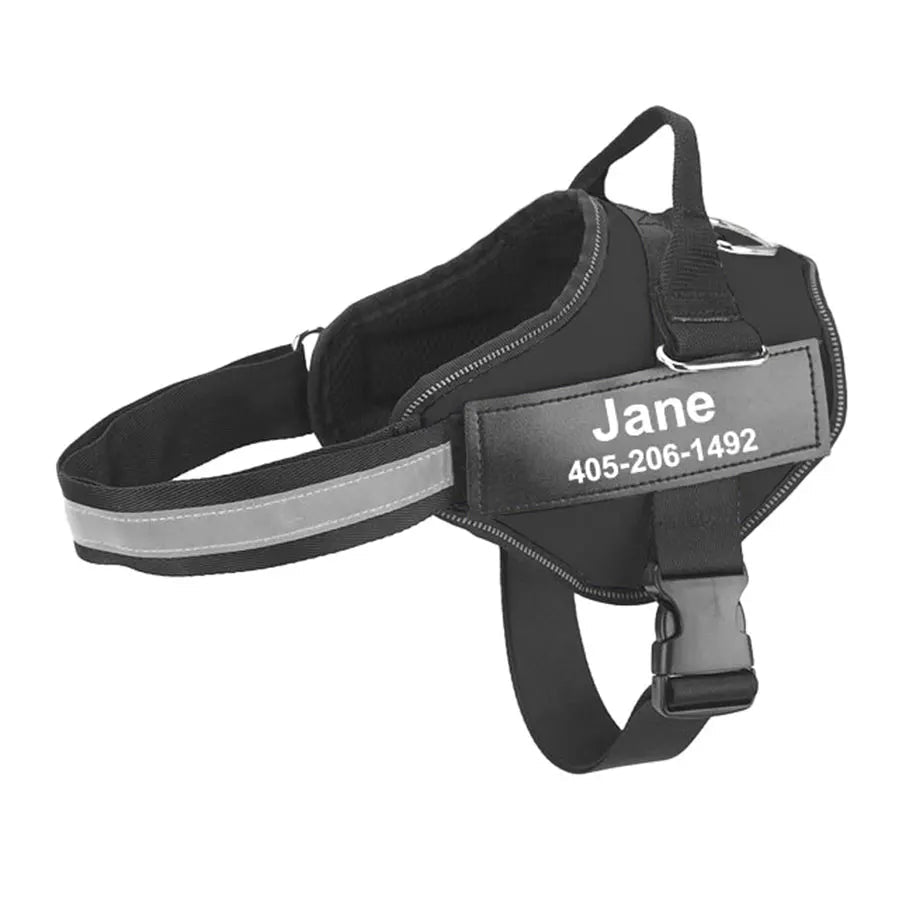


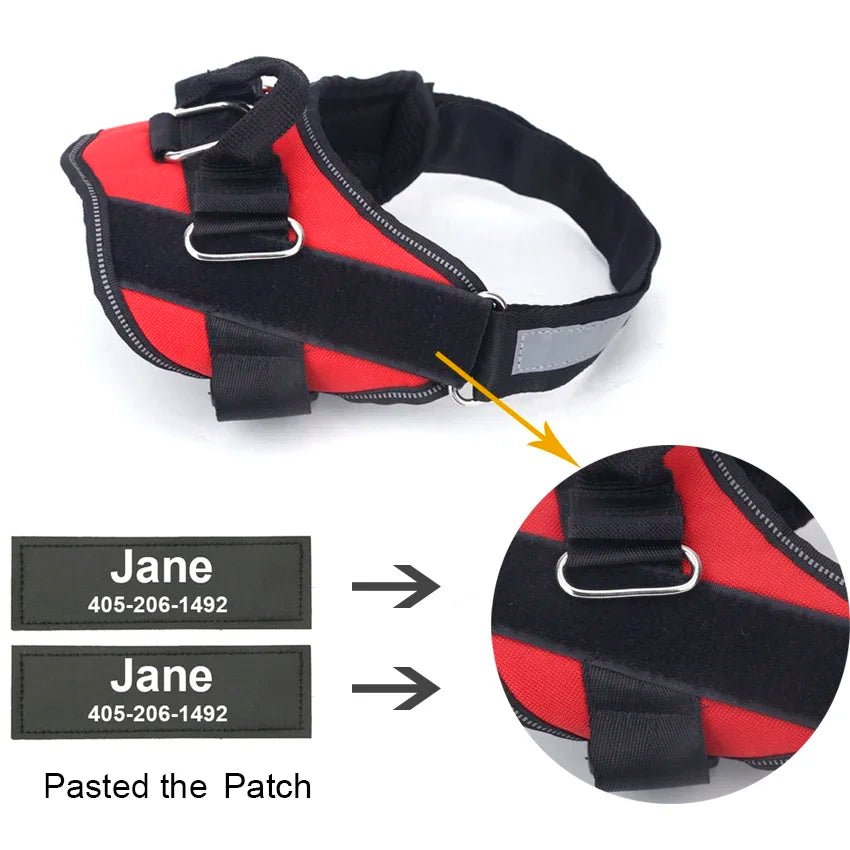
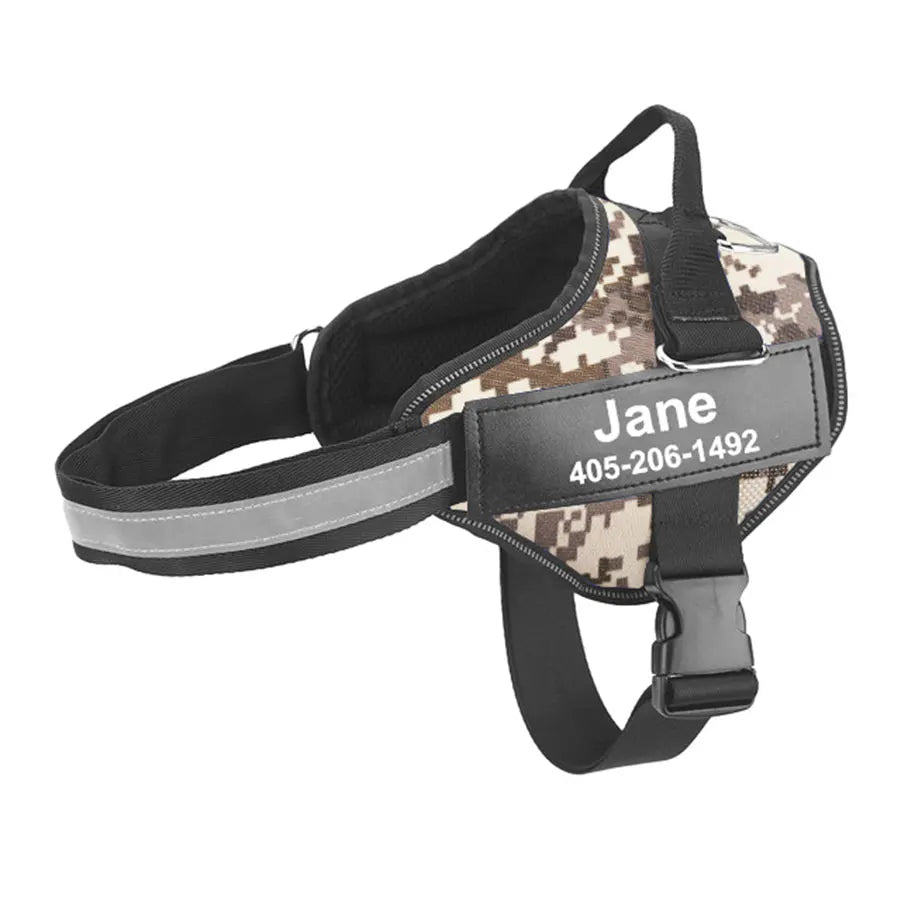
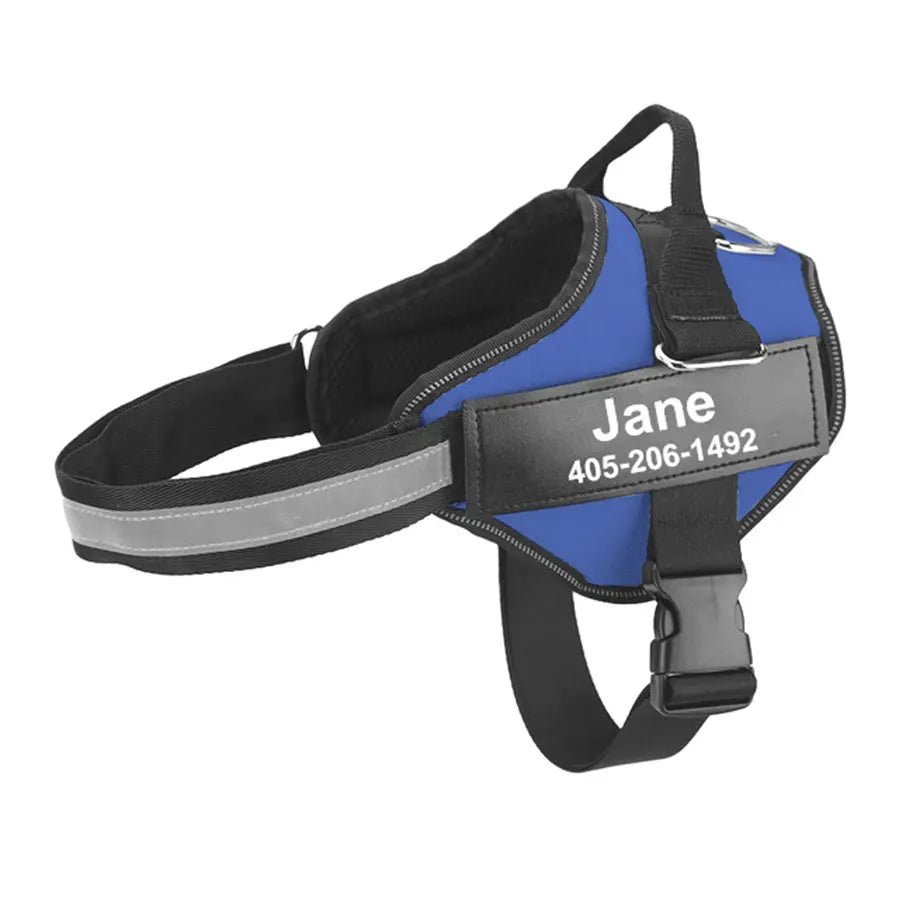
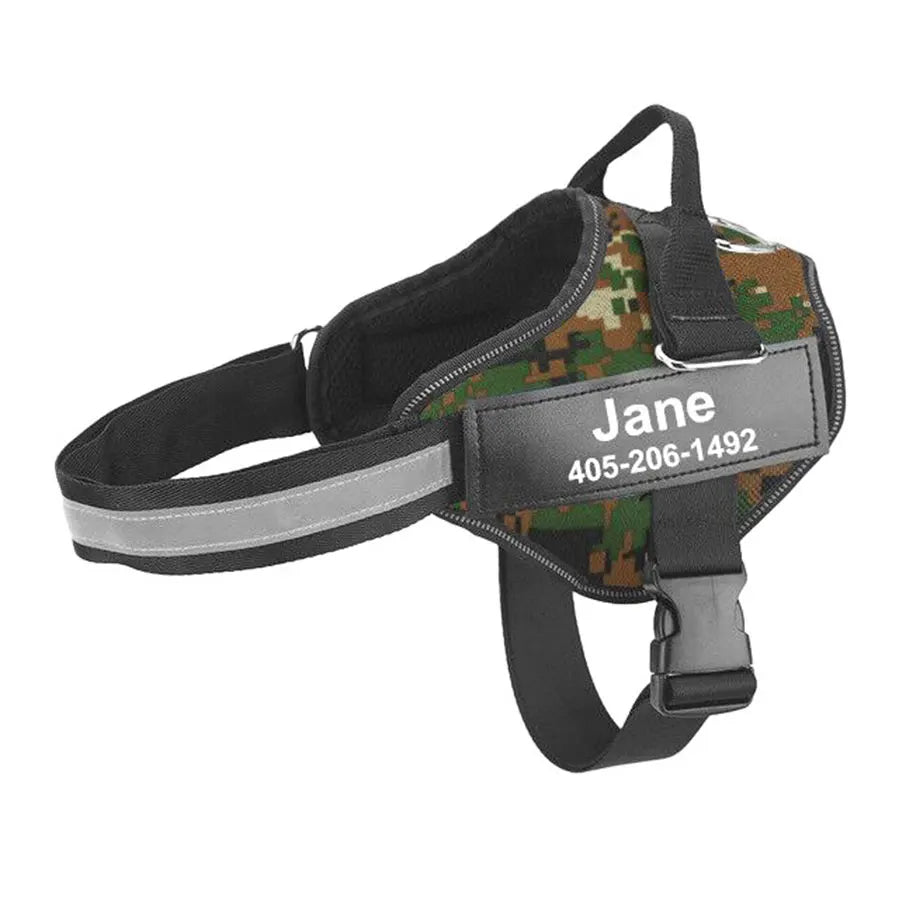
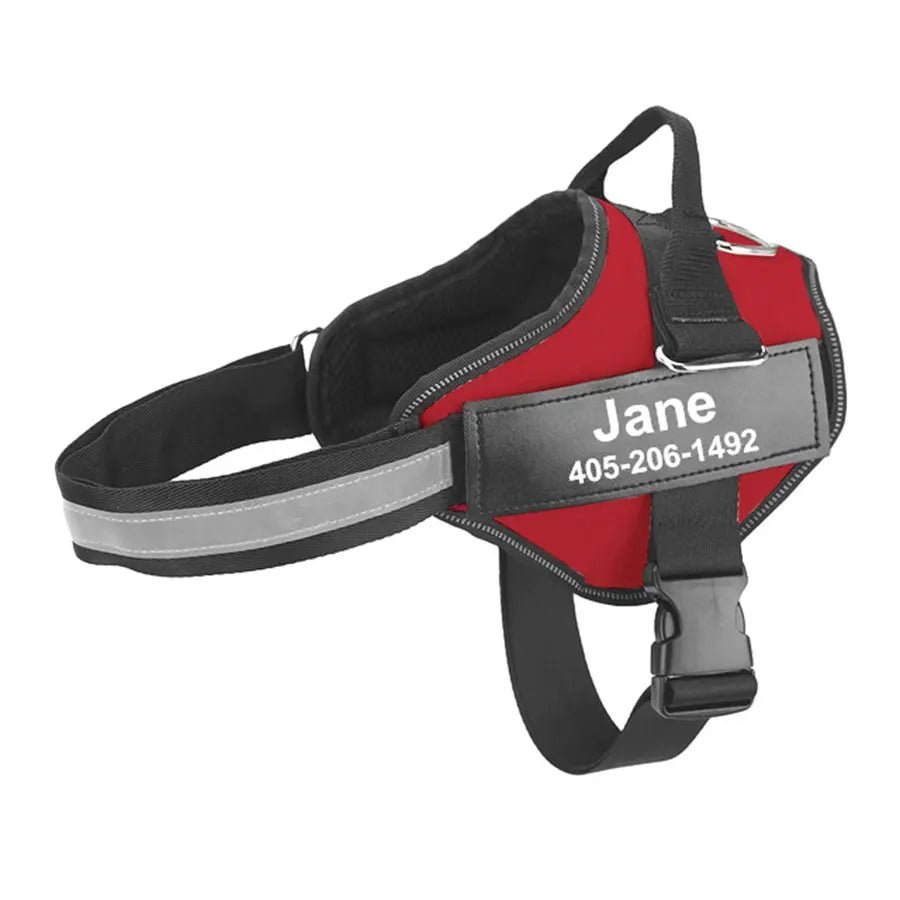
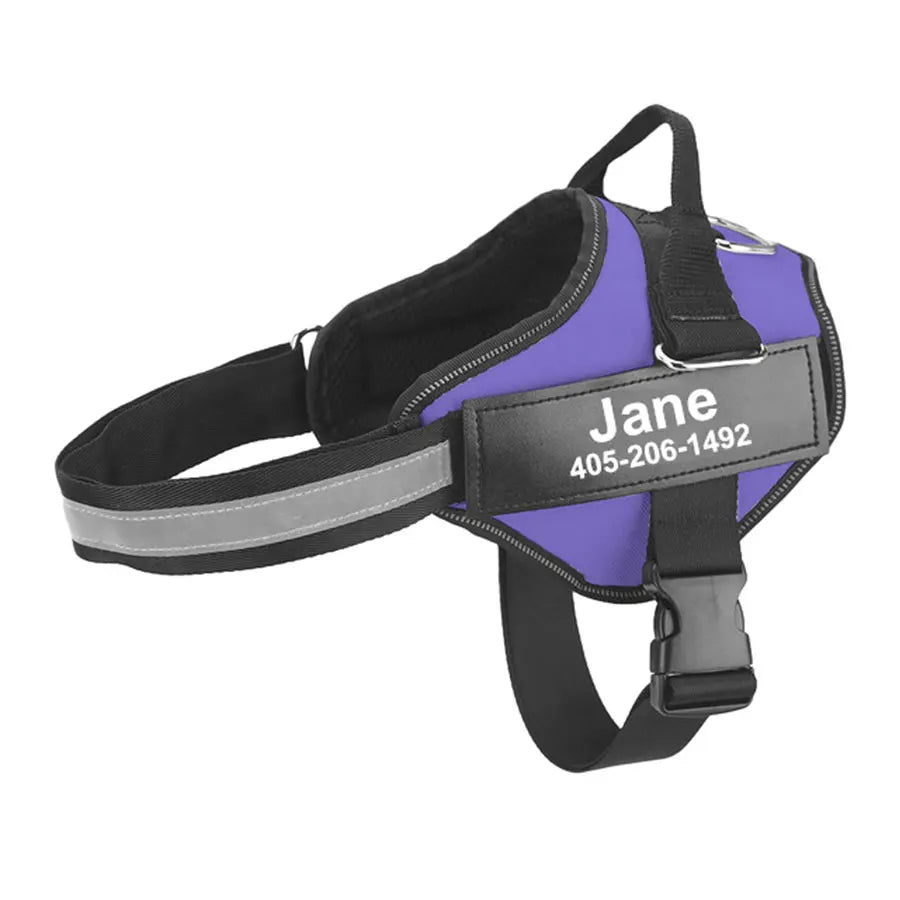
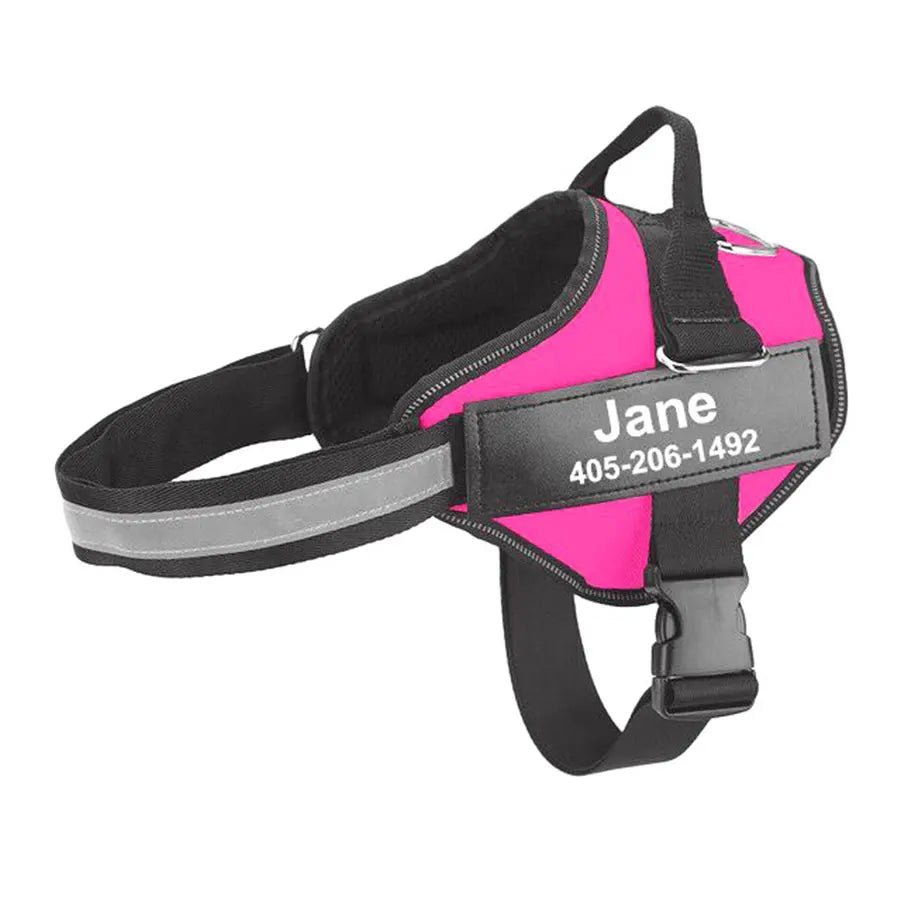
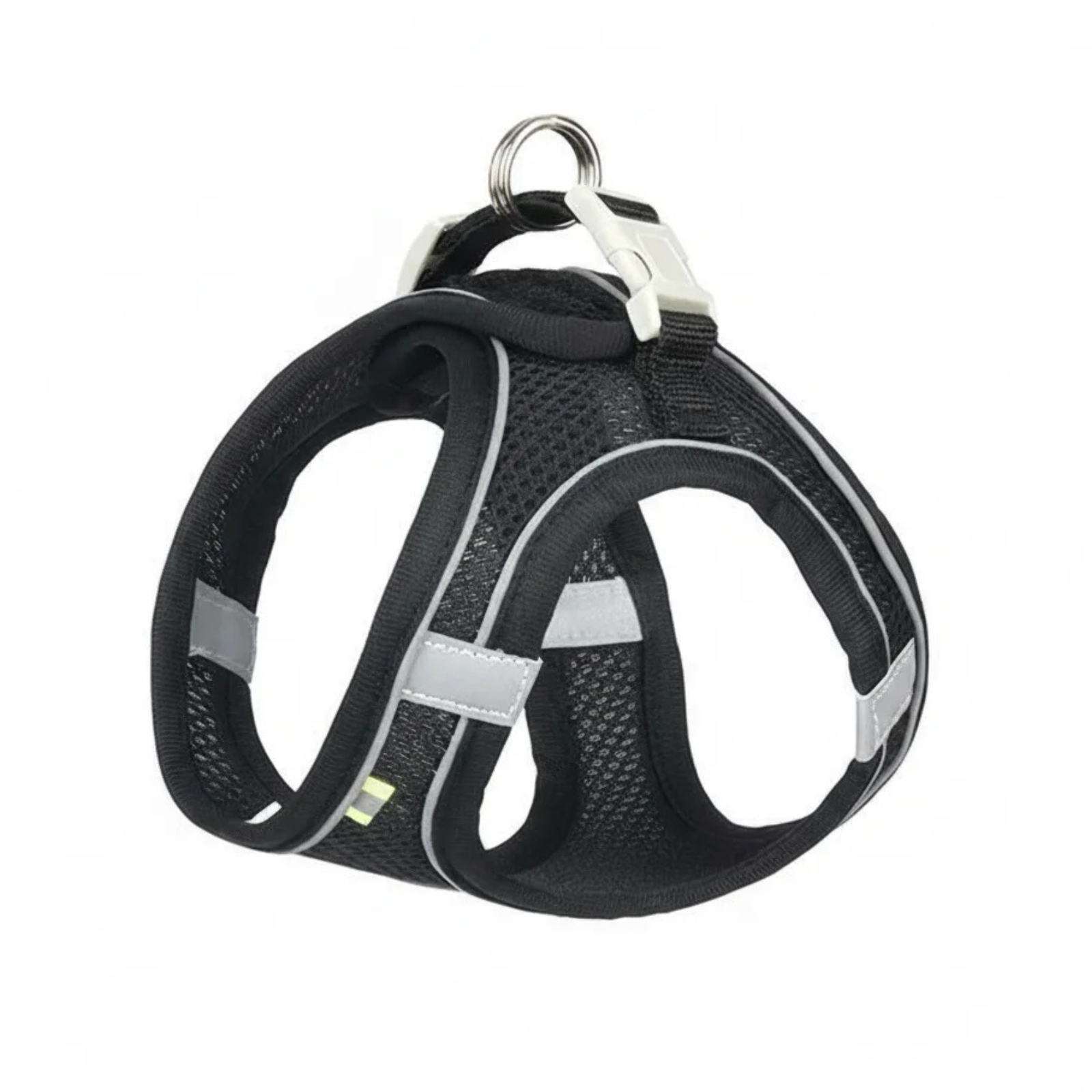
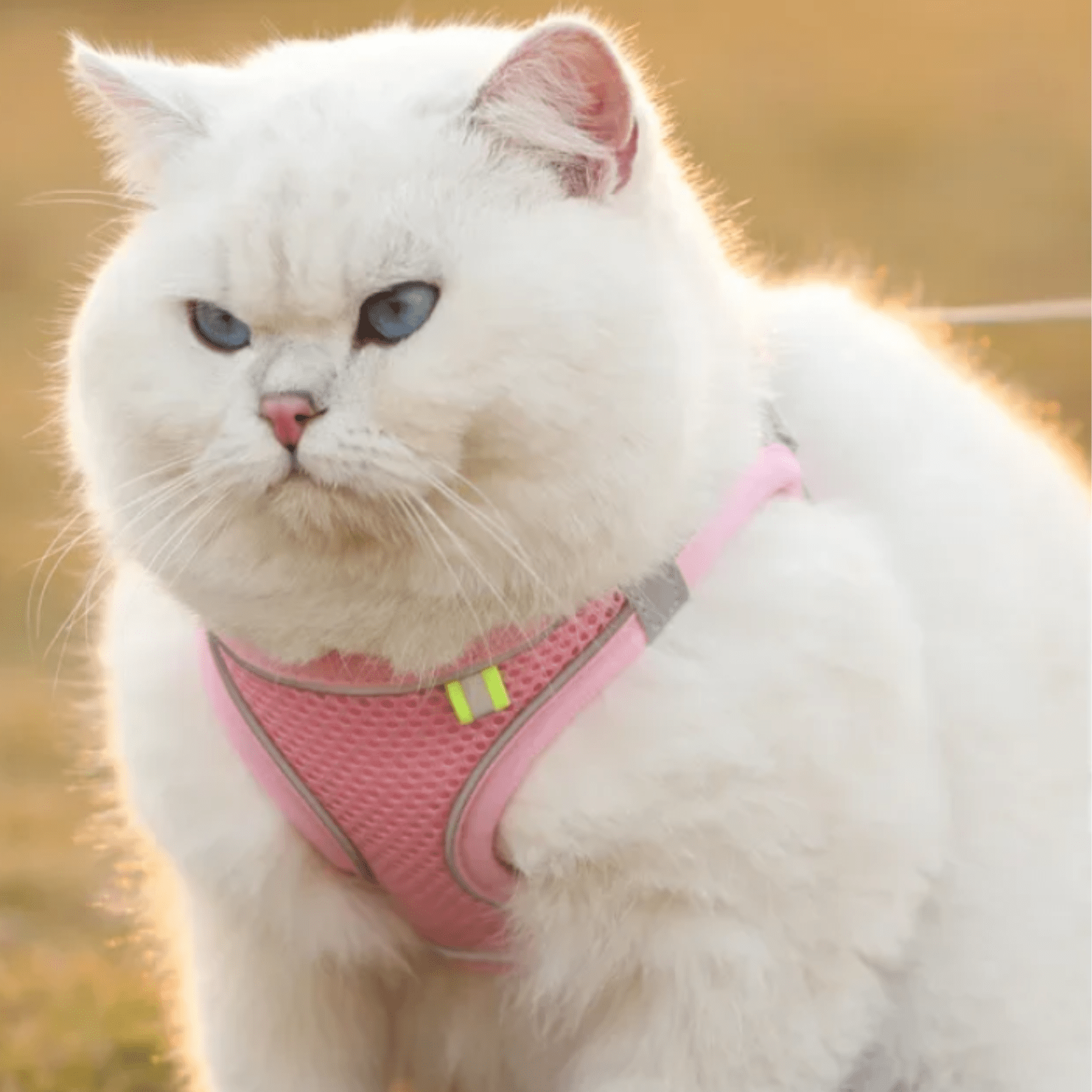
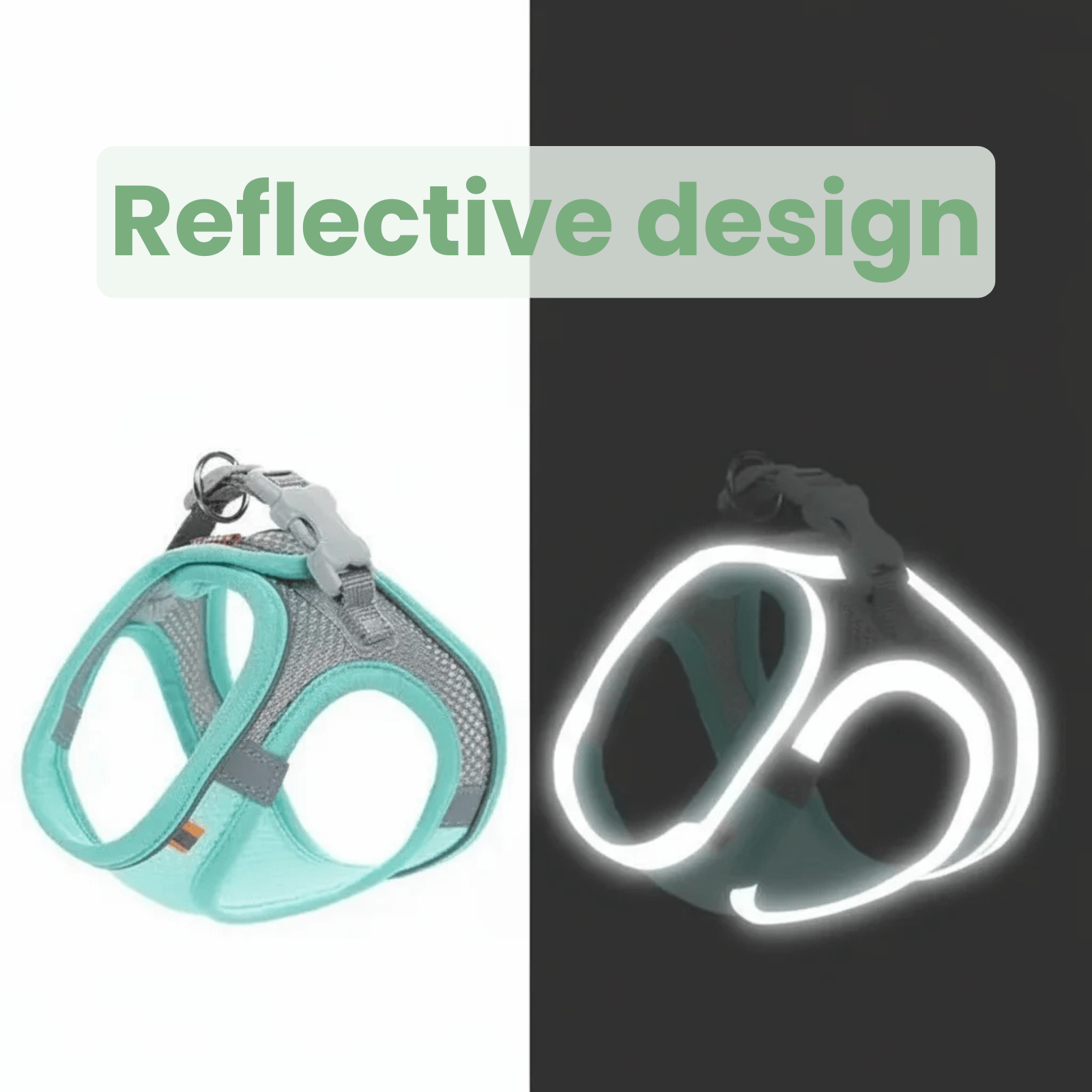
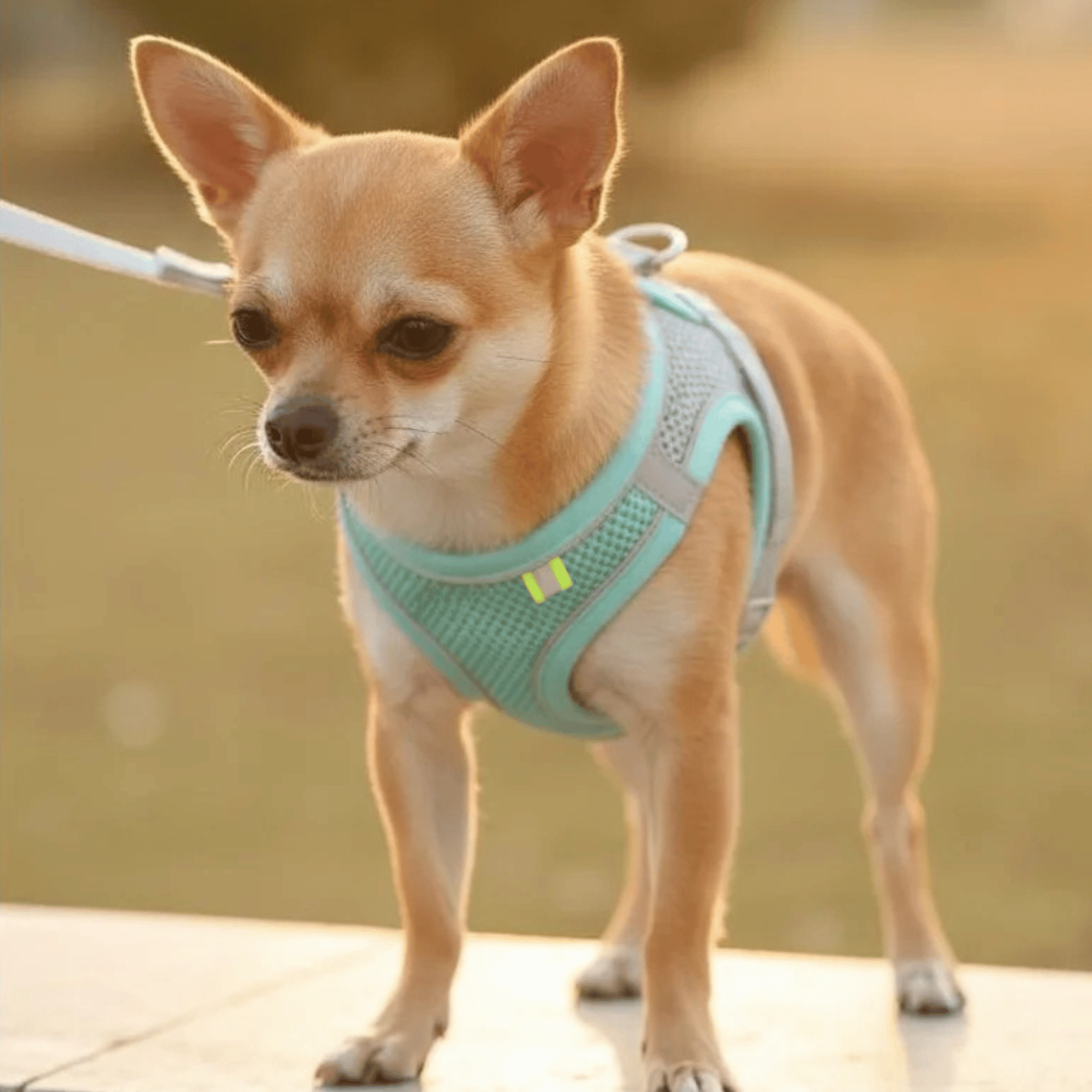
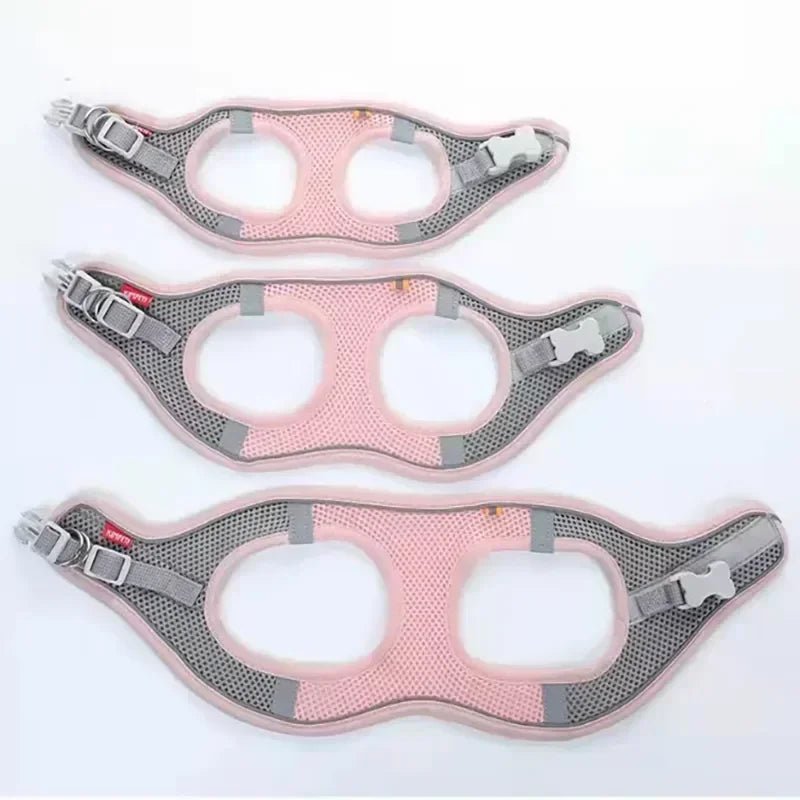
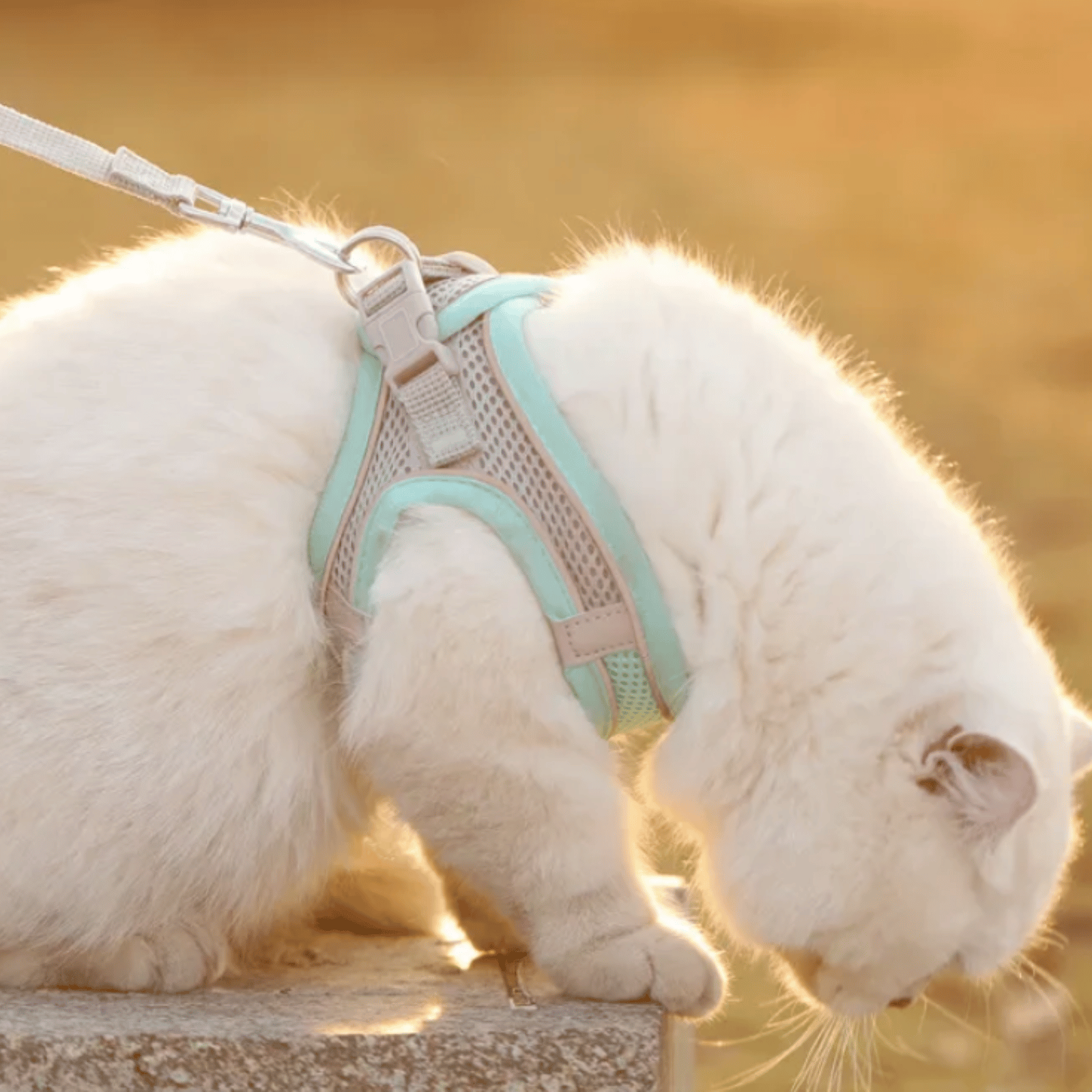
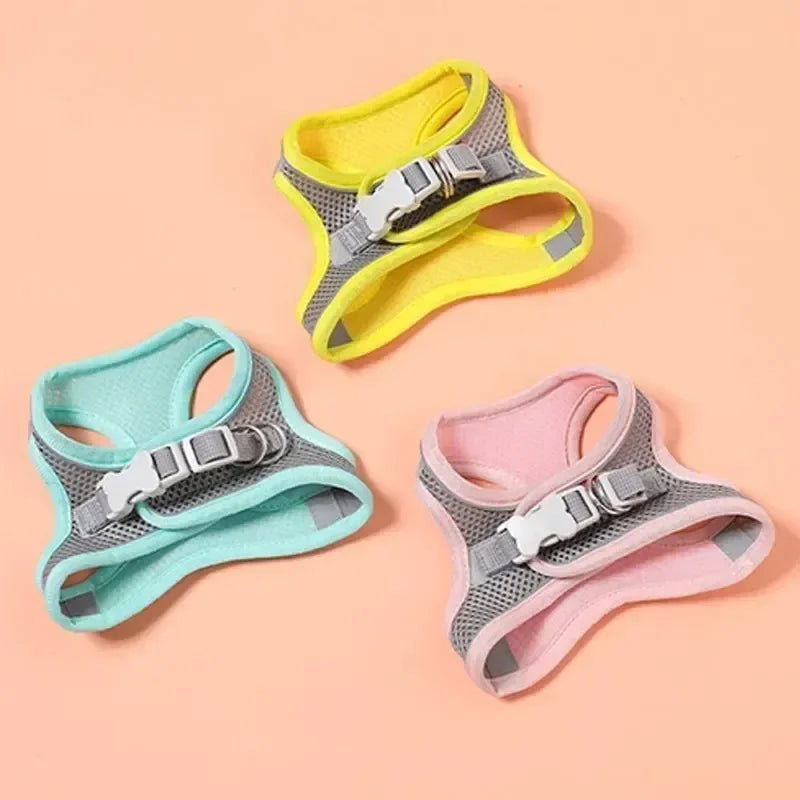
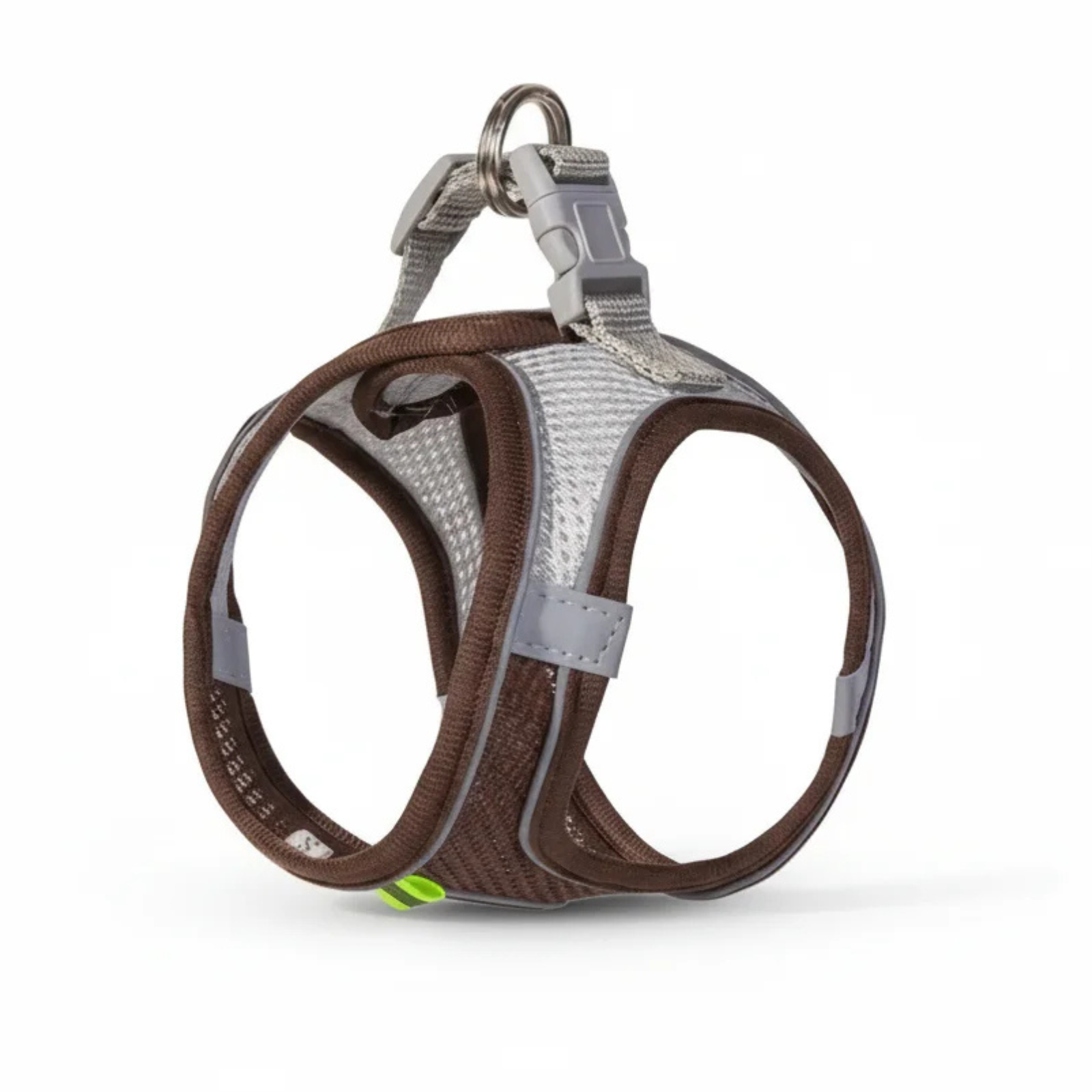
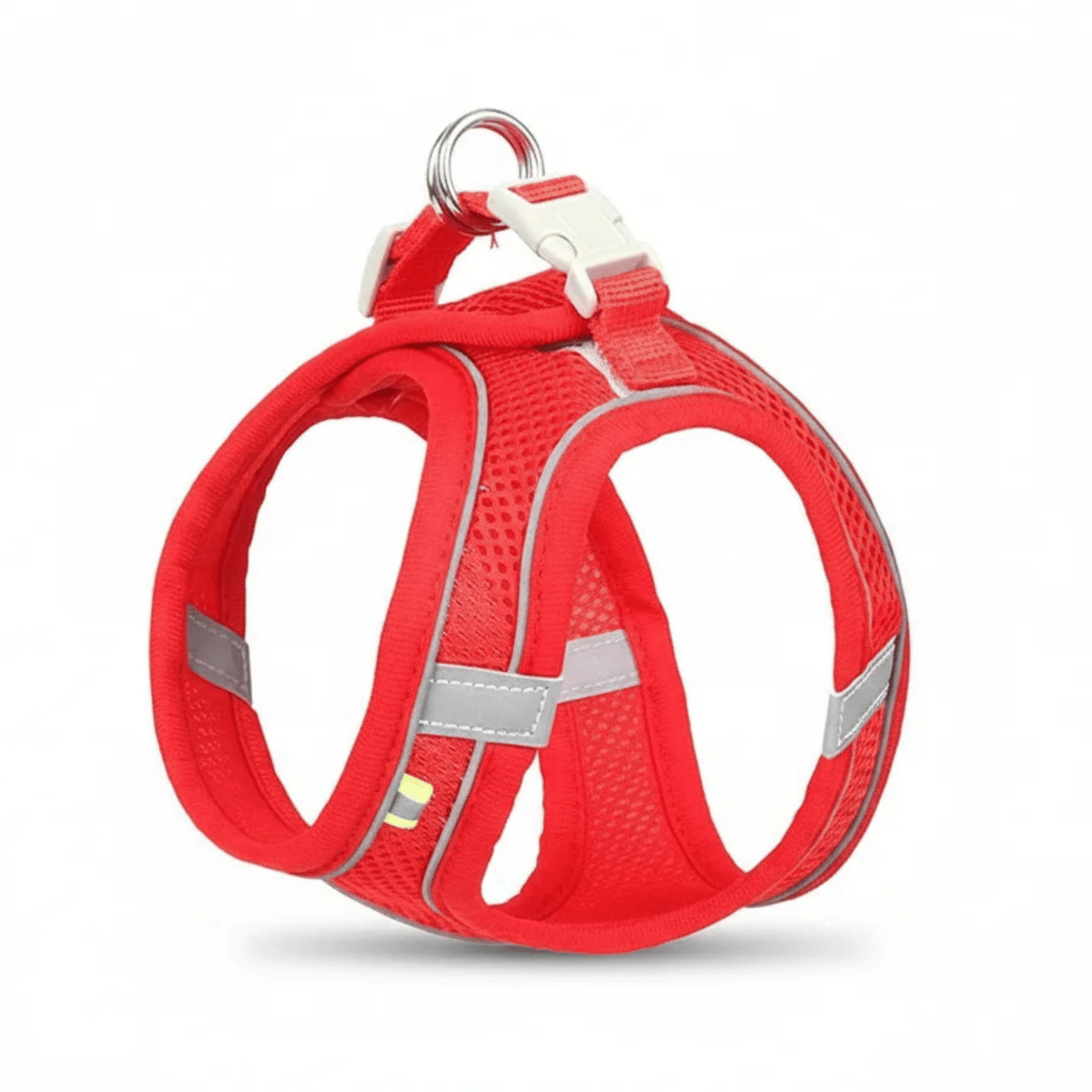
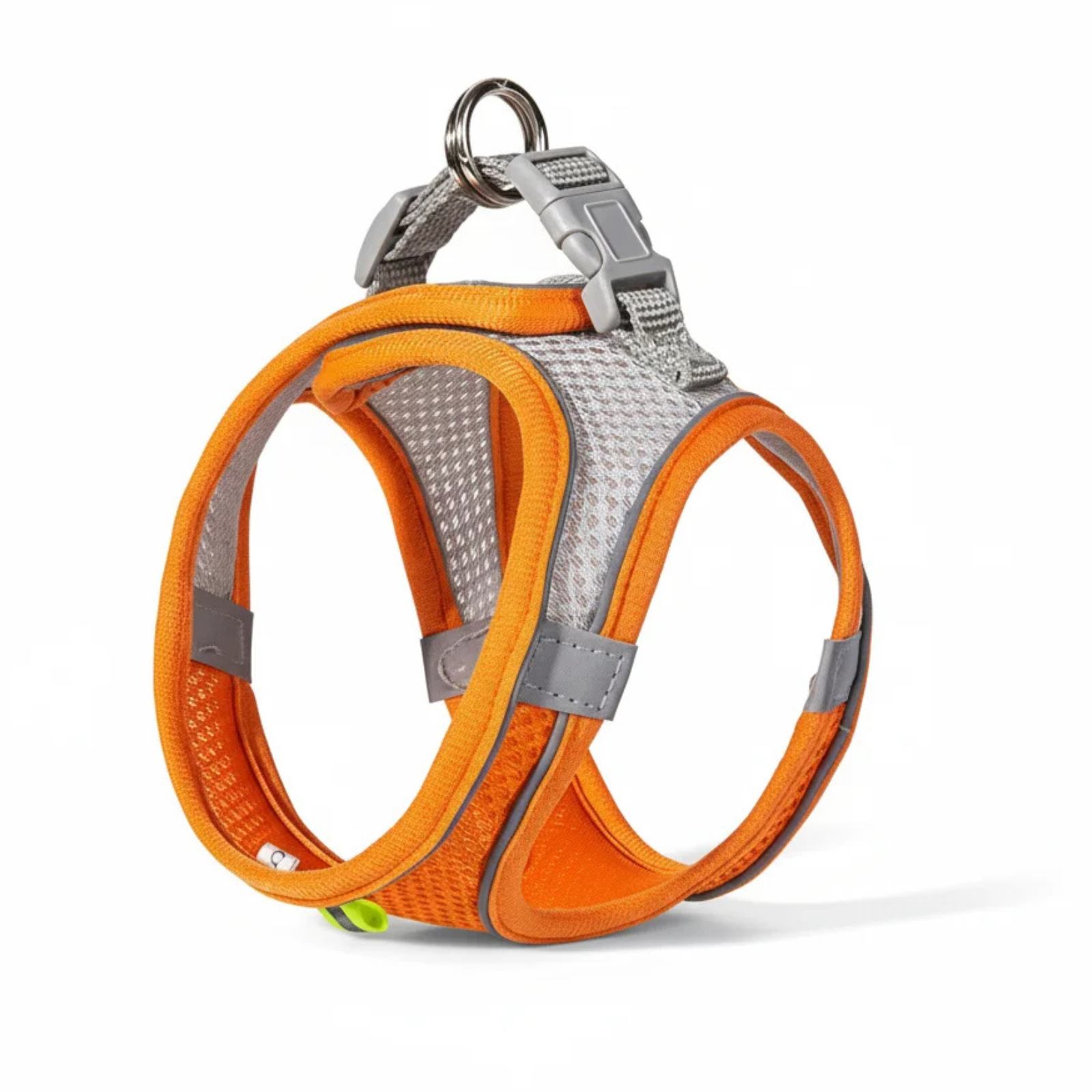
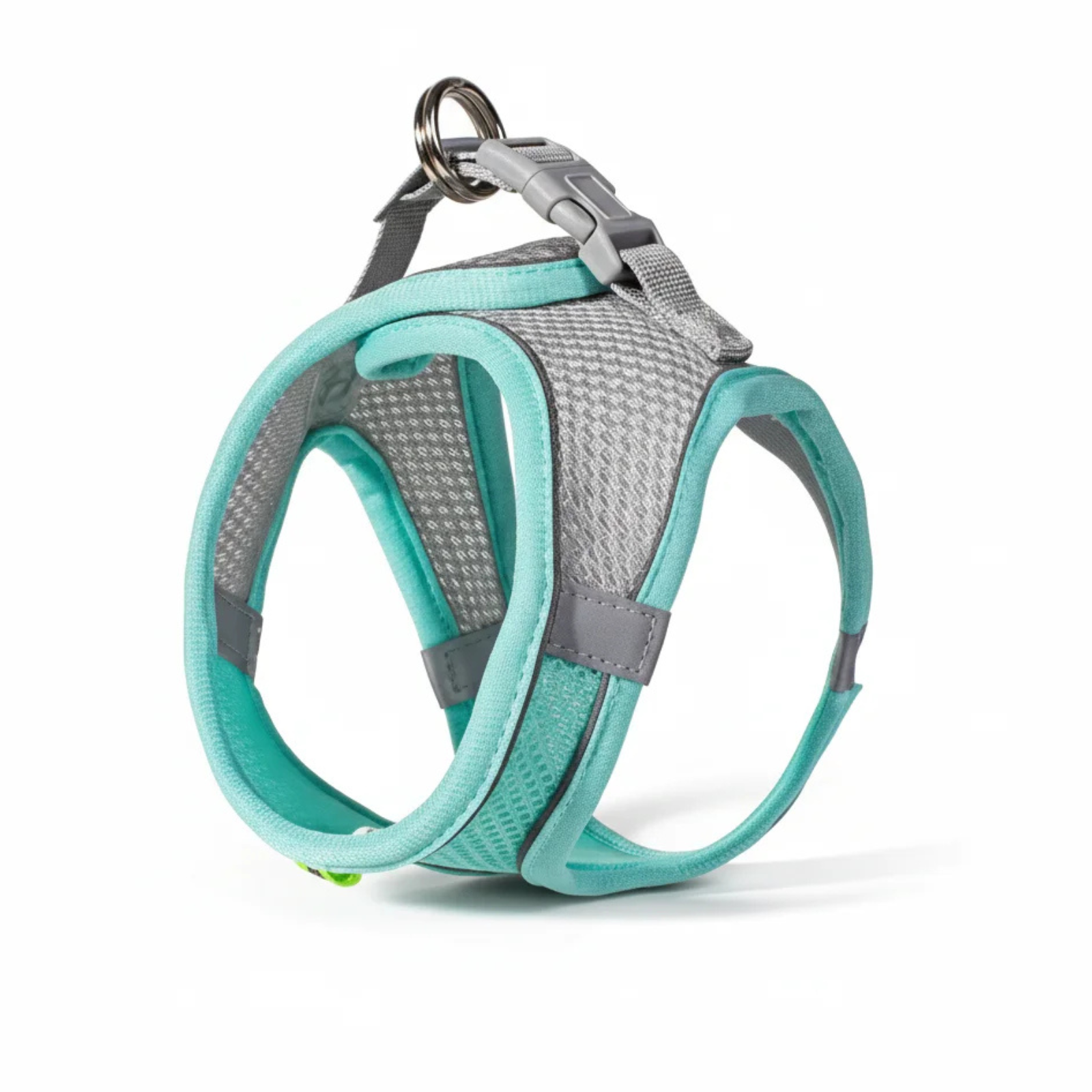
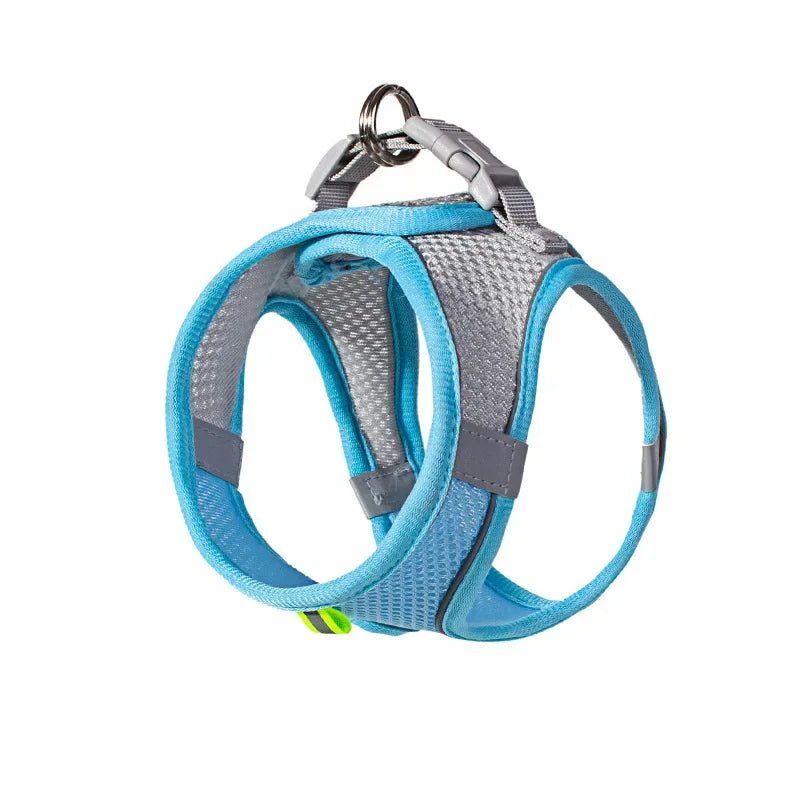

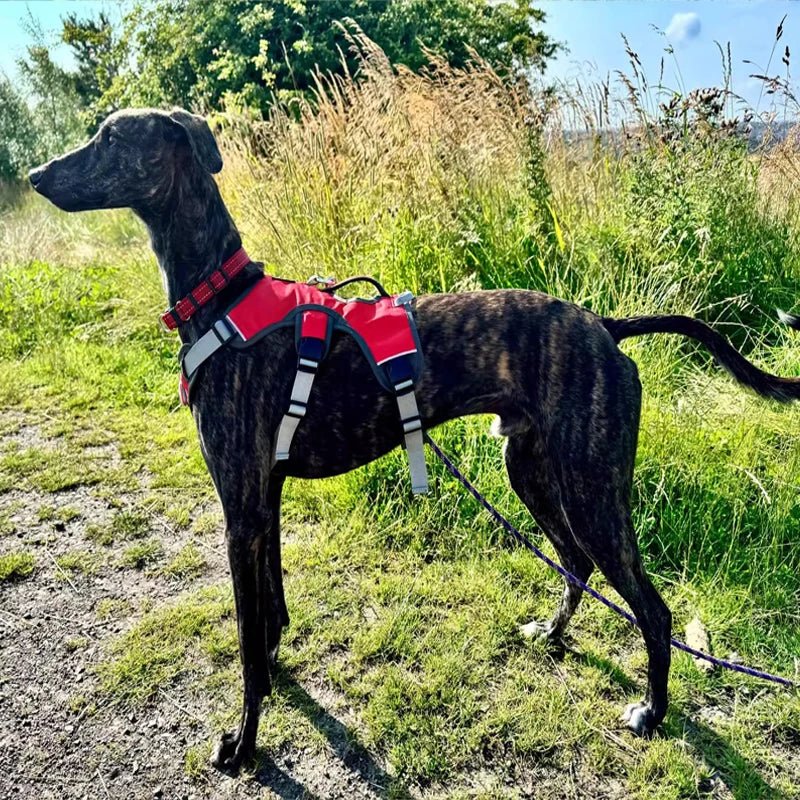
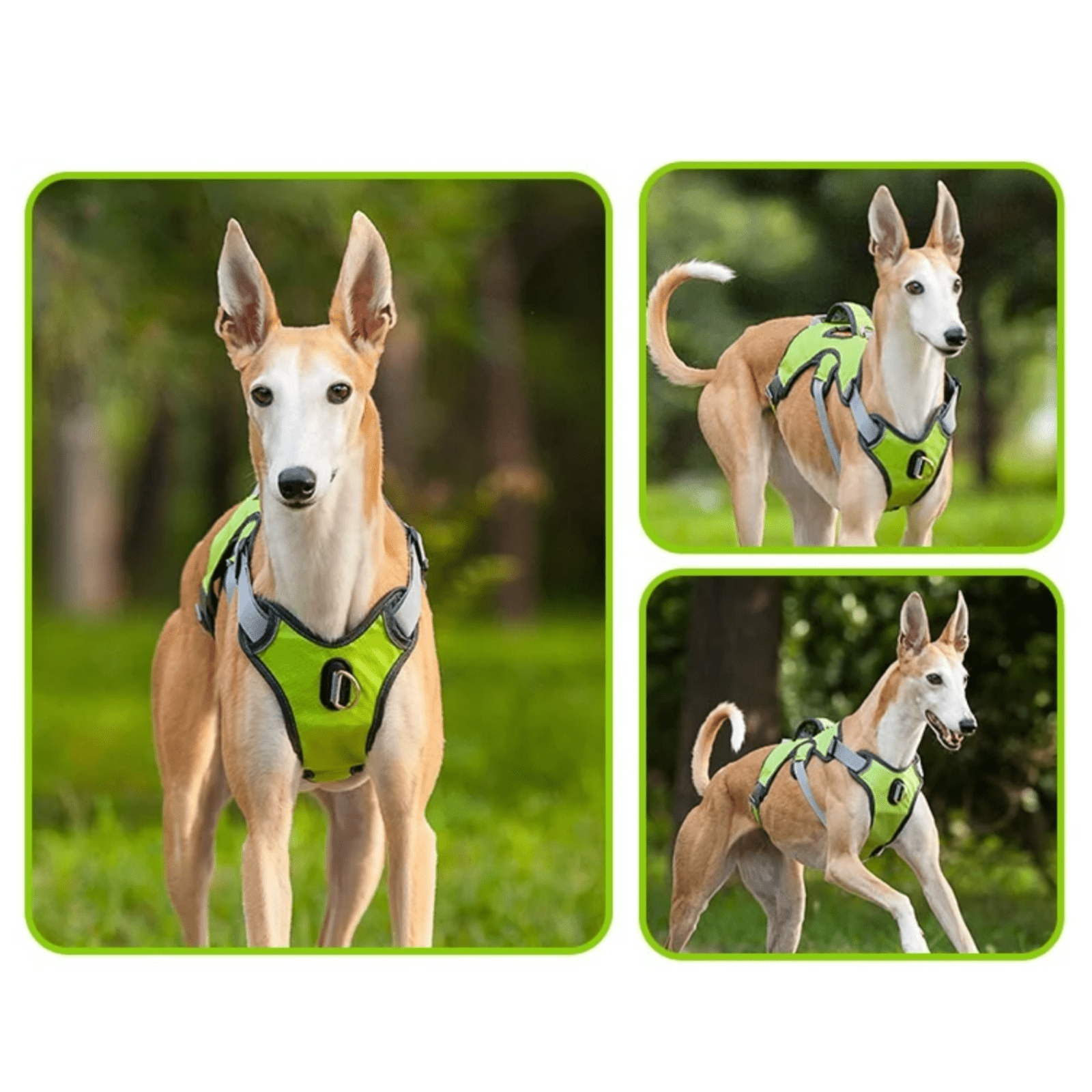
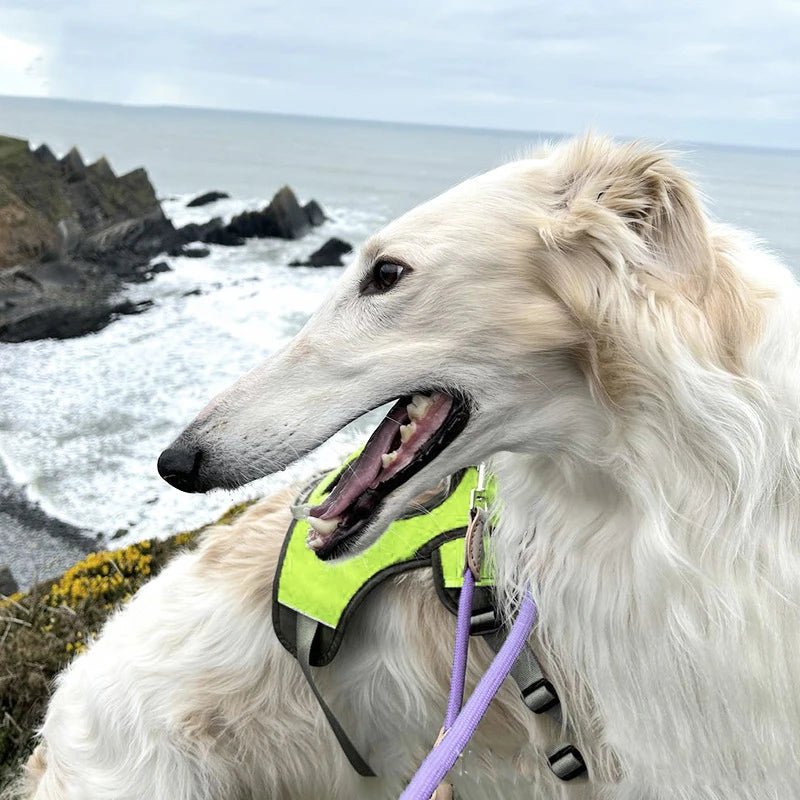
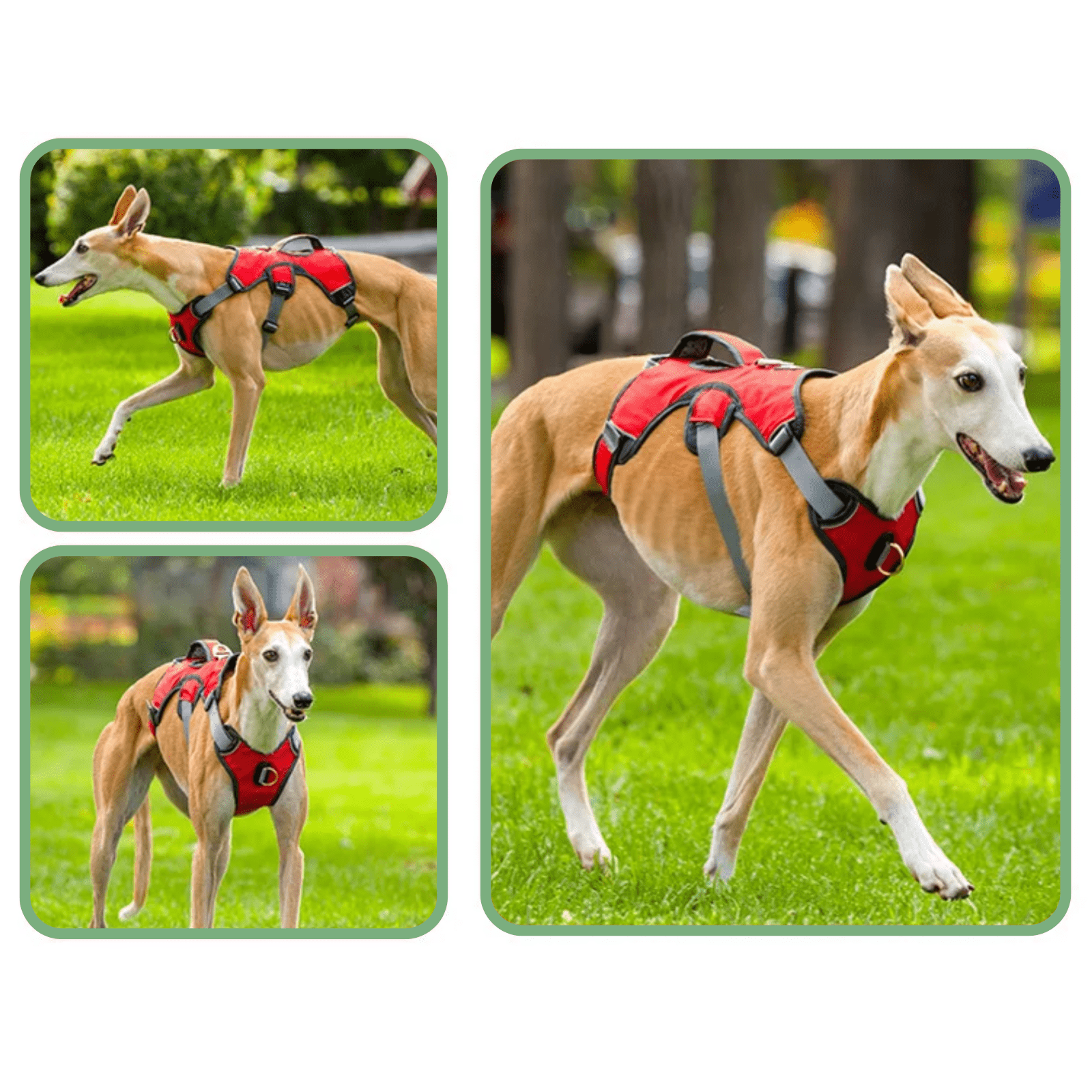
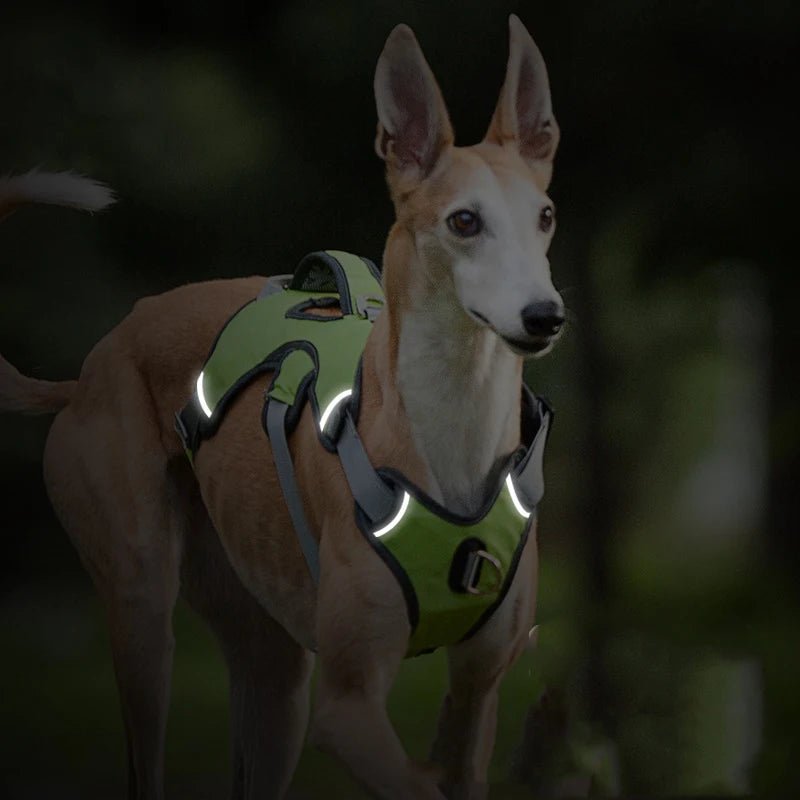
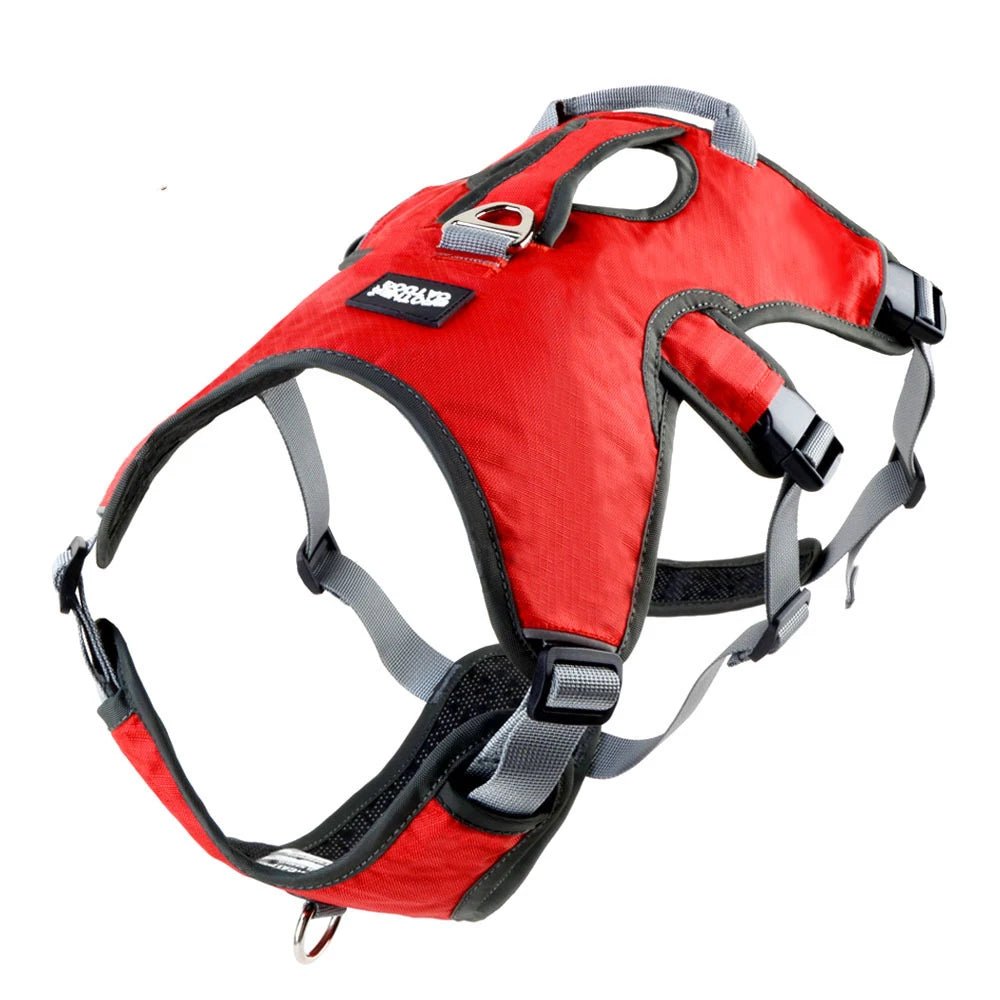
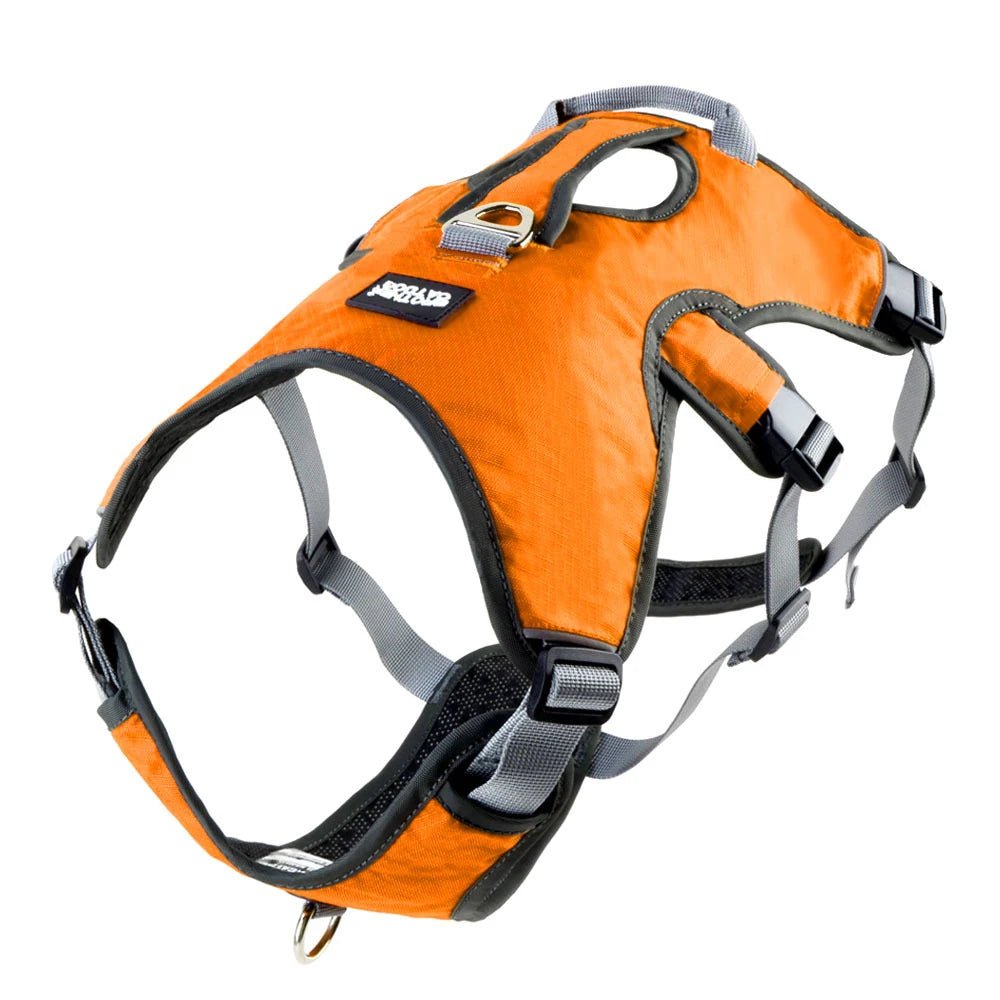
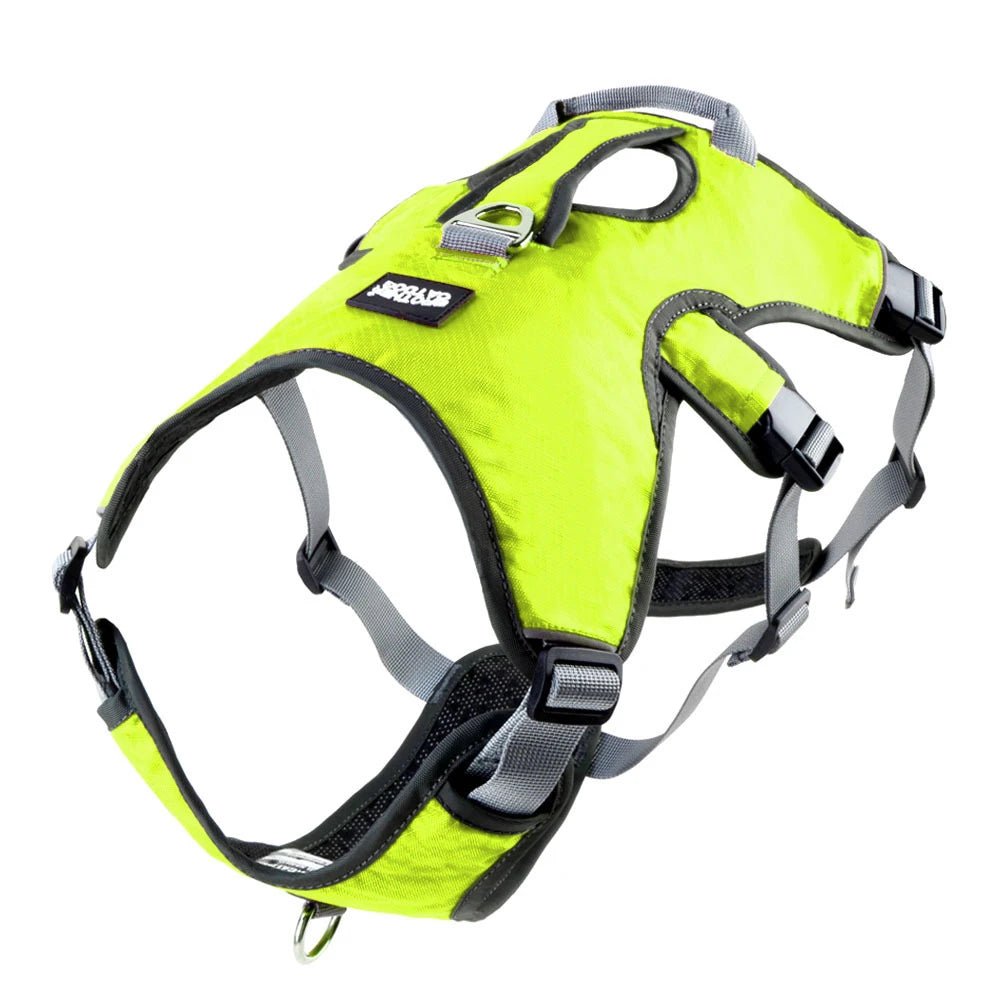
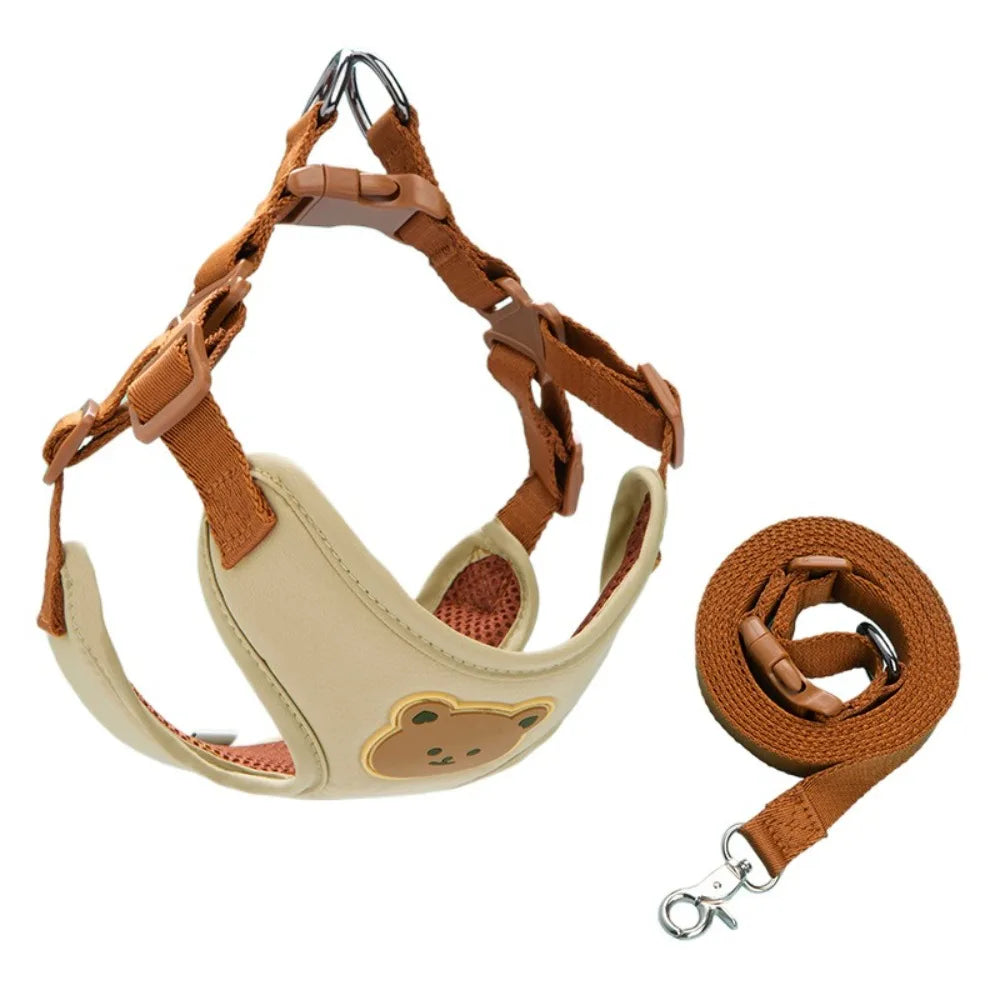
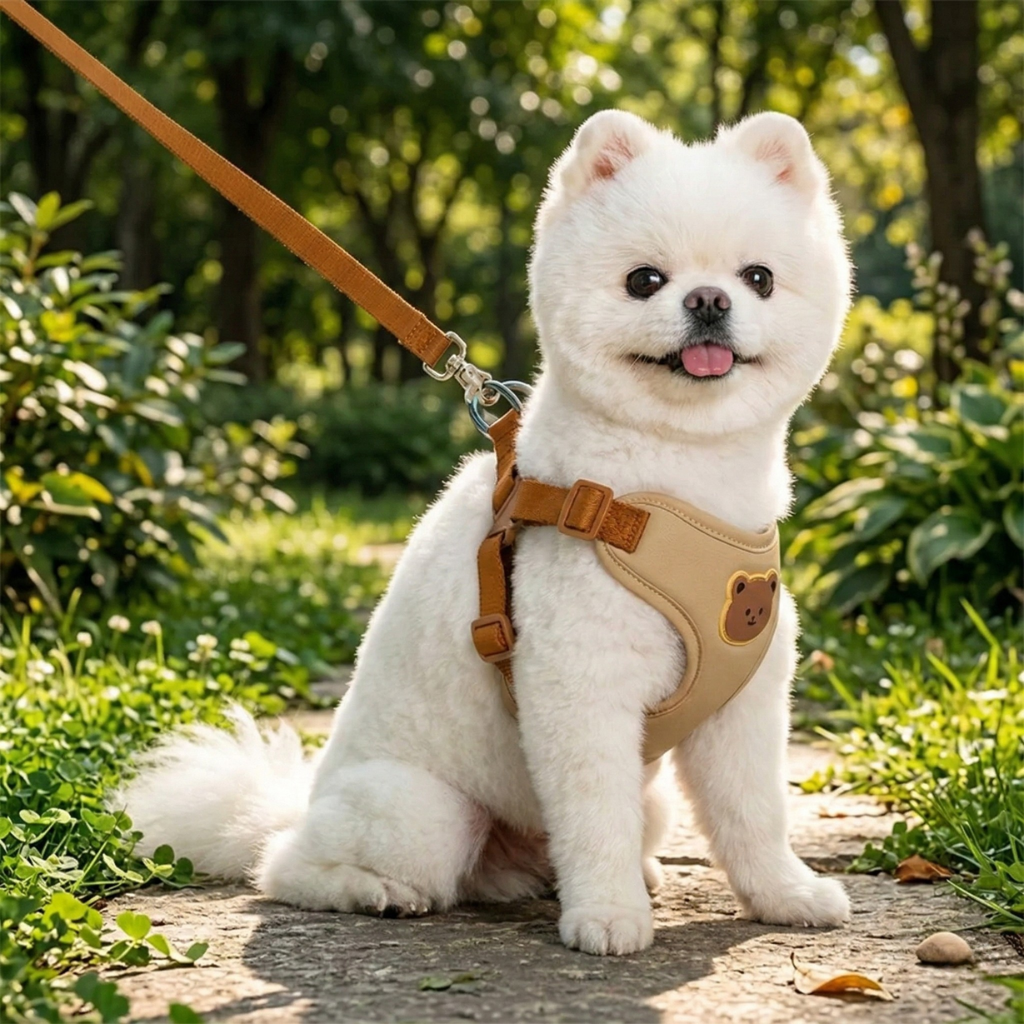


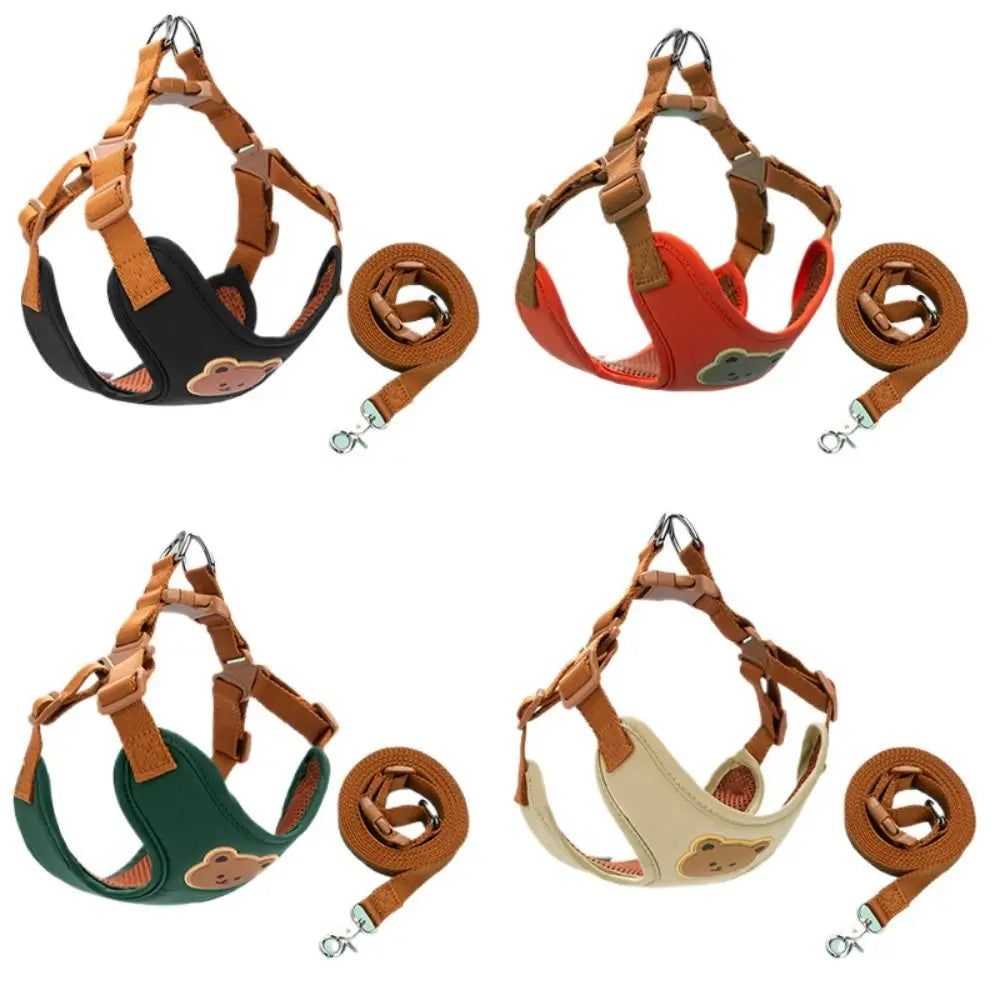
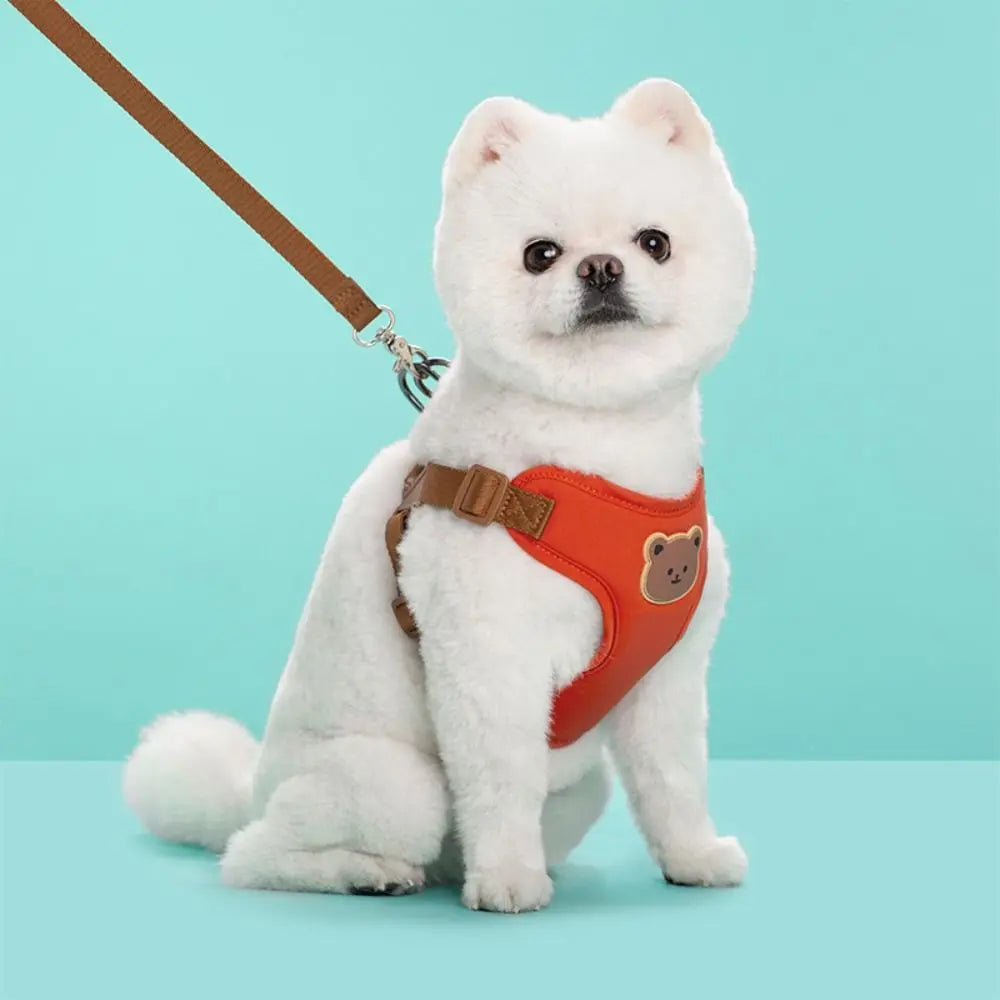
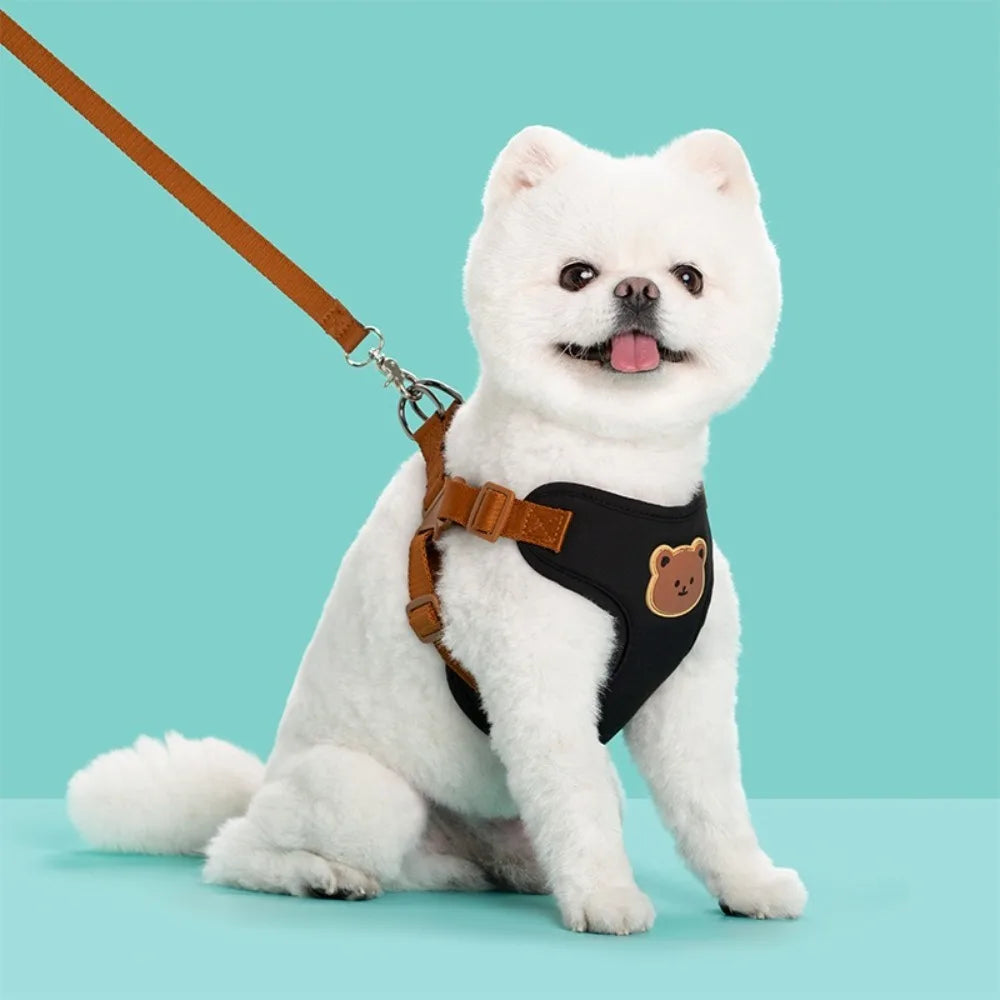


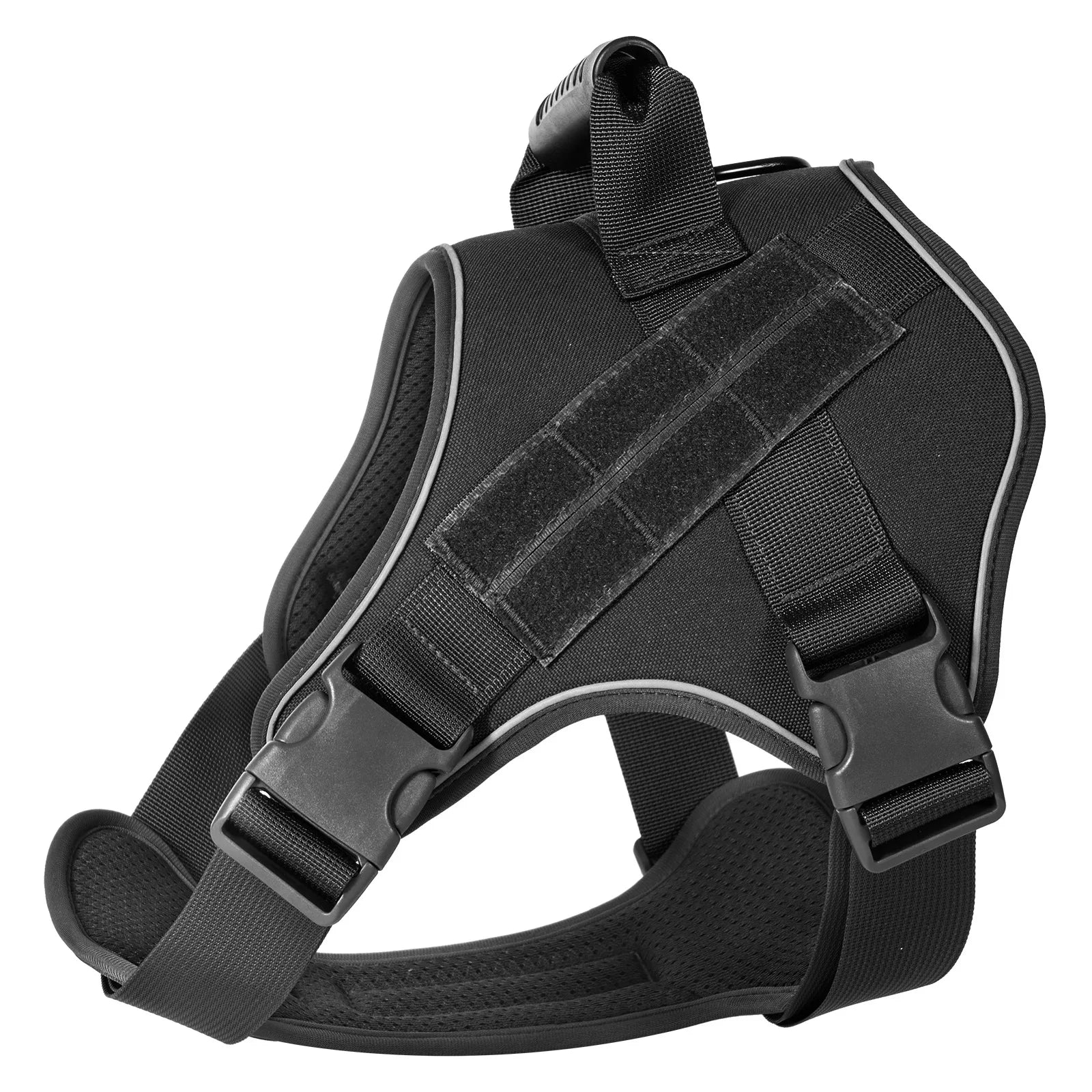


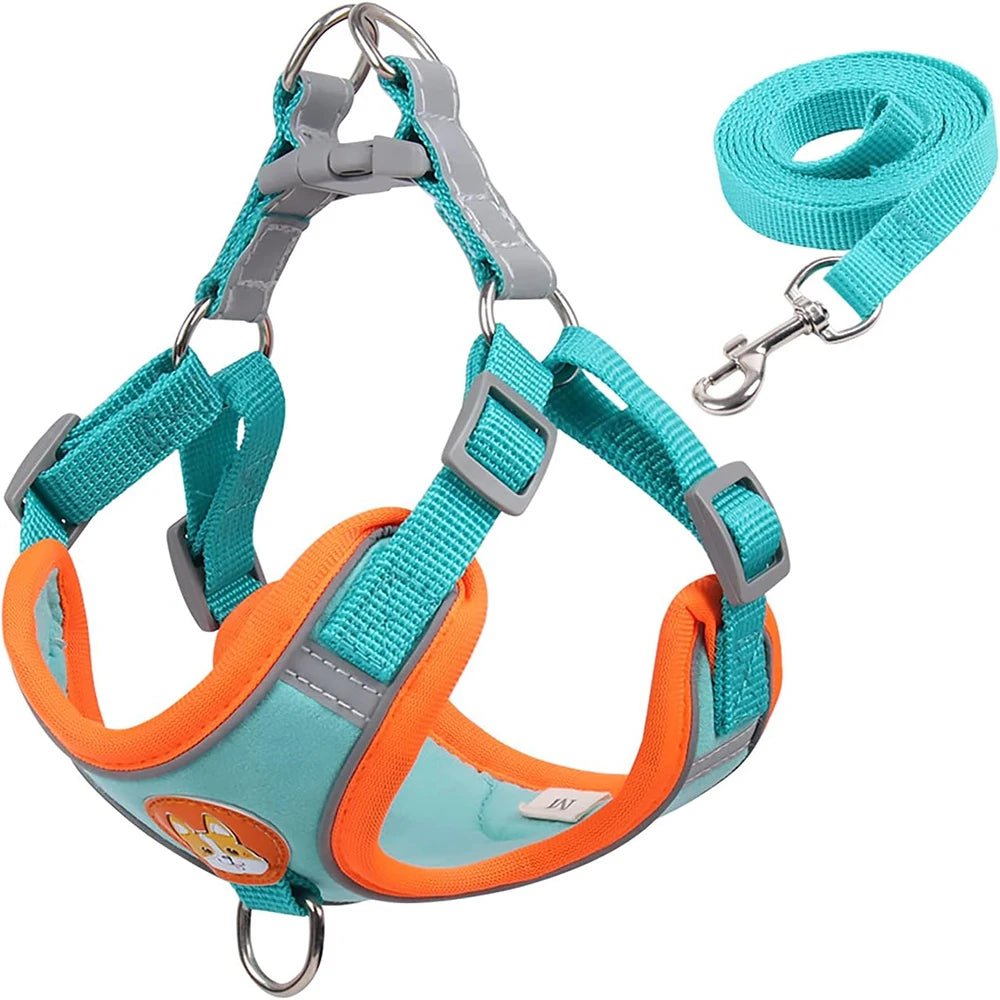
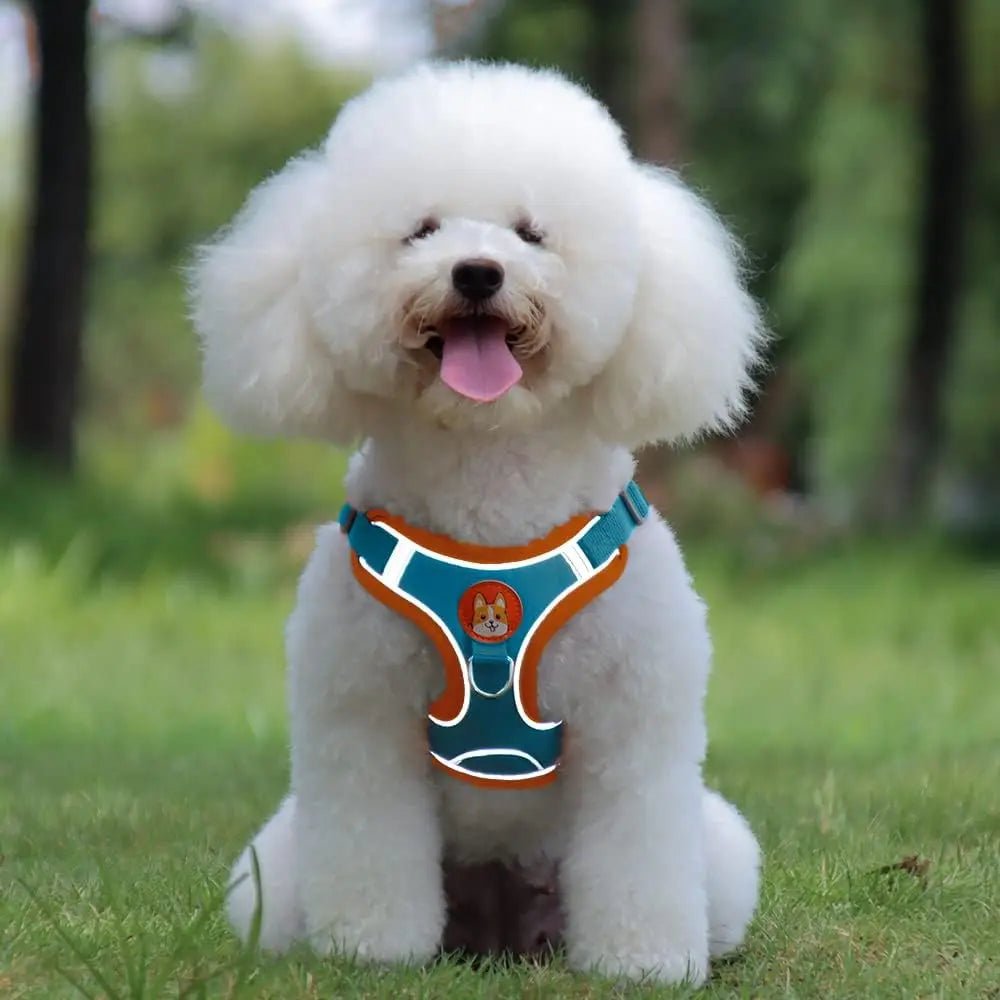
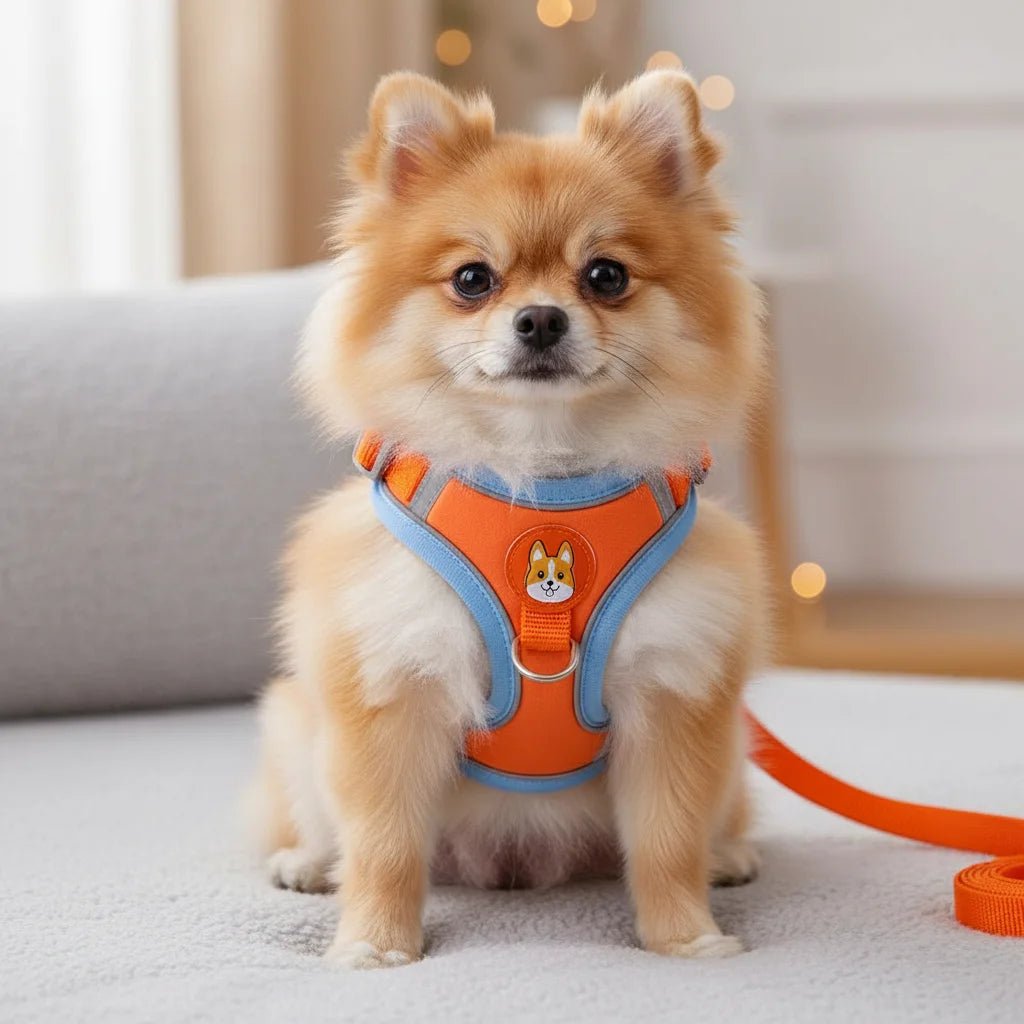
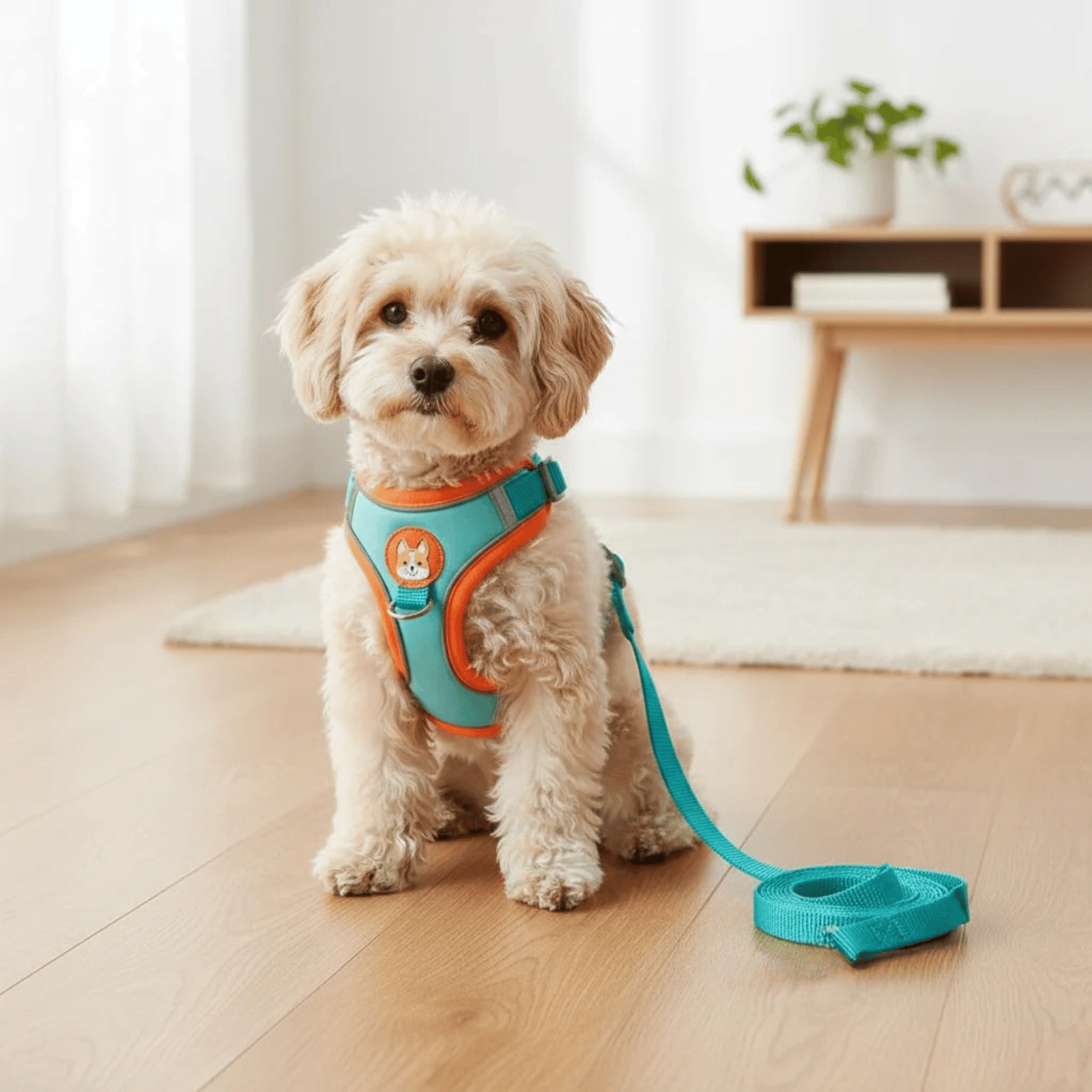
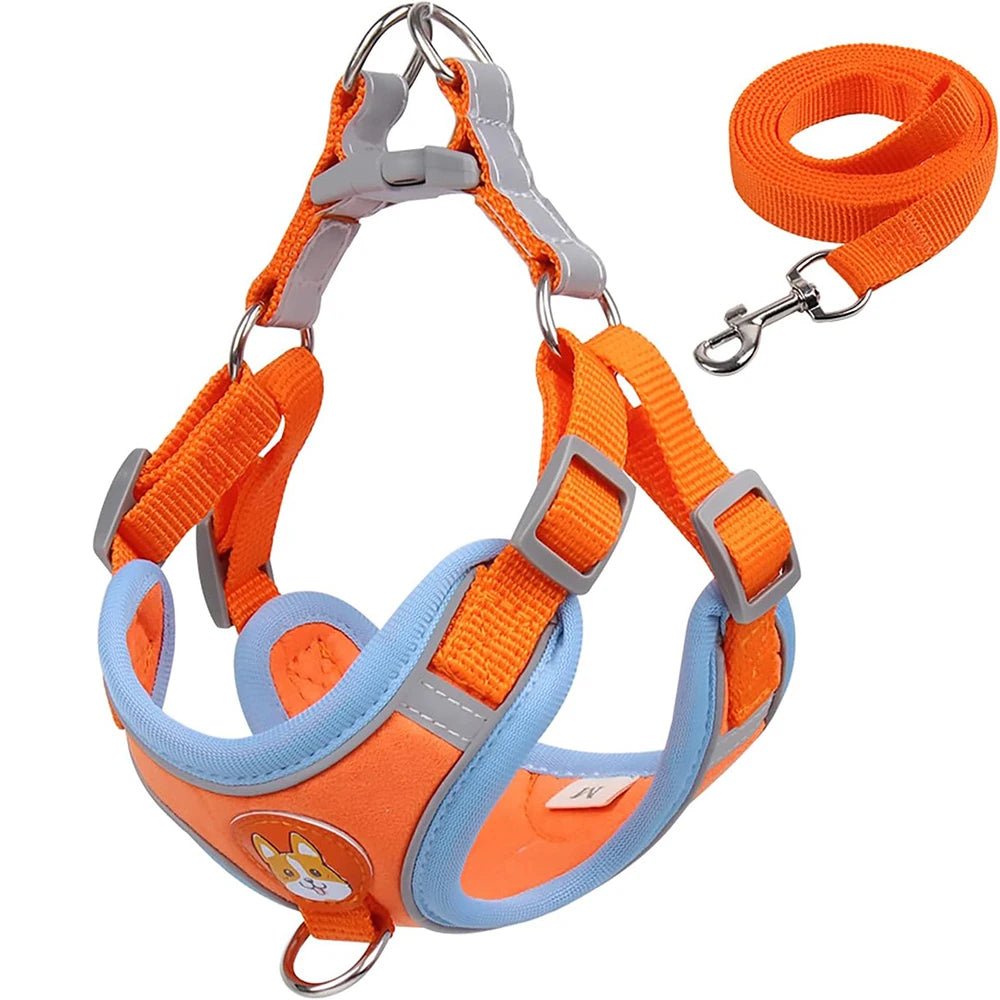
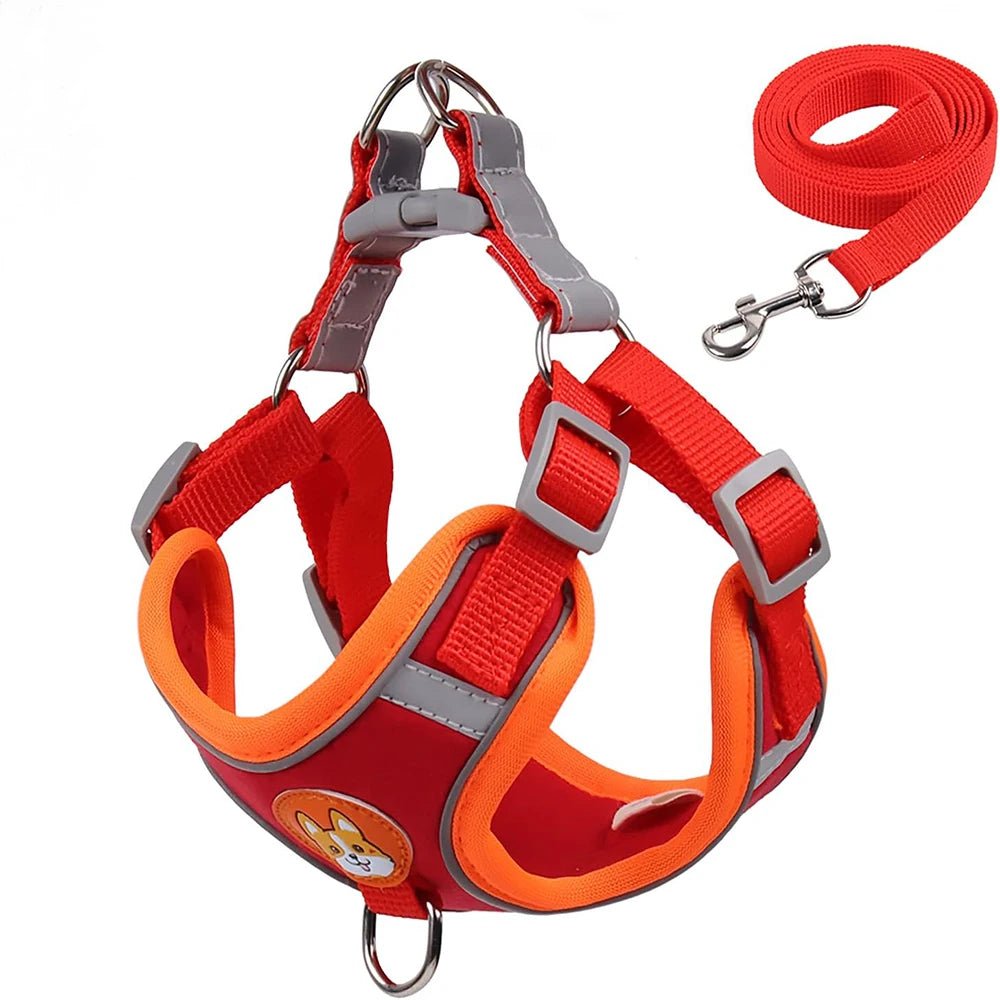
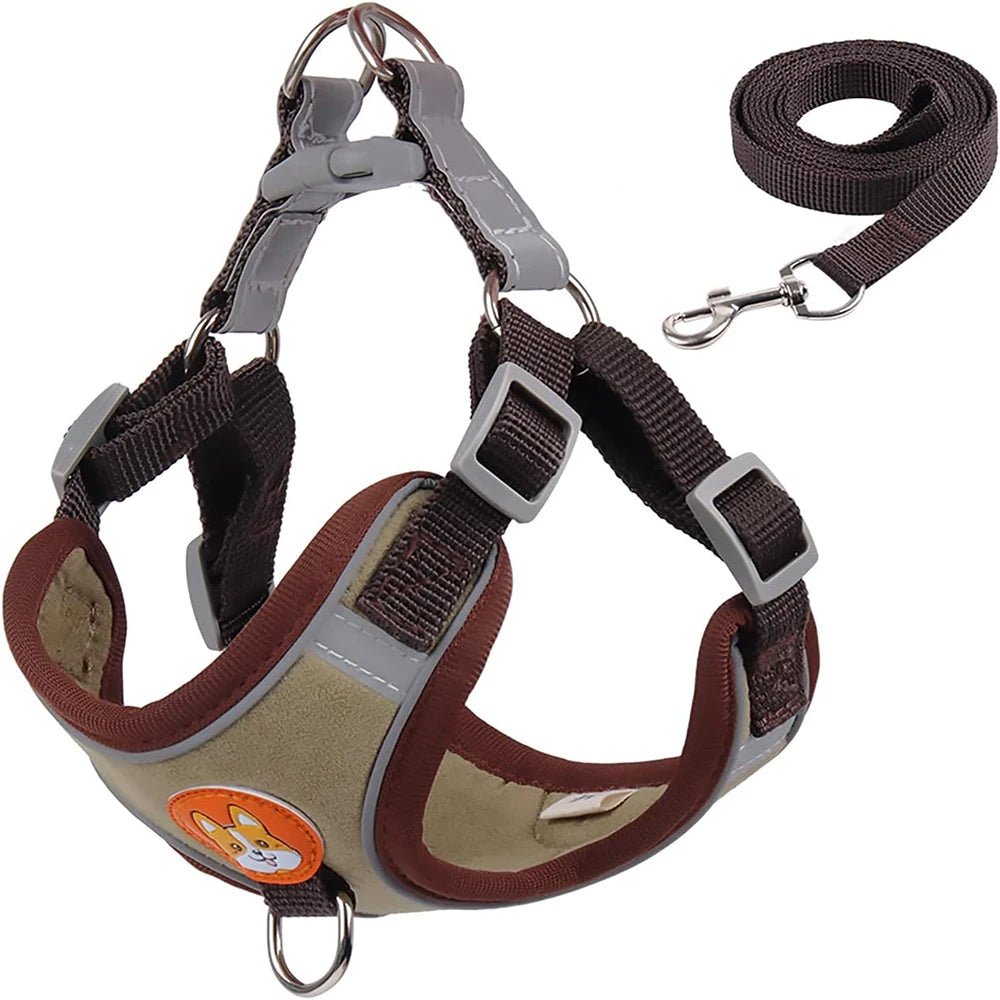
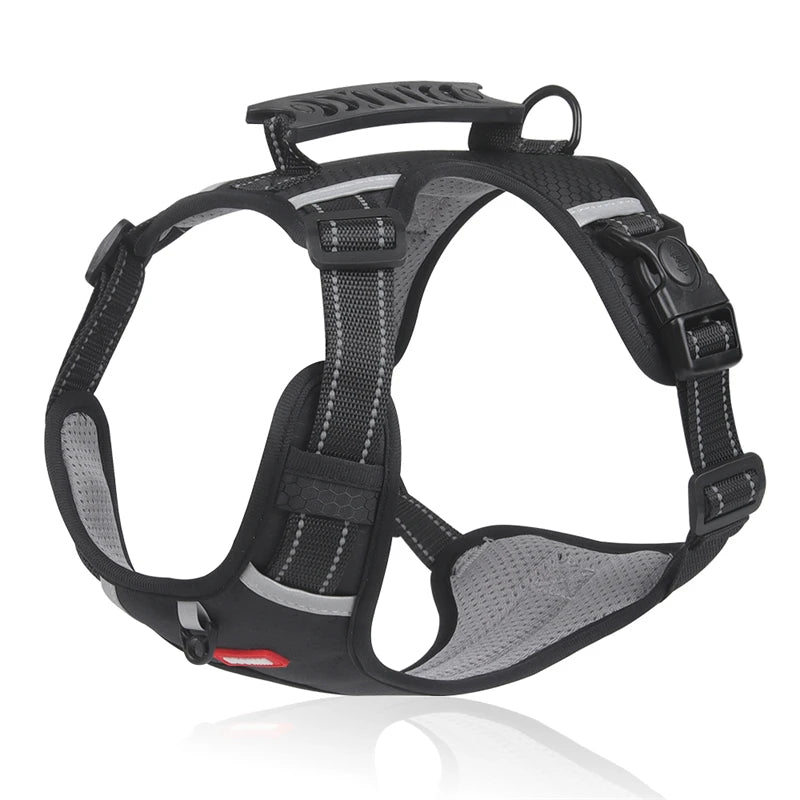
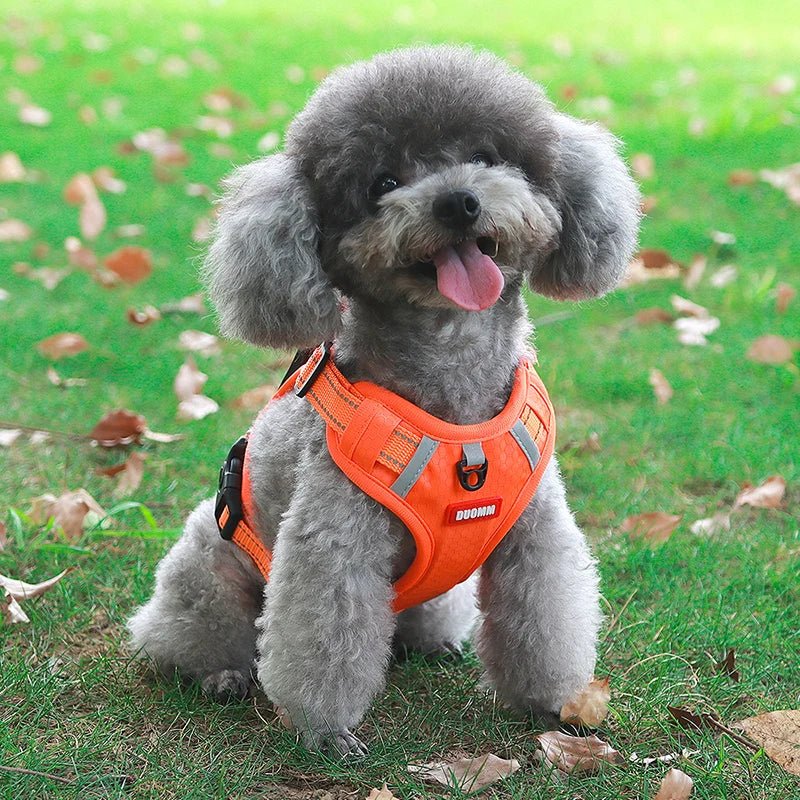
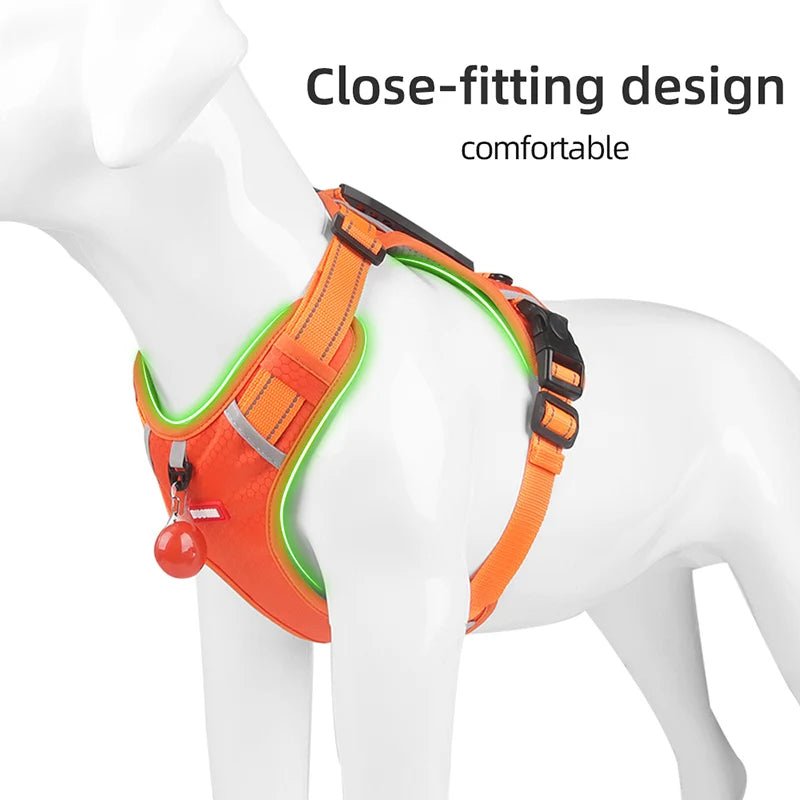
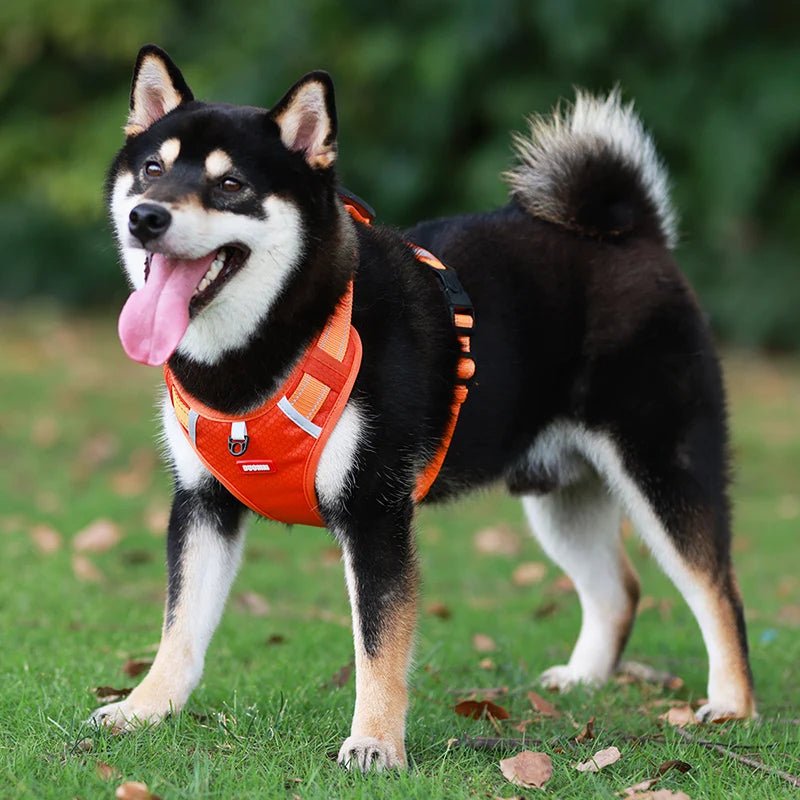
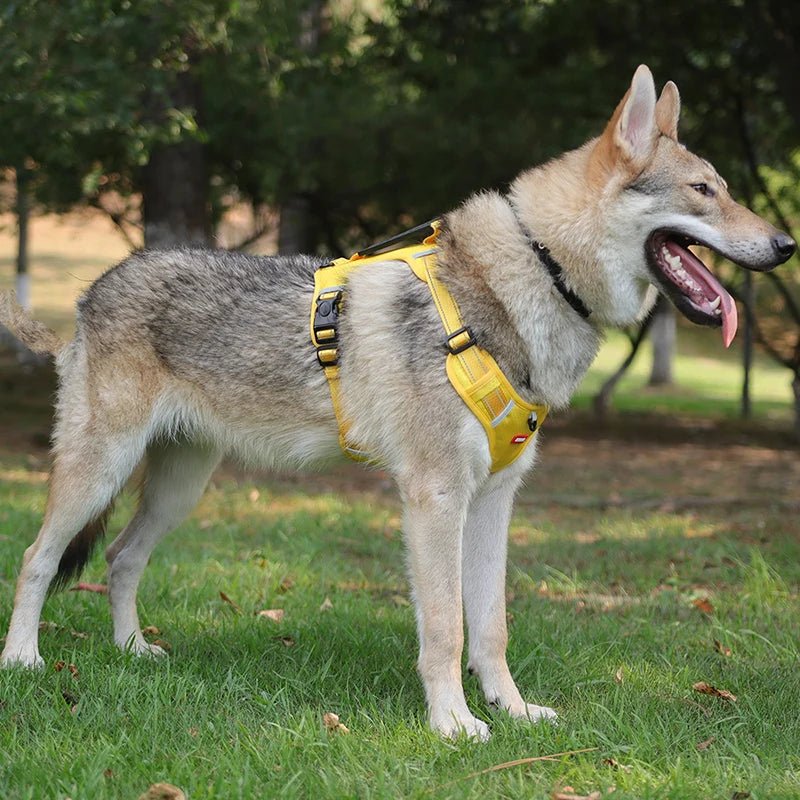
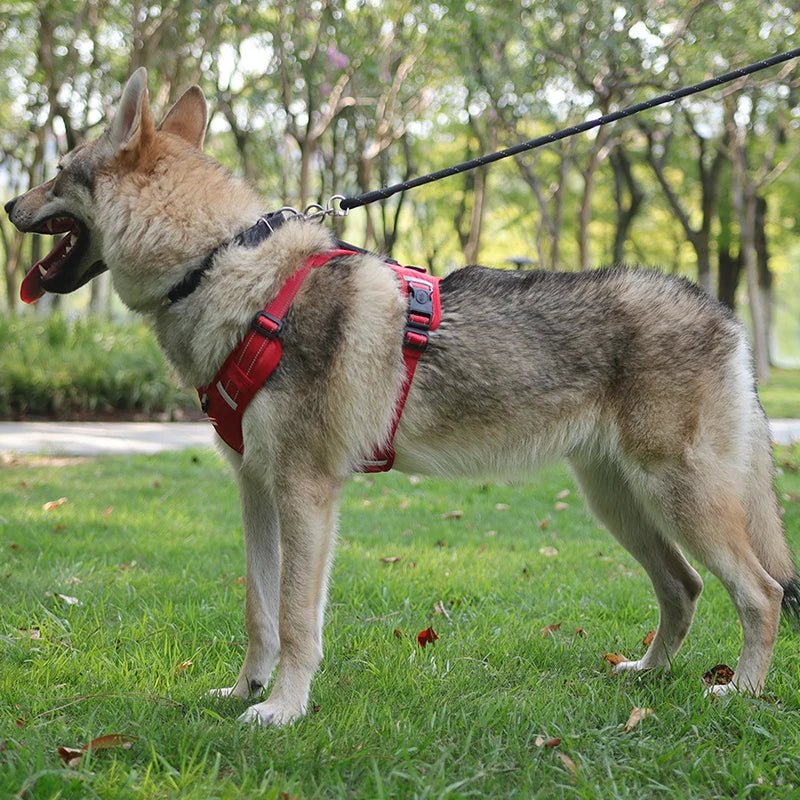
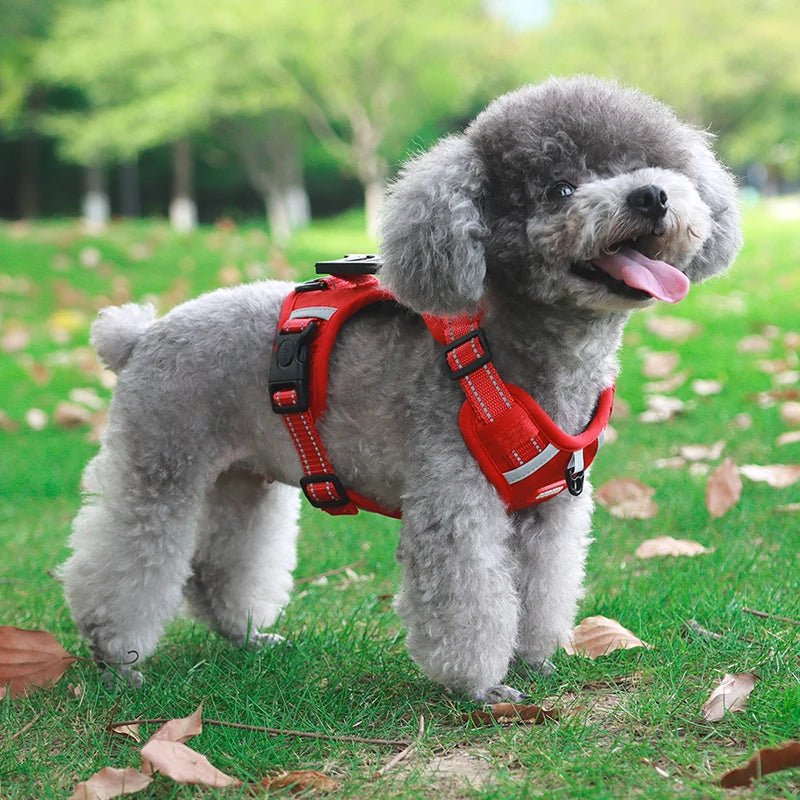
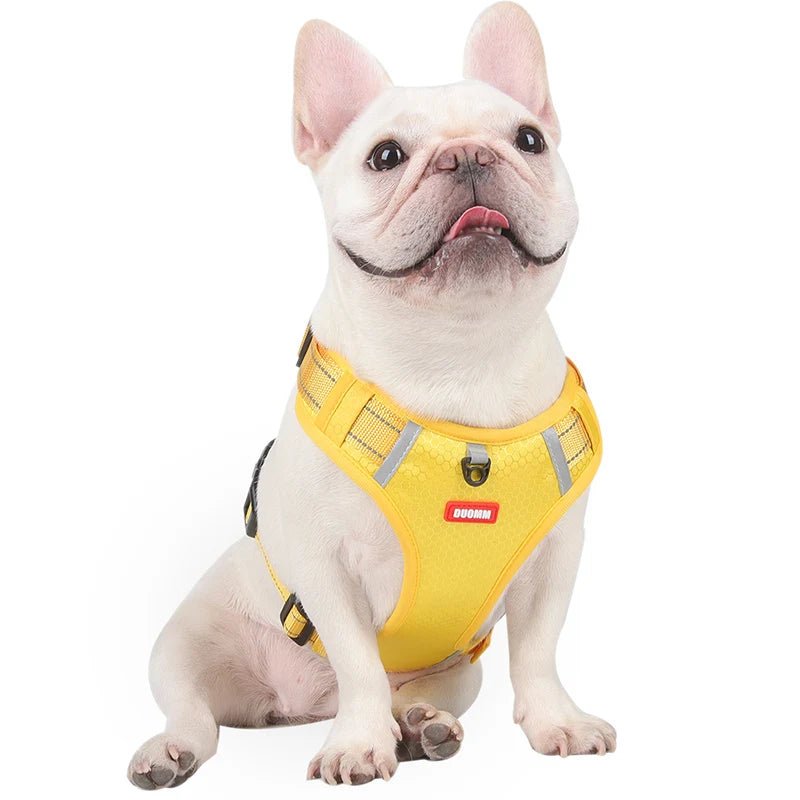
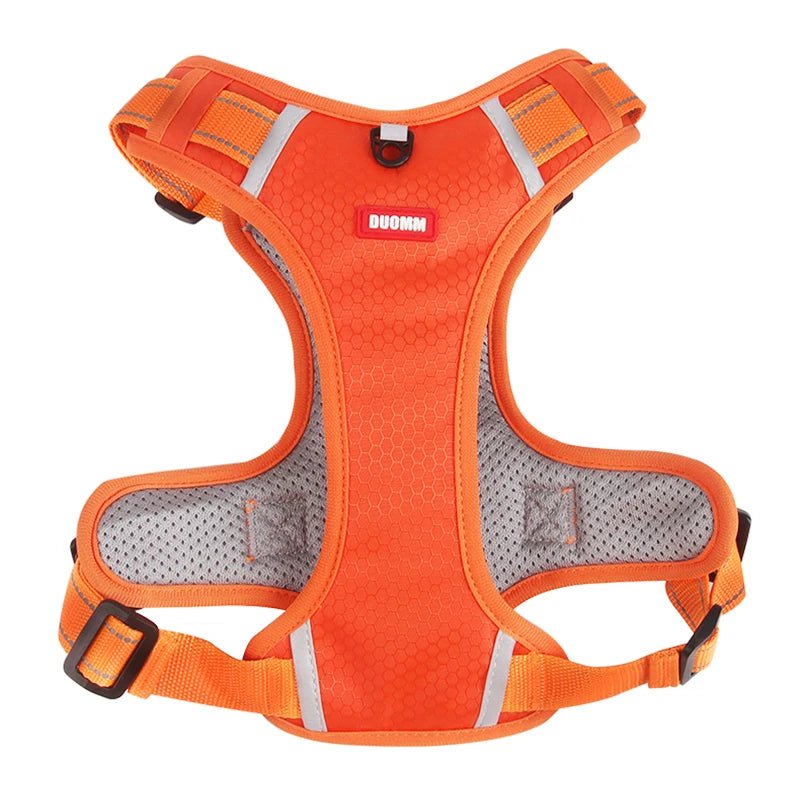
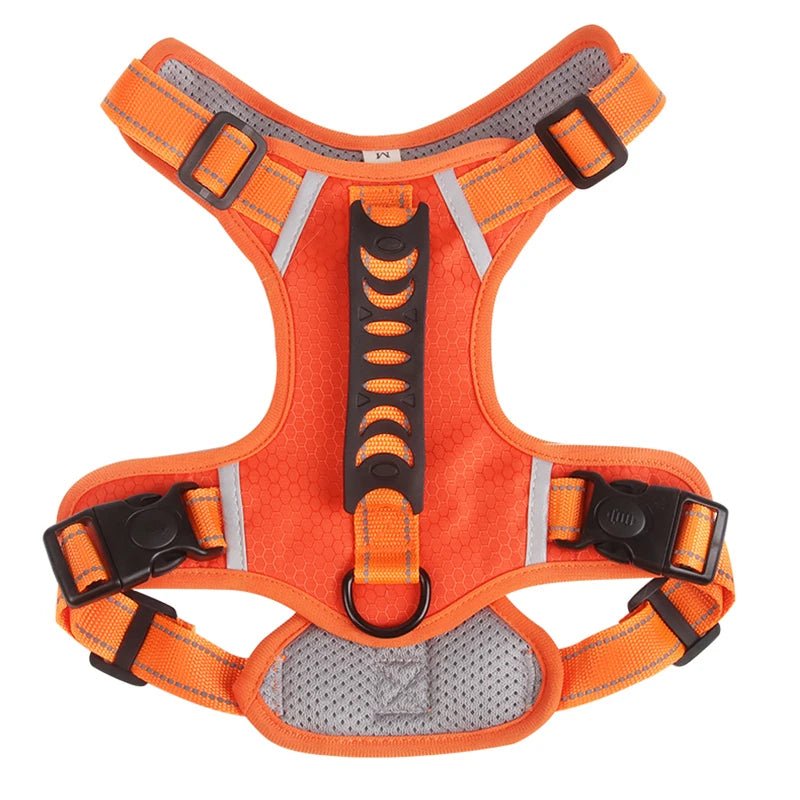
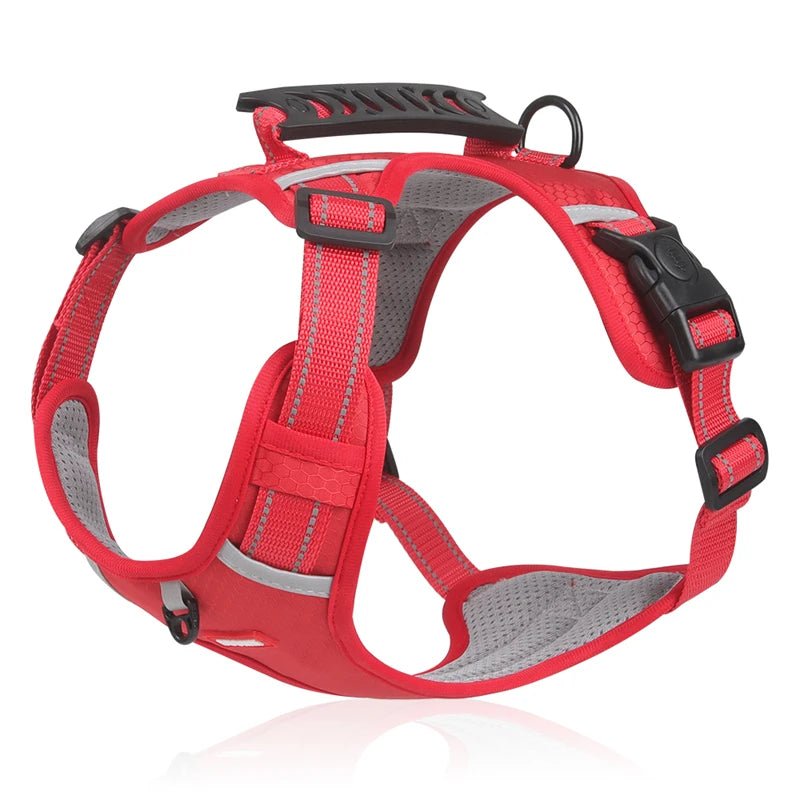
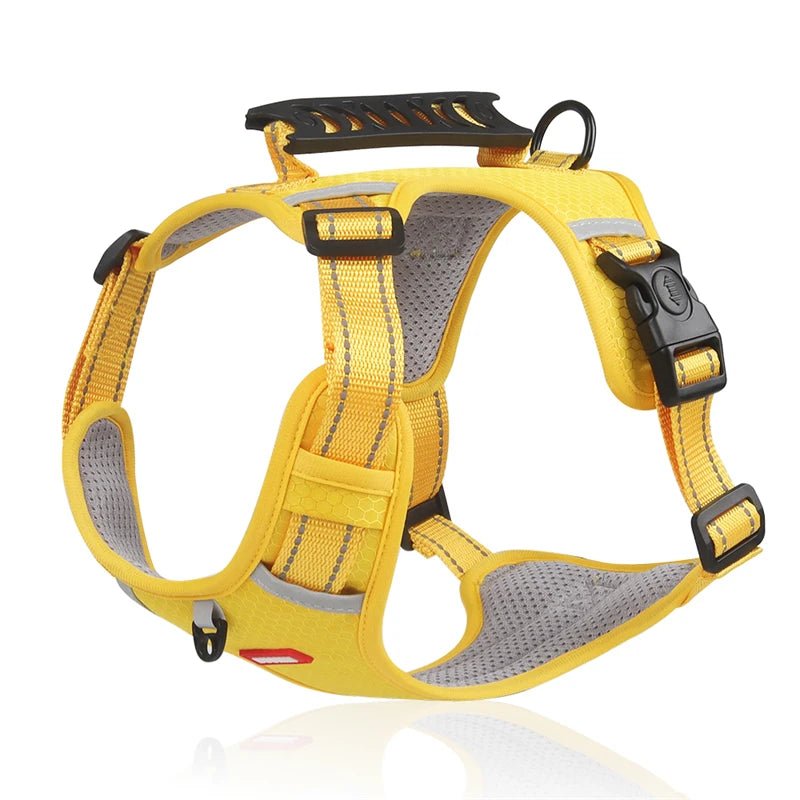
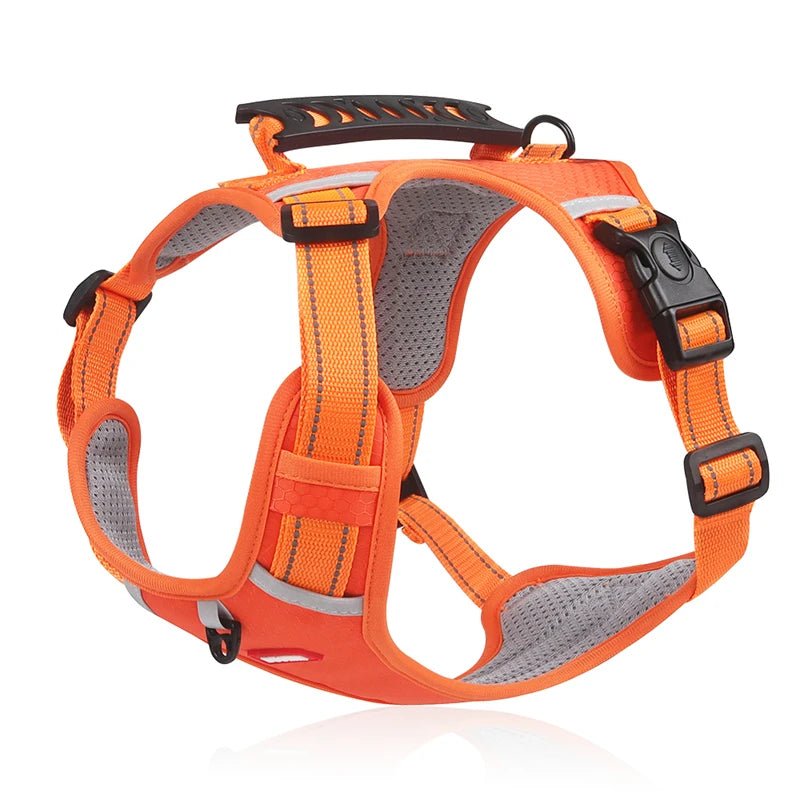
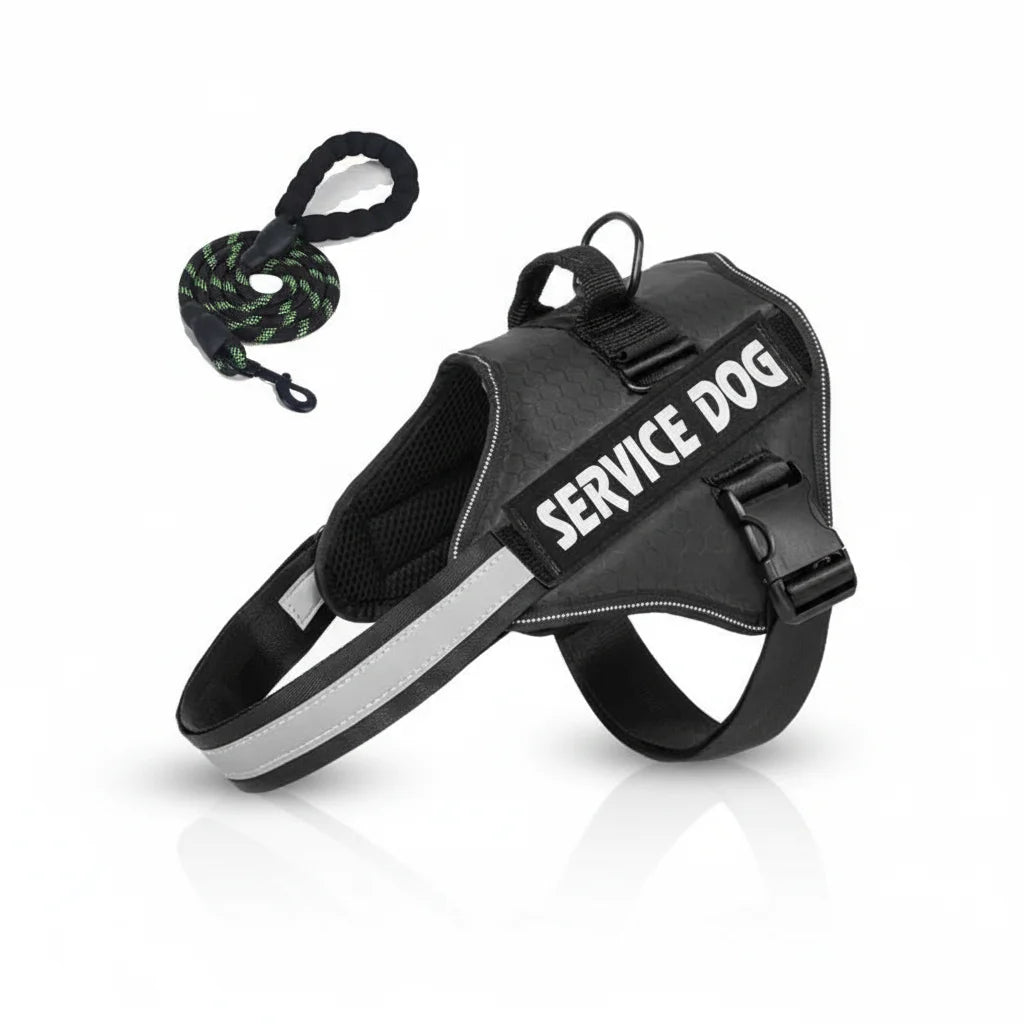
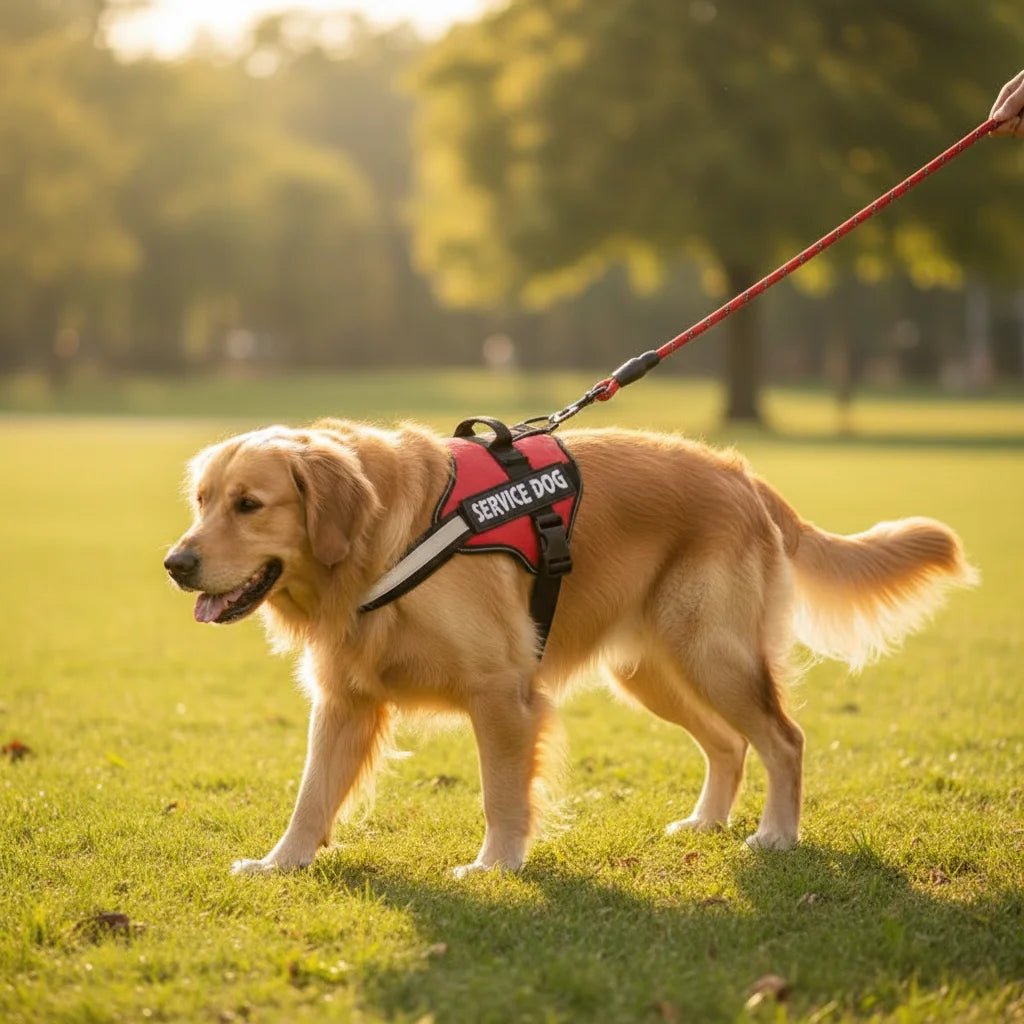
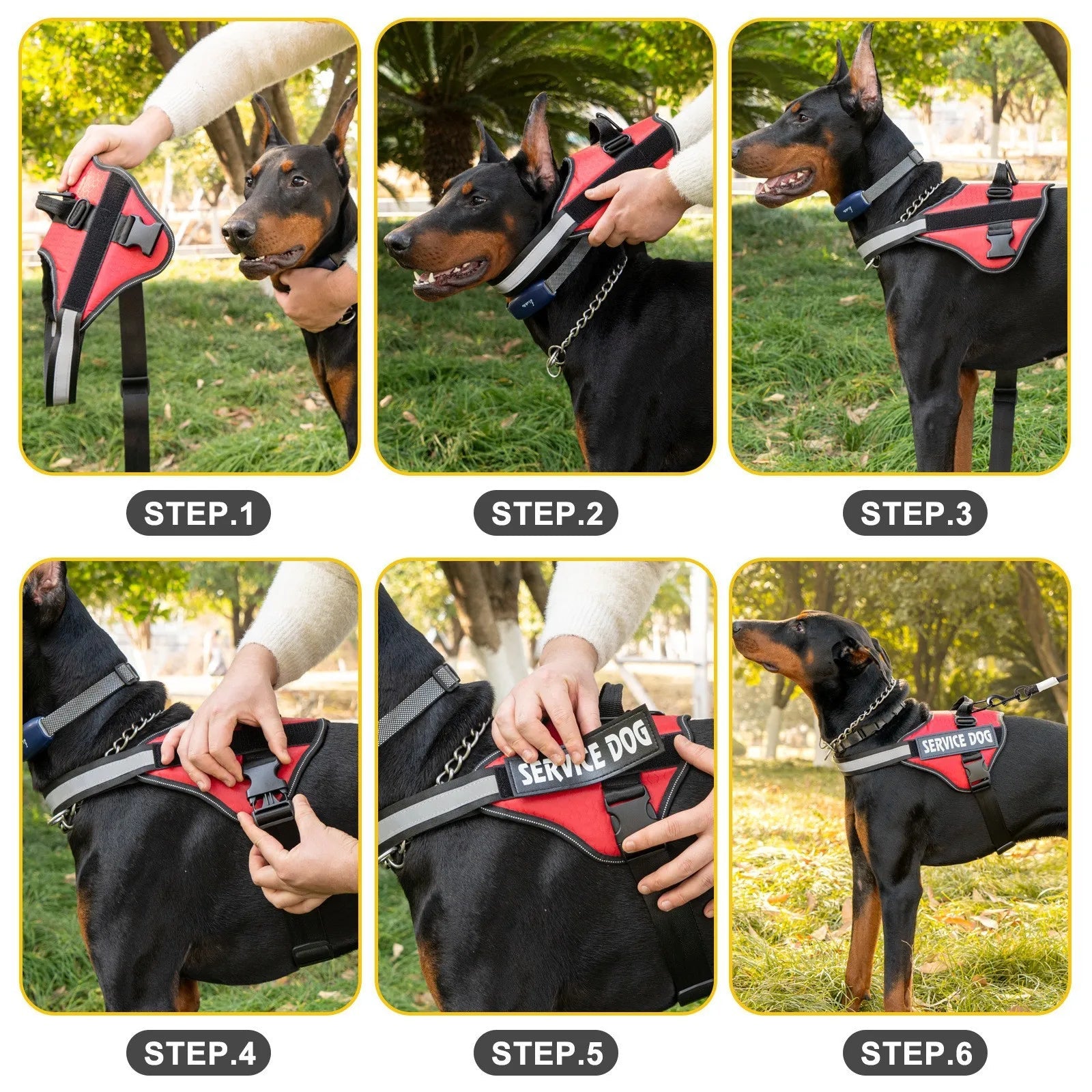
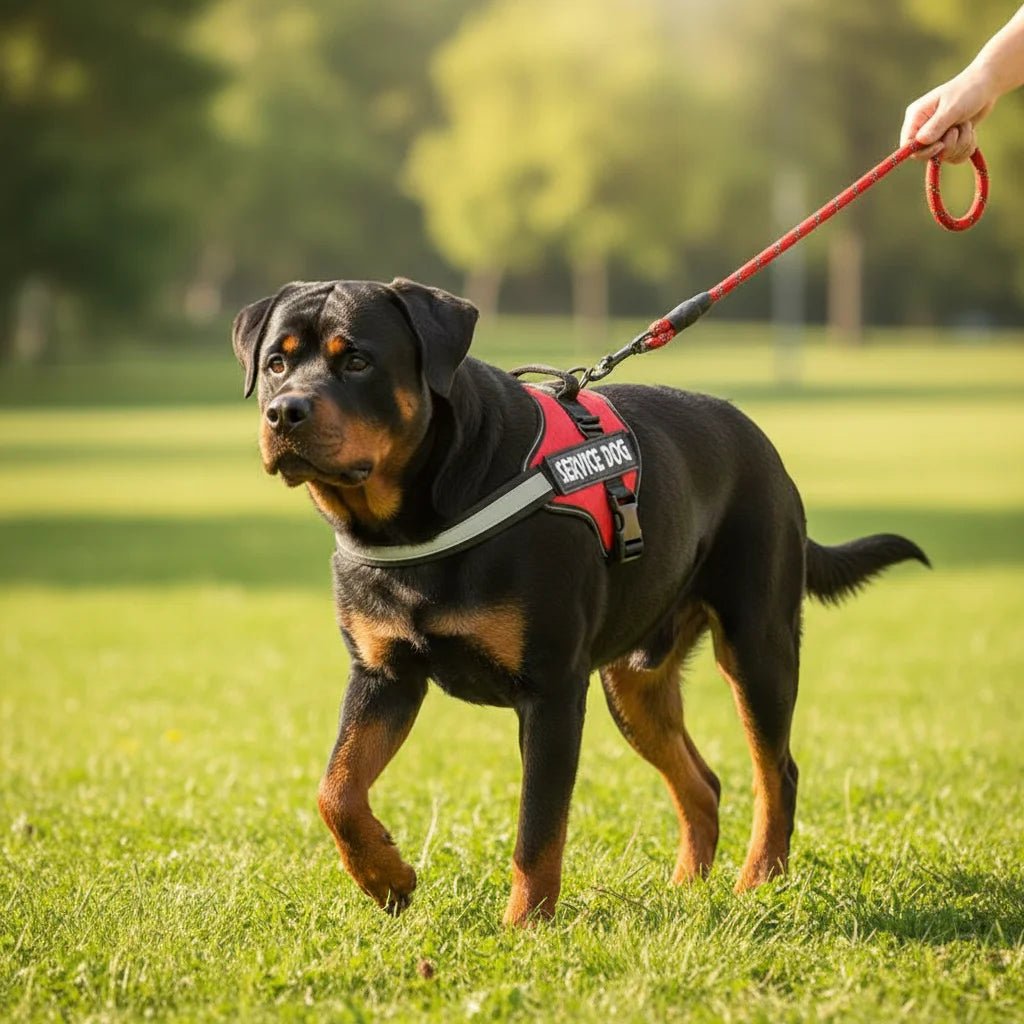
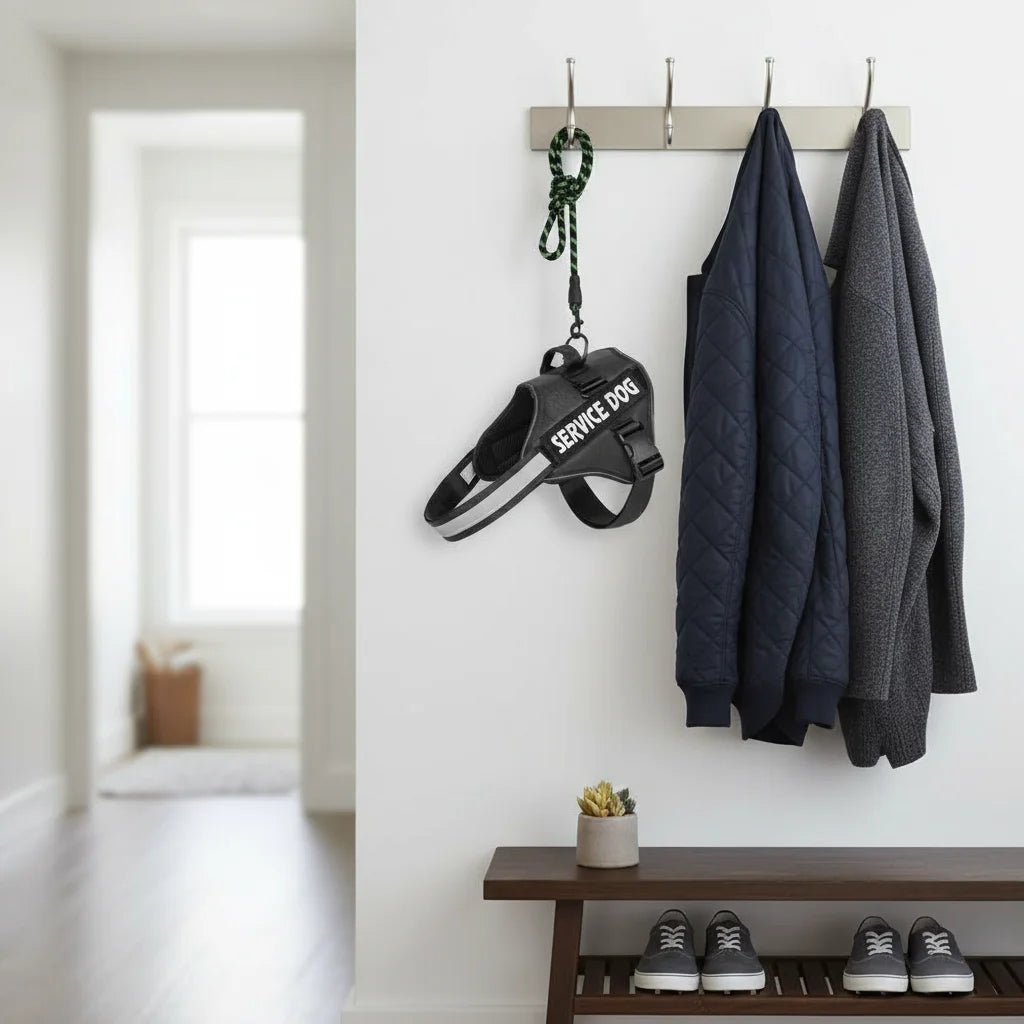
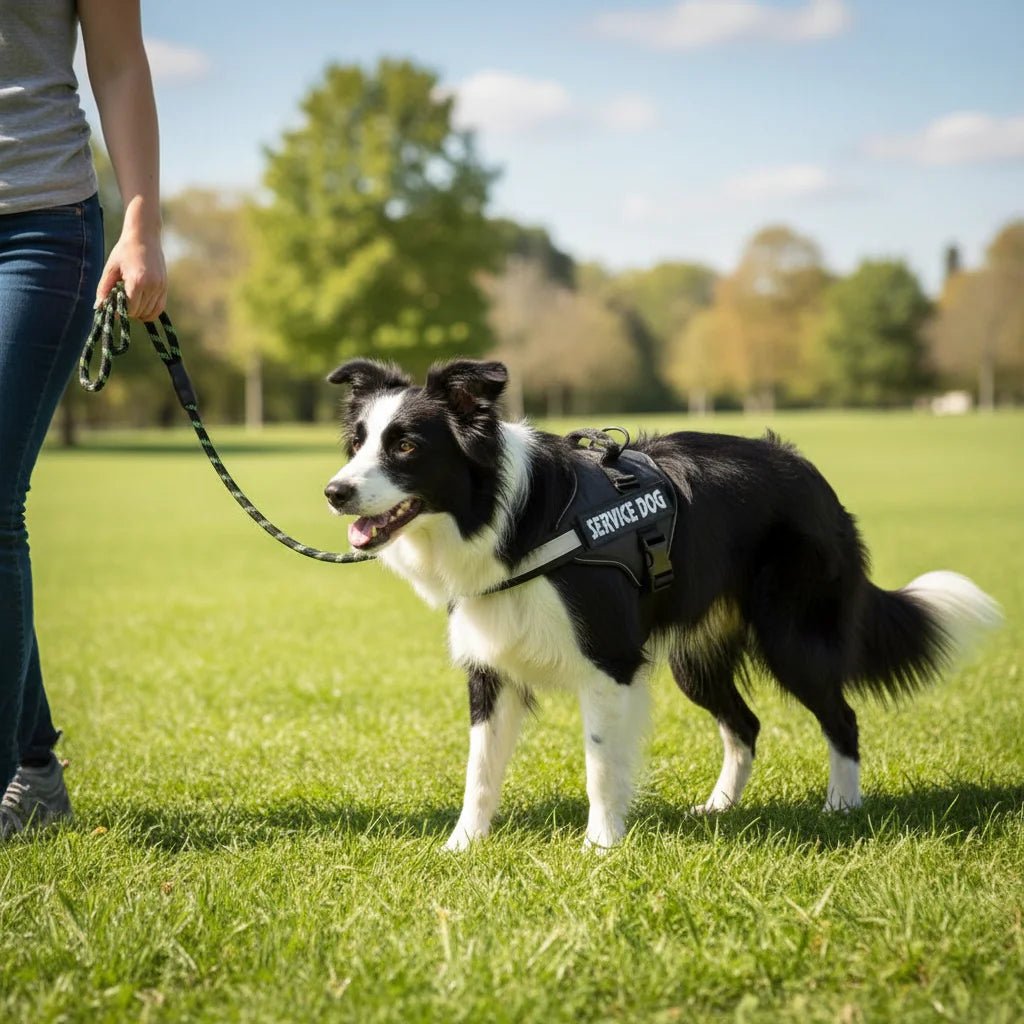
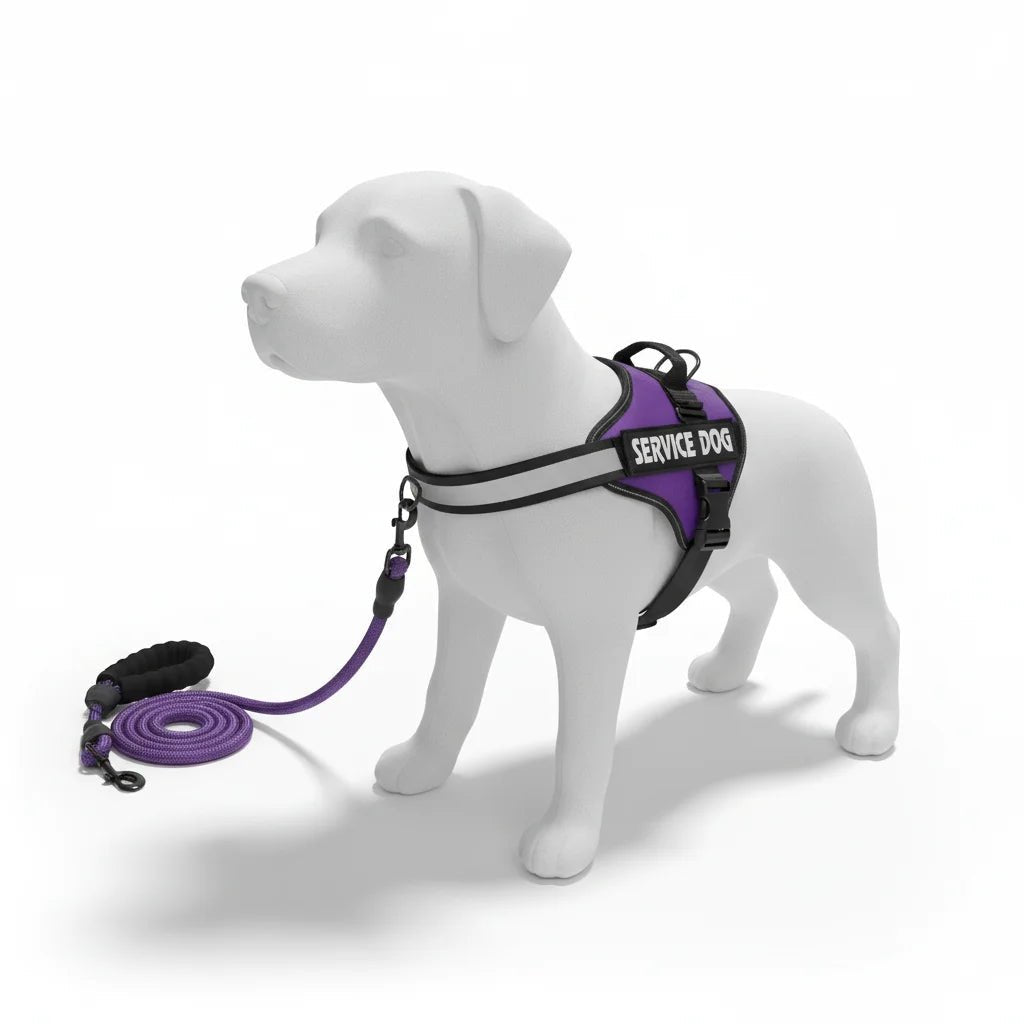
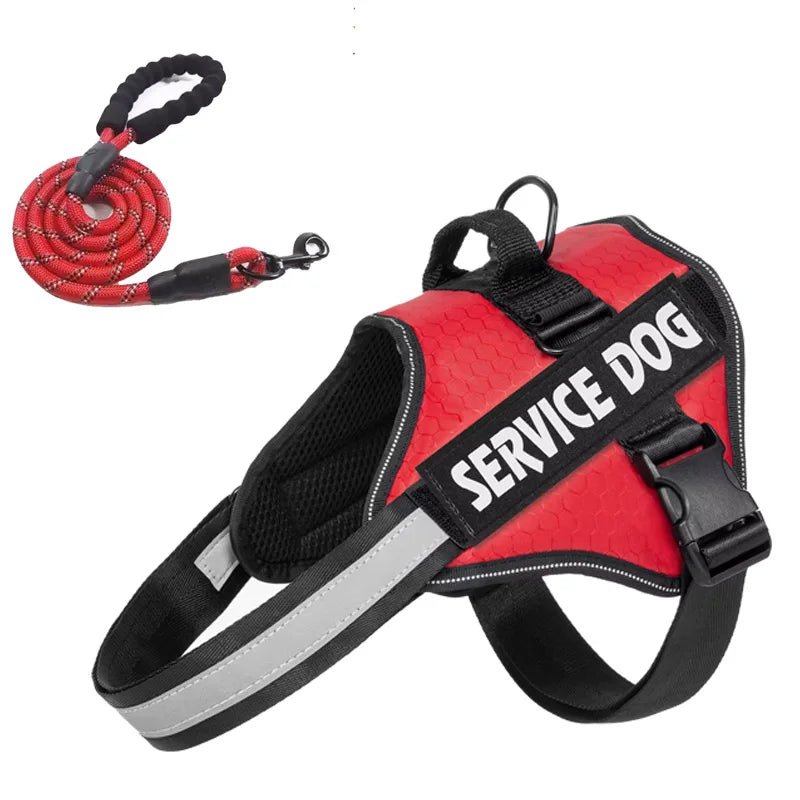
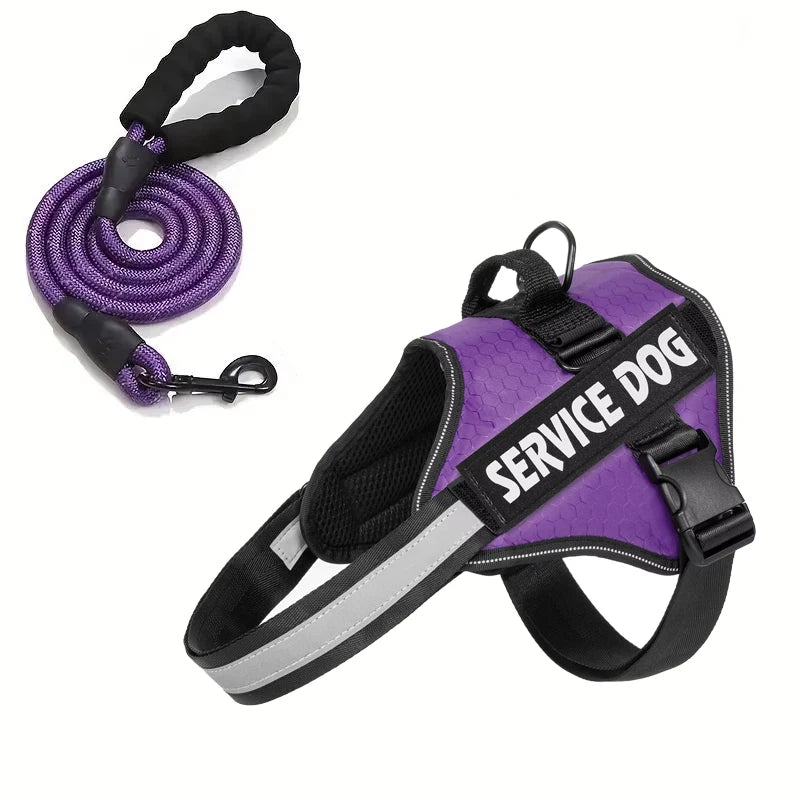
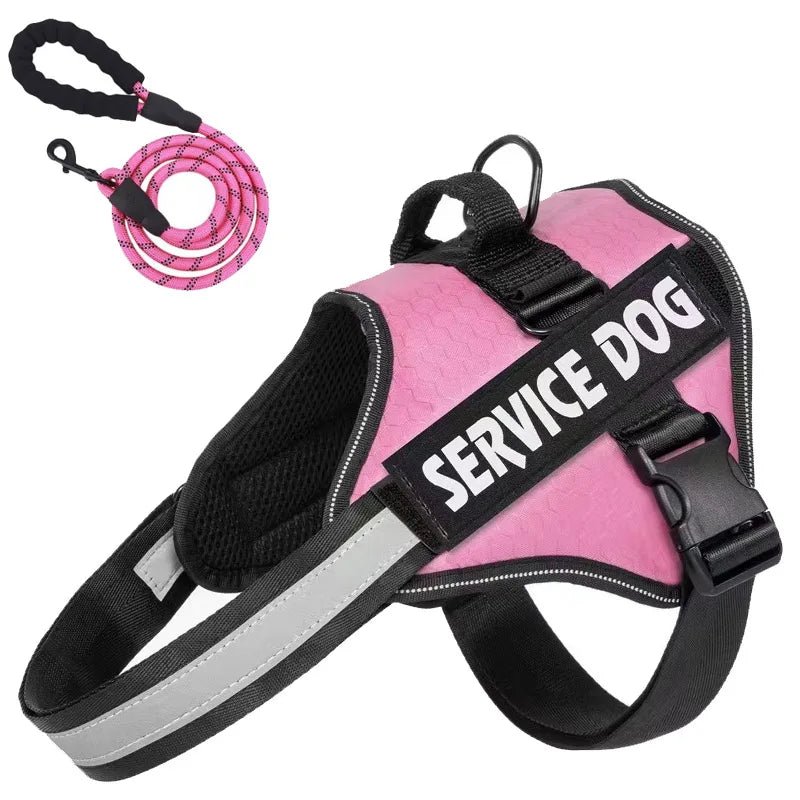
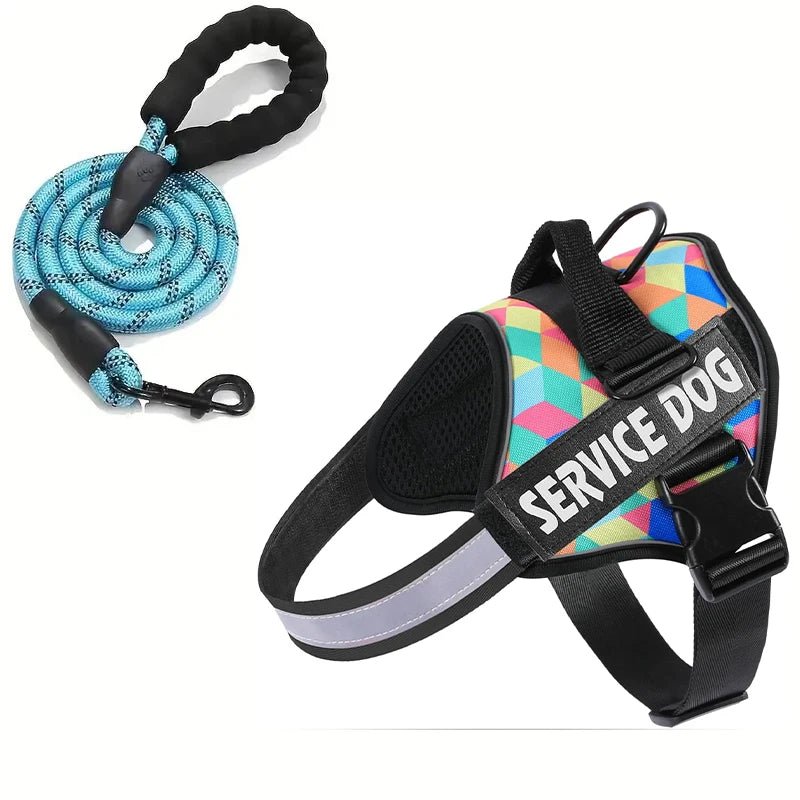
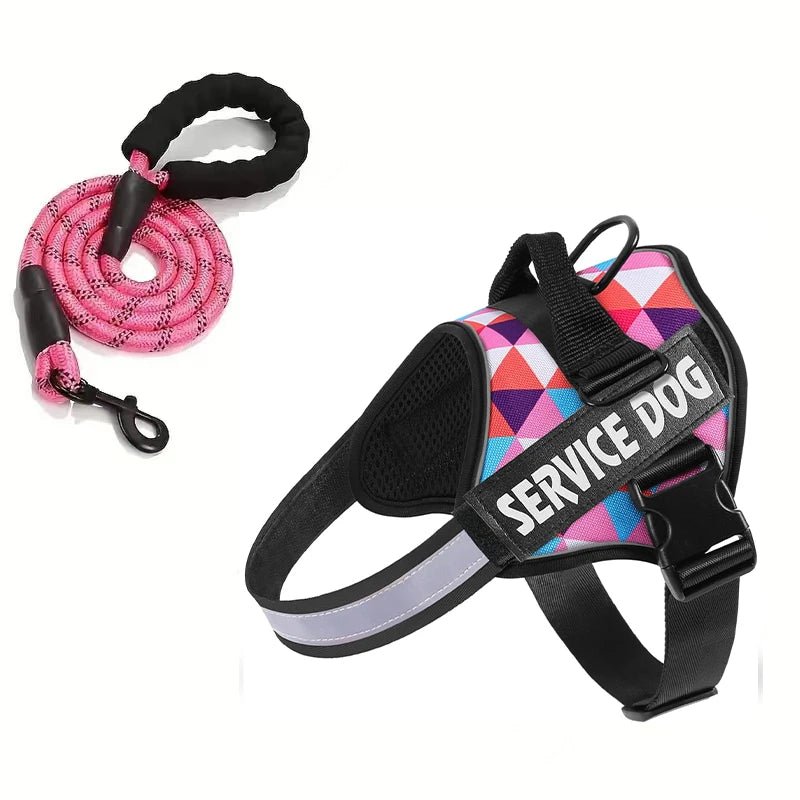
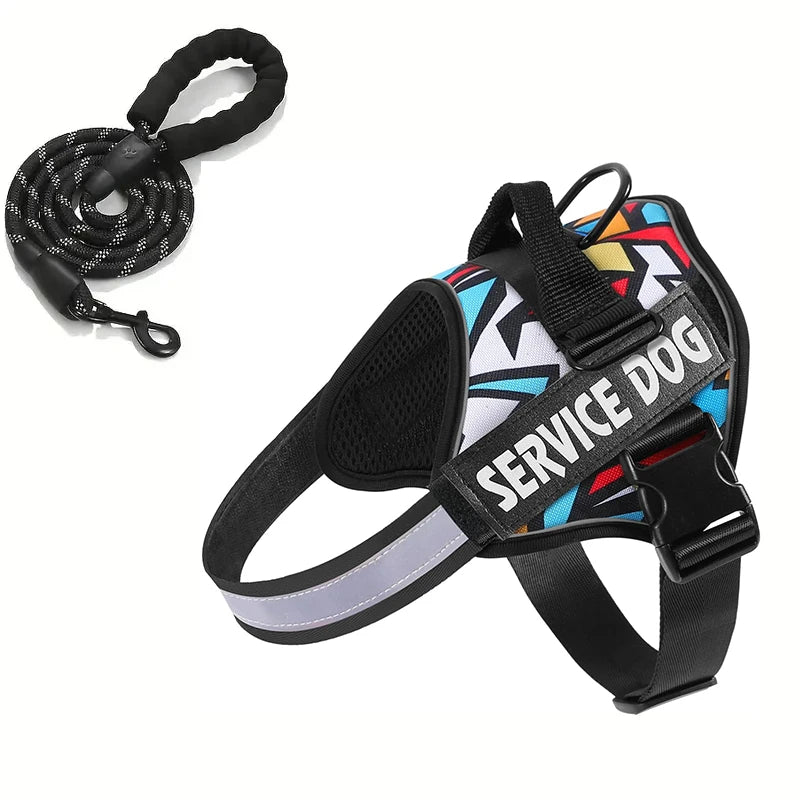
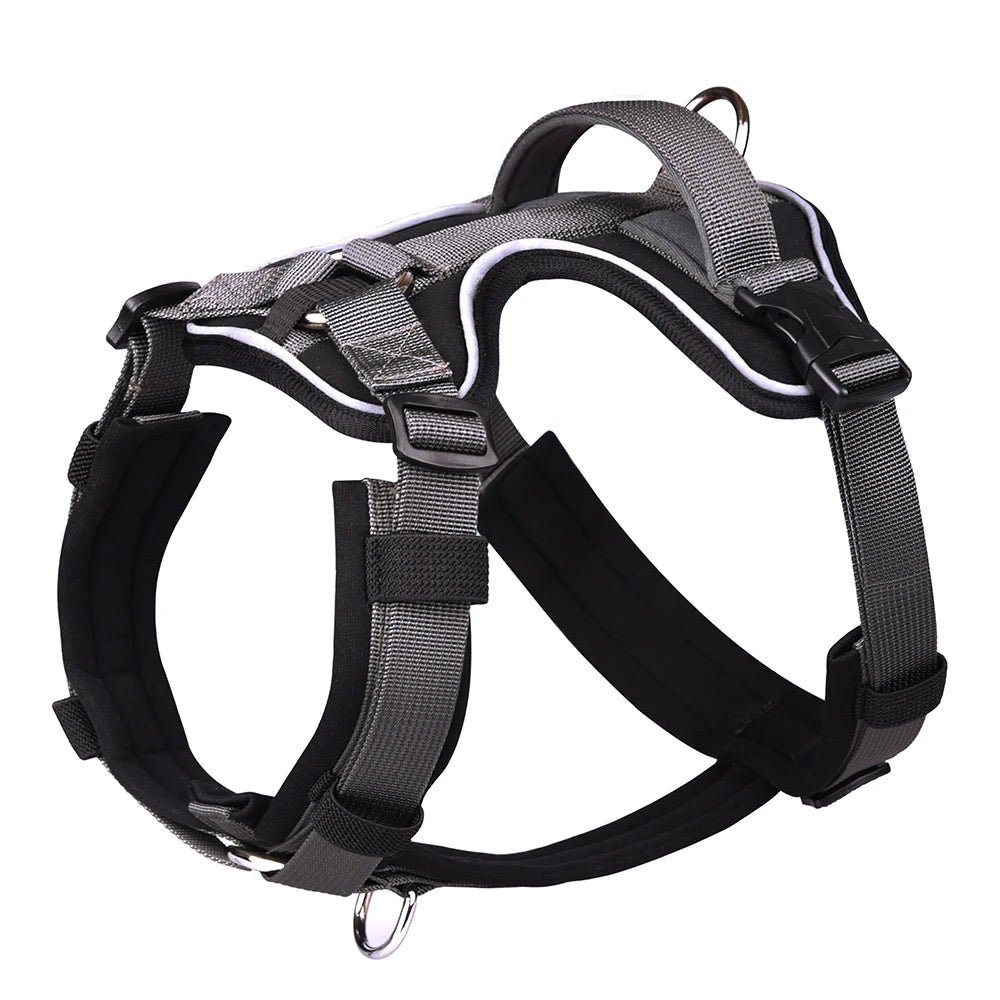

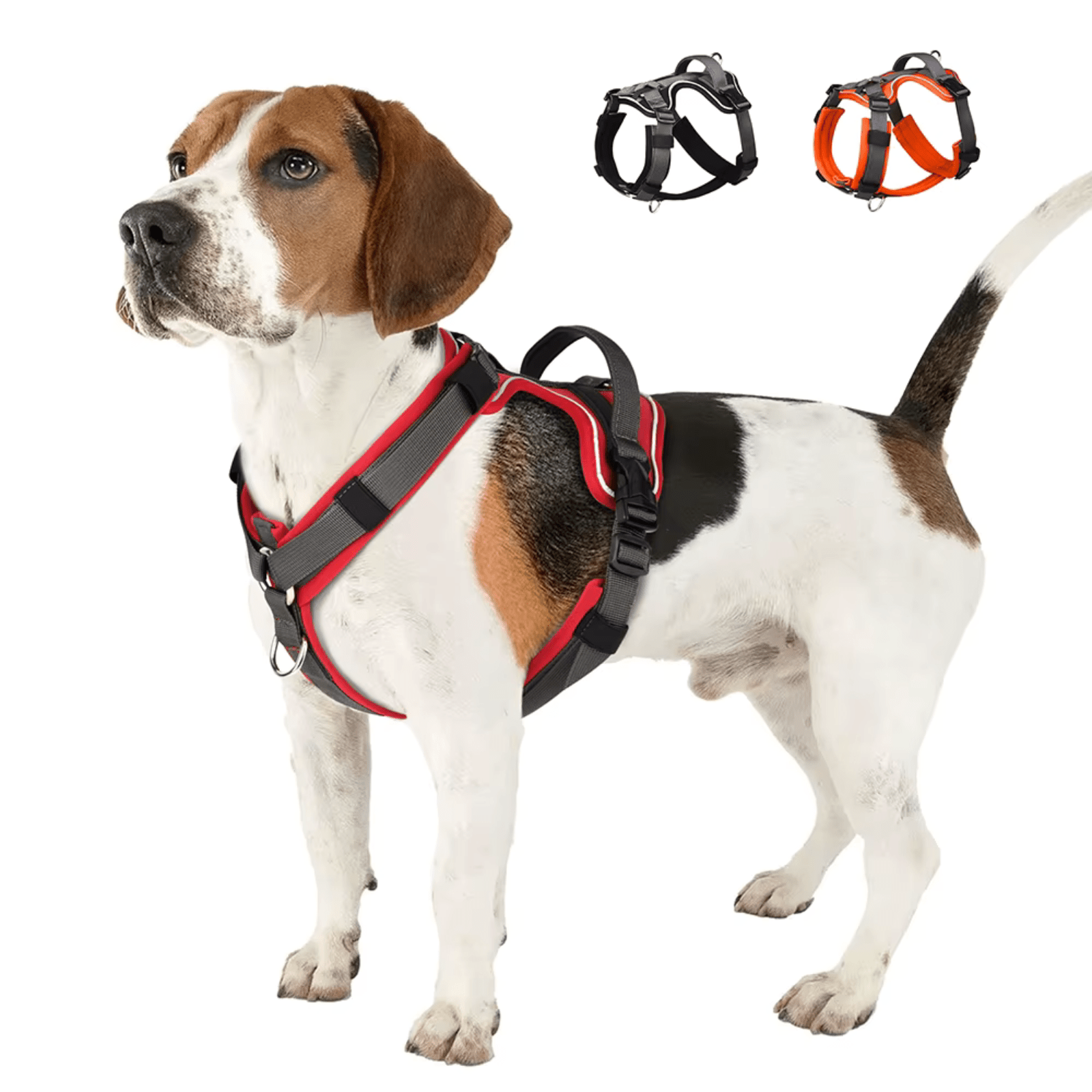


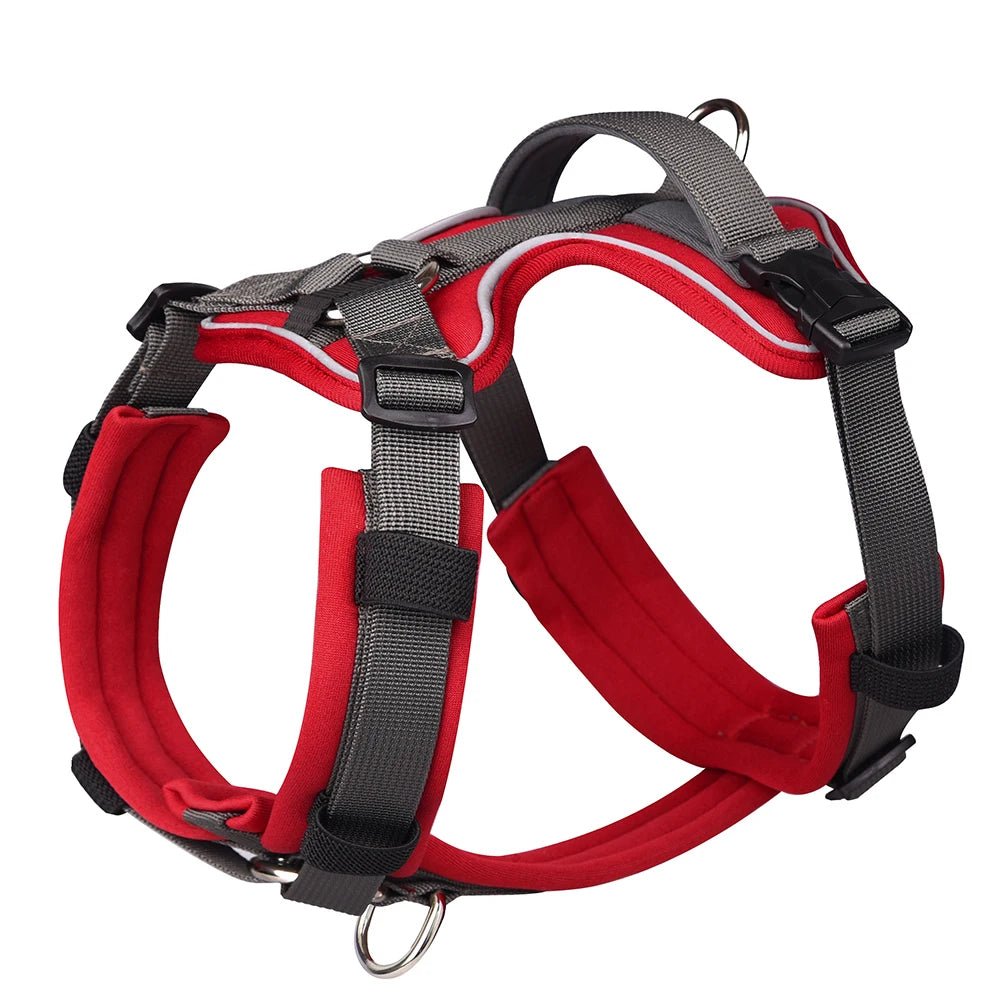
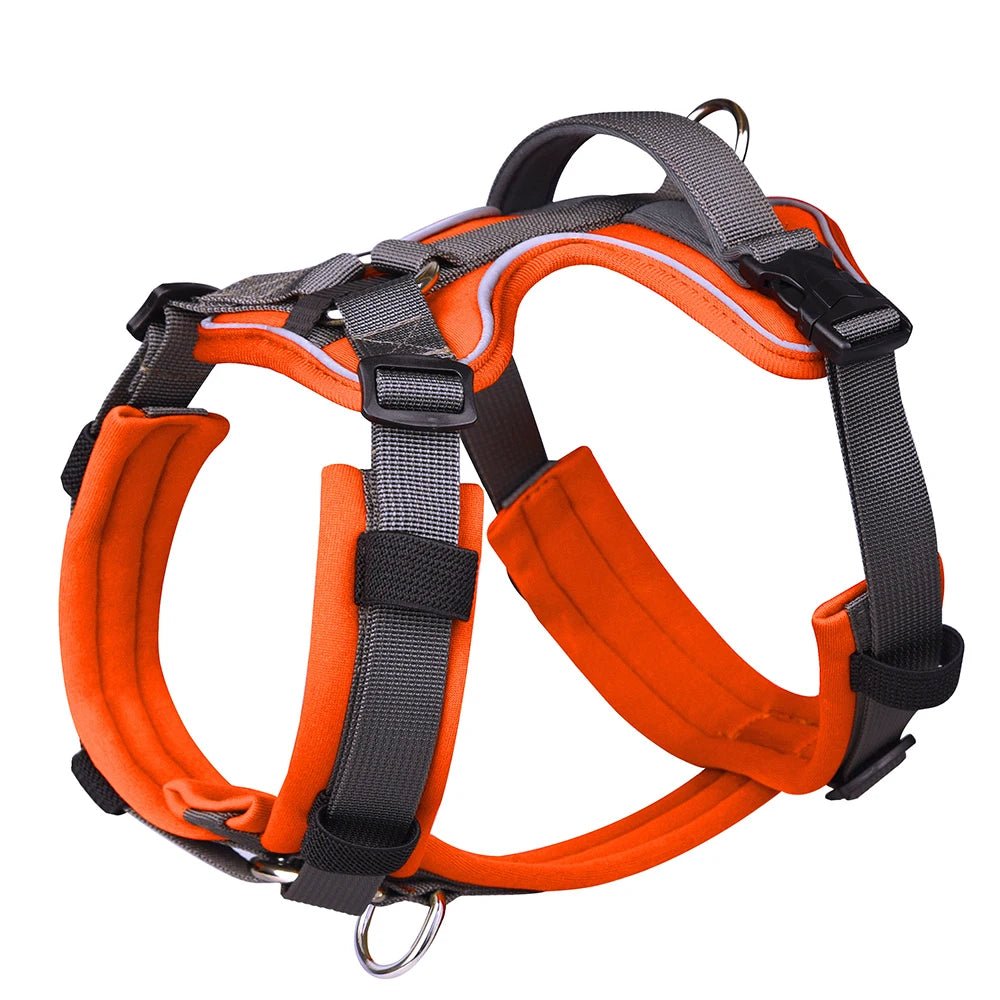


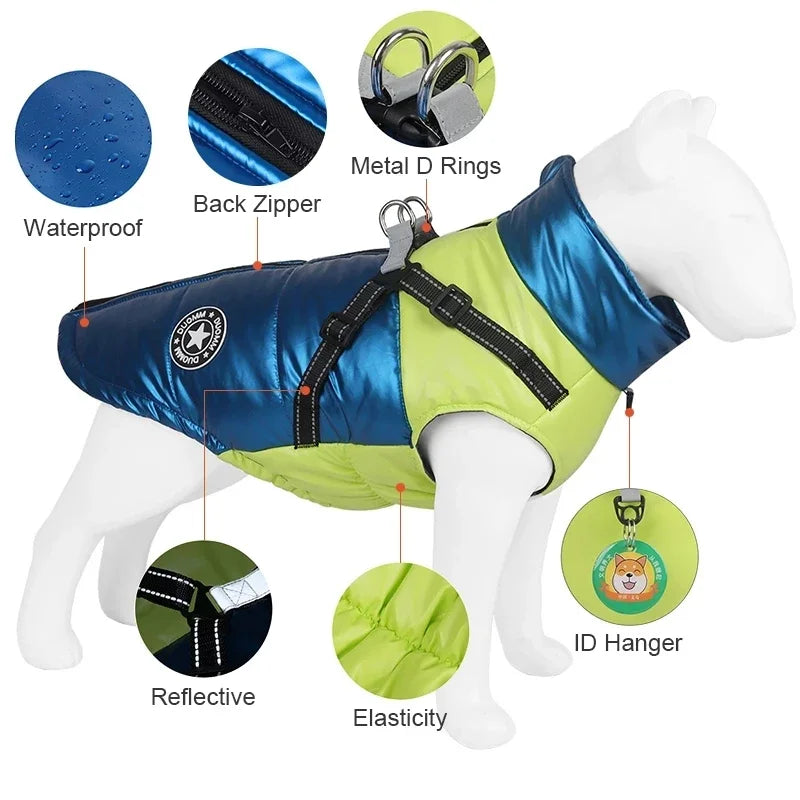


Dog Harnesses Chosen with Your Dog in Mind
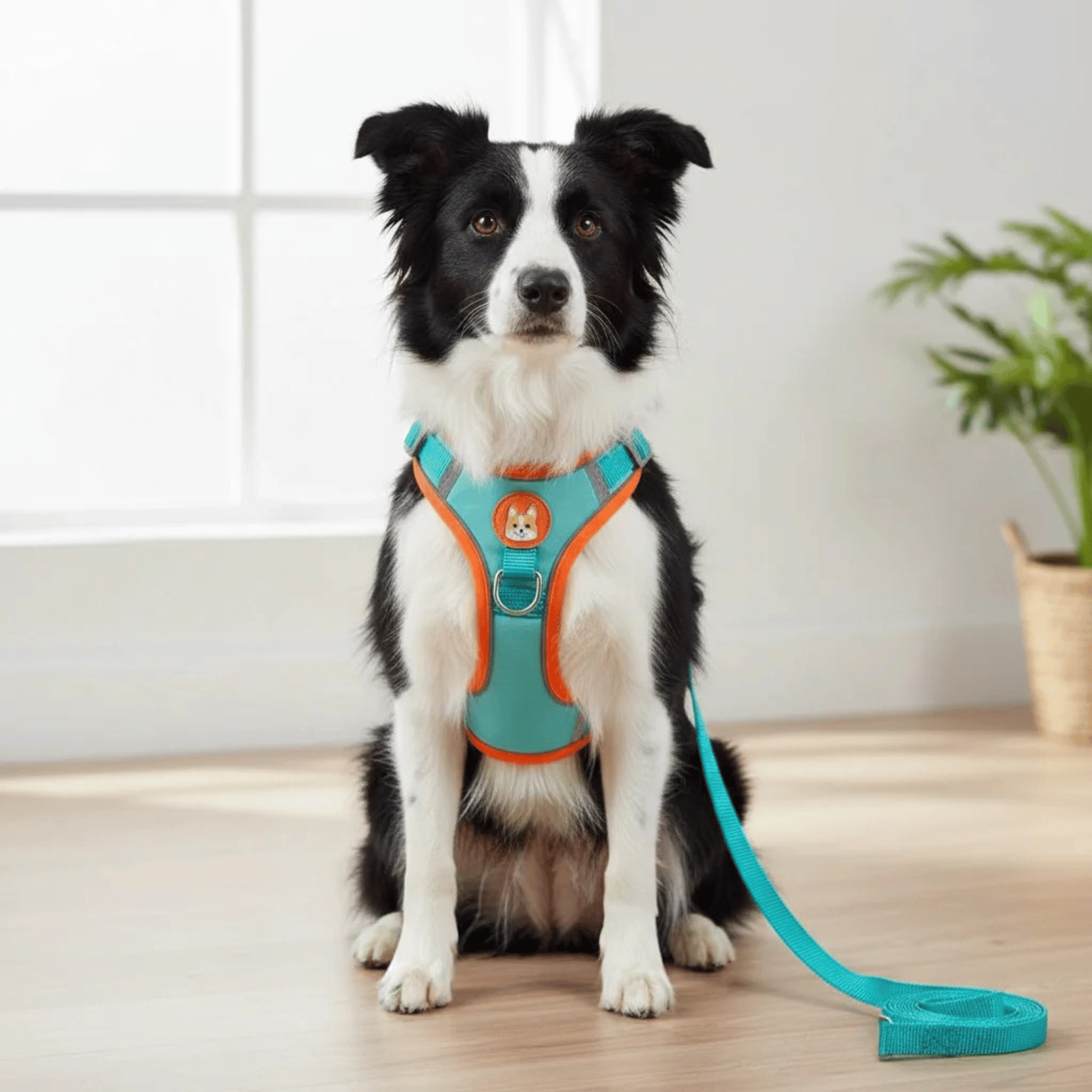
At Duke & Scoop, we don't make the dog harnesses ourselves. We choose them with your dog in mind. Every harness in this collection has earned its place because we'd happily put it on Duke or Scoop, our two Border Collies who started this whole journey.
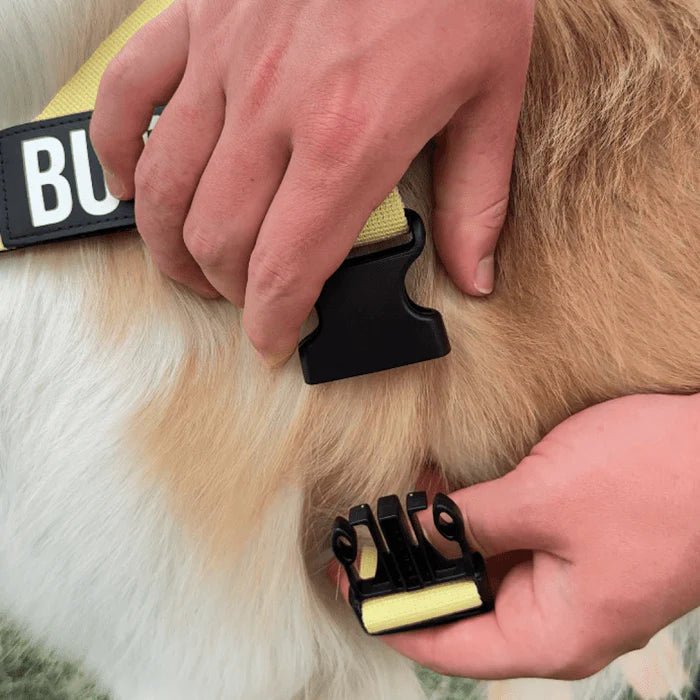
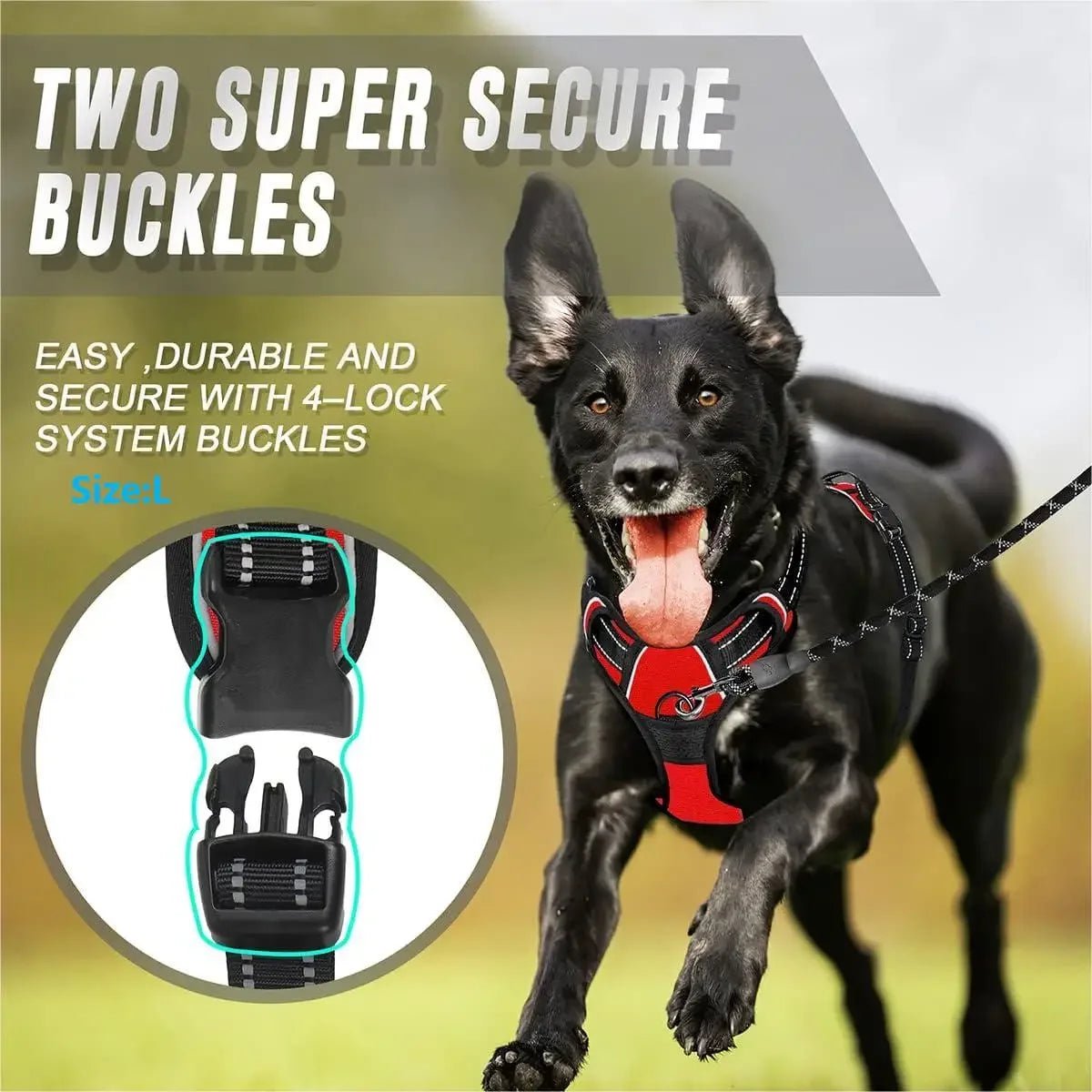
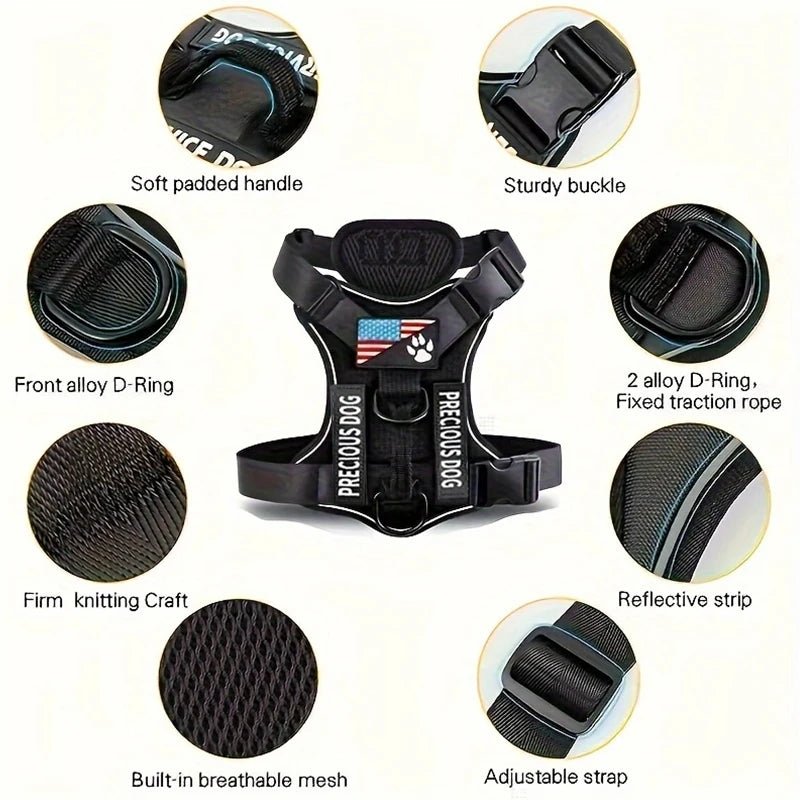
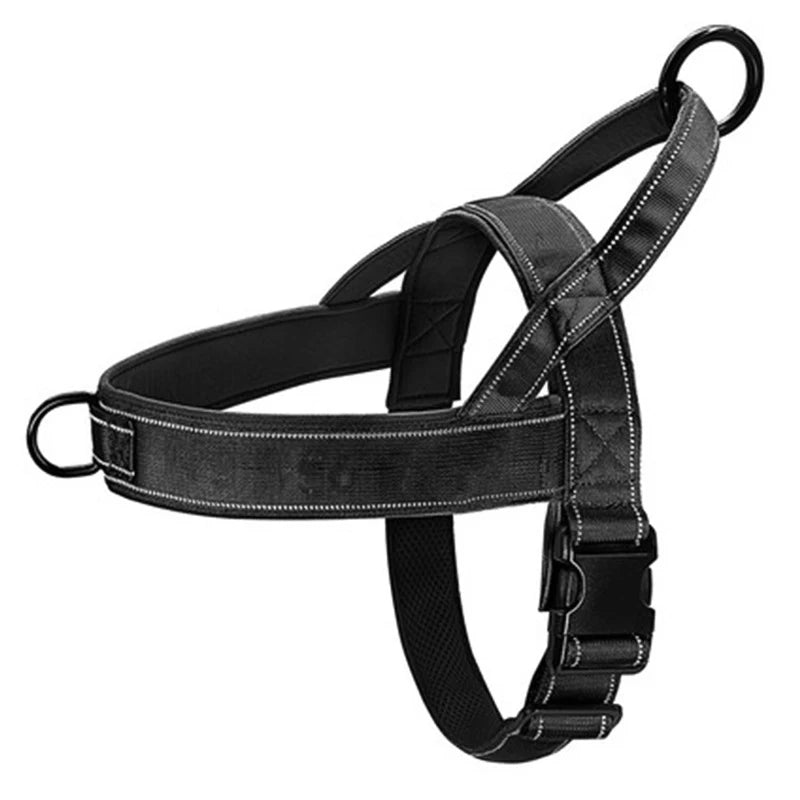
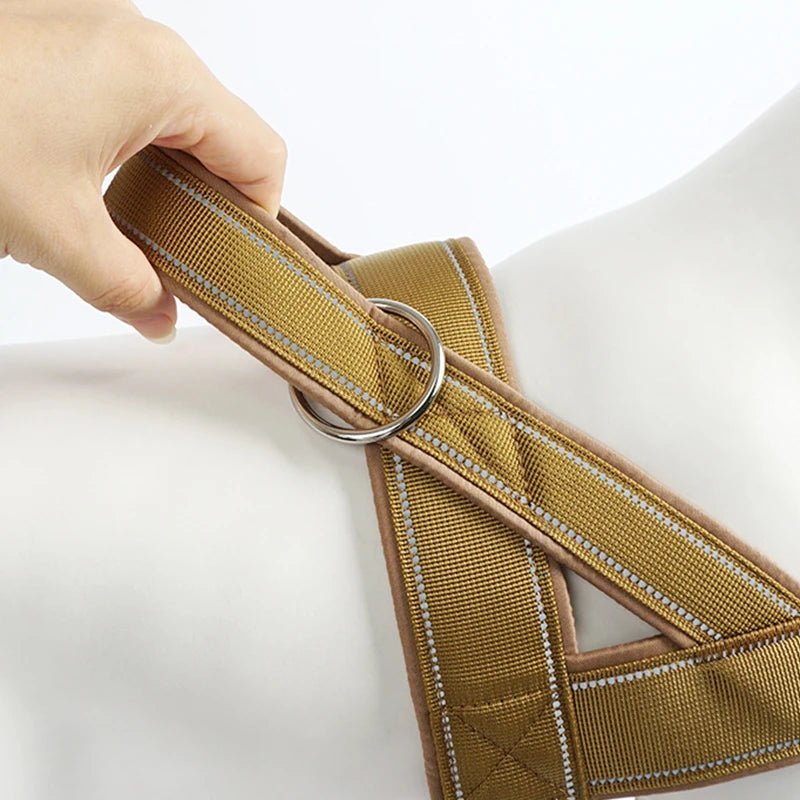
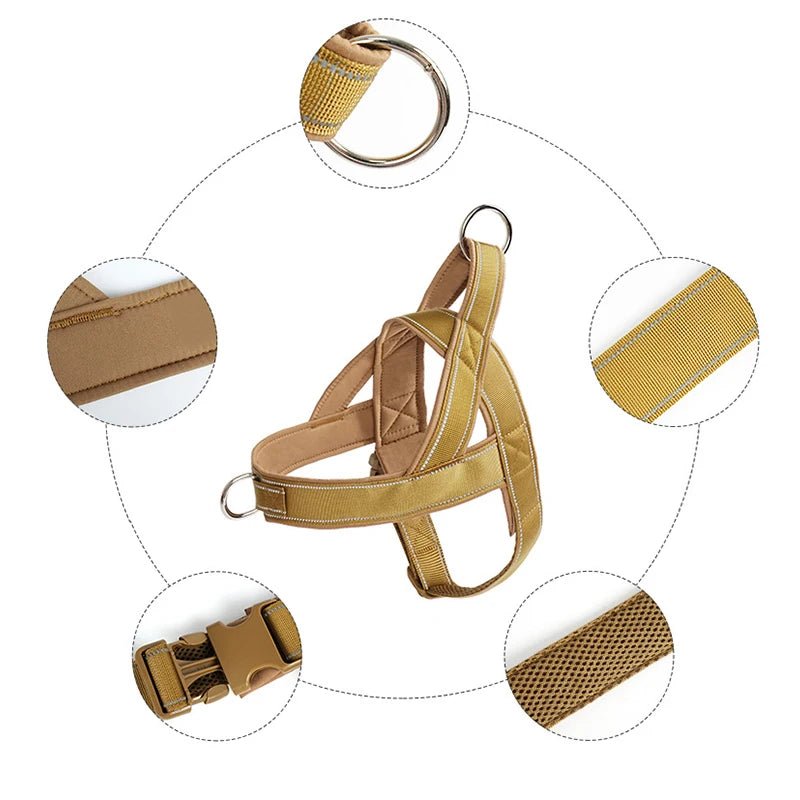
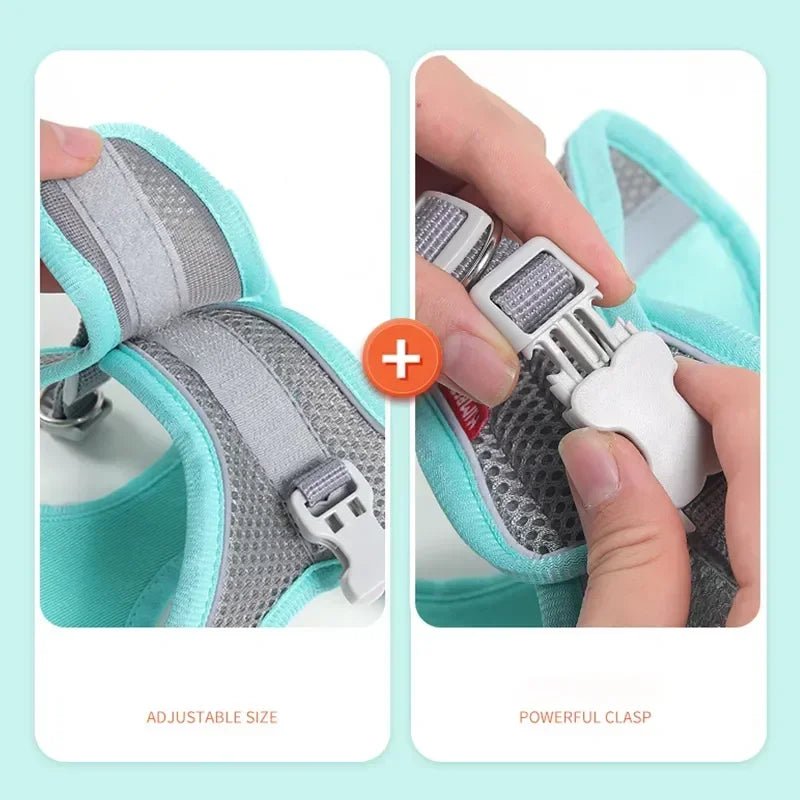
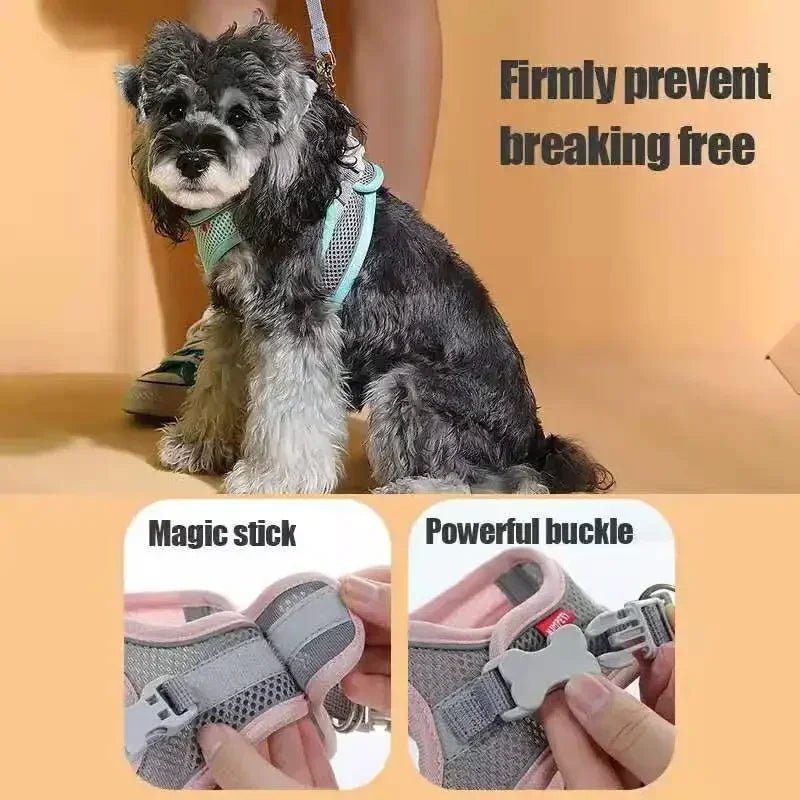
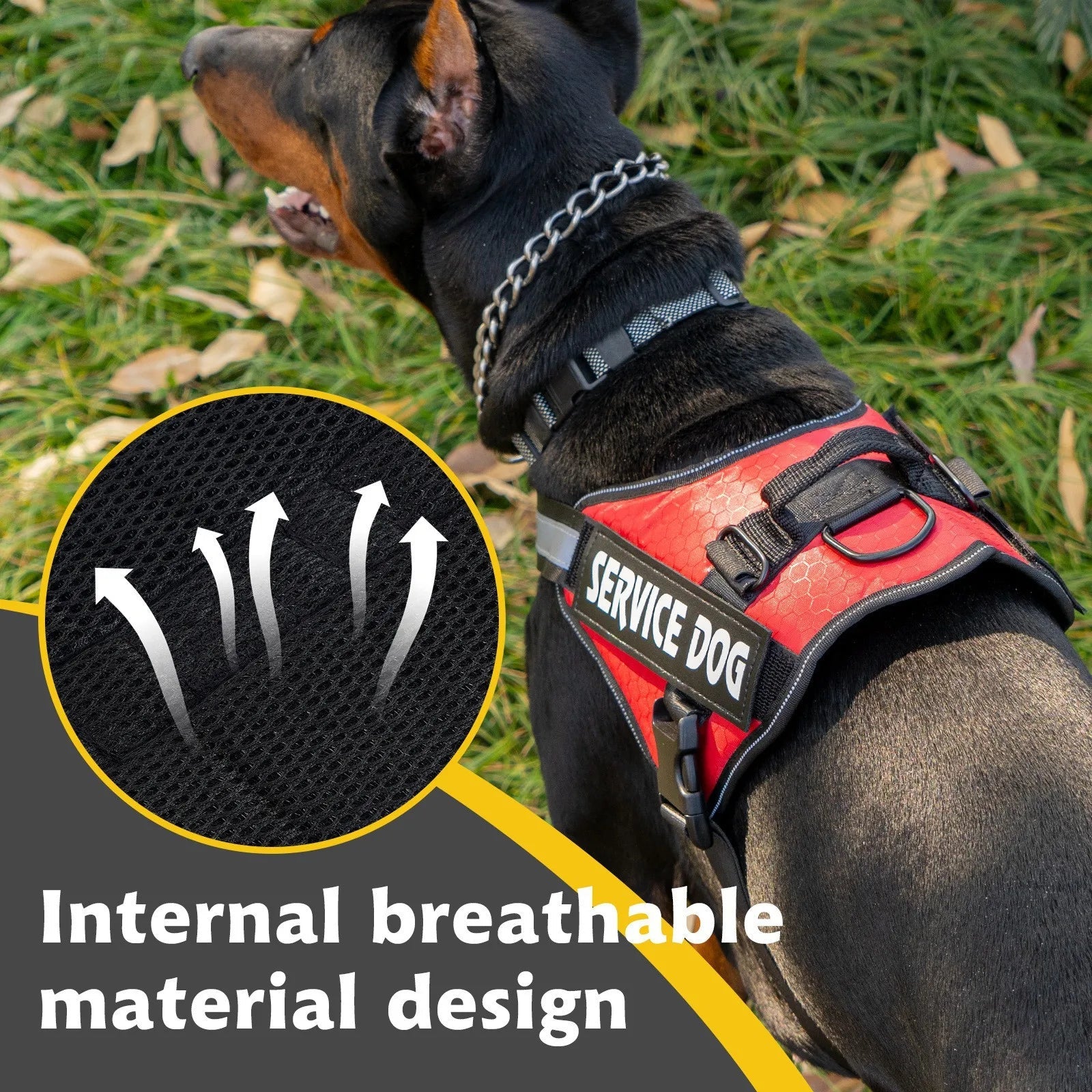
That means looking at what actually matters: padded straps that don't rub, adjustable points that grow with your dog, and clip systems that hold up walk after walk. We choose materials that survive muddy paths and rainy mornings, and designs that move with your dog rather than against them.
How to Measure Your Dog for the Right Dog Harness
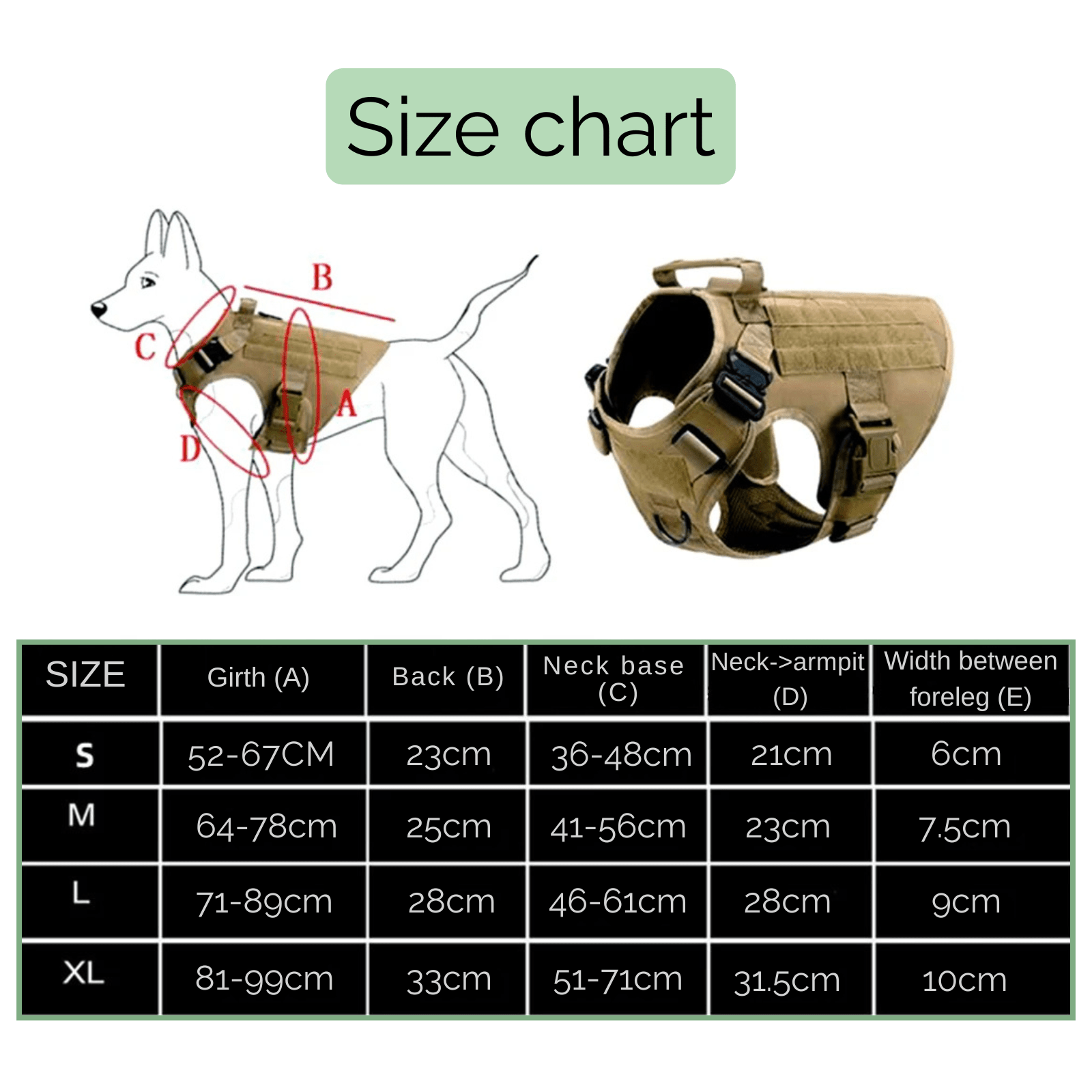
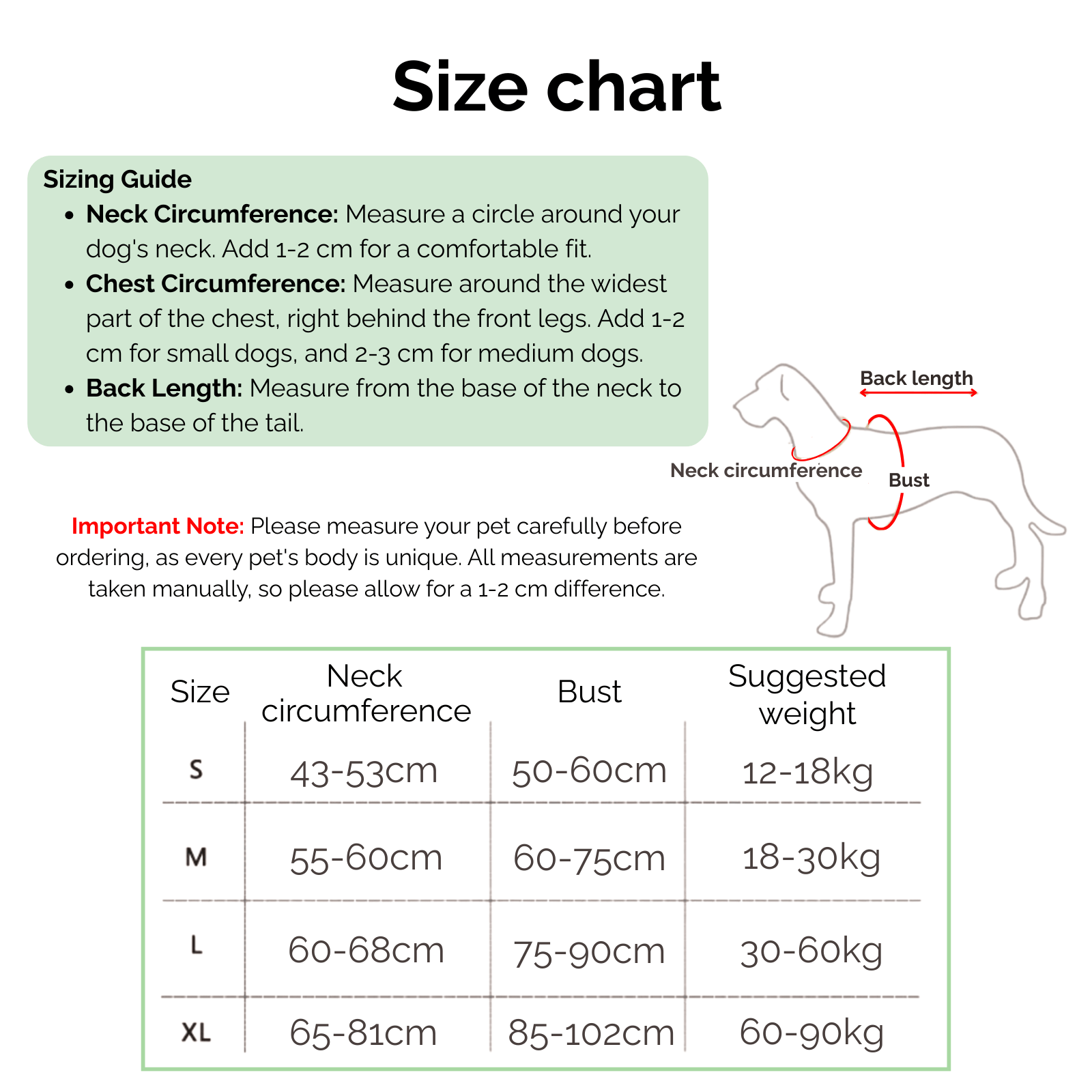
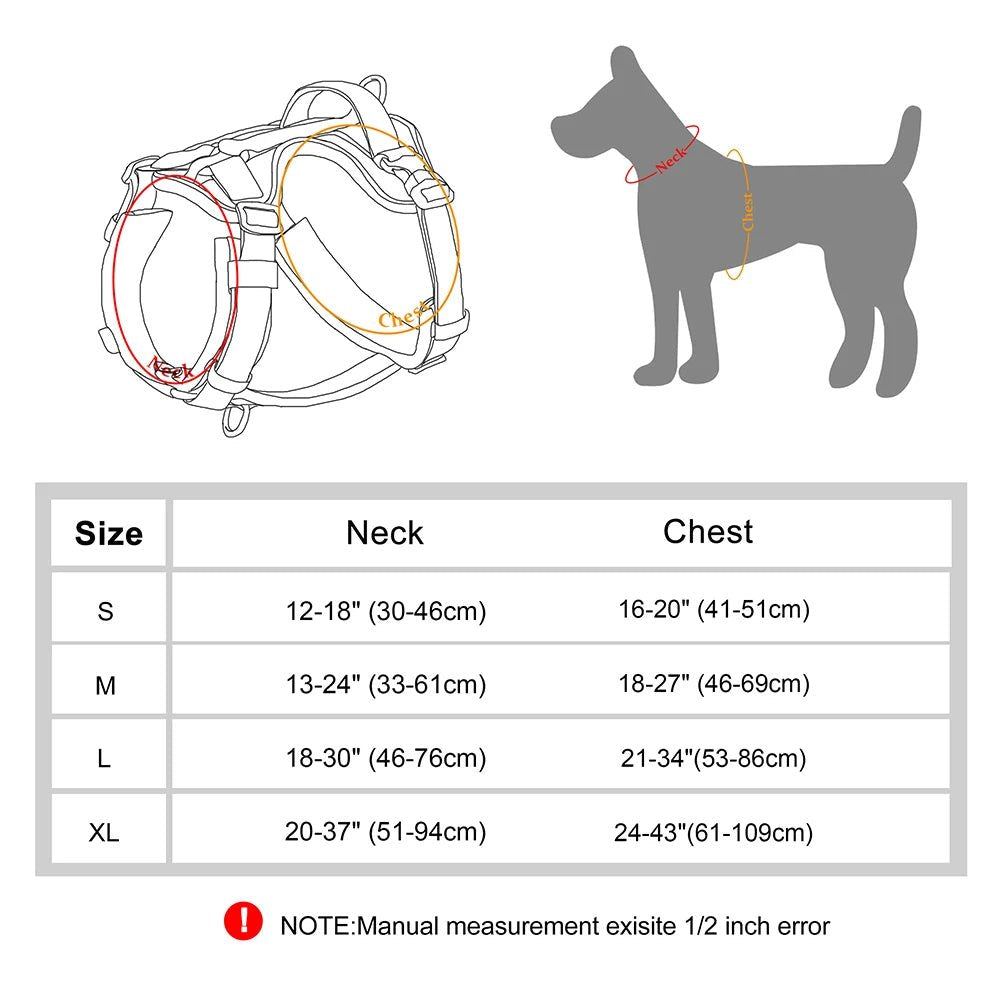
Measuring your dog is the most important step in finding the right dog harness, and it's the one most owners want to skip. We get it: it feels fiddly when your pup just wants to play. But a few minutes with a tape measure now saves your dog weeks of an uncomfortable fit.
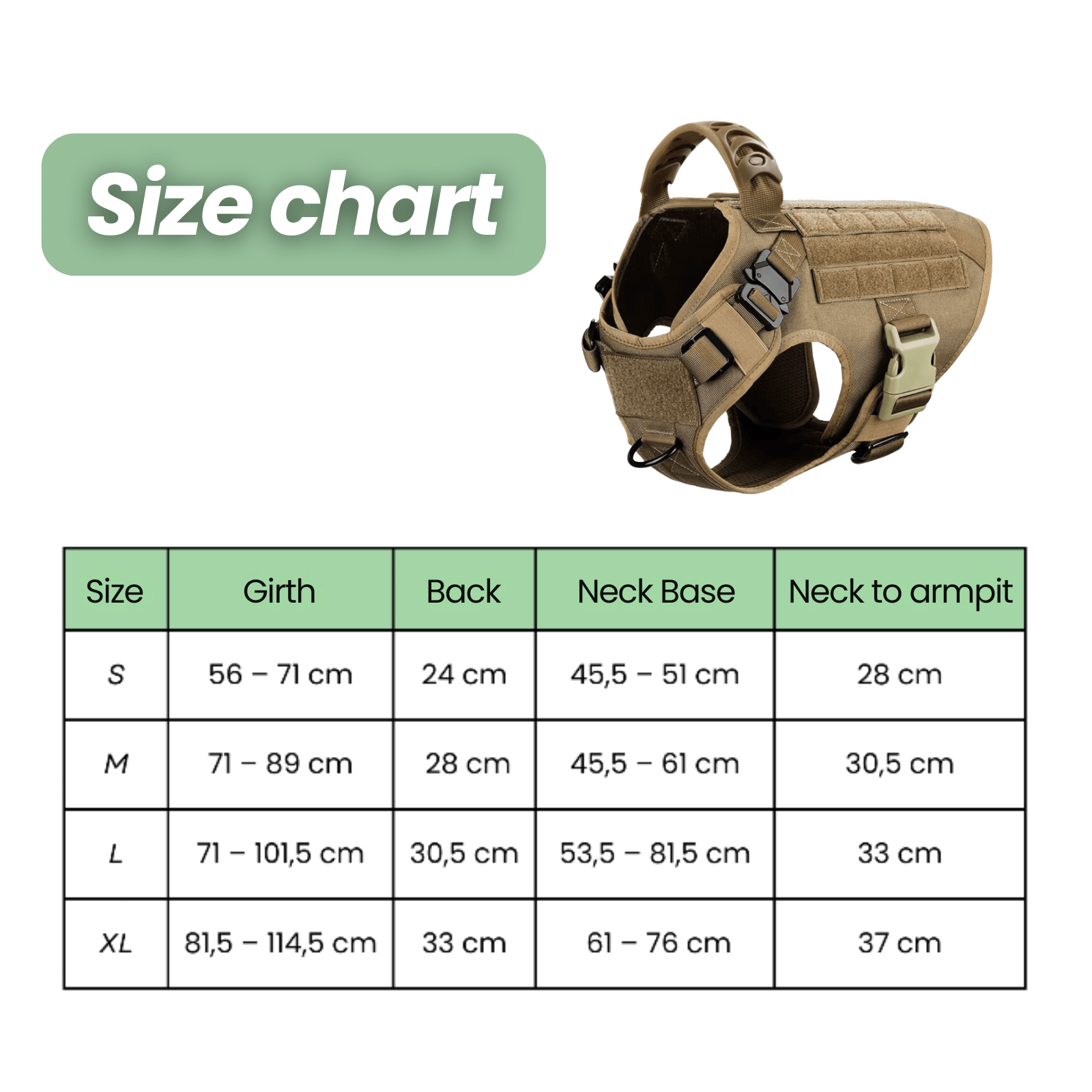
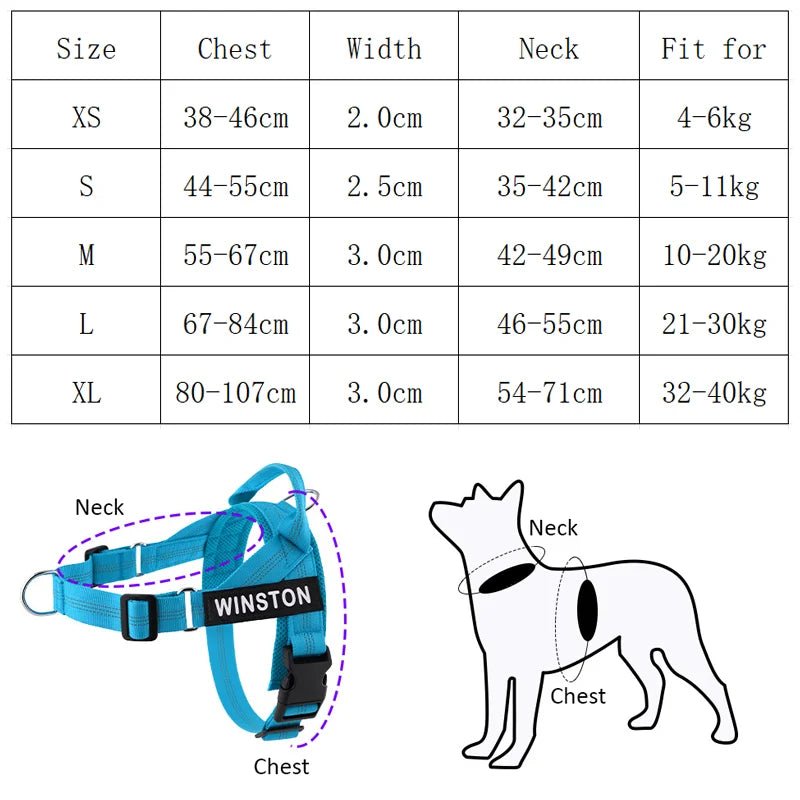
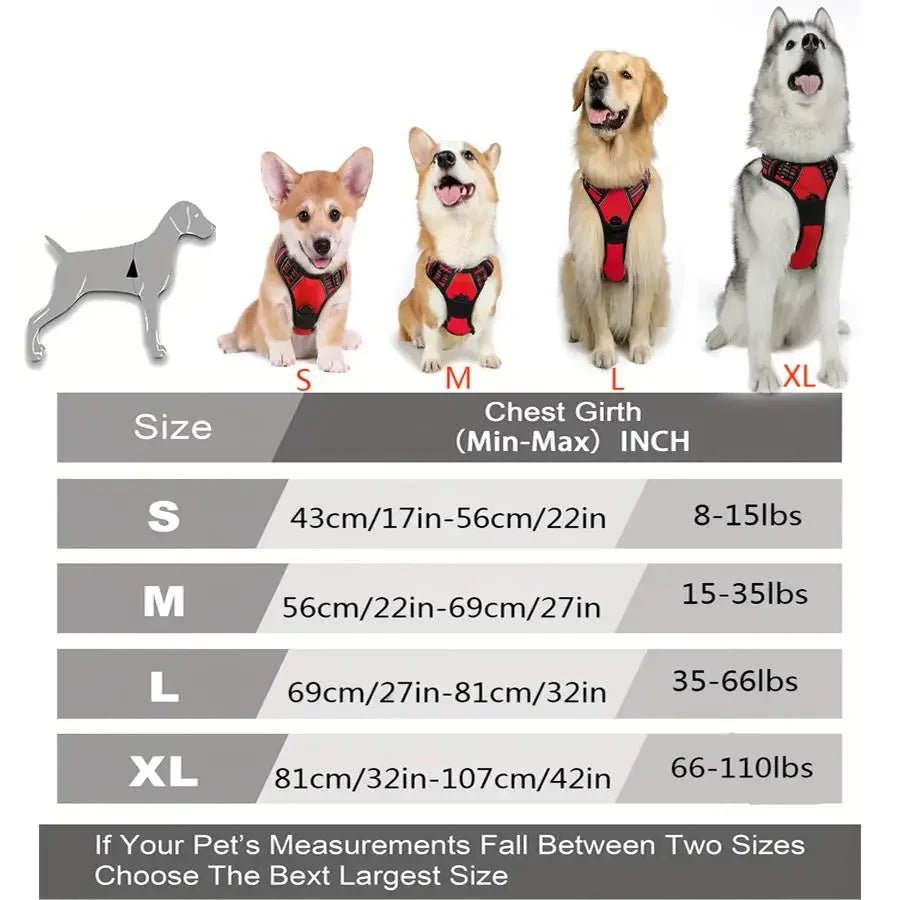
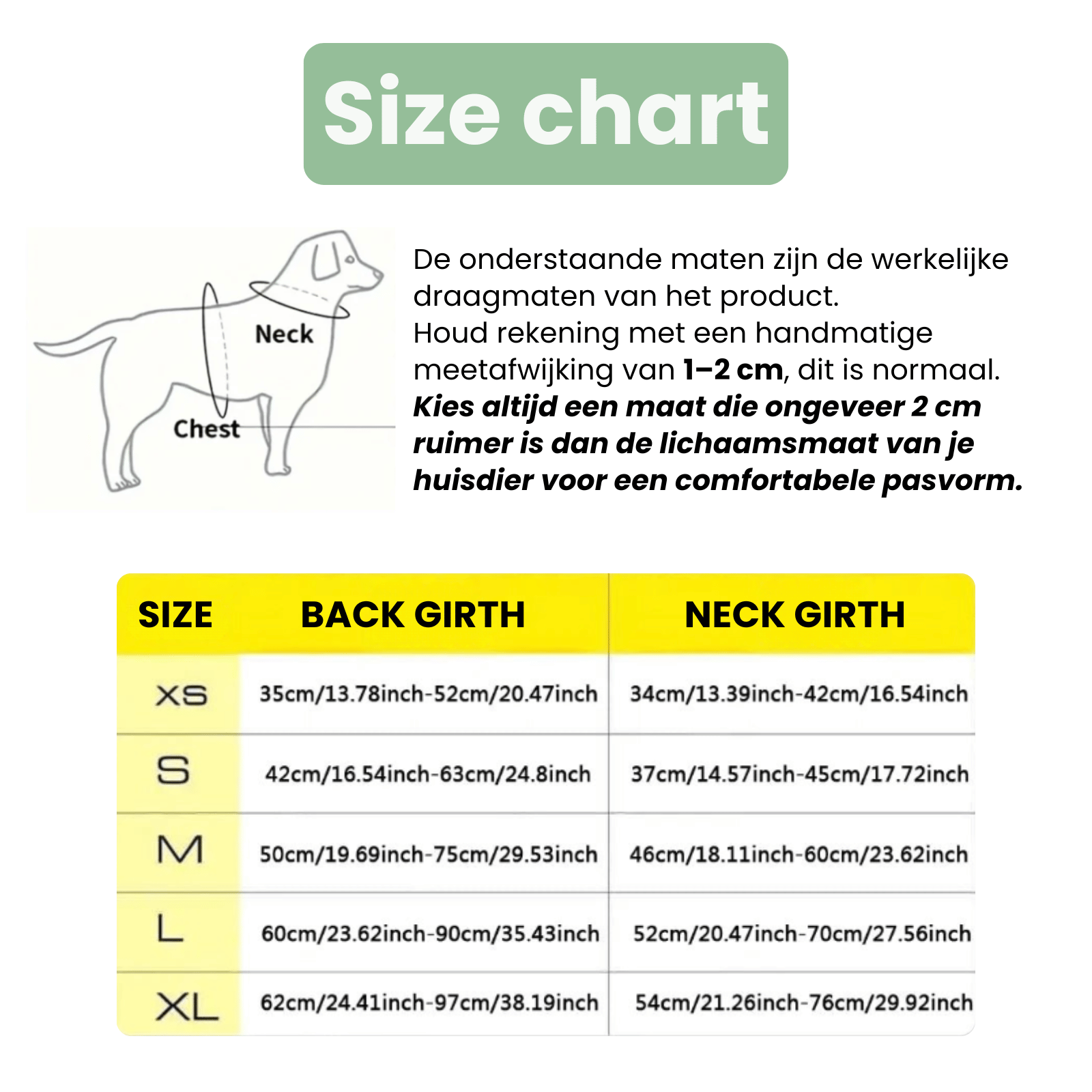
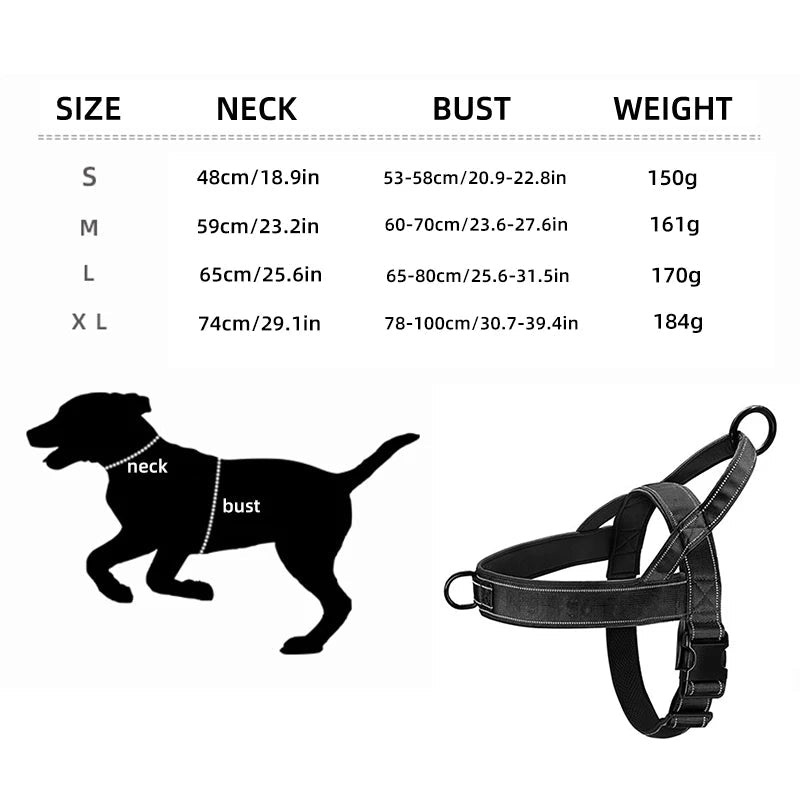
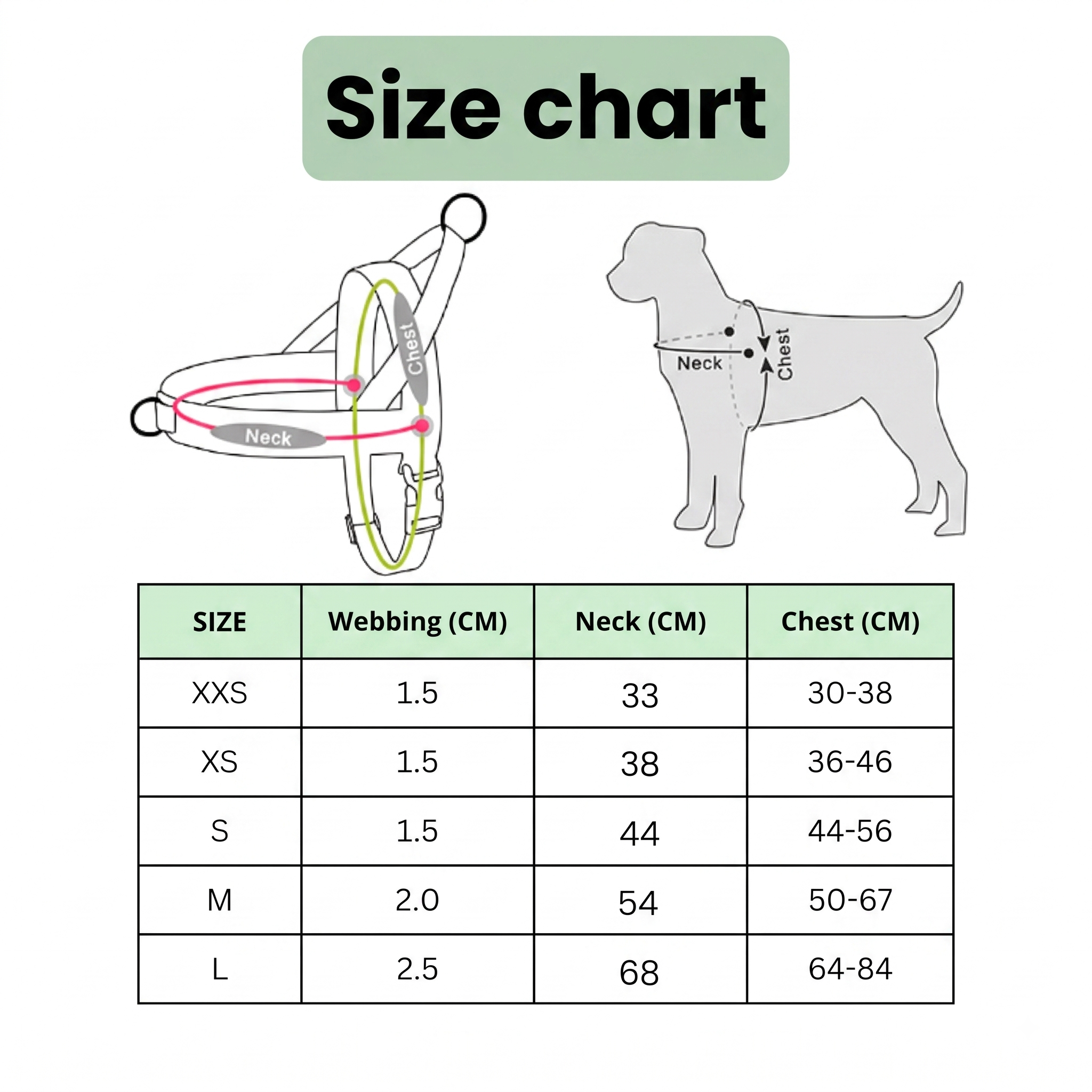
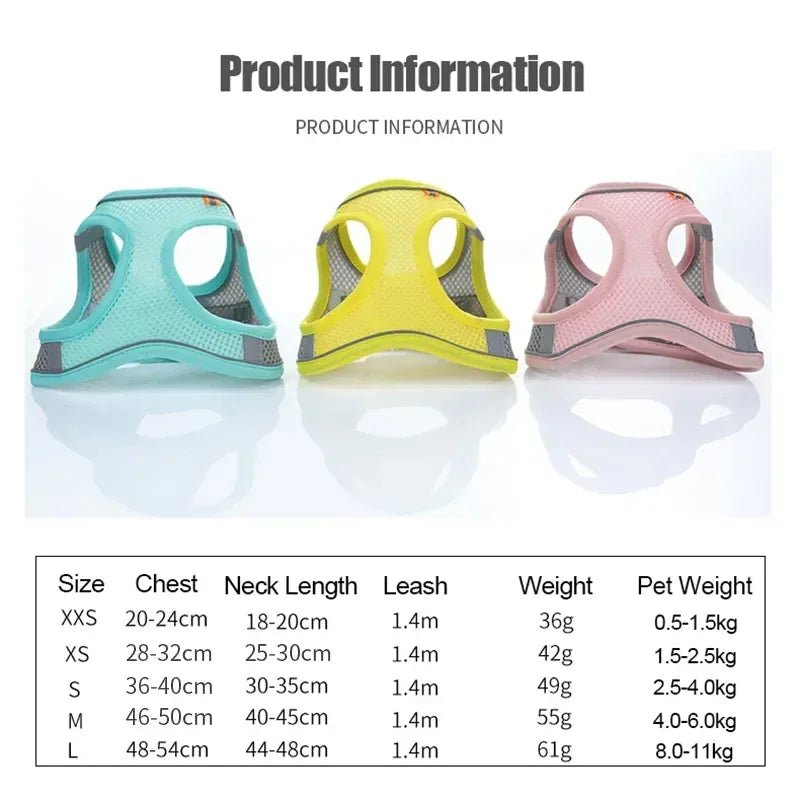
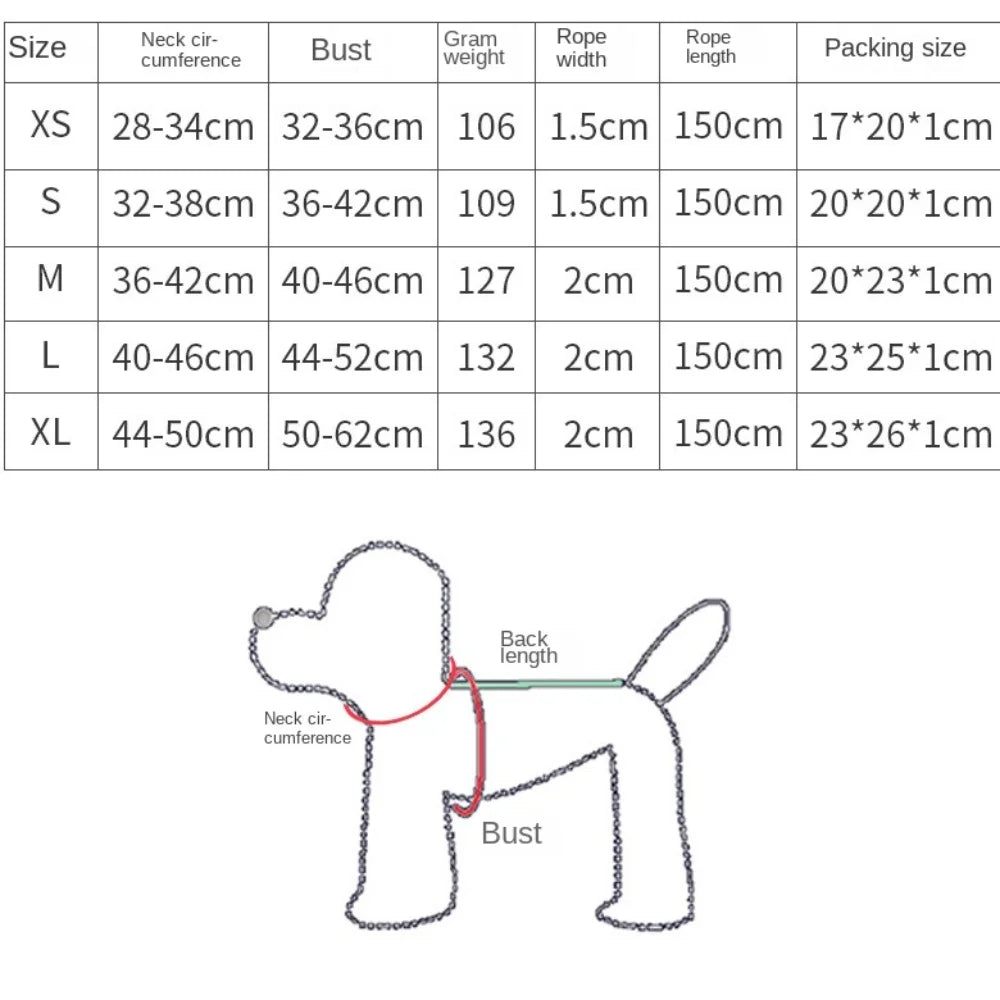
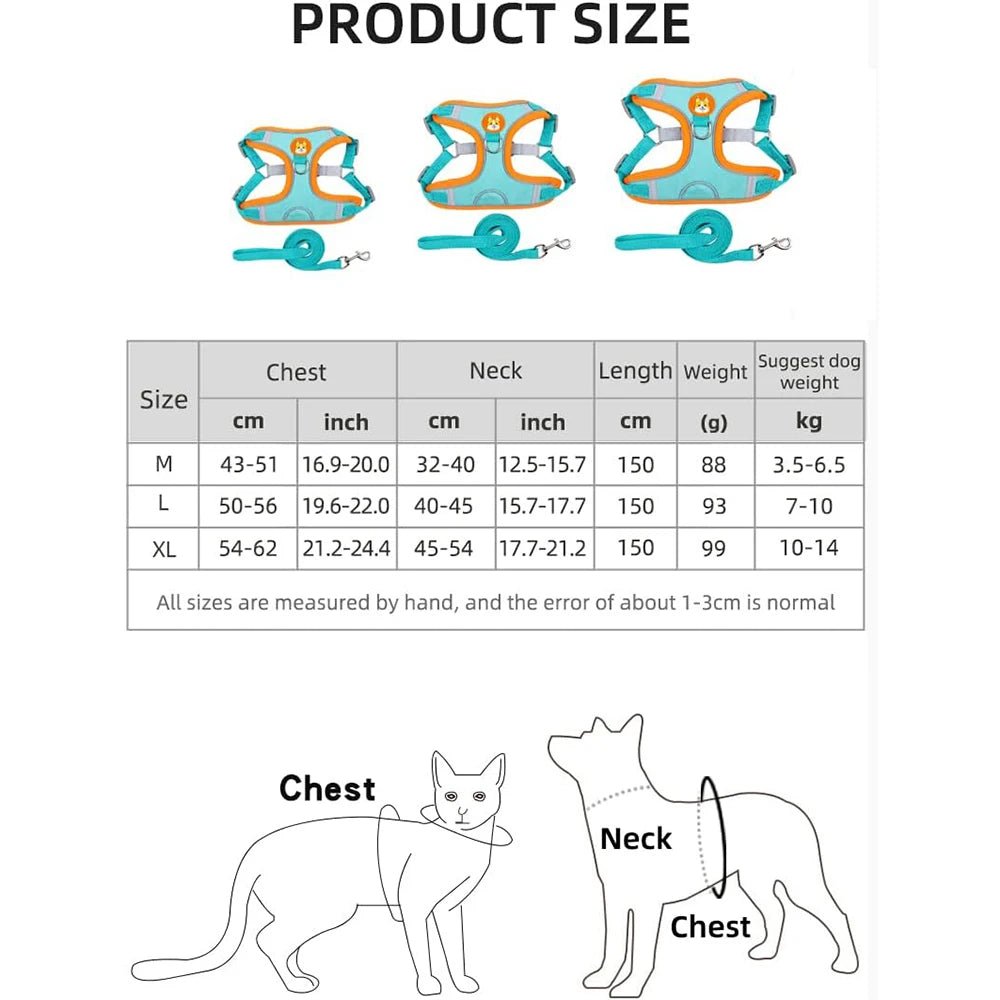
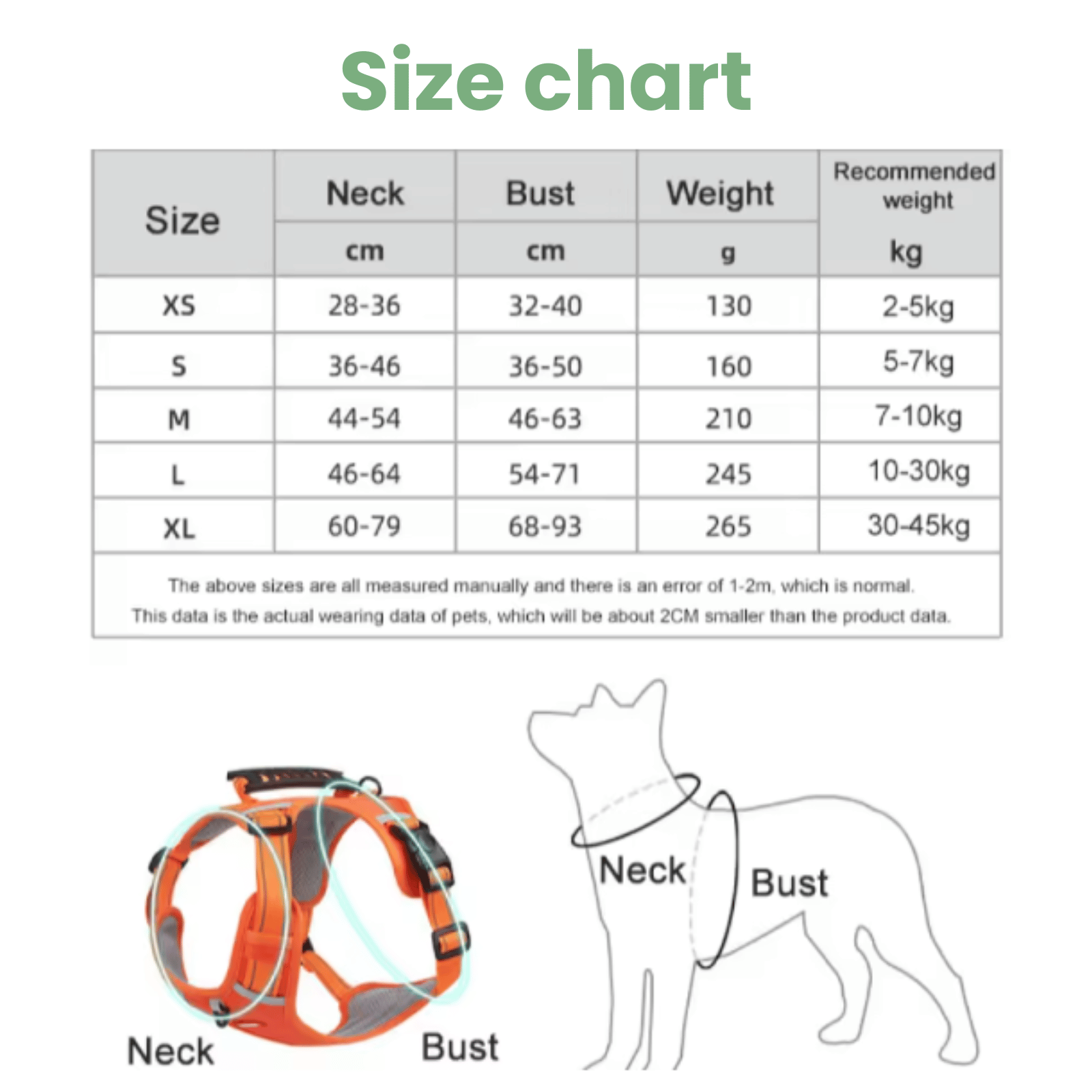
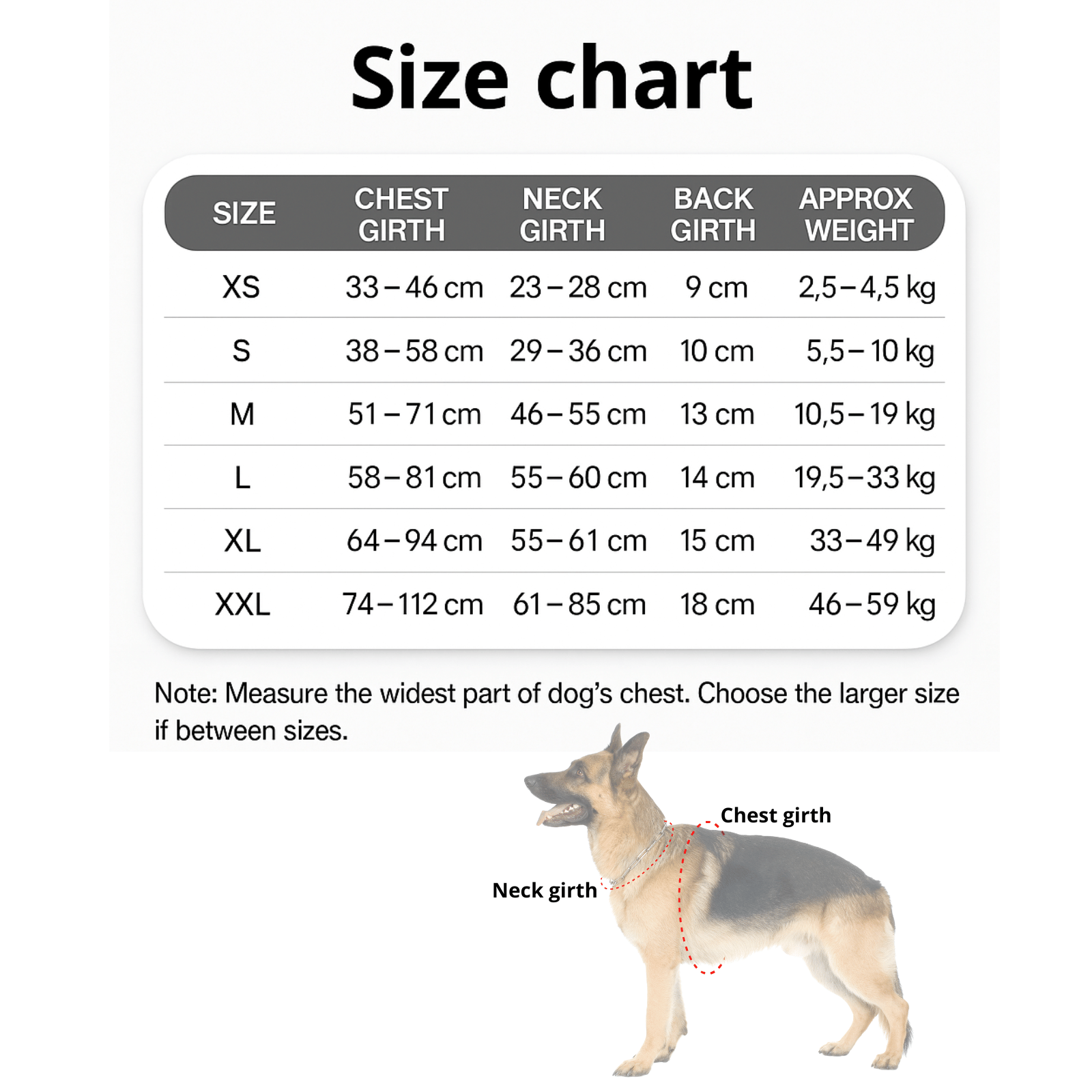
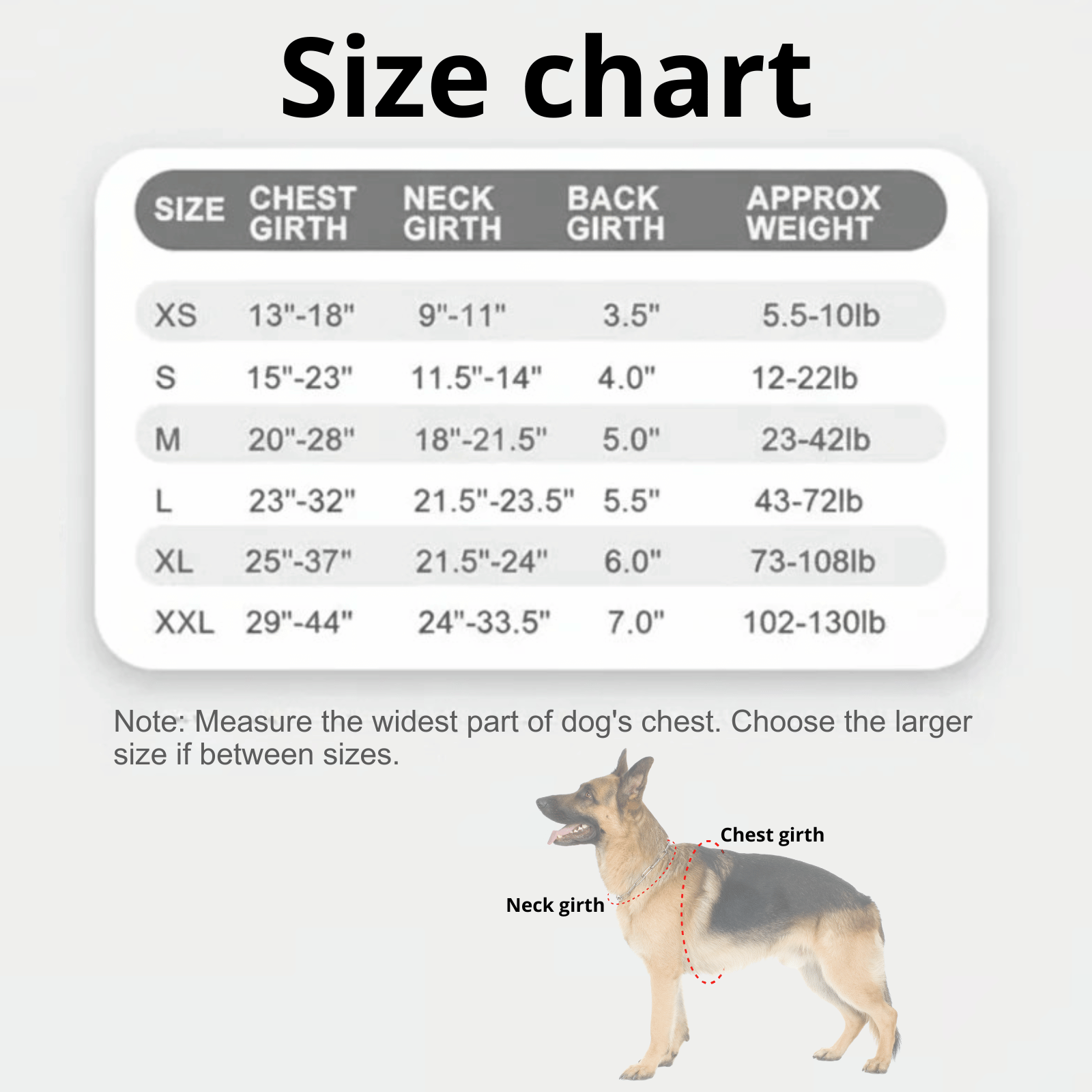
Grab a soft tape measure and your dog's favourite treat. You'll need two numbers. First, the chest girth: measure around the widest part of the ribcage, just behind the front legs. Second, the neck circumference: measure where your dog's collar usually sits. Take both with the tape flat against the coat, not pulled tight.
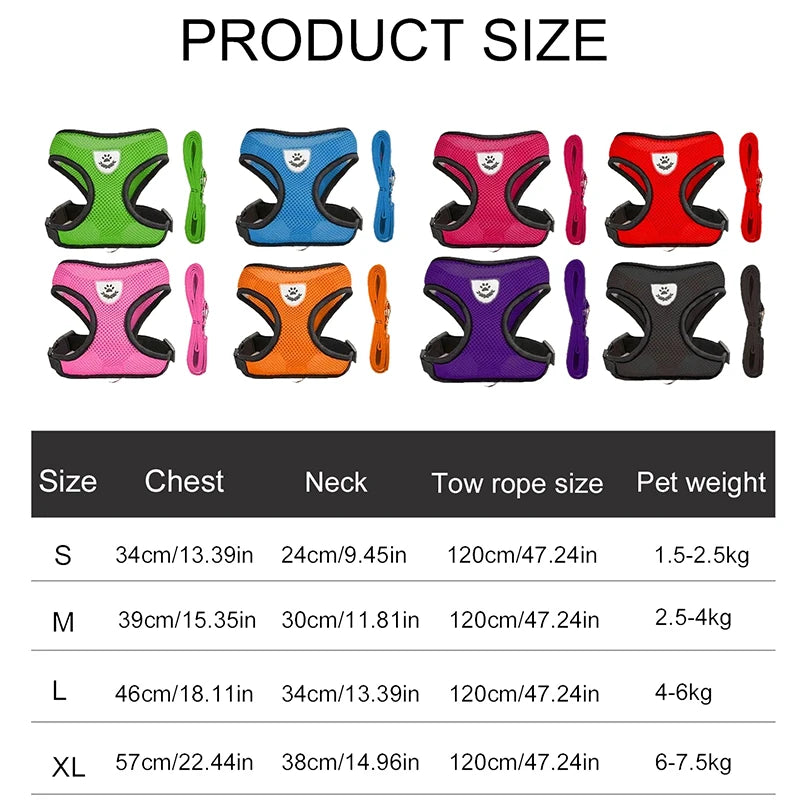
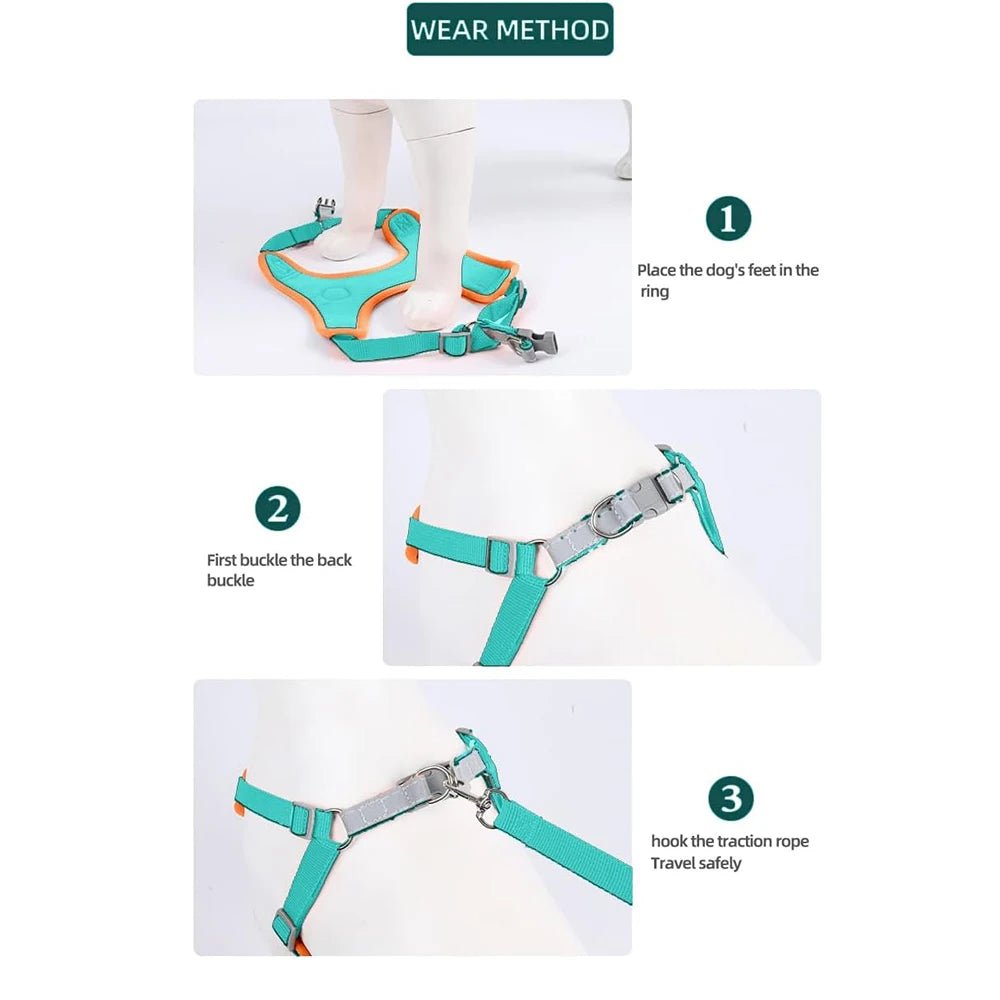
Once you have the measurements, check them against the size guide on the product page. If your dog falls between sizes, go up. Adjustable straps can tighten down, but they can't add length.
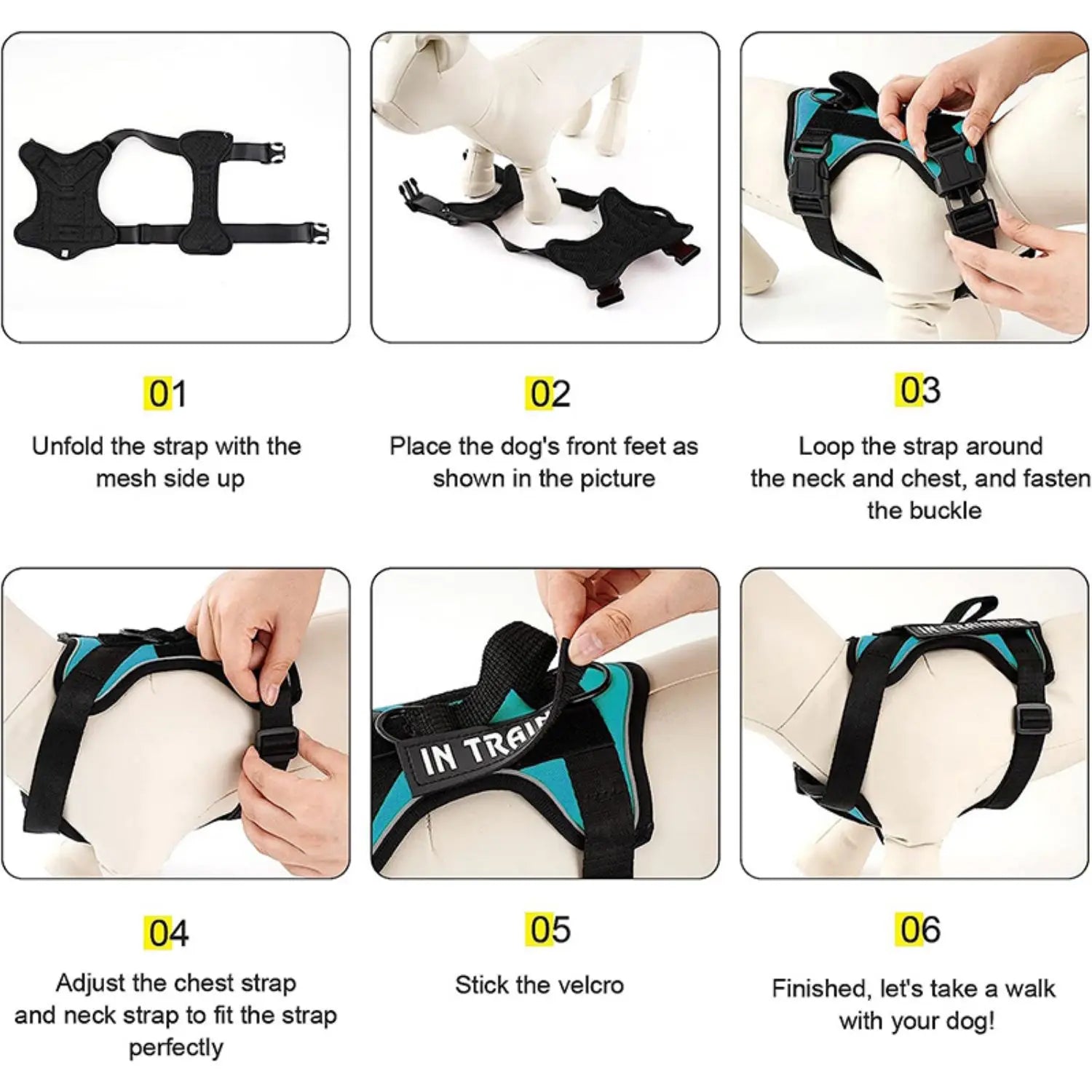
A useful rule: when the harness is on, you should be able to slide two fingers flat under any strap. Tighter than that and it'll rub. Looser, and your dog can back out.
Dog Harnesses for Every Type of Walk
Every type of walk asks something different from a dog harness. A relaxed stroll around the park is a different job from a hill climb on a wet morning, and your dog's daily routine probably looks nothing like a working sheepdog's.
Walking
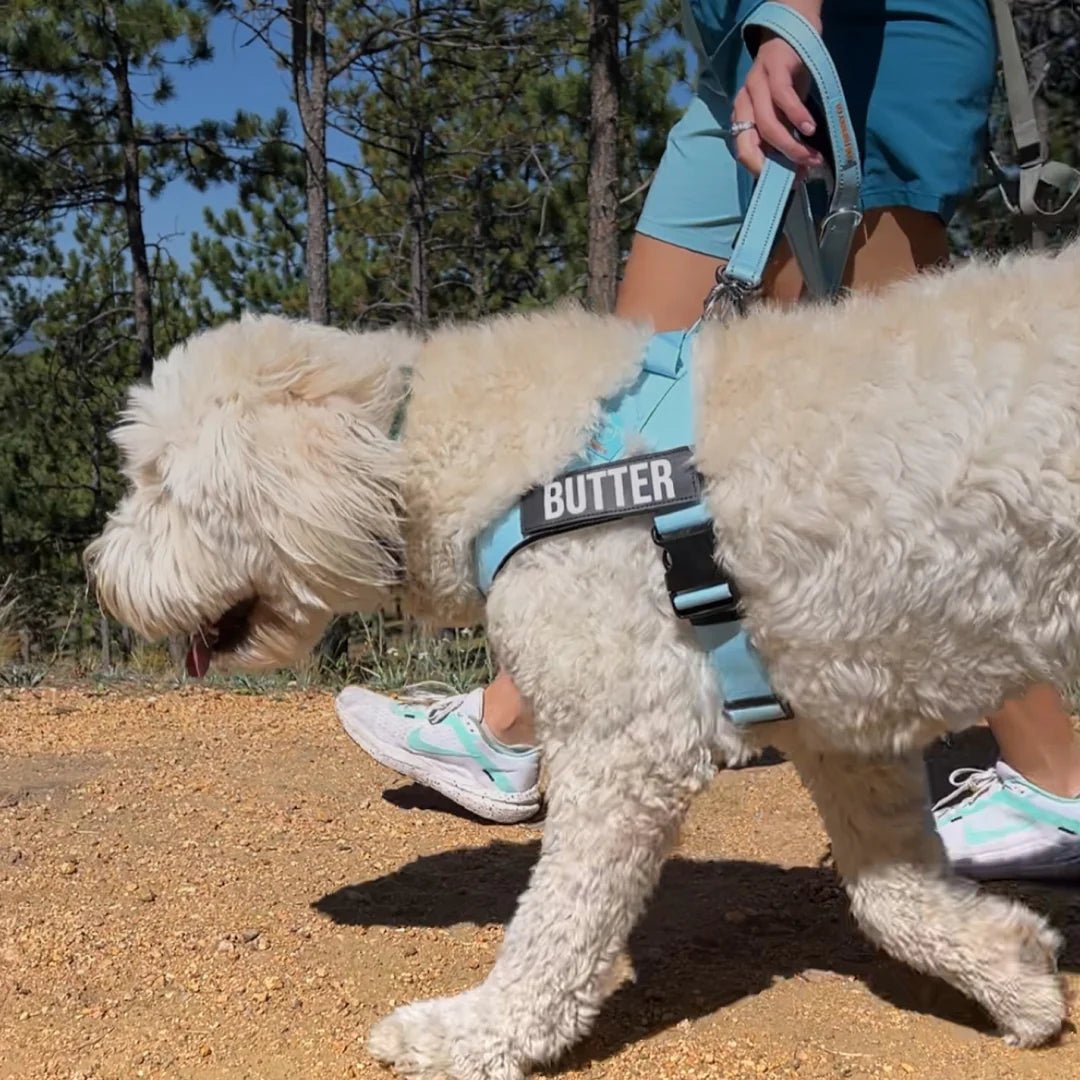
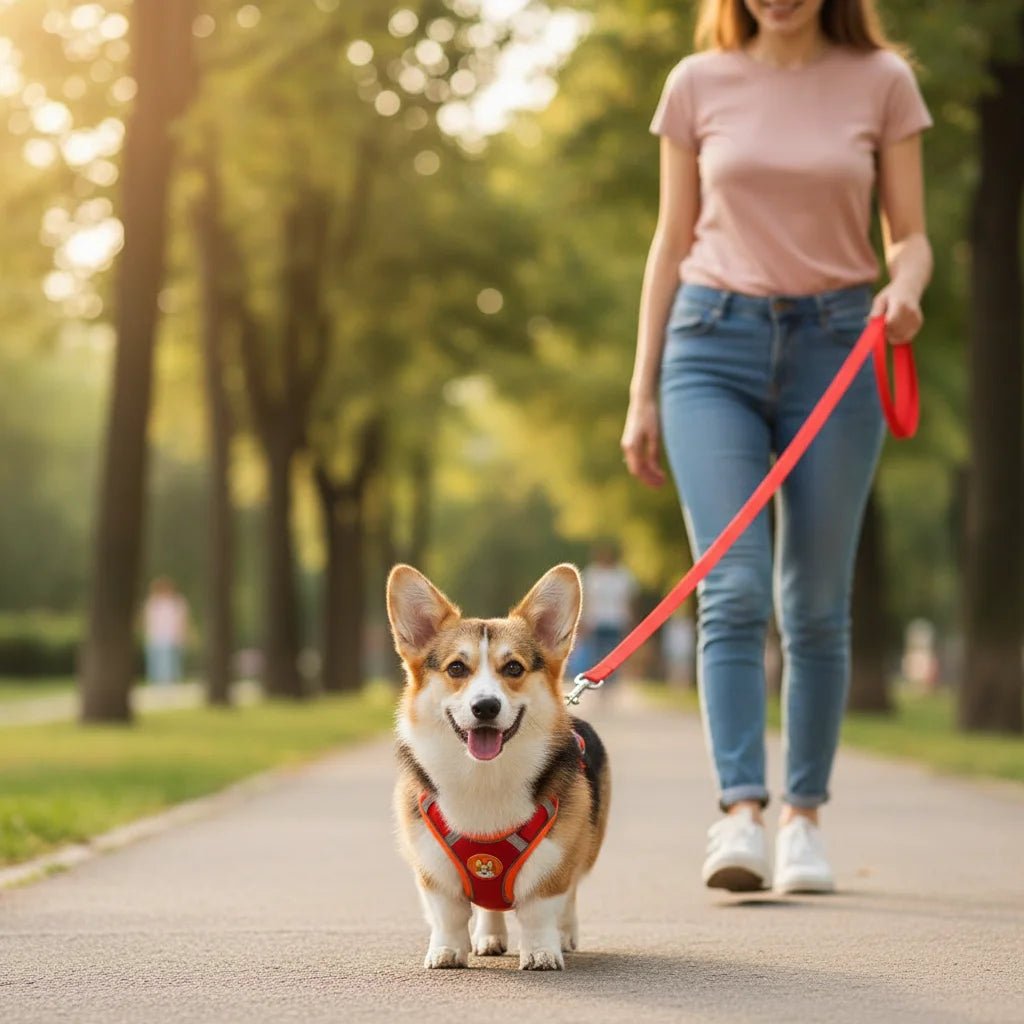
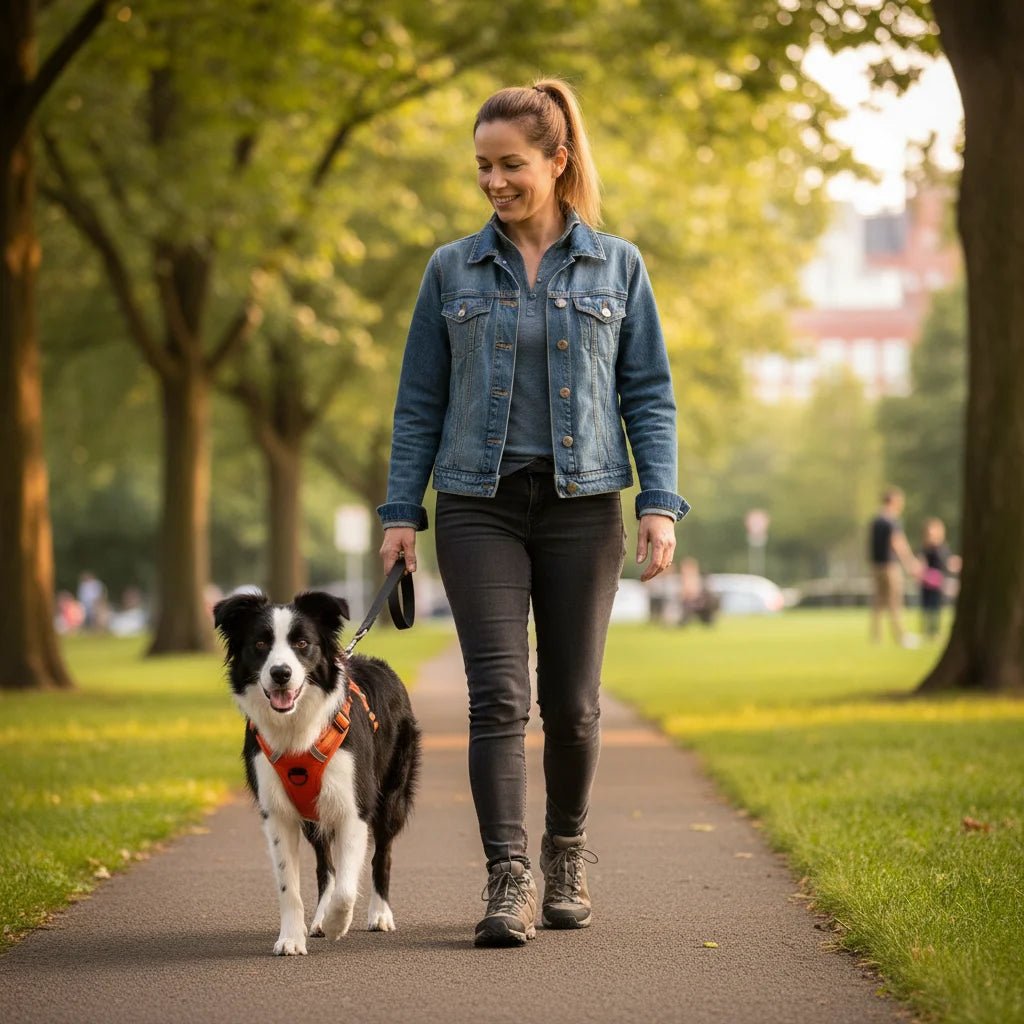
Most of your dog's week is the everyday walks. Morning loops, school runs, the after-dinner stroll that turns into something longer because neither of you wants to head home yet. For these, you want a dog harness your dog forgets they're wearing.
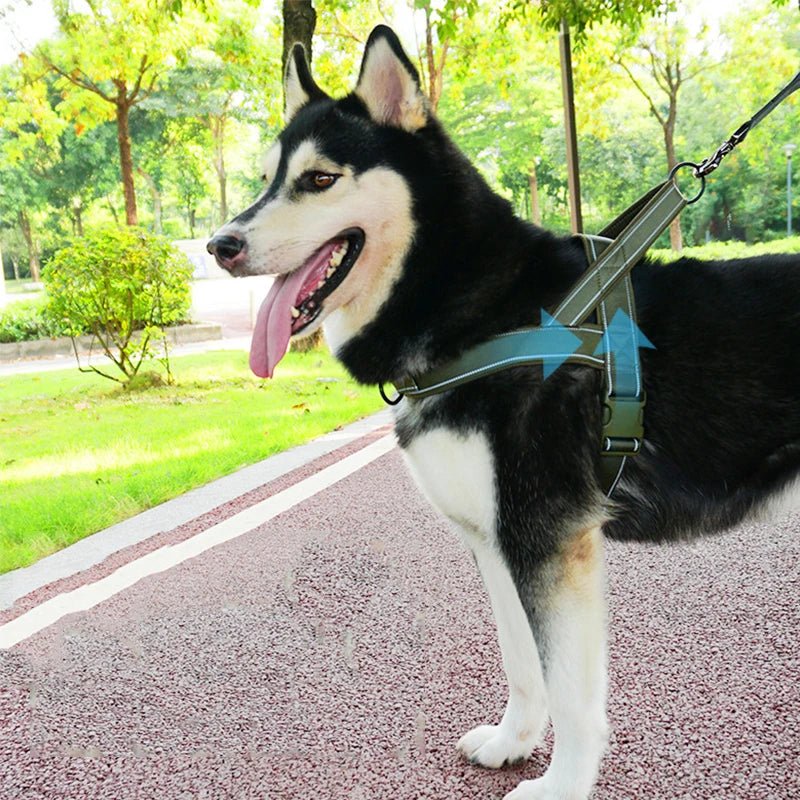
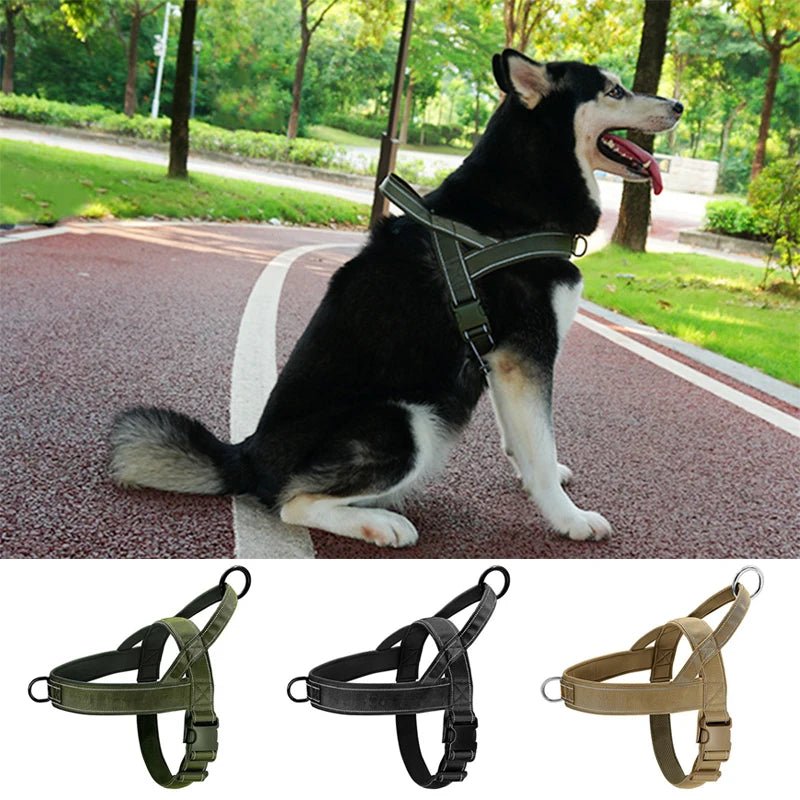
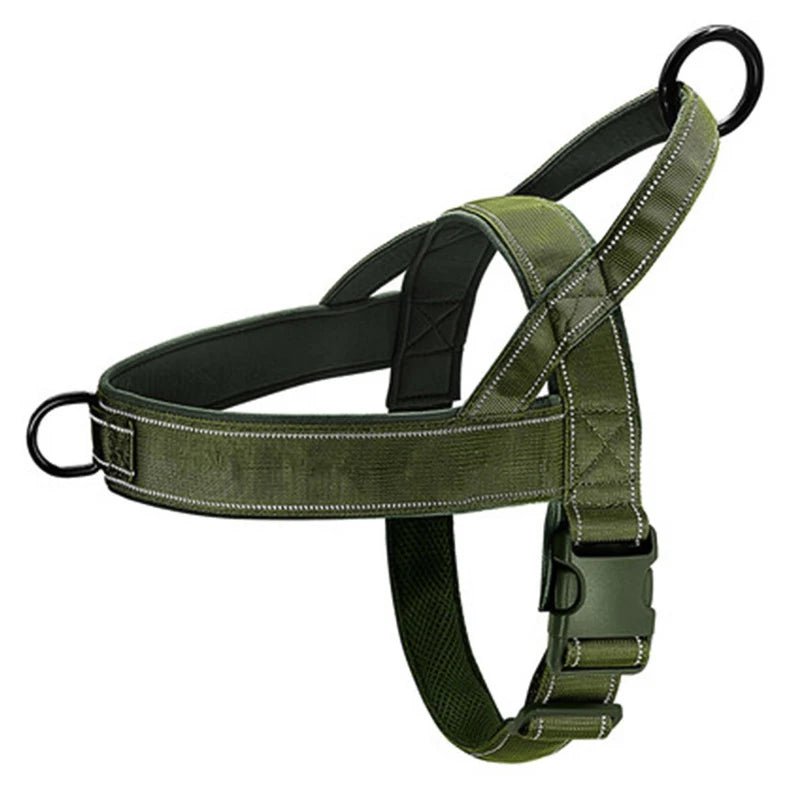
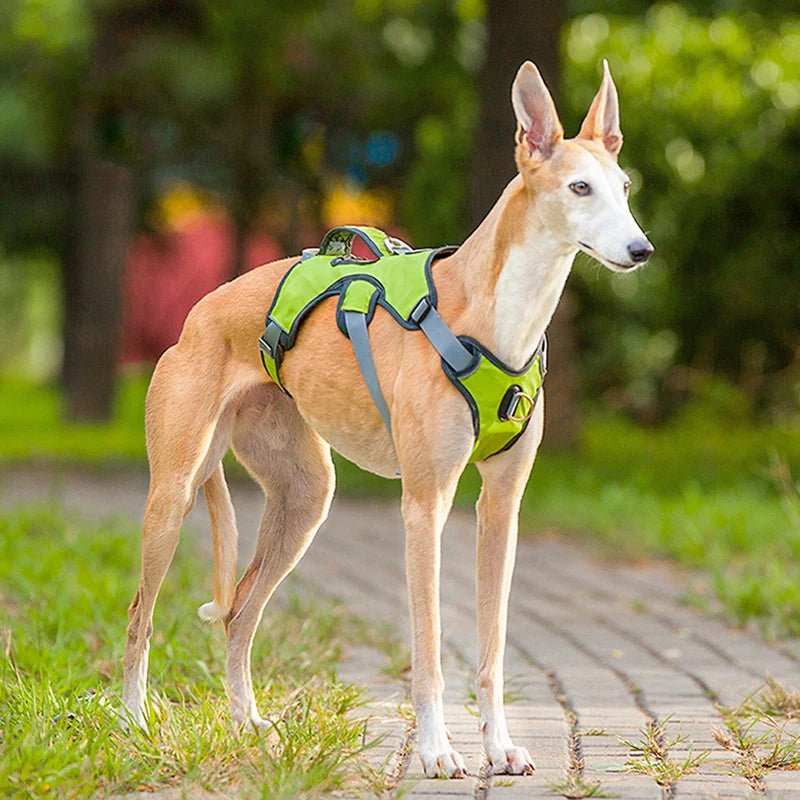
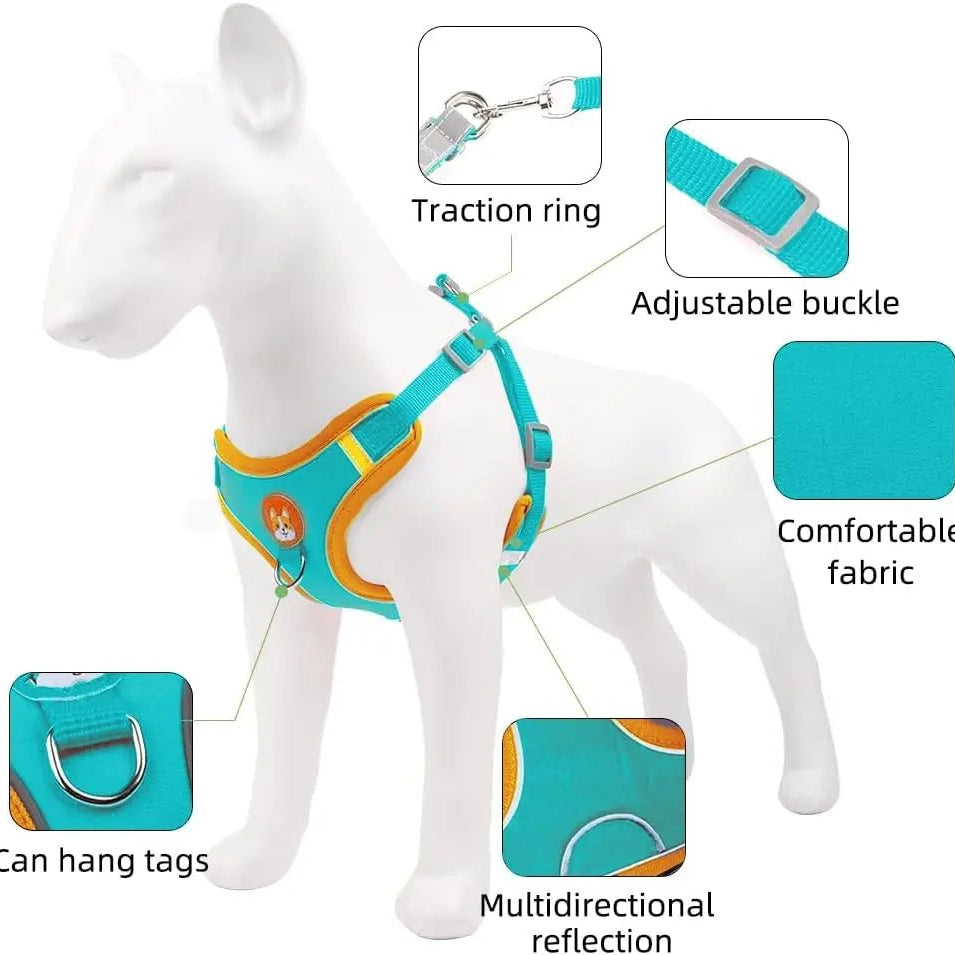
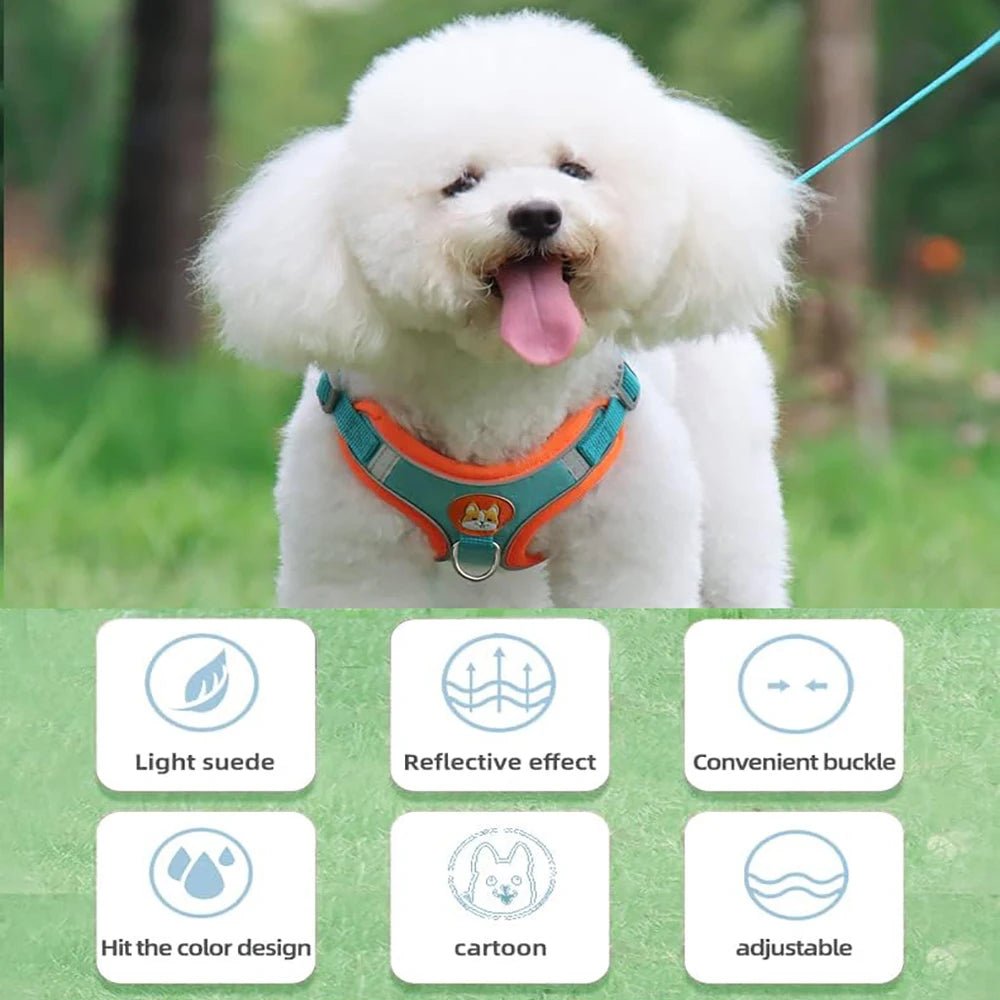
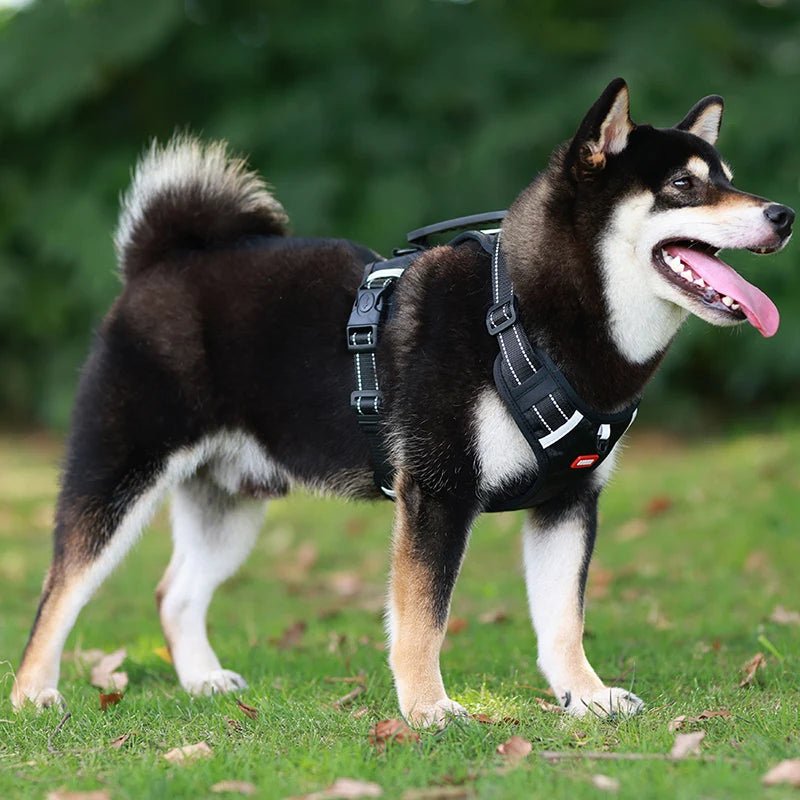
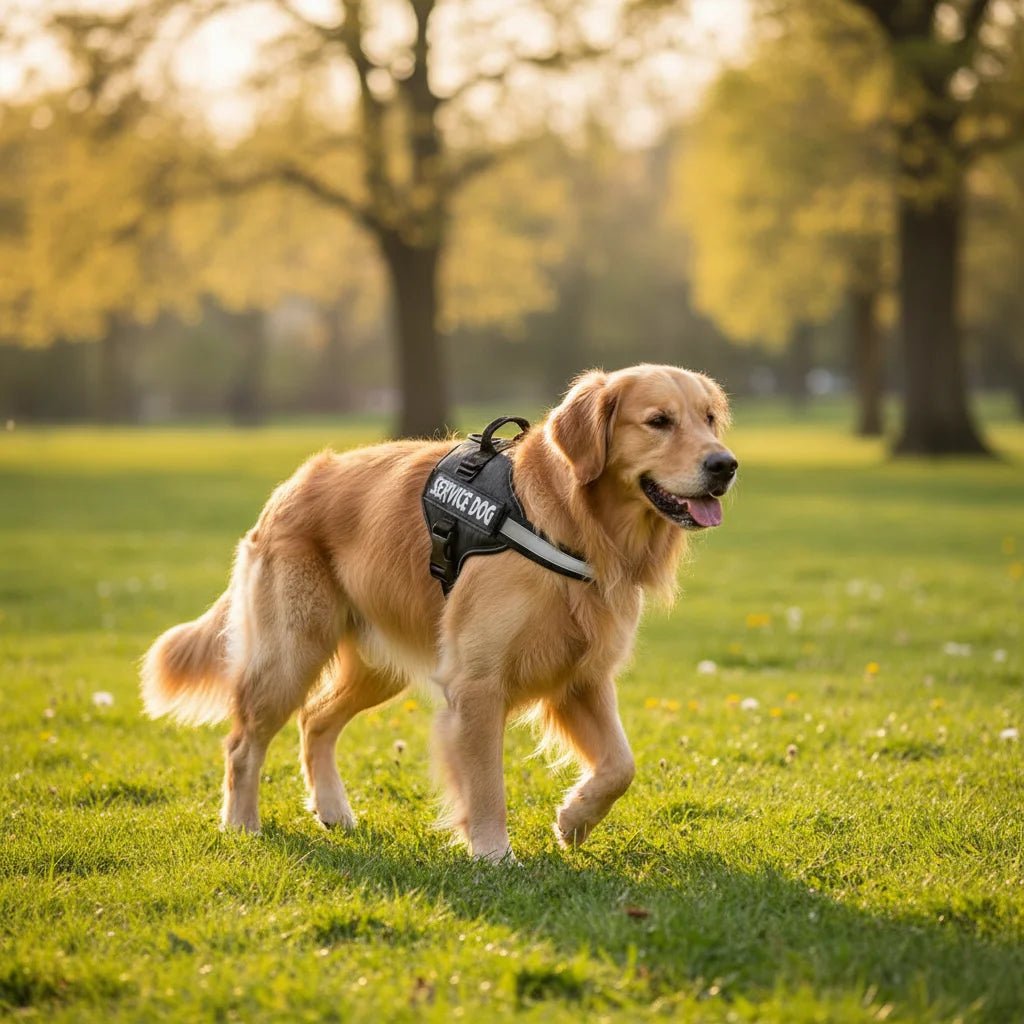
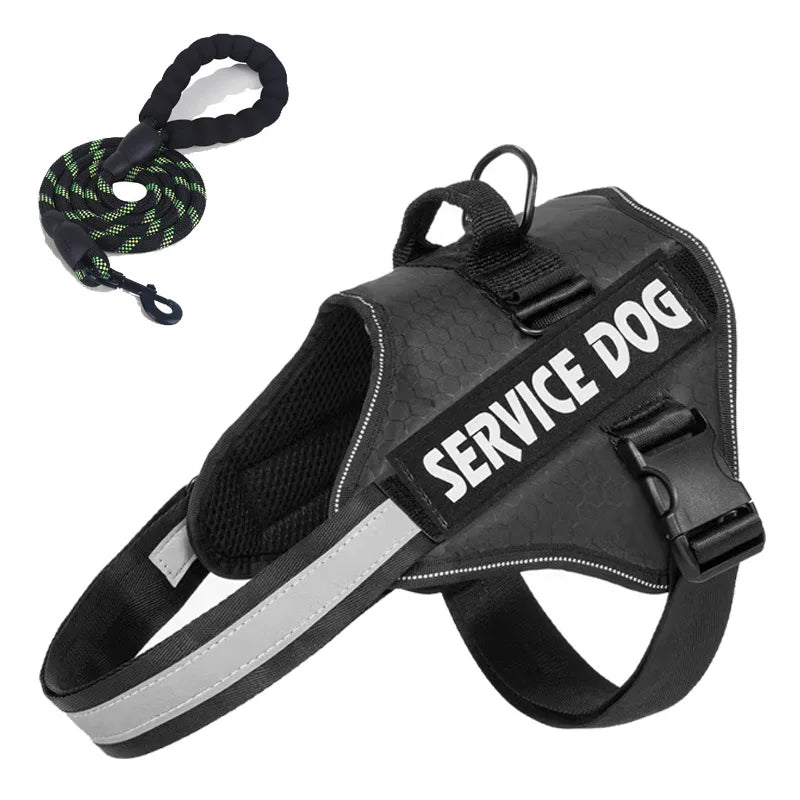
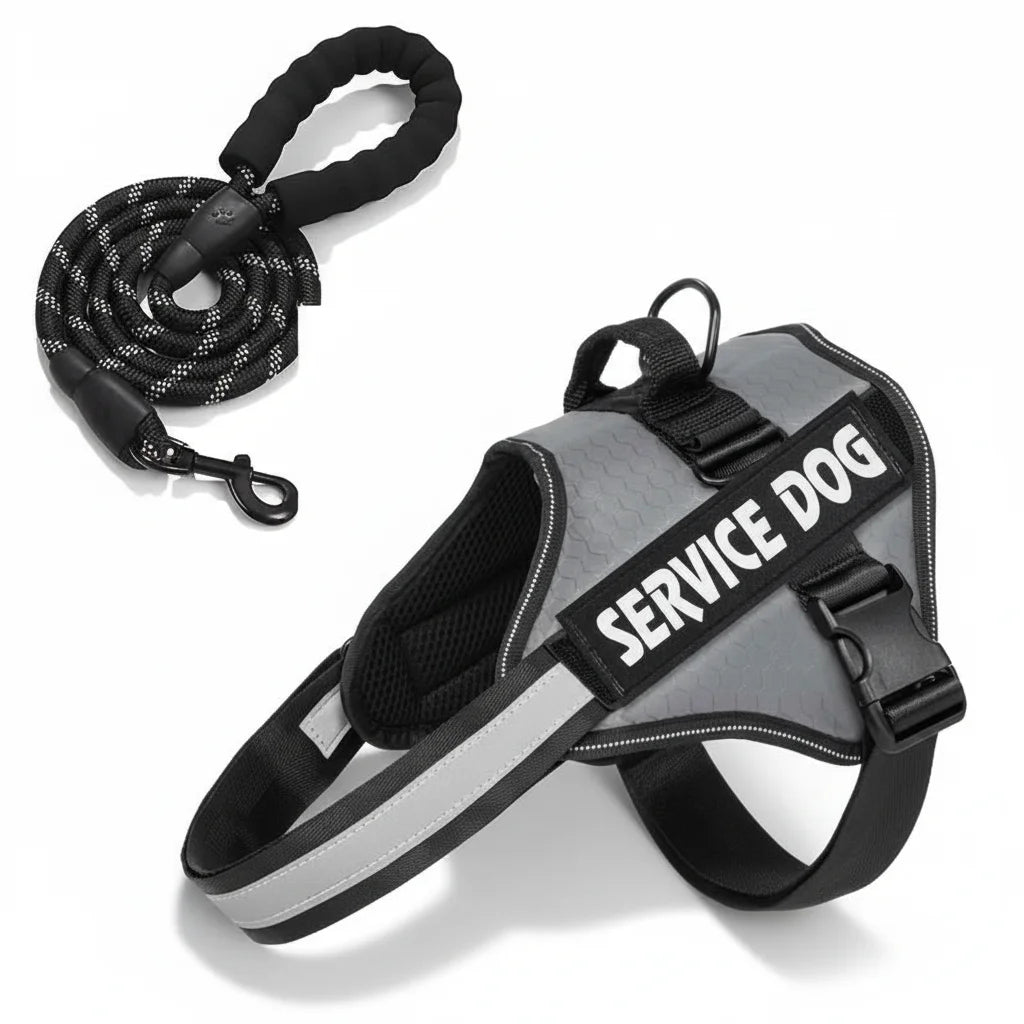
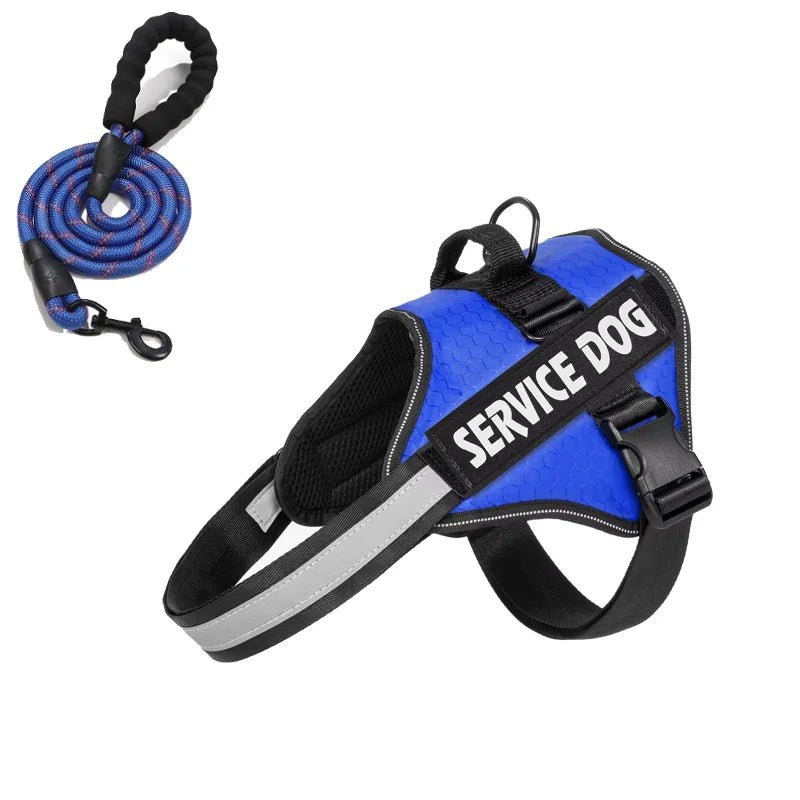
The walking harnesses in our range have soft padding across the chest, sturdy back-clip attachments for relaxed lead control, and adjustable straps that stay where you put them. Light enough that your dog barely notices, built for the routine, and ready for whatever your week looks like.
Hiking
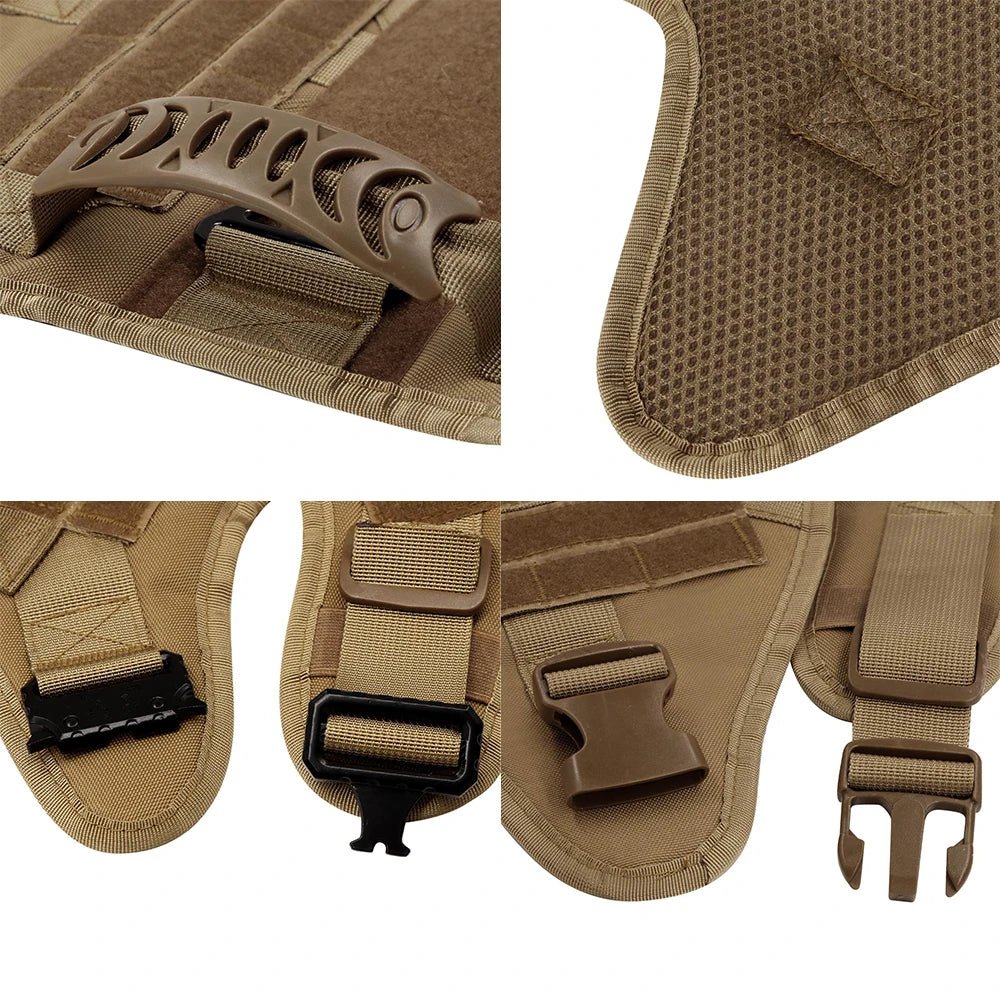
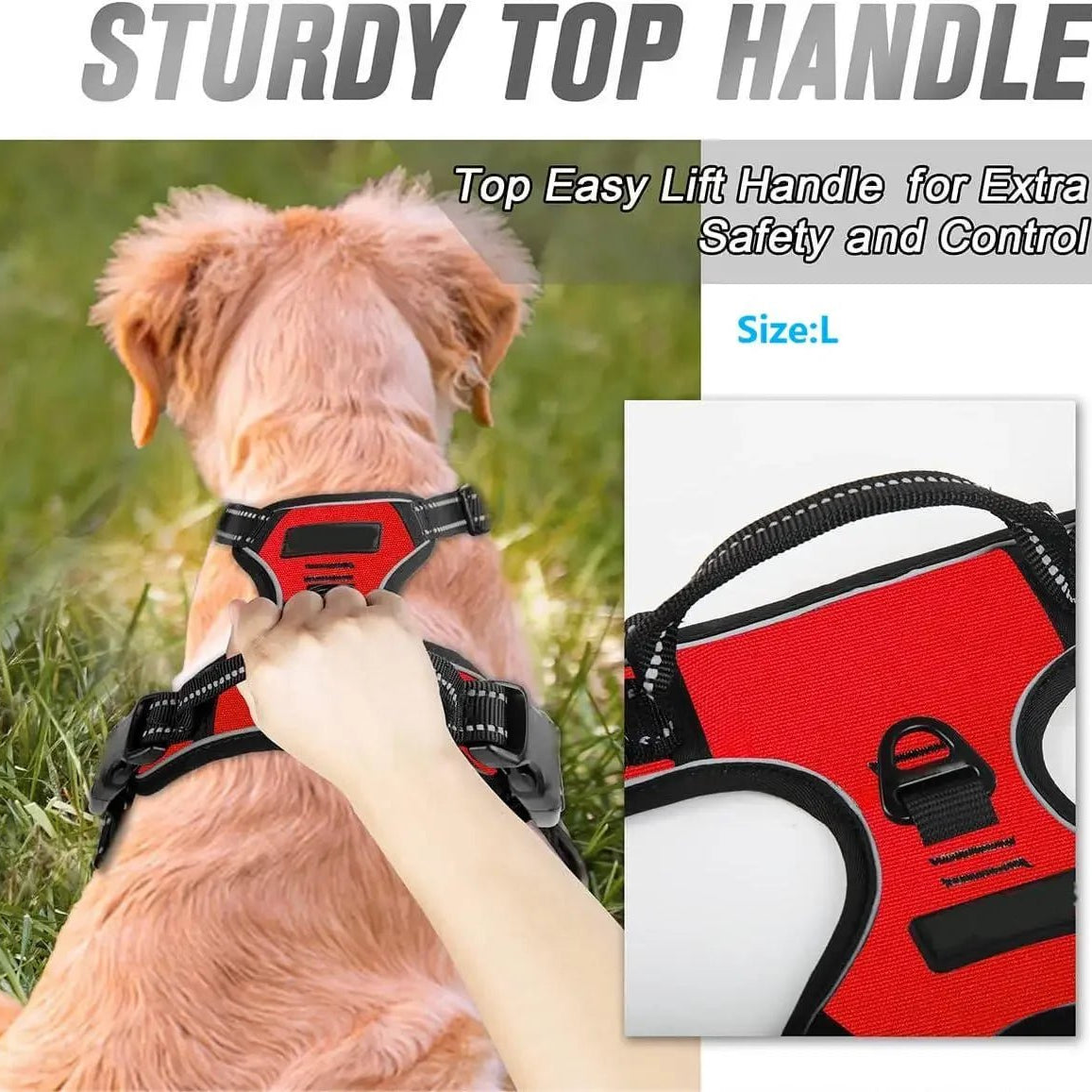
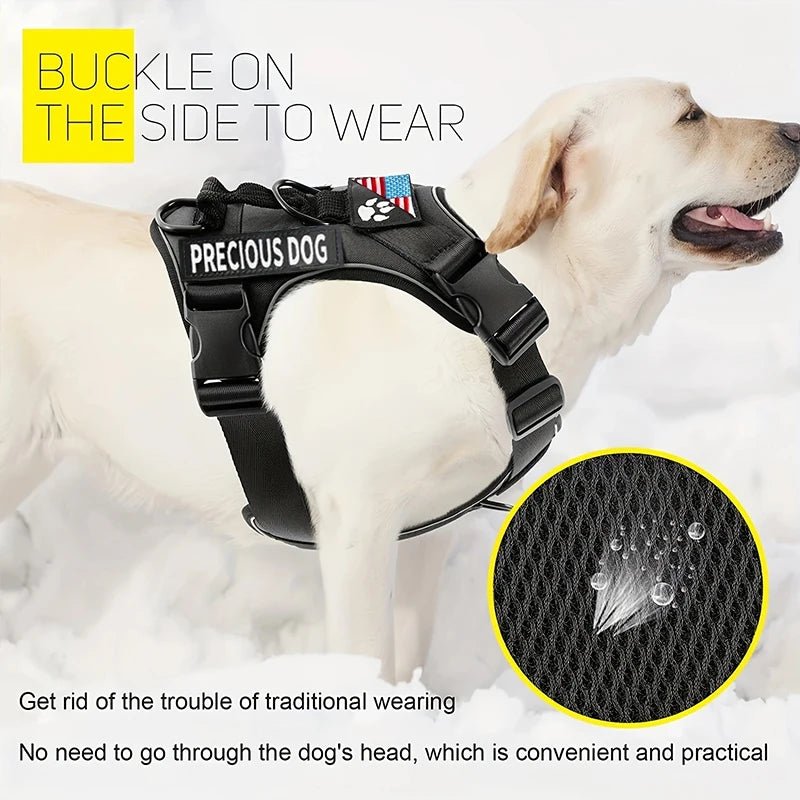
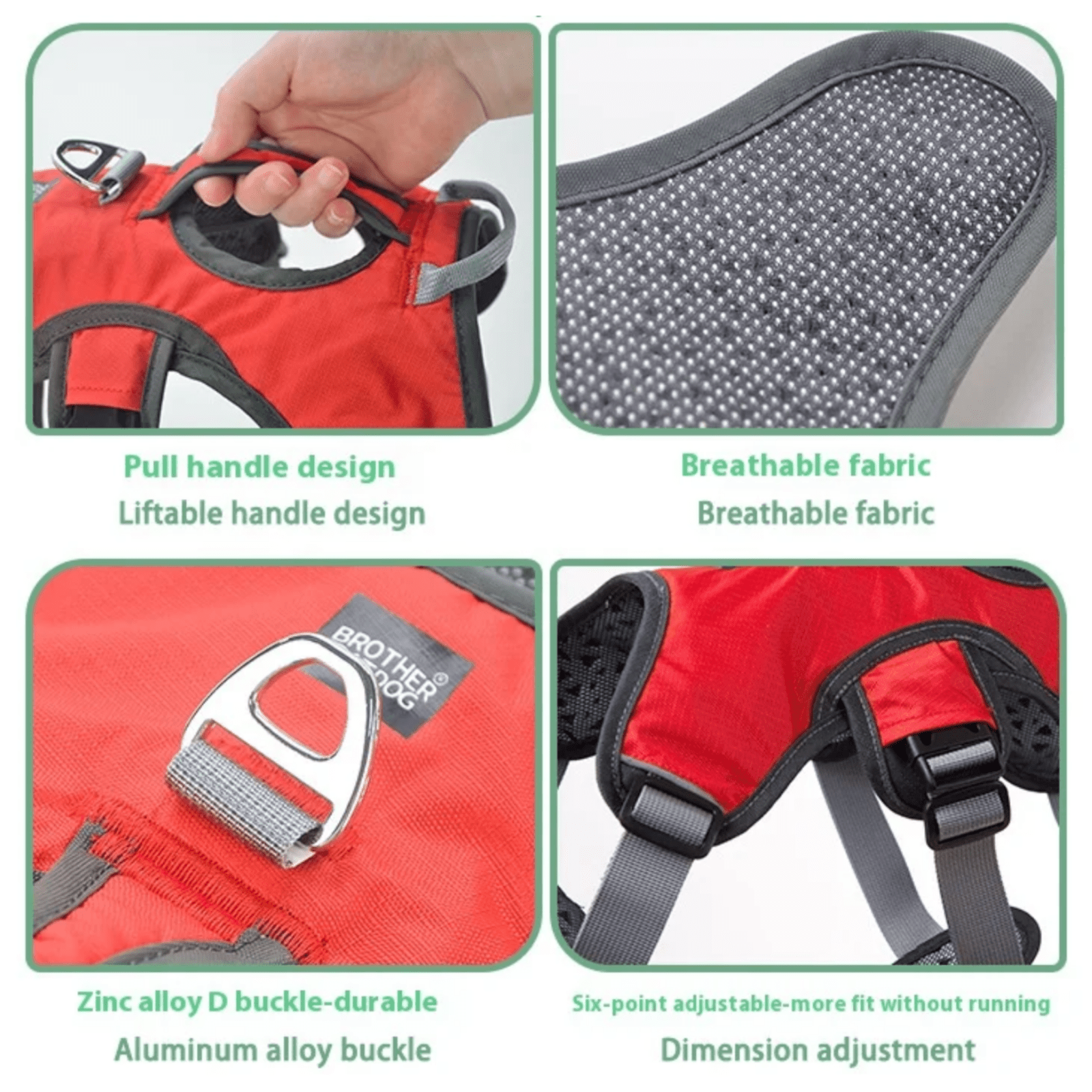
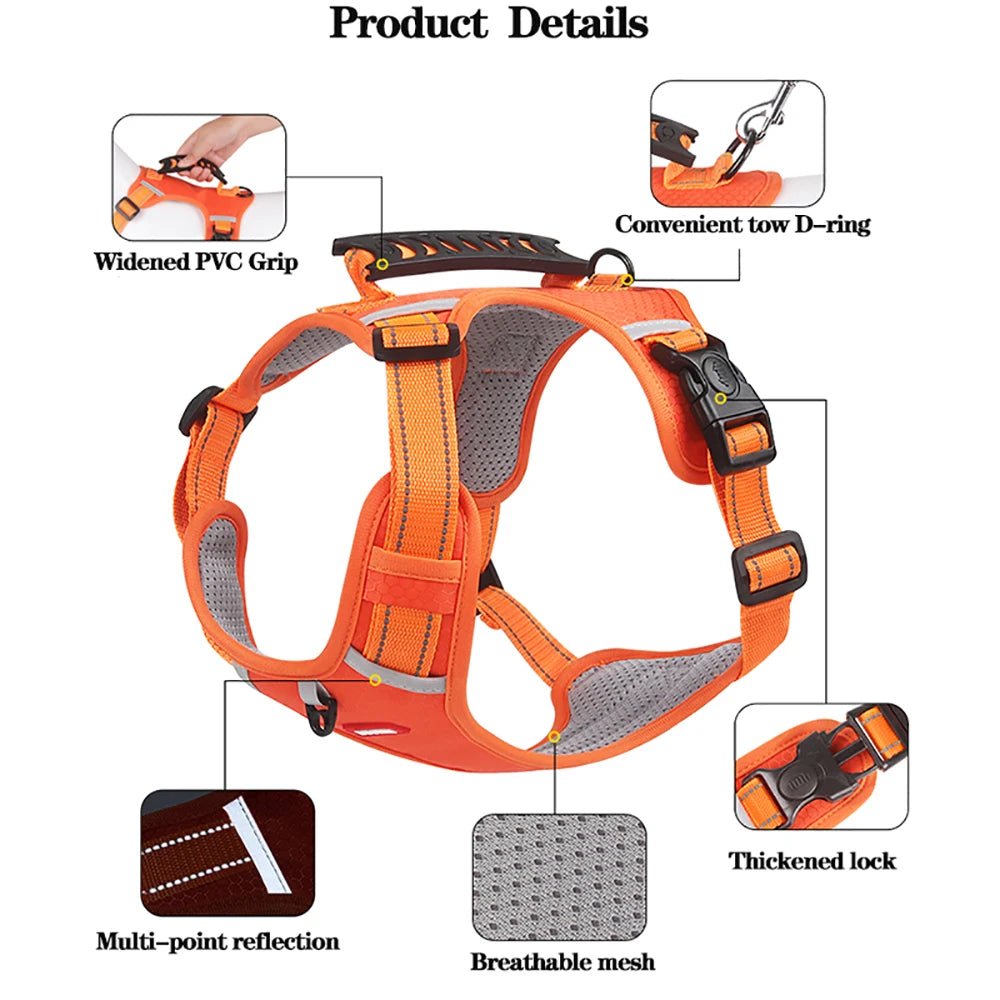
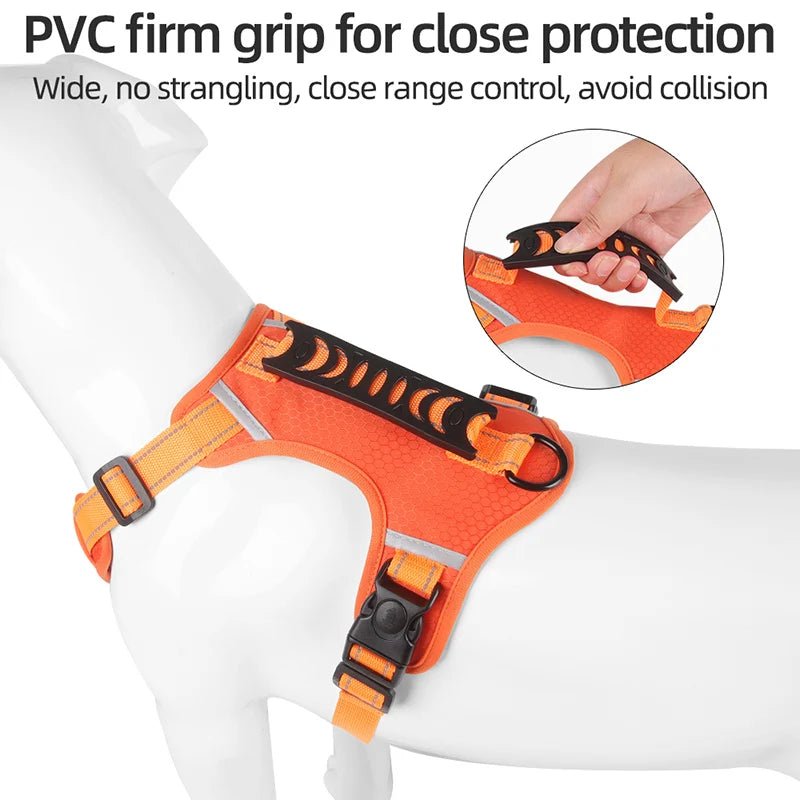
For longer walks off the path, a hiking dog harness needs to do more than your everyday model. Our selection covers harnesses with reinforced stitching, weather-resistant materials, and sturdy top handles for when you need to lift your dog over a stile or guide them through a busy section of trail.
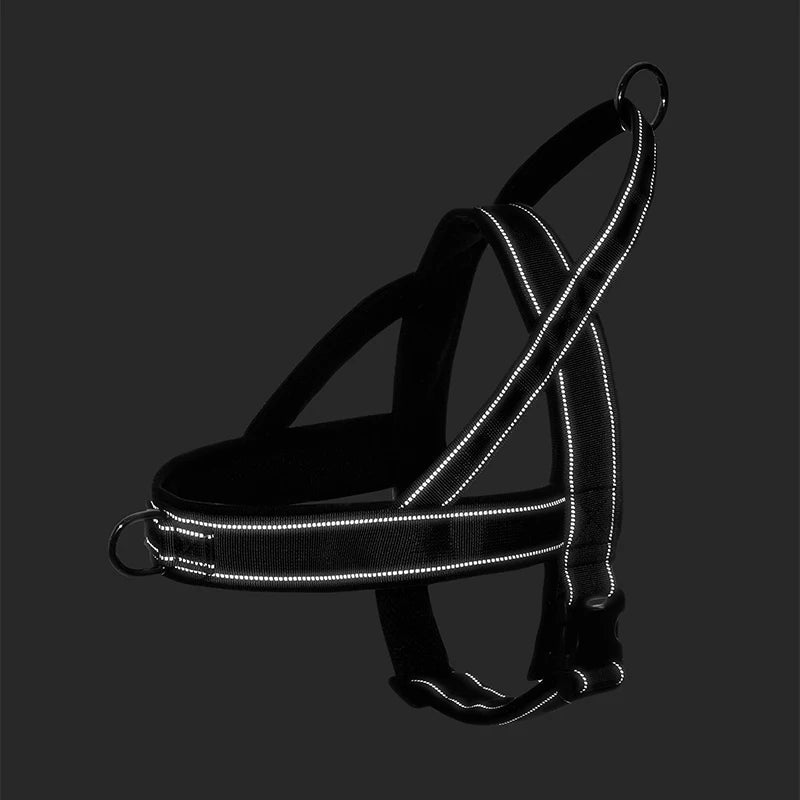
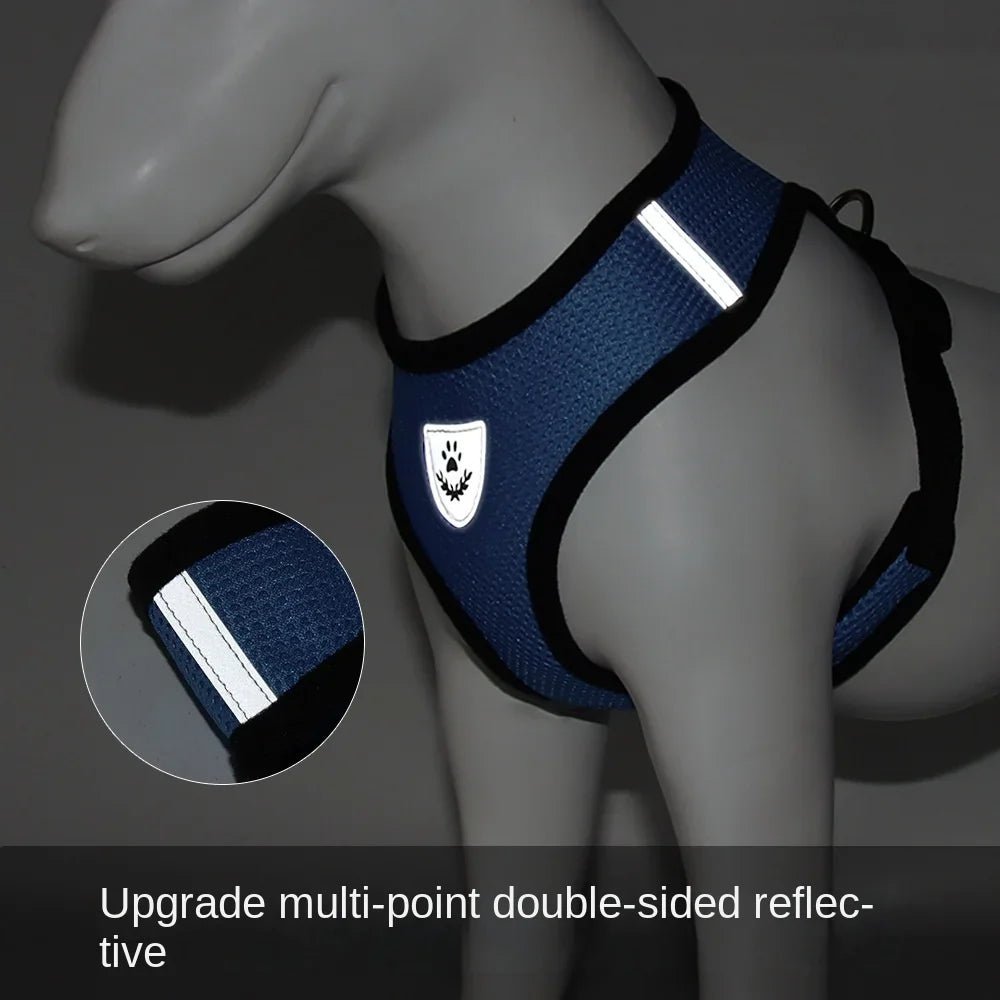
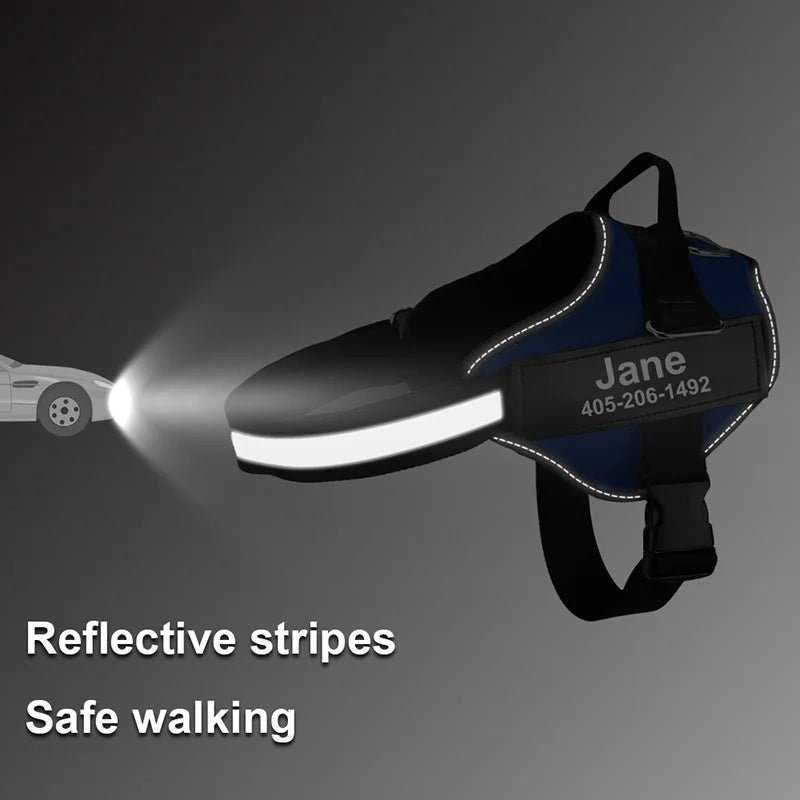
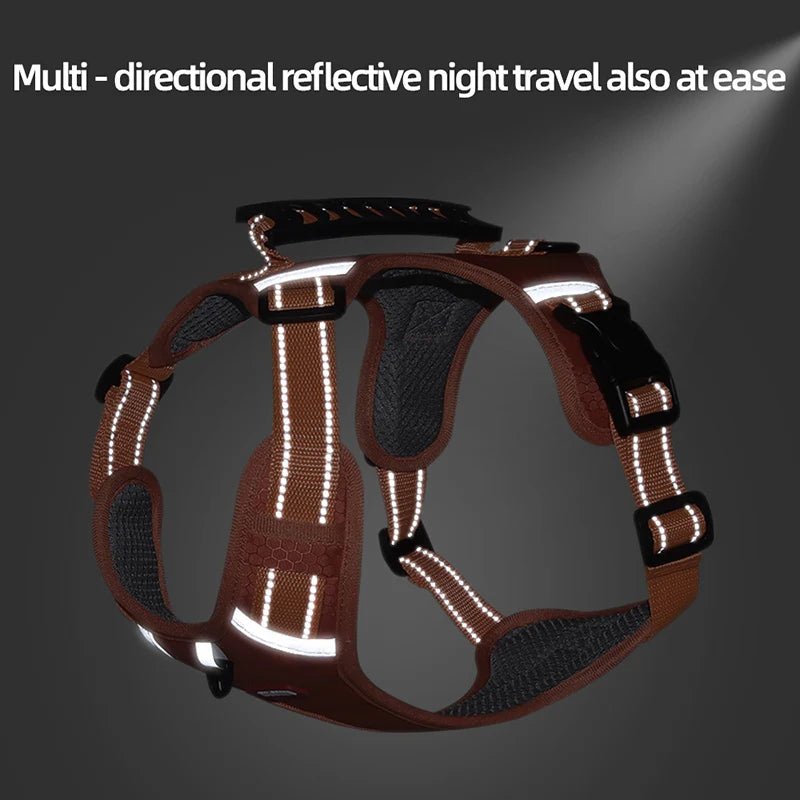
These are also our pick for camping trips, weekend adventures, and any outing where the terrain is unpredictable. Look out for the harnesses with reflective stitching for early morning and late evening starts.
A Dog Harness for Every Dog
Every dog is shaped a little differently, and the right dog harness should reflect that. Two cockapoos can have very different chest girths, and a working labrador will need a different fit from a more relaxed one of the same size.
Below, we've sorted the collection by the type of dog the harness suits best. Brand-new puppy, large breed, or strong puller, your right group is below.
Puppies and Small Dogs
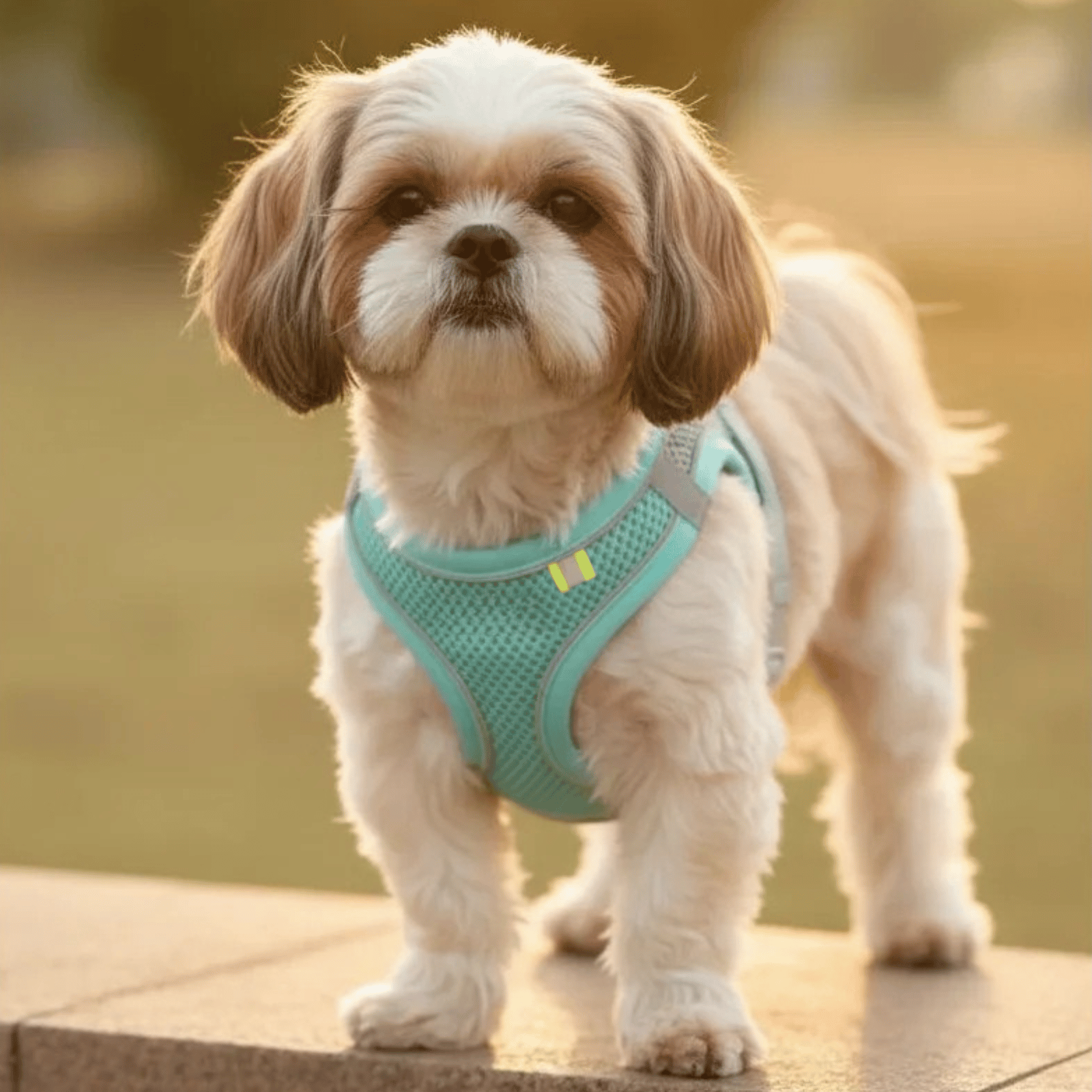
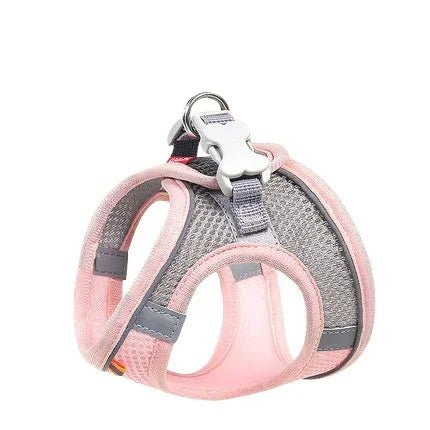
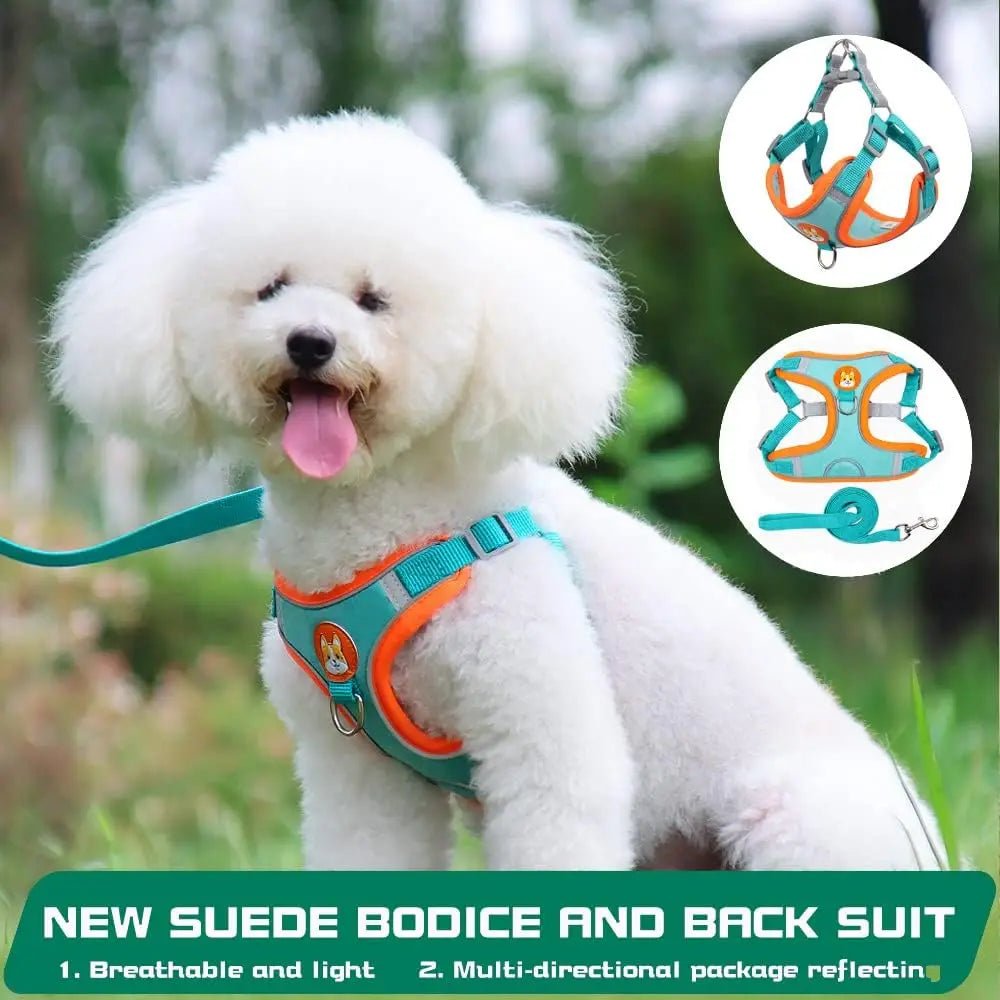
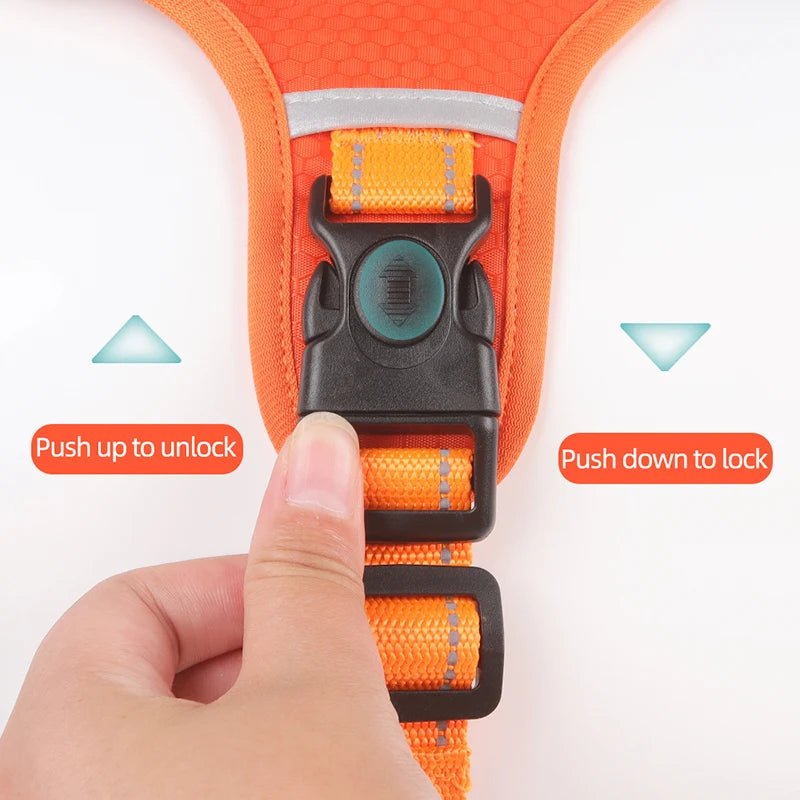
A puppy harness or small dog harness needs to be light, soft, and gentle on a developing body. The harnesses in this part of our range have generous adjustment on the neck and chest straps, so your puppy can grow into the same harness over their first months at home.
We've chosen designs with extra padding for tiny chests, easy-on fastenings for wriggly bodies, and the option of a front-clip for early lead training. Comfortable on small frames, simple to fit, and built to last past the puppy stage.
Large Dogs
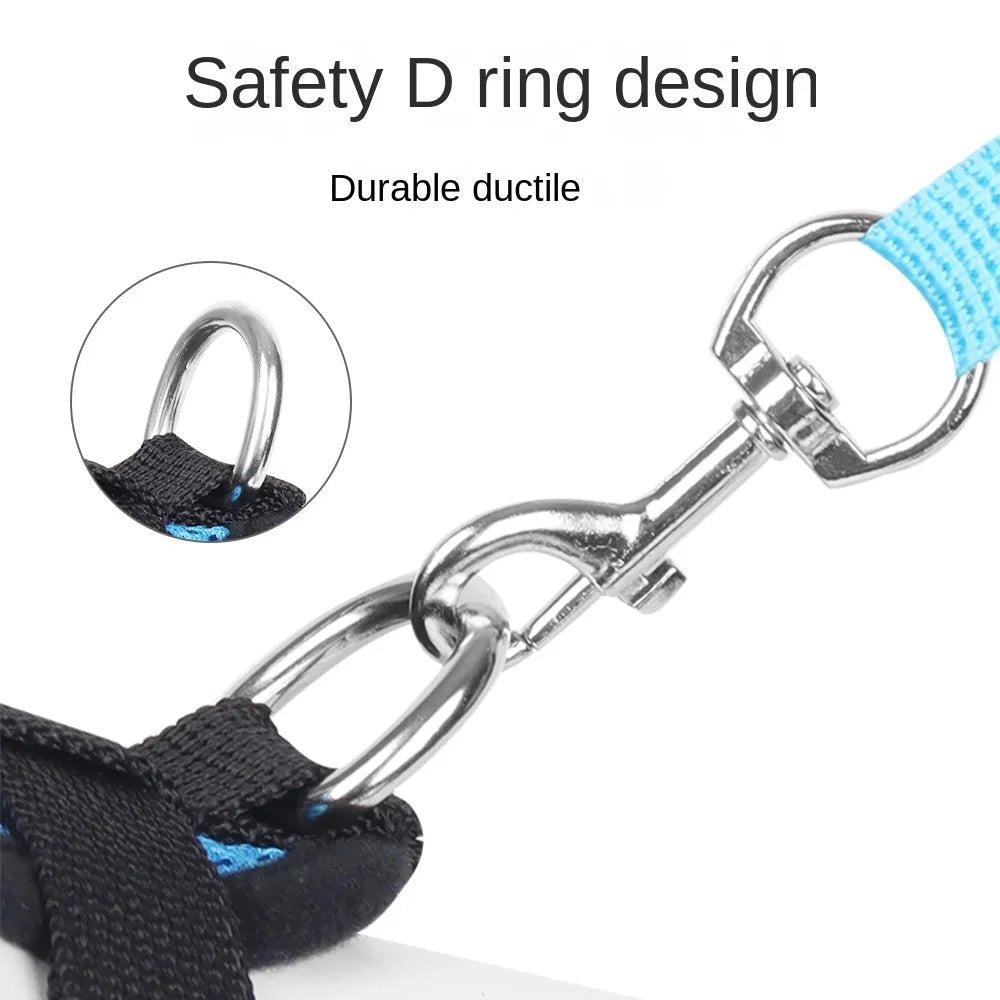
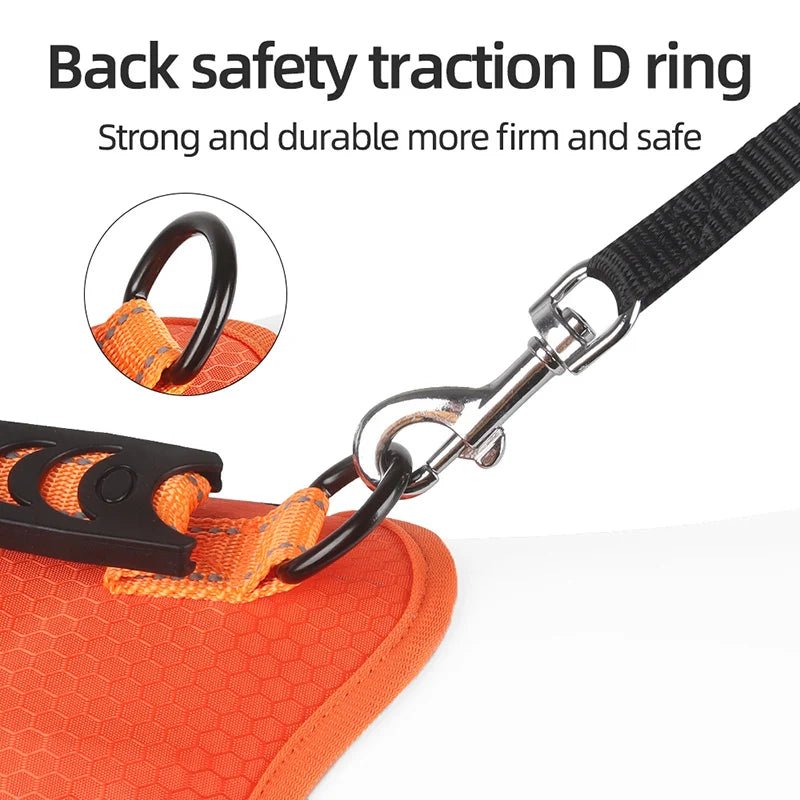
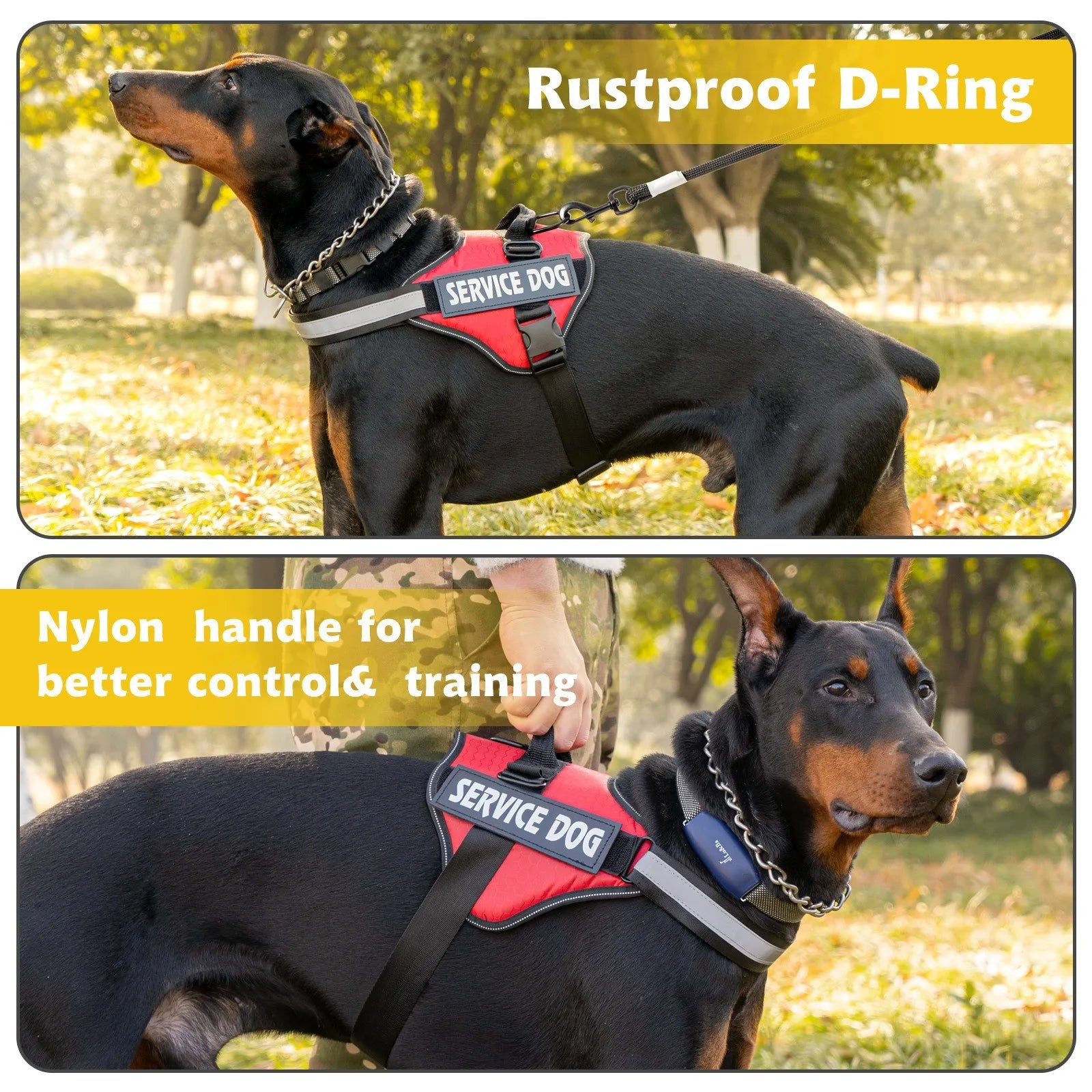
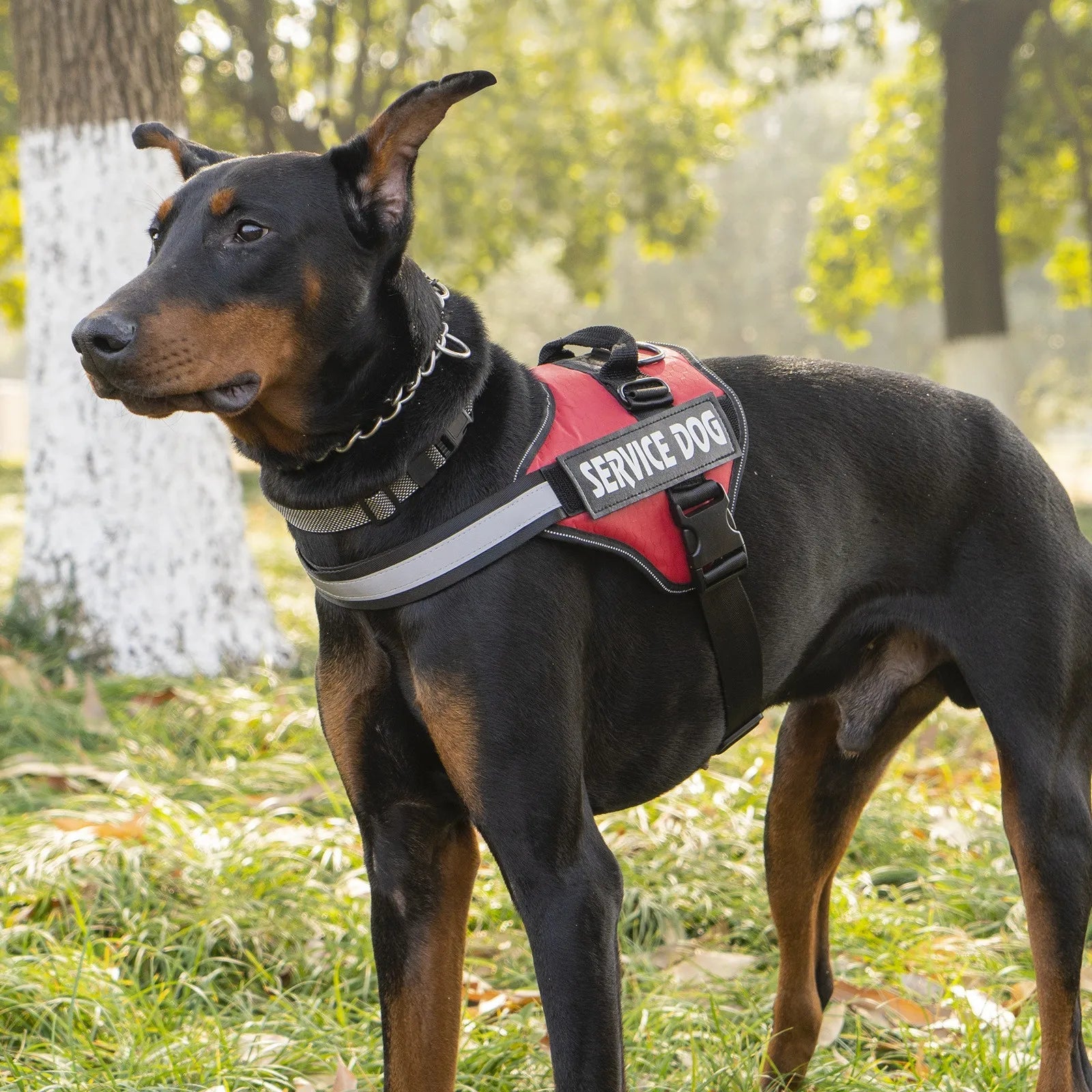
If you've ever had a large dog hit the end of the lead at full speed, you know why a harness has to be built differently. The ones we've picked have broader straps, reinforced stitching, and welded D-rings to handle the weight and energy of bigger breeds.
A sturdy top handle is a useful extra here: helpful for car loading, road crossings, and guiding a strong dog through busy spots. Most also come with broad padded chest plates, which spread pressure evenly and keep walks comfortable for both ends of the lead.
Dogs That Pull
For dogs who pull, the right dog harness can change a frustrating walk into a calm one. The no-pull harnesses in our selection come with a front-clip attachment, which gently redirects your dog's forward momentum to the side rather than letting them lean into the lead.
It's a kinder, more effective approach than collar-based correction, and easier on your dog's throat and neck. Pair the harness with consistent training and most dogs settle into a steadier pace within a few weeks. Speak to a professional trainer if you'd like guidance on the training side.
Find Your Dog Harness at Duke & Scoop
Ready to find a dog harness your dog will actually love wearing? Browse the full collection above and pick the one that fits your dog's size, walking style, and personality. Every product page has a complete size guide, material breakdown, and clip configuration, so you know exactly what you're getting before you order.
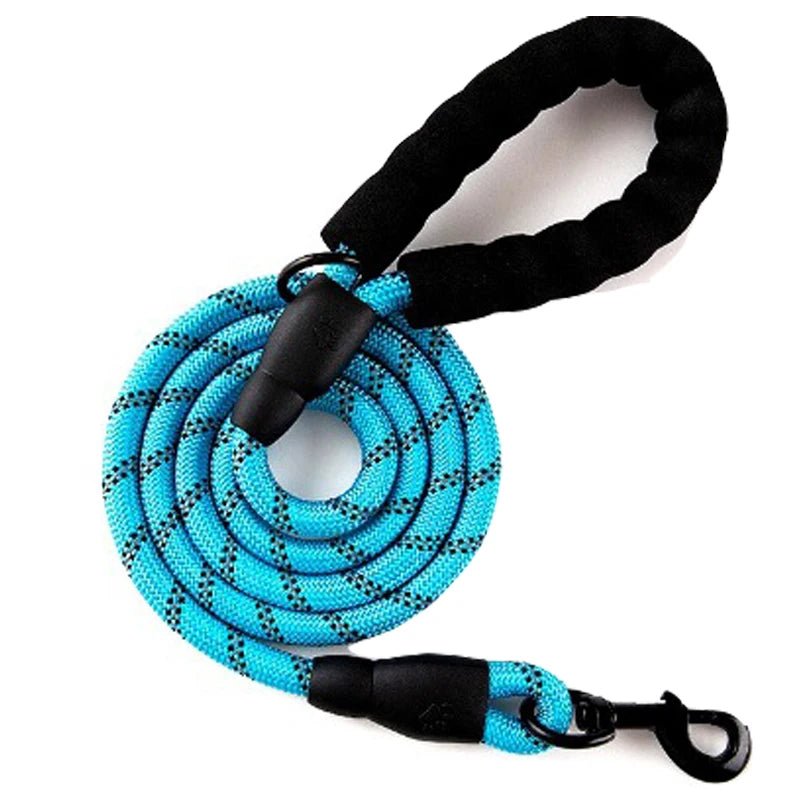
Don't forget to complete the setup: pair the harness with a sturdy dog lead for walks, and a matching dog collar with an ID tag for everyday wear.
Still not sure which harness is right for your dog? Our team uses these dog harnesses on our own dogs, and we'd rather take five minutes to point you to the right match than have you order something that doesn't suit your pup. Drop us a message any time.